
Psoriatic arthritis can cause skin rashes, changes to fingernails and toenails, joint pain and stiffness. Unfortunately, this chronic skin condition does not have a cure, but it doesn’t mean that all hope is lost. Understanding this condition and seeking professional help can ensure you get the treatment you need to live a happy and fulfilling life!
What is Psoriatic Arthritis?
This type of Arthritis affects those who have psoriasis or have a family history of psoriasis. Arthritis is common and affects the joints, making them stiff and causing inflammation around the area. Psoriasis is a skin condition that causes the skin to become inflamed and causes discoloration and rashes. Both of these conditions are considered autoimmune diseases. This is when the body’s immune system mistakenly starts to attack instead of defending the body. Psoriatic arthritis is when your joints and skin are affected and have moments of inflammation and flare-ups. Less than 1% of the population has this condition, and it is more common for those who already have psoriasis to have it.
Forms of Psoriatic Arthritis
A doctor will examine which side of your body it occurs on and what joints are affected to help classify the type of psoriasis you have. This can help them better understand the treatment.
5 types of Psoriatic Arthritis:
- Distal interphalangeal predominant psoriatic arthritis – This affects the joints by the phalanges, which are your fingers and toes. This is the most common form of psoriatic arthritis, which affects your finger and toenails, making them flaky and changing color.
- Symmetric polyarthritis – This condition is when two or more joints are affected at the same time. It is called symmetric because people often experience this on both sides of their body and in the same body part such as both knees or elbows.
- Asymmetric oligoarticular psoriatic arthritis – This is when two or four joints are being affected but on different parts of the body such as your knee on one side and your elbow or wrist on the other side.
- Spondylitis – The spine has 33 vertebrae, and Spondylitis causes symptoms such as inflammation between these bones. This can lead to more pain in the shoulders and hips.
- Arthritis mutilans – This type of psoriatic arthritis causes immense symptoms, primarily in your hands and feet. The inflammation of arthritis mutilans can be intense enough to even cause osteolysis or bone loss. Less than 5% of patients who have psoriatic arthritis have this form, making it very rare.
Symptoms of Psoriatic Arthritis
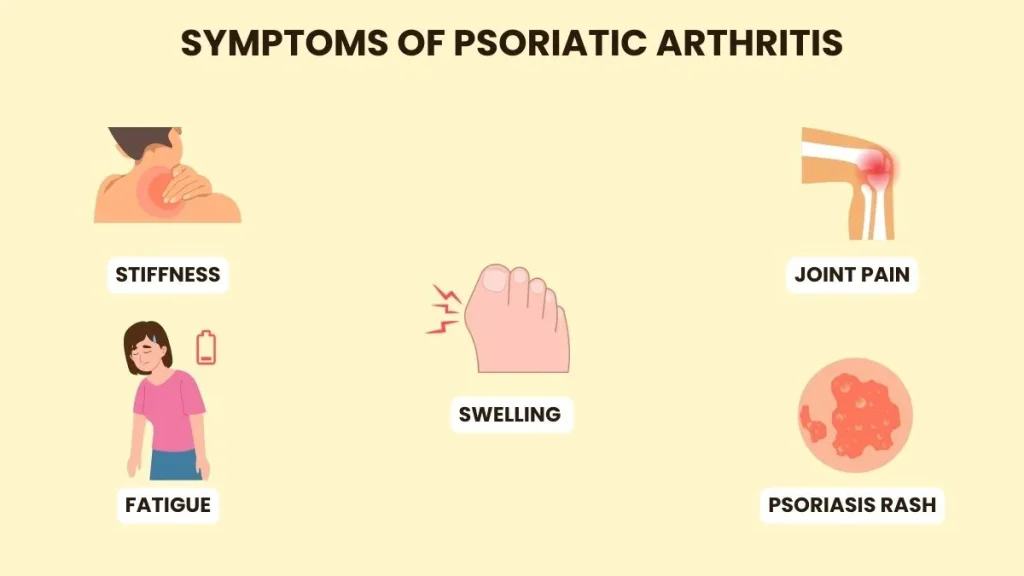
- Stiffness
- Joint pain
- Painful and tender ligaments and tendons
- Redness and discoloration by joints
- Swelling of the toes and fingers
- Nail psoriasis
- Fatigue
- Rash
Causes of Psoriatic Arthritis
It has not yet been confirmed what exactly causes psoriasis. The National Library of Medicine says researchers have found that many people with the condition have similar genetic mutations. There is also evidence that it can be a hereditary condition, with about 40% of people with psoriatic arthritis having someone in their family with the condition.
Complications of Psoriatic Arthritis:
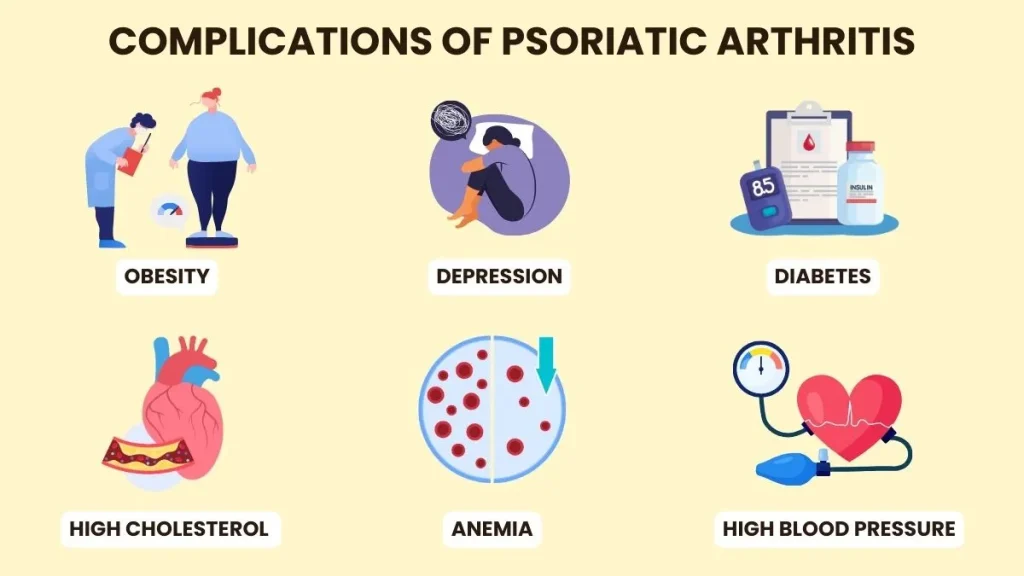
- Obesity
- High blood pressure
- High cholesterol
- Anemia
- Depression
- Diabetes
- Muscle weakness
Management and Treatment
Treatments will depend on the following factors:
- Which joints are being affected
- The severity of symptoms
- How much you are affected by symptoms
Common types of treatments for psoriatic arthritis are:
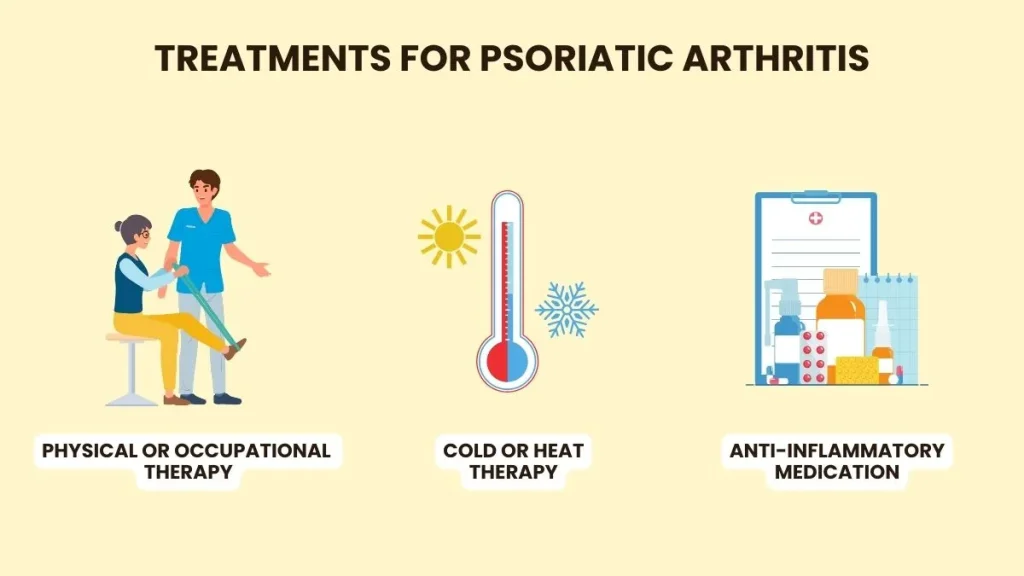
- Cold or heat therapy
- Corticosteroids
- Over-the-counter anti-inflammatory medication
- Physical or occupational therapy
- Disease-modifying antirheumatic drugs
Conclusion
For someone with psoriasis arthritis it can feel like battling two conditions at once which can be frustrating. However, with the right course of treatments and management of symptoms, those with these forms of conditions can still have a good quality of life. Just make sure to follow the steps and advice from your healthcare providers. There you go!