
Have you been wondering how to tell if you have type 1 diabetes or would like to know more about your diagnosis? Then, continue reading as we take a closer look at this condition. Insulin-dependent diabetes affects both adults and children and is categorized as a chronic autoimmune disease. It occurs when your body is not able to make insulin, so it relies on close blood sugar monitoring and insulin injections.
What is Type 1 Diabetes?
This condition is when your pancreas is not able to create its own insulin. It is very important that your body has insulin because it is a hormone that helps to regulate the glucose in your bloodstream.
Here is a better look at how your body uses insulin:
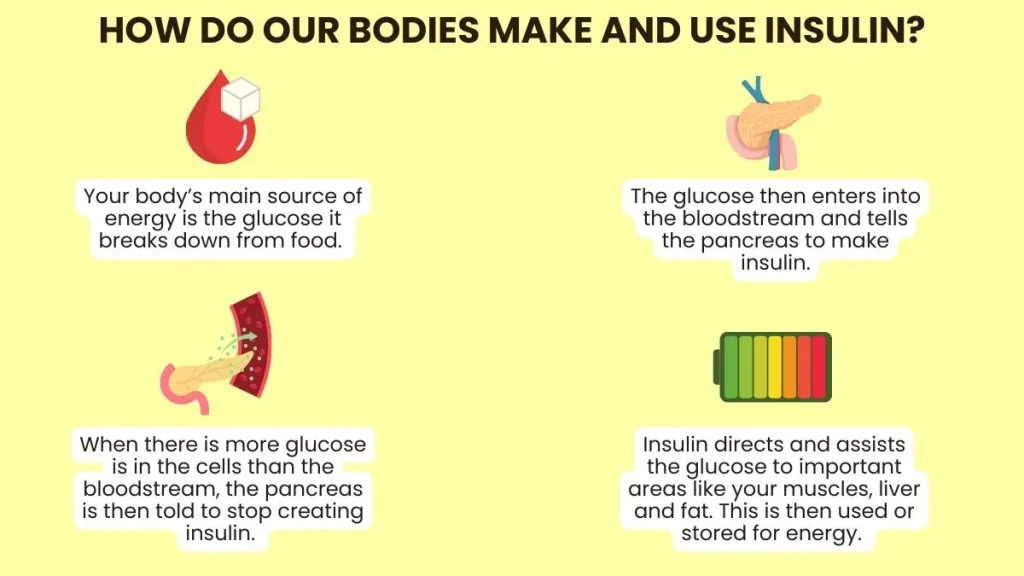
- Your body’s main source of energy is the glucose it breaks down from food.
- The glucose then enters into the bloodstream and tells the pancreas to make insulin.
- Insulin directs and assists the glucose to important areas like your muscles, liver and fat. This is then used or stored for energy.
- When the glucose is in the cells and less in the bloodstream, the pancreas is then told to stop creating insulin.
Hyperglycemia, also known as high blood sugar, is when there is not enough insulin, and too much glucose begins to build up. Your body then can’t use the glucose from foods for energy. People who have type 1 diabetes need to replace the lack of this hormone by injecting themselves with synthetic insulin on a daily basis. Before, type 1 diabetes was referred to as insulin-dependent diabetes or juvenile diabetes.
Who is Prone to Type 1 Diabetes?
Those who are most likely to develop juvenile diabetes are younger children from 4 to 6 and later at 10 to 14 years of age. This type of diabetes can develop at any age, and these are just the ages most commonly diagnosed with the condition. Both men and women are equally likely to have type 1 diabetes, and in the U.S., it more frequently affects those who are non-Hispanic Caucasian.
Even though you do not need to have a relative or have it run in the family to get it, you have a higher chance of having the condition if a parent or sibling has it. Insulin-dependent diabetes affects around 1.24 million people in the United States and is thought to increase to about 50 million by 2050.
What Causes Type 1 Diabetes?
The condition develops when the body’s immune system starts to attack cells in the pancreas by mistake. This then affects the pancreas’ ability to create insulin. This then results in a crucial insulin deficiency and can take months or years to be diagnosed. The exact reason behind type 1 diabetes is still somewhat of a mystery, but scientists have found that genes are a strong contending component.
If your father has diabetes, you are 3% to 8% more likely to have it, and if your mother is diagnosed with insulin-dependent diabetes, then the numbers are 1% to 4% higher. If both parents have it, then you have a chance as high as 30% for developing juvenile diabetes.
How is Type 1 Diabetes Diagnosed?
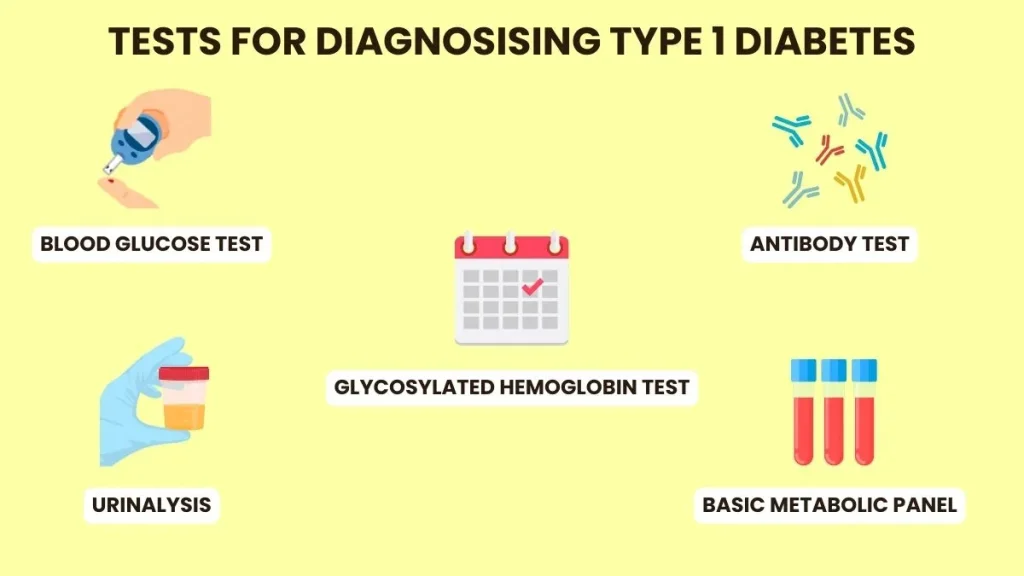
There are several ways that doctors test for type 1 diabetes, there are:
- Blood glucose test – This checks the amount of sugar/glucose in your blood.
- Glycosylated haemoglobin test – This measures blood sugar level over 3 months.
- Antibody test – Blood tests that look for antibodies to help determine diabetes type 1 or 2.
- Basic metabolic panel – This is a blood sample test that measures 8 components in your blood.
- Urinalysis – A urine test to help see chemical, visual and microscopic aspects in the urine.
- Arterial blood gas – This is when blood is taken from an artery to understand the level of oxygen in the blood.
Type 1 Diabetes Treatments and Management
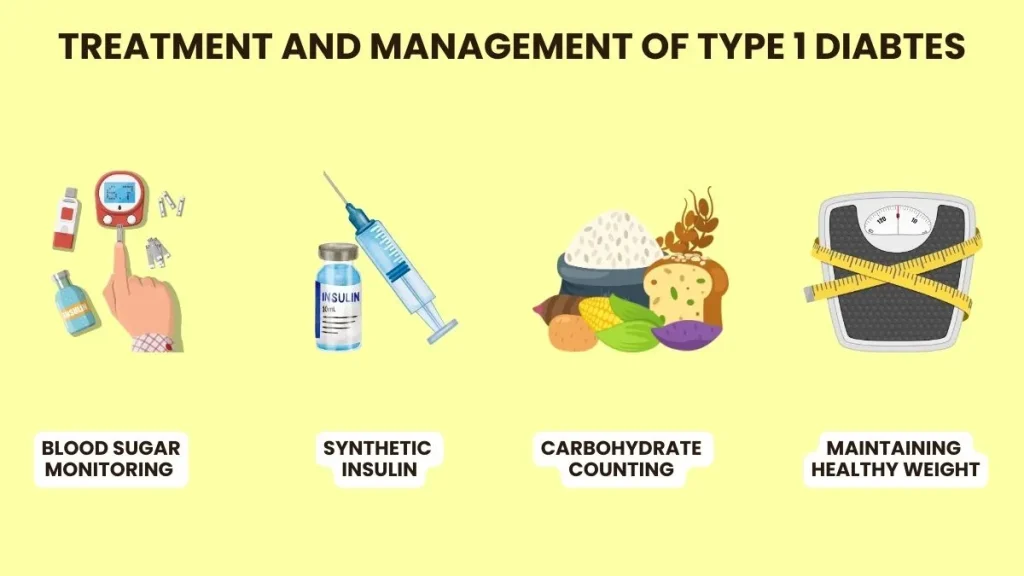
With type 1 diabetes, a person needs to inject synthetic insulin into their bloodstream multiple times every single day. It is also complex and highly tailored when it comes to treating insulin-dependent diabetes. Because there are so many different aspects that affect type 1 diabetes, it is important you follow through with treatment plans.
Here are ways to help treat and manage insulin-dependent diabetes or juvenile diabetes:
- Blood sugar monitoring
- Synthetic insulin
- Carbohydrate counting
- Daily insulin injections
- Maintaining healthy weight
- Eating healthy
- Staying active
Conclusion
Type 1 diabetes can affect anyone whose immune system prevents insulin production, and the main cause of the condition has yet to be discovered. However, there are ways to identify, manage, and treat type 1 diabetes so that you can live a happy, healthy life!