
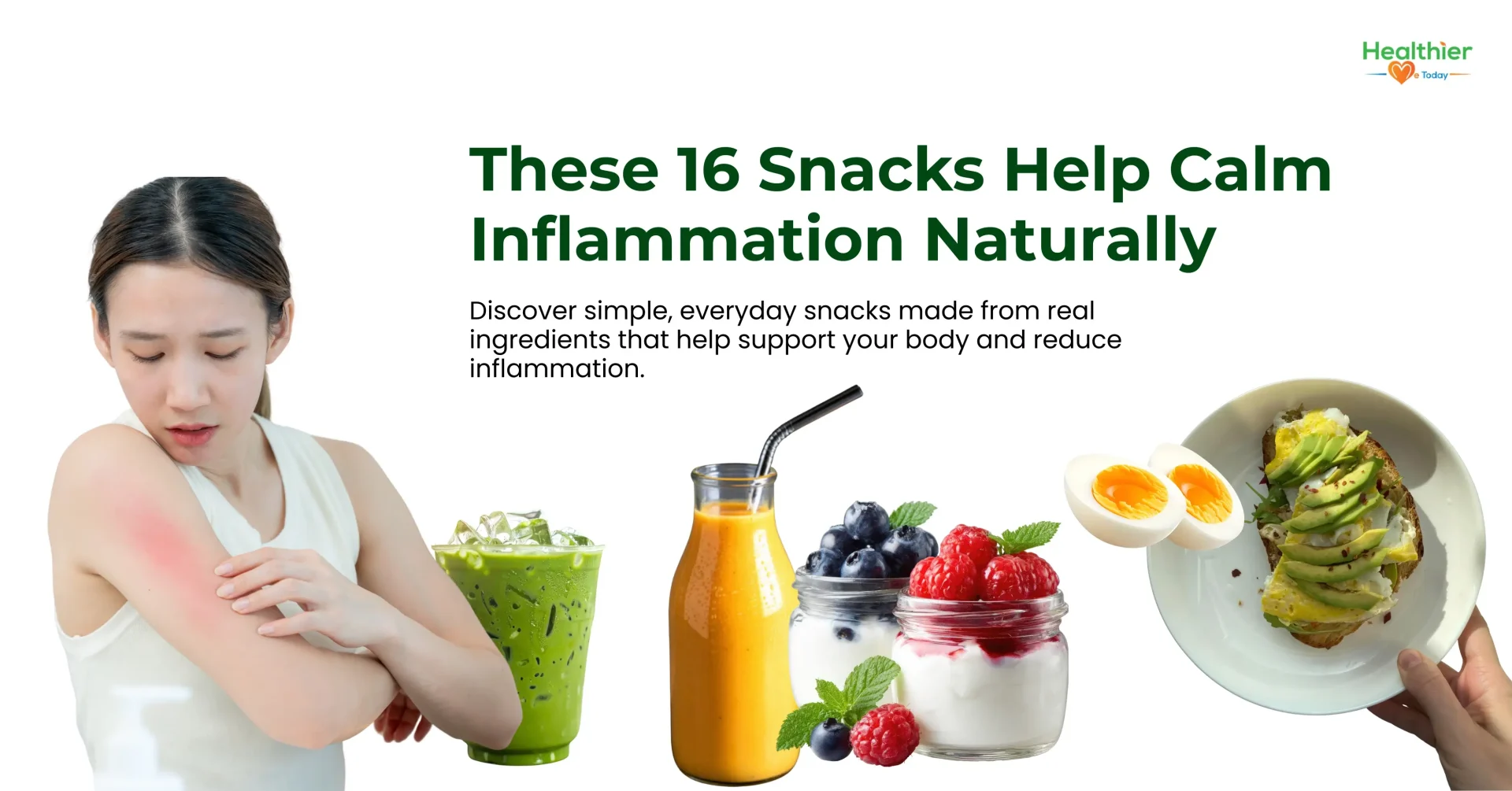
Discover the 16 best anti-inflammatory snacks packed with healthy nutrients to help reduce inflammation naturally and support overall wellness.

12 Weight Loss Smoothies That Actually Work
When you’re trying to lose weight, the last thing you want is a smoothie that tastes good but leaves you hungry an hour later. The truth is, not all smoothies are created equal. Some are sugar bombs in disguise, while others are crafted to keep you satisfied, boost metabolism, and actually move the scale in the right direction.
In this guide, you’ll discover 12 weight loss smoothies that actually work, blends packed with fruits, veggies, protein, and fiber to give you energy, curb cravings, and support fat loss. Whether you need a quick breakfast, a post-workout refuel, or a snack that helps rather than hurts your goals, these smoothies prove you don’t have to give up flavor to see results.

This smoothie combines protein, healthy carbohydrates, and low-calorie creaminess to support weight management. The yogurt and collagen powder provide protein, which slows digestion and helps control appetite. Cashew milk keeps calories lower than traditional dairy while still giving a satisfying texture. The banana offers natural sweetness and potassium, reducing the need for added sugars and supporting electrolyte balance. Together, these ingredients make a filling option that can replace a higher-calorie breakfast without leaving you hungry soon after.
This blend is packed with wholesome ingredients that fuel your body. Creamy avocado and crunchy cashews bring in those healthy fats, while fresh spinach adds fiber and nutrients without the calories. The pineapple adds a burst of natural sweetness, supports digestion, and gives your immune system a boost with vitamin C. To top it off, protein powder and cashew milk make it rich, smooth, and filling enough to keep you satisfied for hours.
It’s ideal as a quick breakfast or midday pick-me-up. Brewed coffee gives you that natural caffeine kick to wake you up and fire up your metabolism. The protein powder adds healthy fats and fiber to keep you fuller for longer. Medjool dates add natural sweetness, while oat milk keeps it smooth and creamy. The cacao powder ties it all together with that rich, chocolatey flavor.

This fiber-rich Cinnamon Date Smoothie is sweet, creamy, and satisfying. Medjool dates add natural sweetness, while rolled oats give it a thick, milkshake-like texture. Rolled oats help with digestion and keep you full for longer. The almond milk adds creaminess, making your smoothie light and easy to digest. With the warmth of cinnamon and the sweetness of Medjool dates, it’s like sipping a cinnamon roll in a glass.

The cashew milk makes a creamy, nutty base. The matcha adds that vibrant green color and earthy boost. Matcha turns your smoothie into a metabolism-boosting, energizing blend that supports weight loss naturally. A banana brings sweetness, natural energy, and a thick, creamy texture. A splash of vanilla brings out the flavor without adding extra sugars. Smooth, green, and full of natural goodness in every sip.
The flaxseed and almond butter bring in a balance of healthy fats, protein, and fiber, while the banana and dates add natural sweetness and a boost of energy. Frozen cauliflower sneaks in extra nutrients and fiber while keeping calories in check. Almond milk creates a smooth, creamy base without the heaviness of dairy. A sprinkle of cinnamon turns this blend into something comforting and delicious. Together, these ingredients make a smoothie that supports digestion, curbs cravings, and fuels the body the right way.
Dates bring natural caramel-like sweetness and a quick energy boost, while protein powder helps support muscles and keeps you satisfied longer. Chickpeas might sound unusual in a smoothie, but they blend seamlessly, adding creaminess, fiber, and plant-based protein. Cashew milk keeps the texture light and dairy-free. Altogether, this shake combines protein and plant-based goodness.

The grapefruit gives a citrus kick that helps with metabolism, while pineapple brings natural sweetness. Celery and cucumber keep things light, hydrating, and full of fiber, and the kale adds vitamins and minerals without overpowering the flavor. Blended with water and ice, this smoothie is a real refresher.
Fresh mint adds a cool, refreshing touch that turns a regular shake into something energizing. Cacao powder gives a deep chocolate flavor. The protein powder helps you stay full and supports your muscles. Almond milk keeps things creamy without dairy, and ice makes it extra cold. The result is a smooth chocolate-mint blend that tastes like a treat but is good for you.
Dark chocolate or cocoa powder brings a rich flavor while supporting metabolism. Peanut butter adds creamy texture, healthy fats, and a protein boost, while banana naturally sweetens the shake and makes it smooth. Spinach sneaks in extra vitamins and minerals without changing the taste, and protein powder helps keep you full and supports recovery. Blended with almond milk and ice.

This smoothie blends the natural sweetness and fiber of apple with the warm hint of cinnamon. Vanilla protein powder keeps you full and satisfied, while rolled oats thicken the shake and add slow-digesting carbs. Spinach boosts the nutrient content without altering the flavor, and walnuts provide a crunchy dose of healthy fats for long-lasting energy.
A mix of berries brings natural sweetness along with a boost of nutrients, while spinach sneaks in extra vitamins and minerals. Walnuts add healthy fats and a creamy texture, and a sprinkle of cinnamon gives a warm taste that pairs perfectly with the berries. Blended with almond milk and ice, this shake is smooth, refreshing, and energizing.
Benefits of Drinking Smoothies
Nutrition research shows that smoothies with whole foods, protein, and healthy fats can help you maintain a healthy lifestyle. Here’s what the studies found:- Ingredients like oats, seeds, and fruits help you stay fuller for longer without unnecessary snacking [verywellhealth.com].
- Adding protein, such as Greek yogurt or protein powder, along with healthy fats like avocado, nuts, seeds, or coconut milk, provides you with a complete meal in just one smoothie.
- A liquid base, like water, almond milk, or coconut water, helps you stay hydrated but also supports digestion, fuels you up with energy, and prevents confusing thirst with hunger.
- Use natural sweetness from fruit like berries or bananas with a dash of cinnamon instead of added sugars.
- Adding some green tea, ginger, and leafy greens, this will help speed up your metabolism and support fat loss.
What to Put in a Smoothie for Weight Loss?
To help your smoothies support your weight loss goals, focus on picking the right ingredients. Try blending protein, fiber, a bit of natural sweetness, and a healthy liquid base. This way, your smoothie will taste great and keep you full. Here are some ideas to get you started:- Protein: Protein doesn’t mean adding meat into your smoothie. Try Greek yogurt, protein powder, or nut butter. Including protein in your smoothie boosts your immune system, keeps you fuller for longer, and helps with muscle growth and maintenance.
- Fiber and greens: High-fiber fruits and leafy greens like spinach, kale, and oats are great additions for green smoothies for weight loss, and high fiber will also help to boost your energy levels throughout the day and keep the cravings under control.
- Natural sweeteners: Use fruits like pineapple, mango, bananas, or berries to naturally sweeten your smoothie rather than adding sugar. Unsweetened fruits are perfect for the best smoothies to lose weight [eatingwell.com]. You can even add vanilla extract for a sweeter taste.
- Liquid bases: Without liquid, your smoothie can turn out too thick or chunky. For the perfect texture smoothie, use water, unsweetened almond milk, oat milk, or coconut milk, or juice. This will give your smoothie a smooth, creamy consistency.
- How to lose weight in 4 weeks with exercise
- If Wellbutrin can be used to lose weight
- Is Yoga the answer to a leaner you?
- How walking can sometimes be better than going to the gym
12 Weight Loss Smoothies That Actually Work
If you’re serious about losing weight, smoothies can be your secret weapon, but only if they’re made with the right ingredients. The wrong blend can leave you hungry or overload you with sugar, while the right mix of protein, fiber, and healthy fats keeps you full, energized, and moving closer to your goals. Below, you’ll find 12 delicious smoothie recipes that do more than taste good, they actually work. Each one is simple to make, satisfying, and designed to help you stay on track without feeling deprived.1. Creamy Banana Smoothie
| Ingredient | Quantity |
| Banana yogurt | ½ cup |
| Cashew milk | 1 cup |
| Collagen powder | 1 scoop |
| Ice (optional) | ½ cup |
2. Avocado Smoothie
| Ingredient | Quantity |
| Avocado | ½ medium |
| Spinach | 1 cup |
| Cashews | 2 tbsp |
| Pineapple | 1 cup |
| Protein powder | 1 scoop |
| Cashew milk | 1 cup |
| Ice (optional) | ½ cup |
3. Coffee Smoothie
| Ingredient | Quantity |
| Brewed coffee | ½ cup |
| Protein powder | 1 scoop |
| Medjool dates | 2 (pitted) |
| Oat Milk | 1 cup |
| Cacao powder | 1 tbsp |
| Ice | ½ cup |
4. Cinnamon Date Smoothie
| Ingredient | Quantity |
| Rolled oats | ¼ cup |
| Medjool dates | 2 (pitted) |
| Cinnamon | ½ tsp |
| Almond Milk | 1 cup |
| Ice | ½ cup |
5. Matcha Energy Smoothie
| Ingredient | Quantity |
| Matcha powder | 1 tsp |
| Vanilla extract | ½ tsp |
| Banana | 1 Medium |
| Cashew milk | 1 cup |
| Ice | ½ cup |
6. Flaxseed Fiber Smoothie
| Ingredient | Quantity |
| Flaxseed | 2 tbsp (ground) |
| Almond milk | 1 cup |
| Almond butter | 1 tbsp |
| Medjool dates | 2 |
| Banana | 1 medium |
| Frozen cauliflower | ½ cup |
| Cinnamon | ½ tsp |
| Ice (optional) | ½ cup |
7. Caramel Protein Shake
| Ingredient | Quantity |
| Medjool dates | 3 (pitted) |
| Protein powder | 1 scoop |
| Chickpeas (cooked) | ½ cup |
| Cashew milk | 1 cup |
| Ice | ½ cup |
8. Fat-Burning Grapefruit Smoothie
| Ingredient | Quantity |
| Grapefruit | ½ medium |
| Pineapple | 1 cup |
| Celery | 1 stalk |
| Cucumber | ½ medium |
| Kale | 1 cup |
| Water | 1 cup |
| Ice (optional) | ½ cup |
9. Mint Smoothie
| Ingredient | Quantity |
| Almond milk | 1 cup |
| Cacao powder | 1 tbsp |
| Fresh mint | ¼ cup (leaves) |
| Protein powder | 1 scoop |
| Ice | ½ cup |
10. Chocolate Peanut Butter Shake
| Ingredient | Quantity |
| Dark chocolate or cocoa powder | 1 tbsp |
| Peanut butter | 1 tbsp |
| Banana | 1 medium |
| Spinach | 1 cup |
| Protein powder | 1 scoop |
| Almond milk | 1 cup |
| Ice | ½ cup |
11. Apple Cinnamon Shake
| Ingredient | Quantity |
| Vanilla protein powder | 1 scoop |
| Apple | 1 medium (chopped) |
| Rolled oats | ¼ cup |
| Spinach | 1 cup |
| Walnuts | 2 tbsp |
| Cinnamon | ½ tsp |
| Almond milk | 1 cup |
| Ice | ½ cup |
12. Rich Berry Shake
| Ingredient | Quantity |
| Mixed berries | 1 cup (frozen) |
| Spinach | 1 cup |
| Walnuts | 2 tbsp |
| Cinnamon | ½ tsp |
| Almond milk | 1 cup |
| Ice | ½ cup |
Conclusion: Your Journey Ahead
When made with the right mix of protein, fiber, healthy fats, and natural sweetness, smoothies can be a filling, nutrient-dense meal that supports weight loss. The 12 recipes above show how easy it is to blend up flavors while staying on track with your goals. By swapping out sugar-loaded drinks for balanced smoothies, you’ll keep cravings in check, fuel your body, and make healthy eating feel simple and enjoyable. If you’d like to learn more about how you can use your diet to lose weight, we have an article that discusses the different strategies!Frequently Asked Questions (FAQ)
What are the best smoothies for weight loss?
Go for smoothies that are filled with protein, fruits, fiber, and some leafy greens that will keep you fuller for longer, support digestion, and keep cravings under control. For example, Rich Berry Shake, Matcha Energy Smoothie, or Avocado Smoothie.Do smoothies actually help you lose weight?
Yes! If you keep them balanced, they will help you lose weight, but don’t add ingredients with lots of sugar, or else they won’t help you reach your goals.Which smoothies are best for burning belly fat?
Leafy green smoothies are full of fiber and nutrients that curb cravings and help target belly fat naturally.Are green smoothies good for weight loss?
Yes! High in fiber and full of vitamins and minerals that are low in calories.Can protein smoothies help with fat loss?
Most definitely! Protein builds muscles and boosts your metabolism, and you won’t want to snack within an hour because it keeps you full.Are keto smoothies good for weight loss?
If they are low in carbs and high in healthy fats, then yes! Keto smoothies help with calories and controlling your appetite.What are the easiest weight loss smoothies to make?
The easiest weight loss smoothies are the ones that are quick and simple, like adding bananas, protein powder, almond milk, or berries that will fill you up without wanting to snack within a few minutes. For example, Rich Berry, Flaxseed Fiber Smoothie, or Apple Cinnamon Shake.
Foods to Avoid for Arthritis and Inflammation: What Can Make Symptoms Worse
If you’re living with arthritis, you’ve probably noticed that some days your joints feel stiffer, more swollen, or more painful than others. What many people don’t realize is that the foods you eat every day can quietly fuel inflammation and make those painful flare-ups worse. Certain everyday foods can quietly increase inflammation in your body, making joint pain harder to manage and recovery slower.
Understanding which foods to avoid for arthritis and inflammation gives you more control over how you feel each day.
This article explains how diet affects arthritis, which foods may trigger inflammation and joint pain, and practical changes you can make to support your joints and feel more comfortable in your body every day.
How Diet Affects Arthritis and Inflammation
What you eat has a direct impact on how your joints feel day to day. Certain foods that cause joint inflammation can trigger your body’s inflammatory response, leading to more stiffness, swelling, and discomfort. When these foods are eaten regularly, they can gradually increase joint irritation and make symptoms harder to manage.
Following an arthritis inflammation diet that focuses on balanced, nourishing foods helps reduce the internal stress on your joints. By being mindful of what you eat, you can reduce inflammation, ease joint pain, and improve mobility over time.
The Link Between Joint Pain and Inflammatory Foods
What you eat can affect how your joints feel. Some foods can trigger inflammation in the body, which can make joints feel sore, stiff, or swollen. When inflammation increases, it puts extra pressure on the joints, worsening existing joint pain, especially in people with arthritis.
Over time, regularly eating these foods can lead to more frequent pain and discomfort. That’s why diet plays an important role in supporting joint health and keeping movement as comfortable as possible.
Foods to Avoid for Arthritis and Inflammation

The foods you choose each day can make a real difference in how your joints feel. Certain foods that aggravate joint pain can fuel inflammation, leaving you feeling stiffer, more swollen, and less comfortable over time. By learning which foods to avoid, you give yourself a better chance to manage arthritis symptoms and protect your joint health long term.
1. Added Sugars and Sugary Drinks
Added sugars and sugary drinks can increase inflammation in your body. Regularly consuming fizzy drinks, sweets, and sweetened juices can lead to increased joint swelling and stiffness. Over time, this makes arthritis pain harder to manage and can leave you feeling more uncomfortable throughout the day.
Here are sugar substitutes you can use instead!
2. Refined Carbohydrates
Refined carbohydrates such as white bread, pastries, and processed cereals are quickly digested and can trigger inflammation. Because they offer very little nutrition, they may contribute to increased joint stiffness and discomfort when eaten regularly. Cutting back on refined carbs helps support your joints and make everyday movement easier.
3. Fried and Processed Foods
Fried and processed foods are often considered the worst foods for arthritis inflammation because they are high in unhealthy fats and additives. Eating these foods can trigger inflammatory responses in your body, leading to increased joint pain and swelling. Cutting back on fast food and packaged snacks can make a noticeable difference in how your joints feel.
If you want to learn more about processed foods, this piece covers everything (you’ll be surprised at some facts)!
4. Red and Processed Meats
Red and processed meats can increase inflammation in your body, which is why they are often considered arthritis trigger foods. Eating them often may make your joints feel stiffer and more uncomfortable, especially during flare-ups. Cutting back on these meats can help ease joint stress and support better movement over time.
5. Excess Omega-6 Oils
Omega-6 oils, when consumed in excess, can throw off your body’s natural balance and increase inflammation. These oils are commonly found in processed and fast foods. While your body needs some omega-6 fats, too much can worsen joint pain over time.
6. Trans Fats
Trans fats are unhealthy fats that can increase inflammation in the body, making joint pain and stiffness worse over time. They’re commonly found in margarine, baked goods, and many packaged or processed snacks. Because these are among the key foods to avoid for arthritis and inflammation, reducing your intake can help lower swelling, improve joint movement, and better support long-term joint health.
7. High-Sodium Processed Foods
Foods high in sodium can cause your body to retain fluid, which may increase joint swelling and stiffness. Processed foods, such as ready-made meals and salty snacks, are common sources. Reducing sodium intake can help your joints feel less pressured and more comfortable.
8. Alcohol
Alcohol can interfere with how your body manages inflammation. It can increase the production of inflammation-causing chemicals, making your joints feel stiffer and more painful, especially during arthritis flare-ups [pmc.ncbi.nlm.nih.gov]. Limiting alcohol helps your body control inflammation better and keeps your joints healthier.
Why These Foods Worsen Arthritis Symptoms
Certain foods can trigger arthritis symptoms, and understanding why can help you better care for your joints. Foods that worsen arthritis often trigger inflammation, leading to swelling, stiffness, and increased joint discomfort. These foods can slow down your body’s natural ability to calm inflammation, keeping your joints sore for longer. Eating them regularly may leave your joints feeling weaker, stiffer, and less flexible over time. Knowing how these foods impact your body helps you make better choices to protect your joints and feel more comfortable every day.
Foods to Avoid With Arthritis Pain (Daily Diet Traps)
The foods you eat each day can really affect your joints [arthritis.org]. Common items such as sweets, white bread, and packaged snacks can trigger inflammation. This inflammation can make your joints feel stiff or sore. If you keep eating these foods, you might have more flare-ups, and simple movements can become uncomfortable.
These daily diet traps sneak into your meals, often without you noticing, and can undermine the progress you’re making with exercise, stretching, or other treatments. By understanding which foods to avoid with arthritis pain, you take control over your diet, reduce inflammation, and give your joints the support they need to stay healthier and more flexible every day.
Smarter Swaps – What to Eat Instead

Choosing the right foods can make a big difference for your joints and help keep inflammation in check. By replacing foods to avoid for arthritis and inflammation with healthier options, you can move more easily and feel better day to day. Making these simple swaps lets you enjoy your meals while supporting your joint health naturally.
– Anti-Inflammatory Fats
Choosing healthier fats instead of fried or heavily processed ones can make a real difference for your joints [mayoclinic.org]. Fats found in olive oil, avocados, and fatty fish help calm inflammation and keep your joints moving more comfortably. Making this swap supports flexibility and can help reduce everyday stiffness without feeling like you’re giving up foods you enjoy.
– Fiber-Rich Whole Foods
Swapping refined carbs for fiber-rich foods like fruits, vegetables, legumes, and whole grains is a much kinder choice for your joints. These foods help calm inflammation in the body while keeping your energy levels more stable throughout the day. Over time, eating more fiber-rich options can help your joints feel less stiff and support better overall comfort.
– Lean Protein Choices
Choosing lean proteins such as chicken, turkey, tofu, and beans gives your body the nutrients it needs to stay strong without adding extra inflammation [healthline.com]. These options are easier on your joints than red or processed meats and can help support muscle health while keeping joint pain and stiffness more manageable over time.
– Anti-Inflammatory Herbs and Spices
Using herbs and spices like turmeric, ginger, garlic, and cinnamon is a simple way to add both flavor and health benefits to your meals. These natural ingredients help calm inflammation in the body, making them a smart swap for heavy sauces or excess salt while supporting better joint comfort and overall well-being.
Here is a list of the best foods that fight inflammation naturally.
Building an Arthritis Inflammation Diet Plan

Building an Arthritis Inflammation Diet Plan is about choosing foods that work with your body, not against it. A balanced diet for arthritis inflammation focuses on reducing everyday inflammation while still being realistic and easy to maintain.
To support this way of eating, some people find the following tools helpful when used alongside healthy food choices:
- Anti-Inflammatory Diet Cookbook for Beginners – This type of cookbook can be useful if you feel overwhelmed about what to cook. It usually focuses on simple, beginner-friendly meals made with anti-inflammatory ingredients, helping you plan balanced meals without complicated recipes.
- Glucosamine & Chondroitin Supplement – These supplements are commonly used to support joint health and cartilage. While they’re not a replacement for a healthy diet, some people find they help with joint comfort when combined with proper nutrition and lifestyle habits.
- Anti-Inflammatory Herbal Tea – Herbal teas made with ingredients like ginger or turmeric can be a gentle way to support inflammation control. Drinking these teas regularly may help soothe the body and encourage hydration, which is also important for joint health.
Together with mindful eating, these supportive options can make it easier to stay consistent and build long-term habits that protect your joints and overall well-being.
How Long Does It Take to See Diet Changes Affect Joint Pain?
Many people notice small improvements in joint pain within a few weeks of adjusting their diet, especially when they cut back on foods to avoid for arthritis and inflammation, such as highly processed foods, excess sugar, and unhealthy fats [pmc.ncbi.nlm.nih.gov]. For some, the first sign of progress is less stiffness in the morning, while others may find it easier to move throughout the day or experience fewer flare-ups.
Bigger, more lasting improvements usually take a few months, as the body needs time to calm ongoing inflammation and heal from the inside out. Everyone’s body responds differently, so progress can be slow at times, but staying consistent with healthier food choices can make a meaningful difference over time.
Conclusion: Taking Control of Your Arthritis
Living with arthritis can be tough. However, the foods you eat each day can significantly affect how your joints feel. While medication and movement are important, understanding what not to eat if you have arthritis helps you reduce inflammation at its source. Cutting back on foods that trigger flare-ups and replacing them with more joint-friendly options can ease stiffness, reduce pain, and improve mobility over time.
Small changes to your diet, when done consistently, can make a big difference over time. By being patient and choosing foods that support your body, you can gradually feel more in control of your symptoms and move through daily life with greater comfort and ease.
Frequently Asked Questions (FAQ)
What are the 5 worst foods to eat if you have arthritis?
The worst foods for arthritis include added sugars, refined carbohydrates, fried and processed foods, red and processed meats, and trans fats. These foods can trigger inflammation, leading to more joint pain, stiffness, and flare-ups. Limiting them can help protect your joints and reduce daily discomfort.
What foods help arthritis pain go away?
Foods that help ease arthritis pain include fruits, vegetables, whole grains, lean proteins, and healthy fats like olive oil and fatty fish. These foods help calm inflammation and support joint health over time. Eating them regularly can make you feel better and more comfortable.
What is the best drink to fight arthritis?
Water is one of the best drinks for arthritis because it helps flush toxins from the body and supports joint lubrication. Herbal teas, such as ginger or turmeric tea, can also help reduce inflammation. Staying well hydrated helps your joints feel less stiff and more supported throughout the day.
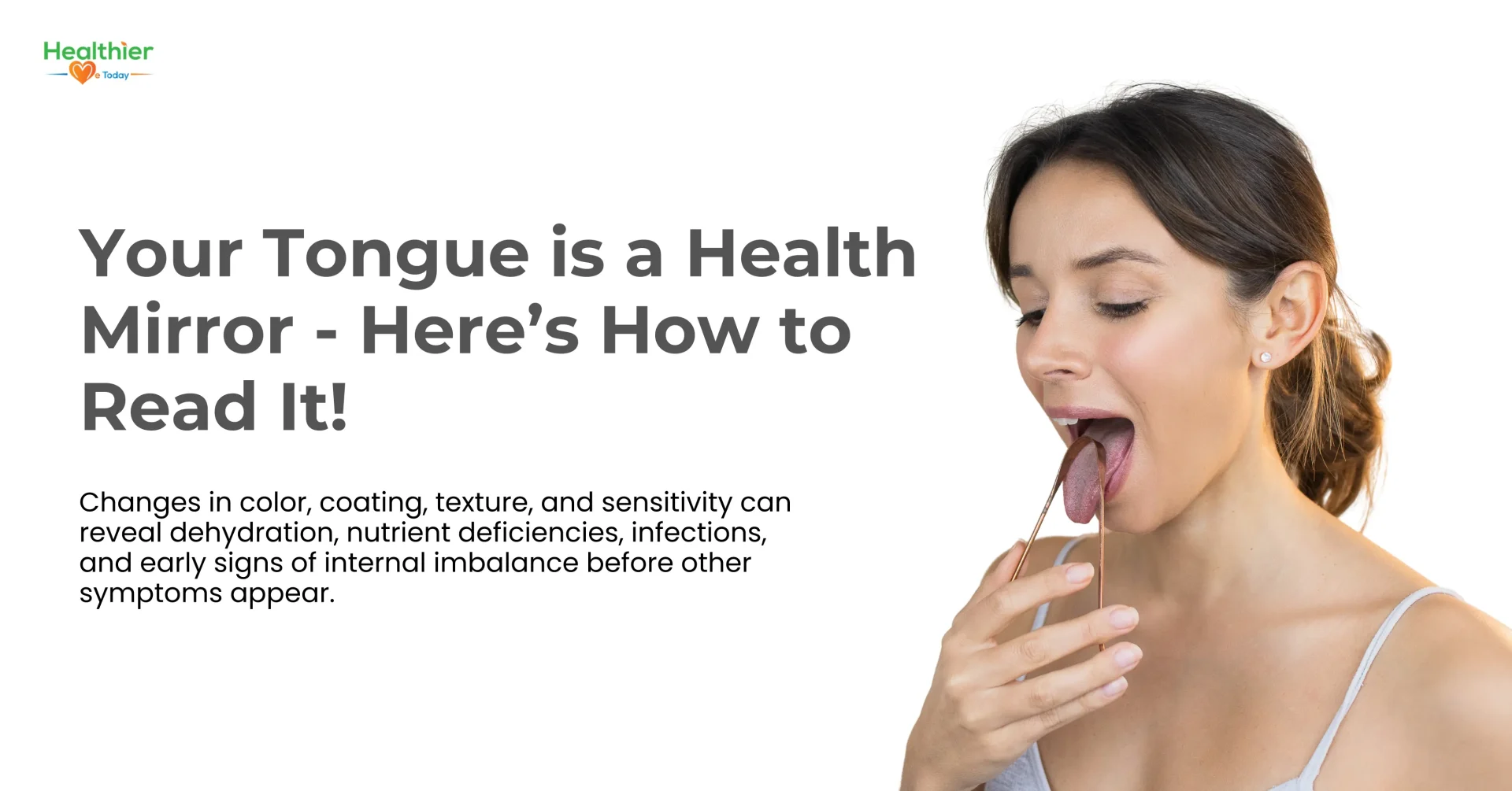
Tongue Health Chart: What Your Tongue Says About Your Health
You probably don’t think much about your tongue unless something feels off. But the truth is, your tongue can reveal more about your health than you might expect. Small changes in color, texture, coating, or sensitivity can sometimes reflect dehydration, nutrient deficiencies, infections, or other health issues happening inside your body.
This guide explains what tongue health means, how to spot healthy vs. unhealthy changes, and how a tongue health chart can help you understand what your body may be telling you.
What Does Tongue Health Mean?
When you think about your overall wellness, you probably don’t think about your tongue first. But tongue health meaning goes beyond just how it looks in the mirror. Unlike most parts of your body, your tongue is something you can check in seconds, which makes it a helpful health indicator. It’s about paying attention to the small daily changes in color, texture, moisture, and comfort that can reflect what’s happening inside your body.
Because your tongue reacts quickly to dehydration, nutrient deficiencies, infections, and even stress, learning to observe it regularly can help you better understand what your tongue says about your health. The key isn’t to panic over every small change, but rather to become aware of patterns that don’t seem normal for you.
What a Healthy Tongue Looks Like

When you know what a healthy tongue looks like, it becomes much easier to spot when something feels “off.” You don’t need medical training, just a simple habit of checking in the mirror every now and then.
A healthy tongue usually appears:
- Light pink in color – A soft pink tone usually indicates that your blood flow and overall health are normal.
- Slightly moist – Your tongue shouldn’t feel dry or sticky. A natural moisture level often reflects proper hydration and saliva production.
- Covered with tiny, evenly distributed bumps (papillae) – These small bumps are completely normal and help you to taste food. They usually appear smooth and consistent across your tongue, without looking irritated or inflamed.
- Free from thick coatings, sores, or deep cracks – It’s normal to have a light coating on your tongue, especially in the morning. But if you see a thick buildup that doesn’t go away, painful sores, or deep cracks that cause discomfort, your body may be signaling that something needs attention.
When you look at healthy tongue color and signs, you’re really looking at clues about hydration, nutrition, and how well you’re caring for your mouth overall. The goal isn’t perfection, it’s knowing what’s normal for you so you can quickly notice when something changes.
How to Use a Tongue Health Chart

Using a tongue health chart can help you understand your health, but it is not a substitute for medical advice. It can guide you on when to seek further attention for any concerns.
What Tongue Color Can Reveal
Color is often the first thing you notice when you look at your tongue. Even small shifts can give you clues about hydration, circulation, or possible irritation.
When you look at a tongue color chart and health guide, you get a simple way to compare what you’re seeing with general color patterns linked to different health conditions. You’re not trying to diagnose yourself, you’re just checking whether your tongue still looks normal. If the color seems different and stays that way for a few days, even after drinking enough water and brushing properly, it’s a sign you shouldn’t ignore.
What Tongue Texture and Surface Changes Mean
It is not just about color. How it feels and looks on the surface can tell you just as much! When your tongue looks and feels normal, it should have a gentle, slightly textured surface and feel comfortable in your mouth. If you notice it suddenly feels unusually smooth, develops cracks, appears swollen, or becomes tender when eating certain foods, these changes may indicate a problem.
What Tongue Coating Can Indicate
A light coating on your tongue is normal, especially in the morning. What matters is how thick it is, how long it lasts, and whether it clears with proper oral care.
But if your tongue shows a thick, patchy, or long-lasting coating, it could be a sign that you’re a bit dehydrated, have some bacterial buildup, or need extra mouth care. Sometimes, it can also hint at things like digestion or how your immune system is doing.
What Tongue Pain or Sensitivity May Signal
It’s normal for your tongue to feel a little irritated after eating very spicy foods or drinking hot beverages, and these mild episodes usually aren’t anything to worry about.
However, ongoing burning, soreness, or unexplained discomfort can be a sign that something else is going on.
Tongue Health Chart (Color and What It May Mean)

Learning the tongue health chart meaning can make it easier to notice when something seems off and decide if you should take action, giving you a simple way to observe changes in your tongue over time and better understand what your body might be trying to tell you about your health. Using a tongue health chart with pictures can help you track these changes and understand what your tongue color may reveal about your overall health.
Pink Tongue
A healthy tongue is usually light pink with a thin, natural coating [my.clevelandclinic.org]. This pink color often indicates that you’re well-hydrated and that your body, including your digestion and circulation, is working as it should. Seeing a pink tongue most of the time is a good sign that your overall health is in balance.
White Tongue
A white tongue can be completely normal, especially in the morning or after eating certain foods. A thin, light coating usually comes from dead cells, food residue, or mild dehydration, and it isn’t something to worry about.
However, if the white layer appears thick or patchy, or doesn’t clear up after a few days, it may be a sign of something else, such as oral thrush, bacterial buildup, or irritation.
Yellow Tongue
A light yellow coating on your tongue can result from simple causes, such as leftover food, dehydration, or normal bacterial buildup [medicalnewstoday.com]. But if the yellow color persists or appears thicker than usual, it could be a sign of something more serious, such as poor oral hygiene, bacterial overgrowth, or digestive issues.
Red or Bright Red Tongue
A red or bright red tongue is hard to miss and is often a sign that your body is asking for a little attention. Sometimes it can happen after eating spicy or acidic foods, and it settles down quickly. But if the redness doesn’t fade, it may be linked to irritation, inflammation, or even low levels of nutrients like B vitamins or iron. If your tongue stays unusually red for a while, it’s worth seeking medical advice.
Purple or Blue Tongue
A purple or blue tongue is unusual and stands out immediately. It can indicate poor circulation or low oxygen levels in your blood. Sometimes it happens when your body feels cold, is stressed, or you’ve been breathing less efficiently.
Black Tongue
A black tongue color can look concerning, but it is usually caused by a harmless condition called “black hairy tongue.” This occurs when dead skin cells, bacteria, or yeast accumulate on your tongue, making it appear dark brown or black [mayoclinic.org]. Poor oral hygiene, smoking, certain antibiotics, and drinking a lot of coffee or tea can all lead to this color change.
Tongue Health Symptoms You Should Not Ignore
Your tongue can reveal a lot about your overall health. While small changes are often harmless, some tongue health symptoms should never be brushed off.
Here are important tongue health issues to watch for:
- Persistent pain or burning – If your tongue feels sore, tender, or has a burning sensation that lasts more than a few days, it may indicate irritation, infection, or a vitamin deficiency.
- Sudden color changes – A sudden change to bright red, pale, or dark purple, or to a discoloration, could indicate circulation issues, inflammation, or nutritional imbalances.
- Ongoing swelling – A swollen tongue or scalloped edges can indicate inflammation, an allergic reaction, dehydration, or an underlying health condition. Swelling that affects speaking or swallowing needs attention.
- Bleeding or ulcers that don’t heal – Small mouth sores are common, but a healthcare professional should check ulcers, lumps, or bleeding lasting over two weeks.
Recognizing these tongue health symptoms early gives you the chance to respond quickly and take better control of your overall health.
Under Tongue Health Chart
When you check your tongue, remember to look underneath it too. The area under your tongue can show important signs about your circulation, hydration, and overall oral health.
Veins Under the Tongue
It’s completely normal to see veins under your tongue. They often appear blue or purple because the skin in that area is thin. In most cases, visible veins are harmless. However, if the veins suddenly look darker, larger, or feel painful, it may be worth monitoring, especially if you notice other symptoms.
Discoloration or Swelling Under the Tongue
The tissue under your tongue should normally look pink and feel soft. If you notice unusual discoloration, lumps, or swelling, it could signal irritation, infection, blocked salivary glands, or other oral health concerns. Swelling that makes it uncomfortable to speak, eat, or swallow should never be ignored and may require medical attention [my.clevelandclinic.org].
What Health Issues Can Show Up on the Tongue
When you notice changes in color, texture, coating, or sensitivity, it could be linked to underlying health issues.
Health issues that can show up on your tongue:
- Nutrient deficiencies – A lack of essential vitamins and minerals can affect your tongue, making it appear pale, sore, or bumpy. Common deficiencies, such as iron, B12, or folate, can lead to these changes, as these nutrients are vital for keeping your tongue healthy and pink.
- Dehydration – If your tongue feels dry, sticky, or has a thicker coating than usual, it could be a sign that your body needs more fluids. When you’re dehydrated, your tongue loses its natural moisture, which can make it feel rough or uncomfortable and sometimes even affect your taste.
- Infections and oral conditions – White patches, redness, or swelling on your tongue may indicate an infection like oral thrush, bacterial buildup, or irritation. These changes suggest your mouth is reacting to bacteria and fungi.
- Digestive and immune-related issues – If your tongue has a persistent coating, unusual color, or looks inflamed, it could be a sign that your digestion isn’t working quite right or that your immune system is under stress.
Tongue Diagnosis Chart vs Medical Diagnosis
A tongue diagnosis chart can be an easy, practical way to monitor changes in your tongue and notice patterns over time. However, this chart is not a substitute for a medical diagnosis. Only a healthcare professional can tell you what’s really happening and suggest the next steps. Think of the chart as a handy tool to notice when something might need a closer look.
How to Care for Your Tongue Daily (+ Top Products)

Taking care of your tongue every day is an important part of maintaining good oral health. Your tongue can trap bacteria, food particles, and dead cells, which can affect your breath, taste, and overall mouth hygiene.
Here’s how you can keep your tongue healthy:
- Copper Tongue Scraper – Using a tongue scraper daily helps remove buildup that brushing alone can’t reach. A copper tongue scraper is gentle yet effective, leaving your tongue feeling clean and fresh.
- Alcohol-Free Antiseptic Mouthwash – Rinsing with an alcohol-free mouthwash can help reduce bacteria and inflammation without drying out your mouth [colgate.com]. It’s a gentle way to keep your tongue and gums healthy.
- Soft-Bristle Toothbrush – When brushing, gently include the surface of your tongue to remove any leftover debris. A soft-bristle brush is ideal to avoid irritation while still cleaning effectively.
Simple daily care, combined with the right tools, can help prevent common tongue issues such as coating, bad breath, and irritation.
Best Apps for Tracking Tongue Health
There are several apps you can use to track your tongue health by taking photos, uploading notes, and monitoring changes over time.
Some useful apps to help you track tongue health include:
- MyTongueHealth – Allows you to take daily photos, track color, coating, and texture changes, and keep notes about symptoms.
- OralHealth Tracker – Lets you log tongue observations alongside other oral health info like brushing habits or mouthwash use.
- Health Journal Apps – While not tongue-related, these apps let you record daily health notes and photos, which can help you see trends over time.
These tools make it easier to notice patterns, improvements, or anything unusual so you can stay on top of your oral wellness.
When to See a Doctor or Dentist
If you notice changes in your tongue that last more than a couple of weeks, get worse, or cause discomfort, it’s a good idea to check in with a health professional [my.clevelandclinic.org]. Getting advice early can help identify any underlying issues and make it easier to take care of your tongue before problems become more serious.
Conclusion: Check Your Tongue Today
Your tongue can reveal a lot about what’s going on inside your body. Using tools like a tongue color chart for diagnosis and by taking care of your tongue each day and watching for any changes, you can keep track of your health and catch potential problems early before they become serious.
Frequently Asked Questions (FAQ)
What are the signs of an unhealthy tongue?
Some common signs that your tongue may not be healthy include unusual colors, thick or patchy coatings, cracks or fissures, swelling, sores, or persistent pain. These changes can signal dehydration, nutrient deficiencies, infections, or other health issues.
What are the warning signs on the tongue?
Watch for warning signs on your tongue, such as sudden color changes (pale, red, or dark), swelling, cracks, or sores that don’t heal. Also, pay attention if your tongue feels unusually sensitive, tender, or painful when you eat or talk.
What health issues can you tell by your tongue?
Your tongue can provide important clues about your health. Changes in its color, texture, or coating may indicate nutrient deficiencies, dehydration, oral infections, or problems with digestion and the immune system.
What color is a sick tongue?
A healthy tongue is usually pink. If your tongue is white or yellow, it might indicate an infection or a digestive problem. A red or bright red tongue can signal inflammation or a lack of nutrients. If your tongue is purple, blue, or black, it could indicate circulation issues or bacterial buildup.
What are three diseases that affect the tongue?
Three diseases that affect the tongue include oral thrush, which appears as creamy white patches and may feel sore or uncomfortable; geographic tongue, where smooth red patches show up and change location like a map; and glossitis, which causes swelling, tenderness, and changes in color.
Work Stress Management: Signs, Causes & Strategies
Do you feel stressed at work even after you’ve had time off? Deadlines are constantly on your mind, you feel more irritable than usual, or you can’t fully relax in the evenings. When stress starts affecting your mood, energy, and focus, it’s usually a sign that your body and mind are asking for a reset.
This guide helps you recognize the signs, understand common causes, and use effective work stress management strategies, along with long-term solutions to help you regain control.
What Is Work Stress Management?
Work stress management is simply about learning to handle the pressure of your job in a healthy way. Every job has deadlines, responsibilities, and challenging moments, and while a little stress can sometimes push you to perform better, too much of it can quickly become overwhelming.
Using effective work stress management techniques can help you notice what triggers your stress and how it affects your energy and mood. With the right strategies, you won’t just get through the day, you’ll feel calmer, more focused, and better able to handle challenges without letting stress take over your life.
Signs of Work-Related Stress

Stress at work can build up quietly, and you might not even notice it at first. It often shows up in small changes in your mood, energy, or behavior before it becomes overwhelming. Paying attention to these early warning signs can help you take action sooner and prevent stress from taking control of your work and personal life.
Here are some common signs of work-related stress to look out for:
- Persistent fatigue – Chronic stress keeps your body in “alert mode,” which drains your energy over time, even if you’re getting enough sleep.
- Difficulty concentrating – Stress affects your focus and decision-making because your brain is busy managing pressure instead of thinking clearly.
- Irritability or mood swings – When you’re overwhelmed, your patience usually drops, and small things start to feel bigger than they are.
- Headaches or muscle tension – Stress often shows up physically, especially in your neck, shoulders, and head.
- Sleep disturbances – Worrying about deadlines or work problems can make it hard to switch off at night.
- Increased absenteeism – When stress becomes too much, avoiding work can feel like the only way to cope.
When you notice these signs early, you give yourself the chance to step back and make changes before it gets worse. Even small adjustments and clearer boundaries can make a real difference in how you feel day to day.
Common Causes of Stress at Work
Work stress usually builds up due to specific factors in your daily routine or work environment. Identifying your stress triggers can help you manage them more effectively, preventing them from affecting your mood, energy, or home life.
Here are some things that can cause work-related stress:
- Heavy workloads – Managing multiple tasks or tight deadlines creates pressure, putting your body in “stress mode.” This can lead to both mental and physical exhaustion.
- Job insecurity – Uncertainty about job stability or company changes can threaten your sense of safety, creating ongoing tension that makes it difficult to relax or focus.
- Long working hours – Working extended hours without proper rest prevents your body and mind from recovering, leading to chronic work stress over time.
- Poor work-life balance – When work follows you home, your brain doesn’t switch off, causing stress to build instead of settle.
- Lack of recognition – When your efforts go unnoticed, it can feel discouraging and demotivating. That emotional strain creates frustration, which contributes to ongoing stress.
Every workplace is different, and what feels overwhelming for one person might not bother someone else.
How Work Stress Affects Your Health and Performance
When you’re under constant pressure at work, your body stays tense, which can lead to headaches, tight muscles, fatigue, high blood pressure, and a weaker immune system. Mentally, stress can make it harder to focus, remember details, stay motivated, or handle tasks that usually feel easy. Over time, this can lower your productivity and confidence. Recognizing these signs early is important because it gives you the chance to take action and learn how to reduce stress from work, protecting both your health and your performance in the long term.
Work Stress Management Techniques That Actually Help

Stress at work is normal, but it doesn’t have to take over your day [www.apa.org]. The right workplace stress relief techniques can help you stay focused, calm, and in control, even when your schedule is packed.
Immediate Stress Relief Techniques at Work
Some days, stress hits so fast that you need something that works immediately. Taking a few slow, deep breaths can help settle your mind and slow down racing thoughts. Standing up and stretching, or even taking a short walk, can help relieve tension in your body and make you feel more grounded. Pay attention to areas where you hold tension, such as your shoulders, neck, or jaw, and consciously relax them. Even pausing for a few seconds before responding to a frustrating situation can prevent stress from escalating and give you a moment to think clearly. These simple actions can make a noticeable difference in how you feel, helping you regain focus and calm.
Stress Management Techniques for Remote Workers
Working from home comes with flexibility, but without a clear routine, work can slowly spill into your personal life [pmc.ncbi.nlm.nih.gov]. You might catch yourself checking emails late at night or struggling to switch off mentally. Simple stress-management techniques for remote workers can help you stay organized and conserve your energy. Setting up a small, dedicated workspace tells your brain when it’s time to focus and when it’s time to relax. Clear start and finish times prevent overworking, and even small habits, like getting dressed for the day, can shift your mindset into productivity mode. Taking proper breaks away from the screen gives your mind and body a chance to reset, so you don’t end the day feeling drained.
Stress Management Techniques for Work and Home Balance
Maintaining a healthy balance between work and home life is essential for managing stress in the long term. When work follows you home mentally, it becomes difficult to rest and recharge truly. Creating a shutdown routine at the end of your day, tidying your desk, planning for tomorrow, or mentally closing your work tasks, helps your mind switch off. Setting firm boundaries around your availability and limiting after-hours emails protects your personal time.
Focusing on what truly matters instead of trying to do everything at once reduces unnecessary pressure.
How to Manage Work Stress Long-Term
Learning how to manage stress at work can help you stay focused, protect your energy, and handle busy periods without feeling overwhelmed.
Setting Boundaries
Setting boundaries is about knowing your limits and being honest about them. It helps you focus on work when you need to and take real breaks when your day is over. By protecting your time and energy, you can avoid feeling stressed and stay more balanced throughout your workday.
Time Management Strategies
Poor time management can make even small tasks feel overwhelming. A simple way to stay on top of things is to pick your top three priorities each day and focus on them first [franklincovey.com]. Breaking bigger projects into smaller steps makes them easier to handle, and taking short breaks between tasks gives your mind a chance to reset. These simple habits help you stay productive without feeling stressed or drained.
Delegation and Asking for Help
Doing everything yourself can lead to long-term work-related stress. You might feel responsible for keeping everything running smoothly, but taking on too much can cause burnout. Look at your tasks and see which ones you can pass on to others. Sharing the workload is a smart way to reduce stress and work better together.
Building Workplace Resilience
Even with good systems in place, work will still throw challenges your way. Building resilience helps you handle pressure without feeling drained or frustrated. It teaches you to stay calm, focus on solutions, and adapt when things don’t go as planned. You can strengthen your resilience by focusing on what you can control, learning from mistakes, and keeping simple routines that support your mental and physical health. By combining clear boundaries, smart time management, asking for help, and resilience, you create strong, sustainable habits. These are some of the best stress management tips for employees to deal with job stress and anxiety.
Tools That Can Support Stress Relief at Work

When your body feels tense or uncomfortable, it’s harder to stay focused and calm.
Using simple tools is one of the best ways to manage work stress:
- Foot massager – Long hours of sitting or standing can lead to tired, aching feet and poor circulation. A quality foot massager helps improve blood flow, relieve foot pain, reduce muscle tension, and ease stiffness, all from the comfort of your home or office.
- Seat cushion for an office chair – Sitting for long hours can put pressure on your lower back, hips, and tailbone. A supportive office seat cushion helps improve posture, reduce back pain, and relieve pressure while you work. Designed for ergonomic comfort, it provides extra support that keeps you comfortable, focused, and productive throughout the day.
- Anti-fatigue floor mat – Standing for long periods can strain your feet, knees, and lower back. An anti-fatigue floor mat provides cushioned support that reduces joint pressure, improves comfort, and helps minimize fatigue. Ideal for standing desks, kitchens, or retail spaces, it keeps you supported and focused throughout the day.
Using simple tools alongside practical stress management strategies can make your workday feel more comfortable and less overwhelming.
When to Seek Professional Help for Job Stress and Anxiety
When stress starts showing up as constant anxiety, irritability, low mood, trouble sleeping, or frequent headaches, it may be a sign that you need more than just basic coping techniques [mayoclinic.org]. You might feel emotionally exhausted, overwhelmed, or not quite like yourself.
Seeking help from a therapist or counselor isn’t a sign of weakness; it’s a healthy and proactive step toward better mental health. Professional support can provide personalized stress-management tools, help you reduce anxiety, rebuild emotional balance, and improve your overall well-being in a sustainable way.
Conclusion: Take Control of Work Stress
Managing stress at work isn’t about eliminating pressure completely, it’s about learning how to handle it in a healthier way. When you become aware of what triggers your stress and take small, practical steps to manage it, you protect your energy, your focus, and your overall well-being.
Simple habits like practicing deep breathing exercises, using ergonomic office tools, and setting clear boundaries between work and personal time can strengthen your resilience.
Frequently Asked Questions (FAQ)
How to stop stressing over work?
To stop stressing over work, focus on what you can control and let go of what you can’t. Break big tasks into smaller, manageable steps, prioritize what truly needs attention, and stop trying to do everything at once. Set clear boundaries between work and personal time, take short breaks to reset your mind, and speak up if your workload feels overwhelming.
How to handle stress effectively?
To handle stress effectively, focus on what you can control and take small, practical steps each day. Break tasks into manageable pieces, take short breaks, and make time for activities that help you relax. Asking for help when you need it and keeping healthy routines can also make a big difference in staying calm and focused.
How do you handle stress and pressure at work?
Handling stress and pressure at work starts with staying organized and focusing on one task at a time. Take short breaks to reset, set clear boundaries, and ask for help when needed. Small habits like these help you stay calm, focused, and more in control throughout the day.
How to relax when stressed?
When you’re stressed, take a few deep breaths, step away from whatever’s causing the stress, and give yourself a moment to reset. Simple actions like stretching, going for a short walk, or listening to music can help you calm down and regain focus quickly.
What are 7 warning signs of stress?
Here are 7 common warning signs that you should watch for:
- Persistent fatigue
- Difficulty concentrating
- Irritability or mood swings
- Headaches or muscle tension
- Sleep disturbances
- Increased absenteeism
- Feeling overwhelmed or unable to cope

Morning Walk vs Evening Walk: Which Is Better for Your Health?
Is a walk at sunrise the secret to kickstarting your day, or does an evening stroll hold the real health benefits? Scientists have looked into the timing, and the results may surprise you.
Research shows that exercise doesn’t just depend on intensity or duration. The body can actually respond differently depending on the time of day. That’s why the debate around a morning walk vs evening walk has become such a focus for health experts, with studies examining how each affects metabolism, stress, sleep, and overall wellness.
And while both options have their place, the findings point to a clear answer.
Does the Time of Day You Walk Really Matter?

When comparing a morning walk vs evening walk, many people wonder if the timing actually affects the health benefits. Research suggests that the body responds differently to exercise throughout the day because of natural circadian rhythms that influence energy levels, metabolism, and hormone activity [pmc.ncbi.nlm.nih.gov].
So, yes!
The benefits of walking early morning can differ slightly from walking later in the day. For example, morning walks may help wake up the body and support daily routines, while evening walks may feel easier after the body has fully warmed up.
Still, both options can be beneficial.
Benefits of a Morning Walk
Walking shortly after waking can help activate the body’s metabolism, improve alertness, and expose the body to natural daylight. The usefulness of morning walk routines is often linked to how they support healthy daily rhythms and encourage consistent activity.
Boosts Energy and Mental Focus
Light aerobic activity increases blood circulation, which helps deliver oxygen to the brain and muscles. Research shows that even moderate exercise like walking can improve mood and mental clarity, helping people feel more alert and focused throughout the day.
May Support Weight Loss
Exercising earlier in the day may help the body regulate metabolism and fat use more efficiently. While weight loss depends on many factors, regular walking can contribute to calorie burning and support long-term weight management.
Helps Regulate Sleep Cycles
Exposure to natural sunlight plays a key role in regulating circadian rhythms. Morning light helps signal the body when to wake and sleep, which may improve sleep quality and make it easier to fall asleep later at night.
Encourages Consistency and Healthy Routines
Research on exercise habits shows that people are more likely to maintain physical activity when it becomes part of a daily routine. Walking earlier in the day can make it easier to stay consistent before other responsibilities and distractions appear.
If you enjoy early workouts or long walks, a light pre-workout like Alani Nu Pre Workout Powder Hawaiian Shaved Ice can help support energy and focus before heading out.
Benefits of an Evening Walk

While morning exercise works well for many people, there are also important morning and evening walk benefits to consider when deciding the best time to be active. Walking later in the day can help the body unwind, support digestion, and take advantage of the body’s natural physical readiness in the evening hours.
Helps Reduce Stress After a Long Day
Physical activity can help lower stress levels by encouraging the release of endorphins, which are chemicals that improve mood and promote relaxation. After a long or demanding day, a gentle walk can help clear the mind, reduce tension, and create a natural transition from work to rest.
Supports Digestion After Dinner
Light movement after eating may help support digestion by encouraging the digestive system to move food more efficiently through the body. A short walk after dinner is often recommended because it can reduce feelings of heaviness and may help maintain stable blood sugar levels.
Muscles May Perform Better Later in the Day
Research suggests that muscle strength, flexibility, and overall physical performance tend to peak later in the day when body temperature is slightly higher. Because of this, some people find that walking or exercising in the evening feels easier and more comfortable compared to early morning workouts.
Can Be Easier for Busy Schedules
For people with demanding mornings, evening walks can be a more practical option. Walking after work or daily responsibilities allows time for physical activity without rushing, making it easier to maintain a consistent exercise routine.
A water bottle with time markers can help you stay hydrated throughout the day, especially if you make walking part of your daily routine.
Morning Walk vs Evening Walk for Specific Health Goals
Both options offer strong morning and evening walk benefits, but the best choice can depend on your personal health goals. The timing of your walk may influence how your body responds, whether you are focusing on weight management, sleep quality, or stress reduction.
For Weight Loss
When comparing morning walk vs evening walk for weight loss, consistency and total activity level matter most. However, some research suggests that walking earlier in the day may help support metabolism and encourage the body to use stored fat for energy [pmc.ncbi.nlm.nih.gov]. Morning activity may also help regulate appetite throughout the day.
Evening walks can still support weight loss because they increase daily calorie expenditure and may prevent long periods of inactivity after dinner. In the end, the best time to walk for weight loss is the time that helps you stay consistent with your routine.
For Better Sleep
Looking at morning vs evening walk for better sleep, exposure to morning sunlight may play an important role. Early daylight helps regulate the body’s circadian rhythm, which supports healthy sleep patterns and can make it easier to fall asleep at night.
Evening walks can also help some people sleep better, especially when they reduce stress and promote relaxation. However, very intense exercise late at night may make it harder for some individuals to fall asleep.
For Stress Relief
Many people wonder is it better to walk in the evening for relaxation… For some individuals, walking later in the day can be especially helpful for relieving stress built up from work or daily responsibilities.
Gentle physical activity helps release endorphins and reduce tension in the body. An evening walk can provide quiet time to unwind, reflect, and mentally transition into a more relaxed state before bedtime.
Preparing breakfast in overnight oats containers with lids can make it easier to fuel your body after a morning walk without rushing through your morning.
So, Is Morning Walk or Evening Walk Better?

Overall, research suggests that a morning walk may have a slight advantage for overall health, mainly because it helps regulate circadian rhythms, encourages consistency, and exposes the body to natural daylight early in the day [verywellhealth.com]. These factors can support better sleep, improved mood, and healthier daily routines, which explains the growing interest in the use of morning walk habits for long-term wellness.
That said, an evening walk is still highly beneficial and may even feel more comfortable for some people because the body’s muscles and joints are naturally warmer later in the day. Evening walks can also be particularly helpful for stress relief and digestion after dinner.
But the best option is the one that fits your schedule and helps you stay consistent. Walking regularly, whether in the morning or evening, will provide far greater health benefits than focusing only on the timing.
Conclusion: This is What’s Important
Both morning and evening walks offer valuable health benefits, and the best choice often depends on your lifestyle and personal goals. Morning walks can help boost energy, support metabolism, and regulate sleep by exposing the body to natural daylight. Evening walks, on the other hand, can help reduce stress, support digestion, and provide a relaxing way to unwind after a long day.
When weighing the pros and cons of evening walking after dinner, it becomes clear that both options can be beneficial when done consistently. Morning walks may be slightly better for building routines and supporting sleep cycles, while evening walks can be easier to fit into busy schedules and help relieve daily tension.
Ultimately, the most important factor is consistency. Walking regularly, regardless of the time of day, supports heart health, improves mood, and contributes to long-term wellness.
If you’re looking for simple ways to improve your health, consider adding a daily walk to your routine and choosing the time that works best for your lifestyle.
Frequently Asked Questions (FAQ)
Is a morning walk better or an evening walk?
Both morning and evening walks can support overall health. Morning walks may help regulate sleep cycles and boost energy early in the day, while evening walks can help reduce stress and support digestion. The best choice is the time that fits your routine and allows you to stay consistent.
Does walking increase serotonin?
Yes, walking can help increase serotonin levels. Physical activity stimulates the release of mood-supporting chemicals in the brain, including serotonin and endorphins. This is one reason regular walking is often linked to improved mood, reduced stress, and better mental well-being.
Is a morning walk good for heart patients?
In many cases, a morning walk can be beneficial for heart health because it encourages gentle cardiovascular activity. Regular walking may help improve circulation, lower blood pressure, and support heart function. One advantage of morning walk routines is that they allow people to exercise consistently before daily responsibilities begin. However, individuals with heart conditions should always follow their doctor’s guidance about exercise.
What is the healthiest time of day to walk?
There is no single time that works best for everyone. However, many experts highlight the benefits of early morning walk routines because exposure to daylight can help regulate circadian rhythms, support metabolism, and improve energy levels. That said, walking at any time of day is beneficial if it helps you stay active regularly.
Can an evening walk reduce belly fat?
An evening walk can contribute to fat loss when combined with a balanced diet and regular physical activity. Walking helps burn calories and improves metabolism, which may support gradual weight loss over time. While it cannot specifically target belly fat, consistent walking can help reduce overall body fat and improve fitness.