
A lot of people experience heartburn from time to time. It can happen after eating a heavy or acidic meal or when there’s extra pressure on the stomach, like during pregnancy. If someone has heartburn often, it might be a sign of chronic acid reflux, known as GERD, which is common, too. About 20% of people in the U.S. deal with GERD.
This article examines the causes, symptoms, diagnosis, and, most importantly, treatments and home remedies to manage heartburn and GERD.
What is Heartburn?
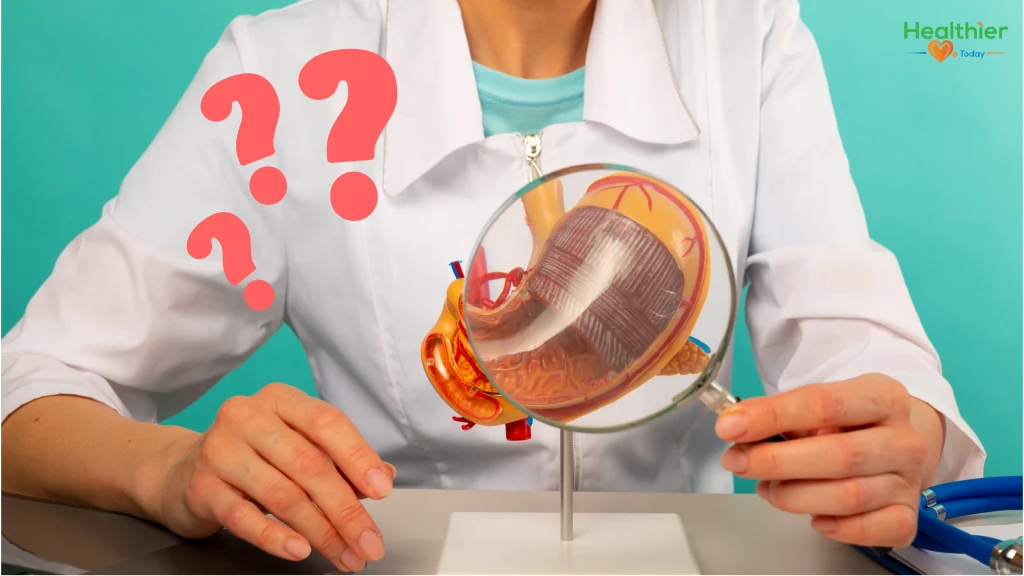
Heartburn is that uncomfortable, burning sensation in the center of your chest. Even though it feels like it’s related to your heart, it’s not. This discomfort happens when stomach acid flows back into your esophagus, the tube that connects your throat to your stomach, which is located near your heart. For some people, heartburn happens occasionally, while it can be a regular issue for others. If it happens a lot, you might be dealing with GERD or gastroesophageal reflux disease.
What Does Heartburn Feel Like?
Heartburn feels like a burning sensation in your chest, similar to acid. It starts in the esophagus, the tube that connects your throat to your stomach and can spread to your chest and throat. The feeling can range from mild to intense.
You might experience signs of heartburn more when you are:
- Lying down
- Bending over
- Eating a late dinner
- Having a rich, spicy, or acidic meal
Heartburn can last from a few minutes to a few hours. It usually goes away after your stomach has emptied from your last meal. This process can take two to five hours, especially if the meal is rich or fatty.
What Causes Heartburn?

Heartburn related to GERD happens when stomach acids and enzymes flow back into your esophagus. Unlike your stomach, which has a thick protective lining, your esophagus doesn’t have that same defense. A valve at the bottom of your esophagus called the lower esophageal sphincter is meant to prevent stomach contents from rising back up. However, sometimes, this valve can be weak or not close properly.
Several factors can lead to the weakening or excessive relaxation of your lower esophageal sphincter, including:
- Breathing in smoke.
- Increased pressure in your abdomen from being overweight, wearing tight clothes, or being pregnant.
- A hiatal hernia occurs when part of your stomach pushes through your diaphragm.
- Eating a large meal that stretches your stomach and takes longer to digest.
- Indigestion and gas, where gas bubbles move up through your gastrointestinal tract.
- Lying down too soon after eating.
- Some medications, such as birth control pills and those for high blood pressure.
What foods cause heartburn:
- Fatty foods
- Spicy foods
- Soda and other carbonated drinks
- Caffeine
- Acidic foods
- Mint and mint-flavored foods
- Chocolate
- Alcohol
- Some dairy, like cheese
Is Acid Reflux the Only Cause of Heartburn?
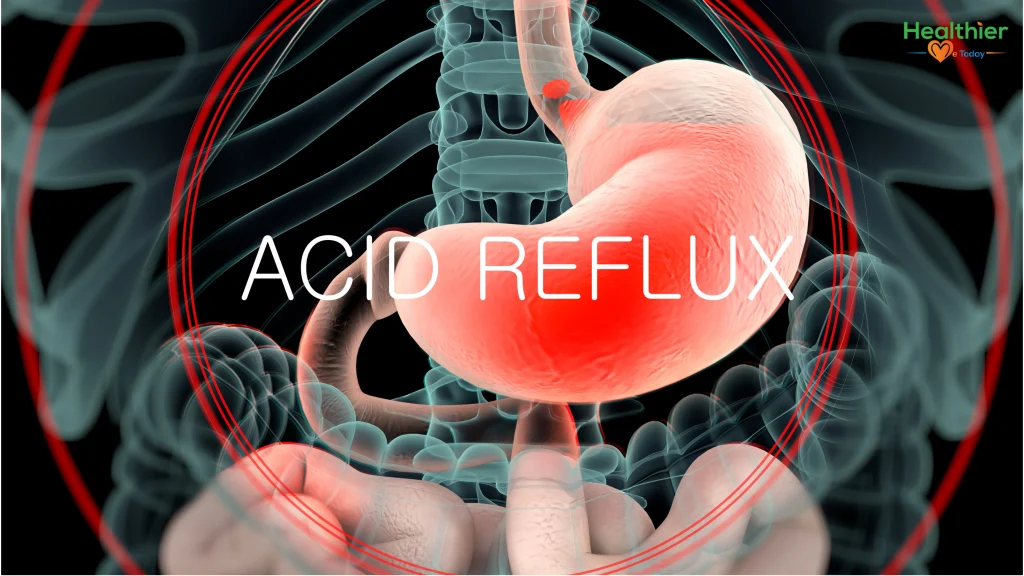
Heartburn is often linked to the esophagus and is mainly caused by acid reflux. However, other conditions can also create a similar burning feeling.
For example:
- Esophageal ulcers: These sores form from the erosion of the lining in your digestive tract, leading to a burning pain. While esophageal ulcers are less common than those in the stomach or intestines, they often result from acid reflux. Other causes include the excessive use of NSAIDs like aspirin and ibuprofen.
- Esophagitis: This condition involves severe inflammation of the esophagus, which can lead to a burning sensation. GERD, viral infections, fungal infections, or certain medications can cause it. An allergic reaction in the esophagus, known as eosinophilic esophagitis, can also result in heartburn.
- Functional heartburn/reflux hypersensitivity: This type of heartburn is related to how the nervous system communicates sensations from the digestive system to the brain. It feels like typical heartburn, but there are no signs of acid reflux, erosion, or inflammation. Reflux hypersensitivity occurs due to non-acid reflux; overactive nerves may contribute to the burning feeling.
Heartburn Symptoms
It can be challenging to know if you have heartburn or another kind of chest pain. If you’re not sure about the pain you’re experiencing, it’s best to talk to a healthcare professional. Paying attention to other symptoms you might have can also help. These additional signs can help you tell heartburn apart from a heart attack or other esophageal issues.
If your heartburn is caused by acid reflux, you might experience:
- Burping
- A sour taste in your mouth
- Nausea
- Food is coming back up
Other unusual acid reflux and GERD symptoms can include:
- Stomach bloating and feeling overly full
- Hiccups
- A persistent cough
- Worsening asthma
- A sore throat
- Laryngitis
- Trouble swallowing or a sensation of a lump in your throat
- Chest pain that feels like angina (noncardiac chest pain)
Sudden Onset Heartburn
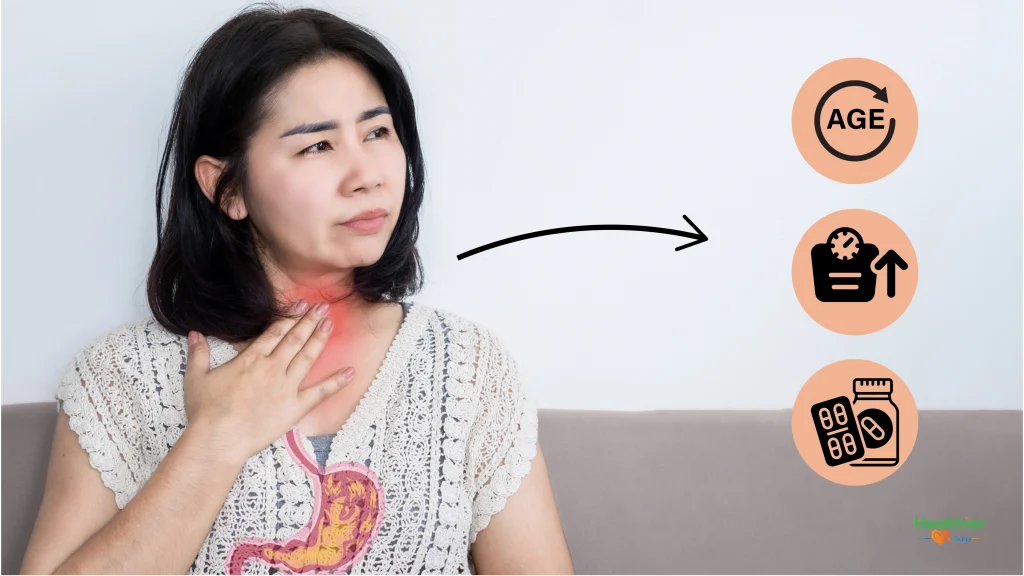
If heartburn is something new for you and you haven’t changed your diet or lifestyle lately, there might be other reasons for it that can build up over time.
Such as the following:
- Aging: As you age, your muscles, including the lower esophageal sphincter, can weaken, leading to more heartburn.
- Weight gain: While weight gain usually happens slowly, heartburn can suddenly appear when you hit a certain weight.
- Medications: If you’ve started new or changed your current medications, check with your doctor to see if they might be causing acid reflux.
Is Heartburn a Serious Condition?
While occasional heartburn can be uncomfortable, it typically does not cause significant harm. Experiencing some acid reflux is common, and many individuals may not notice it. However, if you are experiencing noticeable symptoms, it may indicate that you are experiencing more acid reflux than your esophagus can comfortably handle. Infrequent occurrences may result in minor irritation that heals quickly. Conversely, if heartburn occurs frequently, the lining of your esophagus may not have sufficient time to recover.
Constant heartburn and injury to the esophageal lining can result in long-term complications, such as:
- Esophageal strictures: Continuous inflammation of the esophageal lining can lead to the formation of scar tissue, which may narrow the esophagus, a condition known as stricture. This narrowing can result in difficulties with swallowing and the sensation of food becoming lodged in the esophagus.
- Intestinal metaplasia: In some cases, rather than forming scar tissue, the esophageal lining may transform to resemble intestinal tissue. This condition, referred to as Barrett’s esophagus, is considered precancerous.
- Esophageal cancer: Although only a tiny fraction of individuals develop esophageal cancer, there is a clear progression from chronic inflammation (esophagitis) to cellular changes (Barrett’s esophagus) that can lead to cancer. The risk of developing cancer increases with the severity and duration of untreated heartburn.
Managing and Treating Heartburn
You can manage occasional heartburn at home using over-the-counter (OTC) medications and some lifestyle changes. However, if you experience heartburn often, you may need prescription medications. These medications help lower the acid that moves from your stomach to your esophagus but do not address the underlying issue with your lower esophageal sphincter. If these medications are ineffective, further treatment may be necessary.
Heartburn medications include:
- Antacids: These neutralize stomach acid, making reflux less harmful to your esophagus.
- Alginates: They create a barrier by floating on top of stomach acid, preventing it from reaching the esophagus.
- Histamine receptor antagonists (H2 blockers): These block signals that cause your body to produce stomach acid.
- Proton pump inhibitors (PPIs): These are more powerful acid reducers that help heal damaged tissues.
Natural Remedies for Heartburn

Below are several home remedies for heartburn:
1. Baking Soda
Baking soda, also known as sodium bicarbonate, can act as an antacid. It may help reduce symptoms of acid reflux, such as indigestion, bloating, and nausea. To use it, mix a teaspoon of baking soda in a glass of water and drink it. Avoid taking baking soda on a full stomach, and do not use it for more than two weeks unless your doctor says it’s okay. If you take other medications like antacids, aspirin, iron, lithium, and vitamins or have high blood pressure, heart problems, or kidney disease, talk to your doctor before trying this remedy.
2. Licorice Root
Licorice is a herbal treatment commonly used for gastric inflammation because it blocks the production of prostaglandin and lipoxygenase, which can cause acid reflux. Heat a cup of water in a saucepan and add a few slices of dried licorice root to make licorice tea. Let it boil and then simmer for 5-10 minutes.
Drink this tea once daily to help with acid reflux. However, using licorice for a long time can lead to side effects such as low potassium, high blood pressure, weakness, and even paralysis. If you take medication for blood clotting, blood pressure, inflammation, or diuretics, avoiding licorice can interfere with these drugs and lessen their effects.
3. Aloe Vera
Aloe vera is commonly used in traditional medicine. Its juice can help lower inflammation in the stomach, which may lead to acid reflux. The plant also calms the stomach. You can drink half a cup of aloe vera juice 30 minutes before meals twice daily until you feel better.
4. Ginger
Ginger is known for its ability to soothe stomach issues and has been used for many years to help with problems like bloating, indigestion, and stomach inflammation. It can also speed up how quickly the stomach empties, which might help lessen acidity and heartburn. To make ginger tea, grate a piece about an inch long and add it to a cup of boiling water. Allow it to steep for 10 minutes. You can enjoy this tea daily before meals. If you take medications for diabetes, blood clotting, or high blood pressure, be sure to talk to your doctor before using this remedy.
5. Slippery Elm
Research [American Journal of Physiology, Biochemistry, and Pharmacology] indicates that slippery elm contains phytochemicals that can soothe hyperacidity. This may ease the pain linked to acid reflux. To prepare, boil a cup of water and stir in a tablespoon of powdered slippery elm bark. Enjoy this tea while it’s warm. Be aware that slippery elm can reduce how well your medications work, so taking it an hour after your medicine is best.
6. Caraway Seeds
Caraway seeds are commonly used to help with indigestion. They have anti-inflammatory and antioxidant effects that can reduce the production of too much stomach acid, which helps prevent heartburn and acid reflux. To make a tea, steep a teaspoon of caraway seeds in a glass of boiling water. After a few minutes, strain the seeds and drink the warm tea. It’s best to have this tea before and after meals to aid digestion.
7. Chamomile
Chamomile has long been used to treat various stomach issues, such as gas, ulcers, and irritation. It calms the stomach and works as a digestive relaxant. To prepare, steep a chamomile tea bag in a cup of hot water and drink it warm. You can enjoy this tea 2-3 times daily. If you are allergic to plants in the daisy family, like daisies, marigolds, chrysanthemums, or ragweed, it’s best to avoid chamomile.
8. Lemon Balm
Lemon balm leaves are known for helping digestion, reducing gas, and easing pain. They can also help with heartburn. To make tea, add 5-6 lemon balm leaves to a cup of boiling water and cover it for about 5 minutes to let it steep. Drink the warm tea. If you take medication for diabetes or thyroid issues, consult your doctor before using this remedy.
9. Angelica Root
Angelica root has soothing properties that can help with digestive issues like dyspepsia and may also reduce heartburn. Add a teaspoon of dried angelica root to a cup of boiling water to make tea. Let it steep, then strain it. Enjoy the tea while it’s warm.
Conclusion: What it Comes Down to
Sometimes, having heartburn is normal, and many people can manage it with simple changes in their daily habits. But talking to a doctor is essential if you’re experiencing it constantly. If you ignore ongoing heartburn, it could lead to serious problems since constant pain in your esophagus might mean there’s damage that can get worse over time. Chronic heartburn could indicate other health issues that must be addressed. Contact a healthcare professional if you’re dealing with heartburn regularly so that you can stop feeling so uncomfortable.
FAQ’s:
What causes heartburn during pregnancy?
Heartburn in pregnancy is caused by hormonal shifts, the baby pressing on your stomach, and other reasons.
How long does heartburn last?
Heartburn can last from a few minutes to a few hours. It usually goes away after the food that caused it is digested, which takes about 2 to 5 hours.
Is milk good for heartburn?
Some people think milk can ease heartburn, but high-fat milk may make it worse because of its fat. If you want to use milk for heartburn relief, choose low-fat or skim milk instead.
What is the best sleeping position for acid reflux?
Sleeping on your left side is usually the best way to reduce acid reflux.
Does drinking water help heartburn?
Drinking water can help ease heartburn. It thins out stomach acid, which may lessen the burning feeling associated with heartburn.
What’s the fastest way to relieve heartburn?
Antacids quickly ease heartburn by neutralizing the stomach acid that triggers it.
Can I use apple cider vinegar for acid reflux?
Apple cider vinegar is often a natural treatment for acid reflux and heartburn. Still, studies have not yet proven that it is safe or effective.