
Parenting Classes for Dads – The Best of the Best

Becoming a great dad isn’t something that happens overnight. It’s a mix of learning, patience, love, and showing up even on the days when you feel tired or unsure. Every stage of fatherhood brings new lessons, from holding a tiny newborn to guiding a teenager as they figure out who they are. Understanding how to be a great dad comes down to the small, everyday moments that build trust and connection over time.

This piece breaks down simple, real-life habits any dad can use to grow closer to his child, communicate better, and create a strong, healthy bond. Plus, a How to Be a Great Dad Guide (No Matter What Kind of Father You Had)!

What Makes a Great Dad in Everyday Life?

What Makes a Great Dad in Everyday Life

People often think being a great dad is about big gestures, but the truth is much simpler. Kids remember how you made them feel, not what you bought them. A great dad listens, encourages, and shows interest in who his child is becoming.

Being involved, showing patience, and being emotionally available are big parts of what makes a great dad. When dads slow down, listen without judgment, and show steady support, kids feel seen and valued. Over time, those small daily actions build trust and a deep sense of safety.

You’ll learn how to strengthen your bond, build trust, why communication is necessary, and how to approach the different stages in the next few sections!

Small Daily Habits That Strengthen Your Bond

You don’t need hours of free time to deepen your connection with your child. The strongest bonds are built through small, intentional moments that show your child you’re truly present in their life.

Here are meaningful habits that help strengthen that bond in a real way:

  • Create mini rituals together. A handshake, a bedtime phrase, or a short routine you do every day becomes something your child counts on and looks forward to.
  • Let them teach you something. Whether it’s a game, a hobby, or something they learned at school, kids feel valued when their dad shows interest and lets them lead.
  • Share small pieces of your own day. Telling them something funny or challenging you experienced teaches them openness and encourages them to share back.
  • Invite them into what you’re doing. Cooking, fixing something, driving to the store… ordinary tasks become bonding moments when your child gets to be part of it.
  • Notice their efforts, not just the results. Saying things like “I saw how hard you worked on that” helps your child feel capable and recognized.

Tools like Daily Positive Affirmation Cards for Kids can also help your child build confidence, strengthen communication, and create positive daily moments you can share together.

These everyday habits might seem small, but they build trust, communication, and closeness over time, showing your child that you’re someone who wants to be part of their world, not just show up around it. Once you start creating those small, consistent moments together, the next step is building a deeper sense of trust.

How to Build Trust as a Father

Learning how to bond with your child as a dad is about showing them that you’re present, steady, and someone they can turn to without fear.

Here are everyday ways to build that trust in a real, meaningful way:

  • Keep your word, even on the tiny things. If you tell them you’ll play later, show up later. Kids remember that kind of follow-through.
  • Be fully there when they talk to you. Put the phone down, look them in the eye, and listen. Feeling heard makes kids feel safe.
  • Stay calm when things get messy. Whether they’re emotional or made a mistake, your patience tells them, “You can come to me. I’m on your side.”
  • Respect their space and their feelings. Knock before you enter, acknowledge their emotions, and let them know it’s okay to feel what they feel.
  • Spend time doing what matters to them. Join their game, watch their favorite show, or get curious about their hobby. It shows you care about their world.
  • Own your mistakes. A simple “I shouldn’t have raised my voice, I’m sorry” teaches them honesty without shame.

Does Communication Matter When It Comes to How to Be a Great Dad?

Does Communication Matter When It Comes to How to Be a Great Dad

Communication sits at the heart of how to be a great dad because it shapes how your child understands you and how they learn to express themselves. When you listen without rushing, respond with patience, and show genuine interest in what they’re saying, you create an environment where your child feels safe to open up.

Even simple conversations about their day, their worries, or their interests help them feel valued and understood. Strong communication also teaches children how to navigate their own emotions, build confidence, and develop healthy relationships.

If starting conversations feels tricky, Family Conversation Cards make it easier to open up meaningful topics and help kids share their thoughts more comfortably.

The Emotional Skills Every Dad Should Practice

Emotional awareness is less about doing everything right and more about paying attention to what’s going on inside you and inside your child. And the truth is, this plays a much bigger role in your child’s development than most dads realize.

Kids look to their parents to learn how to understand and manage feelings [mfac.edu.au]. When you stay calm, listen, and show that their emotions matter, you’re giving them something incredibly valuable (a sense of security). Children who feel emotionally safe are more confident, communicate more openly, and handle stress better as they grow.

Here’s what emotional awareness looks like in everyday life:

  • Slowing down before reacting. Taking a breath before responding teaches your child that emotions aren’t something to fear, they’re something you can work through.
  • Letting them express themselves. When you make room for their feelings, even the messy ones, they learn that their voice matters.
  • Listening to understand, not to fix. Kids often just want to feel heard. That simple connection helps them settle faster and trust you more deeply.
  • Showing calm during tense moments. Your reaction becomes the model they carry into their own friendships and future relationships.

You don’t need special training or expert knowledge to do this. Being emotionally available, checking in, listening, and responding with patience has a ripple effect on how your child sees themselves and the world.

All the habits above matter no matter your child’s age, but how they look in real life changes as your child grows. See parenting tips for every stage below!

Parenting Tips for Every Age and Stage

Practical Parenting Tips for Every Age and Stage

Every stage of childhood brings its own challenges, joys, and opportunities for dads to show up. What your child needs from you at two years old looks very different from what they need at twelve or sixteen.

Newborn Stage – Learning as You Go

You don’t need to have everything figured out when your baby arrives [pregnancybirthbaby.org.au]. This stage is all about showing up and learning through the small moments you share. Spending time holding, soothing, and feeding your baby helps them feel safe and teaches you how to understand their cues.

Staying involved with the everyday routines builds your confidence as a new father, and supporting the mother during this time creates a calm environment your newborn can settle into. As you respond to their needs consistently, your baby begins to recognize your presence as comfort, which lays the foundation for trust.

Toddlers & Young Kids – Encouraging Curiosity

This stage is filled with curiosity, questions, and rapid learning. Toddlers thrive when they know what to expect, so regular routines and gentle boundaries help them feel grounded. From there, you can guide their curiosity by getting involved in their play, reading together, or exploring simple activities as a team.

These experiences let them learn about the world while feeling supported. Positive fatherhood habits, such as letting them help with small tasks or listening to their endless stories, make them feel capable and valued. When you give them space to try things on their own while staying close, they build confidence knowing you’re there if they need you.

School-Age Kids – Being Actively Involved

Once your child starts school, their world becomes bigger and more complex. What they need most is a father who stays engaged with their daily life [irp.wisc.edu]. Helping with homework, asking about friends, and showing interest in their activities tells them that what matters to them matters to you. Children this age benefit from structure, so clear expectations paired with encouragement help them handle new responsibilities.

Your involvement also supports their emotional well-being. Kids who feel backed by their parents tend to be more confident and open. When you show up consistently, you become a steady source of reassurance as they navigate school, friendships, and growing independence.

Teenagers – Guiding Without Controlling

The teen years can feel challenging, but they also offer meaningful opportunities for connection. Teens want independence, but they still need guidance from a parent who listens [drleoniewhite.com]. Giving them space while staying available creates a balance they can trust

Instead of stepping in to solve everything, having calm conversations and helping them think through decisions teaches them how to manage life on their own. Respecting their privacy and opinions builds respect in return. When you remain patient, honest, and approachable, your teenager learns that they can come to you with the real parts of their life, not because they have to, but because they feel safe doing so.

Conclusion: The Ongoing Journey of Fatherhood

Fatherhood is built in everyday moments, the routines, the conversations, the quiet check-ins, and the steady presence your child can feel even when you’re not saying much. As you move through each stage of their life, your role shifts, but the heart of it stays the same. Showing interest in their world, being available when they need support, and choosing connection over reaction creates the kind of relationship that grows stronger over time.

Every stage offers a chance to deepen your bond and understand your child in new ways. Whether you’re learning as you go with a newborn, keeping up with a curious toddler, supporting a school-age child, or guiding a teenager through big emotions, the care you put in today becomes the foundation they stand on tomorrow. Fatherhood isn’t a destination, it’s an ongoing journey that matters more with every step you take.

If you’re ready to show up with more confidence, presence, and intention, start with one small habit today, and if you’d like a bit of guidance as you grow, the How to Be a Great Dad Guide offers simple steps to begin with. Your child will feel it, and it will shape your relationship for years to come.

FAQs About How to Be a Great Dad

How can I be a better father every day?

Figuring out how to be a better dad each day often comes down to the little things. Spending quality time, paying real attention to what your child is doing, listening fully, and cheering them on all make a difference. Taking a moment to reflect, staying patient, and showing love openly helps build a stronger, closer relationship over time.

How can dads build a stronger bond with their kids?

Building a stronger bond with kids comes from spending real time together and playing games, chatting about their day, joining in hobbies, and just being there when things get tough. Consistent support and genuine interest in what matters to them naturally build trust and connection.

How do I become a more patient dad?

Becoming a more patient dad takes practice and a little self-awareness. Seeing things from a child’s point of view, taking a few deep breaths, and not rushing to react can make a big difference. Keeping expectations realistic and responding calmly rather than getting frustrated helps patience grow over time.

What are the characteristics of a good father?

The characteristics of a good father are reflected in the way he supports, guides, and stays connected to his child. These core traits include the following:

  • Consistency
  • Empathy
  • Patience
  • Trustworthiness
  • Guidance without control
  • Active involvement

How can dads support their kids emotionally?

Being there for kids and really listening is key. Letting them know their feelings matter, encouraging them to speak up, and offering gentle guidance go a long way. Showing healthy ways to deal with emotions and creating a safe space to talk teaches kids how to handle their feelings on their own.

What are the best parenting tips for new dads?

For new dads, some of the most helpful tips for being a great dad are to stay present, be patient, and take things one step at a time. Jumping into daily routines, supporting your partner, noticing your baby’s little cues, and going with the flow can make those first months feel a lot easier and more enjoyable.

How can I be a more supportive father?

There are lots of ways to be a more supportive father, but it really comes down to showing up and being present. Listening to what kids have to say, celebrating their wins, and sticking by them during tough times all make a difference. Simply taking an interest in their lives and showing that you care helps them feel safe and understood.

How can fathers build trust with their children?

Fathers build trust by being reliable, listening without judgment, and following through on what they say. When kids see steady behaviour, honesty, and respect, they feel safe opening up and relying on their dad.

Do dads influence their child’s development?

Yes. Fathers play a major role in a child’s emotional, social, and cognitive development. Kids with involved dads often show stronger confidence, better communication skills, and healthier coping abilities as they grow.
Nutrition Tips for Pregnant Women Based on BMI

Eating well during pregnancy is one of the main ways to keep you and your baby healthy. Your body mass index (BMI) helps guide what foods to focus on, as it shows if you’re underweight, overweight, or at a healthy weight. A tailored pregnancy diet by BMI supports a safe pregnancy and reduces risks for both mother and baby.

This guide shares practical nutrition tips for different BMI categories to help you feel strong and confident throughout your pregnancy.

Let’s get into it!

Why BMI Matters in Pregnancy

BMI measures your weight relative to your height, giving insight into your health before and during pregnancy. It’s split into categories: underweight (below 18.5), healthy weight (18.5-24.9), overweight (25-29.9), and obese (30 and above). Each category comes with unique needs and risks.

Why BMI Matters in Pregnancy

For example, being overweight increases risks like gestational diabetes, while being underweight may lead to a smaller baby. A balanced diet tailored to your BMI helps manage these risks, supports baby growth, and keeps you energized. Knowing your BMI sets the stage for wise food choices.

Nutrition for Underweight Pregnant Women

If your BMI is below 18.5, underweight pregnancy nutrition focuses on gaining enough weight to support your baby’s growth. Research suggests aiming for a weight gain of 12.5-18 kg (28-40 lbs) during pregnancy.

Here’s how to eat well:

  • Eat More Calories: Aim for an extra 200-300 calories daily, especially in the second and third trimesters. Choose nutrient-rich foods like avocados, nuts, and whole-grain toast with peanut butter.
  • Focus on Protein: Include eggs, lean meats, beans, and dairy to build your baby’s tissues. A smoothie with Greek yogurt and fruit is an easy option.
  • Add Healthy Fats: Olive oil, salmon, and seeds provide energy and help brain development. Drizzle oil on vegetables or snack on almonds.
  • Eat Frequently: Small, regular meals (5-6 times a day) prevent feeling too full while boosting calories. Try cheese and crackers or yogurt with granola.
  • Stay Hydrated: Drink water, milk, or fortified juices to support digestion and nutrient absorption.

These choices help you gain weight steadily, ensuring your baby reaches a healthy size while keeping you strong.

Nutrition for Overweight Pregnant Women

If your BMI is 25 or higher, what to eat when pregnant overweight is about choosing nutrient-dense foods while managing weight gain. Experts recommend a weight gain of 7-11.5 kg (15-25 lbs) for overweight women or 5-9 kg (11-20 lbs) for obese women [pmc.ncbi.nlm.nih.gov].

Nutrition for Overweight Pregnant Women

Here’s how to eat smarter:

  • Choose Low-Calorie, High-Nutrient Foods: Fill up on vegetables, lean proteins, and whole grains. A salad with grilled fish and brown rice is filling yet light.
  • Cut Back on Processed Foods: Avoid chips, fast food, and sugary drinks, which add weight without nutrients. Instead of soda, drink water with lemon.
  • Eat Smaller, Frequent Meals: Five small meals keep hunger in check and stabilize blood sugar. Try hummus with carrots or a boiled egg for a healthy snack.
  • Focus on Low-Glycemic Foods: Foods like lentils, sweet potatoes, and apples prevent blood sugar spikes, reducing gestational diabetes risk.
  • Stay Active with Guidance: Light activities like walking, approved by your doctor, pair well with a diet to manage weight.

These habits reduce risks like high blood pressure and ensure your baby gets the nutrients needed.

Tips for a Healthy Pregnancy Weight

With a BMI of 18.5-24.9, you’re in a good spot to aim for a weight gain of 11.5-16 kg (25-35 lbs). Your diet should balance nutrients to support baby development without excess weight gain.

Follow these tips:

  • Eat Balanced Meals: Include vegetables, fruits, whole grains, lean proteins, and dairy. A plate with grilled chicken, quinoa, and steamed broccoli covers all bases.
  • Limit Sugary Foods: Cakes and sodas add empty calories. Choose fruit or dark chocolate for sweet cravings.
  • Prioritize Fiber: Whole grains, beans, and greens keep digestion smooth and prevent constipation. Oatmeal with berries is a great breakfast.
  • Include Iron-Rich Foods: Spinach, red meat, and fortified cereals help prevent anemia. Pair with vitamin C-rich foods like oranges for better absorption.
  • Watch Portions: Stick to regular meal sizes to avoid overeating. A palm-sized portion of protein and a fist-sized serving of vegetables work well.

This approach supports steady weight gain and keeps you and your baby healthy without overloading on calories.

Managing Risks

Each BMI category carries specific risks. Underweight women may have smaller babies, while overweight women face higher chances of gestational diabetes, high blood pressure, or cesarean delivery. A balanced pregnancy diet by BMI helps lower these risks.

pregnancy diet by bmi - Managing Risks

For example, eating enough protein and calories supports growth in underweight pregnancies, while low-glycemic foods reduce diabetes risk for overweight women [pmc.ncbi.nlm.nih.gov]. Regular checkups with your healthcare provider ensure your diet aligns with your needs and your baby’s health.

Making good food choices during pregnancy is easier with these strategies:

  • Plan Meals: Prepare simple dishes like vegetable stir-fries or overnight oats to stay on track.
  • Read Labels: Choose foods low in added sugars and high in fiber or protein.
  • Snack Smart: Keep nuts, fruit, or yogurt handy for healthy cravings.
  • Eat Colorfully: A variety of fruits and vegetables ensures a range of nutrients.
  • Talk to a Dietitian: If unsure about your diet, a professional can tailor a plan to your BMI.

These habits make eating well feel sustainable and straightforward, no matter your starting point.

Conclusion: Why’s BMI Important During Pregnancy?

A pregnancy diet by BMI helps you and your baby thrive by focusing on the right foods for your body. Whether you’re underweight, at a healthy weight, or overweight, choosing nutrient-rich meals and managing weight gain can make a significant difference.

From boosting your baby’s growth to lowering health risks, smart eating is a powerful tool. Start with small changes, like adding more vegetables or planning meals, and check with your doctor to stay on track. Build a healthy pregnancy with every bite.

Not sure about your BMI? Check it with our Pregnancy BMI Calculator!

FAQ’s:

What is the ideal weight gain for pregnant women based on BMI?

Underweight women (BMI below 18.5) should aim for 12.5-18 kg (28-40 lbs), healthy weight (18.5-24.9) for 11.5-16 kg (25-35 lbs), overweight (25-29.9) for 7-11.5 kg (15-25 lbs), and obese (30 and above) for 5-9 kg (11-20 lbs).

How does underweight pregnancy nutrition differ from other BMI categories?

Underweight pregnancy nutrition emphasizes extra calories (200-300 daily) and frequent meals with protein and fats to support weight gain, unlike healthy or overweight diets, which focus on balanced portions or low-glycemic foods.

What foods should overweight pregnant women avoid?

For what to eat when pregnant overweight, avoid processed foods, sugary drinks, and high-fat snacks. Choose nutrient-dense options like vegetables, lean proteins, and whole grains to manage weight and reduce risks.

Can diet alone manage pregnancy risks related to BMI?

A pregnancy diet by BMI lowers risks like gestational diabetes or low birth weight, but regular doctor checkups and light activity, like walking, are also key to a healthy pregnancy.

How do I know if my diet is meeting my baby’s needs?

A varied diet with protein, calcium, iron, and folic acid supports your baby’s growth. A prenatal vitamin and doctor visits ensure your pregnancy diet by BMI meets all needs.

The Only Newborn Must Haves You Really Need (& Why)

If you’re preparing to welcome your first baby, chances are you’ve already searched ‘newborn must haves’ and felt overwhelmed by the endless checklists. One article insists you need twenty different swaddles, another says wipe warmers are a must, and baby store aisles only add to the pressure. Suddenly, shopping for a newborn feels less like joyful nesting and more like an exam with no clear answers.

The reality is that newborns require far fewer items than the marketing suggests. What truly matters in those first six months are a handful of essentials that keep a baby safe, comfortable, and cared for, while helping new parents feel calmer and more confident.

This guide highlights the newborn must haves that matter most, explains why each one earns its place, and clears away the clutter of unnecessary purchases so the focus can stay where it belongs… on the baby.

The Truth About Baby Gear No One Tells You

It’s not just you, the moment you search ‘newborn must haves’, it can feel like the whole baby industry is competing for your anxiety. From Instagram-perfect gear to store-ready gift registries, the message is loud and clear. You need everything to welcome your baby, but here’s what reality actually looks like!

Newborn essentials list

1. Parents are literally wasting hundreds of dollars on gear they never end up using.

A UK survey of over 1,000 parents found that families throw away an average of £379 (more or less USD 480) on newborn items that barely get used, or never at all. That includes baby towels (28%), shoes (25%), clothes outgrown before even being worn (25%), and even bath supports that go untouched (21%). Think about that, almost half of parents admitted they bought too much, and nearly half regretted overspending [madeformums.com].

2. The baby gear industry is booming, and it is absolutely banking on your fear of missing out.

Globally, the baby products market reached a staggering USD 320 billion in 2023, with projections rising to nearly USD 475 billion by 2030, driven by marketing that plays on new-parent anxieties and desire for safety and convenience [grandviewresearch.com]. Meanwhile, luxury registries are booming as well, spending on baby lists now rivals wedding lists, with average spends around £800 (about USD 1,000) as more new parents feel pressure to register for every “must-have” under the sun [thetimes.co.uk].

3. Some of the most heavily marketed items? Practically pointless or even unsafe.

Experts say many registry “essentials” are more of a hassle than a help. Think wipe warmers, Diaper Genies, pajamas with snaps, or overly fluffy bedding. They can be impractical, take up precious space, or even raise safety concerns, such as overheating or accidental suffocation [verywellfamily.com].

Here’s what parents vented, real and candid:

“Scented baby soaps/lotions… our baby ended up having super sensitive skin… wasted so many until realizing it was fragrances!” [www.reddit.com].

The bottom line is that much of what feels urgent and essential is choreographed by brands, bloggers, and influencers to make you feel like you’re failing if you don’t buy it. But the real must-haves? They’re fewer, more practical, and purpose-driven.

Newborn Essentials List Categories

Shopping for a newborn gets easier when it’s organized into clear categories. Instead of guessing or relying on endless registry lists, here’s a breakdown of baby essentials by area of daily life. Each section highlights the necessities you’ll actually use, the nice-to-haves you can consider later, and the don’t-needs that save money and space.

must have newborn items

Crucial newborn needs include:

  1. Baby clothes
  2. Baby linens
  3. Babyproofing and safety gear
  4. Bathing and baby care
  5. Diapering gear
  6. Feeding gear
  7. Nursery furniture
  8. Play gear
  9. Travel gear
  10. Health and soothing essentials

Let’s actually start looking at these items!

1. Baby Clothes

Why It Matters: Soft, easy outfits handle messes and keep your baby cozy.

  • Necessities:
    • 6 to 8 snap-crotch bodysuits (cotton, short/long-sleeve)
    • 3 to 4 side-snap T-shirts
    • 3 to 4 elastic-waist pants
    • 4 to 6 zippered sleepers (footed)
    • 6 pairs of socks
    • 2 soft hats (sun or knit, per climate)
    • 1 snowsuit (cold climates)
  • Nice-to-Haves:
    • Photo-worthy outfit
    • 2 pairs of scratch mittens
  • Don’t Need: Baby shoes or fancy outfits are impractical for newborns [thebump.com].

Tip: Choose 100% cotton and nickel-free snaps for comfort.

2. Baby Linens

Why It Matters: Safe linens promote sleep and reduce SIDS risk.

  • Necessities:
    • 2 to 3 fitted bassinet/crib sheets (cotton)
    • 4 to 6 muslin receiving blankets
    • 1 to 2 waterproof mattress pads
    • 3 to 4 swaddles or sleep sacks
  • Nice-to-Haves:
    • Crib skirt for style
  • Don’t Need: Pillows, loose blankets, or bumpers increase SIDS risk.

Tip: Pre-wash with fragrance-free detergent.

3. Babyproofing and Safety Gear

Why It Matters: Basic safety protects newborns, even before mobility.

  • Necessities:
    • Outlet covers
    • Cabinet/drawer latches
    • Furniture anchors
  • Nice-to-Haves:
    • Baby monitor (audio/video)
    • Corner guards
  • Don’t Need: Bulky babyproofing kits with flimsy parts.

Tip: Pick sturdy, reliable safety gear.

4. Bathing and Baby Care

Why It Matters: Gentle products make bath time safe and soothing.

  • Necessities:
    • Infant tub with sling
    • 2 hooded towels
    • 4 to 6 washcloths
    • Fragrance-free baby wash/shampoo
    • Nail clippers
    • Rectal/forehead thermometer
    • Nasal aspirator
    • 2 to 3 pacifiers
  • Nice-to-Haves:
    • Bath thermometer
    • BPA-free teether
  • Don’t Need: Perfumed products or unsafe teething gels.

Tip: Keep bath water at 98 to 100°F [mayoclinic.org].

5. Diapering Gear

Why It Matters: Smart supplies make diapering quick and comfy.

must have newborn items

  • Necessities:
    • 2 to 3 packs of newborn diapers or 20 to 24 cloth diapers
    • Fragrance-free wipes
    • Diaper rash cream
    • Diaper pail/lidded trash can
  • Nice-to-Haves:
    • Changing pad with two covers
  • Don’t Need: Wipe warmers or diaper stackers waste space.

Tip: Don’t overbuy newborn-size diapers.

6. Feeding Gear

Why It Matters: The right tools make feeding smooth for all.

  • Necessities for Breastfeeding:
    • 2 to 3 nursing bras
    • 6 to 8 pairs of nursing pads
    • Breast pump (manual/electric)
    • 6 to 8 burp cloths
    • 4 to 6 bottles with newborn nipples
  • Nice-to-Haves for Breastfeeding:
    • Nursing pillow
    • Nipple cream
  • Necessities for Formula Feeding:
    • 6 to 8 bottles with newborn nipples
    • Bottle brush
    • Formula (pediatrician-approved)
    • 6 to 8 burp cloths
  • Nice-to-Haves for Formula Feeding:
    • Bottle sterilizer
    • Bottle carrier
  • Necessities for Solids (after 6 months):
    • High chair
    • 4 to 6 bibs
    • 2 to 3 infant spoons
  • Nice-to-Haves for Solids:
    • Mess mat
  • Don’t Need: Bottle warmers or proppers (choking risks).

Tip: Sterilize bottles first and match nipple flow to baby’s needs [webmd.com].

7. Nursery Furniture

Why It Matters: Safe sleep spaces are key to health and rest.

  • Necessities:
    • Bassinet or crib
    • Firm crib mattress
  • Nice-to-Haves:
    • Changing table
    • Glider/rocking chair
    • Humidifier
  • Don’t Need: Secondhand cribs may not meet safety standards.

Tip: Ensure the mattress fits snugly with no gaps.

8. Play Gear

Why It Matters: Simple play items spark early development.

  • Necessities:
    • Bouncer seat
    • Playmat with visuals
  • Nice-to-Haves:
    • 2 to 3 soft books
    • 2 to 3 rattles
    • Activity gym
  • Don’t Need: Walkers, jumpers, or car seat toy bars.

Tip: Avoid toys with small parts or strings.

9. Travel Gear

Why It Matters: Safe gear makes outings easy.

  • Necessities:
    • Infant car seat (rear-facing)
    • Newborn-compatible stroller
    • Baby carrier
  • Nice-to-Haves:
    • Diaper bag
    • Stroller rain cover
  • Don’t Need: Secondhand car seats or car mirrors.

Tip: Practice car seat installation early [nhs.uk].

10. Health and Soothing Essentials

Why It Matters: Tools for health and comfort ease minor issues.

  • Necessities:
    • Digital thermometer
    • Nasal aspirator
    • First-aid kit
  • Nice-to-Haves:
    • Humidifier
    • White noise machine
  • Don’t Need: Homeopathic teething remedies.

Tip: Keep health items in an organized kit.

Conclusion: Checklist? Check

Parenthood feels a lot lighter when the focus is on the real newborn must haves. A safe car seat, a comfortable sleep space, and dependable feeding gear are the foundation, you don’t need a mountain of extras to do this well. Cutting out the non-essentials keeps your budget safe, your home uncluttered, and your mind at ease.

This newborn must haves list is a guide, not a rulebook. Adjust it to fit your family, and trust that you’re already prepared for those first special months. With the essentials covered, the space opens up for what matters most: bonding, joy, and the little everyday milestones that make this journey unforgettable.

Ready Rocker HMT - For Back Pain

FAQ’s:

What baby items do new parents actually use every day?

Must have newborn items like diapers, wipes, bodysuits, swaddles, and feeding gear (such as bottles or nursing pads) that are used daily. These essentials handle frequent diaper changes, feedings, and sleep routines, forming the core of newborn care essentials for a smooth daily routine.

Which newborn purchases are worth the money?

Investing in a high-quality car seat, a sturdy bassinet, and reliable bottles or a breast pump is worthwhile. These newborn registry essentials prioritize safety, durability, and frequent use, offering long-term value and peace of mind for parents and baby alike.

How can I prepare my home for a new baby on a budget?

Buy gently used newborn nursery essentials like clothes or linens (avoid used cribs or car seats), opt for multi-use items like muslin blankets, and focus on the core newborn essentials list items. Borrowing gear from friends or family can further stretch your budget without compromising functionality. So many parents do this!

What should I pack for my baby’s first night at home?

Pack diapers, wipes, a swaddle, a onesie, a soft hat, and feeding supplies (bottles or nursing gear) as must have newborn items. These basics ensure your baby stays comfortable and you’re equipped for feeding, changing, and soothing during that memorable first night.

Which products make nighttime feedings easier?

A nursing pillow supports comfortable feeding positions, burp cloths manage spit-ups, and a white noise machine creates a calming sleep environment. These newborn care essentials streamline nighttime feedings, helping both you and your baby rest easier during those late-night moments.

How can I choose safe and non-toxic baby products?

Choose BPA-free bottles, fragrance-free toiletries, and organic cotton clothing with certifications like OEKO-TEX, GOTS, or CPSIA [fairybaby.com]. Reviewing product safety ratings and durability ensures newborn care essentials are gentle and safe for your baby’s sensitive skin and overall well-being.

What items help the most in the first week with a newborn?

Swaddles, a bassinet, diapers, wipes, and feeding gear (like bottles or nursing pads) are critical must have newborn items for the first week. These cover sleep, hygiene, and feeding needs, helping you establish a comfortable routine during those early, precious days.

What do experienced moms wish they had bought sooner?

A baby carrier for hands-free bonding, a white noise machine for better sleep, and extra burp cloths for messy moments are newborn registry essentials many parents wish they’d prioritized. These items simplify daily tasks, enhance comfort, and make parenting feel more manageable.

How Often to Bathe Newborn? Expert Advice for Happy Babies

How often should you wash a newborn? It sounds like such a simple question, yet ask three different parents and you’ll probably get three very different answers. Some insist on daily baths, worried about hygiene. Others only bathe their baby every few days, worried about dryness and irritation. Caught in the middle are exhausted new parents, trying to do what’s best but not sure which advice to follow. If you’ve been wondering how often to bathe newborn babies, you’re not alone—many parents face the same confusion.

The good news is, there are clear recommendations, and once you know them, bath time becomes far less stressful.

Here’s what you need to know…

Most Important Facts About Bathtime

Newborn skin is thinner and more delicate than adult skin, which makes it more prone to dryness, irritation, and infection. That’s why bath time isn’t just about hygiene, it’s part of protecting your baby’s health. In fact, the American Academy of Pediatrics highlights that a baby’s skin barrier continues developing in the first year of life, making gentle care essential.

how often to bathe newborn

Overbathing can strip away natural oils, while underbathing may leave behind irritants like sweat, milk, or spit-up that can cause rashes. Finding the right balance keeps their skin healthy, reduces the risk of eczema and cradle cap, and helps your baby feel more comfortable.

Bathing also supports emotional well-being. They say routine and skin-to-skin contact during bath time lowers stress in both babies and parents, turning it into a calming, bonding ritual rather than just another task on the to-do list.

Key Practices for Newborn Bathing

You’re probably wondering, but how do I bathe a newborn? Do pediatricians recommend sponge baths after birth? What is the ideal temperature? How often do you bathe a newborn? It’s all very normal and there are answers for every one of these questions.

Here’s a closer look:

Timing the First Bath

Parents should wait 6 to 24 hours after birth for their baby’s first bath to stabilize their body temperature and encourage bonding, per the World Health Organization. For home births, delay at least 6 hours unless it’s medically necessary to do so.

Sponge Bathing

Pediatricians recommend sponge baths for the first 1 to 3 weeks to keep the umbilical cord stump dry. Use a soft, damp cloth with lukewarm water or mild, fragrance-free baby soap to wipe your baby’s face, neck, and diaper area. Lay your baby on a changing table, keeping them wrapped in a towel for warmth. This lowers infection risk by 30% and fosters bonding [healthychildren.org].

Water Temperature

temperature to bathe a newborn

The temperature to bathe a newborn should be about 100°F for a safe infant bath, as tested with a thermometer or your wrist. Too-hot water risks burns, while too-cold water can chill your baby, increasing discomfort by 25%. Fill a tub or sink with 2 to 3 inches of water, swirling to even out the temperature. Never add hot water during the bath to avoid accidents.

Safe Holding

When bathing your newborn safely, support their head and neck with one hand while washing with the other. Use a non-slip baby tub or towel-lined sink to prevent slips, reducing accident risk by 40%. Keep one hand on your baby at all times, and place the tub on a stable counter for a secure grip [mayoclinic.org].

Gentle Cleaning

Start with your baby’s face, using only lukewarm water to avoid irritation around the eyes or mouth. Move to neck folds and armpits, cleaning the diaper area last to prevent germ spread. Use mild, fragrance-free soap sparingly, 1 to 2 times a week, to avoid drying skin, which can increase irritation by 20%. Rinse well and talk softly to keep your baby calm. [pmc.ncbi.nlm.nih.gov]

Bath Frequency

Bathe your newborn 2 to 3 times a week to avoid drying their skin, as frequent washing can reduce natural oils by 30%. Spot-clean the face, hands, and diaper area daily with a damp cloth. Adjust based on your baby’s skin to balance cleanliness and comfort.

Post-Bath Care

Pat your baby dry with a soft towel, focusing on skin folds to prevent rashes, which affect 10% of newborns if damp. Apply fragrance-free moisturizer if skin looks dry, but avoid powders, as they can irritate lungs by 15%. Dress and cuddle your baby to maintain warmth [rch.org.au].

Choosing the Right Bath Routine

Finding the best bath routine depends on your baby’s age and skin needs. For the first month, two to three baths per week work well, using sponge baths until the umbilical cord stump falls off. As babies grow (3 to 6 months), 3 to 4 baths may be suitable for messier moments. Avoid overbathing, which can cause dryness, and choose fragrance-free products to prevent irritation. Check for skin redness to adjust frequency.

how often should you bathe a newborn

Here are vital factors to consider:

  • Age and Skin Sensitivity: Newborns require fewer baths (2 to 3 times weekly) to protect their delicate skin. By 6 months, increase to 3 to 4 times a day if needed, watching for dryness or rashes to adjust the bathing frequency accordingly.
  • Umbilical Cord Status: Use sponge baths until the cord stump falls off (1 to 3 weeks). Tub baths are safe afterward, with a recommended frequency of 2 to 3 times weekly to support skin health.
  • Activity Level: Older babies (6 to 12 months) may require more frequent baths due to spit-up or the introduction of solids [healthline.com]. Adjust the routine based on messiness, but avoid daily baths if the skin appears dry to maintain moisture.
  • Product Choice: Select fragrance-free, hypoallergenic soaps and shampoos. Avoid adult products, which can irritate newborn skin, to ensure a safe experience.
  • Environmental Factors: In dry or cold climates, reduce baths to 1-2 times weekly to maintain skin moisture. In humid areas, three baths may help prevent rashes caused by sweat.
  • Your Schedule: Choose a routine that suits your day, such as evening baths, to help your baby relax. Consistency helps make bathing newborns a calming habit for both of you.

Conclusion: So, What’s the Verdict?

When wondering, “How often should I bathe my newborn?” It’s important to know no one really knows exactly what they’re doing the first time around, and that’s completely normal. Whether you’re figuring out how often to bathe newborns or are nervous about the newborn first bath, every parent starts with questions. What matters most is keeping your baby comfortable, safe, and cared for as you learn together.

Over time, bath time will become less of a question mark and more of a routine you enjoy. Aim for balance, taking enough baths to stay fresh while being gentle enough to protect your baby’s delicate skin. Remember, there’s no single “perfect” schedule, only the one that works for your family.

Interested in more health insights? Explore our blog for expert advice on wellness, care routines, and everyday health tips.

Ready Rocker HMT - For Back Pain

FAQ’s:

What’s the safest way to bathe a baby at home?

Start by using a clean, non-slip tub and filling it with just 2-3 inches of warm water. The right infant bath temperature is about 100°F/38°C. Always support your baby’s head and neck with one hand, and use your other hand to wash them with mild, fragrance-free soap gently.

Most importantly, never leave your newborn unattended in the bath, even for a moment. Having everything you need (towel, washcloth, fresh diaper, and clothes) within reach before you start makes the process smoother and safer.

Can I skip a baby’s bath some days?

Yes, and it’s often the healthier choice. Newborns only need a complete bath 2 to 3 times per week. Bathing too frequently can dry out their delicate skin, so skipping a day (or more) is entirely normal. On the days you don’t do a full bath, simply wipe your baby’s face, neck, hands, and diaper area with a soft cloth and warm water.

Is it okay to bathe a baby at night?

Yes, a nighttime bath can be a wonderful way to help your baby wind down for sleep. Keep the water at a cozy 100°F for a safe infant bath temperature and make sure the room is warm, around 75°F, to keep your baby comfortable. Have a soft towel, pajamas, and a diaper ready to wrap them up quickly, turning bath time into a relaxing part of their bedtime routine.

How long should a newborn’s bath last?

Aim for 5 to 10 minutes for your newborn’s first bath or regular bath to keep them warm and happy. Use mild, fragrance-free soap gently and check that the water stays at 100°F. A quick, gentle bath ensures your baby stays comfortable, making it a stress-free moment for you both.

What products are safe for newborn baths?

Stick to fragrance-free, hypoallergenic soaps and shampoos made just for newborns to keep their sensitive skin happy. Avoid adult products or anything with harsh chemicals, as these can irritate skin in 20% of babies. Keep a soft washcloth and a gentle cleanser handy for a soothing, safe bath that leaves your baby feeling fresh.

What time of day is best for infant baths?

When to bathe newborns depends on what feels right for you, but evening baths can help your baby relax for bedtime, while morning baths can start the day fresh. Use water at 100°F and have a towel, diaper, and clothes ready to make bath time a consistent, joyful routine for you both.

Can daily bathing dry out a baby’s skin?

Yes, bathing every day can strip away natural oils, causing dryness in 30% of newborns. Aim for 2 to 3 baths a week with mild, fragrance-free soap. On other days, wipe your baby’s face, hands, and diaper area with a soft cloth and warm water to keep their skin healthy and smooth.

How do I know if my baby enjoys bath time?

Look for happy signs like smiles, coos, or relaxed arms and legs during baths to know your baby is enjoying it. If they’re fussy, check the infant bath temperature (100°F) or try singing softly to calm them. Have a cozy towel ready to make bath time a fun, comforting experience for your little one.

Do pediatricians recommend sponge baths after birth?

Yes, sponge baths are the best choice until the umbilical cord stump falls off, usually in 1 to 3 weeks, to prevent infection by 30%. Use a soft cloth with lukewarm water or mild soap, keeping a towel and diaper nearby for a gentle, safe routine that keeps your baby comfortable.

Birth Control Methods, Risks, Effectiveness & More

Birth control plays a crucial role in helping individuals take charge of their reproductive health by preventing unwanted pregnancies. But how do you choose between all the different types of birth control methods? This article discusses everything that you need to know, such as the different methods, risks, effectiveness rates, and how to choose. Let’s jump right in!

What is Birth Control

Birth control methods

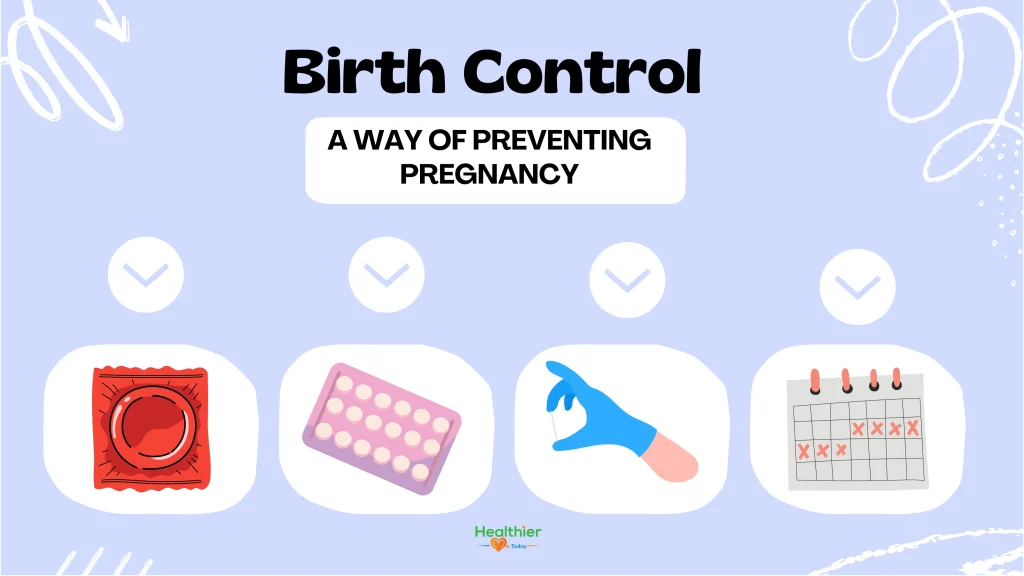
Birth control is a way of preventing pregnancy. So, condoms, medication, and devices all classify as a birth control method. It interferes with a natural process involved in conception, like ovulation spur movement and the ability of a fertilized egg to attach to the uterus. 

Birth control is typically used for pregnancy prevention, but it also has other uses. For example, regulates menstrual cycles, manages hormonal imbalances, reduces period symptoms, and treats conditions like endometriosis and polycystic ovary syndrome (PCOS).

Different Types of Birth Control

otc birth control pill


It’s perfectly normal to feel a bit overwhelmed with all the different birth control methods available. Whether you’re seeking something easy and painless, something more long-lasting, or even birth control options for teenagers, you’re not alone in your search! This section delves into all these options, including some emergency contraception when other methods fail to keep you safe and pregnancy-free.

Hormonal Birth Control Options

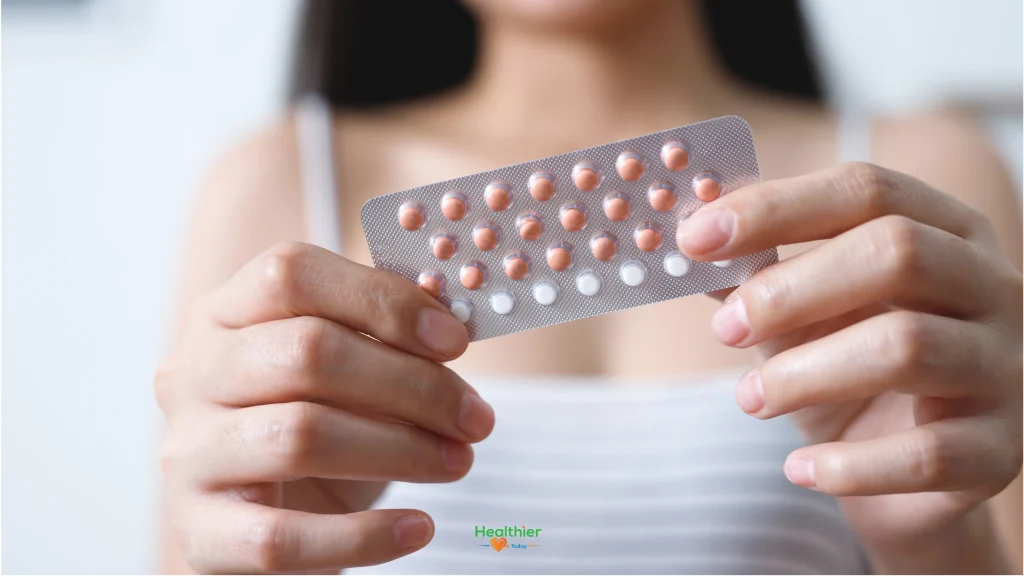
  • Birth Control Pills: This is one of the best birth control options. These pills are used globally because they are so easy to use and effective. The contents of estrogen and progesterone prevent ovulation and thicken cervical mucus – not only will it prevent pregnancy, but it’s extremely difficult for the sperm to reach the egg. There is a catch, though! One missed pill could lead to pregnancy. 
  • Birth Control Patch: This small patch gets stuck on the skin. It releases hormones like estrogen and progesterone over time to keep you protected. They also need to be used consistently for it to be effective, like birth control pills. Birth control patch side effects include issues like nausea, breast tenderness, headaches, irregular bleeding, etc. 
  • Birth Control Shot: A quick injection of progestin every three months into the upper arm or buttocks – easy yet effective! It burns when injected, but all shots usually do. Just remember that missing a shot could lead to an unwanted pregnancy. It’s essential to plan everything around this shot so that you don’t miss it. 
  • Hormonal IUD (Intrauterine Device): A tiny device that a healthcare provider puts in your uterus. Some women reported that it’s uncomfortable and painful, but experts say that the level of pain varies from person to person. It prevents pregnancy by thickening cervical mucus and thinning the uterine lining. In some cases, it may stop the release of eggs from the ovaries (prevents ovulation). 
  • Birth Control Implants: These are tiny rods inserted under your skin in your upper arm (usually in the non-dominant arm) by healthcare professionals. It can last up to three years but can be taken out earlier. Implants aren’t painful as a numbing injection gets injected before the rod is inserted. It does, however, cause bruising. This will go away in a few days on its own. 

Non-Hormonal Birth Control Methods

Best birth control options

  • Condoms: This is called a barrier method. Females and males use condoms during intercourse. They prevent the sperm from getting to the egg and even protect against STDs.
  • Copper IUD (Intrauterine Device): Just like the hormonal IUD, a small device is inserted vaginally, but this method doesn’t have any hormones. It prevents pregnancy by creating a toxic environment for sperm. It lasts for 5 to 10 years. 
  • Sponges: This is similar to condoms but can only be used by females. The sponge is filled with spermicide, preventing sperm from reaching the uterus. It acts as a blocker!
  • Diaphragm: A soft, dome-shaped barrier gets inserted into the vagina to cover the cervix just before intercourse and up to 6 hours prior. Then, it should be left for 6 hours afterward to prevent pregnancy. This diaphragm can be used for 2 years with the proper maintenance. 
  • Phexxi Birth Control: This is a non-hormonal vaginal gel that maintains an acidic vaginal pH which makes it difficult for the sperm to survive. This can be used as a long-term and short-term birth control method but should be applied up to 1 hour before vaginal intercourse.

Natural Birth Control Ways

  • Natural Family Planning (NFP): This involves tracking a woman’s signals like temperature and cervical mucus to know when fertile and avoiding intercourse on those days. 
  • Withdrawal: Before a man ejaculates, the penis should be pulled out to keep the sperm away. While it’s not as effective as other birth control methods, it’s better than no birth control. 

Our Top Choices for Non-Hormonal Birth Control and Supplements

Emergency Birth Control Tactics

  • Copper IUD (Intrauterine Device): This device is not just another hormonal birth control method – it can also be used in the case of an emergency. It should be inserted within 5 days of unprotected sex to avoid pregnancy. The copper IUD stops the fertilization before anything happens. 
  • Emergency Pills: This is known as the “morning after pill”. When you’ve had intercourse without protection, this pill could be the difference between an unplanned pregnancy and being pregnancy-free. It can be bought over the counter at your local pharmacy. Birth control brands like Levonorgestrel are available at CVS. 

Side Effects: What You Need to Know

Types of birth control

When you open a birth control box, there is a book inside with all the different side effects. It’s not the typical headaches and nausea symptoms you think of. Some of them are actually deadly! In fact, 300 to 400 women die every single year due to these effects. 

Here’s what these books include:

But did you know that teenagers experience these side effects differently from other age groups? Because teenagers’ bodies are still developing, it makes them more vulnerable to certain side effects of birth control. 

Common side effects of birth control pills for teenagers

  • Mood Swings and Depression: Hormonal fluctuations can be more intense in teenagers, which leads to mood swings, anxiety, and even depression. 
  • Weight Changes: Some teens experience weight gain when on birth control, while others only see changes in their appetite due to hormonal shifts. 
  • Skin Reactions: Certain birth control has been shown to clear up acne, but it might also have the opposite effect. 

Effectiveness of Birth Control

Birth Control Methods Perfect Use Typical Use
Birth Control Pills 99% 91%
Birth Control Patch 99% 91%
Birth Control Shot 99% 94%
Hormonal IUD 99.8% 99%
Birth Control Implants 99% 99%
Condoms 98% 85%
Copper IUD 99.2% 99%
Sponges 91% 76-88%
Diaphragm 94% 84%
Phexxi Birth Control 93% 86%
Natural Family Planning 99% 76-88%
Withdrawal 96% 78%
Emergency Pills 89% (within 72 hours) 75-89% (depends on timing)

How to Choose The Right Birth Control 

Reviewing a birth control effectiveness chart will give you a good idea of how protected you will be, but that isn’t the only factor to consider. Choosing the right birth control depends on your lifestyle, health needs, and personal preferences. 

Here are some key points to help you make an informed decision:

  • Health Conditions: Some hormonal methods aren’t suitable for health issues like high blood pressure or a history of blood clots.
  • Hormonal vs. Non-Hormonal: Decide if you want the birth control method to contain hormones. Hormonal options may cause side effects like changes or weight gain. Hormonal options, on the other hand, are less convenient for some.
  • Ease of Use: Do you want to keep up with daily pills to prevent pregnancy, or would you like something more maintenance-free after insertion, like implants and IUDs? 
  • STD Protection: If your main goal is to be protected against STDs (sexually transmitted diseases), condoms are the best choice. They are the only birth control option that can protect you.
  • Future Family Plans: When do you want to have kids? Is it the near future? Pills and rings are easily reversible, making them one of the best picks for families that don’t want to wait a decade to start having babies.
  • Side Effects and Allergies: Birth control has some side effects and allergies. Make sure to discuss your concerns with your doctor or a healthcare professional for the best option.

Conclusion: All About Birth Control Methods

Choosing the right birth control method is important because it can significantly impact your reproductive health, lifestyle, and future plans. Remember that it’s not a one-size-fits-all solution; what works best for you may depend on your health, lifestyle, and personal preferences. So, consult with a healthcare provider to find a method that aligns with your needs.

FAQ’s:

Are there natural birth control methods that work?

Yes, natural birth control methods like natural family planning (NFP) and withdrawal can prevent pregnancy. But this, however, depends on how it’s used. For example, NFP can be 99% effective, but typical use is only 76-88%. 

What are the safest methods for women?

The safest method depends on individual health conditions and preferences. Non-hormonal options are typically safer to use than hormonal birth control, like implants and IUDs. However it’s important to consult with our healthcare provider to determine what’s the safest and best method for you.

What is the best birth control for teens?

The best birth control for teens typically includes methods that are highly effective, easy to use and have fewer chances for user error. This includes methods like birth control implants and hormonal IUDs, but birth control pills and patches can also be very effective when used regularly.

Does birth control affect fertility?

Yes, hormonal birth control can affect fertility, but most women, after discontinuing birth control, return to normal fertility within a few months. 

Is there birth control that stops periods?

Yes, some birth control stops periods. Options include hormonal IUDs, birth control implants, and birth control pills.

Are there any OCT birth control pills?

Yes, there are a few brands that have pills available OCT (over-the-counter). They include Opill and Levonorgestrel.

Where can I find low estrogen birth control?

Talk to your healthcare provider about your preferences, like low estrogen, so that they can find the best option for you. Low estrogen birth control pills include Alesse, Loestrin, and Ortho-Cyclen. But there are other options, too. If you’re looking for a non-pill method, consider using options such as hormonal IUD and the implant.

This article was written, and is sponsored by MotherTyper, a South African Digital Marketing and Social Media Marketing Agency.

Guiding New Dads: A Journey Through Fatherhood Mental Health

Welcome new dads! Becoming a new dad is a remarkable journey filled with joy, wonder, and the occasional sleepless night. However, amongst the excitement, new fathers must prioritize it’s their mental health. In this guide, we explore practical and optimistic mental health tips tailored for new dads, acknowledging the unique challenges and celebrations that accompany the arrival of a little one. Becoming a dad is the start of the most incredible adventure of your life. Get ready!

The Role of New Dads in Modern Fatherhood

The Role of New Dads in Modern Fatherhood

Modern fatherhood is evolving, with new dads playing increasingly active roles in parenting. Embracing this change is the first step towards maintaining positive mental health. Recognizing that the responsibilities of parenthood are shared between partners fosters a supportive environment. New dads contribute not only to their child’s physical care but also to the entire family’s emotional well-being. Things will change and never be the same again, but don’t let that scare you. Embrace the new season and become the best dad you can be. 

New Dads and Partner Support

Communication is the cornerstone of any healthy relationship, especially during the transformative phase of becoming parents. New dads should openly express their thoughts, concerns, and joys to their partners. Sharing the parenting journey fosters a sense of unity and ensures that both partners feel supported. Establishing clear lines of communication helps navigate the challenges of parenthood together, creating a foundation of emotional strength for the entire family. Every day, check in with your partner and ensure you’re on the same page about the important things. 

A Vital Aspect of New Dads’ Mental Health

Amidst the sleepless nights and diaper changes, self-care often takes a backseat for new dads. However, prioritizing self-care is essential for maintaining mental well-being. Whether taking short breaks, indulging in hobbies, or getting fresh air, new dads should carve out moments for themselves. Self-care isn’t selfish; it’s vital to being present and emotionally available for the new family dynamic. While prioritizing self-care, don’t neglect to prioritize your relationship with your partner; just because a new life has entered the world does not mean your relationship with each other has become less critical. 

New Dads Need Community

New Dads Need Community

Navigating fatherhood is a shared experience; new dads benefit immensely from building a support network. This could include friends who are also new parents, family members, or participation in parenting groups. Connecting with others who are on a similar journey provides a sense of camaraderie, shared experiences, and valuable insights. The support network becomes a source of encouragement during the highs and lows of new fatherhood. If you have the capacity for it, look at starting a group for new dads. Many groups are available for moms, but they seem to be a bit scarce for new fathers. 

New Dads’ Juggling Act

Balancing the demands of work and family is a common challenge for new dads. Striking a healthy balance requires clear communication with employers about family needs and potential adjustments to work schedules. New dads should prioritize quality time with their family, recognizing that these moments are irreplaceable. Achieving a work-family balance fosters a sense of fulfillment, reducing stress and contributing to overall mental well-being. Thankfully, many companies and countries are increasing the amount of paternity leave new dads may take, giving way to more bonding with the baby and less stress on the mom. 

New Dads and Quality Time

Building a solid paternal bond is not just beneficial for the child; it’s also a source of fulfillment for new dads. Spending quality time with the baby, participating in caregiving routines, and engaging in play contribute to developing a deep connection. This bonding time is emotionally rewarding and positively impacts new dads’ mental health, creating a sense of purpose and joy. Have set times every day when you have time for your baby, just you and the baby; remember, looking after your child is not called babysitting. It’s called parenting. 

New Dads and Self-Awareness

New Dads and Self-Awareness

New dads need to be attuned to their mental health and recognize potential signs of stress or anxiety. Persistent sadness, irritability, or changes in sleep patterns could indicate underlying issues. Seeking professional help through counseling or support groups is a proactive step. Open conversations about mental health reduce stigma and create an environment where new dads feel comfortable addressing their emotional well-being. Let’s keep generational trauma where it should be in the past. 

A-Pillar of New Dads’ Mental Health

Sleep deprivation is a common challenge for new parents, and new dads are no exception. Prioritizing quality sleep is crucial for maintaining mental health. Establishing a sleep routine, taking turns with nighttime duties, and seeking support from partners or family members can significantly improve sleep patterns. Quality rest enhances emotional resilience, cognitive function, and overall well-being for new dads navigating the demands of fatherhood. If need be, set up a sleep schedule and plan for who gets to sleep when and who gets up for which feedings. 

New Dads’ Wellness Foundation

New Dads' Wellness Foundation

The connection between physical health and mental well-being is undeniable. New dads should pay attention to their nutrition and incorporate regular exercise into their routines. A balanced diet and physical activity increase energy levels, reduce stress, and improve mood. Making wellness a priority ensures that new dads are better equipped to handle the demands and joys of fatherhood. There are so many ways to incorporate your child into your exercise routine. For instance, a runner could get a jogging stroller and have your kid with you while you run. 

New Dads and Unplugging Moments

In the digital age, taking breaks from technology is crucial for mental well-being. New dads often find themselves constantly connected to work emails or social media. Designating specific times for technology breaks allows for moments of relaxation and presence with the family. Whether putting away phones during family meals or assigning screen-free hours, embracing technology breaks promotes a healthier work-life balance. It is important to remember that kids imitate what they see their parents do; if you are always on your phone, your kid will likely be, too. 

New Dads and Lifelong Learning

New Dads and Lifelong Learning

Parenthood is a continuous learning experience; new dads should approach it with curiosity and openness. Seeking information, reading parenting books, attending workshops, and learning from experienced parents contribute to personal growth. Embracing the mindset of a lifelong learner allows new dads to adapt to the ever-changing parenting landscape with resilience and confidence. Listen to the advice of those who have gone before you and take what you can from them. 

Thriving in the Adventure of Fatherhood

In conclusion, the adventure of fatherhood is a journey of growth, resilience, and joy. New dads can optimize their mental health and contribute to a thriving family life by navigating changing roles, practicing mindfulness, and managing time effectively. Addressing financial concerns, fostering emotional intelligence, and nurturing the couple’s relationship strengthens the foundation of parenthood. Embracing personal growth and celebrating individuality allow new dads to approach fatherhood confidently, creating a positive and fulfilling experience for themselves and their growing families. As new dads continue on this transformative journey, may they find joy in every moment, strength in every challenge, and a deep sense of fulfillment in the adventure of fatherhood. Enjoy your bundle of joy. 


Does Alcohol Kill Bed Bugs? 3 Key Facts!

Does alcohol kill bed bugs – Learn more with Healthier Me Today! Bedbug removal is a difficult task. They’re devilishly good at hiding, nocturnal, and rapidly becoming resistant to chemical pesticides, so many people wonder if a simple solution like rubbing alcohol (isopropyl alcohol) could be a better way to get rid of the bloodsuckers.

You can kill bedbugs with isopropyl alcohol. It can kill both the bugs and their eggs. But before you start spraying, remember that rubbing alcohol on a bedbug infestation is ineffective and even dangerous.

Why Does Alcohol Kill Bed Bugs and is it Safe?

Does Alcohol Kill Bed Bugs | Healthier Me TodayAlcohol kills bedbugs in two ways. First, it acts as a solvent, dissolving the bug’s outer shell. Although the dissolving action may be sufficient to kill some bedbugs, alcohol delivers a one-two punch. It also functions as a desiccant, which is a substance that causes drying.

After the outer shell has been dissolved, the alcohol dries out the bug’s insides, completing the job. It kills eggs by dissolving and drying them out, preventing them from hatching. Alcohol is cheap, readily available in every drugstore across the country, and it can be effective. So why is everyone still asking, “Does alcohol kill bed bugs effectively?”.

1. It Requires Direct Contact

Does Alcohol Kill Bed Bugs | Healthier Me TodayThe tricky part is that alcohol only kills on contact. That means spraying the bugs directly, and if you have an infestation, it can be extremely difficult to find and expose bedbugs.

Bedbugs can hide in tiny cracks in furniture, electrical outlets, and between books on shelves. It can be difficult to get alcohol into these places.

Bedbugs frequently congregate in secluded areas (dubbed “harborages”), so killing the bugs you see will not eliminate the ones you don’t.

2. It is not Completely Effective

Rutgers University researchers investigated two different products containing high concentrations of isopropyl alcohol. One product contained 50% alcohol, while the other had 91% alcohol. Neither product managed to eliminate more than half of the bugs.

Infestations of bedbugs spread quickly — the average female can lay up to 250 eggs in her lifetime — so a product that kills only half of the accessible population will not solve the problem.

3. It’s Flammable

The most important reason to avoid killing bedbugs with alcohol has nothing to do with the bugs themselves. Isopropyl alcohol burns extremely hot.

Spraying it on areas such as upholstered furniture, carpets, fabrics, clothing, and mattresses, even though it dries quickly, creates a fire hazard. Airborne vapors are also highly flammable.

In 2017, a Cincinnati woman attempted to get rid of bedbugs by soaking furniture in alcohol. A nearby candle or incense burner sparked the flames, and the resulting fire displaced ten people. At least three other similar cases were reported in the Washington Post.

Does Alcohol Kill Bed Bugs According to the EPA?

Does Alcohol Kill Bed Bugs | Healthier Me TodayThe majority of researchers who study bedbug infestations recommend hiring a professional exterminator. While this method is more expensive, it will most likely save time and frustration in the long run.


The Environmental Protection Agency (EPA) recommends an approach known as integrated pest management, which combines chemical and non-chemical methods.

5 Recommendations from the EPA to Control Bedbugs

  1. Wash and dry your clothes, bedding, and fabrics on high heat.
  2. Heat each room in your house to over 120°F (49°C) for 90 minutes or longer (bedbug removal specialists provide this service).
  3. Freeze — items that cannot be washed, dried, or heated, such as shoes, jewelry, and newer books, below 0°F (-18°C).
  4. Put zippered, bug-proof covers on your pillows, mattresses, and box springs.
  5. Place bedbug interceptors on the bottom of your bed to prevent bedbugs from climbing up.

Does alcohol kill bed bugs? If you can’t dry your belongings on high heat, place them in strong garbage bags, tie them up, and store them somewhere that will be very hot for extended periods, such as in a car during the summer.

Does Alcohol Kill Bed Bugs | Healthier Me Today

Bedbugs are notoriously hardy and can go months without feeding on blood. If possible, store infested items in sealed containers for several months to a year.

The EPA also recommends using pesticides to rid your home of bedbugs:

  • Using the EPA’s interactive list, find the bedbug pesticide that best meets your needs.
  • Follow the dosage instructions and timetable provided on the product label. If you don’t use enough pesticide, the bedbugs may develop resistance to it. You may miss the egg hatching cycle if you do not dose at the appropriate intervals.
  • If you cannot to control the infestation on your own, seek professional assistance before re-applying with the pesticide. According to a 2014 study, individuals tend to over-apply pesticides when attempting to control bedbug populations, and pesticide residue levels in places where adults, children, and pests sit or sleep can reach dangerous levels.
  • Make sure the pesticide you’re using is labeled for bedbugs. General pesticides will not work.

Pesticide Resistance

Another reason to seek professional help is that bed bugs have developed resistance in many areas. While some pesticides are effective, other treatments may work better. If you’re looking for the most efficient ways to eliminate bed bugs quickly, read our guide on what kills bed bugs instantly.

Pesticides containing pyrethrin’s, pyrethroids, and neonicotinoids are no longer effective against bedbugs in some areas. Call your county extension service to find out if the bedbug populations in your area are resistant to these chemicals.

Natural Remedies: Does alcohol kill bed bugs?

Does Alcohol Kill Bed Bugs | Healthier Me TodayBig box home stores, hardware stores, and grocery stores stock a plethora of products claiming to kill bedbugs, but many of their claims are unsubstantiated by scientific evidence. One 2012 study discovered that essential oil-based products, EcoRaider and Bed Bug Patrol, killed more than 90% of bedbugs in lab conditions. It’s important to understand that killing bedbugs in a petri dish is not the same as finding and killing them in your home.

In a 2018 study, high concentrations of oregano essential oil (40 percent and 99 percent) were found to repel bedbugs in lab conditions for more than nine hours — enough time for a good night’s sleep. In the study, essential oregano oil outperformed a traditional pesticide (DEET) in the form of a stick. Again, lab and home conditions may not produce the same results.

What to Do

Does Alcohol Kill Bed Bugs | Healthier Me TodayMake sure you have a bedbug infestation before you start treating your dorm room, office, home, vehicle, or belongings.

According to the National Pest Management Association, the following are reliable indicators of a bedbug infestation:

  1. Reddish smears on your sheets (blood and fecal matter)
  2. Molted shells in white or yellow.
  3. Itchy red bites on exposed parts of your body while sleeping. 
  4. A sweet odor in the area of a heavy infestation.

You might also notice the bugs, which are flat, reddish-brown bugs about a quarter inch long. They are most commonly found near the piping on your mattress.

Does Alcohol Kill Bed Bugs Forever?

Does Alcohol Kill Bed Bugs | Healthier Me TodayDoes alcohol kill bed bugs? – While isopropyl alcohol, also known as rubbing alcohol, can kill bedbugs and their eggs, it is ineffective for eliminating an infestation.


You must apply alcohol directly to the bugs, which can be difficult because bedbugs hide in cracks and crevices. Even if you spray or douse some bedbugs in alcohol, it does not always kill them.

Most Important Facts About Killing Bed Bugs with Alcohol…

Rubbing alcohol is highly flammable. Spraying it around the house could cause a significant fire. You’re better off treating the problem holistically, using pesticides sparingly, and isolating or removing infested items from your home. If you are unable to rid your home of pests on your own, seek the assistance of a professional exterminator.

After Birth – TOP 8 BEST Newborn Quirks

Having a newborn can be such a magical time and you may envision how sweet and delicate your little one will be, but what about your newborn pimples, and how much and when they should be pooping?

There are a few unusual things that newborns do that first-time parents don’t expect or haven’t heard of. Newborns are filled with surprises and although they sleep and eat the majority of their time away in the brief moments of consciousness they can do some pretty odd things. For newcomers, this can be alarming or just plain funny as these little bundles of joy don’t hold back their quirks.

Babies are known for being soft, smelling wonderful and being precious. There is of course this side but let’s not forget the other one, the crying through the night, fussiness and brief moments of panic thinking there may be something wrong with them. This happens more times than you think, some of these things are cute and others are a learning curb.

Parenthood is seldom as you imagine it, you love deeper than expected and worry more than you ever have in your life. But these little ones and the moments you share will always be worth it. With that being said it’s best to be prepared for the normal occurrences your newborn may embody.

What to Expect After You’ve Expected 

Newborn | Healthier Me Today
You may have been given a lot of advice from family and friends after you’ve announced the big news and although it can be insightful or perhaps a little stressful as you wrap your head around becoming a parent. Or maybe you’ve had your nose stuck in books to prepare you for the journey ahead. Whichever way you’ve chosen to enlighten yourself there are a few things that aren’t mentioned which are completely normal such as;

Moro Reflex 

Newborn | Healthier Me TodayThe Moro reflex is when your little one suddenly jerks at a speed you didn’t realise they were capable of. The first time you experience it you may feel a little surprised or worried but there’s no need to worry as it’s a natural bodily response to things such as loud noises, sudden repositioning or maybe for no reason at all. 

Dark Diapers

When changing your baby’s diaper after their first bowel movement you may be somewhat shocked by what you see. Their first few dirty diapers will contain blackish sticky contents which you may not be prepared for. However, there’s no reason to worry as this is natural and called meconium. It should progress over the first few days to lighter shades of brown, green and then yellow. As long as it’s soft there’s no need to stress. 

A Whole Lot of Hiccups 

Newborns tend to hiccup.. a lot. It can be felt in the womb but doesn’t stop after birth. Baby’s will typically hiccup almost after every feed and you may be alarmed when it seems like they’re lasting forever. Hiccups are a normal part of the feeding process and can also occur randomly and for a lengthy amount of time but don’t worry you won’t need to scare them away in fact it’s best to let them take their normal course and end on their own. 

So Many Sneezes

Just as frequently as they hiccup they sneeze too. We often associate sneezing with being sick or having allergies and you could worry that this is the case with your little one. However, it’s just another one of their newborn quirks and can be triggered by small dust particulars as their nostrils are very tiny and easily irritated. So there’s no reason to phone your pediatrician or rush them to the doctor because this is completely normal and will happen more times than you think. Not to mention there may be leftover amniotic fluid that can also be the culprit.

Newborn Pimples

Not only do teenagers and adults get unwanted blemishes but babies do too. Neonatal acne happens to many babies and can show up 2 to 3 weeks after birth. This doesn’t mean there’s something wrong with your baby or that they have bad skin. It can be all over but is more often on their nose and cheeks. These little blemishes will disappear on their own however if this happens at about 6 weeks of age then there is a possibility of eczema which your pediatrician will diagnose. 

Eye Adjusting 

Newborn | Healthier Me TodayBabies are accustomed to the womb where there isn’t much to see. So it’s only normal that life outside can be a lot to take in. This can cause their eyes to become crossed sometimes as they start to adjust to their surroundings and all the sights. Unlike like our eyes there’s may not always move together but as time goes on they will become normal and there will be no more unified movements which can be a bit odd looking at times. This will correct itself at around 4 months and up. 

Strange Noises

Newborns will often cry and moan but there are many different noises outside of these that they tend to make. You may hear a noise and be confused as to where it came from, it will most likely have been your baby. They will coo, groan and sometimes even have nasal whistles which happen when thru have a small amount of mucus in their tiny nasal passages. This can be cleaned out but if it sounds like they are having trouble breathing or are very congested then it’s best to talk to your pediatrician about it. Besides this, you can expect many odd sounds coming from your new bundle of joy. 

Cradle Cap 

This can be quite alarming for parents who have never heard of or experienced it before. After birth, your newborn’s skin can become flaky which is the same for their scalp. A cradle cap is when there are brown, white or yellow flakes that are found on their head between their hair. It’s a normal occurrence but can be avoided with proper care. Using some baby oils and lotions after bath and brushing can help get rid of these flakes. If it doesn’t subside after two months or spreads to their neck then you may want to inform your pediatrician and they’ll prescribe an ointment or treatment. 

Newborn Navigation 

Newborn | Healthier Me Today
Newborns come with many odd and unique quirks and sometimes this can be alarming but oftentimes completely normal. It’s good to ask as many questions as possible when navigating this time to learn as much as you can.

How To Romanticize Yourself this Valentine’s Day

When it comes to the holiday of love, it can be easy to get caught up in what to do for your loved ones or what to get them! In this, we often look past the fact that we should be spoiling ourselves. 

Let yourself know that it is okay! Be there for yourself, and don’t rely on anyone because you know what you need better than anyone. Whether you are single or in a relationship, you can stand alone and enjoy every moment of it!

Self-love does not always come naturally, and we need to learn to maintain a healthy relationship with ourselves. It should be prioritized alongside your partner. When you are alone, all you have is yourself. So, make it a pleasant experience. Carve time out to treat yourself and put as much attention in as you would with your partner.

Why is Romanticizing Yourself Important?

Romanticize Yourself this Valentine's Day - woman with flowers | Healthier Me Today

Romancing yourself is essential because it builds a healthy mental state. When we aren’t happy with ourselves, it reflects in our other personal relationships. No one said it is easy, especially if you have been used to putting yourself on the back burner. Just like any relationship, it will take time and effort. This, however, will be the most important relationship you will ever work on. This is not what anyone wants, especially around Valentine’s day. So make sure that you put just as much effort into making yourself feel special too!

To further understand this importance, here are a few reasons why you should romanticize yourself this valentines day:

  • It improves your mental health
  • It builds confidence
  • It can help with your personal relationships
  • Understanding yourself will make it easier for others
  • It builds self-respect
  • You will glow from the inside out
  • You will be happier all around
  • More self-esteem means more experiences
  • It improves your quality of life
  • It can be inspiring to those around you
  • It’s good for your physical health
  • You will always feel unique to someone, yourself
  • You won’t feel neglected because you have your own best interest
  • You’ll feel able to take risks and chances you wouldn’t usually take because you’ll believe in yourself
  • You don’t have feelings of abandonment because you enjoy your own company
  • You can teach others to love themselves
  • Knowing who you are and what you want will lead to better decision making
  • Everything feels like a blessing and not warranted
  • Appreciation for the little things
  • Appreciation for your body and how far you’ve come  
  • Respecting yourself will make it easier for others to respect you
  • Independence
  • You’ll want your living environment to improve, which will lead to healthier living.
  • Self-satisfaction
  • Overall gratification
  • It helps keep mental conditions in check, such as depression and anxiety
  • Happier romantic relationship
  • You will know and acknowledge yourself worth
  • It enables you to feel secure
  • It can help you understand why certain things in your life aren’t working or going the way you intended.
  • Helps with outside stresses
  • It helps you understand those around you who have bad relationships with themselves. They tend to make decisions and lash out because they do not have inner peace or self-awareness
  • You can support your own decisions 
  • Always have someone to rely on

14 Ways You Can Practice Self-Love This Valentine’s Day

Romanticize Yourself this Valentine's Day - Woman with balloons | Healthier Me Today

If you struggle with self-love and romanticizing yourself, you are not alone. People, especially women, often find that the stigma of self-love is selfish. This couldn’t be more wrong. Loving yourself has nothing to do with being selfish. Choosing yourself and looking after yourself and not just those around you can change your life. It is healthy to practice self-care and is recommended by many professionals because it aids in keeping mental illnesses and even health conditions at bay. Self-care and love aren’t just taking a bubble bath and reading a book. It is a way of life and should be prioritized. Here are a few ways that you can help you start loving yourself:

  1. Practice self-gratification. What are you grateful for that your body does?
  2. Don’t say yes when you want to say no.
  3. Make time in your day to focus on something that you want to do. Such as taking 15 minutes to stretch, catch up on social media, or just enjoy a good cup of coffee.
  4. Don’t please people for their sake.
  5. Write down what you like and don’t like.
  6. Don’t feel like you owe or are in debt to anyone. It is your life.
  7. Don’t be scared to do the things you want to. Go on that road trip or try that funky hairstyle. 
  8. Show your partner what you like in the bedroom. It shouldn’t be a routine.
  9. Believe in yourself. Say you can think instead of you can’t if you haven’t even tried it yet.
  10. Work on your physical health for yourself.
  11. Have patience with yourself. You can only do what your mind and body can.
  12. Make peace with the things that keep you up at night. 
  13. Enjoy every sip, bite, or pleasurable thing.
  14. Make sure you are up to your standards, no one else’s. 

For You By You

We often forget to put on our masks before assisting others. The complications of neglecting yourself and not just physically can sometimes break us down. On the other hand, it can be life-changing to do the smallest things for yourself. Everyone is different, there is no competition, and what you do with your life is your choice alone.


For You By You – Spoil Yourself This Valentines Day!

Rose Teddy Bear:

Teddy Roses - description | Healthier Me Today


“Beautifull handcrafted rose teddy bear – perfect for brightening up any space and romanticizing yourself this valentines day! Pick your favorite color: Red, Green, Pink, Purple, Blue, Green, and White. These expertly crafted soft rose bears are everlasting and eco-friendly!”


Gold Valentines Rose:

Gold Roses - description | Healthier Me Today


“Stunning decorative red and gold rose to leave you feeling like the queen you are! This 24K Gold rose, and resin coating with diamante detailing is enough to add an element of oomph to your home for many years to come!” 


Eternal Rose Love Box:

Bucket Roses - description | Healthier Me Today


“Real roses directly from an organic farm – preserved using non-toxic ingredients that will last for years to come. These red beauties are not only a beautiful decorative piece but are easily maintained since they can be placed wherever you like, with no water or sunlight needed. The perfect gift for yourself by yourself!”