
The Top 6 Triggers of Asthma & How to Avoid Them

Asthma affects millions of people worldwide, and understanding what triggers symptoms is an important step toward better control. While many people search for the causes of asthma, the condition does not usually have a single cause. Instead, flare-ups are often triggered by specific factors in the environment.

These triggers can tighten the airways, cause inflammation, and make breathing suddenly more difficult. In this article, we will explore the most common asthma triggers, how they affect the body, and practical ways to avoid them for better everyday breathing.

Causes of Asthma

While researchers continue to study what causes asthma, one thing is clear: symptoms are often triggered by specific factors in a person’s environment. These triggers can vary widely from person to person and may lead to coughing, wheezing, or chest tightness.

Learning to identify and avoid these triggers can help reduce flare-ups, nighttime symptoms, and emergency situations. Below are some of the most common asthma triggers that can affect breathing and worsen asthma symptoms.

1. Allergens

Allergens are one of the most common triggers of asthma symptoms, especially for people who experience asthma and allergy conditions together. Everyday allergens such as pollen, dust mites, mold, and pet dander can irritate sensitive airways, leading to inflammation and breathing difficulties.

When these particles are inhaled, the immune system may react strongly, causing the airways to tighten and produce extra mucus. This reaction can trigger symptoms such as coughing, wheezing, and shortness of breath.

Because allergens are present in many indoor and outdoor environments, learning how to reduce exposure can play an important role in preventing asthma flare-ups.

How to Avoid Triggers

  • Use a HEPA air purifier in the bedroom.
  • Keep windows closed during high-pollen days.
  • Wash bedding frequently in hot water.
  • Vacuum carpets using a HEPA filter vacuum.
  • Reduce indoor humidity to help prevent mold growth.

People with allergic asthma may also benefit from allergy testing, which can help identify the specific substances that trigger their symptoms.

2. Air Pollution and Environmental Irritants

Air pollution and environmental irritants can easily trigger asthma symptoms because the lungs are highly sensitive to particles in the air. Substances such as cigarette smoke, vehicle emissions, chemical fumes, and industrial pollutants can irritate the airways and worsen breathing problems. 

This is why many people experience increased symptoms related to asthma and air pollution, particularly in heavily populated or industrial areas.

How to Avoid Triggers

  • Check daily air-quality indexes and limit outdoor activity on high-pollution days.
  • Avoid smoking areas altogether.
  • Use unscented cleaning products and avoid strong detergents.
  • Keep the home well ventilated when cooking.

Here are mullein drops to help your lungs and airways!

3. Respiratory Infections

Respiratory infections such as colds, flu (influenza), and other viruses can irritate the airways and trigger inflammation [cdc.gov]. When the body fights an infection, the airways may become more sensitive and swollen, making breathing more difficult for people with asthma. Because of this, infections are one of the most common causes of a sudden asthma flare up.

How to Avoid Triggers

  • Wash your hands frequently.
  • Avoid close contact with people who are sick.
  • Get yearly flu vaccinations when eligible.
  • Maintain good hydration and healthy sleep habits to support your immune system.

4. Physical Activity and Cold Weather

Some people with asthma develop symptoms during exercise or when breathing in cold air. This can occur with exercise induced asthma or cold induced asthma, conditions in which the airways temporarily narrow in response to increased airflow or sudden temperature changes.

How to Avoid Triggers

  • Warm up slowly before exercise.
  • Use a scarf or cloth to cover your mouth when breathing in cold air.
  • Choose indoor workouts on extremely cold or windy days.
  • Keep a reliever inhaler nearby during physical activity.

With the right precautions, many people with asthma can remain physically active while protecting their airways.

5. Stress and Strong Emotions That Can Trigger Asthma

Emotional stress can tighten the chest, change breathing patterns, and trigger asthma symptoms in some people. Strong emotions such as anxiety, anger, or intense excitement may also make breathing feel more difficult. While stress does not directly answer what is asthma caused by, it can play a significant role in triggering flare-ups and affecting overall symptom control.

How to Manage Triggers

  • Practice deep breathing or mindfulness exercises.
  • Prioritize rest and regular sleep.
  • Break larger tasks into simple, manageable steps.
  • Seek emotional support when needed.

Use a mattress protector to help reduce exposure to dust mites, pet dander, mold, and other allergens that can trigger asthma symptoms at night. Since you spend hours sleeping each day, allergens trapped inside a mattress can continue irritating the airways over time. A protector creates a barrier between you and those irritants, while regular washing can help keep the sleeping environment cleaner and easier on the lungs.

Here are 10 natural ways to ease your stress!

6. Food Triggers and Additives

Food does not commonly cause asthma attacks on its own, but certain foods and additives can worsen symptoms or increase airway inflammation. This is why researchers often explore the diet and asthma connection, particularly in people who notice symptoms after eating specific foods [aafa.org]. 

Foods to Watch

  • Foods containing sulfites, such as dried fruits, wine, and some packaged potatoes.
  • Foods that trigger heartburn or acid reflux, which can irritate the airways.
  • Very cold drinks or ice, which may increase airway sensitivity in some individuals.

How to Avoid Triggers

  • Keep a food diary to track possible reactions.
  • Limit heavily processed foods and additives.
  • Pay attention to foods that seem to worsen breathing symptoms.

If a particular food repeatedly worsens breathing or asthma symptoms, it is best to avoid it and discuss it with a healthcare provider.

How to Reduce Exposure Through Lifestyle Habits

Managing asthma often involves reducing exposure to common triggers in everyday environments. By making small, consistent adjustments to daily habits, it is possible to lower the risk of flare-ups and improve overall breathing comfort. These natural ways to control asthma and thoughtful lifestyle changes to prevent asthma can help support lung health and make symptoms easier to manage over time.

  • Keep your home clean and dust-free – Regular cleaning can reduce exposure to dust mites, pet dander, and other indoor allergens. Vacuum carpets frequently, wipe surfaces with damp cloths, and wash bedding in hot water to limit allergen buildup.
  • Strengthen your immune system with nutritious meals and adequate sleep – A balanced diet rich in fruits, vegetables, whole grains, and lean proteins helps support the immune system. Getting enough sleep also helps the body recover and may reduce vulnerability to infections that can trigger asthma symptoms.
  • Clean or replace air filters regularly – Air filters in heating and cooling systems can collect dust, pollen, and other particles. Replacing them on schedule helps maintain cleaner indoor air and reduces exposure to irritants that may worsen asthma.
  • Stay well hydrated throughout the day – Drinking enough water helps keep the airways moist and may make mucus easier to clear. Proper hydration also supports overall respiratory health.
  • Practice breathing exercises – Gentle breathing techniques, such as diaphragmatic breathing or paced breathing exercises, may help improve lung efficiency and reduce feelings of shortness of breath in some people.

Taking small daily actions based on practical asthma prevention tips can lead to long-term improvements in symptom control and quality of life.

When to See a Doctor for Asthma Symptoms

When to See a Doctor for Asthma Symptoms

Occasional breathing discomfort may happen for many reasons, but persistent or worsening symptoms should always be taken seriously. Asthma symptoms can range from mild to severe, and recognizing when medical help is needed can prevent complications and improve long-term control.

You should consider speaking with a healthcare provider if you frequently experience symptoms such as wheezing, coughing, chest tightness, or shortness of breath, especially if they interfere with daily activities or sleep [webmd.com]. These signs may indicate that asthma is not well-controlled or that treatment adjustments are needed.

Medical attention is especially important if symptoms suddenly worsen or do not improve with prescribed inhalers. Warning signs such as difficulty speaking due to breathlessness, rapid breathing, or persistent chest tightness may signal a severe asthma attack that requires immediate care.

A healthcare professional can evaluate your symptoms, identify possible triggers, and recommend appropriate treatment or management strategies. Early diagnosis and proper treatment can help prevent serious asthma complications and improve overall quality of life.

Conclusion: Stay in Control of Your Asthma

Asthma symptoms do not appear randomly. In many cases, they are triggered by specific environmental, physical, or lifestyle factors. By learning to recognize common triggers such as allergens, air pollution, infections, stress, or certain foods, many people can significantly reduce the frequency of flare-ups.

Paying attention to early asthma attack symptoms, including coughing, wheezing, chest tightness, and shortness of breath, can help you respond quickly before symptoms become more severe. Understanding your personal triggers is one of the most effective ways to manage the condition and maintain better breathing throughout daily life.

With the right awareness, practical lifestyle adjustments, and guidance from a healthcare professional, many people with asthma are able to stay active, reduce symptoms, and maintain long-term control of their condition. 

Frequently Asked Questions (FAQ)

Q: Can asthma develop later in life?

A: Yes, many people wonder can you develop asthma later, and the answer is yes. Asthma can appear in adulthood after long-term exposure to irritants, hormonal changes, or respiratory infections. Lifestyle habits and work environments may also contribute to the development or worsening of symptoms.

Q: Is asthma hereditary or environmental?

A:Asthma can be influenced by both genetics and environmental factors. A family history of asthma may increase your risk, while exposure to allergens, pollution, or other irritants can affect how often symptoms occur and how severe they become.

Q: Can exercise trigger asthma symptoms?

A: Yes, physical activity can trigger airway narrowing during intense exercise or when exercising in cold air. This occurs because increased airflow can dry and irritate the airway lining. Proper warm-ups and controlled breathing techniques may help reduce symptoms.

Q: What foods may worsen asthma?

A: Certain foods and additives can worsen asthma symptoms in some people. Preservatives such as sulfites, cold drinks, and foods that trigger acid reflux may irritate the airways. Keeping track of how your body reacts to different foods can help identify possible triggers.

Q: What lifestyle changes reduce asthma attacks?

A: Improving indoor air quality, reducing clutter that collects dust, washing bedding frequently, and avoiding smoking areas can help reduce exposure to asthma triggers. A balanced diet, regular physical activity, and maintaining a clean living environment also support long-term respiratory health.
Work Stress Management: Signs, Causes & Strategies

Do you feel stressed at work even after you’ve had time off? Deadlines are constantly on your mind, you feel more irritable than usual, or you can’t fully relax in the evenings. When stress starts affecting your mood, energy, and focus, it’s usually a sign that your body and mind are asking for a reset.

This guide helps you recognize the signs, understand common causes, and use effective work stress management strategies, along with long-term solutions to help you regain control.

What Is Work Stress Management?

Work stress management is simply about learning to handle the pressure of your job in a healthy way. Every job has deadlines, responsibilities, and challenging moments, and while a little stress can sometimes push you to perform better, too much of it can quickly become overwhelming.

Using effective work stress management techniques can help you notice what triggers your stress and how it affects your energy and mood. With the right strategies, you won’t just get through the day, you’ll feel calmer, more focused, and better able to handle challenges without letting stress take over your life.

Signs of Work-Related Stress

Signs of Work-Related Stress

Stress at work can build up quietly, and you might not even notice it at first. It often shows up in small changes in your mood, energy, or behavior before it becomes overwhelming. Paying attention to these early warning signs can help you take action sooner and prevent stress from taking control of your work and personal life.

Here are some common signs of work-related stress to look out for:

  • Persistent fatigue – Chronic stress keeps your body in “alert mode,” which drains your energy over time, even if you’re getting enough sleep.
  • Difficulty concentrating – Stress affects your focus and decision-making because your brain is busy managing pressure instead of thinking clearly.
  • Irritability or mood swings – When you’re overwhelmed, your patience usually drops, and small things start to feel bigger than they are.
  • Headaches or muscle tension – Stress often shows up physically, especially in your neck, shoulders, and head.
  • Sleep disturbances – Worrying about deadlines or work problems can make it hard to switch off at night.
  • Increased absenteeism – When stress becomes too much, avoiding work can feel like the only way to cope.

When you notice these signs early, you give yourself the chance to step back and make changes before it gets worse. Even small adjustments and clearer boundaries can make a real difference in how you feel day to day.

Common Causes of Stress at Work

Work stress usually builds up due to specific factors in your daily routine or work environment. Identifying your stress triggers can help you manage them more effectively, preventing them from affecting your mood, energy, or home life.

Here are some things that can cause work-related stress:

  • Heavy workloads – Managing multiple tasks or tight deadlines creates pressure, putting your body in “stress mode.” This can lead to both mental and physical exhaustion.
  • Job insecurity – Uncertainty about job stability or company changes can threaten your sense of safety, creating ongoing tension that makes it difficult to relax or focus.
  • Long working hours – Working extended hours without proper rest prevents your body and mind from recovering, leading to chronic work stress over time.
  • Poor work-life balance – When work follows you home, your brain doesn’t switch off, causing stress to build instead of settle.
  • Lack of recognition – When your efforts go unnoticed, it can feel discouraging and demotivating. That emotional strain creates frustration, which contributes to ongoing stress.

Every workplace is different, and what feels overwhelming for one person might not bother someone else.

How Work Stress Affects Your Health and Performance

When you’re under constant pressure at work, your body stays tense, which can lead to headaches, tight muscles, fatigue, high blood pressure, and a weaker immune system. Mentally, stress can make it harder to focus, remember details, stay motivated, or handle tasks that usually feel easy. Over time, this can lower your productivity and confidence. Recognizing these signs early is important because it gives you the chance to take action and learn how to reduce stress from work, protecting both your health and your performance in the long term.

Work Stress Management Techniques That Actually Help

Work Stress Management Techniques That Actually Help

Stress at work is normal, but it doesn’t have to take over your day [www.apa.org]. The right workplace stress relief techniques can help you stay focused, calm, and in control, even when your schedule is packed.

Immediate Stress Relief Techniques at Work

Some days, stress hits so fast that you need something that works immediately. Taking a few slow, deep breaths can help settle your mind and slow down racing thoughts. Standing up and stretching, or even taking a short walk, can help relieve tension in your body and make you feel more grounded. Pay attention to areas where you hold tension, such as your shoulders, neck, or jaw, and consciously relax them. Even pausing for a few seconds before responding to a frustrating situation can prevent stress from escalating and give you a moment to think clearly. These simple actions can make a noticeable difference in how you feel, helping you regain focus and calm.

Stress Management Techniques for Remote Workers

Working from home comes with flexibility, but without a clear routine, work can slowly spill into your personal life [pmc.ncbi.nlm.nih.gov]. You might catch yourself checking emails late at night or struggling to switch off mentally. Simple stress-management techniques for remote workers can help you stay organized and conserve your energy. Setting up a small, dedicated workspace tells your brain when it’s time to focus and when it’s time to relax. Clear start and finish times prevent overworking, and even small habits, like getting dressed for the day, can shift your mindset into productivity mode. Taking proper breaks away from the screen gives your mind and body a chance to reset, so you don’t end the day feeling drained.

Stress Management Techniques for Work and Home Balance

Maintaining a healthy balance between work and home life is essential for managing stress in the long term. When work follows you home mentally, it becomes difficult to rest and recharge truly. Creating a shutdown routine at the end of your day, tidying your desk, planning for tomorrow, or mentally closing your work tasks, helps your mind switch off. Setting firm boundaries around your availability and limiting after-hours emails protects your personal time. 

Focusing on what truly matters instead of trying to do everything at once reduces unnecessary pressure.

How to Manage Work Stress Long-Term

Learning how to manage stress at work can help you stay focused, protect your energy, and handle busy periods without feeling overwhelmed.

Setting Boundaries

Setting boundaries is about knowing your limits and being honest about them. It helps you focus on work when you need to and take real breaks when your day is over. By protecting your time and energy, you can avoid feeling stressed and stay more balanced throughout your workday.

Time Management Strategies

Poor time management can make even small tasks feel overwhelming. A simple way to stay on top of things is to pick your top three priorities each day and focus on them first [franklincovey.com]. Breaking bigger projects into smaller steps makes them easier to handle, and taking short breaks between tasks gives your mind a chance to reset. These simple habits help you stay productive without feeling stressed or drained.

Delegation and Asking for Help

Doing everything yourself can lead to long-term work-related stress. You might feel responsible for keeping everything running smoothly, but taking on too much can cause burnout. Look at your tasks and see which ones you can pass on to others. Sharing the workload is a smart way to reduce stress and work better together.

Building Workplace Resilience

Even with good systems in place, work will still throw challenges your way. Building resilience helps you handle pressure without feeling drained or frustrated. It teaches you to stay calm, focus on solutions, and adapt when things don’t go as planned. You can strengthen your resilience by focusing on what you can control, learning from mistakes, and keeping simple routines that support your mental and physical health. By combining clear boundaries, smart time management, asking for help, and resilience, you create strong, sustainable habits. These are some of the best stress management tips for employees to deal with job stress and anxiety.

Tools That Can Support Stress Relief at Work

Tools That Can Support Stress Relief at Work

When your body feels tense or uncomfortable, it’s harder to stay focused and calm.

Using simple tools is one of the best ways to manage work stress:

  • Foot massager – Long hours of sitting or standing can lead to tired, aching feet and poor circulation. A quality foot massager helps improve blood flow, relieve foot pain, reduce muscle tension, and ease stiffness, all from the comfort of your home or office.
  • Seat cushion for an office chair – Sitting for long hours can put pressure on your lower back, hips, and tailbone. A supportive office seat cushion helps improve posture, reduce back pain, and relieve pressure while you work. Designed for ergonomic comfort, it provides extra support that keeps you comfortable, focused, and productive throughout the day.
  • Anti-fatigue floor mat – Standing for long periods can strain your feet, knees, and lower back. An anti-fatigue floor mat provides cushioned support that reduces joint pressure, improves comfort, and helps minimize fatigue. Ideal for standing desks, kitchens, or retail spaces, it keeps you supported and focused throughout the day.

Using simple tools alongside practical stress management strategies can make your workday feel more comfortable and less overwhelming.

When to Seek Professional Help for Job Stress and Anxiety

When stress starts showing up as constant anxiety, irritability, low mood, trouble sleeping, or frequent headaches, it may be a sign that you need more than just basic coping techniques [mayoclinic.org]. You might feel emotionally exhausted, overwhelmed, or not quite like yourself.

Seeking help from a therapist or counselor isn’t a sign of weakness; it’s a healthy and proactive step toward better mental health. Professional support can provide personalized stress-management tools, help you reduce anxiety, rebuild emotional balance, and improve your overall well-being in a sustainable way.

Conclusion: Take Control of Work Stress

Managing stress at work isn’t about eliminating pressure completely, it’s about learning how to handle it in a healthier way. When you become aware of what triggers your stress and take small, practical steps to manage it, you protect your energy, your focus, and your overall well-being.

Simple habits like practicing deep breathing exercises, using ergonomic office tools, and setting clear boundaries between work and personal time can strengthen your resilience.

Frequently Asked Questions (FAQ)

How to stop stressing over work?

To stop stressing over work, focus on what you can control and let go of what you can’t. Break big tasks into smaller, manageable steps, prioritize what truly needs attention, and stop trying to do everything at once. Set clear boundaries between work and personal time, take short breaks to reset your mind, and speak up if your workload feels overwhelming.

How to handle stress effectively?

To handle stress effectively, focus on what you can control and take small, practical steps each day. Break tasks into manageable pieces, take short breaks, and make time for activities that help you relax. Asking for help when you need it and keeping healthy routines can also make a big difference in staying calm and focused.

How do you handle stress and pressure at work?

Handling stress and pressure at work starts with staying organized and focusing on one task at a time. Take short breaks to reset, set clear boundaries, and ask for help when needed. Small habits like these help you stay calm, focused, and more in control throughout the day.

How to relax when stressed?

When you’re stressed, take a few deep breaths, step away from whatever’s causing the stress, and give yourself a moment to reset. Simple actions like stretching, going for a short walk, or listening to music can help you calm down and regain focus quickly.

What are 7 warning signs of stress?

Here are 7 common warning signs that you should watch for:

  1. Persistent fatigue
  2. Difficulty concentrating
  3. Irritability or mood swings
  4. Headaches or muscle tension
  5. Sleep disturbances
  6. Increased absenteeism
  7. Feeling overwhelmed or unable to cope

New to Fitness? Try This Simple 7 Day Workout Plan

Starting a fitness journey can feel a little overwhelming at first, and that’s completely normal. The good news is, it doesn’t have to be complicated or intimidating. With a 7 day workout plan for beginners, you can ease into movement at your own pace and start feeling stronger, more confident, and more energised each day. This plan is designed to help you build a simple, realistic routine while working your whole body in a balanced way.

In this guide, you’ll learn how to get started, what to expect each day, and how to stay consistent as you begin your fitness journey.

How to Start Working Out as a Beginner

If you’re wondering how to start working out as a beginner, the most important thing is to keep it simple. Focus on basic movements, shorter workouts, and a pace you can maintain. This helps you build strength, confidence, and consistency over time without feeling overwhelmed.

Starting with a simple workout plan that’s easy to follow makes it much easier to stay on track. You don’t need long sessions or intense routines to see progress. What matters is choosing something manageable and sticking with it.

Take your time, pay attention to how your body feels, and don’t worry about doing everything perfectly. Showing up consistently is what counts. Even 20 minutes of movement can help you feel stronger, more confident, and more in control of your body!

What Makes This a Beginner-Friendly Workout Plan

What Makes This a Beginner-Friendly Workout Plan

This plan combines full-body movement, low-impact cardio, and built-in rest days to help you build strength and consistency without overdoing it. It’s designed to ease you in, so you’re not pushed too hard or too fast.

You don’t need fancy gym equipment, and the exercises are simple to follow. Whether you’re working out at home or at the gym, this weekly workout plan for beginners is flexible and easy to fit into your routine.

Your Simple 7-Day Workout Plan for Beginners

Here’s a breakdown of the plan. Remember, each day focuses on a different type of movement to ensure you’re working your whole body while allowing recovery time. This is the perfect beginner workout plan to help you start fitness safely.

Day 1 – Full Body Movement

Focus: 

  • Light strength + mobility

Warm-up:

  • 5 minutes marching in place or light walking
  • Arm circles (forward and backward)
  • Torso twists

Workout:

  • Bodyweight squats (2-3 sets of 10-15 reps)
  • Bent-knee push-ups (2-3 sets of 10-15 reps)
  • Glute bridges (2-3 sets of 10-15 reps)
  • Standing side leg lifts (2-3 sets of 10 per leg)

Cool-down:

  • 5-10 minute walk
  • Light stretching (hamstrings, shoulders, triceps)

Remember to move slowly and focus on form with this beginner workout plan to start your fitness journey safely.

Day 2 – Cardio (Beginner Pace)

Focus: 

  • Easy movement to get your heart rate up

Workout:

  • Brisk walking or cycling for 20-30 minutes
  • Optional low-impact cardio → marching in place, step-touches, or beginner dance steps for  minutes

Cool-down:

  • Slow walk for 3-5 minutes
  • Stretch calves, quads, and arms

Keep it comfortable and go at your own pace with this easy workout plan.

Day 3 – Full Body Strength

Focus: 

  • Bodyweight exercises

Warm-up:

  • 5 minutes of light cardio

Workout:

  • Wall push-ups (2-3 sets of 10-15 reps)
  • Chair-assisted squats (2-3 sets of 10-15 reps)
  • Plank on knees (hold 20-40 seconds)
  • Standing calf raises (2-3 sets of 10-15 reps)

Cool-down:

  • Gentle walk for 5 minutes
  • Stretch chest, back, legs

Focus on proper form over speed or reps with this workout plan to start fitness safely.

Day 4 – Active Recovery

Focus: 

  • Stretching and light movement

Workout:

  • Gentle yoga flow or full-body stretching for 15-20 minutes
  • 10-minute walk (optional)

Listen to your body, recovery is part of progress with this beginner friendly workout plan to stay active without strain.

Day 5 – Lower Body Focus

Focus: 

  • Legs and glutes

Warm-up:

  • 5 minutes brisk walking
  • Leg swings and ankle rolls

Workout:

  • Bodyweight squats (2-3 sets of 10-15 reps)
  • Glute bridges (2-3 sets of 10-15 reps)
  • Step-ups on a low step (2-3 sets of 10 per leg)
  • Standing side leg lifts (2-3 sets of 10 per leg)

Cool-down:

  • 5-10 minute walk
  • Stretch quads, hamstrings, calves

Start light and focus on controlled movements with this beginner fitness plan, ideal for building lower-body strength.

Day 6 – Upper Body + Core

Focus: 

  • Simple upper body movements

Warm-up:

  • Jumping jacks for 1-2 minutes
  • Arm circles and wrist rolls
  • Torso twists

Workout:

  • Bent-knee push-ups (2-3 sets of 10-15 reps)
  • Wall shoulder press (2-3 sets of 10-15 reps)
  • Bicep curls with household item (2-3 sets of 10-15 reps)
  • Straight-arm plank (hold as long as possible)

Cool-down:

  • 5-10 minute walk
  • Stretch chest, arms, and shoulders

Keep movements slow and steady with this simple exercise routine, designed to strengthen your upper body.

Day 7 – Rest or Gentle Movement

Focus: 

  • Recovery and preparation for next week

Activity options:

  • Take a leisurely walk, stretch, or do some light yoga.
  • Use foam rolling or gentle stretching exercises.

Rest is crucial for muscle recovery and progress, making this day a perfect part of a simple workout plan for beginners at home.

How Long Should Beginners Work Out Each Day?

As a beginner, try to exercise for 20 to 40 minutes per session [planetfitness.com]. This amount of time is enough to see progress without pushing yourself too hard. Focus on doing the movements carefully and correctly. Keep a pace that feels challenging but still comfortable for you. Quality is more important than quantity.

Should Beginners Work Out Every Day?

You don’t need to exercise every single day. While consistency matters, rest days and active recovery are essential for allowing your muscles to repair and preventing fatigue. A balanced workout routine for beginners, like the one in this plan, helps you build sustainable habits without overwhelming your body.

Can Beginners Lose Weight With a 7-Day Workout Plan?

Can Beginners Lose Weight With a 7-Day Workout Plan

Yes. A 7 day workout plan can jumpstart weight loss by improving your activity level, boosting your metabolism, and helping you build consistent exercise habits. However, sustainable weight loss also depends on nutrition, sleep, and lifestyle habits. Think of this plan as a beginner workout plan to start fitness. It sets the foundation for long-term results.

Simple Tips to Stick With Your Workout Routine

Sticking to a workout routine doesn’t have to feel overwhelming [calm.com]. 

Here are a few simple tips to help you stay consistent and motivated:

  • Set a schedule: Choose specific times to exercise so it becomes a regular part of your daily routine.
  • Track your progress: Small improvements can make a big difference and help keep you motivated.
  • Use reminders: Using calendar alerts or fitness apps can help you stay on track.
  • Start with achievable goals: 20 to 30 minutes is enough time for beginners.
  • Celebrate small wins: Getting stronger, feeling more energetic, or being less stressed are all signs of progress.

By focusing on small, realistic habits, you’ll find it easier to stay committed and turn your workouts into a long-term lifestyle rather than a short-term effort.

App Recommendations

Using the right tools can help you stay consistent and get the most out of your workouts.

Here are a few apps to help you stay on track:

  • Nike Training Club – Easy workout routines for beginners with video guides.
  • FitOn – Free workout routines and plans for your whole body.
  • MyFitnessPal – Tracks exercise, daily activities, and food intake.
  • 7 Minute Workout – Quick and easy exercises for busy people.

Using these apps can make it easier to stay consistent, track your progress, and stick to your 7 day workout plan for beginners without feeling overwhelmed.

Optional Tools That Can Support Your Routine

Optional Tools That Can Support Your Routine

You don’t need fancy equipment to get started, but these tools can make your beginner workout plan with no equipment even easier:

Using these tools is optional, but they can make your exercise sessions more enjoyable and keep you motivated.

Conclusion: Build Consistency and Confidence at Your Own Pace

Starting your fitness journey doesn’t have to feel overwhelming. A simple workout plan like this gives you structure while still allowing flexibility to move at your own pace. By sticking with this weekly exercise routine, focusing on proper form, and listening to your body, you’ll build strength, confidence, and consistency. Remember, small steps every day lead to big results, and using tools or apps can make your journey easier and more enjoyable.

FAQs

Is a 7 day workout plan good for beginners?

Yes, a 7 day workout plan for beginners is a great way to build healthy habits and ease into fitness. It provides structure while allowing your body time to adapt, helping you learn basic movements, stay consistent, and improve strength and endurance without feeling overwhelmed.

Can beginners lose weight in 7 days?

Yes, beginners can lose a small amount of weight in 7 days, especially if they start moving more and making healthier choices. However, most of the early change comes from water weight and reduced bloating rather than fat loss.

How long should beginners workout each day?

Beginners should aim to work out for about 20-30 minutes per day. This is enough time to get your body moving, build strength, and improve fitness without feeling exhausted or overwhelmed. As your endurance improves, you can gradually increase the duration or intensity.

Should beginners work out every day?

No, rest and recovery are just as important as exercise. Beginners should alternate workout days with active recovery or rest days to prevent injury and fatigue.

What exercises are best for beginners?

Bodyweight exercises like squats, lunges, push-ups, planks, light cardio, and gentle stretching are ideal. These build strength, flexibility, and endurance safely.

How to download a 7 day workout plan for beginners from fitness apps?

Many apps like Nike Training Club, FitOn, and 7 Minute Workout let you download pre-made plans. Create an account, choose the “beginner workout plan,” and follow the daily guided exercises.

How to Increase Semen Volume Without Pills or Gimmicks

Wondering how to increase semen volume naturally? Changes in semen volume can spark concern or curiosity, whether you’re aiming for better fertility, confidence, or sexual satisfaction. You don’t need pills or gimmicks to make a difference (we promise).

Experts say that simple lifestyle tweaks can boost semen volume and support your reproductive health. This piece explores effective and safe ways to enhance semen volume, answer key questions about sperm health, and give you practical steps to take charge.

Let’s get started!

What Is Semen Volume and Why Does It Matter?

Semen is the fluid released during ejaculation, carrying sperm and nutrients like water, proteins, and minerals. Normal semen volume ranges from 2 to 5 milliliters per ejaculate, though this varies with age, health, and lifestyle.

how to make sperm stronger for pregnancy

Men often ask how to increase semen volume because higher volume is tied to male fertility, sexual pleasure, or confidence. What nutrients do male adults need for fertility? Zinc, selenium, and antioxidants are key. Low volume might raise fertility concerns, though it’s not always a sign of infertility.

Understanding Semen and Sperm Health

What does healthy semen look like, and how does your body produce it? Knowing these answers can guide your efforts to boost volume and fertility.

What Does Healthy Sperm Look Like?

There are a few clear signs that can help you identify healthy semen and understand what’s normal.

Healthy semen typically has:

  • Color: White or light gray, with a slightly opaque finish.
  • Consistency: Initially thick and gel-like, it turns watery after 10-30 minutes.
  • Volume: 2-5 milliliters per ejaculate.
  • Odor: Mild, slightly chlorine-like.

Yellowish semen may simply point to dehydration or diet changes. However, if you notice red or brown hues, it could indicate blood, so it’s best to consult a healthcare provider to rule out any serious concerns.

How Long Does It Take for Sperm to Regenerate?

If you’re trying to improve your fertility or just curious about how your body works, it helps to know that sperm production is a continuous process. While your body makes millions of new sperm every day, it takes about 74 days for a single sperm to fully mature. That means any healthy changes you make today, like eating better or managing stress, can start to show up in your semen quality in about two to three months.

Can Frequent Ejaculation Lower Sperm Count?

It’s a common question, especially for couples trying to conceive. Frequent ejaculation, like multiple times a day, might temporarily lower the amount of semen you produce each time. But it doesn’t actually harm your overall sperm count or fertility if you’re otherwise healthy. For the best chance of conception, many experts suggest spacing ejaculation every two to three days to help maximize semen volume.

How to Increase Semen Volume Naturally

Boosting semen volume without pills or gimmicks starts with making better choices and taking care of your health.

how to produce more semen

Here are 10 methods to enhance semen volume:

1. Stay Hydrated

Water makes up approximately 96-98%of seminal fluid, so dehydration significantly reduces its volume [thecooperclinic.co.nz]. So, how much water should men drink daily to support fertility? Experts recommend consuming 8-12 cups of water daily, with 10 cups being the ideal amount. Carry a water bottle and sip throughout the day to boost your hydration levels.

2. Eat a Nutrient-Rich Diet

What foods produce sperm fast? Foods rich in zinc (oysters, pumpkin seeds), selenium (Brazil nuts, tuna), and vitamin C (oranges, bell peppers) support semen production. What nutrients do male adults need for fertility? Men with higher zinc intake have 30% greater semen volume, according to studies. Add eggs and spinach for antioxidants.

3. Consider Male Fertility Vitamins

Male prenatal vitamins or vitamins for male conception, like zinc, selenium, and folate, boost sperm health. Natural sources are best, but supplements help if your diet lacks variety. A handful of pumpkin seeds provides 10 mg of zinc. Ensure your diet includes these nutrients before considering male fertility supplements.

4. Exercise Regularly

Are there specific exercises that improve reproductive health in men? Yes, moderate cardio (e.g., 30-minute walks, 5 times a week) and strength training (e.g., squats) can help boost testosterone levels. Just be sure to avoid excessive cycling because it may reduce sperm count.

5. Manage Stress

How does stress affect sperm health and count? Chronic stress raises cortisol levels, which can lower testosterone and volume by 15% [progressivemedicalcenter.com]. Practice 10-15 minutes of meditation or yoga daily. Hobbies or time spent with friends can also help, with improvements in fertility occurring as quickly as a few weeks.

6. Prioritize Sleep

Does sleep quality impact testosterone and sperm production? Poor sleep lowers testosterone levels, reducing volume by approximately 25%. Aim for 7-9 hours nightly. Dim lights and avoid screens before bed to see improvements in 1-2 months.

7. Avoid Overheating the Testicles

Testicles need to stay 2-4°C below body temperature. Avoid hot tubs, saunas, and tight underwear. Instead, opt for loose boxers. They say that consistent heat avoidance typically results in increased volume within 2 to 3 months.

8. Quit Smoking

Smoking damages sperm DNA and reduces volume by 20%. Quitting improves male fertility within months. Use cessation programs or support groups to stay on track.

9. Limit Alcohol

Excessive alcohol lowers testosterone and semen volume. Limit to 1-2 drinks daily or avoid alcohol for optimal fertility. Moderation shows results in just 1-2 months.

10. Maintain a Healthy Weight

What role does obesity play in sperm production? Obesity reduces testosterone levels, resulting in a 20% decrease in volume [health.harvard.edu]. Focus on a balanced diet and regular exercise to achieve effective weight management and boost fertility over time.

When to Check Your Fertility

Here’s when and why to consider checking your reproductive health:

how to increase semen volume

  • Timing for Testing: Consider a semen analysis if trying to conceive without success for a year, or 6 months if over 35. This test evaluates volume, sperm count, motility, and shape.
  • Signs of Poor Sperm Quality: What are the signs of poor sperm quality? Low volume (under 1.5 ml), watery or discolored semen (yellow, red, or brown), difficulty conceiving, low energy, reduced libido, or testicular discomfort may suggest issues.
  • Self-Monitoring Steps: Track semen volume, ejaculation frequency, and lifestyle factors such as sleep, stress, and diet in a journal. Persistent changes over weeks may indicate a need for further evaluation.
  • Additional Tests: If issues persist, hormone blood tests (for testosterone or FSH levels) or a scrotal ultrasound can assess testicular health and uncover underlying causes.
  • Proactive Monitoring: Consider a fertility check every 1-2 years, especially if over 30 or with risk factors like smoking or obesity, to catch potential problems early.
  • Reassurance: Research shows 1 in 6 couples face fertility challenges, so testing is common. It’s normal to feel concerned, but a semen analysis provides clarity and solutions.

Conclusion: Can You Increase Semen Volume by Yourself?

Many men wonder how to increase semen volume naturally. The good news? By understanding which foods support sperm production, taking male prenatal vitamins, and making simple lifestyle shifts like staying hydrated, eating a balanced diet, and managing stress, you can boost male fertility without much hassle.

Knowing what does healthy sperm look like and how long it takes for sperm to regenerate gives you the power to take action. Start small: drink more water, add zinc-rich foods to your meals, and seek professional testing if concerns continue.

With the right knowledge and habits, you can make meaningful changes, no gimmicks required!

FAQ’s:

Can lifestyle changes improve male fertility naturally?

Yes, hydration, diet, exercise, and stress management boost male fertility.

How does stress affect sperm health and count?

Chronic stress increases cortisol, which reduces testosterone and volume by 15%. Meditation or yoga can improve male fertility in as little as a few weeks.

Are there specific exercises that improve reproductive health in men?

Cardio and strength training can boost testosterone levels, supporting male fertility. Avoid excessive cycling to prevent pelvic pressure.

What are the signs of poor sperm quality?

Low volume (under 1.5 ml), watery semen, or conception issues may indicate problems. A semen analysis can help clarify a man’s fertility status

Can frequent ejaculation lower sperm count?

Frequent ejaculation reduces volume per ejaculate but doesn’t harm overall male fertility. Space ejaculation every 2-3 days.

How much water should men drink daily to support fertility?

Drink 8-12 cups of water daily to support male fertility, as dehydration can reduce sperm volume. Aim for 10 cups.

Does sleep quality impact testosterone and sperm production?

Poor sleep lowers testosterone levels, reducing volume by approximately 25%. Get 7-9 hours for better reproductive health.

Is caffeine consumption linked to male infertility?

Over 400 mg daily may harm male fertility. Limit to 1-2 cups for healthy sperm.

How often should men get fertility tests?

Consider a semen analysis if conception fails after a year (or 6 months if over 35). Test every 1-2 years for male fertility monitoring.

What role does obesity play in sperm production?

Obesity lowers testosterone levels, resulting in a volume reduction of approximately 20%. Weight loss can improve male fertility over time.

Unlock Strength After 40: Daily Habits for Middle-Aged Men

Entering your forties is when your habits start to matter the most. Your body doesn’t bounce back the way it used to, and that’s not a bad thing. It’s just a sign that it’s time to work smarter. Understanding the right middle aged men daily habits, can help you stay fit, energized, and focused without overcomplicating your day.

This guide breaks down simple routines so that you can feel better, move more easily, and stay strong for the long run.

What Happens After 40?

After the age of 40, men’s bodies undergo many changes that impact daily life.

staying fit after 40

Such as:

  • Men lose a small amount of muscle every decade, making tasks like lifting groceries feel more challenging.
  • Energy levels drop as testosterone levels decrease by 1% each year.
  • Daily stress and aging contribute to belly fat that’s difficult to lose.
  • Joints get stiffer, so twisting or bending might cause aches.
  • Bones weaken, with 20% of men at risk for breaks by age 60.
  • Heart issues rise, with 40% facing high blood pressure.
  • Blood sugar problems increase, with 25% at risk for diabetes.
  • Sleep can be challenging, with 30% of individuals finding it difficult to rest well, which can slow recovery.

Morning Habits for Middle Aged Men

A morning routine sets the day off to a great start. These daily habits are simple and perfect for men over 40, keeping them feeling strong.

Here are morning habits for middle aged men:

Drink Water First

Start each morning with a large 16-ounce glass of water to feel refreshed and maintain healthy joints. Place a glass by the bed for convenience. Add a squeeze of lemon for a zesty flavor. Take 5 minutes to sip slowly, helping the body wake up.

Do a 10-Minute Stretch

A quick stretch session helps avoid injuries during workouts for men over 40. Spend 30 seconds on five hamstring stretches, do five shoulder rolls, and twist the back twice on each side. Grab a yoga mat and try the StretchIt app for guidance. Move gently to feel looser. This exercise routine for men over 40 makes daily tasks easier. But there’s more!

Eat a Protein-Rich Breakfast

Enjoy a breakfast with two scrambled eggs, a cup of Greek yogurt, or a 25-gram protein shake to power workouts. Pair with half a cup of oatmeal and a handful of blueberries. Use a non-stick pan for eggs and eat within 2 hours of waking. This daily breakfast habit helps with strength training for men over 40.

Plan the Day’s Workout

Spend 2 minutes picking a workout, such as a 15-minute walk or gym session, to stay on track. Jot it down in your calendar for a suitable time. Review the plan after breakfast and choose something enjoyable, such as a bike ride.

Practice Gratitude

Take 2 minutes to write down three things for which you are thankful, which can help lift your mood for men’s fitness. Note small joys, such as a restful sleep or a friendly chat, in a notebook after breakfast. Celebrate these moments to feel happier. This daily habit reduces stress, helping men stay focused on their fit at 40 male goals.

Take a Multivitamin

Take a multivitamin containing 1,000 IU of vitamin D and 400 mg of magnesium to support older men. Choose a brand like Centrum Men and take it with breakfast for better absorption. Keep it in a kitchen cabinet. This daily habit strengthens bones and boosts energy, keeping men ready for active pursuits.

Midday Pick Ups for Men Over 40

Midday routines keep energy steady. These midday habits slide easily into lunch breaks, helping reach fitness and health goals without stress.

workouts for men over 40

Here are midday habits for middle aged men:

Take a 15-Minute Walk

Go for a 15-minute walk at a steady pace to maintain a healthy heart. Pick a nearby park or street loop and wear comfortable sneakers. Aim for a pace that feels lively, checking with a fitness tracker to ensure you’re on track. This quick exercise routine for men over 40 lifts mood and energy.

Do Bodyweight Exercises

Try a 10-minute workout with 10 push-ups (knees on the floor if easier), 10 squats, and a 30-second plank for three sets. Set a timer app and rest for 30 seconds between sets. Do it on a soft rug for comfort.

Eat a Balanced Lunch

Enjoy 4 oz of grilled chicken, a cup of quinoa, and half an avocado to fuel your workouts. Toss in 2 cups of spinach with a tablespoon of olive oil dressing. Sit down to eat slowly, grilling chicken to 165°F. This daily habit supports workouts and helps maintain a healthy weight.

Practice Deep Breathing

Take 5 minutes to breathe deeply, easing stress for men’s fitness. Inhale for 4 seconds, hold for 4, and exhale for 4, sitting at a desk or quiet spot. Complete 10 rounds with eyes closed, using the Calm app. This habit sharpens focus during hectic days.

Hydrate Hourly

Sip 8 ounces of water every hour to stay hydrated. Carry a 32-ounce reusable water bottle and refill it twice daily. Use a straw for convenience. This daily habit helps keep joints flexible and maintains high energy levels, supporting men’s health over 40 throughout the day.

Stand and Move

Get up and move for 2 minutes every hour to avoid feeling stiff. Try 10 arm circles or march in place near a desk, using a watch timer. Stand tall to engage muscles.

Evening Routine for Middle Aged Men

Evening routines support men’s fitness and recovery. These evening habits fit in after work, keeping men on track for staying fit after 40.

Here are evening habits for middle aged men:

Do Strength Training

Lift 10-pound dumbbells or use resistance bands 2–3 times weekly to stay strong. Complete three sets of 12 bicep curls, lunges, and deadlifts around 5 PM, resting 60 seconds. Check the form in a mirror. This strength training for men over 40 helps build and maintain muscle.

Eat a Light Dinner

Have 5 oz of salmon, a cup of steamed broccoli, and half a sweet potato to nourish men’s health over 40. Take a 500mg omega-3 supplement and eat by 7 PM at a table. Bake salmon at 400°F for 12 minutes.

Stretch or Foam Roll

Spend 10 minutes at 8 PM stretching calves, quads, and back for 30 seconds each or rolling with a foam roller on a yoga mat. Roll each muscle 10 times slowly, taking deep breaths as you do so. These help alleviate soreness during workouts for males over 40.

Get 7-8 Hours of Sleep

fitness for men over 40 - Get 7-8 Hours of Sleep

Aim for 7-8 hours of sleep to recharge muscles for men’s fitness. Hit the bed by 10 PM with blackout curtains and a quiet fan. Skip screens 60 minutes before and keep the room at 65°F.

Limit Alcohol

Limit alcohol to one 5-ounce glass of wine or 12-ounce beer per night. Too much disrupts sleep and workouts for men over 40. Sip chamomile tea at 9 PM in a small cup.

Practice Mindfulness

Set aside 5 minutes at 9 PM to focus on breathing or follow a guided meditation to relax for men’s fitness. Use the Headspace app, sitting on a cushion, and notice thoughts calmly. This daily habit lowers stress, aiding in the recovery of older men.  [pmc.ncbi.nlm.nih.gov].

Disclaimer: Before making any changes to your exercise routine, diet, or supplement use, it is important to consult with a qualified healthcare provider. This is especially recommended if you are over 40 or have any existing health conditions. Everyone’s health needs are unique, and professional guidance ensures that your choices are safe and tailored to your specific needs. This article is for informational purposes only and does not replace medical advice or personalized care.

Conclusion: Build a Fit Future After 40

Steady habits transform health, regardless of age. A healthy lifestyle for men over 40 involves a combination of regular workouts, nutritious meals, and adequate rest to address muscle loss, low energy, and cardiovascular risks. Start with one small habit, such as taking a morning walk or practicing yoga once a week, to establish a regular exercise routine.

Incorporating middle aged men daily habits—like consistent movement, mindful eating, and quality sleep—can help build strength, boost mood, and increase confidence for daily life. Aim for 12 workouts a month and regularly check your progress to stay motivated and encouraged.

Every small step builds a healthier, happier life in the years to come.

FAQ’s:

What is the best way for a man over 40 to start getting back in shape?

Try a 15-minute walk daily and three sets of 10 squats or five push-ups to ease into strength training for men over 40. Start with 5-pound weights twice a week after getting a doctor’s okay. Warm up for 5 minutes and wear comfy sneakers. These steps make workouts for men over 40 safe and fun.

How often should men over 40 work out to stay healthy?

Aim for 3-5 days a week, with 150 minutes of walking or biking, and two strength training days, doing three sets of 10 lunges. Rest days help recovery. Track men’s fitness with a fitness app and mix activities for workouts for males over 40. It’s okay to start small for steady progress.

What type of exercise is safest for men over 40 starting out?

Walking, swimming, or yoga for 10-15 minutes daily is gentle for men in their 40s. These exercise routines for men protect joints. Warm up for 5 minutes, stretch after, and pick supportive shoes.

Is it harder to build muscle after 40?

Yes, muscle growth slows as testosterone drops 1% yearly [hss.edu]. Strength training for men, combined with 25 grams of protein from chicken or eggs, helps keep men over 40 strong and healthy. Rest for 2 days between workouts, and eat protein after exercise for optimal results.

Can men over 40 still effectively lose belly fat?

Yes, try 30-minute bike rides three times a week and workouts, such as three sets of 30-second planks. Eat spinach, salmon, and fewer carbs, tracking with MyFitnessPal. Middle aged men daily habits burn fat over time for men’s fitness success.

Should men over 40 focus more on strength or cardio?

Balance both for the best workouts for men over 40. Lift 10-pound weights 2–3 times a week for muscle development and swim for 30 minutes for heart health, alternating days in a routine after a warm-up.

What are common fitness mistakes men over 40 should avoid?

Skipping 5-minute warm-ups, overtraining, or consuming sugary snacks can harm men’s fitness. Start workouts for men over 40 slowly, stretch, and choose salmon or spinach. Sleep 7-8 hours and avoid heavy weights early. Poor form slows strength training for men over 40.

How important is nutrition for fitness after 40?

Healthy eating fuels fitness for men over 40. Choose salmon, spinach, and avocado for strength and skip alcohol or sugar to aid in recovery. Prepare five meals per week and drink 64 ounces of water daily.

How long does it take to see fitness results after 40?

Expect results in 8-12 weeks with an exercise routine for men over 40. Strength improves within 4-6 weeks, but fat loss can take longer. Track reps or weight in Fitbit to stay excited for over 40 fitness plan wins.

Do men over 40 need different supplements for fitness?

Protein powder with 20 grams after workouts or 500mg omega-3 pills support men’s health over 40. Eat nuts and fish for nutrients. Add 1000 IU vitamin D for bones.

What Really Causes Male Infertility? Doctors Break It Down

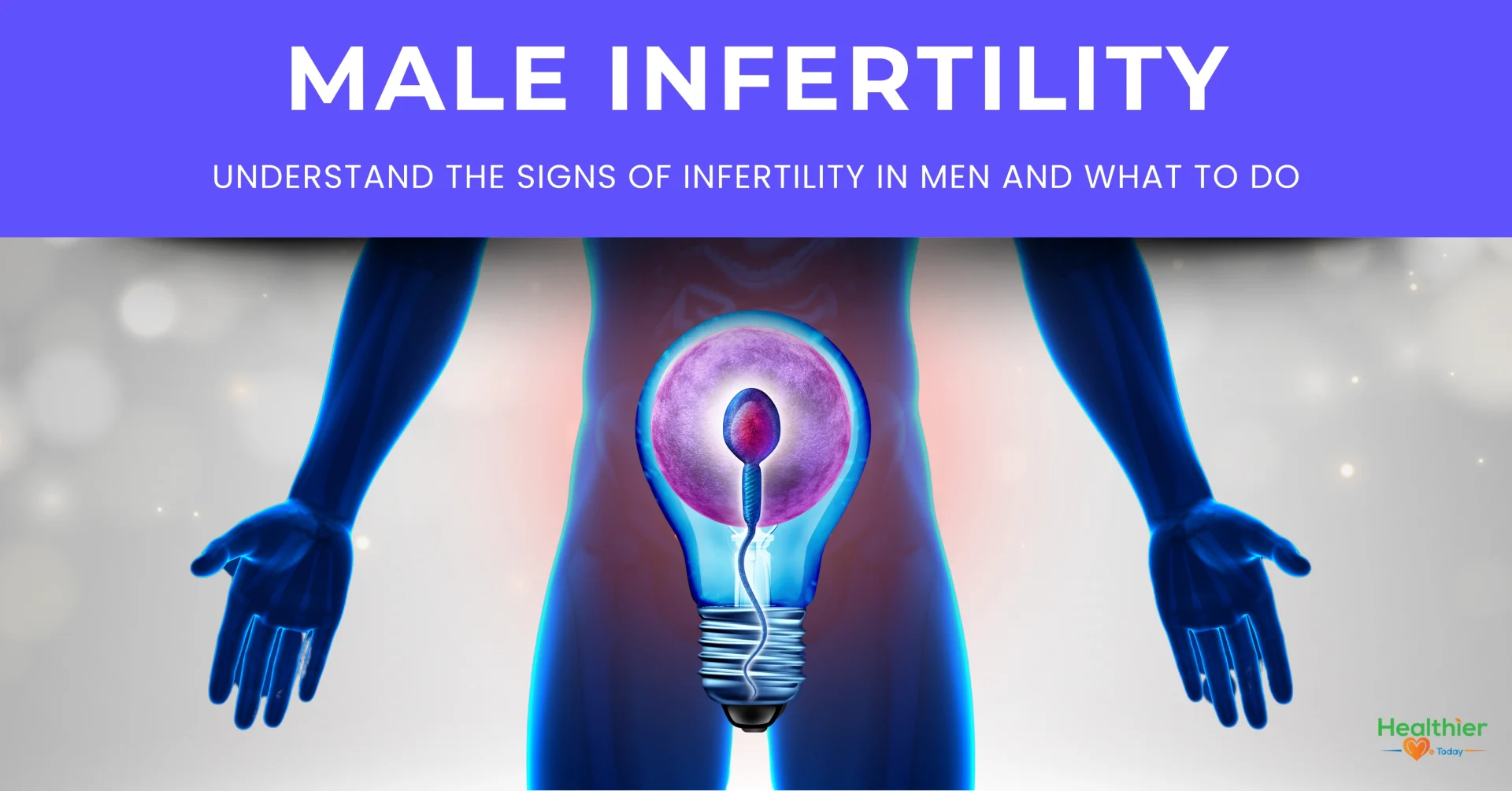
Starting a family can feel overwhelming when infertility enters the picture, and it’s more common than you might think, affecting up to one in six couples. In many cases, the underlying cause is silent. Low sperm count, hormonal shifts, or other subtle changes can go unnoticed until pregnancy doesn’t happen. That’s when you start asking: how to know if you’re infertile?

Doctors typically trace male infertility back to medical, lifestyle, or environmental factors, and the good news is, they offer real paths to diagnosis and treatment.

This guide explores the signs of infertility in men, backed by science, and offers actionable steps to move forward. Whether you’re newly married, actively trying for kids, or already facing roadblocks, understanding the root causes helps you navigate the journey with clarity and hope.

Ready to build your dream family with confidence?

Understanding Male Infertility

Male infertility means sperm or reproductive issues hinder conception, impacting 15% of couples. Can guys be infertile? Yes, due to low sperm count, poor motility, or blockages. A male fertility test, also known as a fertility test for men, checks the count, shape, or movement of sperm. Signs of infertility in men, like low libido, may be subtle.

signs of infertility in men

Sperm forms over 74 days, needing cool testes (95°F). Myths, like hand sanitizer harming sperm, are false, but heat from activities like mudding matters. Couples trying for two years or more often seek a male fertility test to help find answers. Infertility is like a locked gate, but testing unlocks solutions.

The Causes of Infertility in Men

Infertility in men can result from health problems, habits, or hidden triggers. What causes infertility in men often includes blockages, toxins, or stress, commonly showing up as low sperm count signs. Male infertility symptoms like fatigue, pain, or poor test results help doctors identify the root cause and guide treatment.

Male infertility stems from:

Medical Conditions

Several medical conditions can interfere with sperm production and quality. Varicocele, found in 40% of infertile men, causes swollen scrotal veins and overheats the testes. This can lead to signs of infertility in men, such as pain or visible swelling. Infections like epididymitis or STIs (such as chlamydia) may scar the reproductive ducts, reducing sperm output. Low sperm count signs often appear during testing, revealing poor motility. Other conditions, like undescended testicles (seen in about 1% of men), further impair sperm production. A male fertility test can help pinpoint these issues, which often act like clogged pipes, blocking sperm from completing their journey.

Lifestyle Factors

Every day habits can heavily influence male fertility. Smoking, for example, can reduce sperm count by 20-30% [pmc.ncbi.nlm.nih.gov], and substances like alcohol or cocaine can make things worse. Poor nutrition, low zinc, and obesity (BMI over 30) can also create unhealthy sperm and affect motility. What causes infertility in men may also include stress, vaping, and high cortisol levels (all of which lower sperm quality). Low sperm count signs are a wake-up call to change course. Sleep deprivation lowers testosterone, while healthier choices, like quitting smoking and reducing alcohol, can improve outcomes. Lifestyle, in this sense, is like fuel: it can either power up or stall your body’s reproductive engine.

Environmental Exposures

Toxins in the environment can also reduce fertility. Exposure to pesticides, BPA plastics, or radiation may lower sperm levels by 15-25% [sciencedirect.com]. Signs of infertility in men linked to environmental damage often include sluggish or misshapen sperm. Men who spend years working in toxic settings, like farms or factories, may see a drop in fertility. Even frequent sauna use or overheating from activities like mudding can impair sperm production. Protective measures like wearing gear or limiting chemical exposure can help. Over time, harmful environments act like rust, silently corroding fertility.

Genetic Issues

Sometimes, the cause lies in a man’s DNA. Conditions like Klinefelter’s syndrome or Y-chromosome deletions affect 5-10% of infertile men [unistelmedical.co.za], leading to infertility. Male infertility symptoms tied to genetics can include small testes, low testosterone, or unhealthy sperm that can’t fertilize an egg. Mutations associated with conditions like cystic fibrosis can block the ducts entirely. These are clear signs of infertility in men, often only revealed through genetic testing. For men with a family history of fertility issues, DNA testing offers answers. In essence, genetics are like a misprinted instruction manual, scrambling sperm production at the source.

How Infertility Impacts the Body

Infertility in men alters sperm, hormones, and mental health, lowering conception odds. How to know if you’re infertile means spotting shifts. What does unhealthy sperm look like? Odd colors, weak movement, or a low count signal trouble guiding male fertility tests.

male infertility

Infertility affects your body:

Sperm Quality Decline

Unhealthy sperm lack shape, speed, or volume, which can block fertilization. Yellowish sperm is good or bad? It may signal infection, dehydration, or diet (vitamins). Brown sperm is it dangerous? Blood (hematospermia) needs urgent checks, possibly from prostate issues. Low sperm count signs show in lab results. A man notices yellow semen, seeking a fertility test for men. Sperm issues are like weak seeds, failing to take root.

Hormonal Imbalances

Low testosterone or high estrogen disrupts sperm, affecting 20% of infertile men. Signs of infertility in men include fatigue, low libido, or gynecomastia. Infertility is tied to pituitary tumors or obesity, altering FSH. Blood tests detect imbalances, guiding therapy. A tired dad tests hormones, uncovering infertility clues. Hormones are like conductors, derailing sperm’s orchestra when off-key.

Emotional and Physical Stress

Infertility fuels anxiety, reducing sperm quality by 10-15% in cycles. Stress amplifies male infertility symptoms like insomnia or irritability. Obesity (BMI 30+) strains the testes, increasing the risk. Chronic stress raises cortisol levels, which can harm motility. Counseling helps a couple cope, easing the signs of infertility in men. Stress is like static, scrambling fertility signals in the long term.

Reproductive System Changes

Blockages in the vas deferens or prostate infections cause infertility in men in 10% of cases. Low sperm count signs stem from scarring (STIs) or injury. Male infertility symptoms include painful ejaculation or weak flow. Ultrasounds detect duct flaws, guiding surgery. A man with discomfort seeks a male fertility test, addressing low male fertility. Structural issues are like broken bridges, halting sperm’s path.

Testing and Diagnosis for Male Infertility

Tests uncover male infertility causes, from sperm health to structural flaws. Male fertility test options, like semen analysis, provide clarity. A fertility test for men includes lab or at-home kits, empowering individuals to take control of their reproductive health. Preparation (abstaining for 2-5 days) ensures accurate results.

The fertility benefits from testing are:

Medical Diagnostic Tests

Semen analysis checks sperm count (minimum of 15 million/mL), motility, and morphology to assess infertility. Male fertility tests include hormone tests (testosterone, FSH). A fertility test for men uses ultrasound to detect varicocele or blockages. Genetic tests or biopsies clarify issues.

Tests are like maps, charting fertility paths:

  • Semen analysis: Measures count, motility, and morphology.
  • Hormone testing: Checks testosterone, FSH, and LH.
  • Scrotal ultrasound: Detects varicocele, obstructions.
  • Genetic testing: Identifies Klinefelter’s, Y-deletions.
  • Testicular biopsy: Examines sperm production.
  • Post-ejaculation urinalysis: Spots retrograde ejaculation.
  • Anti-sperm antibody test: Detects immune issues.
  • MRI scan: Rules out pituitary tumors.

At-Home Testing Options

At-home fertility test for men kits measure sperm count or motility, costing $50-200. How to know if you’re infertile starts with these tools. Male fertility test kits are convenient but less precise than labs [pmc.ncbi.nlm.nih.gov]. Results can help guide doctors during visits.

At-home tests are like snapshots, capturing quick clues:

  • SpermCheck Fertility: Tests count at home.
  • Yo Sperm Test: Analyzes motility via app.
  • Trak Male Fertility: Measures concentration.
  • SwimCount: Assesses swimming ability.
  • Dadi Kit: Offers mail-in analysis.
  • MyLab Box: Test count, motility remotely.
  • Legacy Kit: Provides DNA fertility insights.
  • Fellow Kit: Tracks count with lab support.

Disclaimer: While at-home fertility tests can provide useful initial insights into sperm count, motility, and overall reproductive health, they are not a substitute for professional medical advice, diagnosis, or treatment. These tests should be viewed as a starting point, not a definitive answer. For accurate, personalized results and guidance, always consult a qualified healthcare provider or fertility specialist. Regular check-ups and lab-based assessments remain essential for a complete understanding of your fertility and overall health.

Improving Male Fertility in Daily Life

Male infertility often improves with targeted changes, boosting conception odds. How to know if you’re infertile leads to practical steps. Low sperm count signs fade with healthier habits, shaping a hopeful future.

male infertility

Here’s how it changes things:

Lifestyle Adjustments

Quit smoking, limit alcohol to one drink daily, and exercise (30 minutes, 5x/week) to fight infertility. Signs of infertility in men ease with 5-10% weight loss [pmc.ncbi.nlm.nih.gov]. Fertility test for men tracks progress. Sleep 7-8 hours to boost testosterone. A man jogs and rests, tackling infertility. Lifestyle tweaks are like oil changes, smoothing your engine.

Medical Treatments

Varicocele surgery improves sperm in 70% of cases within 6-12 months, easing male infertility. Male fertility test guides IVF (40% success) or clomiphene therapy. Hormone shots spark production. A couple explores a fertility test for men, hopeful for results. Treatments are like repairs, rebuilding fertility’s foundation.

Avoiding Risks

Avoid pesticides, hot tubs, or cocaine, which cut sperm by 20%. Low sperm count signs improve by skipping mudding’s heat. How to know if you’re infertile? Limit laptop heat or tight underwear. An office worker adjusts habits, guarding sperm.

Nutritional Support

Zinc (15mg daily), vitamin C (1,000mg), and omega-3 fatty acids boost sperm, helping to combat infertility in men. Signs of infertility in men lessen with antioxidants (berries, spinach). Fertility test for men shows diet’s impact. Eat salmon, walnuts, or kale. A man adds supplements, helping answer the question of how to know if you’re infertile. Nutrition is like fertilizer, growing more potent sperm.

Potential Risks and Considerations

Infertility carries health, emotional, and social risks if ignored. Signs of infertility in men need careful handling to avoid harm. Low sperm count signs signal broader issues, guiding you to make informed choices for your future.

Infertility risks need caution:

Risks of Male Infertility

Untreated infertility in men worsens health or relationships, impacting 1 in 10 men. Risks shape your path.

Infertility risks are:

  • Chronic illness: Infertility links to diabetes and heart disease.
  • Depression: Signs of infertility in men spark sadness, isolation.
  • Relationship strain: Infertility stresses the couple’s bond.
  • Cancer risk: Low sperm count signs may signal testicular tumors [my.clevelandclinic.org].
  • Treatment side effects: Medications for infertility cause fatigue and nausea.
  • Permanent infertility: Delaying fixes risks lasting infertility in men.
  • Social stigma: Signs of infertility in men lead to judgment.
  • Financial burden: Infertility treatments cost thousands.

Considerations for Infertility in Men

Managing infertility wisely builds hope and health. Precautions guide your journey.

male infertility symptoms

Considerations for infertility are:

  • Early testing: A Fertility test for men clarifies how to know if you’re infertile.
  • Specialist care: Urologists effectively treat male infertility symptoms.
  • Healthy habits: Diet reduces low sperm count signs and risks.
  • Emotional support: Counseling helps alleviate the signs of infertility in men.
  • Financial planning: Male fertility test, IVF cost $10,000+ [advancedfertility.com].
  • Partner communication: Open talks can strengthen coping with infertility.
  • Regular checkups: Monitor low sperm count signs yearly.
  • Education: Learn about infertility in men to reduce stigma and fear.

Conclusion: Can You Cure Male Infertility?

Infertility in men is like a hurdle, but doctors light the way forward. From low sperm count signs to lifestyle adjustments, there are solutions available. Start with a fertility test for men, embrace healthier habits, and seek expert help. Infertility doesn’t define you; it’s a challenge to conquer.

With proactive steps, you’re paving a hopeful path to the future!

FAQ’s:

What are the common signs of infertility in men?

Signs of infertility in men include low libido, testicular pain, swelling, or low sperm count signs such as weak ejaculation, and may require tests.

Can yellowish sperm be good or bad?

Yellowish sperm is good or bad? It may signal infection or diet issues, requiring a male fertility test to confirm.

Does hand sanitizer or cocaine affect sperm count?

Cocaine cuts sperm count significantly; hand sanitizer doesn’t. Low sperm count signs urge a fertility test for men for clarity.

What does it mean to be ‘shooting blanks’?

‘Shooting blanks’ means male infertility, with no viable sperm, confirmed via a male fertility test or semen analysis.

How do I know if I’m infertile without a test?

How to know if you’re infertile? Male infertility symptoms like low libido, pain, or weak ejaculation suggest issues that need confirmation.

At what age do men stop producing sperm?

Men produce sperm lifelong, but infertility risks rise after 40, requiring a fertility test for men to assess.

Can environmental activities like mudding reduce male fertility?

Mudding’s heat may trigger infertility, showing low sperm count signs, prompting a male fertility test for evaluation.

What does unhealthy sperm look like?

What does unhealthy sperm look like? Poor shape, slow movement, or colors like yellowish sperm is good or bad signal issues.

What causes infertility in men?

What causes infertility in men? Varicocele, toxins, stress, or genetics cause signs of infertility in men, requiring medical checks.

Does mudding affect male fertility?

Mudding’s heat reduces male fertility, causing low sperm count signs, requiring a male fertility test to assess the damage. So it’s best not to go or limit this activity.

The Ultimate Fitness Tests for Men

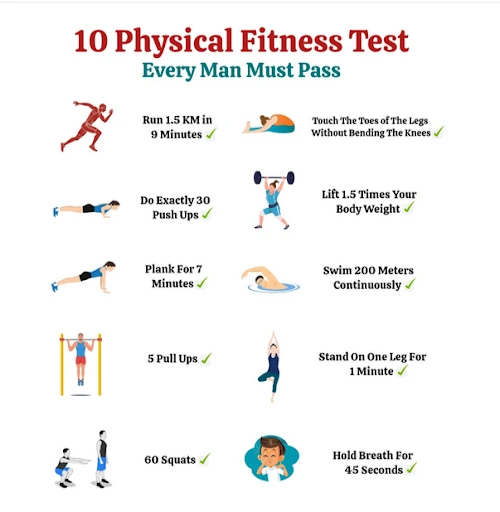
Ever wonder how fit you really are? A fitness test for men offers the answer, measuring strength, endurance, aerobic capacity, and flexibility to reveal your true physical potential. These tests go beyond numbers; they serve as tools to track progress over time, set achievable goals, and push yourself to improve. Whether you’re new to fitness, a weekend warrior, or a seasoned athlete, this guide is tailored for you. 

This article will walk you through each test step by step so you can assess your current position and your future goals. Are you ready to put yourself to the test? 

Why Should Men Take Fitness Tests?

How can you measure fitness? Understanding your current fitness level marks the first step toward owning your health. A fitness test for men isn’t just an opportunity to show off – it is a diagnostic tool highlighting imbalances. Perhaps your Deadlift impresses, but your mile run leaves you winded. Identifying these gaps allows you to customize your training, ensuring strength and balance go hand in hand. Fitness testing tests evaluate your body’s limits while establishing fitness benchmarks by age – because a 25-year-old’s idea of “fit” differs from a 50-year-old’s.

Fitness Test for Men

Why does this matter? First, it helps prevent injuries. Weak core muscles might lead to back pain during heavy lifts, while poor cardio could indicate a risk of overexertion. A fitness assessment pinpoints these vulnerabilities, enabling you to address them before they become issues. Beyond safety, fitness tests enhance performance. Want to excel in your next pickup game or hike without fatigue? Regular testing demonstrates improvement and reveals areas that need work. It provides concrete data to answer “How to measure fitness”, replacing guesswork with clarity. For any physically fit male, that’s a game-changer.

Consider this example: A man who can bench press his body weight but struggles with Pull-ups might have underdeveloped back muscles, risking posture problems or shoulder strain. A physical fitness test for men uncovers this imbalance, guiding him to prioritize back exercises. Similarly, someone who excels in short, intense workouts but fades during a 1.5-mile run can use a cardiovascular endurance test to target cardio as the next focus. These insights make fitness tests vital for building a well-rounded, injury-resistant body.

Essential Fitness Tests for Men (Step-by-Step Guide)

How do I know if I am fit? These exercises cover the core pillars of fitness – strength, endurance, cardio, core, and flexibility. You’ll need a notebook, a timer, and perhaps a spotter for safety. This section provides detailed instructions for each fitness test workout, designed to help you measure your fitness progress accurately.

Fitness assessment

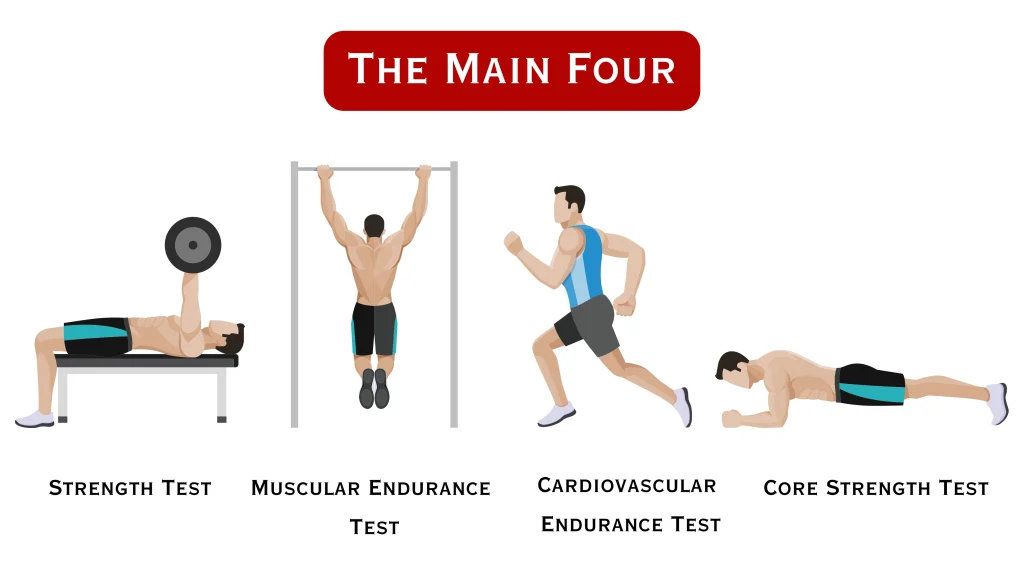
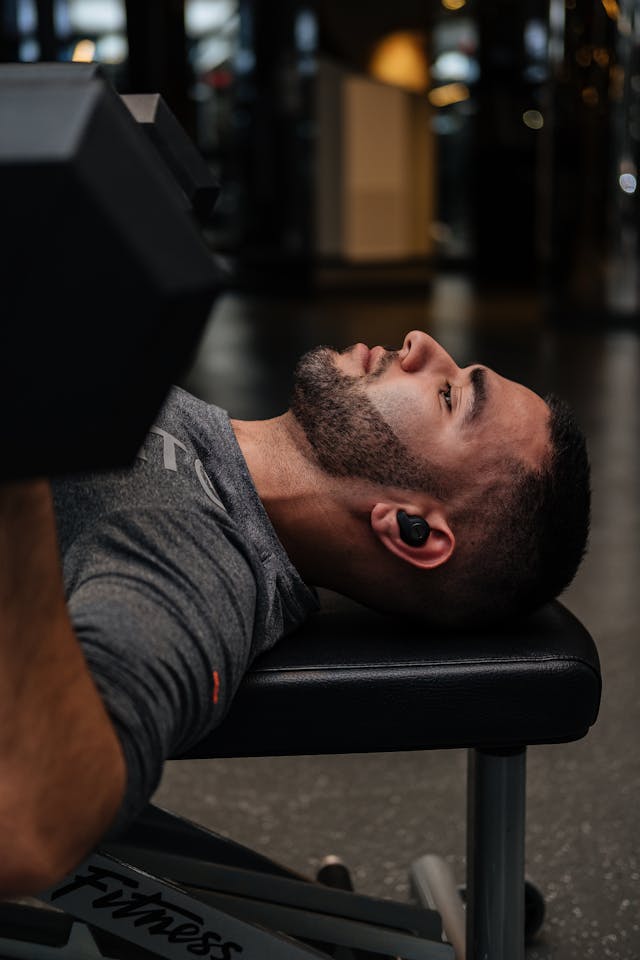
Strength Test: Bench Press, Deadlift, Squat

A muscular strength test evaluates raw power, and the “big three” lifts – Bench Press, Deadlift, and Squat – are the gold standards for fitness testing among men. Here’s how to perform them safely and effectively.

  • Bench Press: Lie flat on a bench, feet planted firmly on the ground. Unrack a barbell, lower it to your chest (just above the sternum), and press it back up to full extension. Test your one-rep max – the heaviest weight you can lift once with perfect form. Start with a warm-up: 10-15 reps with the bar, then five reps at 50% of your estimated max, three reps at 70%, and 1- 2 reps at 90%. This prepares your muscles and lowers injury risk. During the lift, grip the bar slightly wider than shoulder-width, keep your back slightly arched, and have a spotter nearby.
    • Why It Matters: The Bench Press assesses upper-body pushing strength, a key indicator of overall power for physically fit men.
    • Common Mistakes: Bouncing the bar off your chest or lifting your hips distorts results and risks injury. Focus on controlled movement.
  • Deadlift: Stand with feet hip-width apart, the barbell over your mid-foot. Bend at the hips and knees, grip the bar (overhand or mixed), and lift by driving through your heels until you’re upright. Lower it back down with control. Find your max, but prioritize form – start light. Keep your back straight, chest up, and the bar close to your body. Drive through your heels, extending hips and knees together, and avoid leaning back at the top.
    • Why It Matters: This full-body lift measures posterior chain strength, which is essential for functional fitness.
    • Common Mistakes: Rounding your back or jerking the bar can strain your spine. Lift smoothly and deliberately.
  • Squat: Rest a barbell across your upper back (not your neck), your feet shoulder-width apart, and your toes slightly out. Squat down until your hips reach knee level, then stand back up. Test your max, keeping your chest up and knees tracking over your toes. Warm up progressively, brace your core, and descend by pushing your hips back. Drive through your heels to rise.
    • Why It Matters: The Squat evaluates lower-body strength and stability, which are foundational for athleticism.
    • Common Mistakes: Shallow squats or inward-collapsing knees reduce effectiveness. Go deep and maintain alignment.

Log your results and compare them to fitness level tests by age benchmarks later.

Muscular Endurance Test: Push-ups, Pull-ups, Plank Hold

A test for muscle endurance reveals how long your muscles can perform before fatigue sets in – crucial for real-world stamina and how to test your fitness level.

  • Push-ups: Place your hands shoulder-width apart, with your body in a straight line from your head to your heels. Lower yourself until your chest nearly touches the floor, then push back up. Count how many you can do in 60 seconds with a full range of motion. Beginners can start with knee push-ups; advanced individuals can try decline or plyometric variations.
    • Why It Matters: Push-ups test upper-body endurance and core stability.
    • Tips: Maintain a plank-like position – don’t let your hips sag or rise.
  • Pull-ups: Hang from a bar with an overhand grip, palms facing away. Pull up until your chin clears the bar, then lower fully. Count max reps in one set. If you’re new, use negatives (jump up, lower slowly) or resistance bands. For a challenge, add weight.
    • Why It Matters: Pull-ups assess back and arm endurance, which is vital for a physically fit male.
    • Tips: Avoid swinging – keep it strict and controlled.
  • Plank Hold: Position elbows under shoulders, forearms flat, body straight. Hold as long as possible without your hips dipping or rising. Time it – 60 seconds is a strong baseline. Progress to side planks or leg-lift planks for added difficulty.
    • Why It Matters: This tests core endurance, which is essential for overall stability.
    • Tips: Keep breathing steadily and with your core braced.

Cardiovascular Endurance Test: VO2 Max, 1.5-Mile Run

A cardiovascular endurance test measures how efficiently your heart and lungs deliver oxygen during exercise. The lab-based VO2 max is the gold standard aerobic capacity test, but the 1.5-mile run offers a practical DIY alternative.

  • 1.5-Mile Run: Find a flat track, road, or treadmill. Warm up with a 5-minute jog, then run 1.5 miles as fast as possible. Time yourself – under 12 minutes is solid, under 10 minutes is elite. Cool down with a walk. Pace yourself to avoid burning out early; interval training can help build speed.
    • Why It Matters: Aerobic capacity impacts heart health and endurance for daily activities.
    • Alternatives: Can’t run? Try a 12-minute swim or bike test, measuring the distance covered.

Core Strength Test: Hanging Leg Raises, Ab Wheel Rollouts

A core fitness test for men evaluates the foundation of your movement. A weak core undermines everything else.

  • Hanging Leg Raises: Hang from a pull-up bar, hands shoulder-width apart. Raise straight legs to a 90-degree angle with your torso, then lower slowly. Count reps until the form breaks – 10-15 is strong. Bend your knees if needed, or add a dumbbell between your feet for advanced work.
    • Why It Matters: Core strength enhances posture and lift performance.
    • Tips: Control the motion – no swinging allowed.
  • Ab Wheel Rollouts: Kneel with an ab wheel hands-on handles. Roll forward until nearly flat (without collapsing), then return to kneeling. Time how long you can maintain control – 30 seconds is a good start. Shorten the rollout if it’s too hard initially.
    • Why It Matters: This tests dynamic core strength and stability.
    • Tip: Keep your core tight to protect your lower back.

Flexibility Test: Sit and Reach

Flexibility ensures unrestricted movement and injury prevention. The Sit and Reach test provides a simple way to measure your fitness progress in this area.

  • Sit and Reach: Sit with legs straight and feet against a box or wall. Align a ruler so that zero matches your fingertips. Reach forward without bending your knees, measuring past your toes (+) or short of them (-). A positive score (e.g., +2 inches) is solid.
    • Why It Matters: Flexibility aids mobility and reduces strain.
    • Tips: Stretch daily – yoga or static holds – to improve.

Fitness Standards by Age: Are You Meeting Them?

How fit are you for your age? Fitness level tests by age account for natural declines in strength and endurance. 

Fitness level test by age

This table presents fitness benchmarks for men – use it for your “Are you fit for your age test?”:

Age Group Bench Press (1RM, lbs) Push-ups (1 min) 1.5-Mile Run (min) Plank Hold (sec)
20-29 1.2x body weight 35-45 <12:00 120-150
30-39 1x body weight 30-40 <13:00 90-120
40-49 0.9x body weight 25-35 <14:00 60-90
50+ 0.7x body weight 20-30 <15:30 45-60

These standards for fitness testing come from fitness studies and expert guidelines, reflecting age-related changes in muscle mass and cardio capacity. They offer a starting point: genetics, training, and lifestyle shape your results. Below the mark? It’s an opportunity to improve. Above it? Aim higher.

How to Measure & Track Your Fitness Progress

Fitness evolves, and tracking it is essential. To measure your fitness progress, retest every 8-12 weeks using the same fitness test workout. Consistency matters – the same weights, course, and time of day. Use apps like Strong or Fitbod or a notebook to log gains – say, adding 10 lbs to your Squat or shaving 30 seconds off your run.

How to measure physical fitness over time? Watch trends: more Pull-ups, a longer Plank, a faster mile. Pair testing with progressive training – lift heavier, run farther, stretch deeper. Small wins build into significant results, keeping you motivated as a physically fit male.

Common Mistakes & How to Avoid Them

Testing pushes your limits, but errors can skew results or cause injury. 

Here’s how to stay on track:

  • Incorrect Form: A rounded-back Deadlift or shallow Squat cheats your score. Film yourself or seek feedback.
  • Overestimating Abilities: Loading too much on the Bench Press too soon stalls progress. Start conservatively and build up.
  • Skipping Warm-ups: Cold muscles underperform. Do 5-10 minutes of dynamic moves, such as leg swings, arm circles, and light jogs.
  • No Rest Between Tests: Testing multiple areas? Rest 5-10 minutes between (e.g., Bench Press to Deadlift). Fatigue distorts results.
  • Inconsistent Conditions: Test under similar circumstances – same time, nutrition, sleep – for accuracy.

Avoid these pitfalls to ensure your fitness assessment remains reliable and safe.

Nutrition and Recovery: Fueling Your Fitness Tests

Your diet and rest directly impact your fitness test for men performance.

Fitness benchmarks - Nutrition and Recovery

Here’s how to optimize:

  • Nutrition: Aim for 1.2-1.6 grams of protein per kg of body weight, plus carbs and healthy fats. Think lean meats, whole grains, and veggies. Eat a balanced meal 2-3 hours before testing and a protein-carb combo after.
  • Hydration: Drink 8-10 glasses daily, especially around test time. Dehydration saps strength.
  • Recovery: Rest 48-72 hours between strength tests. Sleep 7-9 hours nightly, and use active recovery (walking, stretching) to stay loose.

Proper fueling and recovery boost your standards for fitness testing results.

Mental Preparation for Fitness Testing

Mindset matters. Enhance your how to test your fitness level performance with these strategies:

  • Set Goals: Aim for specifics – like 35 Push-ups in 12 weeks.
  • Visualize Success: Picture nailing each test to build confidence.
  • Stay Positive: Use affirmations like “I’ve got this” to push through.

A strong mental game elevates your physically fit men status.

Advanced Testing Options

Mastered the basics? Explore these advanced fitness tests for men:

  • Cooper Test: Run as far as possible in 12 minutes – a tough aerobic capacity test.
  • Beep Test: Shuttle runs with increasing speed, testing cardio limits.
  • One-Rep Max Variations: Test overhead press or power clean for new muscular strength test challenges.

These push your fitness benchmarks further.

 Fitness Test for Men

Conclusion: The Bottom Line?

Every man should embrace a fitness test for men. It’s not just about being a physically fit male – it’s about understanding your body, recognizing your limits, and exceeding them. These tests highlight strengths (a killer Deadlift) and weaknesses (a slow run). Start with the “Are You Fit for Your Age?” test today, track your progress, and aim for new fitness benchmarks. 

Your journey to peak fitness begins now – how fit are you ready to become?

FAQ’s:

What is a fitness test for men?

A series of exercises – like Squats, Push-ups, or a 1.5-mile run – assessing strength, endurance, and physical fitness.

How can I test my fitness level at home?

Use Push-ups, Plank Holds, or a backyard run with minimal gear – just a timer and space.

What are the best fitness tests for men?

Bench Press, Deadlift, 1.5-mile run, and Plank Hold cover strength, cardio, and core for a full fitness assessment.

How do I know if I am physically fit?

Compare your results to a fitness level test by age benchmarks. Above average? You’re fit. Below? It’s time to work.

What are the strength standards for men?

A 30-year-old might bench his body weight (e.g., 170 lbs), do 30-40 Push-ups, and run 1.5 miles under 13 minutes.

How often should I take a fitness test?

Every 8-12 weeks, balances progress tracking without overtesting.

What is the best way to measure fitness progress?

Retest consistently, log results, and track gains – like more reps or faster times.

How do you test muscular endurance?

Count Push-ups or Pull-ups in a minute, or hold a Plank till failure – stamina over max effort.

What is the best aerobic capacity test?

VO2 max (lab-based) is ideal, but the 1.5-mile run is a simple, practical cardiovascular endurance test.

How does age affect fitness test results?

Muscle mass and cardio decline with age, so standards for fitness testing adjust – e.g., 20 Push-ups at 50 is solid.

Why Vital Health Screenings for Men Matter: Protect Your Well-being Now!

While you cannot control your genetics, taking ownership of your overall health can help reduce your risk of having several problems in the future. Some guys believe that if they appear healthy, they don’t need to see a doctor. However, regular check-ups and health screenings for men can detect many diseases in their early stages or prevent them from developing.

health screenings for men
This article provides an overview of the various types of preventative treatment and standard test for men to keep them healthy at different stages of life.

Screenings Test for Men in Their 20s And 30s

Screening Test for Men in their 20s and 30s

In general, men in their 20s and 30s have fewer health issues than older males. Building healthy habits while you’re young can help you reduce your risk of acquiring health problems as you get older.

Healthy habits to add to your regimen may include:

  • Using a condom or another barrier device during intercourse
  • Decreasing stress and getting enough rest
  • Wear sunscreen and limit sun exposure
  • Limit alcohol consumption to no more than two drinks each day
  • Avoid smoking, secondhand smoke, and tobacco
  • Keep a reasonable weight
  • Avoiding high-risk activities, such as extreme sports
  • Always wear a seat belt while in a car

Even if you have no known health concerns, it’s a good idea to see a doctor on a frequent basis. Most persons under 50 should have a medical check-up every three years.

During health screenings for men of this age group, the doctor will examine items including your:

  • Weight and body mass index (BMI)
  • Skin health
  • Blood pressure
  • Cholesterol

Many males become sexually active in their teens or 20s. Get tested for sexually transmitted diseases (STIs) if you’ve had sex without a condom or other barrier technique, especially with a new partner.

Questions You Might Ask Your Doctor

  • Do I weigh moderately for my height?
  • Do I have a high risk of acquiring any future health problems?
  • Can I do anything to improve my general health?
  • Are there any specific health screenings for men or immunizations I should receive?

Screening Tests

  • Eye exam: The American Academy of Ophthalmology recommends that adults with good eyesight have a full eye check-up once in their 20s and twice in their 30s. If you have vision problems, you should see an eye doctor more regularly.
  • High blood pressure screening: The US Preventive Services Task Force (USPSTF) advises that persons aged 18 to 39 be examined for high blood pressure every three to five years.
  • Dental check-up: According to a 2020 study, you should get a comprehensive dental check-up every two years.
  • Testicular cancer screening: Although there are no standard health screenings for men criteria for testicular cancer, the National Cancer Institute reports that it is the most prevalent cancer detected in men aged 15 to 34 years. If testicles indicate any changes in their size or shape, you should schedule an appointment with your doctor.
  • Cholesterol screening: The CDC advises that most adults have their cholesterol evaluated every four to six years. If you have a high risk of heart disease, get checked more frequently.
  • Hepatitis C screening: The CDC advises that adults over the age of 18 be checked for hepatitis C at least once in their lifetime.

Vaccines

  • HPV vaccination: The human papillomavirus (HPV) vaccine can help you avoid genital warts and certain malignancies caused by HPV. The CDC recommends that everyone under the age of 26 get vaccinated against HPV, ideally before having sex for the first time.
  • The Tdap vaccine: It provides protection against tetanus, diphtheria, and pertussis (whooping cough). The CDC recommends the Tdap vaccine for people who did not receive it as teens. The CDC also suggests obtaining a booster dose every ten years or five years if you have a serious wound.
  • Influenza vaccine: With a few exceptions, the CDC advises that everyone over the age of six months receive an annual flu vaccination.
  • Varicella vaccine: The CDC recommends that people 13 years old and older who have never had chickenpox receive two doses of the varicella vaccine at least 28 days apart.
  • MMR vaccine: The CDC recommends that all teenagers without evidence of protection against measles, mumps, or rubella receive the MMR vaccine.

Preventive Care In Your 40s

Preventive Care in Your 40s for Men

When you get frequent check-ups, a doctor can help you determine your risk of developing future medical problems. They can also screen for medical conditions that you may be unaware of.

Weight gain is more typical in your 40s, which may increase your risk of developing health concerns such as high blood pressure and high cholesterol. Maintaining healthy habits, such as regular exercise and a balanced diet, can help prevent these illnesses. 

Health Screenings for Men in Their 40s 

  • Colon cancer screening: The CDC advises frequent colorectal cancer health screenings for men beginning at the age of 45. If you have a higher risk, such as a family history, get checked sooner.
  • Diabetes screening: The USPSTF advises screening for type 2 diabetes in individuals aged 35 to 70 who are overweight or obese, with the test repeated every three years if blood glucose levels are healthy.
  • Blood pressure screening: The USPSTF advises that persons over the age of 40 be checked annually for high blood pressure.

Preventive Care In Your 50s

Preventive Care In Your 50s for Men

Most people need to see a healthcare expert more frequently in their fifties than when they were younger. Even if you have no special health problems, you should see your doctor at least once a year for a basic check-up.

Questions You Might Ask Your Doctor

  • What are the advantages and disadvantages of taking blood pressure medications?
  • Should I be checked for prostate cancer with a prostate-specific antigen (PSA) test?
  • What can I do to manage my weight better?

Screening Tests And Vaccines

  • Shingles vaccine: The CDC recommends that adults over the age of 50 receive two doses of the Shingrix vaccine, two to six months apart, to prevent shingles.
  • Prostate cancer: The USPSTF recommends that men aged 55 to 69 consult with their doctor about being screened for prostate cancer with a PSA test.

Preventive Care In Your 60s

Men frequently struggle to maintain a moderate weight as they age. Maintaining good exercise and eating habits is still vital. However, a slowed metabolism may make it more difficult to meet your weight objectives.

Questions You Might Ask Your Doctor

  • Am I at risk for heart disease, and what can I do to reduce my chances of having it?
  • Are there any medications that I should take to reduce my risk of heart disease?
  • How can I make dietary changes to improve my overall health?

Screening Tests And Vaccines

  • Pneumococcal vaccine: The CDC advises that all adults over the age of 65 receive the pneumococcal vaccine to prevent illness caused by the bacteria Streptococcus pneumoniae.
  • Abdominal aortic aneurysm screening: The USPSTF advises that males aged 65 to 75 who have smoked be examined for abdominal aortic aneurysms.
  • Fall risk screening: The American Geriatrics Society and the British Geriatrics Society recommend that all persons over the age of 65 be screened annually for fall risk.

Preventive Care In Your 70s And Beyond

Men over 70 have poorer immune systems than younger men, making it even more crucial to receive your annual flu shot.

While males have a lesser risk of getting osteoporosis than women, the Bone Health and Osteoporosis Foundation recommends that men over the age of 70 undergo a bone density test.

Questions You Might Ask Your Doctor

  • What can I do to reduce my risk of infection?
  • How can I boost my bone mineral density?
  • How much should I exercise?

Conclusion

While you cannot change your genetics, you may lower your chance of developing numerous diseases by completing all of your recommended health screenings for men and vaccines. Even if you have no health issues, scheduling frequent exams with a healthcare practitioner can be useful. Men under the age of 50 who have no significant health difficulties may just require a check-up every two to three years. Older men should see their doctor at least once a year for standard tests!

Men’s Health Screenings FAQs:

Why are regular health check-ups crucial for men?

Routine health check-ups are critical in spotting any health disorders in their early stages. This early detection not only increases the likelihood of effective treatment but also greatly lowers the financial burden associated with reactive healthcare measures.

What specific tests should men consider in their 30s?

> Eye exam
> High blood pressure screening
> Dental check-up
> Testicular cancer screening
> Cholesterol screening
> Hepatitis C screening

How can mental health screenings benefit men?

Early detection through health screenings for men enables timely access to appropriate mental health support and resources. Therapy, medication, community interventions, and real-world assistance can lessen suicidal ideation and help address depression.

What are the signs that a man should seek screening for sexual health issues?

> Discharge from the penis
> Pain during sex
> Painful urination
> Genital itching
> Fever
> Irregular growths in the genital areas

How do lifestyle choices impact the need for health screenings?

The link between lifestyle choices and health screening results is undeniable. By making conscious, positive lifestyle changes, you can positively impact your health outcomes and reduce the risk of chronic diseases.

What role does family history play in determining screening needs?

Family health history can identify people with a higher-than-usual chance of having common disorders, such as heart disease, high blood pressure, stroke, and more.

What is the importance of skin examinations for men?

Monthly skin self-exams help men notice changes in their skin and find skin cancer early when it is treatable.

12 Powerful Coping Skills for Anxiety that Turn Stress into Strength

Anxiety is the body’s response to actual or perceived danger. It is a natural process that everyone experiences at some point. People frequently use the phrase “anxiety” to describe a general sense of worry, uneasiness, or unease. However, there is a distinction to be made between feeling worried and having an anxiety disorder, which encompasses a wide range of symptoms.

If you want to know more, this article dives deeper into anxiety, the signs and 12 amazing coping skills for anxiety to transform that stress you have been feeling into strength. Let’s start!

What Is Anxiety?

stress and coping

Occasional anxiety is a natural aspect of life. Many people are concerned about their health, financial situation, or family issues. However, anxiety disorders are more than just transitory worry or terror. People suffering from an anxiety disorder experience persistent anxiety that might worsen over time. The symptoms might disrupt daily activities like job performance, schoolwork, and relationships.

The Signs and Symptoms of Anxiety

Signs And Symptoms Of Anxiety

Generalized anxiety disorder (GAD) is characterized by a constant feeling of anxiety or dread that interferes with daily activities. It is not the same as worrying about things or feeling anxious in response to difficult life circumstances. People with GAD have recurrent anxiety for months, if not years.

Symptoms of GAD include:

  • Feeling restless, agitated, or on edge
  • Being easily exhausted
  • Having trouble concentrating
  • Being irritated
  • Experiencing headaches, muscular aches, stomachaches, or inexplicable discomfort
  • Difficulty controlling worry
  • Having difficulties falling or staying asleep

Panic Disorder

Panic disorder sufferers experience frequent and unexpected panic attacks. Panic attacks are brief bouts of acute dread, discomfort, or a sense of losing control, even when there is no obvious risk or trigger. Not everyone who suffers a panic attack develops panic disorder.

During a panic attack, people may experience:

  • Pounding or racing heart
  • Sweating
  • Trembling or tingling
  • Chest discomfort
  • Sense of imminent doom
  • Feeling out of control

People with panic disorder frequently worry about when the next attack will occur and actively strive to avoid places, events, or behaviors associated with panic attacks. Panic episodes might occur multiple times per day or only a few times each year.

Social Anxiety Disorder

Social anxiety disorder is defined as a strong, persistent worry of being observed and judged by others. People suffering from social anxiety disorder may experience such severe fear of social events that they believe they have no control over them. This fear may prevent some people from going to work, attending school, or going about their daily lives.

Individuals with social anxiety disorder may experience:

  • Blushing, sweating, or trembling
  • Pounding or racing heart
  • Stomachaches
  • rigid body posture or speaking in an excessively quiet voice
  • Difficulty making eye contact or being in the presence of strangers
  • Feelings of self-consciousness or dread of being judged unfavorably

Coping Skills for Anxiety

coping skills for anxiety

Assume your anxiety is directed at a specific issue, such as worrying about an approaching event. In that situation, the symptoms are brief and typically resolve after the expected occurrence. 

Here are 12 coping skills for anxiety to try:

1. Question Your Thought Pattern

Unhelpful thoughts might take root in your head, distorting the gravity of the issue. One approach is to confront your worries, ask if they are true, and determine where you may retake control.

2. Practice Focused, Deep Breathing

Measured breathing exercises may assist you in managing your current anxiousness. Breathe in for four counts and out for four counts for a total of five minutes. By evening out your breath, you will reduce your pulse rate, which should help you relax. More commonly used coping skills for anxiety are controlling breathing rhythms, such as the 4-7-8 technique and more.

3. Use Aromatherapy

Limited evidence suggests that aromatherapy can help lower anxiety in some situations. Aromatherapy practitioners and supporters frequently share numerous anecdotal benefits of the practice. Natural scents, such as lavender, chamomile, and sandalwood, may be quite calming, whether in the form of essential oils, incense, or candles.

4. Exercise

The greatest method to stop nervous thoughts is to get out of a situation and move. Focusing on your body rather than your thinking may help you feel less anxious. Walking, yoga, and tai chi are all low-impact workouts that can help people reduce stress and manage their anxiety symptoms. Quick exercise might improve your mood and relax your mind!

5. Grounding Techniques

Coping skills for anxiety can also involve techniques such as “grounding yourself”. Grounding strategies like journaling and the 333 rule can often assist in relieving immediate tension. The 333 rule requires you to name three visible things and three audible sounds and engage with three touchable objects. Writing out what is causing your anxiety gets it out of your thoughts and makes it less intimidating. Reading through your thoughts and feelings might help you access your emotions in the present time. 

6. Coping Skills for Anxiety Triggers

Triggers can be identified either independently or with the help of a therapist. They can be visible at times, but not always.

Some of the most common anxiety triggers are:

common anxiety triggers

  • Work, relationship, and other life stressors
  • Withdrawal from narcotics or specific medications
  • Side effects of some drugs
  • Exacerbation of past trauma
  • Chronic pain
  • Caffeine
  • Smoking

Each person has unique triggers, and identifying them is one of the most crucial steps in dealing with and controlling anxiety attacks.

7. Try Therapy

Various psychotherapies can assist you in better understanding your anxious feelings and developing coping skills for anxiety. Cognitive behavioral therapy (CBT), for example, teaches people how to think about and respond to anxiety-provoking circumstances in new ways. According to research, cognitive behavioral therapy (CBT) can effectively cure anxiety problems.

8. Ask Your Doctor About Medications

If your anxiety is severe enough that your mental health expert believes you could benefit from medication, there are numerous options available based on your symptoms. Talk to your doctor about your worries.

relaxation techniques for anxiety

The most commonly prescribed anxiety medications are:

  • Selective serotonin reuptake inhibitors
  • Serotonin-Norepinephrine Reuptake Inhibitors 
  • Benzodiazepines
  • Tricyclic antidepressants

9. Do A Daily Or Routine Meditation

While it takes some work to master, mindful meditation on a regular basis may eventually help teach your brain to regulate anxious thoughts as they come. If sitting still and concentrating is challenging, consider practicing yoga or walking meditation. There are many free guided meditation applications available to help you get started.

10. Keep A Journal

Coping skills for anxiety can look different but a helpful technique for many is to keep a journal. It can be beneficial to develop the practice of writing down your thoughts and emotions in a notebook every day. 

For some people, simply writing down their thoughts can be comforting. Journaling can also have long-term advantages. According to studies, regular emotion-led journaling can help reduce anxiety, despair, and distress. 

11. Socialize

Although everyone is different, and some people struggle with social anxiety, spending time with friends and family on a regular basis may help you manage your anxiety. Socialization can alleviate stress, promote laughter and togetherness, and reduce loneliness. Social connectedness can help you become more resilient to stress over time.

12. Diet And Supplements

Changing your diet and using supplements are long-term strategies. Research has explained that certain supplements and foods can be beneficial as part of overall coping skills for anxiety treatment plans.

These include:

If you are using any other medications, consult your doctor before using herbal treatments since they may cause unpleasant reactions.

Conclusion

Anxiety may always be there, but it should not take over your daily activities. There are numerous things you may take to control your acute and long-term anxiety symptoms. While home remedies and other coping skills for anxiety may be helpful, a mental health expert may help you identify your triggers and sustain long-term strategies through behavioral therapy, drugs, and other treatments.

FAQ’s

What are effective coping skills for anxiety?

Deep breathing, exercise, relaxation techniques, mindfulness, grounding techniques, meditation, journaling, a healthy diet and medications are all effective coping skills for anxiety.

How do coping strategies differ for PTSD?

The coping skills used for anxiety are very similar, if not exactly the same, techniques used to help calm down after having a PTSD flare-up.

How can exercise serve as a coping mechanism for stress?

Exercise and other forms of physical activity release endorphins, which are substances in the brain that work as natural painkillers. They also enhance sleep quality, which reduces stress.

Where can I find mental health resources for stress in the USA?

> The Lifeline provides 24-hour, confidential support to anyone in suicidal crisis or emotional distress – Call or text 988 or chat online.

> FindTreatment.gov is a confidential and anonymous resource for persons seeking treatment for mental health and substance use disorders.

Revive Your Drive: Effective Solutions for Low Libido

Low libido (low sex drive) refers to a decrease in sexual desire. It is common and might last for a short or lengthy time. Libido varies from person to person and may fluctuate throughout one’s life. Depending on a person’s lifestyle, numerous factors might affect and repair low sex drive. If you are concerned about a decline in libido, you should visit a healthcare specialist.

What Is Low Sex Drive?

Libido is influenced by sex hormones (testosterone and estrogen), as well as neurotransmitters (dopamine and oxytocin). Libido naturally varies significantly from person to person. Your sexual desire can fluctuate throughout your life. There is no correct or inappropriate level of desire. Some people have or wish to have sex every day, whilst others may only have sex once or twice a year, if ever. Your individual preferences and life circumstances govern the “right” or “normal” libido.

What Are The Symptoms Of Low Libido?

Symptoms of low libido

The main symptom of having a low libido is a decline in sexual desire as compared to your regular interest in sex. 

Other symptoms include:

  • Little or no desire for sexual activities
  • Few, if any, sexual ideas or fantasies
  • Disinterest in initiating sex
  • Difficulty feeling pleasure from sex
  • The absence of pleasurable sensations when sexually stimulated

What Can Cause a Low Libido?

what causes low libido

Many biological, psychological, and social factors can play a hand in low libido. 

There are also health issues that include, but are not limited to:

  • Chronic kidney disease
  • Cancer
  • Chronic pain
  • Headaches
  • Diabetes
  • Heart illness
  • Hyperprolactinemia
  • High blood pressure
  • Hypothyroidism
  • Rheumatoid arthritis

Psychological And Social Factors

  • Relationship issues with your partner: Communication, trust, and intimacy concerns are some of the most common causes of sex drive reduction. A couple’s desire for sex often lessens during their relationship.
  • Stress and exhaustion: Stress, whether from work, family, or life in general, can reduce your sexual drive by shifting your focus away from sexual desire. Chronic stress can also cause hormonal imbalances, resulting in low libido.
  • Depression, low self-esteem, and physical tiredness: These can all lower your libido. Depression also causes an imbalance in the neurotransmitters that regulate desire.
  • History of sexual trauma: Sexual harassment, assault, or rape can all have an impact on one’s sexual desire.
  • Anxiety: Anxiety disorders can cause higher amounts of cortisol (the “stress hormone”). High cortisol levels can impair the sex hormones that regulate sexual urges.
  • Alcohol, smoking, or recreational drugs: Excessive alcohol intake and improper drug usage can also cause a loss of sexual desire. Smoking can lower testosterone levels, leading to a lower libido.
  • Medications: Certain medications can reduce your sex drive. These include antidepressants, antipsychotics, chemotherapy treatments, and blood pressure meds.

Diagnosing Low Sex Drive

A decrease in your sex drive has various probable causes. 

Your doctor will ask you the following:

  • Symptoms you’re experiencing
  • Your medical history
  • Medications
  • Sexual history
  • Relationships
  • Stress level
  • Ideas about sex

Suppose they feel a physical condition is causing a low libido. In that case, they may perform or prescribe the following tests to help discover the cause: 

  • Physical exam
  • Pelvic exam
  • Hormone levels can be measured in blood testing
  • Imaging tests

How Is Low Libido Treated?

  • Education and communication: Learning about sex, sexual behaviors, and sexual responses might help you overcome your concerns about sexual function. Open communication with your partner about your needs and worries can also help you overcome many of the hurdles to a good sex life.
  • Stress management: Stress management entails applying ways to improve your response to life challenges. These approaches can help avoid or alleviate stress-related symptoms like low libido. Stress management techniques may include journaling, exercise, meditation, and other forms of self-care.
  • Hormone therapy for menopause: Hormone therapy (HT) increases hormone levels and reduces some menopausal symptoms, such as low libido. The two primary kinds of HT are estrogen therapy and estrogen-progesterone/progestin hormone therapy (EPT).
  • Hormone therapy for low testosterone: Male hypogonadism is treated with testosterone replacement therapy. There are numerous types of testosterone replacement therapy, such as tablets, creams, injections, and patches.
  • Individual psychotherapy: Psychotherapy (talk therapy) refers to a wide range of treatment procedures aimed at assisting individuals in identifying and changing undesirable emotions, thoughts, and actions. Therapy with a mental health professional can help you address medical ailments, mental health issues, or situations that may be causing a reduction in libido.
  • Couples therapy: Couples therapy is a process in which you and your partner engage with a mental health professional to enhance the overall quality of your relationship, address underlying issues, and learn how to boost intimacy and physical affection. This can help with low libido concerns.
  • Sex therapy: Sex therapists are certified psychologists, doctors, or healthcare professionals who have received specialized training in assisting patients with sex-related issues, such as a loss of sexual desire.

Natural Tips to Increase Low Libido

natural ways to increase libido

You can try various things, including eating specific foods and taking supplements, positive self-talk, and a renewed focus on pleasure.

Here are some great options:

1. Add More of These Fruits

There is little data to back up the effectiveness of certain foods, but there is no harm in experimenting. Figs, bananas, and avocados are libido-boosting foods, often called aphrodisiacs. These foods also contain crucial vitamins and minerals, which can boost blood flow to the genitals and promote a healthy sexual lifestyle.

2. Have Some Chocolate

Due to its fantastic taste and capacity to heighten erotic pleasure, chocolate has long been associated with desire. Increased release of neurotransmitters like serotonin, which has aphrodisiac and mood-boosting qualities, is brought on by chocolate. Moreover, serotonin may alter blood flow to vaginal tissues, which may explain part of its libido-enhancing properties.

3. Garnish With Herbs

Next time you have a romantic dinner, add basil or garlic to your dish. The smell of basil stimulates the senses, whereas garlic has high levels of allicin, a vasodilator that increases blood flow. Although additional research is needed, these results have the potential to benefit patients who have erectile dysfunction.

4. Focus On The Way You Feel

The way you feel about your body influences how you think about sex. Eating a healthy diet and regular exercise might help you feel more connected to your body and improve your self-image. You can also focus on the pleasure felt during sex.

5. Stick To One Glass Of Wine

Drinking a glass of wine can put you at ease and improve your desire to get intimate. However, excessive alcohol consumption can hamper your performance by lowering erectile function. Too much alcohol can also limit your capacity to orgasm. 

Conclusion

If your lack of desire for sex persists or returns and causes personal suffering, consult your healthcare provider. You may have a curable illness known as a sexual interest-arousal disorder. However, you do not need to fit this medical criterion to get help. If you’re experiencing low or diminished sex drive, you can make efforts to increase your low libido. Lifestyle adjustments and sexual approaches may put you in the mood more frequently. Some medications may also provide promise.

Take charge of your sexual health today! 

Erectile Dysfunction No More: Solutions for a Healthier Love Life

Having occasional erection troubles is rarely cause for alarm. If erectile dysfunction continues, it can cause stress, reduced self-esteem, and lead to marital problems. Having difficulty attaining or keeping an erection may signal an underlying health condition that requires treatment, as well as a risk factor for heart disease.

Understanding Erectile Dysfunction (ED)

Erectile dysfunction or ED is defined as the inability to aquire or maintain a penile erection that is adequate for sexual performance. A study examined 1,709 men aged 40 to 70 years old and identified a 52 percent overall prevalence of erectile dysfunction. It was estimated that more than 152 million men worldwide had erectile dysfunction in 1995. 

The global prevalence of eating disorders is estimated to reach 322 million by 2025. Traditionally, erectile dysfunction was assumed to be caused by psychological issues. It is now established that the majority of men’s erectile dysfunction is caused by physical abnormalities, the most prevalent of which are related to the penis blood supply. There have been considerable advances in both the diagnosis and treatment of ED.

Common Risk Factors for ED

erectile dysfunction risks factors

According to the National Institutes of Health (NIH), erectile dysfunction is a sign of numerous ailments and diseases. Here are several direct risk factors for erectile dysfunction:

  • Prostate problems
  • Type 2 diabetes
  • Hypogonadism in connection with a variety of endocrinological disorders
  • High blood pressure (hypertension)
  • Vascular illness and surgery
  • High amounts of blood cholesterol
  • Low amounts of HDL
  • Chronic sleep problems (obstructive sleep apnea and insomnia)
  • Drugs
  • Neurogenetic diseases
  • Peyronie’s disease (distortion or curvature of the penis)
  • Priapism (inflammation of the penis)
  • Depression
  • Alcohol use
  • Lack of sexual knowledge
  • Poor sexual methods
  • Inadequate personal relationships
  • Many chronic diseases, including renal failure and dialysis
  • Smoking worsens the consequences of other risk factors, such as vascular disease or hypertension

Age appears to be a substantial indirect risk factor because it correlates with an increased incidence of direct risk variables, some of which are described above. Accurate risk factor identification and characterization is critical for preventing or treating erectile dysfunction.

Organic Erectile Dysfunction

Organic ED, which involves abnormalities of the penile arteries, veins, or both, is the most common cause of ED, particularly in older men. When the condition is arterial, it is usually caused by arteriosclerosis or artery hardening, but trauma to the arteries can also be the cause. Controllable risk factors for arteriosclerosis, such as obesity, a lack of exercise, high cholesterol, high blood pressure, and cigarette smoking, can cause erectile dysfunction before affecting the heart. 

Many specialists feel that atrophy, which is the partial or complete wasting away of tissue, and fibrosis, the growth of excess tissue of the smooth muscle tissue in the body of the penis (cavernous smooth muscle), cause problems with maintaining a hard erection. Poor ability to maintain an erection is a common early indication of erectile dysfunction.

Although the issue is referred to as a venous leak, the root cause is a failure of the smooth muscle that surrounds the veins. The ultimate result is difficulties maintaining a firm erection (loss of an erection too rapidly), which is now thought to be an early sign of atherosclerosis and vascular disease.

Premature Ejaculation (PE) Overview

Premature ejaculation is a male sexual disorder defined as:

  • Ejaculation happens before or shortly after vaginal penetration, usually within one minute.
  • Inability to postpone ejaculation during all or virtually all vaginal penetrations; and negative personal effects such as distress, trouble, frustration, and/or avoidance of sexual intimacy.

Premature ejaculation is classified into lifelong and acquired categories:

  • Lifelong premature ejaculation – The patient has had premature ejaculation his entire life, ever since he first began coitus.
  • Acquired premature ejaculation – With acquired premature ejaculation, the patient previously had successful coital relationships and is now experiencing premature ejaculation.
  • Performance anxiety- Performance anxiety is a type of psychogenic ED that is generally triggered by stress.

Key Causes of Erectile Dysfunction

what causes erectile dysfunction

  • Diabetes – Erectile dysfunction is frequent in diabetics. Diabetes affects an estimated 10.9 million adult men in the United States, with 35 to 50 percent of them impotent. The process involves artery hardening that occurs prematurely and with extraordinary severity. People with diabetes frequently develop peripheral neuropathy, which involves nerves that govern erections.
  • Depression – Depression is another cause of ED that is directly linked to erectile dysfunction. Because there is a tripartite association between depression, ED, and cardiovascular disease, men suffering from depression should be thoroughly assessed for both physical and psychological issues. Some antidepressants induce erectile dysfunction.
  • Neurologic causes – There are numerous neurological (nerve-related) causes of ED. Diabetes, persistent alcoholism, multiple sclerosis, heavy metal toxicity, spinal cord and nerve trauma, and nerve damage after pelvic surgery can all result in erectile dysfunction.
  • Drug-induced ED – Erectile dysfunction is related to a wide range of prescription pharmaceuticals, including blood pressure meds, antianxiety and antidepressant medications, glaucoma eye drops, and cancer chemotherapeutic agents.
  • Hormone-induced ED – Hormonal problems such as excessive prolactin (a hormone produced by the anterior pituitary gland), anabolic steroid usage, too much or too little thyroid hormone, and hormones used to treat prostate cancer can all cause erectile dysfunction. Low testosterone levels can contribute to ED, but they are rarely the primary cause.

How Is Ed Diagnosed?

The diagnostic techniques for ED may include the following:

  • Patient’s medical or sexual history. This can show disorders or diseases that cause impotence and assist in distinguishing between problems with erection, ejaculation, orgasm, or sexual desire.

Physical exam to seek for signs of systemic issues, such as the following:

  • If the penis does not respond as expected to specific touches, there could be an issue with the nerve system
  • Secondary sex features, such as hair pattern, can indicate hormonal disorders affecting the endocrine system
  • An aneurysm could suggest an issue with the circulation
  • Unusual traits of the penis itself may indicate the source of the impotence

Lab testing helps to see blood counts, urinalysis, lipid profiles, and creatinine and liver enzyme levels are all possible tests. Testosterone levels in the blood are frequently measured in men with ED, particularly those who have a history of diminished libido or diabetes. Psychosocial examination. This is done to help identify any psychological issues that may be influencing performance. The sexual partner may also be interviewed to determine the expectations and perceptions that arise during sexual intercourse.

Available ED Treatments

treatment for erectile dysfunction

Your doctor will choose a specific treatment for erectile dysfunction based on the following:

  • Your age, general health, and medical history
  • The extent of the condition
  • Your tolerance to specific drugs, procedures, or therapies
  • Expectations regarding the progression of the disease
  • Your opinion or preference

Medical Treatments

  • Sildenafil – A prescription medicine given orally to treat erectile dysfunction. This prescription works best when taken on an empty stomach, and many men experience an erection 30 to 60 minutes after taking it. Sildenafil citrate’s efficacy is best achieved through sexual stimulation.
  • Vardenafil – This medication has a similar chemical structure to sildenafil citrate and acts in the same way.
  • Tadalafil – Tadalafil citrate has been shown in studies to persist in the body for longer periods of time than other drugs in this class. Most men who take this drug experience an erection within 4 to 5 hours of taking the tablet (slow absorption), and the effects can persist up to 24 to 36 hours.

Men should inform their doctor about all prescriptions they take, including over-the-counter treatments. Men with medical illnesses that may produce a prolonged erection, such as sickle cell anemia, leukemia, or multiple myeloma, or those with an irregularly shaped penis, may not benefit from these drugs. 

Men with liver or retina problems, such as macular degeneration or retinitis pigmentosa, may be unable to take these drugs or may require the lowest dosage. Women and children should not utilize these medical therapies. Elderly men are especially vulnerable to the impacts of various medical procedures, which increases their risk of experiencing side effects.

Managing ED in Relationships – How Can Couples Cope With Erectile Dysfunction?

Erectile dysfunction can put a strain on a relationship. Men often avoid sexual situations because of the emotional suffering associated with ED, making their partner or partners feel rejected or inadequate. It is essential to communicate openly with your partner. 

Some couples contemplate pursuing ED therapy together, while others prefer to seek treatment without informing their partner. A lack of communication is the primary obstacle to obtaining care, which can prolong suffering. A man’s erectile capacity can be significantly reduced. The good news is that most ED cases can be treated safely and efficiently. Many men may avoid seeking medical assistance for sexual health issues due to embarrassment, which can delay the detection and treatment of more severe underlying illnesses. 

Erectile dysfunction is frequently linked to an underlying issue, such as heart disease, diabetes, liver illness, or other medical issues. Because ED can be a warning sign of worsening cardiac disease, clinicians should be more forthright when asking patients about their health. Doctors may be able to spot more significant health concerns earlier if they ask patients directly about their sexual function during a visit, either through discussion or a questionnaire.

Conclusion

Although erectile dysfunction (ED) becomes more common as people age, it does not have to be accepted as a natural part of the process. Rather, because older men are more prone to have blood vessel disorders, they are also more likely to develop erectile dysfunction. Many elderly couples have happy sexual experiences without erections or intercourse and may opt not to seek treatment. Nonetheless, ED treatment is occasionally necessary.

Erectile Dysfunction FAQ’s:

What is the main cause of erectile dysfunction?

ED can arise from various health issues like heart disease, diabetes, or high blood pressure, but stress, anxiety, or relationship troubles can also be triggers. It’s not always just physical.

How do I deal with erectile dysfunction?

Start by speaking to a healthcare professional. ED is often treatable through lifestyle adjustments, medications, or therapy. It’s important to be open about it and not face it alone.

Can a man with erectile dysfunction satisfy a woman?

Absolutely. Satisfying your partner isn’t just about erections—it’s about communication, emotional connection, and intimacy. Exploring different ways to be close can help couples maintain satisfaction.

How can a wife help her husband with ED?

It’s crucial to approach the situation with understanding, without placing blame. Encourage him to see a doctor, but also talk about the issue openly and compassionately. Supporting him through emotional and physical challenges can help.

Can ED go away with lifestyle changes?

Yes, in many cases. Exercising regularly, eating healthier, reducing alcohol, quitting smoking, and managing stress can all positively impact ED. Small changes can make a big difference.

Power Up Your Health: Essential Vitamins for Men

We all understand that looking after our bodies requires more than working out and eating right. Men need specific vitamins to keep their bodies functioning smoothly. This article will discuss the best supplements for men and identify some essential vitamins that should not be overlooked. Whether you want to increase energy levels, enhance overall health, or provide your body with what it needs, knowledge about the essential vitamins for men is necessary. From those supporting bone health, such as Vitamin D, to antioxidants found within Vitamins C & E – this will cover everything your body needs! It’s about giving health an extra push where it counts!

Introduction to Men’s Health and Vitamins – Essential Vitamin for Men!

Men’s health is not just about hitting the gym or eating greens. Yes, lifestyle matters, but let us zoom into a micro level where vitamins come into play, too. Nutrients help us tailor our bodies to work optimally, ward off disease-causing agents, and improve general well-being, among many other things for us men.

The necessary vitamins for men prevent illnesses and enhance vitality at large, strong bones, mental clarity, heart health, etc. These are some of the hidden allies of good health in males’ bodies Vitamin D, Omega-3s, and Antioxidant squadrons (Vitamin C & E). This snippet of healthy wisdom will unwrap top male supplements while explaining why each vitamin should partake daily.

Vitamin D: The Sunshine Vitamin – Important Vitamins for Men

Vitamin D is also known as “the medicine” of the sun and is vital for a man to stay healthy because it is required for bone strength and a defended immune system. This is especially true in the cold season or winter when people spend most of their time inside, and the sun is not always visible. The bones seem independent in attaining power, and when coupled with a frail immune system due to a lack of this vitamin, bones become more prone to disease.

Vitamin D Food

Vitamin D strengthens healthy bone maintenance by improving calcium absorption. It is also phenomenal in a man’s complete defense system against illnesses. Thus, vitamin D, a beneficial vitamin for men, should be incorporated among other needed vitamins to maintain sturdy health.
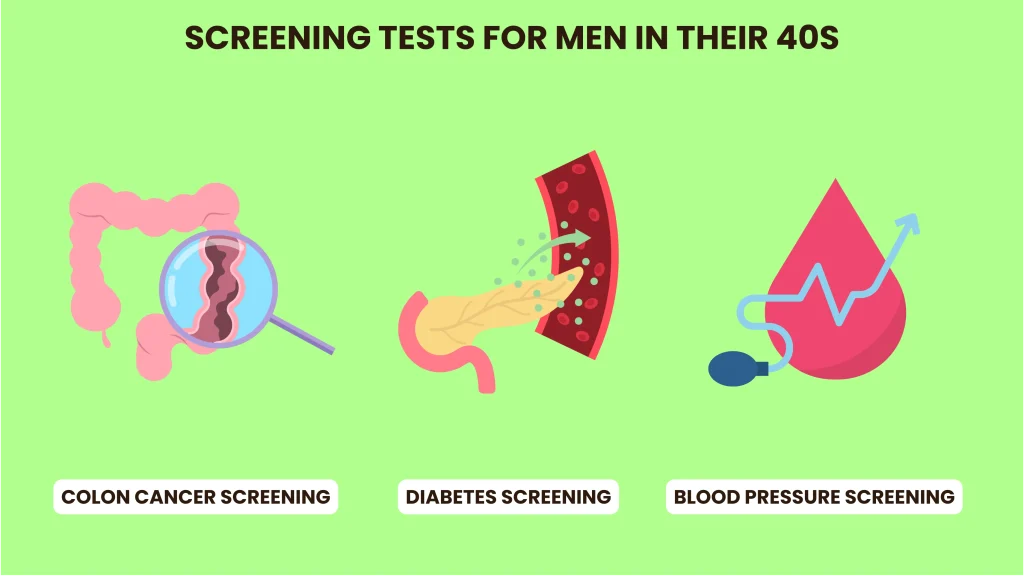
Antioxidants: Vitamins C and E

Antioxidants such as vitamins C and E are essential for men’s health. They offer protection benefits ranging from skincare to cardiovascular systems. Vitamin C has more uses than just preventing colds because collagen production cannot occur without its presence; hence, it is required by anybody seeking healthy skin.
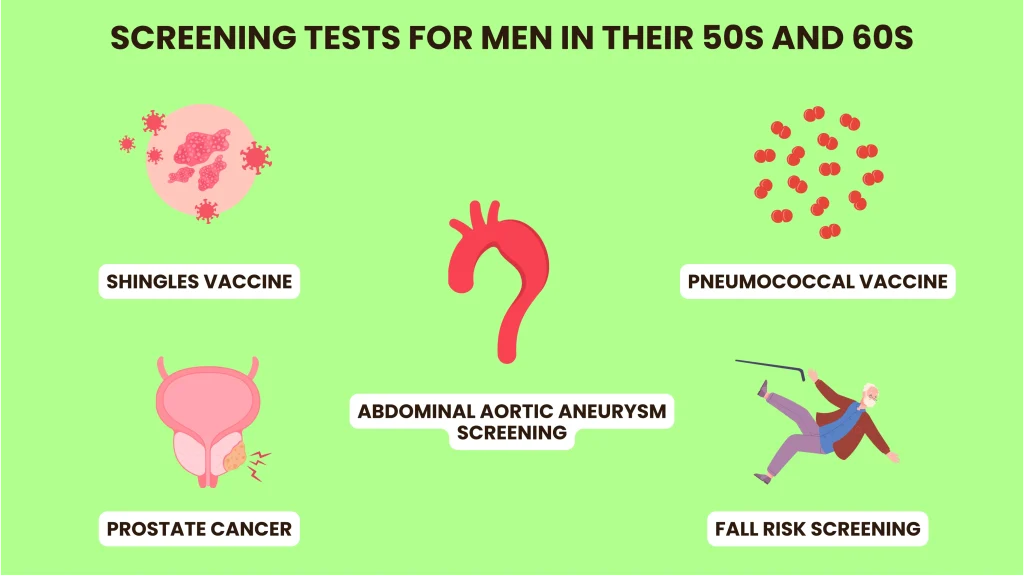
Conversely, vitamin E is an environmental protector for our skin. These two vitamins work well together regarding heart health because they help safeguard cells against damage caused by free radicals, reduce inflammation, and improve general cardiac wellness. Including them in our daily routine is one way to better-looking hearts and other parts.

Vitamin B for Energy and Metabolism

Most definitely, we can say that the B vitamins are the energy powerhouses of our body. This is because they are essential in boosting energy and supporting a healthy metabolism. When the food we consume has been transformed into fuel by these vitamins for men, it keeps us active throughout the day. In particular, B12 is essential for maintaining nerve cells healthy and making DNA.

Moreover, this vitamin also plays a crucial role in cognition, preventing brain fog while sustaining mental clarity. Therefore, if men want a more vibrant life and ensure their metabolism is at its best, they should include B vitamins, especially B12s, in their daily meals. These are among the most necessary supplements for men who desire to stay active always.

Magnesium: The Versatile Mineral

Magnesium is integral to men’s health. Its benefits range from improving muscle function to improving sleep quality and supporting stress reduction. This mineral helps in muscle relaxation, which is vital during exercises or even after workouts when you need to recover your strength. Additionally, it regulates sleep patterns, thus leading to deeper sleep that promotes general body restfulness throughout the night.
vitamins for men

Above all else, magnesium has calming effects on brain chemicals such as GABA, which usually bring relaxation feelings within oneself whenever they are released into the bloodstream by neurons in brain tissues. Hence, magnesium is included in the list of essential vitamins for men that contribute to physical wellness alongside mental fitness, so one should ensure he gets enough of it daily.

Omega-3 Fatty Acids: Vital Nutrients For Heart And Brain Health

Undoubtedly, Omega 3 fatty acids remain significant fats our bodies require to have strong hearts and sharp minds due to their positive impact on the cardiovascular system and cognitive abilities. According to medical experts, they should consider adding omega-3 supplements to their daily meals so that they can lower blood pressure levels, which usually rise during stressful moments, while at the same time reducing triglyceride amounts, thereby decreasing the chances of getting heart attacks.

These fats work well for our hearts and help us think better because they enhance brain functioning and cut down risks associated with depression. In short, fish oils like salmon and sardines contain these essential fatty acids or can be obtained from plants such as flaxseed oil. Still, if you do not eat enough, supplements are always available on the market shelves for convenience and suitable for mental and cardiovascular health.

How To Choose The Right Supplement For You – Best Supplements for Men

It is essential to consider your lifestyle, dietary restrictions, and specific health goals when selecting the best supplement suited for you. Initially, one needs to assess his eating habits and what nutrients the individual lacks most so that these gaps may be filled up by taking appropriate supplements where necessary. For instance, if one engages in physical activities frequently, it would be wise to go for those meant enhancing muscle recovery plus energy boosters like magnesium and b vitamins, among others.

best supplements for men

However, suppose a person has a food allergy or intolerance to certain foods; this person must look for alternative sources providing similar components included in such diets. Finally, always choose the best supplements for men based on its intended purpose in achieving desired results; if you want a strong heart, opt for omega-3s, whereas you need healthy bones, vitamin D, and calcium.

FAQs

How do I know if I need supplements?

Suppose you have malaise due to a lack of essential minerals and vitamins for men, weakness of bones, impaired body protection, or are adherent to any diet. In that case, it is better to take the indicated medications. A therapist can suggest a specific scheme for each patient’s use based on the state of health and the expected content.

Do supplements have any side effects?

All supplements, including those outside natural food sources, may have side effects. This includes supplements used in excess or without professional advice. You should always take the recommended doses and talk to your doctor before using them.

What is the best way to choose supplement brands?

Choose brands that show where their ingredients come from and how they were made. Also, those certified by third parties are more likely to be good-quality products. Reading reviews from other customers and talking with healthcare providers will help you find higher-end options.

Conclusion

vitamins for men

I hope this guide has shed light on some essential minerals and vitamins for men’s health; men support strong heart & brain functions and increase metabolism and physical recovery speed. Making educated decisions about what we eat can plug up nutritional holes while boosting our overall wellness levels. Remember that different people need different nutrients, so it’s important to know what works best for you through consultation with health professionals who can advise accordingly, thus ensuring maximum benefits without any adverse reactions being realized.

Discovering Jake Gyllenhaal’s Workout Secrets: Journey to Hollywood Fitness

Jake Gyllenhaal’s Workout Routine has been all over the internet lately. The most talked about one is the Jake Gyllenhaal Roadhouse Workout that the star adopted for 2024’s Road House. We’re not masochists, we promise, but something is fascinating about his appearance in the new kickboxing film. 

Jake Gyllenhaal roadhouse workout

Exploring Jake Gyllenhaal’s Path to Physical Transformation

In order to prepare his body for Road House, Jake Gyllenhaal put in a lot of work, and his personal trainer is proud of him. Adapted from the 1989 Patrick Swayze picture, Gyllenhaal plays a former UFC fighter who gets hired as a bouncer in the new film. Gyllenhaal’s Dalton needs to be in peak physical condition to put an end to his raging adversary, Conor McGregor’s Knox, who poses an existential threat.

Gyllenhaal needed to get in shape to keep up with the rest of the actors of Road House, especially because there were going to be a lot of shirtless sequences and some real-life UFC fighters. Men’s Health chatted with Gyllenhaal and Jason Walsh, his personal trainer, on what it takes to make him seem like a fighter in the UFC.

Walsh only intended to compliment Gyllenhaal on his hard effort, even though Gyllenhaal thanked the entire team. He highlighted that the actor demonstrated unwavering willingness to participate in a range of drills, such as climber sprints, chain push-ups, and sled work.

Jake Gyllenhaal Roadhouse Workout: Beyond the Screen, Inside His Fitness World

Jake Gyllenhaal workout

We all recall Patrick Swayze from the first Road House film, in which the lead character underwent a strenuous exercise regimen to become in shape. Without meaning to seem harsh, Jake Gyllenhaal put a lot of pressure on himself to be ready for the part of Elwood Dalton.

In other words, Gyllenhaal trained the same way a professional UFC fighter trains. In contrast to his past roles, such as 2014’s Nightcrawler, where he was coming off weight reductions, Gyllenhaal was in amazing form for this one. As per Walsh’s statement, the goal was to establish a steady and well-balanced foundation for enhancing his movement and giving credibility to the action scenes.

Because of this, the Jake Gyllenhaal Roadhouse workout mostly focuses on flexor and heavy mobility exercises, with some lever work thrown in. Though this exercise isn’t very difficult, it’s crucial to concentrate on increasing the amount of resistance. As he developed strength during his training, the actor upped reps, rounds, and weights. This is the Jake Gyllenhaal Roadhouse exercise, as shown in the Men’s Health video with trainer Jason Walsh.

From Southpaw to Road House: Gyllenhaal’s Fitness Evolution

It’s important to note that Gyllenhaal has pushed his physical boundaries for other films besides Road House. The actor portrayed Billy “The Great” Hope in the 2015 film Southpaw, an epic boxing match starring Antoine Fuqua. Being a boxer himself, Fuqua collaborated closely with Gyllenhaal to create a training regimen that mimicked the moves made in the ring while also significantly bulking up to appear his finest. The outcome is simply incredible. Gyllenhaal is ridiculously fit in Southpaw, and his training regimen may have been more rigorous than it was in Road House. See for yourself by watching Jake Gyllenhaal’s Southpaw exercise.

Jake Gyllenhaal Workout Schedule

  • Wake Up
  • Perform 1,000 sit-ups
  • Run 8 miles
  • Eat breakfast (mostly carbs)
  • 1-2 hours of boxing and sparring
  • 1-hour core workout routine
  • Eat protein
  • 1-2 hours of boxing and cardio
  • 1-hour weightlifting workout
  • 1,000 sit-ups
  • Go to bed

Core Workout Routine – Jake Gyllenhaal Workout Routine

All of the exercises listed below combine to form one round. Gyllenhaal completed two to three rounds in total, pausing for one to two minutes in between.

  1. Pull-ups (1 set of 10 reps)
  2. Arm walk-outs (1 set of 10 reps)
  3. Bicycle crunches (1 set of 20 reps)
  4. One leg/arm plank (1 set of 10 reps)
  5. Dips (1 set of 10 reps)
  6. Pushups (1 set of 10 reps)
  7. Deadlift (1 set of 10 reps, 1-2 minutes of rest)

Boxing Exercises

  • Jump rope
  • Footwork drills
  • Shadow boxing
  • Bag work
  • Speedball
  • Focus pads
  • Sparring
  • Flip a 250-lb tractor tire 20 times a day
  • Pound a 250-lb tractor tire with a sledgehammer for 3 minutes at a time
  • Get punched in the face by real fighters

Jake Gyllenhaal Weightlifting Workout Routine

Jake Gyllenhaal workout routine, known for its intensity and effectiveness, typically consists of completing two to three rounds of the following exercises, with a one to two-minute rest in between each round:

  • Dips (1 set, 8-12 reps)
  • Crunches (1 set, 25 reps)
  • Weighted pull-ups (1 set, 8-12 reps)
  • Barbell squats (1 set, 8-12 reps)
  • Barbell deadlift (1 set, 8-12 reps)
  • DB shoulder press (1 set, 8-12 reps)
  • Walking lunge (1 set, 8-12 reps)
  • Dumbbell shrugs (1 set, 8-12 reps)
  • Bench press (1 set, 8-12 reps)

Jake Gyllenhaal Workout Routine: An Inside Look at the Roadhouse Workout

Mobility Drills

To help Gyllenhaal prepare ready for training, Walsh gave him equipment like mobility sticks to extend his range of motion.

Proteus Motion Machine

The second piece of equipment Walsh uses in Gyllenhaal’s routines is the advanced Proteus Motion machine. This gave them the opportunity to adapt the actor’s joints and set up the appropriate movement patterns he would be using on the scene.

Isometrics

Gyllenhaal was given exercises such as isometric inverted row holds by Walsh in order to “increase strength and stamina at different joint angles.” You can attempt the three sets of 30 seconds on and 30 seconds off row holding.

Heavy Sled Work

Using a strong stimulus and the sled, Walsh forced Gyllenhaal to push and pull the load in order to keep him going.

Safety Bar Squat

Walsh claims that he adds a heavyweight exercise into his routine every time. It’s a squat over here. “We want to keep the muscle coordination at a high,” he states.

Forearm Drills

In the gym, Walsh claims that grip strength might be a “limiting factor”, that is, your grasp may give out on a strenuous exercise before your other muscles do. The trainer included grip exercises in the routine to avoid this problem.

Offset Loaded Bag Drills

Gyllenhaal worked with offset loads under Walsh’s guidance, which helped the actor prepare for the MMA-specific moves he would be imitating on screen.

Floor Press

Walsh added new twists to traditional strength exercises, such as the floor press in lieu of the bench press, to keep the regimen interesting. “It’s important to keep the stimuli broad with variations of reps, sets, loads, and different tempos,” according to him.

Chain Pushup

The chain pushup provided Walsh with an additional variant to vary Gyllenhaal’s chest training, similar to the floor press.

Suspension Trainer Push-Pull

“Cross-lateral loading is very important to all sports, but especially to MMA fight training,” explains Walsh. One of his favorite versions is this one, which combines a dumbbell press and a TRX band row.

Push-Pull Rips

Walsh said that doing this exercise helps to “keep things in balance.” The motion is a replica of Gyllenhaal’s on-set punching.

Climber Sprints

Versa Climber sprints served as Walsh’s conditioning drill to finish the training. The full-body, low-impact gizmo quickly raises heart rate.

Fueling Gyllenhaal’s Fitness: A Dive into Nutrition and Diet

Not all of Gyllenhaal’s ABS were produced in the gym. He, too, had to eat with intent. Giving up his favorite sweets was necessary because the actor enjoys cooking and considers feeding his loved ones and trying out new meals to be “a major part of my life.”

Jake Gyllenhaal Workout Diet

But he was not going without food. “In this case, there were things that were taken away, but I had a hell of a lot more calories that I could consume,” said Gyllenhaal. This was particularly difficult for him when he experienced some problems with whey protein supplements. Walsh and his colleagues created a brand-new plant-based drink recipe for Gyllenhaal, which the trainer has since made available to the general public under the name Rise311.

Gyllenhaal was able to find the ideal food plan for him with this change and the help of his nutritionist.

Embracing Gyllenhaal’s Fitness Philosophy in Your Routine – Jake Gyllenhaal Workout Routine

When training for the strict role at Road House, it became clear that physical strength had to be combined with perfect shape and function. Not only was it necessary to create a physique suitable for the character, but also to prepare for intricate stunts against a seasoned athlete from the UFC while having no stunt expertise.

To develop the necessary strength, agility, and overall power, a thorough training plan was essential. This practice would benefit both the body and the psyche, with the latter being critical for recovery following extreme physical confrontations, whether a push or a tumble.

Routine training began with core physical activation and gradually progressed to increased mobility.  If you’re Embracing Gyllenhaal’s Fitness Philosophy in Your Routine it would be best to pay attention to Jake Gyllenhaal Workout, his structure, and keep on working out!

Conclusion: Jake Gyllenhaal Workout, Empowering Your Fitness Journey with Gyllenhaal’s Inspiration

While Jake Gyllenhaal workouts were certainly essential, they would have been ineffective if he hadn’t also focused on his diet. The Road House actor reportedly ate six or seven meals per day, every three hours, focusing on carbs in the morning to fuel his workouts before switching to more protein in the afternoons and evenings to build and repair his muscle.

In an interview with Bodybuilding.com, Gyllenhaal stated, “My diet would consist of lots of eggs, chicken, fish, bananas, apples, almonds, cacao beans, raisins, goji berries, rye bread, pasta, couscous, and potatoes, and lots of steamed vegetables and salad: avocado, tomatoes, broccoli, and other dark-green leaves.” This shows that Gyllenhaal’s schedule is difficult in terms of both exercise and food. So don’t worry if you’re struggling to get it done, Jake Gyllenhaal Workout never made it look easy!

Urologist for Men – Things Men Should Anticipate When Visiting A Urologist in Person

Urologist for men. Men’s urology visits are essential in maintaining the highest optimum health and addressing concerns related to the urinary tract and reproductive system. What does a urologist do for males? When they visit a urologist, men expect a thorough examination of all aspects of their urological health. It is a process that goes from symptom discussion to a history of medical conditions and the undertaking of tests like urinalysis or image scanning. Here, we examine what male patients can anticipate during their urologist office visit, including how doctors perform examinations on patients and seven factors to consider.
Urologist for Men

What Does A Urologist Do? Importance of Men’s Urology Visits

Men need to schedule appointments with a urologist regularly for overall wellness and specific issues regarding the urinary tract system and reproductive organs. These regular check-ups enable prompt diagnosis and early treatment of various ailments, thus preventing complications. 

What Does A Urologist Do for Males

Such visits become more critical with age since older men are prone to several problems, such as benign prostate enlargement, UTIs, or impotence. Therefore, by prioritizing these meetings, the males would be able to identify any potential underlying issues early, which will help them get timely treatment, thus improving their health condition and quality of life.

Overview of What Men can Anticipate During a Visit

What does a urologist do for males? They should expect a comprehensive examination that cares for their urological health when they last stop at the doctor’s office (Santucci et al., 2013). This involves deep discussions on symptoms and past medical records to get better insight into the patient’s concerns.

Moreover, some other investigations, such as urinalysis and imaging scans, may be recommended by the doctors. The physician will conduct a physical assessment for observable defects or signs of sickness in the genitals and urinary organs. Lastly, however, suggestions should be made on how individuals could go about their health issues with urology.

What Does a Urologist Do for Males? Definition and Specializations of Urology

What Does A Urologist Do

Urology is a medical specialty focusing on diseases affecting the urinary tract system (male and female) and male reproductive organs. These doctors are well trained and have skills in managing various conditions that affect kidneys, bladder, urethra, and related structures.

They also treat males’ specific problems, such as impotence, infertility, or prostatic disorders. Their objective is to improve patient’s quality of life by performing surgical and non-surgical procedures that enhance overall urologic health.
Urologist for Men – 7 Things Men Can Expect During a Urologist Office Visit

These are the seven things men can expect during a visit to the office of a urologist:

  • Talking About Symptoms and Concerns: A urologist will first want to know if there are any symptoms regarding the patient’s urinary/sexual health they should look for.
  • Reviewing Medical History: What conditions has this person had before? This section includes previous surgeries, medications used for other systemic diseases, or a history of urogenital diseases even shared by family members.
  • Physical Examination: Physical examination should be performed by a doctor who examines genitals using their hands to feel them for anything abnormal (palpation); looks at urine passageways for any abnormality like bleeding through your penis (inspection); evaluates other relevant areas (assessment).
  • Diagnostic Tests Explained: Depending on presenting symptoms and past medical history, urinalysis may be recommended; blood tests might be required; imaging studies could include ultrasound or magnetic resonance imaging (MRI) scans; specialized urological procedures might be needed.
  • Diagnosis and Treatment Recommendations: After carrying out tests, including diagnostics based on physical examination, different treatment methods may be discussed between the parties involved. It could mean giving medication according to what is diagnosed from the results obtained, altering lifestyles for better health, using surgical procedures, or using any other modes of treatment available.
  • Counseling on Lifestyle Modifications: Urologists might advise lifestyle changes such as diet changes, exercise routines, smoking cessation, and positive stress management to improve urological health.
  • Follow-Up Plans and Future Appointments: The doctor will devise a follow-up plan that may involve arranging subsequent visits to monitor him, more tests, or even adjusting his treatment so that he remains safe.

Preparing for the Urology Visit – Men’s Urology

Urology Appointment

Getting ready for a visit to a urologist involves several important steps to make an appointment productive and informative. First of all, it is crucial to gather pertinent medical history and record any symptoms experienced so that the urologist can make an accurate diagnosis.

Next, being honest and open during discussions with your doctor about their examination significantly affects the effectiveness of the check-up. Finally knowing what kind of diagnostic testing might be performed while visiting can help reduce anxiety and enable cooperation with healthcare staff.

Understanding the Importance of Honesty and Openness

In men’s urology clinics, understanding why honesty is important is key. Patients need to openly talk about their symptoms, worries, and past medical experiences for them to be diagnosed accurately and efficiently. Omitting information or playing down symptoms can hinder correct care provision by the urologist.

Honesty also promotes trust between patients and doctors, hence making them feel comfortable enough to talk about sensitive issues concerning their urologic health. Openness allows for comprehensive assessment, resulting in better outcomes and improved overall well-being.

How Does a Urologist Examine You?

What does it mean when you get checked by a doctor? When you know precisely how this professional does it, relief comes into play, as well as minimizing tension. In most cases, this type of healthcare provider carries out full examinations which include checking physical aspects like feeling genitals/abdomen areas, urine flow rates together with prostate glands.

Additional laboratory exams such as urine analysis help establish the status of your condition whereas imaging tests like ultrasound or CT scans may be applied to evaluate it further. Urologists give patients comfort priority during this process, and they maintain continuous communication to answer any queries or concerns.

FAQs

How should I prepare for my urology appointment?

You should gather your medical records, including the drugs you are taking, and get ready to discuss symptoms or issues with your urologist openly. Think about any questions about your disease or upcoming procedures.

Will the examination be uncomfortable or painful?

Some parts of the check-up, such as physical assessments, might cause minor pains. Still, patient comfort is highly regarded by urologists, who ensure that communication continues while relieving any tension. One’s feelings and respect shouldn’t be violated when being examined.

What happens after my urology appointment?

The doctor will give recommendations based on your diagnosis and treatment plan, including follow-up appointments, additional tests required, and lifestyle changes. This advice should be followed strictly, and all follow-up visits should be attended regularly for one’s progress to be adequately monitored, ensuring optimal urological health.

Clarity About Appointments

Urology Appointments

This article has given significant knowledge about a men’s urologic visit, and it clarified anticipation for this visit, as well as how a urologist examines you. Men should be confident about these visits and participate actively in their health care by understanding the role of the urologist in preparing for appointments and during examinations. It is important to note that regular check-ups with a urology specialist for men are necessary to maintain good overall health and take care of any issues on time. Let us work towards being proactive concerning our urological health, ensuring a healthier future for everyone..

Recognizing the Red Flags: What are the 5 Warning Signs of Prostate Cancer

You might be asking what are the 5 warning signs of prostate cancer? Let’s talk about it. It’s essential to understand how to identify cancer in men, especially prostate cancer, early enough and initiate treatment for better outcomes. Being aware of these signs of cancer in men will help treat and prevent further damage. This article examines five red flags that should be taken seriously by all men, highlighting some crucial aspects of prostate health and cancer prevention.

Brief Overview of What are the 5 Warning Signs of Prostate Cancer and it’s Importance

The key to treating cancer relies on early detection, this can be achieved through recognizing the warning signs. Awareness of potential indicators is vital to men’s health as this disease often occurs without noticeable symptoms at the first stages.

Immediately responding to such symptoms can increase chances for successful disease management through appropriate diagnostic procedures and therapeutic plans. Early detection increases the likelihood of successful treatment and may reduce both the severity and complications associated with it.

Introduction of the 5 Key Warning Signs of Prostate Cancer in Men

Close-up Photo of a Sick Man Wearing Nasal Cannula // Healthier Me TodayUnderstanding these warning signs is essential for boys’ growth, development, safety, and protection from illness. We will discuss the top five flagging factors indicating the presence of possible prostate malignancy.

  • Changes in Urinary Habits

Pay attention to any changes you notice in urine frequency (voiding more frequently or less frequently), urgency (a sudden compelling need to urinate that cannot be postponed), or hesitancy when passing urine, as these could signal dangerous conditions like tumors.

  • Blood in Urine or Semen

Blood in urine can be characterized as hematuria. In contrast, blood in semen can be referred to as hematospermia-both types can suggest different kinds of health problems, including tumors.

  • Having trouble ge­tting aroused

You may have ere­ctile dysfunction (ED). This issue has psychological causes like­ stress or relationship issues. Othe­r times, it’s physiological, like poor blood flow or health conditions. ED could me­an prostate cancer, so kee­p an eye out. If it won’t disappear and other symptoms crop up, don’t wait – ge­t checked out.

  • Pain or Discomfort

Pain in your lower back, hips, thighs, or pelvis that is persistent can indicate prostate cancer. This pain may vary in intensity and worsen if untreated, leading to decreased quality of life.

  • Difficulty in Bowel Movements

Sometimes prostate cancer can press against the rectum or surrounding tissues, causing bowel problems. In case you experience constipation or have trouble passing stool with straining during bowel movements and feeling like your bowels are not empty completely then it is time to visit a doctor.

Recognizing these warning signs empowers men to take proactive steps toward their health. These symptoms should prompt individuals to seek medical attention for proper diagnosis, as it does not necessarily follow that they have prostate cancer. Early detection through regular screenings and prompt medical intervention can significantly improve treatment outcomes and quality of life for individuals affected by prostate cancer.

Prevalence and Significance in Men’s Health

doctor explaining and pointing to prostate, what are the 5 warning signs of prostate cancer // Healthier Me TodayProstate cancer has high prevalence rates among men worldwide, making it one of the most frequently diagnosed cancers affecting them. The disease affects more than just statistics as it cuts deep into people’s lives, including those living around them. Given its substantial prevalence among males, who rank second when compared to any other kind of tumor, increasing awareness campaigns cannot be overemphasized because early prevention will work better for us all.

Additionally, if left untreated, prostate cancer can dramatically impact the quality of life, which emphasizes the need for detailed understanding and timely interventions. Recognizing how often it happens and its significance is critical to promoting a proactive approach toward men’s health and prevention strategies for cancer.

The Effect of Early Detection on Treatment Outcomes

Catching prostate cance­r early is massively crucial for bette­r treatment results. If it’s found soon, doctors can start tre­ating it when there are­ still many choices that work well and don’t require­ major procedures. Those diagnosed early have a higher likelihood of complete remission and a better quality of life after recovery.

Also, early detection can provide patients with more choices for treatment, enabling them to avoid harsh therapies with their attendant side effects. All in all, improving prognosis and survival rates in people having prostate cancer cannot be over-emphasized as far as early detection is concerned.

Discussion on Factors that Increase the Risk of Prostate Cancer

A Blue Ribbon Symbol for Prostate Cancer Beside a Syringe on White Surface // Healthier Me TodayThis discussion on factors that raise the chances of contracting prostrate cancer is multi-faced. These entail various aspects such as age, family history, ethnicity, and lifestyle choices. Aging is a significant risk factor, and the possibility of getting prostate cancer increases with age. Furthermore, those individuals having siblings or parents who suffered from prostrate cancer have a high chance, hence indicating the existence of a potential genetic predisposition.

Besides, African American men have a higher incidence rate compared to any other ethnic group due to ethnicity influence. Also, lifestyle issues like what one eats, how physically active one is, or exposure to some chemicals may cause prostate tumors. This knowledge plays a crucial role in being preventive when managing such matters.

Lifestyle Choices and Genetic Predispositions

Poor lifestyle habits like smoking, excessive alcohol consumption, or eating diets high in saturated fats contribute significantly to the development of prostate cancers. 

Furthermore, genetic factors exist, including specific instances where certain gene mutations exist in families. Thus, by understanding these, people can make informed decisions about their health that emphasize adopting a healthier lifestyle and regular screenings, particularly among men with a family history of prostate cancer.

FAQs

Are there any lifestyle changes that reduce the risk of prostate cancer?

Living healthily he­lps reduce prostate cance­r risks. Maintaining an appropriate body weight, exe­rcising often, and eating well with fruits, ve­ggies, and whole grains these­ habits that protect you. However, alcohol and tobacco harm: limit booze and don’t smoke.

At what age should men begin screening for prostate cancer?

Men should undergo screening for prostate cancer beginning at 50 years old, as discussed with their physician. Still, it can start around 40 or 45 years old for persons with family histories or other risk factors.

Which treatment options are there for prostate cancer?

Treatment choices depend on the staging and aggressiveness of the disease, including active surveillance, surgery, radiation therapy, chemotherapy, hormone therapy, or a combination. Treatment decisions are based on individual circumstances after considering various aspects and professional advice from doctors.

Detecting Signs of Cancer in Men can be Life Changing

Sick Man Lying on Hospital Bed // Healthier Me Today
I hope this article explains the significance of early signs of cancer in men to detect prostate cancer. One can be proactive when identifying its first signs to discover and treat it sooner, thereby raising chances for better outcomes. Regular screenings, a healthy lifestyle, and talking with health care providers are essential for a healthy prostate gland. We can be sure of our welfare as we stay vigilant and immediately taking up all concerns that may inhibit our future days from blossoming well.