
How Yoga Meditation Helps You Connect to the Inner Power You’ve Been Missing

Do you ever feel like life has turned into a constant cycle of tasks, stress, and responsibilities, leaving you exhausted and disconnected from yourself? Many people move through their days reacting to pressure rather than feeling grounded and in control.

Yoga meditation to connect to power offers a simple way to reconnect with that deeper sense of strength. Instead of being pulled in every direction, this practice helps you slow down, focus your mind, and restore a feeling of balance.

In this guide, you’ll discover practical exercises, easy techniques, and step-by-step practices that can help you reconnect with your inner power, increase your energy, and bring greater calm to your mind and body.

What Does It Mean to Connect to Inner Power?

What Does It Mean to Connect to Inner Power

Connecting to your inner power means feeling emotionally strong and mentally balanced, even when life feels stressful or uncertain. It’s the ability to trust your choices, stay calm under pressure, and move through challenges without relying on others for constant validation.

When you practice yoga meditation for inner power, you create space to reconnect with that steady part of yourself. Instead of reacting out of fear, stress, or emotional overwhelm, you begin responding from a calmer and more grounded place. Over time, this awareness helps you think more clearly and feel more in control of your thoughts and reactions.

Why Most People Feel Disconnected From Their Inner Strength

Many people feel disconnected from their inner strength because life constantly pulls their attention outward. You wake up, check your phone, rush through emails or chores, juggle responsibilities, and go to bed exhausted, rarely giving yourself a moment to pause and breathe.

Over time, this constant stimulation leaves little space for reflection or emotional awareness. When your mind is always focused on external demands, it becomes harder to notice your thoughts, feelings, and inner signals. Stress, self-doubt, and emotional tension can begin to build quietly in the background, making it difficult to trust yourself or feel grounded.

This is where understanding how yoga meditation awakens inner strength can make a real difference. Even a few minutes of turning inward helps you reconnect with the calm, steady energy that already exists within you. With regular practice, this awareness brings greater clarity, focus, and balance that carries into your daily life.

How Yoga Meditation Helps You Connect to Power

Yoga meditation practices help you connect to your inner power by slowing your pace and creating space for awareness. Instead of constantly reacting to stress, distractions, and external demands, meditation allows your mind to pause and observe what is happening within you.

During meditation, your breathing slows, your body begins to release tension, and your thoughts gradually settle. This process calms the nervous system and helps you shift out of a reactive state. As your mind becomes quieter, it becomes easier to notice your emotions, thoughts, and physical sensations without feeling overwhelmed by them.

As you strengthen your yoga for mind body connection, you begin to feel more balanced, steady, and aware of your energy. You start recognizing how your body responds to stress, how your emotions rise and fall, and how your thoughts influence your actions. Instead of feeling scattered or overwhelmed, you feel grounded, clear, and centered.

This steady awareness becomes your inner power. It helps you respond to situations with confidence and calm rather than reacting automatically to pressure or stress.

Yoga Meditation to Connect to Power (Core Practices)

Now that you know why tapping into your inner power is so important, it’s time to put it into practice. These core practices help you pause, slow down, and reconnect with the calm, steady energy you carry naturally.

Preparing Your Space and Body

Before you begin, take a moment to create a space that feels calm and comfortable. Find a quiet spot where you won’t be disturbed and make it cozy with a cushion or blanket if needed. Wear clothing that feels easy on your body, and gently remove distractions like phone notifications. As your body relaxes, your mind follows. This creates the right environment to settle into your meditation and feel more grounded and focused.

Centering the Breath

Centering the Breath

Breath is the bridge between your body and mind. Start by taking slow, deep breaths, noticing the rise and fall of your chest and belly. This meditation to feel powerful and centered helps anchor your awareness in the present moment, calming scattered thoughts and creating a sense of inner stability. The more you focus on your breath, the more connected and steady you feel.

Awakening Energy Through Stillness

One of the simplest ways to feel powerful and centered is to be still. When you pause and allow your body and mind to slow down, your energy begins to flow more naturally. Notice your breathing, small body sensations, and the calm that settles in.

This meditation to awaken energy helps release tension and brings you back to a calm, centered state where your energy can flow more freely.

Focusing on the Heart or Solar Plexus

This core practice is about bringing your attention to your heart or the area just above your stomach. These areas are often linked to confidence, strength, and emotional balance. When you focus here, it helps you feel calmer and more grounded.

Gently place a hand on your chest or stomach and take slow, steady breaths. As you breathe, imagine a soft warmth spreading from that area through your body. Let it ease tension and remind you of your natural strength and steady presence.

Ending the Meditation With Intention

Finishing your meditation with an intention is a core practice because it helps carry the calm, focus, and energy you just cultivated into your day. Without it, the benefits of your practice might stay on the mat. Setting an intention makes your meditation practical and meaningful.

To do this, choose a simple word, phrase, or feeling, like calm, confidence, or focus, that you want to bring with you. Take a few moments to visualize it or repeat it quietly to yourself. This small step helps you feel grounded, empowered, and ready to carry your inner strength into everyday life.

What Happens During a Deep Yoga Meditation Experience

During a deep yoga meditation experience, your body and mind begin to slow down and release built-up tension. Your breathing naturally becomes slower and deeper, which signals the nervous system to relax. As this happens, your thoughts begin to quiet, and you may notice a growing sense of calm spreading through your body.

Instead of feeling distracted or mentally busy, your attention shifts toward the present moment. Many people become more aware of their breathing, body sensations, and emotional state. Some may notice warmth, lightness, or gentle waves of relaxation in the body, while others feel emotionally lighter or more balanced.

This deeper state of relaxation allows the nervous system to reset and recover from stress. As a result, you may leave the meditation feeling more grounded, mentally clear, and deeply relaxed, with those effects often lasting well beyond the practice itself.

Yoga Meditation Practices That Support Inner Strength

These yoga meditation practices help you build inner strength by calming your mind and grounding your body. Each technique is simple to follow and can be practiced for just a few minutes at a time. Over time, these small practices strengthen focus, emotional balance, and the connection between your mind and body.

Breathwork Techniques

Breathwork is one of the fastest ways to calm the mind and stabilize your energy [health.clevelandclinic.org]. 

How to practice:

  1. Sit comfortably with your back straight.
  2. Close your eyes or soften your gaze.
  3. Inhale slowly through your nose for about four seconds.
  4. Allow your chest and stomach to expand as you breathe in.
  5. Exhale slowly through your mouth for four to six seconds.
  6. Continue this slow breathing rhythm for several minutes.

How it helps:

Slow breathing activates the body’s relaxation response and reduces stress hormones. As your breathing steadies, your mind becomes calmer, and you begin to feel more grounded and focused.

Mantra-Based Meditation

Mantra-Based Meditation

Mantra meditation helps train the mind to stay focused and steady.

How to practice:

  1. Sit comfortably and take a few slow breaths.
  2. Choose a simple word or phrase such as calm, strength, or I am steady.
  3. Begin repeating the word quietly in your mind or softly out loud.
  4. Let your breathing remain natural and relaxed.
  5. If your thoughts wander, gently return your focus to the mantra.

How it helps:

Repeating a mantra reduces mental distractions and strengthens concentration. Over time, this practice can bring emotional balance and a deeper sense of inner stability.

Visualization for Awakening Energy

Visualization meditation uses mental imagery to help you connect with your internal energy.

How to practice:

  1. Sit comfortably and take several slow breaths.
  2. Close your eyes and relax your shoulders and jaw.
  3. Imagine a warm light or gentle energy in the center of your body.
  4. Picture that light slowly spreading through your body with each breath.
  5. Allow the sensation of warmth or calm to expand throughout your body.

How it helps:

This visualization encourages focus and awareness of your internal energy. Many people find that this yoga meditation for self awakening helps them feel more energized, centered, and connected to their inner strength.

Body Awareness for Mind-Body Connection

Body awareness meditation helps you reconnect with physical sensations and develop a stronger mind-body connection [headspace.com]. 

How to practice:

  1. Sit or lie comfortably in a quiet space.
  2. Close your eyes and begin taking slow, relaxed breaths.
  3. Bring your attention to your feet and notice any sensations.
  4. Slowly move your awareness upward through your legs, stomach, chest, shoulders, and head.
  5. Notice tension, warmth, or relaxation without trying to change anything.

How it helps:

Body awareness strengthens the connection between your mind and body. This practice can reduce tension, increase focus, and help you become more aware of how your body responds to stress and relaxation.

How Often Should You Practice Yoga Meditation for Inner Power?

To get the most benefit from meditation, consistency matters more than long sessions. Even 5 to 15 minutes a day can help you feel more focused, calm, and mentally strong over time [choosemuse.com].  

Many people find it helpful to include meditation at specific points during the day, such as:

  • Morning practice – Helps you start the day feeling grounded and mentally clear.
  • Midday reset – A short meditation break can reduce stress and restore focus.
  • Evening practice – Helps release tension and prepare the mind for rest.

The key is to create a routine that fits naturally into your lifestyle. When meditation becomes a regular habit, yoga meditation to connect with inner power begins to feel easier and more natural. Over time, the calm and clarity you build during meditation carry into your daily activities, helping you respond to challenges with greater balance and confidence.

Tools That Can Support Your Practice

Tools That Can Support Your Practice

Using a few simple tools can make your meditation practice more comfortable and help you feel more focused and relaxed. These items don’t do the work for you, but they create an environment that supports your calm and helps you connect more deeply with your inner power.

  • Meditation Cushion – A comfortable cushion helps you sit with better posture and stay relaxed during meditation, making it easier to focus.
  • Essential Oil Diffuser – A diffuser fills your space with soothing scents, like lavender or eucalyptus, which can help calm the mind and create a peaceful atmosphere.
  • Healing Crystal Set Crystals can be a gentle visual reminder to stay present, and many people find that their energy helps them feel centered.
  • Essential Oil Set – A variety of oils lets you experiment with scents that uplift or relax you, enhancing your meditation experience.

Conclusion: Transform Your Life 

Connecting to your inner power is not about achieving perfection or escaping life’s challenges. It’s about learning how to return to a calm, steady center within yourself. Through yoga meditation to connect to power, you create space to slow down, listen inward, and build a deeper sense of balance.

Over time, this practice strengthens your ability to handle stress, trust your instincts, and stay grounded even during difficult moments. What begins as a few quiet minutes of meditation can gradually reshape how you think, react, and move through the world.

Inner strength is not something you need to search for. With consistent practice, you begin to realize it has been within you all along.

Frequently Asked Questions (FAQ)

How to get power through meditation?

You can gain power through meditation by regularly focusing on your breath, body, and energy. These practices calm your mind and boost your inner stability and confidence.

How do I connect with my higher power?

You can connect with your higher power by creating quiet moments for reflection and meditation, focusing on your inner awareness and feelings. Practices like spiritual yoga meditation help you tune into a sense of guidance, clarity, and calm beyond your everyday thoughts.

Does meditation help with willpower?

Meditation can boost willpower by improving focus, self-awareness, and emotional control. When you meditate regularly, you learn to notice your urges without acting on them. This makes it easier to make intentional choices.

How to connect with spirits in meditation?

To connect with spirits during meditation, first find a quiet place. Next, focus your mind and set a clear intention. Stay alert to any subtle feelings or thoughts while keeping yourself grounded.
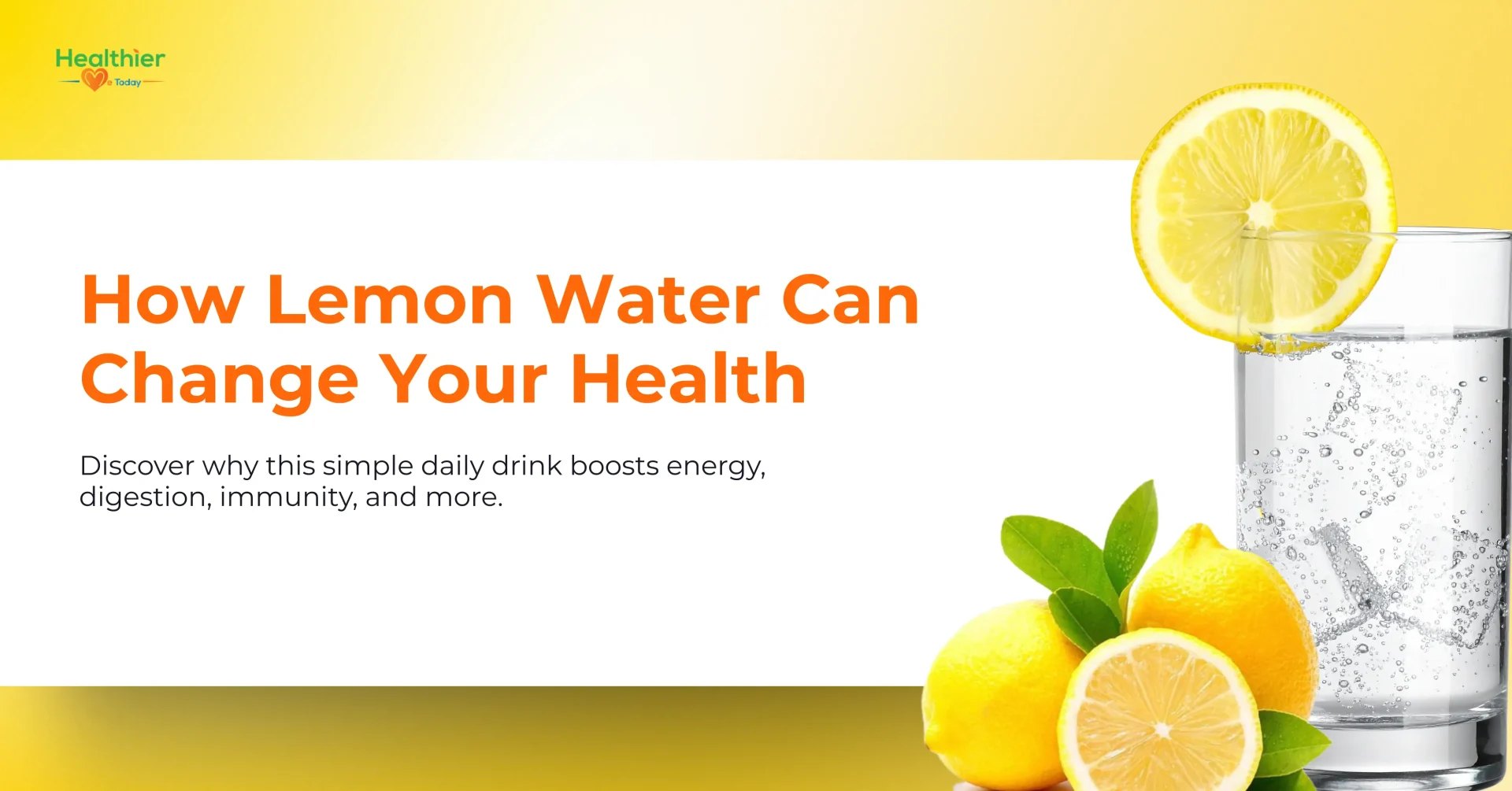
8 Amazing Benefits of Lemon Water & the Best Time to Drink

If you knew one simple drink could lift your energy, support digestion, naturally brighten your skin, and much more, would you give it a chance?

According to researchers, people started drinking lemon water in the 12th century. Today, it’s still one of the easiest wellness habits to add to your day, and the benefits go far beyond taste. Lemon water keeps you hydrated, supports different systems in the body, and helps you feel more refreshed from the inside out. Whether you enjoy it warm first thing in the morning or chilled throughout the afternoon, this simple drink can make a noticeable difference.

Below, you’ll find 8 amazing benefits of lemon water, plus the best times to drink it for maximum results.

Health Benefits of Lemon Water

Let the countdown begin (and prepare to be amazed)!

1. Hydration and Morning Energy

Your body naturally loses water overnight through breathing and sweating, so it starts the morning needing a little boost. Hydrating early helps your body wake up properly, your brain, your energy, and even your focus respond better when you’re not starting the day dehydrated.

benefits of lemon water in the morning

One of the best benefits of lemon water in the morning is that it helps you rehydrate after a night’s sleep.

2. Increases Metabolism

Many people turn to lemon water for weight loss because staying hydrated plays a big role in how your metabolism functions. When your body gets enough water, it can burn energy more efficiently, which supports a healthy, steady metabolism. Even a small boost in hydration can make your body work a little harder and burn a few more calories as it processes the water.

A well-supported metabolism makes it easier to manage your weight, and lemon water simply helps you drink more throughout the day.

3. Supports Digestion

A glass of lemon water for digestion before or after meals can help “wake up” your digestive system by supporting healthy stomach acid levels. This can make it easier for your body to break down food properly.

The gentle acidity in lemons may help ease bloating or discomfort, while proper hydration keeps things moving through your digestive tract. Together, they support regular bowel movements and overall digestive comfort.

5. Promotes Naturally Glowing Skin

Glowing, healthy-looking skin often starts from good nutrition and hydration, and that’s where lemon water skin benefits come in. The vitamin C in lemons supports your body’s natural collagen production, which helps keep your skin soft and smooth [webmd.com].

Staying hydrated also helps your skin look fresher and less dull by supporting your body’s natural detox processes. Drinking lemon water regularly can help your complexion look more even and naturally radiant over time.

6. Strengthens Immunity

Have you ever heard of lemon water immune system support?

The vitamin C in lemons helps your body produce and protect white blood cells, the cells that fight off infections. It also works as an antioxidant, protecting your cells so your immune system stays strong.

Staying hydrated is another part of good immunity, and lemon water makes it easier to drink enough throughout the day. Especially during flu season, this simple habit can give your body the support it needs to stay healthy.

7. Detoxes and Balances the Body

Next on the lemon water health benefits list is detoxing (and it’s quite interesting)!

Your body is constantly detoxing on its own, and your liver does most of the work. Lemon water can support this process in a few helpful ways [greaterbostonbehavioralhealth.com]. The natural acidity in lemons may help the liver produce bile, which plays a role in moving waste through the body.

The antioxidants in lemons, especially vitamin C, help protect liver cells from damage so they can function well. And because lemon water makes it easier to stay hydrated, it supports the kidneys as they filter out waste throughout the day.

8. Balances pH Levels

One of the overlooked health benefits of lemon water is how it can support the body’s natural pH balance. Even though lemons are acidic, they have an alkalizing effect once digested. This means they can help create a more balanced internal environment without making your body too acidic.

Health benefits of lemon water - Balances pH Levels

Staying hydrated also plays a role in pH balance, helping your body dilute acids and process waste more effectively. Adding lemon to your water is a simple way to support this balance and help your body feel less sluggish and steadier throughout the day.

9. Protects the Kidneys

Many people turn to lemon water for kidney stones because the citric acid in lemons can help prevent mineral buildup. Citric acid binds to calcium in the urine, making it less likely to form crystals that can develop into stones [health.clevelandclinic.org].

Lemon water also helps by diluting urine, which reduces the concentration of minerals and makes it easier for the kidneys to flush out waste. Drinking it regularly can support overall kidney health and lower the chances of stone formation.

Best Time to Drink Lemon Water

The best time to drink lemon water depends on what you want from it.

  • In the morning: A warm glass on an empty stomach helps rehydrate you after sleep and gives your body a refreshing start to the day.
  • Before meals: Drinking it 20–30 minutes before eating can “wake up” your digestive system and support smooth digestion.
  • Throughout the day: Sipping lemon water during the day makes it easier to stay hydrated and keep your energy levels steady.
  • Before or after workouts: It helps replace lost fluids and keeps you feeling refreshed while you recover.
  • In the evening: A warm glass can be calming, but avoid drinking too much right before bed if you wake up easily at night.

Simple Lemon Water Recipe for Beginners

Making lemon water is quick and beginner-friendly, you don’t need anything fancy to get started. Here’s a simple recipe you can follow daily.

Lemon Water Recipe for Beginners

Ingredient Amount
Fresh lemon ½–1 lemon (juiced)
Water 1 glass (warm or cold)

Instructions:

Squeeze the lemon juice into your glass of water, mix gently, and enjoy. Adjust the amount of lemon to your taste, some prefer a stronger flavor, while others like it light and refreshing [food52.com].

If fresh lemons aren’t always available, you can still enjoy the flavor by using lemon water enhancers or bottled lemon water drinks. While these options don’t offer the same vitamin C and antioxidant levels as freshly squeezed lemon, they can still make hydration easier and help you replace sugary beverages with something lighter and refreshing.

Conclusion: A Glass Can Change Your Day

Adding lemon water to your daily routine is one of the simplest habits with the biggest payoff. It supports hydration, digestion, immunity, kidney health, and even your skin, all from just a squeeze of lemon and a glass of water.

You don’t need expensive ingredients or complicated recipes, just consistency. Whether you sip it in the morning for a refreshing start or enjoy it later in the day for an energy boost, this easy ritual can help you feel lighter, clearer, and more balanced from the inside out.

So try it today!

FAQ’s:

What are the top health benefits of lemon water?

Drinking lemon water regularly may help your body stay hydrated, improve digestion, boost immunity, clear the skin, and naturally aid in detox and weight balance. It’s full of vitamin C and antioxidants that help the body function smoothly every day.

Does lemon water help with weight loss?

Yes, it can support weight management by replacing sugary drinks and helping you feel full. Staying hydrated with lemon water may also support a healthy metabolism.

Is lemon water good for your skin?

Definitely, the vitamin C in lemon water plays a key role in collagen formation and helps protect your skin. Along with proper hydration, it leaves your skin looking naturally radiant.

How much lemon water should you drink daily?

Most people benefit from one to two glasses per day. Excessive acidity can cause discomfort, so start slowly and observe how your body reacts.

Is it safe to drink lemon water every day?

Yes, it’s safe for most people when consumed in moderation. To protect teeth, rinse your mouth with plain water afterward or use a straw.

Does lemon water really detox your body?

Yes. By supporting liver and kidney function, lemon water promotes the body’s ability to eliminate waste and stay balanced. These lemon water detox benefits make it a simple and natural way to help your body cleanse and maintain overall wellness.

Can lemon water damage your teeth?

Due to its acidity, excessive consumption of lemon water can erode enamel. Using a straw and rinsing afterward helps protect your teeth.

How does lemon water help with digestion?

It promotes better digestion by stimulating bile and enzyme production, which helps your body process meals more efficiently and reduces bloating.

What’s the best way to prepare lemon water?

The best way to prepare lemon water is to squeeze the juice of half a fresh lemon into a cup of warm or cold water. Fresh lemon juice works best for flavor and nutrients.

Does lemon water boost your immune system?

Yes, its vitamin C content helps strengthen the immune system and supports the body in fighting colds, infections, and fatigue.

Is warm or cold lemon water better?

Both warm and cold lemon water offer unique benefits. Warm lemon water benefits include soothing the digestive system, helping with gentle detox, and supporting hydration first thing in the morning. Cold lemon water, on the other hand, is refreshing, energizing, and perfect after exercise to cool down and rehydrate.

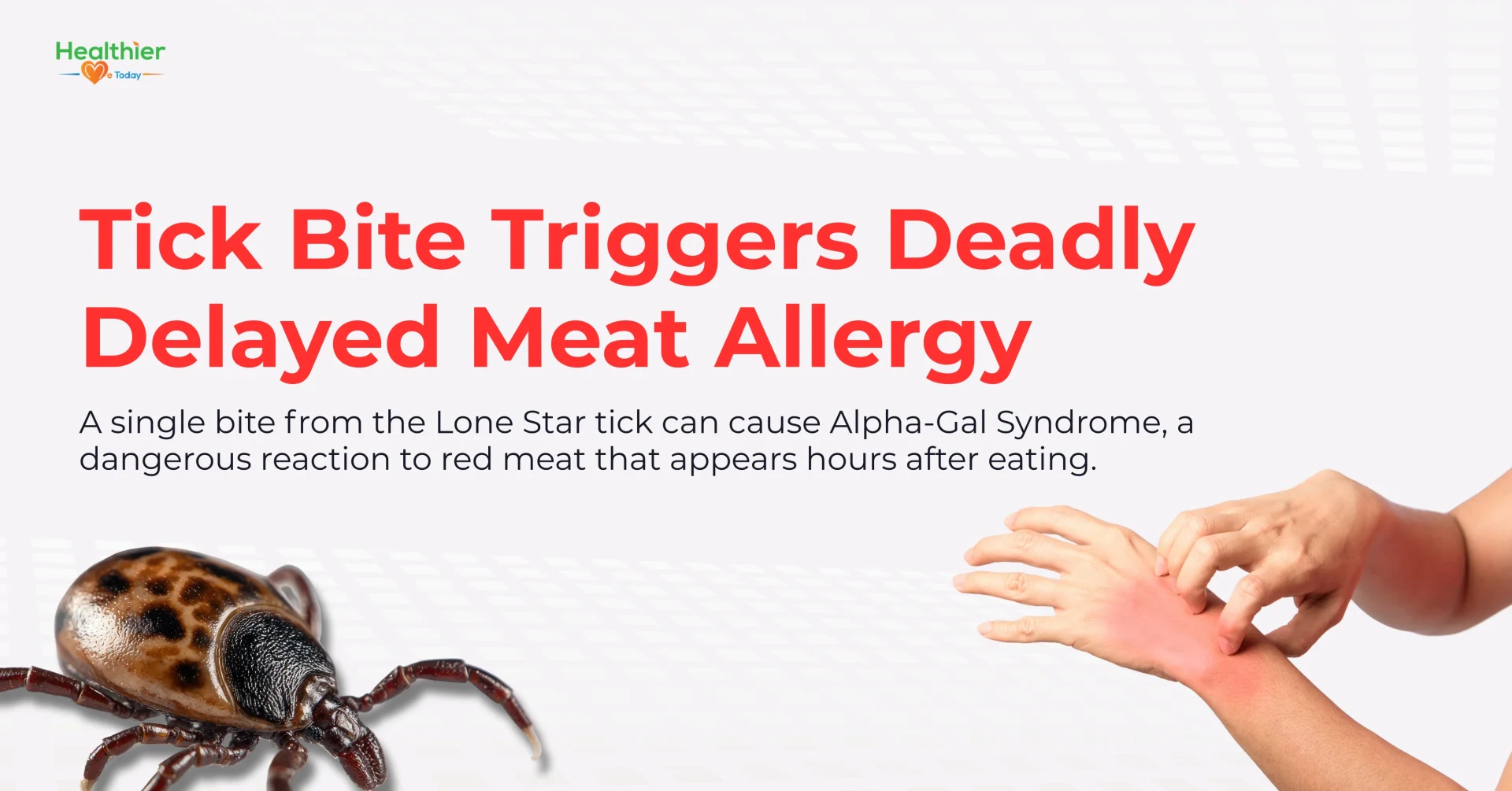
Doctors Issue New Warning After Tick Bite Triggers Fatal Meat Allergy

A tragic tick related meat allergy death in New Jersey has raised concern among health experts and the public. A single tick bite can cause a severe allergic reaction to red meat, and it can even be life-threatening.

This article explores what causes alpha gal allergy, the alarming symptoms of a tick-borne meat allergy, and the dietary changes that may result. Recent reports of tick related meat allergy death cases have pushed health experts to warn the public about the growing risks of Alpha-Gal Syndrome in the U.S.

Tick Related Meat Allergy Death: Understanding the Growing Alpha-Gal Syndrome Risk 

Alpha-Gal Syndrome begins when the immune system becomes sensitive to a molecule called alpha-gal, a sugar found in most mammal-based foods and products. The body normally has no issue with this molecule, but things change after a tick bite introduces alpha-gal into the bloodstream, causing the immune system to see it as a danger. Once this happens, the body starts producing antibodies that react whenever foods containing alpha-gal are eaten, especially red meat like beef, pork, and lamb, as well as venison, and even products made with animal-derived gelatin or fats. As a result, following alpha gal dietary restrictions becomes essential to prevent allergic reactions.

What makes this condition stand out from typical food allergies is the delayed reaction. Instead of reacting within minutes, symptoms can appear 3 to 8 hours after eating, often at night after a dinner containing red meat. As more people learn about it, every new case of tick-borne meat allergy in the USA shows how common and serious this condition has become. This tragic tick related meat allergy death has highlighted how a single tick bite can cause a delayed but deadly immune reaction when red meat is consumed.

First Confirmed Alpha-Gal Syndrome Death Raises Concern

In the United States, Alpha-Gal Syndrome has become a growing public health concern, especially after the first confirmed fatal case linked to tick-related meat allergy was reported in New Jersey. According to medical reports, the man experienced a severe anaphylactic reaction after eating red meat, hours after a Lone Star tick bite had sensitized his body to alpha-gal [rheumatologyadvisor.com]. This case was officially recognized as the first documented AGS-related death in the country.

First Confirmed Alpha-Gal Syndrome Death Raises Concern (1)

The CDC has also reported that thousands of suspected AGS cases now appear each year, particularly in the South, Midwest, and Mid-Atlantic states, where the Lone Star tick population continues to expand. Health officials warn that as the tick spreads northward, more residents who spend time outdoors may unknowingly develop alpha-gal sensitivity.

This rise in cases, combined with the New Jersey fatality, has pushed AGS back into national headlines, reminding Americans that a simple tick bite can lead to a serious and sometimes life-threatening allergy. Many physicians are urging people to learn the symptoms, check themselves after outdoor activities, and seek medical care if they develop unusual reactions after eating red meat.

Symptoms of Tick-Related Meat Allergy

After a tick bite, the body can respond unusually to red meat, making it important to watch for symptoms that appear hours after eating.

Symptoms of Tick-Related Meat Allergy
Early warning signs include:

  • Itching or hives
  • Nausea or vomiting
  • Swelling of the lips, face, or throat
  • Stomach cramps or diarrhea

Symptoms may include chest pressure, shortness of breath, and sudden drops in blood pressure.

Managing the Allergy and Dietary Restrictions

When facing red meat allergy from ticks, managing alpha-gal syndrome requires eliminating all red meat and avoiding foods that have alpha-gal [affinityhealth.co.za]. This involves steering clear of beef, pork, lamb, and game meats, as well as products that contain ingredients derived from mammals, such as gelatin, certain dairy products, animal fats, and certain processed foods.

Because reactions can be unpredictable and sometimes severe, good meat allergy management also means being prepared for accidental exposure. Carrying antihistamines and, in more serious cases, an epinephrine auto-injector can provide quick intervention if symptoms suddenly appear.

Preventing Tick-Borne Allergies

Reducing the risk of tick-borne allergies begins with limiting exposure to ticks.

Here’s how to prevent tick-borne allergies:

  • Apply tick repellent to your skin and clothes.
  • When in tick-prone areas, wear long sleeves and pants to protect your skin.
  • After outdoor activities, check your body carefully.
  • Remove ticks immediately with fine-tipped tweezers.

Being proactive about tick prevention can reduce the risk of developing AGS and other tick-borne diseases.

Living with Alpha-Gal Syndrome

Even after the first reactions, living with Alpha-Gal Syndrome can be challenging over the long term. The long-term alpha gal effects mean that many people need to stay cautious with red meat and other mammal-based foods for years, making thoughtful diet and lifestyle choices essential [wyndly.com].

Living with Alpha-Gal Syndrome - alpha gal syndrome death
And treatment for alpha gal syndrome is not just about handling reactions as they happen; it also means making long-term lifestyle changes and learning which foods and products to avoid. With careful planning, ongoing awareness, and guidance from healthcare professionals, people can continue to live an active and fulfilling life while effectively managing the condition.

Tick Safety Tips

Implementing basic safety measures while enjoying the outdoors can minimize tick bites and reduce the risk of conditions such as a red meat allergy caused by ticks [healthline.com].

Here are some tick safety tips to keep you safe:

  • Choose light-colored clothing to help spot ticks more easily.
  • Use repellents that contain DEET or permethrin.
  • Check your whole body after outdoor activities.
  • Shower within 2 hours of coming indoors.

These precautions not only prevent AGS but also protect against other tick-borne illnesses.

Conclusion: Staying Safe and Informed

Alpha-Gal Syndrome can happen after a tick bite triggers your body to react to a sugar called alpha-gal, which is found in a lot of mammal-based foods. Once your immune system becomes sensitive to it, eating red meat or any food containing animal gelatin can trigger an allergic reaction. To stay safe, it’s important to know the foods to avoid alpha gal. As awareness grows, tick-borne allergy news is helping people learn more about the risks and recognize symptoms earlier, so they can take action before a reaction becomes serious.

FAQ’s:

What is alpha gal syndrome?

Alpha-Gal Syndrome is a delayed allergic reaction triggered by a tick bite. It makes the body sensitive to a sugar molecule called alpha-gal, which is found in red meat and other products from mammals. When the immune system creates antibodies against alpha-gal, eating foods like beef, lamb, or pork, or consuming products with animal gelatin, can trigger symptoms. These reactions can range from mild hives to severe anaphylaxis, and in rare, untreated cases, complications have been linked to alpha gal syndrome death when the allergic response becomes life-threatening.

Can tick bites really cause a meat allergy?

Yes. When certain ticks bite, they can trigger the immune system to react abnormally to red meat. After the bite, the body may start treating meat as an allergen, leading to what is known as a tick bite meat allergy, where symptoms only appear once meat is eaten again.

What caused the first reported death linked to alpha gal syndrome?

The first death from tick-related meat allergy in the U.S. happened when a man ate red meat after a tick bite. His immune system reacted severely to alpha-gal, leading to a fatal anaphylactic response. This alpha-gal syndrome fatality is now recognized as the first confirmed case in the country, highlighting the serious risks associated with tick bites and the importance of early awareness and prevention.

What are symptoms of tick-related meat allergy?

Tick exposure symptoms include hives, swelling, nausea, vomiting, stomach pain, and severe reactions like chest tightness and difficulty breathing. Symptoms may appear hours after eating red meat.

Which tick species causes alpha gal syndrome?

The Lone Star tick is the primary species linked to Alpha-Gal Syndrome, and its bite is most commonly associated with what many refer to as lone star tick meat allergy. While other tick species worldwide have also been linked to alpha-gal sensitivity, they occur far less frequently and are not considered major drivers of the allergy.

Can alpha gal syndrome be cured?

Currently, there is no permanent cure for Alpha-Gal Syndrome because the allergy stems from an immune response triggered by a tick bite. However, symptoms can improve over time, especially if further tick exposure is avoided, since antibody levels may gradually decrease.

How do you prevent tick-borne meat allergies?

Preventing tick-borne allergies involves avoiding tick habitats, using repellents, wearing protective clothing, checking the body after outdoor exposure, and promptly removing ticks.

Who is at risk of alpha gal syndrome fatal reactions?

Anyone bitten by a tick carrying alpha-gal is at risk. Those with previous tick bites or allergies may have a higher chance of severe reactions, including tick bite meat allergy death. Vigilant monitoring and avoidance are essential.

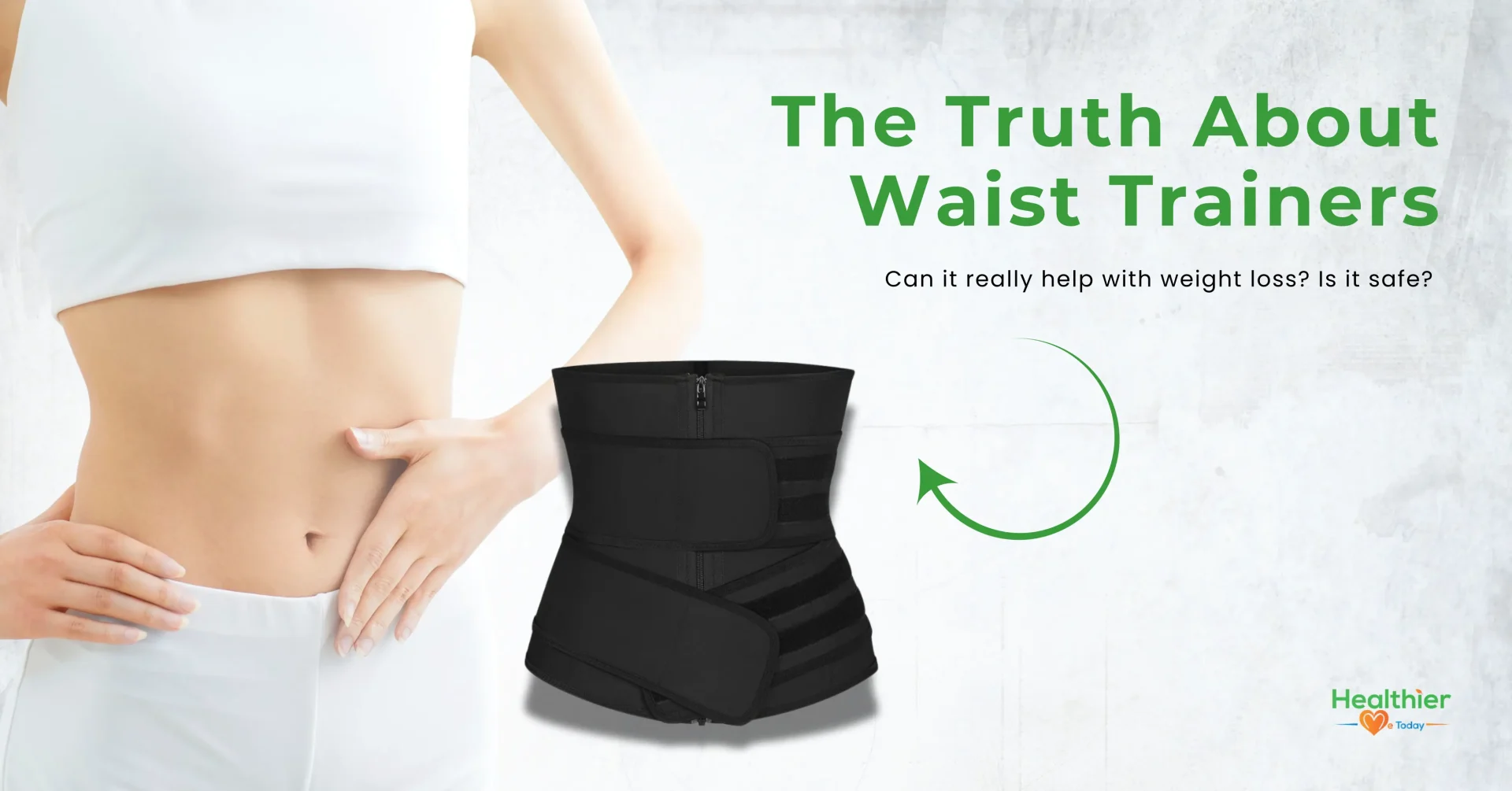
Everything You Need to Know About Waist Trainers

Women have been wearing waist trainers for weight loss for generations, and the most commonly known is the corset, which women started wearing as far back as the 16th century.

Waist trainers never truly left the fashion world, but they became less popular over time, with only a handful of women still practicing this slimming technique. However, going back to the classics, many exercise brands and fitness enthusiasts promote and design waist trainers to aid in weight loss and posture.

Waist trainers have become increasingly popular, ranging in color, size, and shape.

Why are Waist Trainers Beneficial to Weight Loss?

Waist trainers are unlike the old-fashioned corset, which was primarily used to visually shrink the waist and give the illusion of a slight build. Corsets also cause deformities such as rib and spine damage, weakened core, and other dangerous disadvantages.

waist trainer benefits

The waist trainer is designed for health over cosmetics. It is an aid in losing weight and does quite the opposite of the corset mentioned above. They strengthen your abdominal muscles by giving support, help build a more natural hourglass shape, and increased sweating helps reduce body fat.

Providing better posture and even postpartum support can help shrink inches off your waist if worn correctly and used during exercise. It is essential to get the right size that fits your body well and is not too tight, as this will cause the same health risks that corsets caused people back then.

The Different Waist Trainers

Waist trainers typically differ in color, size, and shape. So which one should you get?

Here’s a breakdown:

1. Lady Slim Waist Trainer

This waist trainer comes in different colors and patterns to choose from. So whether you’d like a beautiful blue leopard print or you want to keep it simple with neutral beige, this waist trainer is sure to have what you need to pick your perfect style.

Latex is no stranger to the exercising world, and with this material giving off a sauna-like effect when worn, it’s no surprise that this will make you sweat! Which we all know helps with losing weight. With the 100% natural latex, it’s sure to help reduce fat deposits and reshape, giving you unique curves.

With its flexible boning, it will also benefit from getting better posture, which will strengthen the core muscles. To ensure the correct fit, it is advised to measure the waistline and check the measurements table of the product to make sure the right size is chosen for your body.

2. HOPLYNN Neoprene Sweat Waist Trainer

Add this waist trainer to your exercise equipment for faster results when working out! Having double coverage of the stomach will help with high-intensity workouts, promoting more sweat and heat. You will burn more inches off your waist wearing this trainer.

HOPLYNN Neoprene Sweat Waist Trainer
It’s designed for top-range quality and is insulated for concealing warmth, making it a must-have for when you choose to do some outside activities in the colder seasons. Cold muscles tend to contract and cause pain, so it is ideal to keep them warm, especially while doing strenuous activities.

This waist trimmer is also flexible and ultra-lightweight, so being uncomfortable is not a worry when moving around.

3. Waist Trimmer Trainer Belt

This training belt is ideal for intense and fast-paced workouts, as it features a grid surface that prevents it from moving around or slipping during use. Unlike other belts, which feature straight-line cutting, this one has curve-cutting on either side, creating an instant hourglass figure by pulling to achieve a snug fit.

With four bones stitched inside, they act as a lumbar back brace with ample support. This also aids in better posture. Don’t let the soft feel trick you. This neoprene material will have you dripping with sweat during your subsequent workout [sewport.com].

Unlike most waist trainers, this one is available for both men and women.

4. YIANNA Waist Trainer

With a fantastic range of different sizes, this waist trainer is sure to have one that will hug your body perfectly. It can be worn under clothes, or if you are allergic to the 100% latex rubber material, you can wear it outside [my.clevelandclinic.org].

It provides excellent abdominal control, and with its higher price compared to other generic types, the increased surface coverage means more fat is burned, leading to increased sweating and more noticeable results. With nine built-in steel bones, this trainer is compelling.

This trainer, acting as a trimmer, is crafted with attention to detail, from its close-fitting structure to the small material that protects the skin from irritation, situated under the pull hook on top of the metal zipper. This waist trainer is created for durability and security.

5. TrainingGirl Women Waist Trainer

Being 100% Latex and made from stretchy, durable, and flexible Neoprene material, this waist trainer ensures no skin irritation. With its design and quality, it stays put without rolling up or jabbing into you like other belts. It is also easy to clean, which is excellent news, and it is sure to make you sweat!

TrainingGirl Women Waist Trainer

It has three rows of hooks and a zipper to fit your physique and curves perfectly, not to mention also having a double adjustment durable belt closure waistband to aid in compression of the stomach and waist. Not only does this waist trainer help you lose weight, but it also lifts your chest, corrects lousy posture, prevents a herniated disc, and relieves back and lumbar pain.

It can take 3-4 inches simply by wearing it, making it function as both shapewear and a workout tool. Either gender can wear it, and it provides excellent support while working out at the gym, participating in sports, or doing home workouts.

The Do’s & Don’ts

While waist trainers can offer real benefits when used correctly, they also come with potential risks if misused. Wearing one too tightly or for too long can lead to discomfort, restricted breathing, weakened core muscles, or even internal strain. Some people also experience skin irritation or dizziness from excess sweating.

That’s why it’s important to know how to use a waist trainer safely and responsibly. Follow these key do’s and don’ts to make the most of your waist training experience without putting your health at risk.

Do’s Description Don’ts Description
Choose the right size Measure your waist before buying. A waist trainer that’s too tight can cause bruising or breathing issues, while one that’s too loose won’t deliver results. Don’t wear it too tight Over-tightening can restrict breathing, reduce oxygen flow, and cause internal problems. It should feel snug, not suffocating.
Start slow Begin with 1–2 hours a day and increase gradually as your body adjusts. Don’t wear it for long hours Avoid all-day or overnight use, it can weaken your core muscles instead of strengthening them.
Pair it with exercise Use it alongside workouts and a balanced diet, it supports your routine, not replaces it. Don’t skip proper cleaning Clean your waist trainer regularly to prevent odor buildup and skin irritation.
Stay hydrated Waist trainers increase sweating, so drink plenty of water to avoid dehydration or dizziness. Don’t rely on it alone for weight loss It enhances results but can’t replace exercise and healthy eating.
Listen to your body If you feel pain, shortness of breath, or numbness, remove it immediately. Comfort and safety come first. Don’t ignore medical advice Consult your doctor if you have respiratory issues, back pain, or have recently given birth.

Conclusion: Train Your Knowledge Too!

Waist trainers are no longer just about looks. When chosen carefully and used properly, they can support posture, encourage sweating during exercise, and even provide postpartum support. They are most effective when combined with a balanced diet, consistent exercise, and safe usage that avoids the health risks associated with overly tight fits. The right trainer can give both physical results and added confidence.

If you’d like to track your progress, use our Reverse BMI Calculator.

For more health insights, tips, and guidance, explore other articles on Healthier Me Today. 

FAQ’s:

How do waist trainers work?

Waist trainers wrap tightly around your waist, giving you an instant slimmer shape. They also increase heat and sweating during workouts, which can make you feel like you’re burning more. 
Plus, they help with posture by keeping your core supported [healthline.com].

How to choose the right waist trainer?

Start by measuring your waist and comparing it with the brand’s size chart. 

If you want one for:

> Workouts → Go for neoprene or latex (flexible and sweat-enhancing).
> Everyday wear → Choose steel-boned for smoother shaping.
> Beginners → Stick to softer, more flexible materials.

When to consult a healthcare professional about waist trainers?

If you have back, heart, or breathing problems, check with your doctor before starting. The same goes for anyone pregnant, recovering from surgery, or experiencing pain while wearing one.

Does a waist trainer actually work?

Yes, but only to an extent. It makes your waist look smaller right away and boosts sweating, but lasting changes only come with diet and exercise. Think of it as an accessory to your fitness routine, not a magic solution.

Does waist training flatten your stomach?

Not directly. Waist trainers create a slimmer appearance, but fat loss comes from healthy eating and regular workouts. The trainer can help with posture and water weight, but lifestyle changes drive the real progress [vinmec.com].

How long does it take for a waist trainer to flatten your stomach?

Results vary. Some notice a difference in a few weeks from posture changes and water loss. Fat reduction takes longer, usually months, and depends more on consistency with healthy habits than the trainer itself.

Are waist trainers safe to use for weight loss?

They’re safe if you don’t overdo it. Pick the right size, don’t wear it too tight, and limit wear time to a few hours a day. If you feel discomfort, loosen it or take it off.

Can you exercise while wearing a waist trainer?

Yes. They’re often used during workouts to encourage sweating and improve posture. Just make sure you can still breathe comfortably, especially during cardio. If it feels too restrictive, switch to a lighter one [webmd.com].

What is the difference between a waist shaper and a waist trimmer?

> Waist shaper → Designed for looks, worn under clothing for a smooth, slim figure.
> Waist trimmer → Used during workouts, usually made of neoprene, to increase sweating around the core.

Can waist trainers help with posture improvement?

Yes, they can. Waist trainers encourage you to sit or stand straighter, which can relieve some back strain. But they shouldn’t replace core-strengthening exercises, which give lasting posture support.

What are the side effects of waist trainers?

Wearing them too tightly or for too long can cause discomfort, heartburn, or shortness of breath. Some people also notice skin irritation. The safest approach is to wear the right size, limit use, and take breaks.

Which waist trainer is most recommended for beginners?

A neoprene or latex trainer is ideal for beginners. They’re flexible, easier to move in, and comfortable for workouts. Avoid heavy steel-boned options at first until you get used to waist training.

Is Chagas Disease the Next Global Health Concern?

Chagas disease, a sneaky parasitic infection, affects 6-7 million people worldwide, often staying silent for years. A kissing bug bite in rural Latin America or southern U.S. states could catch you, your family, or your pets off guard. If you travel, live rurally, or own pets, this quiet threat might spark curiosity. This guide covers what Chagas disease is, its symptoms, spread, and easy ways to stay safe.

What Is Chagas Disease?

Chagas disease, also known as American trypanosomiasis, is caused by the Trypanosoma cruzi parasite, which is transmitted by a kissing bug in rural areas of Mexico, Central America, or South America. A bug bites you, leaving infected feces that can enter through your skin, eyes, or mouth. Approximately 30% of cases result in heart or digestive issues if left untreated.

chagas disease
Rural residents, travelers, or those in mud-walled homes face a higher risk. In the U.S., approximately 300,000 people may have it, often without being aware. Knowing the basics helps you stay cautious. Kissing bugs, sometimes called kissing beetles, spread Chagas disease by biting near your mouth or eyes at night, causing 60% of cases in rural Latin America. They hide in cracks of mud or adobe homes.

You can also get it from tainted food, blood transfusions, organ transplants, or mother-to-baby transmission (5% of cases). Rural areas, campers, or travelers in low-quality housing are most at risk. In the U.S., kissing bug bites are found in states such as Texas. Checking your sleeping area lowers risk.

Acute Symptoms of Chagas Disease

Early Chagas disease symptoms, lasting weeks to months, are mild, affecting 50% of people. You might think it’s a cold. Children under five or travelers new to rural Latin America tend to notice them more.

Watch for these signs:

  • Swelling or redness at the bite
  • Fever or chills
  • Fatigue or aches
  • Rash or itchy skin
  • Swollen eyelids (Romaña’s sign)
  • Slight liver or spleen enlargement.

Chronic Symptoms of Chagas Disease

Untreated, 20-30% of Chagas disease cases turn serious 10-20 years later. Heart issues affect 70% of chronic cases, while digestive problems occur in 20%. Adults over 40 or those with weaker immune systems are at risk, and symptoms can disrupt life [who.int].

Look for these:

  • Irregular heartbeats
  • Chest pain
  • Trouble swallowing
  • Severe constipation
  • Dizziness or fainting

Diagnosis and Treatment of Chagas Disease

Diagnosing and treating Chagas disease involves specific tests and drugs. Chagas disease treatment and American trypanosomiasis treatment are most effective when initiated early, with 60-80% success rates in the acute phase; however, chronic cases are more challenging [who.int].

Diagnosis and Treatment of Chagas Disease
Here’s how it works:

Blood Test

A blood test checks for Trypanosoma cruzi antibodies to confirm the presence of the infection. It’s reliable, costing $50-$200 at most labs. You’ll need a clinic visit, but community health centers often have more affordable options.

PCR Test

A PCR test detects parasite DNA in blood, making it ideal for identifying early cases [pmc.ncbi.nlm.nih.gov]. It’s precise but less common, costing $100 to $300. If you’ve been in an endemic area, this test can help.

ECG/Imaging

ECG or imaging, such as echocardiograms, tracks heart damage in chronic cases, identifying irregular rhythms. Costing $100-$500, they need a clinic. They’re vital for long-term symptom management.

Benznidazole

Benznidazole kills the parasite in the acute phase, with a 60-80% cure rate. It costs $200-$500 and may cause nausea. You’ll need a prescription and check-ins.

Nifurtimox

Nifurtimox, another drug, works for early cases, matching benznidazole’s effectiveness. It costs $200-$500 and might cause dizziness [pmc.ncbi.nlm.nih.gov]. It’s an option if benznidazole isn’t right.

Supportive Care

Supportive care manages chronic heart or digestive issues, improving quality of life. Costs vary, from heart medications to diet changes. It’s key for advanced symptoms.

Prevention of Chagas Disease

Stopping Chagas disease spread is straightforward, with 70% of cases preventable through simple habits, especially for travelers or rural residents [cdc.gov].

Try these:

  • Use insect repellent and treated bed nets in rural areas.
  • Seal cracks in mud or adobe home walls.
  • Avoid unpasteurized drinks or undercooked food in risky regions.
  • Screen blood or organ donations in areas with endemic diseases.
  • Keep pets indoors at night to prevent kissing bugs from entering your home.
  • These steps help travelers or those in southern U.S. states stay safe.

What to Do If You’re Concerned About Chagas Disease

Concerned About Chagas Disease

Worried about Chagas disease after a trip to Latin America or a possible kissing bug bite? Check for bite marks, swelling, or fever. Talk to a friend for support. Blood tests at community clinics, which cost $50-$100, can confirm an infection. Watch for lethargy in pets, as Chagas disease in dogs can occur. Using bed nets or inspecting your home can ease worries.

Conclusion: Worth The Attention?

Chagas disease may not be a topic that frequently comes up in daily conversations, but its impact on millions makes it a worthy subject of attention. A single kissing bug bite can lead to heart or digestive issues years later, but you don’t need to lose sleep over it. Knowing Chagas disease symptoms and risks empowers travelers, rural residents, and pet owners to act smartly. Simple tests, such as a $50 blood test, can catch it early, and preventive steps, like using bed nets or sealing home cracks, are easy to adopt.

Whether you’re planning a trip to Latin America or live in a southern U.S. state, small habits can keep you and your pets safe.

FAQ’s:

What is Chagas disease, and how do people get it?

Chagas disease is a parasitic infection caused by Trypanosoma cruzi, affecting 6-7 million people globally. You get it from a kissing bug bite, contaminated food, blood transfusions, organ transplants, or mother-to-baby transmission. Rural areas in Latin America, as well as poor housing, increase your risk.

What insect spreads Chagas disease?

The kissing bug, also known as a kissing beetle, spreads Chagas disease through bites, leaving infected feces near the skin. These bugs are common in rural areas of Latin America and southern U.S. states, such as Texas. Using bed nets and sealing home cracks can reduce exposure.

What are the early and late symptoms of Chagas disease?

Early Chagas disease symptoms include fever, fatigue, swelling at the bite, or swollen eyelids, often mild and flu-like. Late symptoms, appearing years later, include heart issues like irregular heartbeats or digestive problems like constipation. Early detection through blood tests is key to managing risks.

How dangerous is Chagas disease if untreated?

Untreated Chagas disease can be severe, with 20-30% of cases leading to chronic heart or digestive issues. Heart failure or severe constipation can disrupt life, especially in older adults. Early treatment with drugs like benznidazole can prevent these complications.

How is Chagas disease diagnosed and treated?

Chagas disease is diagnosed through blood tests for parasite antibodies or DNA, which typically cost between $50 and $300. Chagas disease treatment with benznidazole or nifurtimox is 60-80% effective in the acute phase but less so in chronic cases. Supportive care manages heart or digestive complications in later stages of the disease.

Can Chagas disease be prevented?

Yes, Chagas disease can be prevented by using insect repellent, bed nets, and sealing home cracks in rural areas. Avoiding contaminated food or unpasteurized drinks helps, as does screening blood or organ donations. These steps cut transmission risk by up to 70%.

Is Chagas disease spreading in the U.S.?

Chagas disease spread is limited in the U.S., with an estimated 300,000 cases, primarily in southern states. Kissing bugs are found in Texas, Arizona, and other warm areas, but human cases are rare. Increased travel and climate changes could raise risks, so vigilance is key.

Which states have reported Chagas cases?

Chagas disease cases are reported in southern U.S. states, including Texas, Arizona, California, and Louisiana, where kissing bugs are prevalent. About 300,000 people, often immigrants from Latin America, are affected. Local transmission is low but possible, especially in rural areas.

Can pets or wildlife carry Chagas disease?

Yes, Chagas disease can occur in dogs and wildlife, such as raccoons or opossums, as they can carry the Trypanosoma cruzi parasite. Infected pets may exhibit lethargy or cardiac issues, posing a minimal risk to humans. Keeping pets indoors at night reduces their exposure to potential hazards.

Could the COVID-19 Vaccine Be the Key to Curing Cancer?

A recent journal publication has sparked conversations all around the world. The researchers explored whether the same vaccine that helped end a global pandemic could also help the body fight cancer.

Could this be the start of a cancer vaccine, or at least a major step toward finally understanding how to defeat a disease that has taken billions of lives?

This is what you need to know about cancer and COVID 19 vaccines…

The Cancer and Covid 19 Vaccine Study

Scientists wanted to know if the COVID-19 vaccine could do more than protect people from the virus, could it actually help the body fight cancer too?

cancer and covid 19 vaccine

In a new Nature study, researchers looked at people who had both the COVID shot and cancer, specifically lung cancer and melanoma, and found something remarkable. Cancer patients who received their vaccine around the same time as their treatment seemed to respond better. Their immune systems appeared more active and better able to recognize and attack cancer cells.

This discovery has created hope that the same mRNA technology used in COVID-19 vaccines might one day be used to design personalized cancer treatments (which will be explained thoroughly in the next section).

How the COVID Vaccine Could Help Fight Cancer

To understand how the COVID-19 vaccine could play a role in cancer treatment, it helps to know what’s happening on a microscopic level.

When someone receives an mRNA COVID-19 vaccine, their body gets a small piece of genetic code called messenger RNA. This mRNA carries instructions that tell cells to make a harmless version of the coronavirus spike protein, the same one found on the surface of the virus. Once your immune system notices this new protein, it reacts by sending out antibodies and activating T cells, the body’s natural defenders.

Here’s where things get interesting for COVID and cancer patients. That same immune reaction doesn’t just help protect against COVID-19, it can also “wake up” the immune system in general. In cancer, one of the biggest challenges is that tumors often “hide” from immune cells by sending out signals that make the body ignore them. But after vaccination, immune cells become more alert and active, which can make them notice and attack cancer cells that were previously overlooked.

In lab studies, researchers found that the mRNA vaccine triggered a surge in type I interferons,  molecules that help alert the immune system that something foreign is present [nature.com]. This reaction made tumors more sensitive to treatments like immunotherapy, which works by blocking the “off switches” cancer cells use to escape attack.

What About Different Cancer Types?

Not all cancers behave the same way. Each type grows, spreads, and reacts to treatment differently, which is why one discovery doesn’t automatically apply to every case [cancer.gov]. For example, breast cancer forms in glandular tissue and often depends on hormones, while brain or pancreatic cancers can spread quickly and resist many treatments. Because of these differences, scientists are now studying how the immune boost from the COVID-19 vaccine might affect each kind of cancer uniquely.

cancer and covid 19 vaccine
Here’s what they know so far:

Cancer Type When & Where Who Conducted It Study / Paper Name Stage of Evidence What Researchers Found or Are Testing
Lung & Skin (Melanoma) October 22, 2025, Published in Nature Adam J. Grippin and team, MD Anderson Cancer Center + University of Florida SARS-CoV-2 mRNA Vaccines Sensitize Tumours to Immune Checkpoint Blockade Human study (retrospective) + animal models The first clear evidence that cancer patients who got an mRNA COVID-19 vaccine within 100 days of starting immunotherapy lived longer. Scientists found the vaccine boosted type I interferons and helped immune cells target tumors more effectively [nature.com].
COVID and Pancreatic Cancer May 10, 2023, Published in Nature Dr. Vinod Balachandran, Memorial Sloan Kettering Cancer Center (MSKCC) Personalized mRNA Vaccine for Pancreatic Cancer Phase 1 human trial After surgery, patients received an mRNA vaccine designed specifically for their tumor. About half developed strong immune responses, and some showed delayed cancer recurrence. Larger trials are underway to confirm if this truly improves survival [nih.gov].
Breast Cancer 2024 – 2025, Multiple reviews (Frontiers in Oncology, Nature Reviews Cancer) Various research groups worldwide Advances in mRNA Vaccine Therapy for Breast Cancer Preclinical / planning early human trials Scientists are designing mRNA vaccines that target proteins like HER2 and MUC1, common in breast tumors. So far, testing has only been in mice or lab cells, there is no proof of the breast cancer and covid vaccine link [pmc.ncbi.nlm.nih.gov].
COVID and Prostate Cancer 2025, Reviews and lab studies (Drug Discovery Today: Disease Models, J. Nanobiotechnology) Research teams in China and U.S. Key Considerations for a Prostate Cancer mRNA Vaccine Preclinical / design phase Early experiments using mRNA to make the body target prostate-specific antigens (like 5T4 and CD70) show promise in animals. Human trials are expected but not yet proven [jnanobiotechnology.biomedcentral.com].
COVID Vaccine and Brain Cancer (Glioblastoma) May 1, 2024, University of Florida Study + NCI Update (June 11, 2024) Dr. Elias Sayour and colleagues, University of Florida + National Cancer Institute (NCI) First-in-Human mRNA Vaccine for Glioblastoma Very early human (4 patients) + canine model In dogs with aggressive brain cancer, the mRNA vaccine helped them live ≈ 4× longer than usual. A small human trial showed immune activation in the brain, hopeful but far from proof [cancer.gov].
Melanoma (mRNA platform milestone) October 28, 2024, Phase 3 trial launched Moderna & Merck mRNA-4157 (V940) + Pembrolizumab Trial Phase 3 human clinical trial The first large-scale test combining a personalized mRNA vaccine with immunotherapy in melanoma. Its success could confirm that mRNA vaccines work beyond COVID-19 [merck.com].

The Reality for Cancer Patients Today

Right now, the link between cancer and covid vaccine offers hope, but not a cure just yet [nature.com]. For people currently undergoing treatment or those newly diagnosed, this research doesn’t change how doctors treat cancer today, but it does open a new chapter in how scientists think about the immune system’s role in fighting the disease.

Cancer patients are often more vulnerable to infections because their immune systems are weakened by chemotherapy, radiation, or surgery. For this reason, staying protected against viruses like COVID-19 remains important. Getting vaccinated helps lower the risk of severe illness, hospital stays, and complications that could delay or interrupt cancer treatment.

For newly diagnosed patients, doctors are keeping a close eye on ongoing studies to understand whether timing the vaccine around cancer therapy could make a difference. Some evidence suggests that receiving an mRNA vaccine before or during immunotherapy might help the body respond better, but this is still being tested.

In the meantime, medical experts encourage patients to continue following their doctors’ advice.

The “Turbo Cancer” Theory (Fact or Fear?)

Over the past few years, social media has been filled with alarming claims about covid vaccine and turbo cancer, a term some people use to describe supposedly “sudden” or “fast-growing” cancers appearing after vaccination. However, scientific research and medical experts have repeatedly stated that there is no evidence to support these claims [respectfulinsolence.com].

covid vaccines and cancer

Cancer can develop or progress quickly for many different reasons, such as genetics, late detection, or aggressive tumor types, and these can happen regardless of vaccination. In fact, large-scale studies show that COVID-19 vaccines do not increase the risk of developing cancer [wilfordhall.tricare.mil]. Instead, they protect vulnerable people, including those already battling the disease, from severe infection. Scientists emphasize that mRNA vaccines don’t alter DNA or cause genetic changes that could lead to cancer, they simply deliver short-lived instructions that teach the immune system how to fight viruses.

Conclusion: What’s Next for COVID Vaccines and Cancer Research

The discovery linking the cancer and covid 19 vaccine has opened the door to a completely new way of thinking about how the immune system can fight diseases. What started as a global effort to protect people from a virus may have uncovered clues that could one day help treat cancer. From boosting immune responses to improving how the body reacts to therapies like immunotherapy, this finding is giving researchers and patients a renewed sense of hope. Although the work is still in its early stages, it proves just how powerful scientific progress can be when the world comes together.

Could the COVID 19 pandemic actually start to be a good thing? Only time will tell. For more news-related articles and health advice, subscribe to our newsletter or follow us on social media. We never miss a thing, and you don’t have to either. 

FAQ’s About Cancer and COVID 19 Vaccine:

Should cancer survivors get the COVID vaccine?

Yes, most experts agree that cancer survivors should receive the COVID-19 vaccine, as it helps strengthen their immune protection against severe illness. For those who’ve completed treatment, vaccination is generally safe and recommended once their immune system has recovered.

In particular, the topic of the breast cancer survivor and covid vaccine has received a lot of attention. Studies and health organizations confirm that the vaccine does not increase the risk of recurrence or interfere with recovery. Instead, it offers valuable protection to people whose immune systems may still be rebuilding after treatment. Survivors should always discuss timing with their doctors to ensure it aligns with their overall care plan.

Can the COVID-19 vaccine replace traditional cancer treatments in the future?

Not at all, at least not anytime soon. Current evidence only suggests that the COVID-19 vaccine may boost the immune system in a way that helps certain cancer treatments work better, such as immunotherapy. It does not replace chemotherapy, radiation, or surgery. 

However, the same mRNA technology used in the vaccine is now being adapted for experimental cancer vaccines that aim to target specific tumor cells. These are still in early stages of testing, but scientists believe they could one day complement standard treatments, not replace them.

How did scientists first notice a possible connection between the COVID-19 vaccine and cancer treatment outcomes?

Scientists first began exploring the link between cancer and covid 19 vaccine after noticing improved responses in some patients receiving cancer treatments shortly after vaccination. When data revealed that these patients often lived longer or responded better to therapy, researchers started investigating whether the vaccine’s immune activation could be enhancing cancer treatments, sparking one of the most intriguing medical studies in recent years.

How AI Is Transforming Healthcare & Why It’s Not All Good News

Did you know that AI can analyze a medical image 1,000 times faster than a human doctor, and often with greater accuracy?

It sounds revolutionary, and in many ways it is. AI technology now detects early signs of cancer, predicts potential health risks, and helps doctors make faster, more precise decisions. Yet, despite these breakthroughs, many people still hesitate to trust machines with something as personal as their health. Concerns about bias, data privacy, and the loss of human empathy continue to raise an important question like should people let algorithms assist doctors, or eventually replace them?

This piece goes through all the artificial intelligence in healthcare pros and cons, so that you have a better understanding and get some answers.

Artificial Intelligence In Healthcare Past, Present and Future

Artificial Intelligence in healthcare began as a behind-the-scenes assistant. Early systems were designed to analyze data, detect patterns, and support research rather than interact with patients directly. Decades ago, AI tools like MYCIN could identify bacterial infections and recommend treatments, but they were rarely used in real hospitals due to limited data and computing power. These early experiments laid the groundwork for something far more advanced, a system that could learn from information rather than simply process it.

artificial intelligence in healthcare pros and cons

As technology progressed, AI moved from the lab into clinics. Machine learning models became capable of detecting diseases such as cancer, heart conditions, and diabetes faster and with impressive accuracy. A Stanford study, for example, showed that an AI system could diagnose skin cancer as accurately as experienced dermatologists. Hospitals began integrating AI into scheduling systems, imaging analysis, and electronic health records to help doctors save time and reduce human error.

Today, AI is no longer just an experimental tool, it’s a trusted collaborator. Doctors rely on it to confirm diagnoses, monitor patients remotely, and even predict health risks before symptoms appear. During the COVID-19 pandemic, AI-driven systems supported vaccine research, tracked outbreaks, and helped overwhelmed hospitals manage resources more efficiently. What once started as data analysis software has now become a critical partner in care, shaping how healthcare professionals make decisions and how patients experience treatment.

Now for the part you’ve been waiting for the artificial intelligence in healthcare pros and cons!

Pros and Cons of Artificial Intelligence in Healthcare

AI is reshaping how doctors work, how patients receive care, and how quickly diagnoses are made. But every major advancement comes with both opportunities and challenges [pmc.ncbi.nlm.nih.gov].

artificial intelligence in healthcare pros and cons

Let’s take a look at the artificial intelligence in healthcare pros and cons in detail:

The Pros of AI

Benefit Explanation
More accurate diagnostics AI can analyze medical images in seconds and detect patterns invisible to the human eye, helping doctors catch diseases earlier and more accurately.
Better access to medical data AI systems are great at organizing large amounts of information.
Personalized treatment for patients Instead of treating everyone the same, AI can help doctors design care plans that fit each person’s health history, genetics, and daily habits, making treatment more personal and effective.
Faster development of new medicines AI can accelerate the discovery of new drugs by helping researchers sort through tons of data and test ideas more efficiently.
Spotting health trends early By analyzing health data, AI can help predict disease outbreaks and other future health problems, giving healthcare providers a head start on prevention.
Saving time and cutting costs From booking appointments to processing insurance claims, AI can handle many routine tasks, reduce admin work, and keep things running smoothly.
Remote monitoring and care With smart devices and wearables, patients can be monitored from home, making it easier for more people, especially those in rural areas, to access healthcare.
Informed and involved patient engagement AI-powered apps can help patients stay on top of their health by sending reminders, offering valuable tips, sharing vital information, and improving patient engagement through personalized care recommendations.
More precise surgeries Surgeons are now using AI-powered robots to make surgeries more accurate and reduce mistakes.

The Cons of AI

Benefit Explanation
Protecting patient information Raises concerns about how it is stored and managed.
Fairness concerns If the data used in AI is incorrect, it can lead to inaccurate diagnoses, being ignored, or not receiving the right treatments.
Systems that don’t work well together Many hospitals use different software systems, making it tricky to accommodate everyone when adding AI tools.
Who’s to blame when something goes wrong If an AI tool gives a bad recommendation, it’s often unclear who’s to blame… the software, the doctor, or the company that made it.
People are not trusting the tech. Some patients and even healthcare workers may be uncomfortable relying on AI, especially if they don’t fully understand how it works.
High setup and training costs Getting AI systems up and running can be expensive; it’s not just about the tools, it’s also about training staff to use them.
Risk of overreliance A risk is that healthcare professionals could rely too much on AI, causing them to lose some of their critical thinking and confidence in their own judgment.
Ethical conflicts Sometimes, AI makes a recommendation that may conflict with patient or family preferences.
Inaccurate or incomplete data If AI is supplied with wrong or old information, it can produce incorrect results that might result in poor medical decisions.
Threats Medical information can be at high risk due to cyberattacks such as malware, ransomware, and breaches of patient privacy.

So, Should It Be Trusted?

Trust in artificial intelligence doesn’t come easily, especially when it’s used in something as personal as healthcare [sciencedirect.com]. Many people admire what AI can do, from detecting diseases faster than a human eye to predicting patient risks before symptoms appear. Still, technology alone isn’t enough to create confidence. Trust grows when people understand how decisions are made, who is responsible, and how errors are handled.

pros and cons of artificial intelligence in healthcare

Most patients still value human involvement. A diagnosis feels more reliable when explained by a doctor, and compassion matters just as much as accuracy [pmc.ncbi.nlm.nih.gov]. AI can process data, but it can’t provide comfort, empathy, or emotional support, qualities that define real patient care.

The goal isn’t to replace human expertise but to combine it with the precision of technology. When used responsibly, AI has the potential to strengthen healthcare by giving professionals better tools to make faster, more informed, and more confident decisions.

Conclusion: What To Expect

Artificial intelligence is already proving that it can make healthcare faster, smarter, and more precise. It helps doctors detect diseases earlier, creates personalized treatment plans, and speeds up the discovery of new medicines. Yet, for every breakthrough, there are valid concerns, patient data security, system errors, and uncertainty about accountability when things go wrong.

The reality is that AI is neither a flawless solution nor a passing trend. It’s a tool that depends entirely on how responsibly it’s used. The future of medicine will likely belong to those who can merge technology with compassion, combining data-driven precision with the empathy and intuition that only humans bring. When that balance is achieved, AI won’t just change healthcare, it will help redefine what good care truly means.

FAQ’s About Artificial Intelligence in Healthcare Pros and Cons:

What is one thing that AI in healthcare is very good at?

One of the biggest advantages of artificial intelligence in healthcare is its ability to analyze massive amounts of medical data faster and more accurately than humans. AI can detect subtle patterns in scans, lab results, or patient histories that might otherwise go unnoticed. This helps doctors identify diseases earlier, make more precise diagnoses, and create treatment plans tailored to each patient’s unique needs, showing how the advantages and disadvantages of artificial intelligence in healthcare often come down to how it’s used and supervised.

Can medical staff lose their jobs?

AI has changed the way hospitals and clinics operate, but it’s unlikely to completely replace medical staff. Instead, it’s reshaping roles. Tasks like data entry, scheduling, or analyzing routine scans are becoming automated, allowing healthcare workers to focus more on patient interaction and complex decision-making. Rather than eliminating, AI is shifting the balance, reducing repetitive work so professionals can spend more time providing personalized care.

What happens when AI makes a mistake in treatment?

One of the major disadvantages of artificial intelligence in healthcare is the uncertainty around accountability when errors occur. If an AI system gives a wrong recommendation or misinterprets a medical image, it can directly affect patient care, and it’s not always clear whether responsibility lies with the, the hospital, or the healthcare professional who relied on it. These situations highlight the importance of oversight, transparency, and human judgment in every AI-assisted medical decision.

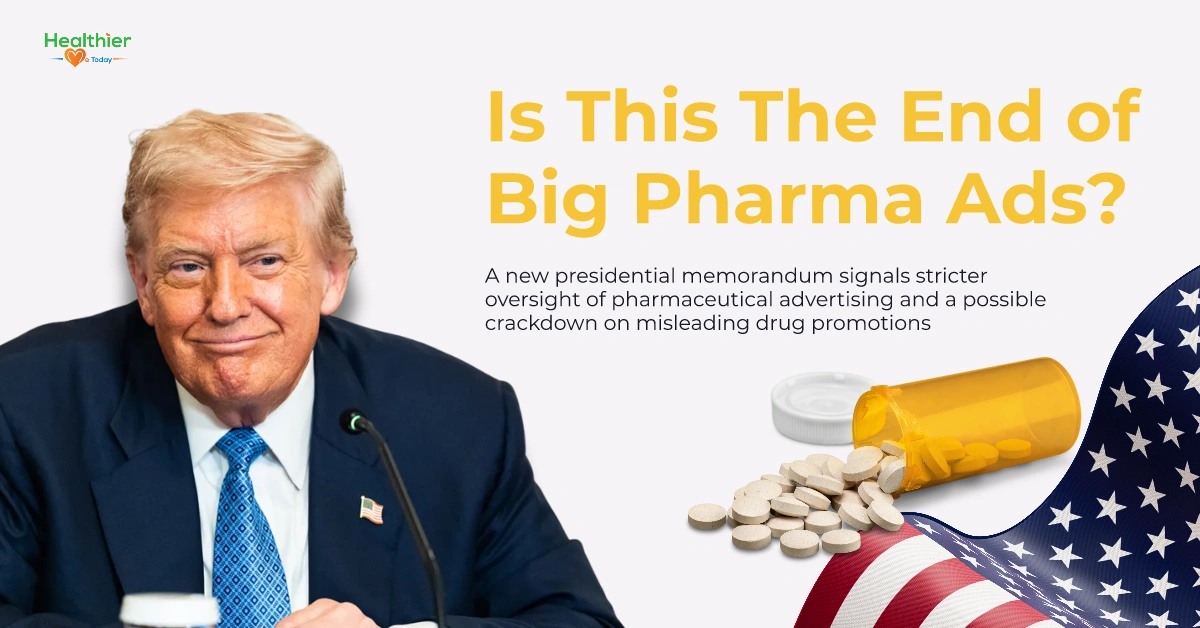
Trump’s War on Big Pharma Advertising: What You Need to Know

Artificial intelligence and healthcare may be stealing headlines lately, but another major shake-up is brewing in the United States… Trump is fighting against the pharma lobby! Prescription drug costs have long frustrated Americans, and for Donald Trump, taking on Big Pharma has remained a central part of trump healthcare campaign promises.

His latest move, a presidential memorandum signed on September 9, 2025, marks another step in his ongoing effort to reshape pharmaceutical advertising regulation and increase drug price transparency across the U.S. healthcare system.

The question now is whether this is merely a warning shot or the start of a broader crackdown on Big Pharma advertising. Find all the information about the Trump ban on pharma ads you need right here!

Trump vs Pharmaceutical Industry Throughout The Years

Few political fights have been as persistent, or as personal, as Donald Trump’s war with Big Pharma. For nearly a decade, he’s turned the spotlight on what he calls America’s biggest healthcare hypocrisy (drug companies charging U.S. patients far more than anyone else in the world, then spending billions to convince them it’s justified).

pharmaceutical industry under Trump
In 2018, his “Blueprint to Lower Drug Prices” promised to finally close that gap, a plan that earned applause from frustrated consumers and outrage from industry lobbyists. By 2020, he signed the Most Favored Nation Executive Order, an attempt to force drugmakers to sell medications in the U.S. at the same prices they offer in countries like Canada and Germany. Courts later blocked it, but the message was clear, Trump was willing to take on Big Pharma where others wouldn’t.

That same year, he pushed for another reform, requiring pharmaceutical ads on television to display the list price. Because if Americans could see what drugs really cost, the pressure for honesty would rise. Big Pharma fought back, arguing the rule oversimplified a complex system, and eventually got it overturned.

And the memorandum he signed on September 9, 2025, made it clear that he’s still not backing down. So what is it all about?

Trump Big Pharma Policies 2025

The 2025 memorandum doesn’t create a new law, it directs government agencies to enforce the ones already on the books but rarely used [whitehouse.gov].

Under current U.S. law, the Food, Drug, and Cosmetic Act (FDCA) already prohibits false or misleading drug advertising. The Food and Drug Administration (FDA), which enforces this law, can technically warn or penalize companies that break it. But in reality, that rarely happens. For years, enforcement has been inconsistent, with most violations ending in quiet corrections instead of public consequences.

Trump’s memorandum changes that by telling the FDA to actively use the authority it already has. Instead of waiting for new legislation, it pushes the agency to take immediate action against misleading pharmaceutical marketing. If a company exaggerates a drug’s success rate, hides side effects, or uses emotional advertising to downplay risks, it could now face real penalties and public accountability.

The Department of Health and Human Services (HHS), which oversees the FDA, confirmed that the agency will begin issuing warning letters and cease-and-desist orders to companies that violate advertising rules [fdalawblog.com].

The Future of FDA Drug Ad Rules

For years, drug ads have followed the same pattern, glossy storytelling, light disclaimers, and emotional persuasion. The new memorandum changes that. It doesn’t just ask for honesty, it demands it.

FDA drug ad rules

Here’s what’s different under the new enforcement plan:

Area Before the 2025 Memorandum After the 2025 Memorandum
FDA Oversight The FDA could warn companies about misleading ads, but enforcement was rare. The FDA is now required to actively review and penalize misleading or incomplete ads.
Ad Content Emotional stories often overshadowed medical facts, with fine print shown briefly. Ads must clearly display side effects, pricing details, and proven medical data.
Digital & Influencer Ads Online ads and influencer promotions often went unchecked. Digital marketing now falls under the same strict FDA advertising rules as TV and print.
Creative Freedom Companies had wide freedom in tone and presentation. Campaigns must prioritize accuracy and balance emotional appeal with verified information.
Impact on Viewers Patients saw persuasive ads but lacked full transparency. Patients will get clearer, fact-based messaging designed to inform, not manipulate.

Is There Really A Trump Ban On Pharma Ads?

It’s not a total ban [cnbc.com]. Trump’s memorandum doesn’t outlaw pharmaceutical advertising, but it does send a clear message (the era of unchecked marketing is ending).

Trump ban on pharma ads

The order doesn’t create new laws, instead, it empowers agencies like the FDA and HHS to enforce existing ones with far greater force. That means companies can’t rely on vague disclaimers or emotional storytelling to dodge accountability anymore.

If the industry resists or continues to blur the line between persuasion and information, Trump’s next step could be a full or partial advertising ban, particularly on high-risk or high-cost drugs [tucsonsentinel.com].

Conclusion: The Future of Drug Marketing Under Trump

By tightening oversight on pharmaceutical advertising, he’s sending a message that misleading marketing will no longer go unchallenged.

But beyond the policy, this fight is about public perception. Trump is reframing himself as the voice of accountability in an industry few Americans trust. Whether you see it as genuine reform or calculated politics, the impact is the same, the conversation around drug pricing and honesty in healthcare is changing.

One thing is very clear… this isn’t the end of Trump’s fight against Big Pharma, it’s the start of a rebrand with real political power! For more news updates, subscribe to our newsletter and follow us on social media.

Ready Rocker HMT - for back relief

Disclaimer:

Information in this article is based on publicly available reports and statements as of October 2025. Political and regulatory developments can change quickly, and new updates may alter or expand on the details discussed here. This piece is intended for informational purposes only and should not be taken as legal, political, or medical advice. Readers are encouraged to follow official government announcements and verified news sources for the most current information.

FAQ’s About Big Pharma Advertising Ban Debate:

What is Trump’s proposed ban on pharma ads?

Trump supports stricter enforcement of pharmaceutical advertising regulations to ensure accurate risk disclosures and transparency. His approach does not altogether ban ads, but aims to stop misleading marketing and hold drug companies accountable for the claims they make.

How could a Trump ban on pharmaceutical ads affect drug prices?

A possible Trump ban or tighter limits on pharmaceutical ads could lower drug companies’ marketing costs, potentially lowering prices for consumers. The idea behind this move is that spending less on advertising could shift the focus toward fair pricing and transparency rather than flashy promotions.

What are Trump’s Big Pharma policies for 2025?

Trump’s Big Pharma policies 2025 focus on more burdensome advertising regulations, clearer risk disclosures, and stronger drug price transparency measures. These Trump healthcare policies also aim to limit Big Pharma’s influence in politics and ensure that pharmaceutical companies operate with greater accountability under federal oversight.

How does Trump’s executive order impact drug pricing?

Trump’s executive order was designed to lower drug prices by allowing the government to compare what Americans pay with the lower prices charged in other countries. The goal was to pressure pharmaceutical companies to offer fairer rates at home, helping to make prescription medication more affordable for U.S. patients.

What is the connection between Trump and prescription drug costs?

Lowering prescription drug costs has been central to Trump’s agenda for years. His administration continues to challenge high prices through advertising reform, transparency policies, and pressure on companies that inflate costs through aggressive marketing and lobbying.

Will Trump’s healthcare policies reduce Big Pharma’s influence?

That’s the goal. Trump’s healthcare policies are designed to reduce Big Pharma’s influence in politics by limiting how much power pharmaceutical companies have over pricing and regulations. By enforcing stricter ad rules and transparency measures, Trump hopes to weaken corporate control and prioritize patients’ interests.

What does “direct-to-consumer drug advertising” mean?

Direct-to-consumer drug advertising refers to pharmaceutical marketing that targets the public rather than healthcare professionals, such as TV, radio, or social media ads. Trump’s reforms aim to ensure these ads present honest, complete information about risks and benefits, preventing misleading claims.

How might FDA drug ad rules change under Trump’s administration?

Under Trump’s leadership, the future of FDA drug ad rules could include more vigorous enforcement, mandatory risk disclaimers, and tighter controls over pharma- and influencer-sponsored political ads. The goal is to ensure accuracy and prevent deceptive marketing within the pharmaceutical industry under Trump.

What is Big Pharma lobbying, and how does it affect drug pricing?

Pharma lobbying involves large pharmaceutical companies spending billions to influence government policies, often to protect profits and maintain high drug prices. Trump’s stance on Big Pharma lobbying has been clear, he wants to reduce this influence, promote fair competition, and make pricing more transparent.

Could banning pharma ads lower prescription costs for Americans?

Potentially, yes. By reducing marketing and lobbying expenses, drug companies might have fewer excuses to keep prices inflated. Trump argues that stricter ad controls could shift the pharmaceutical industry under Trump toward fairness, where affordability and public trust outweigh profits and manipulation.

How to Read Nutrition Labels – Top Tools Included!

Ever stared at a Nutrition Facts label and felt like you needed a science degree to understand it? You’re not alone. While most shoppers glance at it quickly, very few actually know how to read nutrition labels correctly, and that confusion often leads to unhealthy choices.

Serving sizes that don’t match reality, hidden sugars disguised under different names, and sodium levels that sneak past unnoticed can all derail your goals. What looks like a “healthy” snack can sometimes be the exact opposite once you understand the fine print.

That’s why learning how to decode nutrition facts is such a powerful skill. It’s not just about counting calories, it’s about protecting your health, whether that means losing weight, controlling blood sugar, lowering blood pressure, or simply eating smarter.

Here’s what you need to know…

The Panel Basics

Before diving into the details, it’s important to understand what the Nutrition Facts panel actually shows. Think of this as the foundation for label reading, once you know what’s included, you’ll find it much easier to make sense of the numbers and terms.

Here’s a quick overview:

  • Serving size and servings per container
  • Calories per serving
  • Macronutrients such as fats, carbohydrates, and protein
  • Micronutrients like vitamins and minerals
  • Percent Daily Value (%DV) to help you see if a food is high or low in a nutrient

This format is the same across all packaged foods, which makes it easy to compare products side by side. Once you know how to read nutrition labels, you can spot misleading marketing tricks and feel confident about what you’re putting into your body.

Recent FDA Nutrition Label Changes

For the first time in over two decades, the Food and Drug Administration (FDA) has given the Nutrition Facts panel a major makeover. The goal is to make labels easier to understand and harder for food companies to manipulate.

Calories are now printed in bold type, so you can’t ignore them. Added sugars, once buried in fine print under dozens of names, finally get their own line. Serving sizes have been recalculated to reflect how much people really eat, and daily values (%DV) have been updated to match today’s nutrition science.

The labels are clearer than ever, but you still need to know how to read them and, more importantly, what they mean.

How to Read a Nutrition Label (Step by Step)

nutrition labels explained

Serving Size

Every label begins with the serving size, and this number sets the stage for everything that follows. If the serving size says 2/3 cup but you usually eat twice that, you’re automatically doubling the calories, sugars, and sodium without realizing it. This is one of the easiest ways people misread labels. Once you understand that all the numbers are tied to that serving size, the rest of the panel starts to make sense.

Calories

how to read nutrition labels

The calorie count comes next, and on newer labels it’s printed in bold to grab your attention. Calories are simply a measure of energy. They aren’t “bad,” but if you think a food is low in calories, double-check whether the serving size is realistic. A small bag of chips may say 150 calories per serving, but if the bag contains three servings, you’re actually eating 450 calories when you finish it.

% Daily Value

To the right of each nutrient, you’ll see a % Daily Value (%DV). Think of this as a quick guide: around 5% DV is considered low, while 20% DV or more is high. This shortcut helps you see whether a food is loaded with sodium, saturated fat, or sugar, or whether it’s a strong source of fiber, calcium, or iron. It’s not a perfect measure for every individual, but it’s a fast way to compare products.

Carbohydrates and Sugars

Under total carbohydrates, you’ll find fiber, total sugars, and added sugars. Fiber is something you want more of since it helps you stay full and keeps your digestion healthy. Sugars tell a different story. Total sugars include both natural and added, but the added sugars line reveals how much has been added during processing. This is key… a fruit yogurt with 10 grams of natural sugar from fruit is very different from one with 10 grams of added sugar.

The Good & Bad Fats

The label also breaks down total fat into saturated and trans fats. Small amounts of saturated fat can fit into a balanced diet, but keeping them lower is generally better. Trans fat, however, should always be avoided. Even if the label says “0 g,” check the ingredients list, if you see “partially hydrogenated oils,” that means there’s still some inside. On the flip side, healthy unsaturated fats from nuts, seeds, and oils are beneficial, even if they aren’t always highlighted.

Sodium

Sodium is one of the biggest troublemakers in packaged foods. Even items that don’t taste salty can pack in hundreds of milligrams. That’s why the %DV matters here, 5% is low, 20% is high. If you’re watching blood pressure, comparing sodium between brands can make a huge difference.

Protein, Vitamins, and Minerals

Don’t skip over protein and the vitamins and minerals listed near the bottom. Protein helps you feel satisfied and supports your muscles, while nutrients like vitamin D, calcium, iron, and potassium are highlighted because many people don’t get enough of them. Seeing higher percentages here is usually a good thing.

The Ingredients List

The ingredients list is where marketing claims fall apart. Ingredients are listed from most to least, so the first few matter most. If sugar shows up near the top, that “healthy” granola bar may not be so healthy after all. Look for whole foods like oats, beans, or nuts at the beginning, and keep an eye out for long, unrecognizable additives. The allergen statement, usually right after the list, is also crucial if you or your family have sensitivities.

Don’t Trust the Front of the Package

Finally, remember that the front of the package is designed to sell you something. Phrases like “all natural” or “made with whole grains” don’t mean much until you flip the box and check the facts. Once you get used to reading both the Nutrition Facts panel and the ingredients list together, you’ll be able to spot the difference between clever marketing and genuine nutrition in seconds.

Top Tools for Reading Nutrition Labels

Making sense of nutrition labels is easier with the right tools. Apps like Fooducate, Yuka, and MyFitnessPal let you scan barcodes, track nutrients, and compare foods in seconds. Fooducate grades foods based on overall healthiness, Yuka highlights additives and potential risks, and MyFitnessPal helps you log calories, protein, and carbs to see how each food fits into your diet. Using these apps can save time while helping you make smarter, healthier choices at the grocery store.

Let’s take a closer look at the apps:

Top Tools for Reading Nutrition Labels

Conclusion: What’s it Come Down to?

Mastering how to read nutrition labels gives you control over your diet. By carefully looking at serving size, calories, fat, sugar, sodium, and %DV, you can make informed choices that benefit your long-term health.

Labels are more than numbers… they are a guide to smarter eating. Whether you are using them for medical reasons, tracking macros, or checking for allergies, this skill pays off every day.

If you want to calculate just how much weight you need to lose, we have a tool that does it in seconds! It’s called the reverse BMI calculator & it’s pretty accurate.

Ready Rocker HMT - For Back Pain

FAQ’s:

What are the best apps for reading nutrition labels (USA)?

To help understand nutrition labels for beginners, Fooducate, Yuka, and MyFitnessPal are top options. Fooducate grades foods based on overall health, helping identify hidden sugars or unhealthy fats. Yuka breaks down ingredients and additives, pointing out potential risks. MyFitnessPal lets you log foods and track calories, protein, fat, and carbs, helping you see how individual foods fit into your daily intake.

What is the easiest way to read nutrition labels?

Start with serving size, since all numbers on the label are based on that. Then check calories, followed by fat, sugar, sodium, protein, and fiber. Using the same order each time makes it easy to compare products and quickly understand what you’re eating.

Do you subtract saturated fat from total fat?

No. Total fat already includes all fats, including saturated and trans fats. Saturated and trans fats are listed separately to guide healthier choices, as they have a bigger impact on heart health.

What are the six steps to read the food label?

> Serving size and servings per container
> Calories
> Fat content (total, saturated, trans)
> Sugars, especially added sugars
> Sodium
> Protein and fiber

How to read a nutrition label for sugar?

Focus on added sugars, which are added during processing. Women should aim for less than 25 grams per day, men less than 36 grams. Watch for different names like high fructose corn syrup, cane sugar, honey, and fruit concentrate.

How to read nutrition labels for allergies

Check the allergen statement, usually at the bottom of the label. It highlights common allergens like milk, eggs, peanuts, soy, wheat, fish, and shellfish. Warnings like “may contain traces of” indicate possible cross-contact.

What is the daily value on nutrition labels?

% Daily Value shows how much a serving contributes to your daily intake, based on a 2,000-calorie diet. 5% or less is low, 20% or more is high. It’s an easy way to see if a nutrient is a major or minor part of your daily needs.

What is the first thing to look at on a nutrition label?

Start with the serving size. Eating more than the listed serving doubles calories, fat, sugar, and sodium. Checking serving size helps prevent mistakes and gives an accurate view of what you’re actually consuming.

How can I spot hidden sugars on labels?

Look for sugar under different names like high fructose corn syrup, maltose, dextrose, agave, honey, or fruit juice concentrate. Even foods labeled “low fat” or “all natural” can be high in sugar, so always check the panel itself.

How can nutrition labels help me eat healthier?

They help you identify excess sugar, sodium, or unhealthy fats, compare foods, and choose higher fiber, protein, and nutrient-rich options. Learning to read labels lets you make informed choices rather than relying on marketing claims.

3 Breakthrough Clinical Trial Case Studies That Changed Medicine

Clinical Trials · Guide Series

Understand, Join, and Trust Clinical Trials

Clinical trials are carefully designed studies that test medical approaches in people—under ethics review, informed consent, and continuous safety monitoring. This series covers how trials work, benefits & protections, myths vs facts, eligibility, and real stories.

Pain pills. Vaccinations. Cancer therapies. Insulin. Even the cholesterol drugs that help prevent heart attacks. Every one of them was once an experiment in a clinical trial. Treatments that feel routine today only exist because people volunteered to test them when the outcome was still unknown.

It’s easy to forget that behind every prescription bottle or vaccine card is a story, not just of science, but of patients and volunteers who said yes to something unproven. To understand how much it has shaped modern life, you have to look back at the moments when everything changed, the clinical trial case studies…

These are the real stories of medicine!

3 Amazing Clinical Trial Case Studies​

It’s one thing to say clinical trials change lives, it’s another to actually see how.

Here are three stories that you’ll want to tell anyone (especially those who are unsure of joining a trial):

From Fatal to Manageable [HIV Antiretroviral]

From Fatal to Manageable [HIV Antiretroviral]

Name: AZT (zidovudine) and subsequent combination antiretroviral therapy trials

Date: Mid-1980s (AZT), 1990s (combination therapy with protease inhibitors)

Focus: HIV/AIDS treatment

Participants: AZT trial roughly 300, later combination therapy trials thousands worldwide

In the early 1980s, an HIV diagnosis almost always led to severe illness and death. Doctors could treat infections that appeared along the way, but not the virus itself. The first breakthrough trial tested AZT (zidovudine) in people with advanced AIDS. It asked a simple question: if the virus is slowed, do people live longer? Participants were randomly assigned AZT or placebo, and doctors tracked survival and symptom relief. Results showed shorter hospital stays and improved short-term survival, proving that an antiviral drug could change the course of the disease.

The next step was not a single drug, but combination therapy. Trials compared two drugs vs. three, added protease inhibitors, and used a new lab measure, viral load, to see whether the amount of virus in the blood actually dropped and stayed low. By the mid-1990s, studies showed that a triple-drug regimen could suppress HIV to “undetectable” levels for long periods.

What changed for patients was profound. Deaths plummeted, life expectancy climbed, and further trials showed that treating pregnant patients prevented transmission to babies [viivhealthcare.com]. More recent studies confirmed another pivotal finding that undetectable = untransmittable (U=U), meaning people who keep the virus suppressed do not pass it to sexual partners. This is a clinical trial case study that turned a fatal diagnosis into a manageable chronic condition.

A Million Children, One Answer [Salk Polio]

Salk Polio

Name: 1954 Salk Polio Vaccine Field Trial

Date: 1954

Focus: Polio prevention

Participants: About 1.8 million children in the U.S.

In the early 1950s, polio outbreaks closed swimming pools and schools, and paralyzed tens of thousands of children each year [who.int]. Jonas Salk’s inactivated polio vaccine looked promising in lab and small human studies, but the country needed certainty. The 1954 field trial became one of the largest randomized, double-blind studies ever attempted. Roughly 1.8 million schoolchildren were enrolled as “Polio Pioneers.” Some received the vaccine, others got a placebo, or were observed in matched communities. Investigators tracked one clear outcome, paralytic polio.

The results, announced in 1955, were unmistakable, the vaccine was safe and highly effective at preventing paralysis [pmc.ncbi.nlm.nih.gov]. Within months, national immunization campaigns rolled out, later, oral polio vaccines expanded protection worldwide. Incidence collapsed, and polio is now close to eradication in most regions. As a clinical trial case study example of scale, rigor, and public trust, the Salk trial showed how a well-designed study can change a nation’s health trajectory in a single stroke.

Teaching the Body to Fight Back [Cancer Immunotherapy]

Teaching the Body to Fight Back [Cancer Immunotherapy]

Name: Checkpoint inhibitor trials (ipilimumab, nivolumab, pembrolizumab)

Date: Early 2000s (first melanoma trials), FDA approvals in 2011 and beyond

Focus: Advanced cancers, beginning with metastatic melanoma

Participants: Initial trials hundreds but expanded to thousands across multiple cancer types

For decades, advanced cancers were treated with surgery, radiation, and chemotherapy. Some patients improved, many did not, and benefits often faded. Immunotherapy trials asked a different question: what if the immune system could be unblocked so it recognizes and attacks tumors? Early studies of checkpoint inhibitors (such as anti-CTLA-4 and anti-PD-1 antibodies) enrolled patients with metastatic melanoma, a cancer with poor survival once it spreads.

Trial designs compared immunotherapy to the best available chemotherapy, tracking overall survival, response rate, and how long responses lasted. The surprise was not only more people responding, but the durability of those responses, survival curves developed a “tail,” showing a subset of patients living many years [researchgate.net]. Later trials extended these findings to lung, kidney, bladder, and other cancers, and combinations (e.g., PD-1 plus CTLA-4 blockade) improved outcomes further. New challenges emerged, immune-related side effects, and trials developed management protocols so patients could continue treatment safely.

What changed is the treatment conversation. For many cancers, oncologists now discuss immunotherapy alongside or ahead of chemotherapy. Some patients who once had months now have years with controlled disease [cancer.gov]. As clinical trial case studies go, immunotherapy demonstrates how asking a different question can create a new class of medicine.

Conclusion: So Many More Stories Waiting to Be Told

clinical trial case study examples

These are just 3 clinical trial case study examples, but they barely scratch the surface. Behind nearly every pill, vaccine, or treatment available today is a trial that tested it first, often quietly, long before the public knew its impact. From common pain relievers to life-saving cancer drugs, each advance exists because researchers designed a study and patients or volunteers agreed to join.

Progress in medicine isn’t built on chance. It’s built on evidence gathered through trials like these. And while the examples here are famous, there are thousands of other trials happening right now that could lead to the next major breakthrough. Clinical trials are not just history, they’re the foundation of the future of healthcare.

FAQ’s About Clinical Trial Case Studies:

Do participants in clinical trials get paid?

Sometimes [iapac.org]. Many trials offer compensation for time, travel, or inconvenience, but payments are not meant to “buy” participation. The amount depends on the type of trial and how demanding it is.

Did any clinical trial ever go wrong?

Yes. Not every trial leads to success, and some have even raised serious ethical questions, like the Tuskegee syphilis study in the U.S., which withheld treatment from Black men for decades. Situations like this are why today’s trials are governed by strict protections, ethical reviews, and participant rights.

Are there any recent clinical trial breakthroughs?

Absolutely. Recent trials in gene therapy have changed the outlook for children with rare genetic diseases that were once fatal. Other ongoing trials are testing personalized cancer vaccines, Alzheimer’s treatments, and new ways to manage autoimmune conditions. These show how clinical trials are still writing the next chapter in medicine.

Is joining a clinical trial safe?

Every trial goes through strict ethical and scientific review before starting. Participants are closely monitored, and safety is always the top priority. While no study is risk-free, protections are in place to minimize those risks.

Do participants always get the real treatment?

Not always. Some trials use placebos (inactive treatments) or compare new treatments with standard care. However, no one is left untreated, participants either get the standard best care or the new option being tested.

How do people find clinical trials to join?

Doctors often recommend trials, but there are also registries like ClinicalTrials.gov where patients can search by condition, location, or treatment type.

Who Can Join a Clinical Trial? Understanding Eligibility Rules & Barriers

Clinical Trials · Guide Series


Understand, Join, and Trust Clinical Trials

Clinical trials are carefully designed studies that test medical approaches in people—under ethics review, informed consent,
and continuous safety monitoring. This series covers how trials work, benefits & protections, myths vs facts, eligibility, and real stories.

Joining a clinical trial isn’t like volunteering for a charity event or signing up for a gym membership. Even if someone is eager and willing, they may not be eligible. Trials carefully select participants based on specific rules, because safety and accuracy always come before numbers.

These rules are known as eligibility for a clinical trial, and they exist to protect participants while also ensuring the research produces trustworthy results. Criteria might include age, gender, stage of illness, medical history, or past treatments. At first, this can sound restrictive, but without these boundaries, trials would put people at risk and weaken the answers doctors rely on.

So what exactly makes someone eligible, and what barriers might stand in the way? Let’s break it down.

Who Can Join a Clinical Trial

Who Can Join a Clinical Trial

Trials are not about filling a room with volunteers, they’re about answering a very specific medical question while keeping people safe. That means researchers have to carefully decide who can join and who cannot. This process is guided by what’s called eligibility criteria, and it can feel strict, but every rule is there for a reason.

If a trial is testing a new cancer drug, it wouldn’t make sense to include people who don’t have cancer. And if the study is looking at whether a treatment works in older adults, it wouldn’t answer the right question if most of the participants were in their twenties. By narrowing down exactly who should join, researchers make sure the results are meaningful and reliable.

Here’s a list of people who can join:

Patients with the condition being studied

Most trials involve people who already have the condition. This makes sense, if you’re testing a treatment for diabetes, you need participants who actually live with diabetes. Sometimes it’s narrowed down even further, such as only enrolling patients who were recently diagnosed, or those whose condition hasn’t responded to standard treatment. This helps researchers learn how the new approach works in very specific situations.

Healthy volunteers

Not all trials involve sick patients. Some studies actually need healthy volunteers, people without the condition, to test how a drug or vaccine works in the body. Think about vaccine research… Those early trials often rely on healthy participants to see if the vaccine can prevent illness in the first place. These volunteers are just as important as patients because they give researchers a baseline for comparison.

Stage and severity of illness

Diseases often look very different depending on their stage. For example, someone with early Alzheimer’s may have mild memory loss, while someone with advanced disease has severe cognitive decline. A trial usually focuses on one stage at a time. That way, the researchers know whether the treatment works for that specific group. If they mixed stages together, the results would be messy and hard to interpret

Previous treatments

Eligibility often depends on what treatments someone has already tried. Some trials are only open to people who have exhausted standard options, while others require that participants haven’t yet started any treatment. Both approaches matter. In one case, researchers are looking for hope where nothing else has worked. In the other, they want to see how a new therapy works on its own, without interference from other drugs.

Age and life stage

Age is another important factor. Some trials are open to children, some to adults, and others specifically target older populations [mayoclinicproceedings.org]. Why? Because the way a treatment works, or the risks it carries, can change depending on life stage. Testing a new drug in children requires different safeguards than testing in seniors, and eligibility rules make sure those safeguards are respected.

Other health conditions and medications

If someone has another health condition, or is taking a certain medication, they might not qualify. This isn’t about shutting people out. It’s about safety and clarity. If a person with severe heart disease joins a trial for a new cancer drug and then experiences complications, it would be hard to tell if the issue came from the drug or their preexisting heart condition. Clear criteria prevent confusion and protect participants.

Diversity and representation

In the past, clinical trials often lacked diversity, and the results didn’t always reflect how treatments worked in real-world populations. Today, researchers make a stronger effort to include people of different genders, races, ethnicities, and backgrounds whenever it’s safe and possible [ncbi.nlm.nih.gov]. This matters because medicines may not work the same for everyone. By broadening eligibility in certain ways, trials are becoming more inclusive and more accurate.

Inclusion vs. Exclusion Criteria

Every clinical trial sets two types of rules. Inclusion criteria describe the characteristics a person must have to join, for example, being within a certain age range, having a specific condition, or having tried certain treatments. Exclusion criteria list the factors that would prevent participation, such as another health problem, a medication that could interfere with the study, or risks that could put someone’s safety in danger.

Eligibility for a Clinical Trial​

Eligibility for a Clinical Trial

When someone expresses interest in a clinical trial, the next step is determining whether they actually qualify [mds-foundation.org].

Eligibility criteria for clinical trials include the following:

The Screening Process

Screening is where things get specific. It usually involves reviewing medical history, blood work, scans, or genetic markers. For example, a breast cancer trial may only include patients whose tumors show a particular protein, while a heart disease study might require evidence of reduced heart function. These requirements make sure the treatment is being tested on the people it was designed for.

Barriers to Access

Meeting the medical requirements isn’t always enough. Geography, finances, and awareness can still keep people from joining [eactproject.org]. A patient living hours from the nearest hospital might not be able to attend weekly visits, while another may never even hear about the trial in the first place. These barriers are one of the biggest reasons trials often don’t reflect the diversity of real-world patients.

Improving Access

This is where clinical trial eligibility criteria are evolving. To make participation more realistic, researchers are now offering travel assistance, setting up local clinics, and using technology like telehealth and wearable devices. During the COVID-19 vaccine trials, for example, study sites were expanded to pharmacies and community centers, which gave thousands more people a chance to join.

Why Eligibility Matters & Why Not Anyone Can Just Join

Why Eligibility Matters & Why Not Anyone Can Just Join

Trials are designed to answer one very specific question. If the question is whether a new drug helps patients with early-stage breast cancer, then enrolling people with late-stage disease would blur the results. The data would become messy, and researchers might not be able to tell whether the treatment actually works for the group it was meant for. Narrow eligibility for a clinical trial keeps the focus sharp.

Eligibility also helps avoid hidden variables. Think about someone joining a heart medication trial who also has severe kidney disease. If complications occur, was it the new drug or their kidney condition? Excluding certain participants isn’t about denying them care, it’s about avoiding results that can’t be trusted [nhlbi.nih.gov].

Another point most people don’t realize is that eligibility expands over time. Early trials often start with small, carefully chosen groups, usually adults with no complicating conditions. If results look promising, later trials gradually include more diverse participants (older adults, children, people with other illnesses, and individuals from different backgrounds). This step-by-step process is why medicines eventually reach the wider public with confidence.

And also, strict eligibility is what allows treatments to earn approval and insurance coverage. Regulators want proof that a drug works for the exact group it was tested on. Without that precision, a treatment might never make it to pharmacies or hospitals.

So eligibility isn’t about keeping people out. It’s about making sure each trial produces answers that are strong enough to carry new treatments from the lab, to the hospital, and eventually to everyday life.

Conclusion: The Truth

Clinical trial eligibility the Truth

Clinical trial eligibility may feel like a barrier, but it is what allows studies to move step by step toward reliable answers. Screening participants, addressing hidden variables, and slowly widening the pool of who can join ensures that new treatments aren’t just tested, but tested in a way that doctors and regulators can trust. Barriers like distance or cost still exist, yet new models such as decentralized trials are helping open the door to people who once had no chance to participate.

Curious about whether you might qualify for a trial? The best step is to talk with your doctor or explore official registries that list open studies. Opportunities exist, and understanding how eligibility works makes them easier to find.

Demystify and Debunk Myths & Misinformation About Clinical Trials

Clinical Trials · Guide Series


Understand, Join, and Trust Clinical Trials

Clinical trials are carefully designed studies that test medical approaches in people—under ethics review, informed consent,
and continuous safety monitoring. This series covers how trials work, benefits & protections, myths vs facts, eligibility, and real stories.

If someone asked you what a clinical trial really is, what would you say? For many people, the answer is shaped more by fear than fact. Movies, headlines, and word of mouth have painted trials as risky experiments where participants have little control.

The truth is very different. Clinical trials are carefully designed, tightly regulated, and built to protect participants while advancing medicine. Yet myths continue to spread, from the idea of being treated as a “guinea pig” to the belief that trials are unsafe or pointless.

Here are 6 clinical trial myths you should know about…

Myth 1: “Participants are just guinea pigs.”

Myth 1 - Participants are just guinea pigs

This is probably one of the most common clinical trial myths. The idea comes from old stereotypes of science experiments where people are used without choice or care. But in reality, participants in clinical trials are not “guinea pigs”, they are volunteers, and they are central to the entire process.

Every trial is designed with strict protections, including informed consent, ethical review boards, and constant monitoring. Participants know exactly what to expect before joining, and they always have the right to leave. Far from being treated as test subjects, they are partners in research whose health and safety come first.

Without their involvement, no new treatment could move forward. And thanks to those who do take part, the world now has the vaccines, cancer therapies, and everyday medicines people depend on from all over.

Myth 2: “Clinical trials are unsafe.”

Myth 3 - You won’t get real treatment, only a placebo

This stops many people from even considering a clinical trial. The word “trial” makes it sound like participants are stepping into the unknown without protection. But that’s not how it works. By the time a treatment reaches a clinical trial, it has already gone through years of research in laboratories and often animal testing. Only when there’s enough evidence that it could be safe and useful is it allowed to move forward and be studied in people.

Even then, safety is the number one priority. Every trial must be approved by independent ethics committees and reviewed by national health authorities. During the study, participants are monitored closely, and if unexpected side effects appear, the trial can be paused or stopped altogether. A good example is how some COVID-19 vaccine trials were temporarily halted when rare side effects needed further investigation. This wasn’t a failure, it was the safety system working exactly as intended.
Clinical trials are designed to answer important questions, but never at the expense of the people taking part. With constant oversight, strict regulations, and the ability for participants to withdraw at any time, they are far from unsafe experiments, they are controlled studies built on protecting human health.

Myth 3: “You won’t get real treatment, only a placebo.”

Many imagine joining a study and getting nothing more than a sugar pill while their illness goes untreated. But that’s not how clinical trials work [pmc.ncbi.nlm.nih.gov].

Most trials compare the new treatment to the best standard treatment available, not just a placebo. Placebos are only used when there’s no proven treatment for the condition, or when it’s ethically safe to do so. Even then, participants are never left without care, they still receive medical attention, monitoring, and support throughout the trial.

For example, in cancer trials, patients are typically given either the new therapy being studied or the current best treatment option. This ensures no one is left untreated. The goal is always to find out whether the new approach works better, not to deny patients proper care [mdanderson.org].

So while placebos do exist in some studies, participants always receive real medical attention, and in most cases, an active treatment. The idea that you’ll “get nothing” is a myth.

Myth 4: “Only seriously ill people join clinical trials.”

Did you know that clinical trials aren’t just for people who are very sick? While some trials do focus on advanced diseases, many involve participants who are healthy or only at risk for certain conditions. This makes the idea that only the seriously ill take part one of the most misleading clinical trial myths.

For example, vaccine studies often rely on healthy volunteers to test how well the vaccine works in preventing illness. Prevention trials may include people with risk factors, such as a family history of a disease, to see if new approaches can lower their chances of developing it. Screening and diagnostic trials also recruit participants who don’t have the condition, so researchers can compare results across different groups.

By including a wide range of people, researchers can better understand how treatments and prevention strategies work for different ages, backgrounds, and health conditions. Clinical trials are not limited to the sickest patients, they are designed to benefit everyone.

Myth 5: “Once you join, you can’t leave.”

Myth 5 - Once you join, you can’t leave

One of the most persistent clinical trial myths is the idea that signing up locks you in until the very end. But participation is completely voluntary from start to finish [uclahealth.org].

Every participant has the right to withdraw from a clinical trial at any time, for any reason. Choosing to leave does not affect their access to regular medical care or future treatment options. Researchers encourage people to stay so the study can gather enough data, but they also respect that circumstances and decisions may change.

This flexibility is part of the informed consent process. From the very beginning, participants are told that they are free to stop whenever they choose. Clinical trials depend on trust, and protecting the rights of volunteers is central to that trust.

Myth 6: “Clinical trials don’t benefit me, just future patients.”

It’s true that clinical trials move medicine forward for the future, but that doesn’t mean participants are left without benefits in the present. Believing otherwise is one of the most limiting clinical trial myths [nhlbi.nih.gov].

Many participants gain access to promising new treatments before they’re available to the public. Others benefit from closer medical care, frequent check-ups, and a deeper understanding of their condition. In some cases, trial treatments ease symptoms, slow disease progression, or improve quality of life [aidsmap.com].

And while not every participant will see direct improvements, the act of joining still carries meaning. Volunteers know they are helping doctors answer critical questions and paving the way for better care for families, communities, and even themselves in the future.

Clinical trials are not just about tomorrow, they can make a difference for patients today.

Conclusion: The Truth About Clinical Trial Myths

Truth About Clinical Trial Myths

Myths about clinical trials are well… just myths. They have created the impression that trials are unsafe, unfair, or meaningless when in fact they are carefully structured studies designed to protect participants while driving medical progress.

The most common clinical trials myths and facts show something important. Participants are not only helping shape the future of medicine, they often benefit directly through access to promising treatments, expert monitoring, and the chance to contribute to discoveries that matter. Dispelling misinformation is essential because the more people know the facts, the more lives can be changed.

So the next time a question about clinical trials comes up, ask yourself whether myths will continue to stand in the way or whether the facts will open the door to progress, options, and hope.

Clinical Trials: Powerful Benefits & Protections for Participants

Clinical Trials · Guide Series


Understand, Join, and Trust Clinical Trials

Clinical trials are carefully designed studies that test medical approaches in people—under ethics review, informed consent,
and continuous safety monitoring. This series covers how trials work, benefits & protections, myths vs facts, eligibility, and real stories.

Did you know that every medicine on your shelf, from a simple pain reliever to life-saving cancer treatments, only exists because of clinical trials? These studies are the bridge between discovery and real-world care, and they’ve shaped modern medicine in ways people often take for granted.

But clinical trials aren’t just about advancing science. They can also benefit the people who join them.. And behind it all are strict protections designed to keep participants safe, so progress in medicine never comes at the cost of individual well-being.

Keep reading if you want to know more about the benefits of clinical trials!

How Clinical Trials Benefit Medicine and Society

Imagine a world without aspirin to ease pain, insulin to manage diabetes, or antibiotics to fight infections. These everyday medicines only exist because they were tested in clinical trials, and there are so many more examples of how they have changed the way humans live today.

The benefits of clinical trials (real-world examples):

Statins for Heart Disease

In the 1990s, large-scale clinical trials proved that statins could significantly lower cholesterol and reduce deaths from heart disease by nearly a third. Before this, doctors had few effective options for prevention. Today, statins are among the most widely prescribed medicines in the world, protecting millions of people from heart attacks and strokes.

Polio Vaccine

Polio was once one of the most feared diseases, leaving thousands of children paralyzed each year. In 1954, the Salk vaccine was tested in one of the largest clinical trials ever conducted, involving over a million schoolchildren. The results showed the vaccine was both safe and effective, leading to mass immunization campaigns that nearly eradicated polio worldwide.

Cancer Immunotherapy

For decades, chemotherapy was the mainstay of cancer treatment, but it often came with harsh side effects and limited results. Clinical trials opened the door to immunotherapy treatments that train the immune system to fight cancer more directly. These trials have given patients longer survival times and better quality of life, especially in cancers like melanoma and lung cancer.

HIV Antiretroviral Therapy

In the early years of the HIV epidemic, a diagnosis was almost always fatal. Clinical trials of antiretroviral therapy changed that, showing these drugs could suppress the virus and stop it from replicating. Today, thanks to these trials, HIV is a manageable chronic condition, and life expectancy for people living with HIV has dramatically improved.

COVID-19 Vaccines

When COVID-19 swept across the world in 2020, clinical trials were launched at record speed. Tens of thousands of volunteers took part in studies that tested the safety and effectiveness of vaccines. These trials gave health authorities the confidence to approve vaccines quickly, helping save millions of lives and giving societies a path out of the pandemic.

Benefits of Participating in Clinical Trials​

Benefits of Clinical Trials

When people think about clinical trials, they often imagine how they help society [javararesearch.com]. What’s less talked about are the real, personal benefits for the people who take part.

  • Access to new treatments: Participants may receive therapies that aren’t yet available to the public. For patients who have exhausted standard options, this can provide hope and new possibilities.
  • Closer medical care: Trials involve frequent check-ups, lab tests, and monitoring from specialists. This level of attention often goes beyond what a patient would receive in regular care.
  • Better understanding of health: Because participants are monitored so closely, they gain more insight into their condition and how treatments affect them.
  • Sense of contribution: Many participants feel empowered knowing their involvement may help future patients, even if the treatment doesn’t directly benefit them.
  • Potential improvement in quality of life: In some cases, trial treatments reduce symptoms, slow disease progression, or improve daily living.

In recent years, a new approach called decentralized clinical trials has also begun to change the experience for participants [pmc.ncbi.nlm.nih.gov]. Instead of always traveling to a hospital or research site, parts of the trial can now be done from home through digital tools, local clinics, or even wearable devices. This makes participation more convenient and accessible.

Benefits of Decentralized Clinical Trials​

Benefits of Decentralized Clinical Trials​

Decentralized clinical trials, sometimes called “virtual” or “remote” trials, were developed to make participation easier and more accessible [pmc.ncbi.nlm.nih.gov]. Traditional trials often require patients to travel to hospitals or research centers regularly, which can be difficult for those living far away, working full-time, or managing health conditions. By shifting parts of the process into people’s homes and local clinics, researchers found a way to remove many of those barriers.

This approach began gaining traction in the early 2010s as digital tools like wearable devices, mobile apps, and telemedicine became more reliable. The COVID-19 pandemic accelerated their use, as travel restrictions and safety concerns pushed many studies to adapt quickly. Today, decentralized trials are seen as a powerful way to expand access and improve participation.

Here are some of the main benefits of decentralized clinical trials:

  • Convenience: Participants can take part from home, with medications delivered and virtual check-ins replacing many in-person visits.
  • Accessibility: People who live far from research centers or who have mobility challenges can still join.
  • Diversity: By removing geographic and time barriers, more participants from different backgrounds can be included.
  • Real-time data: Wearables and apps collect continuous health data, giving researchers more accurate insights.
  • Better retention: When participation is easier, people are more likely to stay enrolled until the trial is complete.

Decentralized trials don’t replace traditional studies but offer an important alternative, one that puts participants at the center by making trials fit into their lives more smoothly [pmc.ncbi.nlm.nih.gov].

The Protections That Keep Participants Safe

Protections That Keep Participants Safe

Most people who join clinical trials are patients already living with a condition. They may be searching for new treatment options after standard care has not worked, or they might be looking for additional ways to manage their illness. Some trials also include healthy volunteers, especially in early stages or prevention studies, but the majority of participants are individuals hoping to improve their health while contributing to medical progress [clinicaltrial.be].

But how are these individuals protected in the process?

Informed Consent

Before joining, every participant is given clear information about the trial, what will happen, what the risks are, and what benefits might be expected. They only take part if they agree and sign a consent form, and they can change their mind at any time.

Oversight by Ethics Committees

All trials must be reviewed and approved by independent ethics committees or Institutional Review Boards. These groups make sure the trial is ethical, the risks are reasonable, and the rights of participants are respected.

Regulatory Monitoring

Trials are also monitored by government health authorities such as the FDA in the United States or the EMA in Europe. These agencies enforce strict rules that ensure safety is prioritized.

Right to Withdraw

No one is locked into a trial. Participants can stop at any point without losing access to their regular medical care [pmc.ncbi.nlm.nih.gov].

Safety Reviews During the Trial

Independent data safety boards regularly check the results while a trial is running. If unexpected side effects appear or risks outweigh benefits, the trial can be paused or stopped completely.

Why You Can Trust Clinical Trials

Why You Can Trust Clinical Trials

Clinical trials are not random experiments, they are carefully designed studies built on science, ethics, and patient safety [sahpra.org.za]. Every step, from the first idea in the lab to the final phase of testing, is guided by strict rules to make sure participants are protected.

Trials are reviewed by ethics committees, monitored by government health agencies, and overseen by independent safety boards. These layers of oversight exist so participants are never left unprotected and so results can be trusted.

The goal of a clinical trial is not only to test a treatment but to do so responsibly. That means participants are treated as partners, not as test subjects. Their rights, safety, and well-being are at the center of every decision [pmc.ncbi.nlm.nih.gov].

This is why clinical trials are one of the most trusted tools in medicine. They ensure that when a new treatment reaches the public, it has been tested with care, transparency, and respect for the people who made it possible.

Conclusion: What It All Means

Clinical trials are at the heart of medical progress. They’ve given the world everything from vaccines that prevent disease to treatments that manage chronic conditions, and they continue to push healthcare forward every day. But their impact isn’t only for the future. Participants themselves often gain real, personal benefits like access to new treatments, closer medical care, and the reassurance of knowing they are part of something bigger than themselves.

At the same time, trials are built on a foundation of safety. Protections such as informed consent, ethical oversight, and constant monitoring are in place to ensure participants are respected and cared for. And with decentralized clinical trials making research more convenient and accessible than ever, the opportunity to take part is becoming possible for more people across the world.

If you ever had the chance to take part in a clinical trial, would you see it as an opportunity to not only help yourself, but also to help shape the future of medicine?

What is a Clinical Trial? Everything You Need to Know

Clinical Trials · Guide Series


Understand, Join, and Trust Clinical Trials

Clinical trials are carefully designed studies that test medical approaches in people—under ethics review, informed consent,
and continuous safety monitoring. This series covers how trials work, benefits & protections, myths vs facts, eligibility, and real stories.

Every medicine, vaccine, or treatment you’ve heard of today was once part of a clinical trial. These studies are the foundation of modern healthcare, helping doctors and researchers find out whether new approaches are safe and effective. But what is a clinical trial exactly, and why are they so important?

This piece breaks it down in simple terms so you can understand how clinical trials work and why they play such a vital role in advancing medicine. 

Defining Clinical Trials

Clinical Trials

A clinical trial is a research study that involves people and tests how well a medical approach works. This approach might be a new drug, vaccine, medical device, or even a new way of using an existing treatment.

What makes a clinical trial different from other kinds of research is its structure. Each trial follows a strict plan, called a protocol, that outlines who can take part, what treatments are given, how long the study lasts, and what information will be collected. This ensures that the trial is safe, consistent, and scientifically accurate.

Clinical trials are the step where medical discoveries leave the laboratory and are carefully tested in real people. Without them, doctors and scientists would never know if a new treatment actually works as intended. Even though many trials don’t succeed, fewer than 1 in 10 drug candidates make it all the way through to approval, those that do have changed medicine forever. For example, the 4S trial showed that treating people with statins cut heart disease deaths by about 30%. And while a trial can take around 10–11 years from Phase I to full approval, that investment has led to life-saving vaccines, better therapies, and huge gains in health worldwide.

The Purpose of Clinical Trials

The purpose of clinical trials is to answer important questions about new medical approaches before they are used in everyday healthcare. 

These questions often include:

  • Is the treatment safe for people?
  • Does it work better than the current standard of care?
  • What side effects might occur, and how serious are they?
  • Who benefits the most from this treatment?

Trials don’t just test “brand-new” medicines, they also explore whether existing treatments can be improved, combined, or adapted for different groups of people. Some focus on easing symptoms or improving quality of life for patients living with long-term conditions.

By collecting reliable evidence, clinical trials build the foundation for medical progress. They ensure that the treatments reaching patients are not only promising in theory, but proven to work in practice.

Phases of Clinical Trials

Phases of Clinical Trials

Clinical trials don’t happen all at once, they move through a series of phases, each designed to answer specific questions [nih.gov]. These phases build on each other, gradually moving from small groups of people to larger populations until researchers have enough information to decide whether a treatment should be approved for general use.

What is a phase 1 clinical trial?

A phase 1 trial is the very first step in testing a new treatment in people [cancer.gov]. It usually involves a small group of 20 to 100 participants. The main goal here is safety, researchers want to understand how the body reacts, what side effects might appear, and what the right dose should be.

What is a phase 2 clinical trial?

Phase 2 expands to several hundred participants. At this stage, researchers begin looking closely at whether the treatment actually works for the condition it’s meant to treat. Safety is still monitored carefully, but the focus shifts to measuring effectiveness [med.uc.edu].  

What is a phase 3 clinical trial?

Phase 3 trials are much larger, often including hundreds or even thousands of participants across multiple hospitals or research centers. These trials compare the new treatment to the current standard of care or a placebo, giving researchers stronger evidence about how well it works and what side effects occur.

What is a phase 4 clinical trial?

Phase 4 happens after a treatment has been approved for public use. Researchers continue to monitor how it performs in the wider population, paying attention to long-term safety and rare side effects that may not have shown up in earlier phases.

Who Conducts Clinical Trials?

Who Conducts Clinical Trials


Clinical trials are not the work of one person, they are large, collaborative efforts that bring together many different groups. Each has a specific role to play in making sure the research is accurate, ethical, and safe for participants [health.ucdavis.edu]. 

1. Sponsors

The sponsor is the organization that funds and oversees the trial.

Sponsors may include:

  • Pharmaceutical or biotech companies developing new drugs or treatments.
  • Government agencies like the U.S. National Institutes of Health (NIH) or the Food and Drug Administration (FDA).
  • Universities and hospitals leading independent medical research.
  • Non-profit organizations focused on specific diseases (like cancer or rare disorders).

Sponsors are responsible for designing the trial, securing approvals, and making sure the results are reported accurately.

2. Researchers and Investigators

The principal investigator (often a medical doctor or scientist) leads the trial at a particular site. They are supported by a team of sub-investigators, nurses, pharmacists, and some data managers. Their job is to follow the trial protocol, care for participants, and collect reliable data.

3. Ethics and Regulatory Committees

Before a clinical trial can begin, it must be reviewed by an Institutional Review Board (IRB) or Ethics Committee [pmc.ncbi.nlm.nih.gov]. These groups protect participants by checking that the trial is ethical, the risks are reasonable, and informed consent is clear. Regulatory agencies (like the FDA in the U.S. or EMA in Europe) also review data and give final approval for a treatment to be marketed.

4. Healthcare Staff and Support Teams

Nurses, lab technicians, psychologists, and other professionals provide day-to-day care during the trial. They make sure participants understand the process, handle lab work, and record health outcomes. Data analysts and statisticians also play a critical role in making sense of the results.

5. Participants

Volunteers are the heart of any clinical trial. Without them, no progress in medicine would be possible. Participants follow the study plan, provide feedback on side effects, and allow researchers to learn how treatments work in real life.

Clinical trials are successful only when all these groups work together. From the sponsors providing resources, to the researchers ensuring accuracy, to the volunteers contributing their time and trust, each part of the process is essential to advancing medicine.

The Process of a Clinical Trial

Process of a Clinical Trial

Before a clinical trial even begins, researchers spend years studying a treatment in the laboratory and often testing it in animals. These preclinical studies help them understand how it works and whether it looks safe enough to try in people. Only when the results are promising do they move on to designing a trial.

The first step of the trial itself is creating a protocol. This document explains the purpose of the study, who can take part, what treatment will be given, and how success will be measured. It’s reviewed by ethics committees and health authorities to make sure the trial is safe and ethical [rxcomms.com]. 

Once approved, volunteers who meet the eligibility criteria are invited to join. Each participant is given clear information and asked to provide informed consent, showing they understand what the trial involves. During the study, participants may receive the new treatment, a standard treatment, or sometimes a placebo, depending on the design.

Researchers and healthcare staff then monitor participants closely, recording results and watching for side effects. At the end of the trial, all the data is analyzed to see whether the treatment is safe and effective. These findings are shared with the medical community and regulators, adding to the knowledge that shapes future care.

Types of Clinical Trials

There are many different types of clinical trials, each designed to answer a specific question about health and medicine. Some look at new treatments, while others focus on prevention, diagnosis, or improving quality of life. 

Here’s a breakdown:

Type of Trial What It Studies Example
Treatment trials Test new drugs, therapies, or medical devices A new cancer drug compared to standard chemotherapy
Prevention trials Explore ways to stop illnesses from developing A vaccine trial to prevent flu
Screening trials Look for better methods to detect diseases early Testing a new blood test for early diabetes
Diagnostic trials Find more accurate ways to identify a disease Comparing two imaging scans for Alzheimer’s detection
Quality of life trials Study ways to reduce symptoms or side effects Testing a new pain relief method for arthritis
Observational studies Track health without giving treatment Following lifestyle and heart health over time


Conclusion: The Truth About Clinical Trials

The Truth About Clinical Trials

Clinical trials are how new medical ideas move from the lab into real life. They follow strict steps, involve many different professionals, and come in several forms, all with one goal: to make sure treatments are safe and effective. Without them, modern medicine wouldn’t have the evidence it needs to treat patients with confidence.

Now that you know what a clinical trial is, you can see how important they are in shaping the care so many rely on. If you ever get the chance to take part in one, consider saying yes. Your participation could help bring the next breakthrough into healthcare, changing the world, or at the very least, changing someone’s world!

Ozempic Alternatives for Weight Loss Without the Side Effects

Struggling to lose weight? Ozempic, a diabetes drug, is popular for dropping pounds, but its downsides are hard to ignore. Side effects like nausea, digestive problems, and even long-term risks have made headlines, alongside lawsuits and growing warnings. Add in the steep monthly costs (up to $1000), supply shortages, and insurance hurdles, and it’s no surprise that nearly half of users end up quitting.

In fact, about 1 in 8 adults now try GLP-1 drugs like Ozempic, yet many stop due to complications or access issues. That’s why more and more people are turning to Ozempic alternatives for weight loss. Whether you want to avoid injections, cut costs, or find a safer approach, this guide explores 8 natural alternatives to Ozempic as well as medical options to help you reach your goals without the stress of side effects or accessibility problems.

Why Look for Ozempic Alternatives?

Ozempic (semaglutide) is a GLP-1 receptor agonist, FDA-approved for type 2 diabetes but often used off-label for weight loss. It curbs appetite and slows digestion, helping you feel full. How effective is Ozempic for weight loss? Studies show 15–17% body weight loss over 68 weeks at 2.4 mg weekly.

Alternative to Ozempic for weight loss

But effectiveness comes with a cost. Beyond the common nausea, vomiting, diarrhea, and constipation, recent reports and lawsuits highlight more serious risks, from stomach paralysis (gastroparesis) and gallbladder disease to pancreatitis, kidney problems, vision changes, and even rare thyroid cancer warnings. With these growing concerns making headlines, plus steep monthly costs and access issues, it’s no wonder more people are exploring Ozempic alternatives for weight loss.

Natural and medical options may offer safer, more sustainable paths without the long list of potential side effects tied to Ozempic.

1. Protein

Protein is a powerhouse for weight loss, mimicking Ozempic’s appetite-suppressing effects. It boosts fullness, reduces cravings, and helps maintain muscle while losing fat. Studies show high-protein diets can lead to 5-8% weight loss over a year. Muscle burns more calories at rest, keeping your metabolism up. About 30% of your calories from protein (100 grams daily) is a solid target.

Try these protein-rich foods:

  • Lean chicken, turkey, or fish
  • Tofu, tempeh, or eggs
  • Greek yogurt or protein powder in smoothies

Use a protein calculator for personalized goals.

2. Fiber

Fiber is a natural alternative to Ozempic, helping you feel full and reducing the likelihood of overeating. It dilutes meal calories, supports gut health, and lowers cholesterol. Research shows high-fiber diets aid in 3-5% weight loss over months when paired with exercise. Approximately 25-35 grams daily is sufficient for most individuals [mayoclinic.org].

Add these fiber-packed foods:

  • Legumes like lentils or chickpeas
  • Nuts and seeds, such as chia or almonds
  • Fruits like raspberries, vegetables like broccoli
  • Whole grains like quinoa or brown rice

Start slowly to avoid bloating.

3. Water

Water is a simple and effective Ozempic natural alternative. Drinking 17 ounces of water before meals, known as preloading, can reduce calorie intake, aiding in 2-5% weight loss over three months. It may tweak hunger hormones and keep you hydrated, since thirst can mimic hunger. Aim for transparent or light yellow urine [forhers.com].

Boost water intake with:

  • A reusable water bottle for on-the-go
  • Flavoring with lemon, mint, or cucumber
  • Phone reminders or a glass with every meal

Swap sugary drinks for water to cut calories.

4. Sleep

Sleep might sound like an odd Ozempic alternative, but it’s key. Poor sleep spikes ghrelin (hunger hormone) and lowers leptin (fullness hormone), increasing appetite. Tiredness also makes you crave calorie-dense foods and skip workouts. Aim for 7-8 hours nightly [theconversation.com].

Improve sleep with:

  • A consistent bedtime schedule
  • A cool, dark, quiet bedroom
  • Avoiding screens or heavy meals before bed

Better sleep supports healthier food choices.

5. Stress Reduction

Stress can sabotage weight loss, much like Ozempic tackles appetite. It raises cortisol, boosting cravings for sugary or fatty foods and disrupting sleep. Lowering stress helps you stick to nutritious choices. About 40% of people report stress eating, so managing it is crucial [health.harvard.edu].

Stress reduction

Try these stress-busters:

  • Meditation or deep breathing exercises
  • Journaling or time in nature
  • Chatting with a friend or therapist

Keep healthy snacks, such as nuts or fruit, handy to avoid stress eating.

6. Berberine

Berberine, dubbed natural Ozempic online, is a plant compound in barberry or goldenseal, available as a supplement. It may lower blood sugar, reduce appetite, and support a 2-3% weight loss at a daily dose of 1 gram, costing $20-$50 per month. A 2022 study found it also cuts cholesterol and blood pressure [nbcnews.com].

Use berberine safely:

  • Consult a doctor, as it’s not FDA-regulated
  • Start with 500 mg daily, increasing to 1 gram
  • Watch for stomach upset

More research is needed, but it’s a promising semaglutide natural alternative.

7. Magnesium

Magnesium, found in foods or supplements, may reduce inflammation linked to weight gain. A 2023 study showed higher magnesium levels tied to lower fat mass, especially with good sleep. Supplements may cut BMI by 1-2%, costing $10-$30 monthly [health.harvard.edu].

Incorporate magnesium with:

  • Foods like spinach, almonds, or avocados
  • 300-400 mg daily supplements
  • Monitoring for digestive side effects

It’s no natural Mounjaro recipe, but it supports weight loss.

8. Green Tea

Green tea, packed with caffeine and catechins, may boost metabolism. A 2023 study showed green tea extract reduced body weight and BMI slightly (1-2% over months). It’s affordable ($10-$20 monthly) and has antioxidant benefits [health.clevelandclinic.org].

Add green tea with:

  • 1-2 cups daily, brewed fresh
  • Green tea extract supplements
  • Avoiding late-day caffeine to protect sleep

It’s a gentle alternative to Ozempic for weight loss.

Medical Alternatives to Ozempic

If natural alternatives to Ozempic aren’t enough, medication like Ozempic for weight loss offers options. Wegovy (semaglutide), for example, is FDA-approved for weight loss, yielding 15-20% loss in 68 weeks, slightly more than Ozempic’s 6-10% off-label. Both cost $900-$1300 monthly [medicalnewstoday.com].

Medication like Ozempic for weight loss

Other options include:

  • Zepbound (Mounjaro ingredients, tirzepatide): 21% weight loss, $1000 monthly, less nausea.
  • Saxenda (liraglutide): 5-10% loss, $1200 monthly, daily injection.
  • Contrave: 5-9% loss, $200-$600, oral pill.
  • Qsymia: 7-10% loss, $100-$300, oral, may cause dry mouth.

What is a cheaper alternative to Ozempic? Compounded semaglutide ($200-$400) or Qsymia is a budget-friendly option. Ozempic alternatives over the counter, such as Alli (orlistat, 3-5% weight loss, $40-$80), are available over the counter but are less potent weight loss medication options [goodrx.com].

Conclusion: There’s More Out There

Ozempic alternatives for weight loss are becoming more important as headlines highlight the growing list of side effects, rising costs, and ongoing lawsuits tied to drugs like Ozempic. For those who can’t or don’t want to continue with injections, there are safer, more flexible paths to explore. From natural Ozempic alternatives like berberine (linked to modest weight loss) to newer prescription options such as Zepbound (showing up to 21% weight loss), and even OTC weight loss pills like Alli, the choices are expanding.

With so many Americans seeking weight loss support, pairing these alternatives with lifestyle changes, diet, exercise, and sustainable habits often delivers the best results.

And if you want to know just how much you need to lose in order to be considered healthy, try our free reverse BMI. It’s so easy!

Ready Rocker HMT - For Back Pain

FAQ’s:

What is the most effective alternative to Ozempic for weight loss?

Zepbound (Mounjaro ingredients, tirzepatide) outperforms Ozempic with 21% weight loss in 72 weeks, compared to 15-17%. It targets GLP-1 and GIP hormones, enhancing appetite control. Studies show it’s effective for obesity, with 80% of users seeing significant results. Costs $1000 monthly, but insurance may help. Consult a doctor to ensure it fits your health needs [drugs.com].

Are there natural alternatives to Ozempic?

Natural alternatives to Ozempic include berberine, psyllium husk, and high-protein diets, which can yield 2-5% weight loss over the course of a year. These boost fullness and stabilize blood sugar but are less potent than Ozempic. Pair with exercise and healthy eating for the best results. Always check with a doctor before starting supplements.

How effective is Ozempic compared to Wegovy?

Wegovy achieves 15-20% weight loss in 68 weeks, slightly more than Ozempic’s 6-10% off-label use. Wegovy’s higher dose (2.4 mg) and FDA approval for weight loss make it more effective. Both cost $900-$1300 monthly, with similar side effects like nausea.

What are the side effects of Ozempic for weight loss?

Side effects of Ozempic for weight loss include nausea (20% of users), vomiting, diarrhea, constipation, and rare risks like pancreatitis or gallbladder issues. Most side effects fade after weeks. Starting with a low dose helps. Consult a doctor to manage risks and explore alternatives if side effects persist [webmd.com].

Can I buy Ozempic alternatives over the counter?

Ozempic alternatives over the counter, such as Alli (orlistat), block 25% of dietary fat, resulting in 3-5% weight loss per year. Glucomannan, a fiber supplement, adds 1-2% loss. Costing $40-$80 monthly, these are less effective than prescriptions but suit needle-averse folks. A low-fat diet maximizes Alli’s benefits [med.stanford.edu].

Is there a cheaper alternative to Ozempic?

Compounded semaglutide ($200-$400 monthly) or Qsymia ($100-$300) are budget-friendly. Manufacturer savings cards for Zepbound or Saxenda can lower costs to $500-$800. Non-FDA-approved compounded drugs carry risks, so consult a doctor to verify safety and insurance options.

What is the difference between Ozempic and Mounjaro?

Ozempic uses semaglutide (GLP-1 agonist) for diabetes and off-label weight loss (6-10% loss). Mounjaro (tirzepatide) targets GLP-1 and GIP, with Zepbound for weight loss (21% loss). Mounjaro may cause less nausea, but it costs $ 1,000 per month. Both require prescriptions and doctor monitoring for safety [jamanetwork.com].

Are there FDA-approved natural alternatives to weight-loss injections?

No FDA-approved semaglutide natural alternatives exist. Berberine or fiber supplements like psyllium husk support 2-3% weight loss but lack FDA approval. Natural Mounjaro recipe ideas (e.g., high-fiber diets) help slightly. Always consult a doctor before using supplements, especially with existing medications or conditions.

Do weight loss pills actually work better than Ozempic?

Weight loss pills that actually work, like Contrave or Qsymia, yield 5-10% weight loss, less than Ozempic’s 15-17%. Oral pills avoid injections, costing $100-$600 monthly. They suit needle-averse users but require diet and exercise for best results. A doctor can recommend the right option [mayoclinic.org].

Can Semaglutide be replaced with natural remedies?

Semaglutide natural alternatives like berberine, high-protein diets, or fiber yield 2-5% weight loss, far less than semaglutide’s 15-20%. They improve fullness and blood sugar, but can’t match prescription efficacy. Combining exercise with healthy eating boosts results. Check with a doctor before starting remedies.