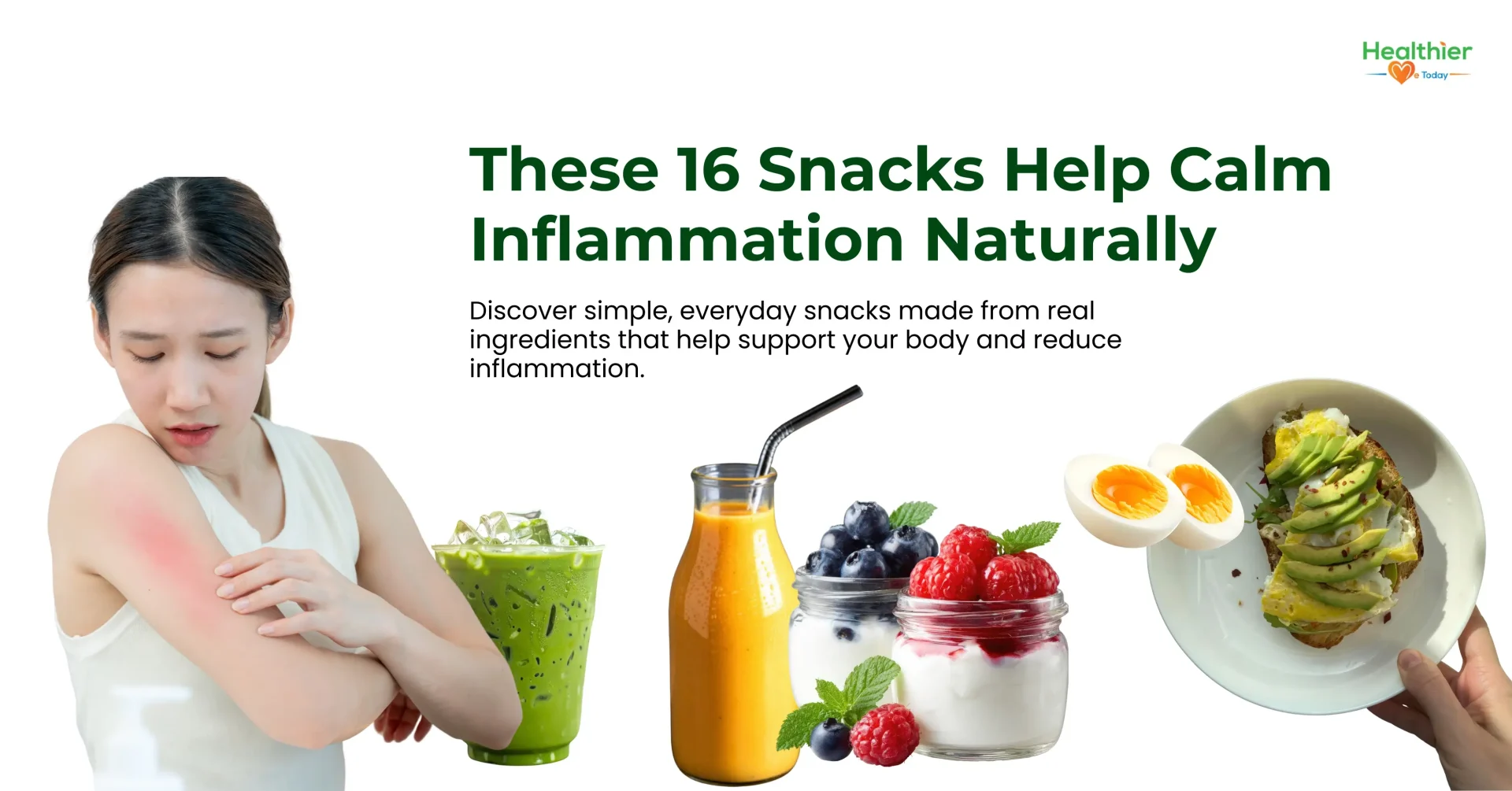
16 Best Anti-Inflammatory Snacks to Reduce Inflammation Naturally

If you often feel tired, bloated, or deal with ongoing aches and discomfort, inflammation might be playing a role. Your body uses inflammation as a natural defense to protect itself, but when it sticks around for too long, it can start affecting how you feel day to day.

One simple way you can support your body is by choosing the right foods between meals. The right snacks can help nourish your body and keep inflammation levels under control.

In this guide, you’ll discover 16 anti-inflammatory snacks that may help reduce inflammation naturally, along with simple tips to help you choose smarter snacks throughout the day.

What Are Anti-Inflammatory Snacks?

Anti-inflammatory snacks are foods that contain ingredients known to help calm inflammation in the body.

Healthy anti-inflammatory snacks are made with whole ingredients like fruits, vegetables, nuts, seeds, yogurt, and whole grains. These foods are naturally rich in nutrients, helping nourish your body and support overall health. When you choose snacks made with these ingredients, you’re giving your body something that fuels it rather than weighing it down.

Many people enjoy exploring different anti-inflammatory snack ideas because they are simple, nutritious, and easy to prepare.

16 Anti-Inflammatory Snacks That May Help Reduce Inflammation

What Does It Mean to Connect to Inner Power

Choosing snacks that reduce inflammation means looking for foods that are rich in natural nutrients, healthy fats, fiber, and antioxidants. Below, you’ll find 16 easy snack ideas that can help support your body while also keeping you full and energized throughout the day.

1. Apple Slices With Almond or Peanut Butter

When you eat apples with almond or peanut butter, you get a good mix of nutrients that your body needs. Apples are rich in fiber, especially a type called pectin, which helps digestion and keeps your gut healthy. A healthy gut plays a big role in keeping inflammation under control.

The nut butter adds healthy fats and protein, which help keep your blood sugar stable and slow the absorption of sugar. Your body is less likely to have inflammatory responses when your blood sugar is more stable.

2. Greek Yogurt With Berries

Greek yogurt is full of probiotics, which are the “good bacteria” that your gut needs to work properly. One of the best ways to reduce inflammation is to support your digestion, since a lot of it starts in the gut.

Blueberries, strawberries, and raspberries are all berries that are full of antioxidants.

These compounds help your body fight oxidative stress, which is one of the main causes of inflammation. This snack is one of the best anti-inflammatory snacks you can eat because it helps both your gut and your cells.

3. Hummus With Fresh Vegetables

Chickpeas, olive oil, and sometimes garlic are all known to have anti-inflammatory properties, which is what hummus is made of. Chickpeas are high in fiber and plant-based protein, both of which are good for your digestion and help keep your energy levels stable.

Adding fresh vegetables to hummus adds even more vitamins, minerals, and antioxidants to your snack. Carrots, cucumbers, and peppers are all vegetables that can help your body fight inflammation naturally. They also keep you hydrated and full.

4. Avocado Toast on Whole Grain Bread

Avocados are high in monounsaturated fats, which are good for your heart and help reduce inflammation in the body. They also contain antioxidants that help protect your cells from damage.

Whole-grain bread adds fiber, which supports digestion and helps stabilize blood sugar levels. Your body is less stressed when your digestion and blood sugar are stable. This helps keep inflammation levels lower.

5. Mixed Nuts and Seeds

One of the easiest ways to get anti-inflammatory nutrients into your body is through nuts and seeds. They are rich in healthy fats, especially omega-3 fatty acids, which help lower inflammation in the body.

They also have important minerals like magnesium, which helps calm the nervous system and lower inflammation caused by stress. A small handful can help your body while keeping you full and energized.

6. Dark Chocolate With Nuts

Dark chocolate, especially high-cocoa-content varieties, contains powerful antioxidants called flavonoids. These help reduce inflammation by protecting your cells from oxidative stress.

Adding nuts to it provides healthy fats and protein, which help keep your blood sugar stable and prevent it from rising. This makes it a healthy snack that feels like a treat and is good for you.

7. Turmeric-Spiced Roasted Chickpeas

One of the best-known natural spices for fighting inflammation is turmeric. Curcumin, the active ingredient, helps lower inflammation at a deeper level in the body.

When you roast chickpeas with turmeric, you get a crunchy, nourishing snack. The chickpeas’ fiber and protein help with digestion, and the turmeric helps to calm inflammation all over your body.

8. Cottage Cheese With Pineapple or Berries

Cottage cheese is high in protein, which helps support your body’s repair and recovery processes [health.clevelandclinic.org]. It also helps keep you full, preventing overeating and blood sugar spikes.

Adding berries or pineapple gives you natural antioxidants and enzymes. For example, bromelain in pineapple supports digestion and reduces inflammation.

9. Chia Seed Pudding

Chia seeds are rich in omega-3 fatty acids, which are known to help reduce inflammation. They are also high in fiber, which supports your gut health.

When you soak chia seeds and turn them into pudding, they become easier to digest and more filling. This snack helps keep your digestion regular while also supporting your body on a deeper level.

10. Smoothies With Anti-Inflammatory Ingredients

Smoothies are a simple way to combine many anti-inflammatory ingredients into one snack. Berries, leafy greens, ginger, and turmeric are just a few of the things that help your body.

These foods are rich in antioxidants and nutrients that help fight inflammation in several ways. Drinking a smoothie every day is an easy way to give your body consistent support without much effort.

You can also use smoothies to lose weight, according to experts [goodrx.com]. 

11. Oatmeal Energy Bites

Energy bites made with oats, nut butter, and seeds are convenient and quick anti inflammatory snacks you can prepare in advance. Oats are high in a type of fiber called beta-glucan, a type of fiber that is good for your heart and helps keep inflammation in check. They also help keep your blood sugar stable throughout the day.

12. Guacamole With Vegetable Sticks

Avocado guacamole is full of healthy fats that help your body and reduce inflammation. It also contains potassium and antioxidants, which are good for your health.

When you eat it with vegetable sticks instead of chips, you get more fiber and nutrients without adding unhealthy fats. This keeps the snack healthy, simple, and effective for your health.

13. Hard-Boiled Eggs With Avocado

Eggs are a great source of protein and other nutrients your body needs to repair and stay healthy. They also help you stay full and stop you from snacking when you don’t need to.

Adding avocado provides healthy fats that support heart health and help lower inflammation. Together, they create a balanced snack that keeps your energy steady and supports your body.

14. Green Tea With Nuts or Fruit

Green tea is rich in antioxidants, especially catechins, which help reduce inflammation and protect your cells. Drinking it regularly helps your body over time.

You can add nuts or fruit to it to make it more filling and nutritious. This mix is great when you want something light but still good for you.

15. Kale Chips

Kale is one of the leafy greens with the highest nutrient content. It contains many vitamins, antioxidants, and other compounds that can help reduce inflammation throughout the body.

You can still get the health benefits of kale by turning it into chips. It’s a great way to get rid of unhealthy snacks with something that actually supports your health.

16. Fresh Fruit With Yogurt

Fresh fruit has natural sugars, fiber, and antioxidants that are good for your body. Yogurt contains protein and probiotics, which are good for your gut health.

This combination works from the inside out because gut health and inflammation are closely linked. This snack is easy to make and helps your body stay balanced and supported throughout the day.

Quick Anti-Inflammatory Snacks You Can Make at Home

Quick Anti-Inflammatory Snacks You Can Make at Home

Sometimes you’re busy, tired, or just not in the mood to prepare something, and that’s completely normal. That’s where having a few quick anti inflammatory snacks at home really helps.

Here are a few go-to ingredients and tools that can make preparing easy anti inflammatory snacks even simpler:

  • Chia seeds: Stir chia seeds into yogurt or a smoothie for a quick, no-prep snack. It instantly adds fiber and omega-3s, which help support digestion and reduce inflammation, while also keeping you full for longer.
  • Raw unsalted mixed nuts: Keeping a mix of nuts on hand makes snacking simple and convenient. Whenever you need a quick bite, you have a healthy option ready. Nuts are packed with healthy fats, a bit of protein, and nutrients your body actually needs.
  • Avocado slicer kitchen tool: Having a simple tool for quickly cutting and preparing avocados makes snacking much easier. You are more likely to choose healthy options if they are easy to get to. Avocados are rich in healthy fats and nutrients that help reduce inflammation.

At the end of the day, it’s not about making things perfect. It’s about making things easier for yourself! 

Tips for Choosing Healthy Anti-Inflammatory Snacks

When you’re picking snacks, it’s best to focus on whole, minimally processed foods. Look for foods that are high in fiber, healthy fats, and antioxidants. They give your body what it needs without adding extra calories.

Here are a few ways to make healthy snacking easier:

  • Keep a variety on hand: Nuts, seeds, fruits, vegetables, and whole grains are all great options. You can even make your own anti-inflammatory snacks list to have ready when you need inspiration.
  • Plan for work or busy days: Preparing anti-inflammatory snacks for work means you’re less likely to reach for vending machine treats or fast food. Pack small portions of nuts, cut veggies, or yogurt cups so healthy snacks are always within reach.
  • Start simple if you’re new: You don’t need to make complicated recipes right away. Try easy options first, then experiment with different anti inflammatory snack recipes until you find your favorites.
  • Think about fullness and satisfaction: Snacks that are high in fiber or healthy fats help you feel full longer, which can also support weight management and reduce cravings [healthline.com]. 

By keeping things simple, convenient, and tasty, you’re more likely to stick with healthy snacking habits over time.

Foods That May Increase Inflammation

Foods That May Increase Inflammation

Not all foods are the same when it comes to inflammation. Some can actually help your body feel better, while others can worsen inflammation. Eating a lot of processed foods, sugary drinks, refined carbs, and fried foods can trigger inflammation [health.clevelandclinic.org]. 

Try to cut back on foods loaded with added sugar, refined flour, or artificial ingredients. Eating whole, minimally processed foods like fruits, vegetables, whole grains, and healthy fats can improve how you feel and boost your energy.

Conclusion: It Really is that Easy

Taking care of your body doesn’t have to feel complicated or overwhelming. Often, it comes down to the small choices you make every day, like what you reach for when you need a snack. You will start to feel better when you choose foods that nourish your body rather than fill a gap. You’ll begin to notice the difference in how you feel, your energy becomes more stable, your digestion feels better, and your body feels more supported overall.

The key is to keep things simple and realistic. You can make habits that are easier to stick to by slowly adding more anti-inflammatory snacks to your diet and paying attention to what works for your body.

For a more detailed list and an anti-inflammatory diet (other than snacks), our guide has it all!

Frequently Asked Questions

What’s the best anti-inflammatory snack?

The best snack often includes a mix of healthy fats, fiber, and antioxidants. Options like Greek yogurt with berries, nuts, or avocado toast are excellent choices.

What are 5 signs your body has inflammation?

Common signs may include fatigue, joint discomfort, digestive issues, frequent headaches, and skin problems. If symptoms persist, it’s best to speak with a healthcare professional.

What not to eat to stop inflammation?

Try to limit processed foods, sugary drinks, refined carbohydrates, fried foods, and excessive alcohol, as these may increase inflammation.

How to flush inflammation out of your body?

Supporting your body with healthy foods, regular physical activity, hydration, quality sleep, and stress management can help reduce inflammation over time.

What drink gets rid of inflammation?

Drinks like green tea, turmeric tea, ginger tea, and smoothies made with berries or leafy greens are often recommended because they contain antioxidants and anti-inflammatory compounds.

12 Weight Loss Smoothies That Actually Work

When you’re trying to lose weight, the last thing you want is a smoothie that tastes good but leaves you hungry an hour later. The truth is, not all smoothies are created equal. Some are sugar bombs in disguise, while others are crafted to keep you satisfied, boost metabolism, and actually move the scale in the right direction. In this guide, you’ll discover 12 weight loss smoothies that actually work, blends packed with fruits, veggies, protein, and fiber to give you energy, curb cravings, and support fat loss. Whether you need a quick breakfast, a post-workout refuel, or a snack that helps rather than hurts your goals, these smoothies prove you don’t have to give up flavor to see results.

Benefits of Drinking Smoothies

Nutrition research shows that smoothies with whole foods, protein, and healthy fats can help you maintain a healthy lifestyle.  Here’s what the studies found:
  • Ingredients like oats, seeds, and fruits help you stay fuller for longer without unnecessary snacking [verywellhealth.com]. 
  • Adding protein, such as Greek yogurt or protein powder, along with healthy fats like avocado, nuts, seeds, or coconut milk, provides you with a complete meal in just one smoothie.
  • A liquid base, like water, almond milk, or coconut water, helps you stay hydrated but also supports digestion, fuels you up with energy, and prevents confusing thirst with hunger.
  • Use natural sweetness from fruit like berries or bananas with a dash of cinnamon instead of added sugars.
  • Adding some green tea, ginger, and leafy greens, this will help speed up your metabolism and support fat loss.
So, do smoothies help you lose weight? Absolutely, when using the right ingredients [goodrx.com].  And if you’re unsure how to calculate how much you should lose to be considered healthy, use this reverse BMI calculator.

What to Put in a Smoothie for Weight Loss?

To help your smoothies support your weight loss goals, focus on picking the right ingredients. Try blending protein, fiber, a bit of natural sweetness, and a healthy liquid base. This way, your smoothie will taste great and keep you full.  Here are some ideas to get you started:
  • Protein: Protein doesn’t mean adding meat into your smoothie. Try Greek yogurt, protein powder, or nut butter. Including protein in your smoothie boosts your immune system, keeps you fuller for longer, and helps with muscle growth and maintenance.
  • Fiber and greens: High-fiber fruits and leafy greens like spinach, kale, and oats are great additions for green smoothies for weight loss, and high fiber will also help to boost your energy levels throughout the day and keep the cravings under control.
  • Natural sweeteners: Use fruits like pineapple, mango, bananas, or berries to naturally sweeten your smoothie rather than adding sugar. Unsweetened fruits are perfect for the best smoothies to lose weight [eatingwell.com]. You can even add vanilla extract for a sweeter taste.
  • Liquid bases: Without liquid, your smoothie can turn out too thick or chunky. For the perfect texture smoothie, use water, unsweetened almond milk, oat milk, or coconut milk, or juice. This will give your smoothie a smooth, creamy consistency.
Please note that smoothies can be a great addition to a weight loss routine, but they are not the only thing that matters. Staying active, getting enough sleep, and paying attention to your overall eating habits can also make a difference when it comes to managing your weight and supporting your health. If you’d like to learn more, here are some related topics worth reading about:

12 Weight Loss Smoothies That Actually Work

If you’re serious about losing weight, smoothies can be your secret weapon, but only if they’re made with the right ingredients. The wrong blend can leave you hungry or overload you with sugar, while the right mix of protein, fiber, and healthy fats keeps you full, energized, and moving closer to your goals. Below, you’ll find 12 delicious smoothie recipes that do more than taste good, they actually work. Each one is simple to make, satisfying, and designed to help you stay on track without feeling deprived.

1. Creamy Banana Smoothie

Creamy Banana Smoothie
Ingredient Quantity
Banana yogurt ½ cup
Cashew milk 1 cup
Collagen powder 1 scoop
Ice (optional) ½ cup
This smoothie combines protein, healthy carbohydrates, and low-calorie creaminess to support weight management. The yogurt and collagen powder provide protein, which slows digestion and helps control appetite. Cashew milk keeps calories lower than traditional dairy while still giving a satisfying texture. The banana offers natural sweetness and potassium, reducing the need for added sugars and supporting electrolyte balance. Together, these ingredients make a filling option that can replace a higher-calorie breakfast without leaving you hungry soon after.

2. Avocado Smoothie

Ingredient Quantity
Avocado ½ medium
Spinach 1 cup
Cashews 2 tbsp 
Pineapple 1 cup 
Protein powder 1 scoop
Cashew milk 1 cup
Ice (optional) ½ cup
This blend is packed with wholesome ingredients that fuel your body. Creamy avocado and crunchy cashews bring in those healthy fats, while fresh spinach adds fiber and nutrients without the calories. The pineapple adds a burst of natural sweetness, supports digestion, and gives your immune system a boost with vitamin C. To top it off, protein powder and cashew milk make it rich, smooth, and filling enough to keep you satisfied for hours.

3. Coffee Smoothie

Ingredient Quantity
Brewed coffee ½ cup
Protein powder 1 scoop
Medjool dates 2 (pitted)
Oat Milk 1 cup 
Cacao powder 1 tbsp
Ice  ½ cup
It’s ideal as a quick breakfast or midday pick-me-up. Brewed coffee gives you that natural caffeine kick to wake you up and fire up your metabolism. The protein powder adds healthy fats and fiber to keep you fuller for longer. Medjool dates add natural sweetness, while oat milk keeps it smooth and creamy. The cacao powder ties it all together with that rich, chocolatey flavor.

4. Cinnamon Date Smoothie

Cinnamon Date Smoothie
Ingredient Quantity
Rolled oats ¼ cup
Medjool dates 2 (pitted)
Cinnamon ½ tsp
Almond Milk 1 cup 
Ice  ½ cup
This fiber-rich Cinnamon Date Smoothie is sweet, creamy, and satisfying. Medjool dates add natural sweetness, while rolled oats give it a thick, milkshake-like texture. Rolled oats help with digestion and keep you full for longer. The almond milk adds creaminess, making your smoothie light and easy to digest. With the warmth of cinnamon and the sweetness of Medjool dates, it’s like sipping a cinnamon roll in a glass. 

5. Matcha Energy Smoothie

Matcha Energy Smoothie
Ingredient Quantity
Matcha powder 1 tsp
Vanilla extract ½ tsp
Banana 1 Medium
Cashew milk 1 cup 
Ice  ½ cup
The cashew milk makes a creamy, nutty base. The matcha adds that vibrant green color and earthy boost. Matcha turns your smoothie into a metabolism-boosting, energizing blend that supports weight loss naturally. A banana brings sweetness, natural energy, and a thick, creamy texture. A splash of vanilla brings out the flavor without adding extra sugars. Smooth, green, and full of natural goodness in every sip.

6. Flaxseed Fiber Smoothie

Ingredient Quantity
Flaxseed 2 tbsp (ground)
Almond milk 1 cup
Almond butter 1 tbsp 
Medjool dates 2
Banana 1 medium
Frozen cauliflower ½ cup
Cinnamon ½ tsp
Ice (optional) ½ cup
The flaxseed and almond butter bring in a balance of healthy fats, protein, and fiber, while the banana and dates add natural sweetness and a boost of energy. Frozen cauliflower sneaks in extra nutrients and fiber while keeping calories in check. Almond milk creates a smooth, creamy base without the heaviness of dairy. A sprinkle of cinnamon turns this blend into something comforting and delicious. Together, these ingredients make a smoothie that supports digestion, curbs cravings, and fuels the body the right way.

7. Caramel Protein Shake

Ingredient Quantity
Medjool dates 3 (pitted)
Protein powder 1 scoop
Chickpeas (cooked) ½ cup
Cashew milk 1 cup 
Ice  ½ cup
Dates bring natural caramel-like sweetness and a quick energy boost, while protein powder helps support muscles and keeps you satisfied longer. Chickpeas might sound unusual in a smoothie, but they blend seamlessly, adding creaminess, fiber, and plant-based protein. Cashew milk keeps the texture light and dairy-free. Altogether, this shake combines protein and plant-based goodness.

8. Fat-Burning Grapefruit Smoothie

Fat-Burning Grapefruit Smoothie
Ingredient Quantity
Grapefruit ½ medium
Pineapple 1 cup
Celery 1 stalk
Cucumber ½ medium
Kale 1 cup
Water 1 cup
Ice (optional) ½ cup
The grapefruit gives a citrus kick that helps with metabolism, while pineapple brings natural  sweetness. Celery and cucumber keep things light, hydrating, and full of fiber, and the kale adds vitamins and minerals without overpowering the flavor. Blended with water and ice, this smoothie is a real refresher.

9. Mint Smoothie

Ingredient Quantity
Almond milk 1 cup
Cacao powder 1 tbsp
Fresh mint ¼ cup  (leaves)
Protein powder 1 scoop
Ice  ½ cup
Fresh mint adds a cool, refreshing touch that turns a regular shake into something energizing. Cacao powder gives a deep chocolate flavor. The protein powder helps you stay full and supports your muscles. Almond milk keeps things creamy without dairy, and ice makes it extra cold. The result is a smooth chocolate-mint blend that tastes like a treat but is good for you.

10. Chocolate Peanut Butter Shake

Ingredient Quantity
Dark chocolate or cocoa powder 1 tbsp
Peanut butter 1 tbsp
Banana  1 medium
Spinach 1 cup
Protein powder 1 scoop
Almond milk 1 cup
Ice  ½ cup
Dark chocolate or cocoa powder brings a rich flavor while supporting metabolism. Peanut butter adds creamy texture, healthy fats, and a protein boost, while banana naturally sweetens the shake and makes it smooth. Spinach sneaks in extra vitamins and minerals without changing the taste, and protein powder helps keep you full and supports recovery. Blended with almond milk and ice.

11. Apple Cinnamon Shake

Apple Cinnamon Shake
Ingredient Quantity
Vanilla protein powder 1 scoop
Apple 1 medium (chopped)
Rolled oats ¼ cup
Spinach 1 cup
Walnuts 2 tbsp
Cinnamon ½ tsp
Almond milk 1 cup
Ice  ½ cup
This smoothie blends the natural sweetness and fiber of apple with the warm hint of cinnamon. Vanilla protein powder keeps you full and satisfied, while rolled oats thicken the shake and add slow-digesting carbs. Spinach boosts the nutrient content without altering the flavor, and walnuts provide a crunchy dose of healthy fats for long-lasting energy.

12. Rich Berry Shake

Ingredient Quantity
Mixed berries 1 cup (frozen)
Spinach 1 cup
Walnuts 2 tbsp
Cinnamon ½ tsp
Almond milk 1 cup
Ice  ½ cup
A mix of berries brings natural sweetness along with a boost of nutrients, while spinach sneaks in extra vitamins and minerals. Walnuts add healthy fats and a creamy texture, and a sprinkle of cinnamon gives a warm taste that pairs perfectly with the berries. Blended with almond milk and ice, this shake is smooth, refreshing, and energizing.

Conclusion: Your Journey Ahead

When made with the right mix of protein, fiber, healthy fats, and natural sweetness, smoothies can be a filling, nutrient-dense meal that supports weight loss. The 12 recipes above show how easy it is to blend up flavors while staying on track with your goals. By swapping out sugar-loaded drinks for balanced smoothies, you’ll keep cravings in check, fuel your body, and make healthy eating feel simple and enjoyable. If you’d like to learn more about how you can use your diet to lose weight, we have an article that discusses the different strategies!

Frequently Asked Questions (FAQ)

What are the best smoothies for weight loss?

Go for smoothies that are filled with protein, fruits, fiber, and some leafy greens that will keep you fuller for longer, support digestion, and keep cravings under control. For example, Rich Berry Shake, Matcha Energy Smoothie, or Avocado Smoothie.

Do smoothies actually help you lose weight?

Yes! If you keep them balanced, they will help you lose weight, but don’t add ingredients with lots of sugar, or else they won’t help you reach your goals.

Which smoothies are best for burning belly fat?

Leafy green smoothies are full of fiber and nutrients that curb cravings and help target belly fat naturally.

Are green smoothies good for weight loss?

Yes! High in fiber and full of vitamins and minerals that are low in calories.

Can protein smoothies help with fat loss?

Most definitely! Protein builds muscles and boosts your metabolism, and you won’t want to snack within an hour because it keeps you full.

Are keto smoothies good for weight loss?

If they are low in carbs and high in healthy fats, then yes! Keto smoothies help with calories and controlling your appetite.

What are the easiest weight loss smoothies to make?

The easiest weight loss smoothies are the ones that are quick and simple, like adding bananas, protein powder, almond milk, or berries that will fill you up without wanting to snack within a few minutes. For example, Rich Berry, Flaxseed Fiber Smoothie, or Apple Cinnamon Shake.

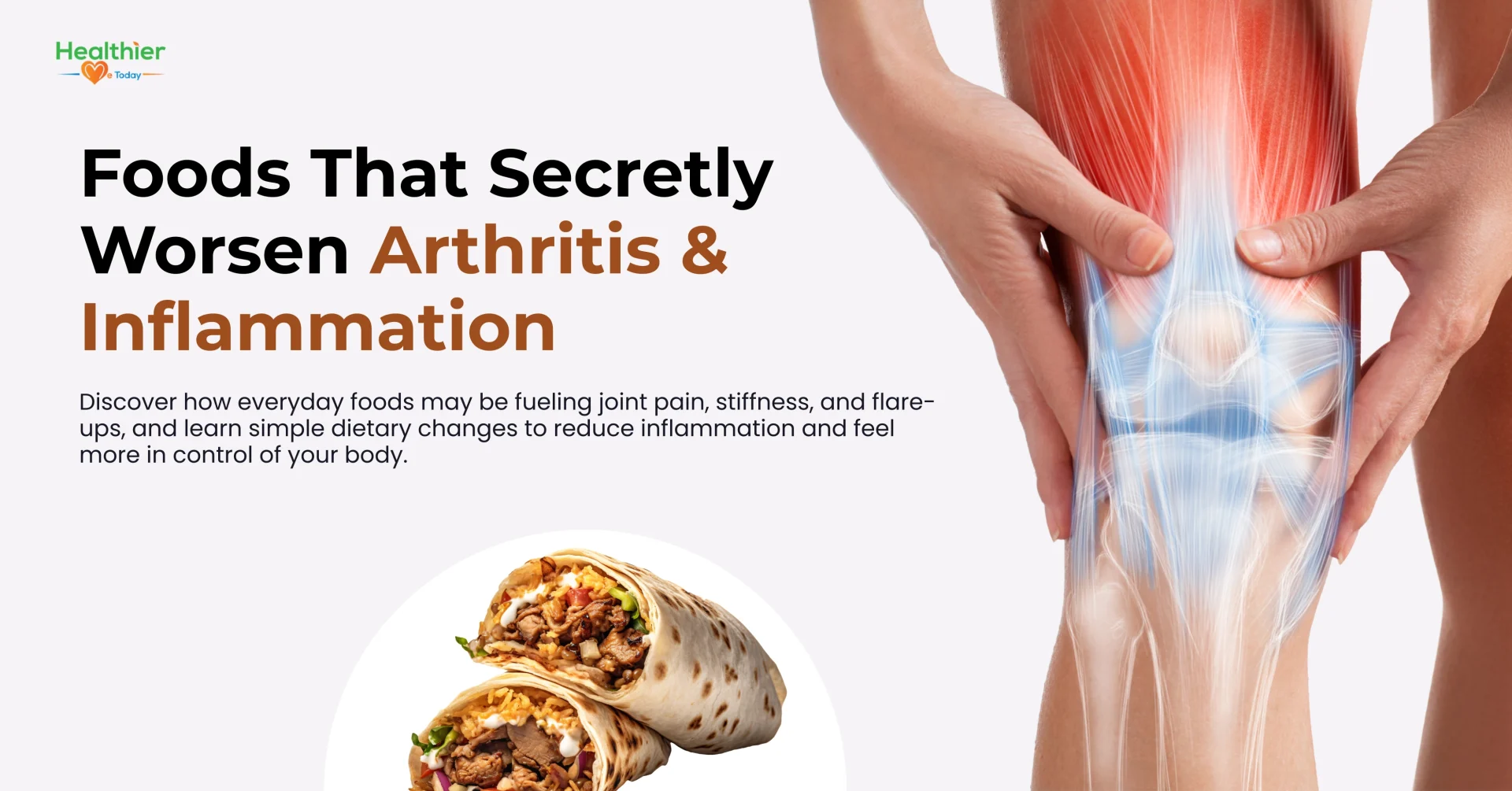
Foods to Avoid for Arthritis and Inflammation: What Can Make Symptoms Worse

If you’re living with arthritis, you’ve probably noticed that some days your joints feel stiffer, more swollen, or more painful than others. What many people don’t realize is that the foods you eat every day can quietly fuel inflammation and make those painful flare-ups worse. Certain everyday foods can quietly increase inflammation in your body, making joint pain harder to manage and recovery slower.

Understanding which foods to avoid for arthritis and inflammation gives you more control over how you feel each day.

This article explains how diet affects arthritis, which foods may trigger inflammation and joint pain, and practical changes you can make to support your joints and feel more comfortable in your body every day.

How Diet Affects Arthritis and Inflammation

What you eat has a direct impact on how your joints feel day to day. Certain foods that cause joint inflammation can trigger your body’s inflammatory response, leading to more stiffness, swelling, and discomfort. When these foods are eaten regularly, they can gradually increase joint irritation and make symptoms harder to manage.

Following an arthritis inflammation diet that focuses on balanced, nourishing foods helps reduce the internal stress on your joints. By being mindful of what you eat, you can reduce inflammation, ease joint pain, and improve mobility over time.

The Link Between Joint Pain and Inflammatory Foods

What you eat can affect how your joints feel. Some foods can trigger inflammation in the body, which can make joints feel sore, stiff, or swollen. When inflammation increases, it puts extra pressure on the joints, worsening existing joint pain, especially in people with arthritis.

Over time, regularly eating these foods can lead to more frequent pain and discomfort. That’s why diet plays an important role in supporting joint health and keeping movement as comfortable as possible.

Foods to Avoid for Arthritis and Inflammation

Foods to Avoid for Arthritis and Inflammation

The foods you choose each day can make a real difference in how your joints feel. Certain foods that aggravate joint pain can fuel inflammation, leaving you feeling stiffer, more swollen, and less comfortable over time. By learning which foods to avoid, you give yourself a better chance to manage arthritis symptoms and protect your joint health long term.

1. Added Sugars and Sugary Drinks

Added sugars and sugary drinks can increase inflammation in your body. Regularly consuming fizzy drinks, sweets, and sweetened juices can lead to increased joint swelling and stiffness. Over time, this makes arthritis pain harder to manage and can leave you feeling more uncomfortable throughout the day.

Here are sugar substitutes you can use instead!

2. Refined Carbohydrates

Refined carbohydrates such as white bread, pastries, and processed cereals are quickly digested and can trigger inflammation. Because they offer very little nutrition, they may contribute to increased joint stiffness and discomfort when eaten regularly. Cutting back on refined carbs helps support your joints and make everyday movement easier.

3. Fried and Processed Foods

Fried and processed foods are often considered the worst foods for arthritis inflammation because they are high in unhealthy fats and additives. Eating these foods can trigger inflammatory responses in your body, leading to increased joint pain and swelling. Cutting back on fast food and packaged snacks can make a noticeable difference in how your joints feel.

If you want to learn more about processed foods, this piece covers everything (you’ll be surprised at some facts)!

4. Red and Processed Meats

Red and processed meats can increase inflammation in your body, which is why they are often considered arthritis trigger foods. Eating them often may make your joints feel stiffer and more uncomfortable, especially during flare-ups. Cutting back on these meats can help ease joint stress and support better movement over time.

5. Excess Omega-6 Oils

Omega-6 oils, when consumed in excess, can throw off your body’s natural balance and increase inflammation. These oils are commonly found in processed and fast foods. While your body needs some omega-6 fats, too much can worsen joint pain over time.

6. Trans Fats

Trans fats are unhealthy fats that can increase inflammation in the body, making joint pain and stiffness worse over time. They’re commonly found in margarine, baked goods, and many packaged or processed snacks. Because these are among the key foods to avoid for arthritis and inflammation, reducing your intake can help lower swelling, improve joint movement, and better support long-term joint health.

7. High-Sodium Processed Foods

Foods high in sodium can cause your body to retain fluid, which may increase joint swelling and stiffness. Processed foods, such as ready-made meals and salty snacks, are common sources. Reducing sodium intake can help your joints feel less pressured and more comfortable.

8. Alcohol

Alcohol can interfere with how your body manages inflammation. It can increase the production of inflammation-causing chemicals, making your joints feel stiffer and more painful, especially during arthritis flare-ups [pmc.ncbi.nlm.nih.gov]. Limiting alcohol helps your body control inflammation better and keeps your joints healthier.

Why These Foods Worsen Arthritis Symptoms

Certain foods can trigger arthritis symptoms, and understanding why can help you better care for your joints. Foods that worsen arthritis often trigger inflammation, leading to swelling, stiffness, and increased joint discomfort. These foods can slow down your body’s natural ability to calm inflammation, keeping your joints sore for longer. Eating them regularly may leave your joints feeling weaker, stiffer, and less flexible over time. Knowing how these foods impact your body helps you make better choices to protect your joints and feel more comfortable every day.

Foods to Avoid With Arthritis Pain (Daily Diet Traps)

The foods you eat each day can really affect your joints [arthritis.org]. Common items such as sweets, white bread, and packaged snacks can trigger inflammation. This inflammation can make your joints feel stiff or sore. If you keep eating these foods, you might have more flare-ups, and simple movements can become uncomfortable.

These daily diet traps sneak into your meals, often without you noticing, and can undermine the progress you’re making with exercise, stretching, or other treatments. By understanding which foods to avoid with arthritis pain, you take control over your diet, reduce inflammation, and give your joints the support they need to stay healthier and more flexible every day.

Smarter Swaps – What to Eat Instead

Smarter Swaps – What to Eat Instead

Choosing the right foods can make a big difference for your joints and help keep inflammation in check. By replacing foods to avoid for arthritis and inflammation with healthier options, you can move more easily and feel better day to day. Making these simple swaps lets you enjoy your meals while supporting your joint health naturally.

– Anti-Inflammatory Fats

Choosing healthier fats instead of fried or heavily processed ones can make a real difference for your joints [mayoclinic.org]. Fats found in olive oil, avocados, and fatty fish help calm inflammation and keep your joints moving more comfortably. Making this swap supports flexibility and can help reduce everyday stiffness without feeling like you’re giving up foods you enjoy.

– Fiber-Rich Whole Foods

Swapping refined carbs for fiber-rich foods like fruits, vegetables, legumes, and whole grains is a much kinder choice for your joints. These foods help calm inflammation in the body while keeping your energy levels more stable throughout the day. Over time, eating more fiber-rich options can help your joints feel less stiff and support better overall comfort.

– Lean Protein Choices

Choosing lean proteins such as chicken, turkey, tofu, and beans gives your body the nutrients it needs to stay strong without adding extra inflammation [healthline.com]. These options are easier on your joints than red or processed meats and can help support muscle health while keeping joint pain and stiffness more manageable over time.

– Anti-Inflammatory Herbs and Spices

Using herbs and spices like turmeric, ginger, garlic, and cinnamon is a simple way to add both flavor and health benefits to your meals. These natural ingredients help calm inflammation in the body, making them a smart swap for heavy sauces or excess salt while supporting better joint comfort and overall well-being.

Here is a list of the best foods that fight inflammation naturally

Building an Arthritis Inflammation Diet Plan

Building an Arthritis Inflammation Diet Plan

Building an Arthritis Inflammation Diet Plan is about choosing foods that work with your body, not against it. A balanced diet for arthritis inflammation focuses on reducing everyday inflammation while still being realistic and easy to maintain.

To support this way of eating, some people find the following tools helpful when used alongside healthy food choices:

  • Anti-Inflammatory Diet Cookbook for Beginners This type of cookbook can be useful if you feel overwhelmed about what to cook. It usually focuses on simple, beginner-friendly meals made with anti-inflammatory ingredients, helping you plan balanced meals without complicated recipes.
  • Glucosamine & Chondroitin Supplement These supplements are commonly used to support joint health and cartilage. While they’re not a replacement for a healthy diet, some people find they help with joint comfort when combined with proper nutrition and lifestyle habits.
  • Anti-Inflammatory Herbal Tea – Herbal teas made with ingredients like ginger or turmeric can be a gentle way to support inflammation control. Drinking these teas regularly may help soothe the body and encourage hydration, which is also important for joint health.

Together with mindful eating, these supportive options can make it easier to stay consistent and build long-term habits that protect your joints and overall well-being.

How Long Does It Take to See Diet Changes Affect Joint Pain?

Many people notice small improvements in joint pain within a few weeks of adjusting their diet, especially when they cut back on foods to avoid for arthritis and inflammation, such as highly processed foods, excess sugar, and unhealthy fats [pmc.ncbi.nlm.nih.gov]. For some, the first sign of progress is less stiffness in the morning, while others may find it easier to move throughout the day or experience fewer flare-ups. 

Bigger, more lasting improvements usually take a few months, as the body needs time to calm ongoing inflammation and heal from the inside out. Everyone’s body responds differently, so progress can be slow at times, but staying consistent with healthier food choices can make a meaningful difference over time.

Conclusion: Taking Control of Your Arthritis

Living with arthritis can be tough. However, the foods you eat each day can significantly affect how your joints feel. While medication and movement are important, understanding what not to eat if you have arthritis helps you reduce inflammation at its source. Cutting back on foods that trigger flare-ups and replacing them with more joint-friendly options can ease stiffness, reduce pain, and improve mobility over time.

Small changes to your diet, when done consistently, can make a big difference over time. By being patient and choosing foods that support your body, you can gradually feel more in control of your symptoms and move through daily life with greater comfort and ease.

Frequently Asked Questions (FAQ)

What are the 5 worst foods to eat if you have arthritis?

The worst foods for arthritis include added sugars, refined carbohydrates, fried and processed foods, red and processed meats, and trans fats. These foods can trigger inflammation, leading to more joint pain, stiffness, and flare-ups. Limiting them can help protect your joints and reduce daily discomfort.

What foods help arthritis pain go away?

Foods that help ease arthritis pain include fruits, vegetables, whole grains, lean proteins, and healthy fats like olive oil and fatty fish. These foods help calm inflammation and support joint health over time. Eating them regularly can make you feel better and more comfortable.

What is the best drink to fight arthritis?

Water is one of the best drinks for arthritis because it helps flush toxins from the body and supports joint lubrication. Herbal teas, such as ginger or turmeric tea, can also help reduce inflammation. Staying well hydrated helps your joints feel less stiff and more supported throughout the day.

Avoid These 7 Foods on Trulicity (Your Doctor Might Agree)

Have you ever noticed that certain meals leave you feeling bloated or sluggish when you take Trulicity? The foods you choose can really change how Trulicity works for you. Instead of stressing over strict rules, choose meals that support your blood sugar, keep you energized, and make managing diabetes a little easier each day.

In this guide, you’ll discover the foods to avoid with Trulicity, practical meal tips, and simple strategies to make your nutrition choices easier and more effective.

What Is Trulicity and How Does It Affect Your Appetite?

Trulicity is a prescription medication used to help you manage type 2 diabetes. It works by acting like a natural hormone in your body that helps keep your blood sugar steady after meals and tells your pancreas when to release insulin so your body can use sugar more effectively. By doing this, Trulicity helps lower your blood sugar and can even support weight management over time.

One effect you might notice while taking Trulicity is a change in your appetite. Some people feel full more quickly, which can help prevent overeating, while others might experience mild nausea or a reduced desire for certain foods. Understanding how Trulicity affects your appetite can help you plan meals, choose foods that work with your medication, and avoid those that could worsen side effects or interfere with your blood sugar control.

Why Diet Matters While Taking Trulicity

Even though Trulicity helps regulate your blood sugar, it doesn’t give you a free pass to eat whatever you want. The foods you choose can make a big difference in how well your medication works. Overindulging in sugary treats or highly processed foods can reduce the effectiveness of Trulicity. But a well-balanced approach can help stabilize your blood sugar, reduce digestive issues, and increase your energy. 

Focusing on the best diet while taking Trulicity means making mindful choices that support your medication, help you feel your best, and make managing diabetes a little easier each day.

Foods to Avoid With Trulicity

Foods to Avoid With Trulicity

Some foods can interfere with Trulicity, making it harder to manage your blood sugar. Let’s break down the top seven you should think twice about before reaching for them.

– Fried and Greasy Foods

Fried foods like fries, fried chicken, or donuts are tough on your digestive system. They can slow down digestion and make nausea worse, which is already a possible side effect of Trulicity. Additionally, greasy meals can spike blood sugar in unexpected ways, making your diabetes management more challenging.

 – High-Sugar Foods and Drinks

Candy, pastries, sugary cereals, and sweetened beverages can send your blood sugar soaring. These foods interfere with Trulicity’s ability to keep your glucose levels stable. You can enjoy a sweet treat now and then, but consuming high-sugar foods regularly can undermine your medication and cause energy crashes.

Here are some sweet treats that won’t spike your levels!

– Refined Carbohydrates

White bread, pasta made from refined flour, and many packaged snacks fall into this category. They digest quickly, leading to sudden spikes in blood sugar. Refined carbs also provide little nutritional value, meaning you won’t feel satisfied for long, which can tempt you to overeat.

– Large, Heavy Meals

Big meals that are high in fat or sugar can make nausea worse and make it hard for Trulicity to do its job. Eating smaller, more frequent meals helps you stay energized and prevents blood sugar from spiking too quickly.

– Carbonated Beverages

Sodas and sparkling drinks are not just sugary; they can also cause bloating and indigestion. While one sparkling water with no sugar is fine, regular fizzy drinks should be avoided because they can worsen nausea and disrupt appetite regulation.

– Highly Processed Snacks

Chips, packaged cookies, and snack bars often contain both refined carbs and hidden sugars. These snacks may be convenient, but they offer little nutritional benefit and can destabilize blood sugar levels. Opting for whole, minimally processed foods is a better strategy when taking Trulicity.

If you are unsure of how to read nutrition labels, this guide is for you. 

– Alcohol in Excess

Moderate alcohol consumption may be okay, but excessive drinking can dangerously lower or spike your blood sugar. It can also worsen nausea and dehydration, which can be uncomfortable if you’re already experiencing Trulicity’s side effects [medicalnewstoday.com]. 

What to Eat Instead

What to Eat Instead

Instead of focusing on what you can’t eat, create a meal plan that supports your blood sugar and helps minimize Trulicity side effects.

– Lean Proteins

Including lean proteins like chicken, fish, tofu, or eggs in your meals can help keep your energy steady and prevent blood sugar from spiking. They help you feel full longer, making it easier to avoid reaching for snacks or overeating, which is especially helpful while taking Trulicity. Proteins also support your muscles and overall health, so you’re fueling your body with foods that actually work with your medication instead of against it.

– High-Fiber Foods

Fiber is great for keeping your blood sugar steady because it slows how quickly your body absorbs sugar. Foods like vegetables, beans, lentils, and whole grains are packed with fiber and easy to add to your meals. Including these fiber-rich foods can also help keep your stomach comfortable and reduce nausea, which can be helpful if Trulicity bothers your stomach.

– Low-Glycemic Carbohydrates

Sweet potatoes, quinoa, and brown rice are low-glycemic options that release sugar into your bloodstream slowly. These foods give you sustained energy and prevent sudden spikes or crashes in blood sugar, making your medication more effective [ama-assn.org]. 

– Hydrating Foods

Fruits and veggies that are high in water, like cucumbers, watermelon, and oranges, help you stay hydrated. Staying hydrated can make a big difference in reducing headaches, fatigue, and constipation, common issues some people experience while taking Trulicity.

Trulicity Diet Restrictions – Are There Any Official Rules?

There aren’t any strict official rules about what you can and can’t eat while taking Trulicity. Even though there aren’t strict rules, some foods can affect how your medication works, so it’s helpful to know food interactions with Trulicity.

Cutting back on high-sugar treats, large meals, and processed snacks can make it easier for your medication to do its job. Keeping an eye on portion sizes and choosing Trulicity-friendly foods can help keep your blood sugar steady and ease stomach discomfort.

Are There Specific Meal Delivery Services That Cater to Trulicity Users?

Some meal delivery services now cater to people with diabetes, making it easier to stick to a healthy eating routine. Services like Freshly, Factor, and Nutrisystem offer portion-controlled meals that are low in sugar and high in fiber, so you don’t have to worry about foods that could interfere with Trulicity.

Many even include Trulicity meal recommendations, so you don’t have to second-guess what to eat or spend hours planning your meals. This takes a lot of the pressure off, especially on busy days when you want something quick, balanced, and diabetes-friendly.

How Trulicity Affects Appetite and Food Choices

Trulicity can make you feel full faster, helping you avoid overeating or snacking on foods that aren’t good for your blood sugar [goodrx.com]. That said, everyone’s experience is a little different; some people notice mild nausea, while others find certain foods don’t sound appealing. A good trick is to eat smaller, more frequent meals and stick to foods that feel gentle on your stomach.

Tools That Can Support Your Nutrition Plan

Tools That Can Support Your Nutrition Plan

When you’re following practical nutrition tips for people on Trulicity, having the right tools can make managing your blood sugar and meals feel much less overwhelming.

Here are a few tools to make managing your meals easier:

  • Wireless smart blood glucose monitor kitThis monitor lets you check your blood sugar at home quickly and easily. Because it’s wireless, your readings are automatically saved, making it easy to track trends over time. Seeing how different foods affect your blood sugar can help you make smarter meal choices and adjust portions with confidence.
  • Ginger capsules for nauseaIf Trulicity ever leaves your stomach feeling unsettled, ginger capsules can be a natural, convenient way to ease mild nausea. Unlike ginger tea or raw ginger, a capsule is quick to take and can help you feel more comfortable on days when your appetite is low.
  • Carb counting guide book Understanding carbohydrates is key to managing blood sugar. This guide explains how carbs affect your body, teaches portion control, and helps you plan meals without feeling restricted. It’s a practical tool to make smarter food choices and stay on track with your Trulicity routine.

With a little help from these tools, keeping track of your meals and how they affect your body becomes easier and more manageable.

When to Talk to Your Doctor About Diet and Side Effects

It’s normal to have questions about your meals, changes in appetite, or even feeling a bit off while taking Trulicity. If you start noticing side effects, sudden weight changes, or anything new that concerns you, it’s a good idea to reach out to your doctor [medicalnewstoday.com]. They can help you figure out what not to eat on Trulicity and give practical tips to ensure your diet works with your medication, not against it. 

Talking to a professional can make meal planning easier and help you feel more confident in managing your blood sugar every day!

Conclusion: This Is What You Need to Remember

Managing your blood sugar with Trulicity isn’t just about taking your medication. Making smart food choices that support your health and help reduce side effects is just as important. Paying attention to what you eat, keeping your portions in check, and choosing foods that feel easy on your stomach can make a real difference in how you feel day to day.

Frequently Asked Questions (FAQ)

Can you eat eggs on Trulicity?

Yes, you can eat eggs while taking Trulicity. Eggs are a great source of protein and healthy fats, which can help keep you full without causing big spikes in blood sugar.

Does Trulicity cause heartburn?

Trulicity can sometimes cause heartburn. This happens because the medication may slow digestion, leading to a burning sensation in the chest.

How to stop nausea from Trulicity?

If you experience nausea from Trulicity, there are a few ways to help manage it. Eating smaller, more frequent meals and avoiding very fatty or spicy foods can make a big difference. Ginger, either in tea or capsules, can also help calm your stomach naturally. Staying hydrated and giving your body time to adjust to the medication often reduces nausea.

What drugs cannot be taken with Trulicity?

Trulicity can interact with certain medications, so it’s important to check with your doctor or pharmacist before combining it with other medications. Drugs that affect blood sugar, like insulin or other diabetes medications, may increase the risk of low blood sugar when taken with Trulicity. Some oral medications that slow digestion or affect the stomach may also interact.

Which foods spike insulin the most?

Foods that are high in sugar or refined carbs can quickly raise insulin levels. This includes sugary drinks, candies, white bread, pastries, and other processed foods made with white flour. Eating a lot of these foods can cause a fast increase in blood sugar, leading your body to release more insulin.

Stop Believing These 11 Popular Nutrition Myths!

Are you feeling confused by all the mixed messages about nutrition? One day, you hear carbs are bad, the next day someone tells you to avoid fat, and suddenly eating healthy feels way more complicated than it should be. Common nutrition myths can negatively impact your health and make mealtimes stressful instead of enjoyable.

This guide explains 11 common nutrition myths and why they are misleading. It helps you distinguish between fact and fiction so that you can create a healthier, balanced diet without confusion.

Why Nutrition Myths Spread So Easily

It’s not hard to understand why nutrition myths spread so quickly. Most of us are looking for easy answers and fast results, especially when it comes to our health. When someone claims that one food, supplement, or diet can fix everything, it’s tempting to believe it. Social media, influencers, and outdated or misinterpreted research often help spread nutrition misconceptions. When you hear the same message over and over, it can start to feel true, even when science tells a different story.

How to Tell Nutrition Facts From Myths

How to Tell Nutrition Facts From Myths

It can be challenging to determine what is true about food and what is merely a trend. A reliable approach is to consider the source of the information. Advice from registered dietitians, scientific studies, or trusted health organizations is generally more trustworthy than quick posts on social media or tips from influencers.

But you should know there is a difference between dietitians and nutritionists

Be cautious of claims that sound dramatic or promise instant results. If something seems too good to be true, it likely is. Trends may come and go, but research-backed information remains consistent. By taking the time to question the source of the information and seek solid evidence, you can enjoy your food without falling for nutrition myths.

11 Common Nutrition Myths (Debunked With Science)

Let’s break down 11 popular nutrition myths and look at the science behind nutrition myths to understand better what research really says. This can help you make informed choices every day!

Myth 1: Carbs Are Bad for You

Carbohydrates have often been blamed for health issues like weight gain and low energy, especially with the rise of low-carb diets. However, they are a vital energy source, particularly for active lifestyles. The problem typically lies in the type and quantity of carbs consumed. Refined options like white bread and sugary snacks can lead to blood sugar spikes. Instead of avoiding carbs, focus on whole, high-fiber options and practice portion control to maintain steady energy levels and support overall health. Mindful carb consumption can contribute to a balanced diet.

Myth 2: Eating Late at Night Causes Weight Gain

You’ve probably heard that eating after a certain time, like 7 or 8 p.m., will automatically lead to weight gain. But your body doesn’t suddenly switch into “fat storage mode” when the clock strikes a certain hour. What really matters is how much you eat throughout the day and how active you are over time.

Myth 2

The confusion about late-night snacking often arises from habits like watching TV or scrolling on phones. It’s not the timing that leads to weight gain, but rather what and how much you eat. If you’re mindful and avoid overeating at night, your metabolism won’t suffer.

Myth 3: Detox Diets Cleanse Your Body

Detox diets are often marketed as a fast solution, claiming your body is filled with toxins and needs special juices, teas, or strict plans to “reset.” This can sound tempting, especially if you’re feeling sluggish or bloated, which is why so many people buy into the idea.

The truth is, your body already has its own built-in detox system. Your liver, kidneys, and digestive system work together every day to naturally remove waste and harmful substances. Extreme cleanses and juice fasts aren’t necessary and can sometimes do more harm than good by leaving you tired and low on nutrients.

Myth 4: All Fats Are Unhealthy

For a long time, fat was seen as the main reason behind weight gain and heart problems. Because of this, many people started avoiding fat altogether and turned to low-fat options, believing it was the healthier choice.

In reality, fat is an essential part of a healthy diet. Your body needs healthy fats to support brain function, balance hormones, protect vital organs, and absorb important vitamins like A, D, E, and K. The problem isn’t fat itself, but the kind of fat you choose.

Myth 5: Low-Fat or Fat-Free Foods Are Always Healthier

Seeing the words “low-fat” or “fat-free” on a label can make a product seem like the smarter, healthier option. Labels don’t always tell the whole story. When manufacturers take out fat, they often add sugar, refined carbs, or artificial flavorings to make the food taste better. The result is a product that may look healthier on the outside but is more processed and less filling.

This myth has stuck around because for years, fat was blamed for health problems, and food marketing played into that fear. “Low-fat” became an easy selling point, even though it doesn’t automatically mean the food is better for you or your body.

Myth 6: Gluten-Free Diets Are Healthier for Everyone

Gluten-free eating has become very popular, and it’s easy to see why. People often suggest it as a quick fix for issues like bloating, low energy, or weight loss. However, unless you have celiac disease or a gluten sensitivity, cutting gluten from your diet won’t necessarily make you healthier [mayoclinichealthsystem.org]. 

Products labeled as “gluten-free” may seem like better choices, even if they aren’t. In fact, removing gluten without a medical reason can cut out valuable nutrients found in whole grains. This can make it harder to have a balanced diet.

Myth 7: Natural Sugars Are Better Than White Sugar

Many people believe that sugars from fruits, honey, or maple syrup are healthier than white sugar. However, your body processes all sugars in similar ways. Eating too much of any sugar can raise blood sugar levels and lead to weight gain. Just because a sugar is “natural” doesn’t mean it’s without consequences. This misconception is one of the top nutrition myths people believe.

Myth 8: Protein Powder Is Only for Bodybuilders

Many people think protein powder is only meant for gym fanatics or competitive bodybuilders, but that’s a common misconception. In reality, protein powder is just a convenient way to boost your protein intake, whether you’re active, want to stay fuller for longer, or struggle to meet your daily protein needs through food alone [health.harvard.edu]. You don’t have to lift heavy weights or train for a competition to include it as part of a balanced diet. 

But if you only want to focus on foods for protein, we have a list of breakfast ideas for you

Myth 9: Healthy Eating Is Too Expensive

Many people think that eating healthy costs a lot, but it doesn’t have to. You can eat well without buying expensive superfoods or special ingredients. Simple foods like beans, grains, seasonal fruits and vegetables, and pantry staples can be both healthy and affordable.

Myth 10: Salt Is the Main Cause of High Blood Pressure

Many people think that salt is the sole reason for high blood pressure, but the truth is more complex. Blood pressure is influenced by a combination of factors, including your overall diet, stress levels, physical activity, and genetics [cdc.gov]. While salt can affect some people, it’s not the only contributor. Believing that cutting salt alone will solve high blood pressure is one of those healthy eating myths that doesn’t tell the full story.

Here are 10 ways to reduce stress naturally!

Myth 11: Superfoods Can Fix Poor Diet Choices

Many people think that eating superfoods like kale, blueberries, or quinoa can make an unhealthy diet better. The truth is, no single food can fix poor eating habits. Just adding a few superfoods won’t make your diet healthy. This shows that balance and variety in your meals really matter.

The Real Cost of Misinformation in Nutrition

Believing in nutrition myths can cost you more than just money. It can harm your health and your peace of mind. Misinformation in nutrition makes it hard to know what your body really needs, which can lead to missing nutrients or unbalanced meals. Unhealthy eating habits can develop from skipping food groups, using trendy products, or following extreme diets. This confusion can turn eating into a stressful experience instead of an enjoyable one.

Here is the ultimate guide for dieting!

How to Build a Balanced Diet Without Falling for Myths

How to build diet


To build a balanced diet, focus on including a variety of foods in your meals, such as proteins, whole grains, fruits, vegetables, and healthy fats, so your body gets the nutrients it needs. Don’t stress about cutting out foods or being perfect; balance comes from consistently making good choices. Watch out for myths about healthy eating and avoid diets that promise quick fixes or eliminate entire food groups without a medical reason. By keeping it simple and consistent, you can create a healthy eating routine that works for real life.

Smart Kitchen Tools That Support Healthy Eating

Eating healthy can be a lot easier when your kitchen is set up to help you succeed. Having the right tools on hand makes meal prep faster, simpler, and more enjoyable.

Air Fryer

An air fryer is one of those kitchen tools that make healthier eating much easier [webmd.com]. It uses hot, circulating air to make your favorite foods perfectly crispy without drowning them in oil. That means you can enjoy golden, crunchy potatoes, crispy chicken, or roasted veggies that taste indulgent but are much lighter and healthier.

High-Quality Virgin Olive Oil

High-quality virgin olive oil isn’t just a cooking ingredient; it’s a smart kitchen tool that can make healthy eating easier and more enjoyable. It’s full of healthy fats and antioxidants, making it an easy way to add more nutrition to your meals without losing any of the flavor.

Protein Powder

Protein powder isn’t just for people who work out at the gym. Whether you have a hectic schedule, struggle to get enough protein from meals alone, or want to support muscle maintenance and overall health, it makes boosting your intake simple. You can stir it into smoothies, mix it into oatmeal, or even bake it into pancakes and muffins, turning everyday foods into more filling, nutrient-packed meals.

Conclusion: This is The Truth

Nutrition doesn’t need to be confusing or stressful. The truth is, most health problems don’t come from one specific food or meal, but from long-term habits built on misinformation and unrealistic expectations. When you let go of common nutrition myths, eating becomes less about fear and restriction and more about nourishment and enjoyment.

A healthy diet isn’t about cutting out carbs, avoiding fat, or following extreme trends. It’s about balance, consistency, and paying attention to how your body feels. Eating mostly whole foods, enjoying treats without feeling guilty, and using reliable information can improve your energy, health, and mindset.

It’s also so useful to know how to read nutrition labels.  

FAQs

What are the most common nutrition myths?

Some of the most common nutrition myths include ideas like “all carbs are bad,” “fat always makes you gain weight,” and “you need superfoods to be healthy.”

Why do nutrition myths spread?

Nutrition myths spread quickly because we’re often drawn to easy solutions and quick fixes for our health. Social media, influencers, and repeated messages can make these claims feel true, even when science says otherwise.

Do experts agree on these nutrition myths?

Most nutrition experts agree that many popular claims are misleading or exaggerated. By comparing what experts say with trending advice, you can spot the difference between food facts vs myths.

How to tell nutrition facts from myths?

To tell nutrition facts from myths, always consider the source of the information. Advice based on scientific research, registered dietitians, or trusted health organizations is far more reliable than social media trends or eye-catching headlines. If a claim promises quick results or sounds too good to be true, it usually is.

Are nutrition myths harmful?

Yes, nutrition myths can be harmful. They often create confusion around food, lead to unnecessary restrictions, and cause people to avoid foods their bodies actually need. Over time, this can negatively affect both physical health and mental well-being.

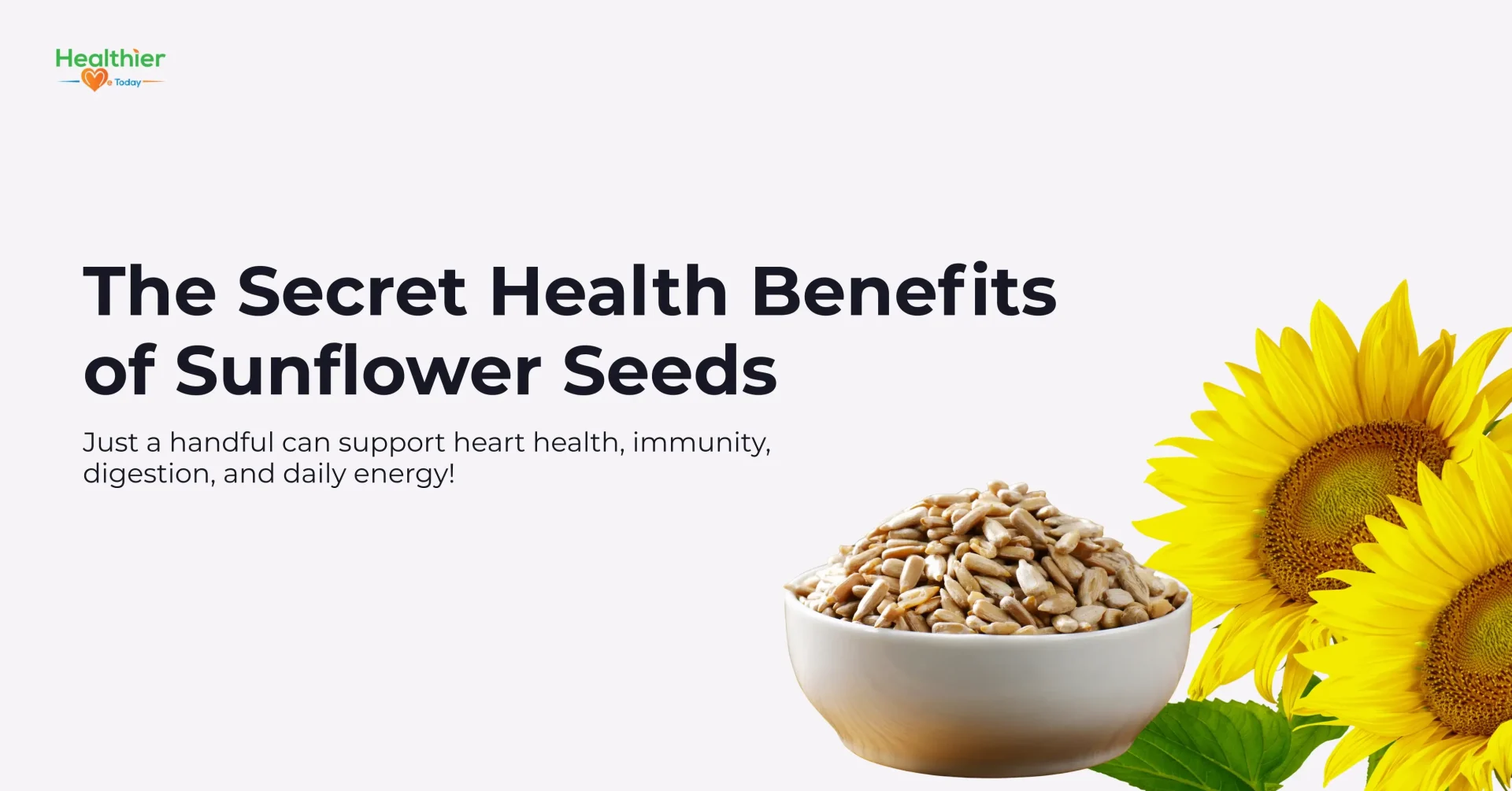
12 Reasons Sunflower Seeds Are Amazing for Your Health

Did you know that sunflower seeds contain nutrients linked to heart health, immunity, and even mood support? Most people see them as a simple snack or salad topping, but there’s far more going on beneath their small size. When you look closely at the real health benefits of sunflower seeds, they turn out to be one of those everyday foods that quietly support the body in multiple ways.

Rich in antioxidants, healthy fats, vitamins, and minerals, sunflower seeds contribute to energy levels, immune function, and overall wellness without requiring major diet changes. This article breaks down 12 reasons sunflower seeds are amazing for your health, explaining what they do in the body and why they deserve more attention than they usually get.

Why Sunflower Seeds Are So Beneficial

What Makes Sunflower Seeds So Beneficial

A small handful delivers a mix of healthy fats, antioxidants, fiber, and minerals that contribute to long-term wellness. That combination is what makes sunflower seeds such a powerful everyday food rather than just a snack.

Raw Sunflower Seeds

Reasons sunflower seeds are great for your health

1. Sunflower Seeds Deliver an Impressive Dose of Vitamin E

One of the standout health benefits of sunflower seeds is their high sunflower seeds vitamin E content. Vitamin E acts as a powerful antioxidant that helps protect cells from oxidative stress, which plays a role in aging and chronic disease. It also supports immune function and helps maintain healthy, glowing skin. Adding sunflower seeds to meals is a simple way to increase vitamin E intake without relying on supplements.

2. Boost Heart Health Naturally

Sunflower seeds for heart health are well known for good reason. They contain a balance of polyunsaturated and monounsaturated fats that support healthy cholesterol levels. Sunflower seeds are also a natural source of magnesium, a mineral that helps regulate blood pressure and supports normal heart rhythm. Regular intake can contribute to better cardiovascular balance as part of an overall healthy diet.

3. Aid in Diabetes Management

Sunflower seeds for diabetes management can be a smart addition to balanced meals. Their fiber content helps slow the absorption of sugar into the bloodstream, which supports steadier blood glucose levels. Healthy fats in sunflower seeds also help improve satiety, making them useful for managing hunger and supporting more stable energy throughout the day.

4. A Plant-Based Protein Source

Thanks to their high sunflower seeds protein content, these small seeds offer a simple way to add plant-based protein to your diet. Protein helps repair and build muscle, supports long-lasting energy, and keeps you feeling fuller for longer. Adding sunflower seeds to meals or snacks is an easy way to fuel an active, healthy lifestyle without relying on heavily processed foods.

5. Packed with Essential Nutrients

The nutritional value of sunflower seeds goes far beyond vitamin E and protein. They contain a wide range of B vitamins, along with minerals like selenium, folate, magnesium, and phosphorus. These nutrients support metabolism, brain function, nerve health, and energy production. Many sunflower kernels benefits come from this nutrient density, making them a smart choice for overall daily nourishment.

6. Support Healthy Weight Control

Sunflower seeds can play a helpful role in weight management when eaten in moderation. The combination of protein, fiber, and healthy fats helps increase satiety, which may reduce overeating between meals. Among the many sunflower seeds benefits, supporting a balanced approach to weight control is one that fits easily into a sustainable, long-term eating pattern.

7. Promote Better Digestive Health

Fiber is key for digestion, and sunflower seeds provide a steady source of it. Sunflower seed nutrition helps support regular bowel movements and feeds beneficial gut bacteria, which play a role in overall digestive balance. Whether enjoyed as a snack or added to salads and meals, sunflower seeds can help keep your digestive system working smoothly.

8. Support Women’s Health

Many sunflower seeds benefits for female health come from their mineral and nutrient profile [healthline.com]. Magnesium and selenium support bone strength, hormone balance, and heart health, while vitamin E contributes to overall vitality. Including sunflower seeds in everyday meals is a simple way to support long-term wellness at different life stages.

9. Easy and Flexible Ways to Eat Them

Learning how to eat sunflower seeds does not require special preparation. They can be enjoyed as raw sunflower seeds or roasted, depending on preference. Toss them into breakfast bowls, sprinkle them over salads, or keep a small portion on hand for a convenient snack. Their mild flavor works well in both sweet and savory dishes, making them easy to include throughout the day.

For people who don’t enjoy eating sunflower seeds on their own, there are simple alternatives that still provide the same nutritional benefits. Sunflower seed butter can be used like any spread or blended into meals, while mixed seed blends that include sunflower seeds make it easy to add variety, texture, and nutrients to everyday foods like salads, yogurt, or oatmeal.

10. A Natural Source of Energy

Sunflower seeds are often considered natural energy-boosting foods because they contain a mix of protein, fiber, and healthy fats [pmc.ncbi.nlm.nih.gov]. This combination helps provide steady energy rather than quick spikes and crashes. A small handful can help reduce fatigue and support alertness during busy days.

11. Support Brain Health and Mood

Sunflower seeds provide magnesium, B vitamins, and antioxidants that support brain function and emotional balance. These nutrients help maintain focus, support stress management, and contribute to a more stable mood. Adding sunflower seeds to meals or snacks can offer an easy, everyday boost for mental clarity.

12. Sunflower Seeds for Strong Immunity

Loaded with vitamin E and selenium, antioxidants that help reduce inflammation and protect your body from damage. Supporting the immune system and helping the body combat illnesses are key aspects of the sunflower seeds health benefits.

How Many Sunflower Seeds Should You Eat Per Day

How Many Sunflower Seeds Should You Eat Per Day

A healthy serving of sunflower seeds is about 1 ounce per day, which is roughly a small handful or ¼ cup [naturesgarden.net]. This amount is enough to enjoy the health benefits of sunflower seeds without overdoing calories or fat.

Sunflower seeds are very nutrient-dense, so eating large portions regularly can add up quickly. Because they’re high in healthy fats and minerals, too much may lead to excess calorie intake or digestive discomfort.

For most people, one small handful a day is the sweet spot to get the benefits while keeping meals balanced.

Are Sunflower Seeds Safe for Everyone

Are Sunflower Seeds Safe for Everyone

Sunflower seeds are safe for most people and can be a healthy addition to a balanced diet. However, there are a few situations where moderation or caution is important.

People with seed or nut allergies should avoid sunflower seeds unless they’ve confirmed they’re safe for them. Those watching their sodium intake should choose unsalted varieties, as salted sunflower seeds can contribute to high blood pressure when eaten often. Because sunflower seeds are high in fiber and fat, eating large amounts at once may also cause digestive discomfort for some people.

When enjoyed in reasonable portions, sunflower seeds are generally well tolerated and offer many nutritional benefits for most diets.

Conclusion: Sunflower Seeds Have Real Benefits

Sunflower seeds may be small, but they offer far more than most people expect. When eaten in the right amounts, the health benefits of sunflower seeds include support for heart health, energy levels, digestion, and overall nutrition. Their mix of healthy fats, protein, antioxidants, and essential minerals makes them a simple way to add more value to everyday meals.

What makes sunflower seeds especially appealing is how easy they are to use. They fit into snacks, salads, breakfasts, and even main dishes without requiring major diet changes. By keeping portions in check and choosing unsalted options, sunflower seeds can be a practical, nourishing addition to a balanced lifestyle.

Sometimes, it’s the simplest foods that make the biggest difference when used consistently and mindfully.

FAQs

Are sunflower seeds good for you?

The nutrition in sunflower seeds provides protein, fiber, healthy fats, and key vitamins and minerals, helping to support overall health and wellness. Vitamin E and selenium in these seeds help safeguard cells and strengthen immunity, while B vitamins and magnesium enhance energy and heart health and help reduce inflammation.

What are the health benefits of sunflower seeds?

The benefits of sunflower seeds include supporting heart health through their healthy fats and magnesium, aiding digestion, and helping regulate blood sugar levels with their high fiber content. Including them in your diet is an easy way to enjoy all these health-promoting benefits.

What are sunflower seeds good for?

Sunflower seeds offer several health benefits, including supporting heart health, balanced blood sugar, weight management, and healthy skin and bones. Their protein, healthy fats, and nutrients provide a natural energy boost throughout the day.

Are sunflower seeds healthy to eat every day?

Eating sunflower seeds daily can be healthy in moderation. With protein, fiber, healthy fats, vitamin E, magnesium, and selenium, they promote heart health and overall wellness. However, because of their high calorie density, it’s best to limit them to a small handful to avoid excess calories.

How many sunflower seeds should I eat a day?

A healthy serving size is 1 ounce (about 28 grams), roughly a small handful. This amount provides protein, beneficial fats, dietary fiber, along with key nutrients such as vitamin E and magnesium, offering health benefits without significant extra calories or fat.

How do you eat sunflower seeds properly?

Sunflower seeds can be enjoyed raw or roasted. They may be eaten either shelled for convenience or left in their shells, cracking them as one goes. They are also delicious sprinkled on salads, oatmeal, or yogurt, or incorporated into various other baked goods.

Are roasted sunflower seeds healthy?

Yes, roasted sunflower seeds are good for you because they’re packed with healthy fats, plant protein, and important vitamins like vitamin E and B vitamins.

Are sunflower seeds good for diabetics?

Sunflower seeds are a fantastic choice for people with diabetes! Packed with fiber to help manage blood sugar and heart-healthy fats, they offer delicious support for your overall well-being.

Can sunflower seeds help with weight loss?

Yes! Sunflower seeds make a great snack for supporting weight management. A handful of sunflower seeds can help keep you feeling satisfied thanks to their protein, fiber, and healthy fats, making it easier to avoid overeating too quickly.

What vitamins are in sunflower seeds? 

Sunflower seeds naturally provide vitamin E, B6, and folate. Vitamin E helps protect your cells and keeps the immune system strong, while B6 and folate support energy, brain function, and overall cell health.

What are the side effects of eating too many sunflower seeds?

Sunflower seeds side effects can include digestive discomfort, consuming too many calories, or high sodium intake if the seeds are salted. To enjoy their benefits safely, it’s best to eat them in moderation.

Can you eat sunflower seed shells?

Sunflower seed shells aren’t suitable for eating as they are hard to digest. It’s best to enjoy the nutritious and easy-to-consume kernels. Swallowing the shells can also cause discomfort or irritation in your digestive system, so it’s safer to stick to the seed inside.

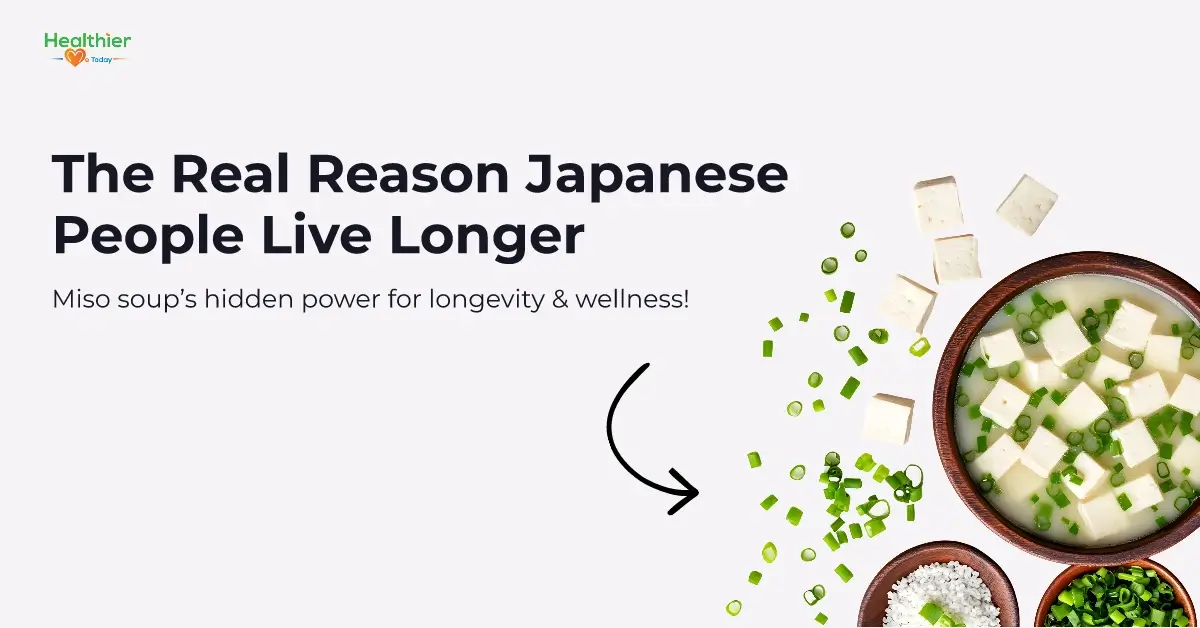
Miso Soup – Japan’s Secret to Living Longer Might Be in This 1 Daily Soup

Miso soup is a small, everyday part of Japanese meals, but it plays a much bigger role than most people realize. Often eaten daily, this simple fermented soup provides nutrients that support digestion, heart health, and overall balance in the body. It’s not a special “health food,” but a quiet staple that has been part of Japanese eating habits for generations.

When people ask about the real reason Japanese people live longer, miso soup is often overlooked in favor of bigger lifestyle explanations. Yet its combination of fermented soy, probiotics, and plant-based nutrients may help explain why this humble dish is linked to long-term health. 

This article focuses on the health benefits of miso soup that make it more than just a comforting bowl of broth, how to make it yourself, and how often to eat!

Why Miso Soup Is a Daily Staple in Japanese Diets

Miso soup is so common in Japan that it’s easy to overlook it. It’s not marketed as a superfood, rarely discussed in headlines, and often treated as just a simple bowl of broth served alongside meals. Because it’s ordinary, many people outside Japan don’t stop to question why it appears so consistently in daily diets.

What’s often missed is how long this habit has lasted. Generations have grown up eating miso soup regularly, sometimes more than once a day, without labeling it as a health choice at all. Only recently have researchers started paying closer attention to miso soup nutrition benefits when studying traditional Japanese eating patterns and long-term health.

Rather than standing out on its own, miso soup works quietly in the background of everyday meals, which may be exactly why its role has been underestimated for so long.

The Fermentation Secret

The Fermentation Secret

What truly sets miso soup apart isn’t the broth itself. It’s what happens long before it ever reaches the bowl. Miso is made through fermentation, a slow process that transforms simple soybeans into something far more complex and nourishing.

During fermentation, soybeans are combined with salt and koji, a natural culture that’s been used in Japanese cooking for centuries. Over time, this process breaks down the ingredients and creates compounds that are easier for the body to absorb. This is where the often-overlooked fermented miso soup gut health connection begins. And there are many more benefits (which are discussed in the next section in detail). 

Unlike many modern foods that are stripped of their natural structure, miso keeps its depth because fermentation does the work gently and naturally. The result is a soup that doesn’t just taste comforting, but carries qualities that support the body in ways people rarely expect.

Health Benefits of Miso Soup

  • Supports weight management Many people notice miso soup for weight management works well because it’s filling without being heavy. Its protein content and low calorie count can help curb hunger and reduce overeating, especially when enjoyed before meals.
  • Strengthens immune function The miso soup immune system benefits come from its vitamins, minerals, and antioxidants, which help the body respond better to stress, fatigue, and everyday illness without overstimulation.
  • Improves digestion and gut health Fermentation gives miso its natural beneficial bacteria. These miso soup gut health probiotics support digestion, improve nutrient absorption, and help maintain a balanced gut environment.
  • Provides steady, gentle energy Instead of spikes and crashes, miso soup offers slow, steady nourishment that helps keep energy levels stable throughout the day.
  • Delivers essential nutrients in a simple form Looking at miso soup nutrition facts, you’ll find it’s low in calories yet rich in B vitamins, vitamin K, manganese, and plant-based protein, all of which support overall wellness.
  • Easy to digest and comforting Miso soup is warm, soothing, and easy on the stomach, making it especially helpful during periods of stress, illness, or low appetite.

Miso Paste vs Miso Soup Benefits

Miso paste and miso soup are often talked about as if they’re the same thing, but they play different roles in everyday eating. One is the fermented foundation, while the other is the way most people actually consume it. Understanding how they differ helps explain why both are linked to long-term health and why the health benefits of miso soup are often easier to experience consistently than those of miso paste alone.

Below is a simple breakdown to show how miso paste and miso soup compare, and when each one makes the most sense to use.

Aspect Miso Paste Miso Soup
What it is A concentrated fermented soybean paste A diluted soup made from miso paste and water or broth
Nutrient density Very high, since it’s concentrated Lower per serving, but still nutrient-rich
Probiotics High, especially when not overheated Present, but depends on preparation temperature
Ease of digestion Strong digestive support in small amounts Gentle on the stomach and easy to digest
How it’s used Added to soups, sauces, marinades, and dressings Consumed as a warm, light meal or side
Daily consumption Used sparingly Easy to consume daily
Best for Boosting flavor and fermentation benefits in cooking Supporting routine gut health, hydration, and balance

How to Make Healthy Miso Soup (+ Top Products)

How to Make Healthy Miso Soup (+ Top Products)

Making miso soup at home doesn’t require special skills or hard-to-find ingredients [justonecookbook.com]. It’s more about understanding when to add each component and how to handle miso so its flavor and nutrients stay intact.

Here is a simple miso soup recipe for beginners:

  1. Warm your broth gently Start by heating water or a light vegetable broth over medium heat until it’s hot but not boiling. This gentle base is important for preserving miso’s beneficial properties. Here you can dissolve a small amount of dashi powder for a deeper, more traditional umami taste.
  2. Add vegetables that cook quickly – Once the liquid is hot, add vegetables like mushrooms, spinach, carrots, or green onions. These cook fast and don’t overpower the soup. Let them simmer briefly until just tender.
  3. Include protein if desired If you want something more filling, add tofu or tempeh at this stage. This keeps the soup light while turning it into a satisfying meal. This works especially well if you’re making a miso soup vegetarian recipe.
  4. Turn down the heat before adding miso – This step matters most. Reduce the heat to low or turn it off completely before adding miso. Boiling miso can destroy many of its probiotics. – Scoop a spoonful of white miso paste with malted rice into a small bowl and mix it with some warm broth until smooth.
  5. Stir the miso in gently – Pour the diluted miso back into the pot and stir slowly. The soup should stay warm, not bubbling. This helps preserve both flavor and nutrients.
  6. Add seaweed and final toppings Sprinkle in wakame seaweed flakes, which soften naturally in warm liquid and add minerals without extra cooking time. Taste and adjust as needed.
  7. Serve immediately or simplify when short on time – When you don’t have time to cook from scratch, freeze-dried miso soup packets can be a convenient backup. You can enhance them by adding fresh vegetables or tofu, so they’re still nutrient-rich.

Is It Safe to Eat Miso Soup Every Day?

If you’re wondering how often can you eat miso soup, the short answer is that daily consumption is common and generally safe for most people. In Japan, miso soup is often eaten once a day, sometimes even more, as part of regular meals rather than as a “health trend.”

Because miso soup is light, low in calories, and easy to digest, it fits naturally into breakfast, lunch, or dinner without feeling heavy. Its fermented base supports gut health, and when paired with vegetables and protein, it becomes a balanced addition rather than an empty side dish.

That said, portion size and ingredients matter. Traditional miso soup is usually served in small bowls, and using quality miso paste helps avoid excess sodium. Rotating vegetables and proteins also keeps the soup nutritionally varied over time.

Miso Soup Meal Ideas

Miso Soup Meal Ideas

Miso soup is incredibly versatile and works well beyond being just a side dish. Depending on how it’s prepared, it can fit into any meal of the day.

  • Light breakfast option Pair a small bowl of miso soup with rice, a boiled egg, or avocado toast for a gentle, easy-to-digest start to the day.
  • Simple lunch add-on Enjoy miso soup alongside a salad, grain bowl, or vegetable stir-fry to make the meal more filling without adding heaviness.
  • Comforting dinner side Serve miso soup with grilled fish, tofu, or roasted vegetables for a balanced evening meal that still feels light.
  • Quick, nourishing snack A warm cup of miso soup in the afternoon can help curb hunger and provide steady energy between meals.
  • Plant-based meal base Add tofu, seaweed, and extra vegetables to turn miso soup into a satisfying vegetarian or vegan meal on its own.

Conclusion: You Won’t Regret Adding Miso Soup to Your Diet

Miso soup stands out because it’s simple, traditional, and genuinely nourishing [verywellhealth.com]. From its fermented base and gentle probiotics to its protein, vitamins, and minerals, the health benefits of miso soup go well beyond comfort alone. It supports digestion, helps maintain steady energy, and fits easily into everyday meals without adding unnecessary calories.

What makes miso soup especially valuable is how flexible it is. It can be enjoyed daily, adapted to different diets, and prepared in a way that preserves its nutritional value. Whether you drink it as a light meal, a side dish, or a warming snack, miso soup offers an easy way to support long-term wellness through small, consistent habits.

Sometimes, the healthiest choices aren’t complicated. They’re the ones that have stood the test of time.

FAQs

What are the top health benefits of miso soup?

The miso soup health benefits list includes improved digestion, better immunity, heart protection, and balanced energy. Its probiotics, antioxidants, and minerals make it a healthy choice for overall wellness.

Is miso soup good for gut health?

The fermented foods benefits miso offers include strengthening the gut lining, supporting regular digestion, and boosting the immune system by increasing the amount of good bacteria in your microbiome. Regularly enjoying miso soup can therefore play a gentle but powerful role in maintaining a healthy, resilient gut.

Can miso soup help with weight loss?

Yes. Miso soup can aid healthy weight loss as it’s low in calories but rich in protein and nutrients, helping you feel full longer. Its probiotics also support digestion and reduce bloating. This makes it a miso soup weight loss friendly option for anyone looking to manage their weight while still enjoying a warm, satisfying meal.

How much miso soup is safe to eat daily?

Having it once a day is a balanced, sustainable routine for most people who want to enjoy its long-term wellness perks. This serving gives you a healthy dose of probiotics and nutrients without pushing your sodium intake too high.

Does miso soup have too much salt?

However, some may worry about the miso soup salt content concerns. Miso has sodium, but most people can safely enjoy it in moderation each day. When eaten mindfully, miso soup remains a nutritious and gut-friendly addition to your daily routine without causing sodium issues for most individuals.

How to choose a healthy miso paste?

The best miso soup ingredients start with high-quality paste. Choose natural miso that is minimally processed and free from added preservatives or artificial flavors. Lighter miso, like white or yellow, has a mild taste. Darker miso, such as red or brown, offers a richer flavor and more antioxidants. Selecting good miso paste makes your soup tasty and adds gut-friendly nutrients and health benefits.

Can miso soup support heart health?

Absolutely. Growing miso soup heart health evidence shows that its antioxidants, probiotics, and fermented soy compounds may help regulate cholesterol levels and support healthier blood pressure. These combined effects reduce strain on the cardiovascular system and may lower the risk of heart-related issues over time. When enjoyed as part of a balanced diet, miso soup can be a simple daily habit that gently supports long-term heart health.

Is miso soup good for vegetarians or vegans?

Yes, miso soup is an excellent choice for both vegetarians and vegans, especially when made with vegetable broth instead of fish-based dashi.

What are the best add-ins for miso soup?

Some of the most popular additions to miso soup include seaweed, tofu, mushrooms, and spinach. These ingredients add flavor, texture, and a boost of vitamins and minerals, making the soup more satisfying and nutrient-rich while complementing its natural probiotic benefits.

Are fermented foods like miso scientifically proven to be beneficial?

Yes, the fermented foods’ benefits, such as miso, are backed by research showing probiotics improve gut flora, immune response, and nutrient absorption.

How does miso soup compare to other soups nutritionally?

Miso soup is nutritionally unique because it’s typically lower in calories, fat, and heavy ingredients than many creamy or meat-based soups. Its fermented soybean base provides beneficial probiotics and nutrients that support digestion and immunity.

What lifestyle habits pair well with eating miso soup regularly?

Combining miso soup with healthy habits can increase its benefits. Eating mindfully, exercising regularly, drinking enough water, and following a balanced diet with plenty of fruits, vegetables, and whole grains improve digestion, strengthen the immune system, and support overall health. Eating miso soup regularly can enhance these healthy choices.

Your Guide to Sweet Treats That Don’t Raise Blood Sugar

Who says dessert has to disappear the moment you start watching your blood sugar? If you’ve ever stared at a sweet treat and thought, “Can I really eat this?”, you’re definitely not alone. The real challenge is figuring out what dessert won’t spike my blood sugar while still tasting good enough for you to enjoy.

The good news is that with a bit of creativity and the right ingredients, dessert doesn’t have to feel stressful for you. It can be delicious for you and fit into a balanced lifestyle you can enjoy.

This guide will walk you through simple, realistic ways for you to enjoy sweet treats without the worry.

Can You Really Enjoy Desserts Without Spiking Blood Sugar?

Yes, but it’s important to understand what that really means. No dessert is completely “blood sugar neutral,” especially for people with diabetes or insulin resistance. However, some desserts are much less likely to cause sharp spikes, depending on their ingredients, portion size, and how they’re eaten.

Blood sugar spikes happen when foods high in fast-digesting carbohydrates or added sugar are absorbed quickly into the bloodstream. Desserts made mostly with refined sugar and white flour tend to raise blood sugar rapidly, especially when eaten on their own.

Desserts that are lower in added sugar and balanced with fiber, protein, or healthy fats digest more slowly. This slower digestion can help reduce sudden rises in blood sugar and keep energy levels steadier.

So while it’s not realistic to expect a dessert that won’t affect blood sugar at all, it is possible to choose desserts that support steadier blood sugar and still feel enjoyable. The rest of this guide focuses on what to look for, and which dessert options are less likely to cause sharp spikes.

Low-Glycemic Desserts That Are Less Likely to Spike Blood Sugar

When people ask “What dessert won’t spike my blood sugar?”, they’re often really asking which desserts have a gentler, more gradual effect on blood sugar. This is where low-glycemic desserts come in. Instead of causing a quick rise and drop, these desserts tend to affect blood sugar more slowly and predictably.

Simple Whole-Food Desserts

The desserts below are examples of lower-glycemic options that are less likely to cause sudden blood sugar spikes, especially when enjoyed in moderate portions.

Simple whole-food desserts are often lower glycemic because they rely on naturally occurring sugars rather than refined ones. These desserts tend to digest more slowly and are less likely to cause sharp blood sugar spikes when portions are kept moderate.

Examples include:

  • Fresh berries, cherries, and kiwi
  • Chia pudding made without added sugar
  • Baked apples with cinnamon and no added sweeteners

These desserts provide natural sweetness while keeping blood sugar changes more gradual.

Bakery-Style Low-Glycemic Desserts You Can Make at Home

Bakery-style desserts can still be lower glycemic when they are made with fewer refined carbohydrates and added sugars. Homemade versions allow more control over ingredients, which helps reduce sharp blood sugar rises.

Examples include:

  • Flourless chocolate cake
  • Coconut macaroons made without added sugar
  • Keto-style brownies made with low-glycemic sweeteners

These options feel more indulgent while still being easier on blood sugar compared to traditional baked goods.

Smart Store-Bought Desserts

Some store-bought desserts are designed to be lower in sugar and carbohydrates, making them less likely to cause sudden blood sugar spikes. Choosing products made with simple ingredients and lower added sugar can make dessert more manageable.

Examples include:

  • Sugar-free chocolates
  • Low-carb or keto snack bars
  • No-added-sugar dessert cups or treats

These options can be convenient choices when baking isn’t realistic, especially when portions are kept reasonable.

Popular No-Sugar-Added Dessert Products for Blood Sugar Control

Popular No-Sugar-Added Dessert Products for Blood Sugar Control

Finding desserts that support steadier blood sugar is easier than you might think.

Keto & Low-Carb Baking Mixes

For a quick and reliable dessert, keto-friendly baking mixes can be a helpful option. The Duncan Hines Keto Friendly Brownie Mix is lower in sugar than traditional mixes while still offering a familiar chocolate flavor.

Other options include almond- or coconut-flour muffin mixes, which help keep carbohydrate intake lower while still feeling indulgent. These mixes make it easier to prepare bakery-style desserts at home with minimal effort.

High-Protein, Low-Sugar Snacks

When time is short, high-protein, low-sugar snacks can be a convenient way to satisfy a sweet craving. Extend Nutrition 1 Gram Sugar High-Protein Bars provide a balance of protein, fiber, and sweetness without a large sugar load.

Other easy options include Greek yogurt bars or nut-based bites, which can help curb cravings while supporting steadier blood sugar levels. Options like these make it easier to enjoy something sweet without feeling overwhelmed by sugar.

Sugar-Free Chocolate & Candies

Chocolate and candy are often the hardest desserts to skip, especially during the holidays. Sugar-free versions can make it easier to enjoy these classic treats while keeping added sugar lower.

Examples of sugar-free chocolate and candy options include:

  • Sugar-free dark chocolate bars
  • Chocolate-covered almonds or peanuts made without added sugar
  • Sugar-free nougat or brittle, such as Andy Anand Sugar-Free Roasted Almond Soft Nougat Brittle
  • Sugar-free hard candies or mints
  • Sugar-free chocolate truffles sweetened with stevia or erythritol

These options are typically enjoyed in smaller portions and work best when you’re craving a traditional candy-style dessert rather than a full-baked treat. Choosing sugar-free chocolate or candy occasionally can help satisfy cravings without relying on high-sugar options.

Cookbook for Diabetic-Friendly Dessert

If you enjoy experimenting in the kitchen, The Complete Diabetic Dessert Cookbook offers a wide range of recipes designed with blood sugar awareness in mind. Rather than focusing on restriction, the cookbook highlights ingredient swaps, lower-glycemic flours, and alternative sweeteners that can help reduce added sugar in desserts.

The recipes are intended to make it easier to prepare desserts that still feel enjoyable while being more mindful of blood sugar. This cookbook can be a helpful resource for exploring different diabetic-friendly dessert ideas without sacrificing flavor or variety.

Supplements That Support Healthy Blood Sugar

Some people use supplements as part of their approach to supporting healthy blood sugar, but it’s important to understand their limits. Supplements do not replace healthy eating, portion awareness, or medical treatment. At best, they play a supportive role [va.gov].

Certain supplements have been studied for their potential effects on blood sugar. For example, fiber supplements may slow digestion, chromium is involved in carbohydrate metabolism, and cinnamon has been researched for its possible effect on insulin sensitivity. Results can vary, and not everyone responds the same way.

What supplements cannot do is prevent blood sugar spikes on their own or offset high-sugar foods. Blood sugar is influenced primarily by what and how much you eat, along with your body’s individual response. Supplements may offer small benefits for some people, but they work best alongside balanced food choices.

If you’re considering supplements, it’s a good idea to speak with your doctor or dietitian, especially if you have diabetes or take medication.

How to Build Your Own Blood Sugar-Friendly Dessert (Easy Formula)

How to Build Your Own Blood Sugar-Friendly Dessert (Easy Formula)

Creating your own dessert that answers the question what dessert won’t spike my blood sugar doesn’t need to be complicated. By choosing the right ingredients and balancing flavors wisely, you can enjoy something sweet without experiencing a glucose rollercoaster [fasttrackurgentcare.com].

Follow this simple formula to build a blood sugar-friendly dessert:

Pick a Low-GI Base

Start with ingredients that help you keep your blood sugar levels steady by slowing the absorption of sugar. Good choices for you include fresh berries, unsweetened yogurt, nut butters, and almond or coconut flour. When used together, these ingredients create a satisfying dessert base for you while helping to prevent big rises in blood sugar.

Choose the Right Sweetener

If you’re craving something sweet, you don’t have to spike your blood sugar. Natural sweeteners like stevia, monk fruit, and erythritol can add sweetness for you without causing sharp spikes in blood sugar.

But if you have a sensitive stomach, enjoy sugar alcohols in moderation, since consuming too much may lead to bloating or digestive discomfort.

Add Natural Flavor Boosters

You don’t need extra sugar to make your desserts taste great. Ingredients like cocoa, vanilla extract, warming spices such as cinnamon or nutmeg, and a touch of citrus zest can naturally enhance flavor for you. These additions bring depth and richness to your desserts while helping you keep your glucose levels in check.

Balance It With Protein or Healthy Fats

Adding protein or healthy fats, such as nuts, seeds, or Greek yogurt, helps you slow digestion and keep your blood sugar levels steady [joslin.org]. This combination helps you maintain balanced blood sugar after dessert.

Common Dessert Mistakes That Spike Blood Sugar

Common Dessert Mistakes That Spike Blood Sugar

Even when you’re trying to make healthier choices, small mistakes can cause your blood sugar to rise quickly. Understanding these common pitfalls helps you make better decisions, especially when you’re asking, “What dessert won’t spike my blood sugar?”

Watch out for these common mistakes:

  • Hidden sugars – Sauces, canned fruits, syrups, and toppings often have added sugars that may not be easy to spot. These hidden sugars can quickly turn a “healthy” dessert into something that raises your blood sugar [cdc.govl].
  • Portioning – Even desserts made with low-GI or natural ingredients can raise blood sugar if eaten in large portions. The size of the portion is important, just as the selection of ingredients is.
  • Refined flour – Desserts made with white flour or refined flour blends digest rapidly, leading to quick spikes in blood glucose levels.
  • Sugary drinks with dessert – Pairing dessert with soda, fruit juice, or sweetened coffee adds extra sugar and increases the overall glycaemic load.

By avoiding these common dessert mistakes, it becomes much easier to enjoy sweet treats while keeping blood sugar steady.

When Is the Best Time to Eat Dessert for Blood Sugar Control?

Timing can play a role in how your body responds to dessert. In general, dessert tends to have a gentler effect on blood sugar when it’s eaten after a balanced meal, especially one that includes protein, fiber, and healthy fats [healthline.com]. Having dessert at this time can slow how quickly sugar is absorbed, helping keep blood sugar changes more gradual.

Dessert eaten on an empty stomach or late at night may cause blood sugar to rise more quickly. If you’re enjoying something sweet between meals, pairing it with a small protein source, like a few nuts or Greek yogurt, can help support steadier blood sugar.

Overall, enjoying dessert with or shortly after a meal is often a more blood sugar–friendly choice than eating it on its own.

Conclusion: You Can Enjoy Sweet Treats

Enjoying dessert doesn’t have to feel stressful or off-limits. With a better understanding of ingredients, portion sizes, and timing, it’s possible to enjoy sweet treats while being more mindful of how they affect your blood sugar.

Learning what dessert won’t spike my blood sugar, trying lower-glycemic recipes, and choosing thoughtful store-bought options can make dessert feel more manageable and enjoyable. These small adjustments can help reduce sharp blood sugar changes without taking the pleasure out of eating something sweet.

With a little planning and awareness, dessert can still be part of your routine in a way that feels balanced, realistic, and satisfying.

FAQs About What Dessert Won’t Spike My Blood Sugar

How can I satisfy my diabetic sweet tooth?

Desserts made with lower-GI ingredients, natural sweeteners, or sugar-free alternatives can help satisfy a sweet craving with less impact on blood sugar. Pairing treats with protein or healthy fats can also make desserts feel more filling and easier to manage.

Is there anything I can eat that won’t raise my blood sugar?

No food is completely blood sugar-neutral, but some desserts are less likely to cause sharp rises. Options like berries, nuts, unsweetened yogurt, or treats sweetened with stevia or monk fruit tend to have a gentler effect when enjoyed in moderate portions.

What sugars don’t raise blood sugar?

Non-nutritive sweeteners such as stevia, monk fruit, and erythritol generally have little to no effect on blood sugar for most people. They add sweetness without the same glucose response as regular sugar, though individual reactions can vary.

Where can I buy desserts made for blood sugar management online?

Online retailers like Amazon and specialty health stores offer a wide range of blood sugar-aware dessert options, including keto-friendly baking mixes, sugar-free chocolates, high-protein snacks, and diabetic-friendly cookbooks. Examples include Duncan Hines Keto Brownie Mix, Extend Nutrition Bars, and Andy Anand Sugar-Free Nougat.

5 Diabetic-Friendly Christmas Desserts That Taste Incredible

Christmas is a time for family, shared meals, and traditions that often center around food. For people living with diabetes, the holiday season can also bring added pressure around dessert choices and blood sugar concerns.

The good news is that enjoying Christmas desserts doesn’t have to mean feeling restricted or missing out. With thoughtful ingredient choices, balanced portions, and an understanding of what supports steady blood sugar, it’s possible to enjoy sweet treats while still taking care of your health.

In this guide, you’ll find realistic dessert ideas that taste like real holiday treats, not substitutes. The focus is on balance, flavor, and enjoyment, answering common questions like, “What is a good Christmas dessert for a diabetic?” so that you can enjoy festive sweets.

What Makes a Christmas Dessert Truly Diabetic-Friendly?

What Makes a Christmas Dessert Truly Diabetic-Friendly and Easy to Find

A truly diabetic-friendly Christmas dessert is one that satisfies sweet cravings without causing sharp blood sugar spikes. Instead of cutting dessert out completely, the goal is to choose treats that help keep blood sugar more stable and leave you feeling satisfied.

In simple terms, diabetic-friendly desserts usually have a few things in common:

  • Less added sugar: Traditional desserts often use large amounts of white sugar or syrup, which raises blood sugar quickly. Diabetic-friendly desserts use less added sugar or rely on sugar alternatives in moderation.
  • Balanced ingredients: Pairing carbohydrates with fiber, protein, or healthy fats helps slow digestion and reduce sudden blood sugar changes. Nuts, seeds, dairy, and fruit are common examples.
  • Smaller portions: Even desserts made with better ingredients can affect blood sugar if portions are too large. Keeping servings smaller helps you enjoy dessert without overdoing it.
  • Flavor without excess sweetness: Desserts that use spices, cocoa, vanilla, or fruit often feel satisfying without needing a lot of added sugar.

Understanding these basics makes it much easier to answer the question, what is a good Christmas dessert for a diabetic, when choosing or preparing holiday treats.

Which Grocery Stores Offer Diabetic-Friendly Christmas Dessert Options?

Now that you have an idea of what is a good Christmas dessert for a diabetic, it helps to know that the options available today look very different from the past. Not long ago, people with diabetes had very limited choices during the holidays. Desserts were either completely off-limits or replaced with bland, unsatisfying alternatives that didn’t feel festive at all.

Today, grocery stores offer far more variety. Clearer labeling, better sugar alternatives, and a growing focus on blood sugar awareness mean that diabetic-friendly Christmas desserts are easier to find and easier to enjoy. Whether you prefer baking at home or picking up something ready-made, there are now options that support blood sugar control without taking away the joy of holiday treats.

Here is a list of these stores!

  • Whole Foods Market offers clean ingredients, including sugar-free chocolates, almond-flour mixes, low-carb cookies, and natural sweeteners, especially helpful for home bakers.
  • Trader Joe’s has seasonal options like low-sugar chocolates, keto snacks, and reduced-sugar spreads, with smaller portion sizes for moderation.
  • Walmart offers a variety of sugar-free puddings, baking sweeteners, and low-sugar desserts, making it a convenient one-stop shop.
  • Target offers a variety, including sugar-free chocolates, low-carb cookies, diabetic baking ingredients, and seasonal gift packs of diabetic-friendly snacks.
  • For specialty items, Amazon is especially useful. One option many people use during the holidays is no-added-sugar jams, which pair well with desserts, yogurt parfaits, and low-carb baked goods.

If these stores aren’t available where you live, many well-stocked supermarkets and online retailers carry similar low-sugar and diabetic-friendly options.

5 Easy Diabetic Christmas Dessert Recipes With Store-Bought Ingredients

5 Easy Diabetic Christmas Dessert Recipes With Store-Bought Ingredients

These recipes show practical examples of what is a good Christmas dessert for a diabetic, without complicated ingredients or extreme restrictions.

1. Sugar-Free Chocolate Pecan Pie

This dessert keeps the classic Christmas flavor while using sugar-free ingredients and smaller portions, making it easier to enjoy mindfully.

Ingredients

Ingredient Amount
Sugar-free pie crust 1
Pecans 1 cup
Sugar-free chocolate chips ½ cup
Sugar substitute (stevia, monk fruit, or erythritol) As directed on package
Eggs 2
Unsweetened cocoa powder 2 tablespoons
Vanilla extract 1 teaspoon

Instructions

  • Preheat the oven according to the instructions on the sugar-free pie crust.
  • In a bowl, whisk together the eggs, sugar substitute, cocoa powder, and vanilla extract until smooth.
  • Stir in the pecans and sugar-free chocolate chips.
  • Pour the mixture into the prepared pie crust.
  • Bake until the center is set, then allow the pie to cool completely before slicing into small portions.

If you don’t feel like baking during the busy holidays, a ready-made and sugar-free pecan pie can be a convenient alternative. Choosing a small slice and enjoying it mindfully lets you take part in festive desserts without the extra effort.

2. Low-Carb Cheesecake Cups

These individual cheesecake cups make portion control easier while still feeling rich and festive.

Ingredients

Ingredient Amount
Cream cheese, softened 8 oz
Sugar substitute As directed
Vanilla extract 1 teaspoon
Fresh berries ½ cup

Instructions

  • Beat the softened cream cheese in a bowl until smooth.
  • Add the sugar substitute and vanilla extract, mixing until creamy.
  • Spoon the mixture evenly into small cups or jars.
  • Top each serving with a few fresh berries.
  • Chill in the refrigerator for at least 1 hour before serving.

3. No-Bake Holiday Energy Bites

These no-bake treats are quick to prepare and easy to portion, making them a convenient Christmas dessert.

Ingredients

Ingredient Amount
Almond flour 1 cup
Unsweetened shredded coconut ½ cup
Chopped nuts (almonds, walnuts, or pecans) ½ cup
Sugar-free sweetener As directed
Nut butter (unsweetened) 2–3 tablespoons

Instructions

  • Combine almond flour, coconut, chopped nuts, and sugar-free sweetener in a bowl.
  • Stir in the nut butter until the mixture holds together.
  • Roll the mixture into small, bite-sized balls.
  • Place in the refrigerator and chill until firm.
  • Store in an airtight container and enjoy in small portions.

4. Festive Berry Parfaits

This dessert feels light and fresh while still looking special enough for the holidays.

Ingredients

Ingredient Amount
Plain Greek yogurt 1 cup
Fresh berries ½ cup
Sugar-free cookie crumbs (optional) 2 tablespoons
Cinnamon or nutmeg A pinch

Instructions

  • Spoon a layer of Greek yogurt into a glass or bowl.
  • Add a layer of fresh berries.
  • Sprinkle a small amount of sugar-free cookie crumbs if using.
  • Repeat the layers once more.
  • Finish with a light sprinkle of cinnamon or nutmeg.

5. Diabetic-Friendly Chocolate Mousse

This mousse feels indulgent while relying on sugar-free ingredients and small portions.

Ingredients

Ingredient Amount
Heavy whipping cream 1 cup
Unsweetened cocoa powder 2 tablespoons
Sugar substitute As directed
Vanilla extract ½ teaspoon

Instructions

  • Whip the cream in a bowl until soft peaks form.
  • Gently fold in the cocoa powder, sugar substitute, and vanilla extract.
  • Spoon the mousse into small serving cups.
  • Chill in the refrigerator for at least 30 minutes.
  • Serve cold and enjoy a few spoonfuls at a time.

The holidays can still be sweet and stress-free. These recipes show exactly what is a good Christmas dessert for a diabetic, without complicated baking or endless sugar.

Top-Rated Low-Carb Christmas Dessert Brands for Diabetics

Top-Rated Low-Carb Christmas Dessert Brands for Diabetics

When people search for diabetic-friendly Christmas desserts, many also want to know which brands are commonly trusted and widely available. Over the years, more companies have started offering low-carb and reduced-sugar dessert options, making it easier to find holiday treats that fit into a diabetic-friendly lifestyle [tasteofhome.com].

For many people, seeing real product options helps clarify what is a good Christmas dessert for a diabetic in everyday holiday situations.

While no single brand works for everyone, the following names frequently come up when people look for diabetic-friendly dessert options during the holidays:

  • GOOD GOOD – Known for no-added-sugar jams, spreads, and dessert toppings that can be used with yogurt, low-carb baked goods, or simple holiday parfaits.
  • Andy Anand – Offers sugar-free pies and cakes that resemble traditional Christmas desserts and can be portioned easily for festive gatherings.
  • ChocZero – Popular for sugar-free chocolates and sweet treats made without added sugar, often used as standalone desserts or dessert toppings.
  • Lakanto – Well-known for monk fruit–sweetened products, including baking mixes and sweeteners commonly used in low-carb holiday desserts.

When choosing products from any brand, it’s still important to read labels carefully, watch portion sizes, and notice how your body responds [fda.gov]. Even low-carb or sugar-free desserts can affect blood sugar differently from person to person.

When to Check With Your Doctor About Holiday Desserts

Even diabetic-friendly desserts can affect people differently, especially during the holidays when routines change. Paying attention to how your body responds can help you make safer, more confident choices.

You may want to speak with your doctor or dietitian if:

  • You’re trying a new sugar substitute for the first time
  • You notice unexpected blood sugar changes after eating certain desserts
  • You’re unsure how a dessert may interact with your medication or insulin
  • You have recent changes in your blood sugar control
  • You want help choosing desserts that fit your personal health needs

Conclusion: Celebrate the Season with Smart, Sweet Choices

Christmas desserts don’t have to be off-limits just because you’re managing diabetes. With thoughtful ingredient choices, balanced portions, and an understanding of what works for your body, it’s possible to enjoy holiday treats while still supporting your health. For many people, learning what is a good Christmas dessert for a diabetic comes down to finding options that feel satisfying without causing unnecessary blood sugar swings.

Whether you choose to make desserts at home or pick up ready-made options, focusing on lower-added sugar, fiber-rich ingredients, and mindful portions can help keep blood sugar steadier. Paying attention to how your body responds allows you to enjoy the season with more confidence and less stress.

If you’d like even more guidance and inspiration, a diabetic-friendly holiday cookbook can be a helpful resource. It offers practical dessert ideas, ingredient swaps, and recipes designed to support better blood sugar balance, making it easier to enjoy festive sweets throughout the season.

FAQs About What is a Good Christmas Dessert for a Diabetic

What’s the best dessert for diabetics?

The best desserts are low in added sugar, high in fiber, and contain healthy fats. Good options include cheesecake cups, berry parfaits, and sugar-free chocolate mousse.

For convenience, ready-made options like the Andy Anand Sugar Free Chocolate Pecan Pie or the GOOD GOOD Assorted No Added Sugar Jam Holiday Box let you enjoy classic Christmas flavors without spiking blood sugar.

What desserts don’t raise blood sugar?

Desserts made with sugar substitutes like stevia or monk fruit are often less likely to cause sharp blood sugar spikes than traditional sugar-based desserts. Pairing sweetness with high-fiber or high-fat ingredients, such as nuts, berries, or almond flour, can also help slow digestion and support steadier energy levels.

But it is important to note that everyone responds differently to sweeteners and carbohydrates. Even sugar-free desserts can affect blood sugar, especially if portions are large. Paying attention to how your body responds and keeping portions moderate can help you enjoy dessert more confidently.

What cake is best for diabetics?

Cakes made with almond flour, low-carb sponge, or sugar-free cheesecake are excellent options for people managing blood sugar. Keeping portions small lets you enjoy a slice without worry. Adding fresh berries or nuts can naturally increase flavor and fiber.

What is a good sweet snack for diabetics?

Small portions of nuts, sugar-free chocolate, or homemade energy bites can satisfy your sweet cravings without causing big spikes in blood sugar. They are easy to make, portable, and make a great treat at any time.

Is cheesecake ok for diabetics?

Yes! When made with sugar substitutes and a low-carb crust, cheesecake can be a rich and satisfying dessert that’s gentle on blood sugar. Enjoying it in moderation makes it a perfect holiday treat.

10 Healthy Christmas Foods You Can Enjoy Guilt-Free

Christmas really is one of the most special times of the year. The food, the smells in the kitchen, the conversations around the table, all form part of the memories we carry with us. However, it can also be a time when we overindulge and feel uncomfortable afterward.

This guide isn’t about strict rules or cutting out everything you love. Instead, it focuses on answering one simple question, which is what is the healthiest Christmas food? You’ll discover easy ideas, small ingredient swaps, and practical options that help you enjoy festive meals while still taking care of your body.

What Is the Healthiest Christmas Food Really?

There’s no single “perfect” Christmas food. When people ask what is the healthiest Christmas food, the answer is less about one specific dish and more about balance. Filling your plate with vegetables, pairing them with lean protein, adding some fruit, and enjoying smaller portions of richer foods helps support digestion, steady energy levels, and overall comfort during a big meal.

This approach allows you to enjoy traditional favorites without feeling overly full or sluggish afterward. With that balance in mind, let’s look at specific foods that can help you build a healthy Christmas plate.

The 10 Healthiest Christmas Foods to Add to Your Plate

The 10 Healthiest Christmas Foods to Add to Your Plate This Year

Making healthier choices at Christmas doesn’t mean changing your entire menu. It’s often about adding nutritious options that support digestion, steady energy, and overall comfort during big meals.

These foods are some of the healthiest additions you can make to your Christmas table:

1. Roasted Vegetables

Veggies like carrots, sweet potatoes, and brussels sprouts are packed with vitamins, minerals, and fiber that keep your body strong and support digestion. They also help you feel full and give steady energy throughout the day, without any added sugar. Roasting them with a touch of olive oil boosts nutrient absorption. They are low in calories while being rich in nutrients, making them a great choice for festive meals!

2. Lean Turkey or Chicken

Lean turkey and chicken are healthy options because they are high in quality protein and lower in fat when the skin is removed. Protein helps repair muscles and keeps you feeling satisfied. They are often easier to digest than red meat for many people and work well for larger holiday meals.

3. Salmon or Other Fatty Fish

Salmon and other fatty fish are healthy because they are high in omega-3 fatty acids, which support heart and brain health and help reduce inflammation. They provide high-quality protein that keeps you satisfied without being heavy, and they are easier to digest than red meat.

Additionally, salmon is rich in vitamin D and B vitamins, which promote energy levels and overall well-being. A baked or grilled salmon dish still feels special and festive, making it a smart and tasty option when thinking about what is the healthiest Christmas food.

4. Nuts and Seeds

Nuts and seeds are small but packed with nutrients that are good for your health. Almonds, walnuts, pecans, and pumpkin seeds provide healthy fats, protein, and fiber to help you feel full. They also contain important minerals like magnesium and zinc, which support your energy levels and immune system. You can easily add them to your meals, enjoy them as snacks, use them as salad toppings, or mix them with roasted vegetables.

For the holidays, nut-based gift assortments can also be a simple way to share something both delicious and nourishing.

5. Fresh Fruit Platters

Fresh fruit is a healthy addition to your Christmas table. Berries, grapes, oranges, and pomegranates are full of vitamins, fiber, and antioxidants. They provide fiber and antioxidants that support digestion and overall health.

They also satisfy sweet cravings with less effect on blood sugar than sugary treats. Plus, their bright colors and juicy flavors make your festive spread even more appealing.

6. Dark Chocolate

Dark chocolate can be a healthier choice because it contains less sugar than milk chocolate and is rich in antioxidants that support heart health. In small amounts, dark chocolate can curb sweet cravings without causing the same blood sugar spikes as many traditional sweets.

It also has healthy fats that help you feel fuller, making it easier to enjoy a treat without overdoing it.
When choosing dark chocolate, look for options with a higher cocoa content and minimal added sugar, such as almond-based dark chocolate treats.

7. Whole Grain Side Dishes

Whole-grain side dishes are a healthier choice because they offer more fiber, vitamins, and minerals than refined grains. Options like quinoa, brown rice, and farro digest more slowly, which helps keep blood sugar levels steady and energy lasting longer.

The added fiber also supports a healthy digestive system and helps you feel satisfied, reducing the likelihood of overeating. Choosing whole grains is a simple way to add more nutrition to festive meals without changing the flavor too much.

8. Greek Yogurt-Based Dips

Greek yogurt dips are a simple, healthier swap for the usual creamy dips [mainlinehealth.org]. They typically provide more protein and less fat than traditional creamy dips, so you stay full without overdoing it.

These go perfectly with fresh veggies or light snacks, adding flavor without piling on calories.

9. Eggs

Eggs are a simple, everyday food that offers a lot of nutritional value. They provide high-quality protein along with essential vitamins and minerals that support energy levels and help you feel satisfied.

Boiled, scrambled, or baked egg dishes fit easily into holiday meals, offering a filling option that doesn’t feel heavy while adding real nutrition to your Christmas table.

10. Stuffed Dates or Dates with Nut Butter

Dates contain natural sugar but also provide fiber and minerals. When paired with nut butter or nuts, they slow sugar absorption and keep you satisfied. They feel festive and indulgent while being more nutrient-dense than many traditional Christmas sweets.

Healthy Christmas Food Options for People With Dietary Restrictions

Healthy Christmas Food Options for People With Dietary Restrictions

Having dietary restrictions doesn’t mean your Christmas meals need to feel separate or restrictive. With a few thoughtful choices, it’s possible to enjoy festive food while supporting your specific health needs.

Here is how to adjust according to your sensitivity:

  • For gluten sensitivity: Choose naturally gluten-free sides like roasted vegetables, quinoa, or rice-based dishes instead of heavily processed alternatives [foodbymars.com].
  • For dairy sensitivity: Plant-based milks such as almond or oat milk work well in both sweet and savory recipes without changing the flavor too much.
  • For blood sugar awareness: Fruit-based desserts, dark chocolate, or small amounts of natural sweeteners can help reduce large sugar spikes.
  • For digestion after big meals: Simple proteins and cooked vegetables are often easier to tolerate, and a warm peppermint tea can help ease discomfort afterward.

Healthy Christmas Food Substitutes for Traditional Desserts

Healthy Christmas Food Substitutes for Traditional Desserts

Traditional Christmas desserts are often high in added sugar, but that doesn’t mean you have to skip them. Simple ingredient swaps can help you enjoy sweet treats while supporting better blood sugar balance and overall comfort. The guide below shows easy dessert swaps you can use during the holidays.

Traditional Dessert Ingredient Better-for-You Swap Why It Helps
Refined white sugar Organic coconut sugar or small amounts of natural sweeteners May help reduce large blood sugar spikes compared to refined sugar
Heavy cream or frosting Greek yogurt-based toppings or nut-based spreads Lower in added sugar, and can add protein or healthy fats
Milk chocolate Dark chocolate (higher cocoa content) Contains less sugar and more antioxidants
Flour-heavy baked goods Nut-based desserts or lighter baked options Adds fiber and healthy fats, helping you feel more satisfied
Large dessert portions Smaller servings paired with fruit Satisfies sweet cravings while supporting portion awareness

If you want even more in-depth guidance on ingredient swaps and healthier baking alternatives, this Substituting Ingredients Guide offers simple, practical ideas you can use beyond the holidays.

Conclusion: The Truth About What is the Healthiest Christmas Food

When it comes to Christmas food, “healthy” doesn’t mean perfect or restrictive. The healthiest Christmas choices are the ones that help you feel comfortable, energized, and able to enjoy the moment.

By adding more vegetables, lean proteins, whole grains, and mindful treats to your plate, you can enjoy festive meals while still supporting your health. Focusing on balance rather than strict rules makes it easier to enjoy holiday food without stress or guilt.

Use these ideas as a starting point, and adjust them in a way that feels realistic and enjoyable for your holidays!

FAQs

What is the best food to eat for Christmas?

The best foods to eat at Christmas are those that help you enjoy the day without feeling overly full or uncomfortable. A balanced plate that includes vegetables, lean protein, and a few richer favorites allows you to feel satisfied while still keeping your energy steady.

How to eat healthy during Christmas?

Eating healthy during Christmas doesn’t have to be complicated. Start by adding nourishing foods like vegetables and protein to your plate before filling up on richer dishes, and focus on balance rather than perfection.

For easy ideas, check out the Substituting Ingredients Guide.

What are some healthy Christmas snacks?

You can still enjoy snacks at Christmas without overdoing it. Fresh fruit, veggie sticks with hummus, or a small handful of nuts are all simple, satisfying options. These snacks help keep hunger in check between meals while still feeling festive and tasty.

What is the #1 unhealthiest food in the world?

Highly processed foods that are high in added sugar, refined carbohydrates, and unhealthy fats tend to offer little nutritional value. Enjoying them occasionally is fine, but eating them frequently can lead to energy crashes and overeating.

What is the one food you should eat every day?

Leafy greens are a nutritious food to eat regularly, as they provide fiber, vitamins, and minerals. During the holidays, adding greens to heavier meals can help support digestion and balance richer foods.

Which supermarkets have the best selection of healthy Christmas ingredients?

Many large grocery stores and online retailers carry a wide range of healthy Christmas ingredients, including fresh produce, lean meats, nuts, and natural sweeteners.

The Healthiest Dessert You Can Eat (Nutritionist Approved)

Christmas desserts often get a bad reputation for being loaded with sugar, refined flour, and empty calories. But dessert doesn’t have to feel like a cheat or leave you feeling guilty. When you focus on wholesome ingredients and natural sweeteners, you can enjoy treats that satisfy your cravings while still supporting your health.

If you’ve ever wondered what is the healthiest dessert you can make, this guide will show you the top dessert choice nutritionists swear by, along with simple strategies and delicious recipes to help you create festive desserts that are both indulgent and nourishing.

What Is the Healthiest Dessert You Can Make? (Expert Insight)

Greek yogurt with fresh berries and a sprinkle of nuts is often considered the healthiest option. It’s naturally sweet, rich in protein, high in antioxidants, and does not spike your blood sugar. But it’s not the only option you can have this holiday guilt-free.

A truly healthy dessert should offer:

  • Fiber slows digestion and supports gut health
  • Protein to keep you fuller for longer
  • Healthy fats to help stabilize blood sugar levels

Stay tuned for more options later in this piece!

How Health Apps Rate Desserts

How Health Apps Rate Desserts (1)

Health apps like MyFitnessPal, Yazio, and Lifesum use nutrition data to estimate how “healthy” a dessert is. Rather than focusing on sugar alone, they look at the overall nutritional makeup of the food.

Here’s how these apps typically rate desserts:

  • Total sugar vs. added sugar: Desserts made with natural sugars from fruit usually score better than those with refined or added sugars.
  • Fiber content: Higher-fiber desserts help slow digestion and reduce blood sugar spikes, which improves health scores.
  • Protein levels: Protein helps you feel fuller for longer, so desserts with yogurt, nuts, or seeds often rank higher.
  • Type of fats used: Unsaturated fats from foods like nuts, seeds, and dark chocolate score better than trans or highly processed fats.
  • Calorie density per serving: Apps consider how many calories you get relative to portion size and overall nutrient value.
  • Ingredient quality: Desserts made from whole, minimally processed ingredients tend to score higher than ultra-processed treats.

It’s important to remember that health app scores are meant to be a guideline, not a rule. They don’t account for individual blood sugar responses, portion habits, or how a dessert fits into your overall eating pattern.

3 Other Healthy Dessert Ideas You Can Make in Minutes

Making healthy desserts doesn’t have to take hours. There are plenty of quick, delicious options that are both nutritious and satisfying.

Some ideas you can try in just a few minutes include:

  1. Apple slices with Nuts ‘N More Chocolate Chip Cookie Dough Peanut Butter Spread, naturally sweet and high in protein.
  2. Frozen banana blended with cocoa powder.
  3. Quick oatmeal cookies made with Fiber Gourmet Low Net Carb Flour Blend and SweetLeaf Liquid Monk Fruit, a low-carb, guilt-free sweet fix.

These quick desserts show you what is the healthiest dessert you can make when time is short, giving you flavor, nutrition, and convenience all in one.

The Best Natural Sweeteners for Healthy Desserts

Choosing the right sweetener is one of the easiest ways to make your desserts healthier. The goal is to avoid rapid spikes in blood sugar while still enjoying natural sweetness.

Nutritionists often recommend options like:

  • Monk fruit sweetener has no calories and does not raise blood sugar levels.
  • Raw honey contains important trace minerals and antioxidants.
  • Maple syrup is less processed and has a rich flavor.
  • Dates are sweet and high in fiber.

Smart Ingredient Upgrades to Make Any Dessert Healthier

Smart Ingredient Upgrades to Make Any Dessert Healthier (1)

You don’t have to give up your favorite desserts to eat healthier. Small ingredient swaps can make a big difference and help you enjoy treats without guilt.

Some simple ways to upgrade your desserts include:

  • Replacing white flour with oat flour or Fiber Gourmet Low Net Carb Flour Blend
  • Using nut butters instead of processed spreads
  • Adding chia or flax seeds for extra fiber and nutrients
  • Cutting sugar in half and sweetening with monk fruit

Baking with ingredients like Fiber Gourmet Low Net Carb Flour Blend lets you make cookies, cakes, and muffins with fewer net carbs while keeping the flavor you love.

So, for anyone wondering what is the healthiest dessert you can make is, the answer is often your favorite dessert, just made smarter with these easy swaps.

Are There Any Meal Kit Companies With Healthy Dessert Options?

Yes! Some meal kit and baking brands now offer healthier dessert options that are both convenient and nutritious.

Two standout choices include:

These baking mixes are often recommended on nutrition-focused food blogs because they take the guesswork out of dessert preparation. For busy households, they make it simple to enjoy delicious treatswith minimal effort.

How to Find Healthy Dessert Ingredients on Grocery Delivery Apps

Finding healthy dessert ingredients online is easier than ever. Many grocery apps let you filter by options like “low sugar,” “gluten-free,” or “high fiber.” [instacart.com]. This helps you quickly find what you need. Look for natural sweeteners like monk fruit, alternatives to whole-grain or low-carb flour, and nut butters without added sugar. Clean-label baking mixes are an easy way to make desserts.

You can even grab helpful tools like the Eat More of What You Love Healthy Dessert Cookbook, which is packed with easy, nutrition-focused dessert recipes. Shopping this way helps you stay on track with your health goals while still enjoying tasty treats.

Conclusion: Enjoy Desserts This Holiday The Right Way

Healthiest Dessert

Greek yogurt with fresh berries and a sprinkle of nuts stands out as the top choice nutritionists swear by. It’s naturally sweet, rich in protein and fiber, and gentle on blood sugar, making it a simple dessert that truly supports your health.

But the truth is, you can enjoy healthy desserts that are both tasty and easy to make. Using natural sweeteners, smart ingredient swaps, and whole foods can help you create delicious treats. Consider using oat flour, monk fruit, or simple baking mixes, as these small changes can make a big difference.

FAQs About What Is the Healthiest Dessert You Can Make

What is the healthiest dessert you can have?

The healthiest desserts use whole, natural ingredients like fruit, nuts, whole grains, and monk fruit. They provide fiber, protein, and healthy fats, helping you enjoy a sweet treat without blood sugar spikes. Simple options include yogurt with berries, banana oat muffins, or grain-free carrot cake.

What is the lowest calorie dessert you can eat?

The lowest calorie desserts are usually fresh fruit, berries, or yogurt-based treats. They satisfy your sweet cravings while being naturally light and packed with fiber, vitamins, and protein.

What is the best dessert for losing weight?

The best desserts for losing weight are high in fiber and low in sugar. Good choices include oat muffins, yogurt with fresh fruit, and dark chocolate with nuts. These options can satisfy your sweet cravings and help you feel full. They also help control your appetite. These desserts provide nutrition without adding extra calories, making them great for a weight-conscious diet.

What dessert is not fattening?

Desserts made without refined sugar or white flour are usually lower in fat. High-fiber options like fruit, yogurt with berries, or oatmeal cookies made with whole-grain flour satisfy your sweet cravings without extra calories.

What is the no. 1 healthiest food in the world?

There isn’t just one single healthiest food. Instead, whole, minimally processed foods like fresh fruits, vegetables, nuts, and seeds consistently rank highest for overall nutrition.

Can I find healthy dessert ingredients on popular grocery delivery apps?

Yes! Most grocery delivery apps let you filter for low-sugar, gluten-free, and high-fiber options, making it simple to find ingredients for healthy desserts.

8 Easy Christmas Holiday Desserts – Recipes for Beginners

Finding the perfect Christmas holiday desserts doesn’t have to be stressful! Whether you’re hosting a cozy family dinner or a lively festive party, the right sweet treat can instantly bring the holiday spirit to life. From easy no-bake recipes and beloved classics to fun, creative ideas, there’s something for everyone. Even beginners can whip up something delicious without spending hours in the kitchen.

This guide brings you easy recipes, helpful dessert kit ideas, and the best places to order ready-made sweets when you need something quick, tasty, and crowd-pleasing.

How to Choose the Perfect Christmas Holiday Dessert

How to Choose the Perfect Christmas Dessert

Choosing the right dessert for Christmas often comes down to three things.

They are:

  1. Effort level – Pick a dessert that fits how confident you feel in the kitchen.
  2. Occasion – A big party needs easy-to-serve tray bakes or bars, while small gatherings work well with individual cups or trifles.
  3. Flavour style – Think about whether you want something rich and chocolatey, fresh and fruity, or warm and spiced.

When you choose desserts that fit your event, everything feels smoother, easier, and more festive.

Christmas Holiday Desserts (Anyone Can Make)

Planning for a party means you need options that are simple, easy to portion, and guaranteed to impress. The recipes below are beginner-friendly and perfect for sharing.

Let the count begin!

Recipe 1: No-Bake Christmas Cheesecake Cups

Ingredients

  • 1 packet digestive biscuits or graham crackers
  • 3 tbsp melted butter
  • 250g cream cheese
  • 1 cup whipped cream
  • 1/2 cup icing sugar
  • 1 tsp vanilla
  • Christmas sprinkles

Instructions

  • Crush biscuits and mix with melted butter.
  • Spoon into cups and lightly press down.
  • Whip cream cheese, icing sugar, and vanilla until smooth.
  • Fold in whipped cream.
  • Spoon onto the biscuit layer.
  • Top with sprinkles and chill for at least 1 hour.

Recipe 2: Chocolate Peppermint Bark

Ingredients

  • 2 cups chocolate chips
  • 1 cup white chocolate
  • Crushed candy canes
  • A drop of peppermint essence (optional)

Instructions

  • Heat the chocolate until smooth, then pour it onto a lined tray and spread it evenly.
  • Gently melt the white chocolate and drizzle it over the top in swirls
  • Sprinkle crushed candy canes.
  • Chill until firm and break into pieces.

Recipe 3: Christmas Sugar Cookie Bars

Ingredients

  • Basic sugar cookie dough
  • Buttercream frosting
  • Red and green sprinkles

Instructions

  • Press cookie dough into a baking dish.
  • Bake until lightly golden.
  • Cool and frost with buttercream.
  • Add festive sprinkles and cut into squares.

Recipe 4: Gingerbread Mug Cake

Ingredients

  • 4 tbsp flour
  • 1 tbsp brown sugar
  • 1/4 tsp cinnamon
  • 1/4 tsp ginger
  • 3 tbsp milk
  • 1 tbsp melted butter
  • Tiny pinch of cloves

Instructions

  • Mix dry ingredients in a mug.
  • Add milk and butter.
  • Microwave 60-90 seconds.
  • Serve warm with whipped cream.

Recipe 5: Mini Berry Trifles

Ingredients

  • Vanilla sponge cubes
  • Custard
  • Whipped cream
  • Strawberries and blueberries

Instructions

  • Add sponge cubes to small glasses.
  • Spoon custard over the top.
  • Layer berries.
  • Finish with whipped cream.
  • These look fancy but take minutes to assemble.

Recipe 6: 3-Ingredient Fudge

Ingredients

  • 2 cups chocolate chips
  • 1 can condensed milk
  • 1 tsp vanilla

Instructions

  • Melt the chocolate with the condensed milk.
  • Stir in vanilla.
  • Spread into a lined dish.
  • Chill and cut into squares.

Recipe 7: Rice Krispies Christmas Trees

Ingredients

  • Rice Krispies
  • Marshmallows
  • Butter
  • Green food colouring
  • Mini M&Ms

Instructions

  • Melt butter and marshmallows.
  • Add green colouring.
  • Mix in Rice Krispies.
  • Shape into trees and decorate with M&Ms.

Recipe 8: Oreo Snowman Pops

Ingredients

  • Oreos
  • White chocolate
  • Pretzel sticks
  • Dark chocolate dots for the face

Instructions

  • Insert a pretzel stick into each Oreo.
  • Dip in melted white chocolate.
  • Add dark chocolate dots for eyes and mouth.
  • Let them sit.

Where to Buy Christmas Dessert Kits

Where to Buy Christmas Dessert Kits

If you want something festive without doing everything from scratch, Christmas dessert kits are a fun and easy solution [baketivity.com]. These kits come with pre-measured ingredients, decorations, and step-by-step instructions.

Here are reliable places to buy popular holiday-themed dessert kits:

Amazon

Walmart

  • Marketside Gingerbread Cookie Kit
  • Great Value Holiday Cupcake Decorating Kit

Target

  • Favorite Day Holiday Cookie House Kit
  • Handstand Kitchen Christmas Baking Set for Kids

Michaels

  • Wilton Build-It-Yourself Gingerbread Village Kit
  • Christmas Cupcake Decorating Kit

Popular Brands Offering Pre-Made Christmas Holiday Desserts

Some people love the baking process… and some prefer skipping straight to the eating. Pre-made desserts are ideal for parties, gifting, or when you have too much going on during December.

Here are two highly-rated festive gift baskets:

These options are great if you want something that feels premium and beautifully packaged.

Other Store-Bought Favorites

  • Ready-to-eat Yule logs
  • Pre-decorated gingerbread cookies
  • Frozen dessert platters
  • Mini eclairs and cream puffs
  • Chocolate-covered treats

Store-bought treats take the pressure off and allow you to enjoy more of the celebrations.

Best Christmas Dessert Cookbooks for Beginners

Best Christmas Dessert Cookbooks for Beginners

If you want to build confidence in the kitchen, a Christmas desserts cookbook can completely change the way you bake. Instead of guessing measurements, techniques, or timing, a good cookbook walks you through each step with clear instructions, tested recipes, and visual guidance [food52.com].

For beginners, especially, this removes the stress from holiday baking and replaces it with structure, consistency, and better results. These cookbooks are ideal for anyone who wants festive desserts that actually turn out well, without feeling overwhelmed or stuck Googling every step.

  1. Baking for the Holidays – Hardcover Book – A must-have collection of festive recipes with beautiful photos and beginner-friendly instructions.
  2. The Christmas Cookie Cookbook – Packed with cookie ideas for every taste and skill level.
  3. Christmas Baking Book – Great for bakers who want a mix of traditional and modern recipes.

Conclusion: Save Time This Christmas

Christmas desserts don’t need to be complicated or stressful. Whether you’re into no-bake cups, classic cookie bars, or pre-made gift baskets, there’s something to suit every taste and skill level. With simple ingredients, easy-to-follow instructions, and plenty of festive flavours, even beginners can create treats that impress.

And if time is tight, online dessert shops, kits, and cookbooks make it simple to enjoy delicious sweets without the hassle. At the end of the day, the best part of Christmas desserts is sharing them with the people you love and making sweet memories together.

FAQs

Where can I buy popular Christmas holiday dessert gift baskets?

You can easily order beautifully packaged holiday dessert baskets online. For example, the Dulcet Christmas Gift Basket includes a delicious selection of brownies, cookies, pastries, and seasonal flavours. Another great option is the Christmas Covered Pretzels & Caramel Popcorn Gift Basket, perfect for snacking at parties or sending as a thoughtful gift.

What are some easy holiday desserts for Christmas?

Some beginner-friendly desserts include mini trifles, peppermint bark, no-bake cheesecake cups, Rice Krispies trees, and 3-ingredient Fudge. All are quick, simple, and perfect for parties.

Where to find Christmas holiday dessert recipes from famous bakeries?

Many popular bakeries share their festive creations in cookbooks, making it easy to recreate them at home. Books like Baking for the Holidays, The Christmas Cookie Cookbook, and Christmas Baking Book feature bakery-style recipes adapted for home cooks. These are perfect Christmas desserts recipes for beginners, offering clear instructions and simple ingredients so anyone can make delicious treats straight from the pages.

What are the best places to order Christmas holiday desserts online?

You can order from Amazon gourmet shops, bakery websites, and curated dessert brands that offer nationwide delivery. Many provide pre-made holiday boxes and themed treats.

What are the top-rated Christmas holiday dessert delivery services near me?

Local bakeries, gourmet grocery stores, and national delivery services often offer seasonal menus. Checking online reviews, Google listings, or food delivery apps can help you find the highest-rated options in your area.


15 Foods That Help with Bloating (& Improve Digestion Fast)

Did you know that one in three people experience mild to severe bloating (meteorism)? For some, bloating happens occasionally and passes quickly, but for others, it can be a constant struggle.

Knowing what triggers it is the first step to relief. This article discusses how the right foods that help with bloating can make a significant difference, and when you should see a doctor.

Let’s get started!

What Causes Bloating?

What Causes Bloating

Bloated feelings could be for various reasons, including causes that may not always be immediately obvious, such as reasons why the stomach feels tight or uncomfortable. Common triggers include eating too quickly, consuming large meals, or eating foods that are hard to digest. Other contributing factors may also include hormonal changes, stress, and dehydration, aside from digestive issues such as constipation or food intolerances.

Even something as simple as swallowing air while talking, drinking, or chewing gum can be a contributing factor. By paying extra attention to how your body reacts to certain habits or foods, you can get a better understanding of your own personal triggers and manage bloating more effectively.

15 Foods That Can Help Reduce Bloating Naturally

15 Foods That Can Help Reduce Bloating Naturally

Bloating can be such a nuisance, but the good news is that you can do something about it. And no, you don’t need any pills, special imported juices, or a holistic doctor…

These are the foods that relieve stomach bloating:

1. Avocados

Rich in potassium and fiber, avocados support the digestive system with regular bowel movements and help prevent constipation. Potassium balances out the sodium levels in the body to reduce water retention and bloating, while fiber helps the digestive system move along.

2. Cucumber

Made up of about 95% water, cucumbers are one of the best foods for better digestion. Their high water content helps keep the body well-hydrated, promotes the removal of extra sodium, and lowers water retention, all of which can help relieve bloating.

3. Yogurt

Yogurt is an outstanding gut health food packed with probiotics. These probiotics help in keeping your gut in balance, offering easier passage of stool, and reducing gases and bloating. Including yogurt regularly in your diet can prevent both digestive hiccups and discomfort.

4. Berries

Fiber in berries regulates bowel movements and prevents constipation, while the antioxidants reduce gut inflammation that causes gas and bloating. A handful of berries with meals can support a healthy, balanced digestive system.

5. Celery

Celery is highly hydrating and contains a natural compound called mannitol, which helps draw water into the intestines to soften stools and promote regular bowel movements. The water in celery helps the body naturally expel excess fluids, reducing bloating and supporting comfortable digestion.

6. Ginger

Ginger is well-recognized for calming digestive discomfort and nausea [healthline.com]. It accelerates the speed of stomach emptying, thereby preventing food from staying in the gut, which can cause bloating. If you are wondering how to reduce bloating fast, you could try adding ginger to your meals or drinking it as warm tea; either way, it supports digestion naturally and helps with quick relief.

7. Bananas

Bananas are full of potassium and fiber, which help keep your fluids balanced and support smooth, regular digestion. This makes them an excellent choice among foods that reduce gas and bloating, helping to ease discomfort and support smooth digestion.

8. Papaya

Papaya contains an enzyme called papain, which supports more efficient protein digestion in the body. This makes it one of the best options for what to eat when bloated, as it supports smoother digestion and reduces the feeling of heaviness after meals.

9. Asparagus

Asparagus is rich in inulin, a prebiotic that feeds the beneficial bacteria in your gut. This helps support regular bowel movements, improves digestion, and prevents bloating.

10. Oats

Oats are packed with soluble fiber that helps regulate bowel movements and minimizes the buildup of gas [healthline.com]. It is thus considered that oats, taken during breakfast, naturally support digestion, keeping you fuller and comfortable in the gut throughout the day.

11. Pineapple

It is rich in the enzyme bromelain that works to break down proteins and aid the digestive process. It goes down well with other healthy foods for digestion, including fruits and vegetables, ensuring overall digestive health and eliminating bloating.

12. Turmeric

Turmeric is one of the top anti-inflammatory foods for gut health, helping to calm irritation in the digestive tract. Reducing gut inflammation can also ease bloating and support smoother digestion.

13. Quinoa

Quinoa is a fiber-rich, gluten-free grain that’s easy on the stomach. Its fiber helps keep bowel movements regular and feeds the good bacteria in your gut, which can naturally prevent gas and ease bloating.

14. Rhubarb

It’s high in fiber, which helps move food through your digestive system more smoothly, supports healthy bowel movements, and reduces water retention, making it one of the best foods to reduce belly bloat.

15. Kiwi

Kiwi contains an enzyme called actinidin, which helps break down proteins more efficiently and supports smoother digestion. By aiding the digestive process, kiwi helps prevent undigested food from fermenting in the digestive tract, a common cause of gas and bloating [iquitsugar.com].

When To See A Doctor

Sometimes, bloating may be a mild nuisance, while at other times, it could signal that something a little more serious is happening. If your bloating continues, and making dietary changes doesn’t help, or you experience abdominal pain, unexplained weight loss, or bloating that comes with nausea or vomiting, see a doctor [my.clevelandclinic.org].

The earlier one listens to their body and seeks help, the sooner a possible underlying problem can be found and peace of mind restored.

Conclusion: All You Need to Know

natural remedies for bloating

While bloating can be uncomfortable, the good news is that small, simple tweaks can sometimes make all the difference. Incorporating the right foods can be an effective natural remedies for bloating and help your digestive system run smoothly.

Pair these foods with drinks that help with bloating to further ease discomfort and reduce gas. You can avoid the development of bloating ahead of time by listening to your body, experimenting with what works best for you, and making mindful choices in life on a consistent basis.

FAQs

What are the best foods that help with bloating?

Foods that help reduce gas and improve digestion include avocados, cucumbers, yogurt, berries, and ginger. By adding these foods to what you eat, you can lower the chances of bloating and encourage regular bowel movements.

How can I reduce bloating naturally at home?

You can ease discomfort with simple natural bloating remedies at home, such as eating foods that help with bloating, drinking plenty of water, and trying herbal teas for bloating, like peppermint, ginger, or chamomile.

Gentle activities, such as going for a walk after meals, can also help release trapped gas and prevent that heavy, full feeling.

Does peppermint tea really help with gas and bloating?

Yes. Peppermint tea helps ease digestion by calming the muscles, which can help release trapped gas and reduce bloating. Drinking a warm cup after meals can calm the stomach and make digestion smoother, especially if your bloating is linked to indigestion or stress.

Can apple cider vinegar reduce bloating fast?

Yes. Apple cider vinegar may help with digestion by boosting stomach acid, making it easier for your body to break down food, and reducing gas. Taking a small amount mixed with water before meals can help prevent bloating, but be sure to use it in moderation to protect your teeth and stomach.

Which foods should I avoid when I feel bloated?

Certain types of foods may trigger bloating, including foods that cause bloating and gas, like carbonated drinks, beans, broccoli, onions, and some dairy products if you’re lactose-intolerant. Large portions, processed foods, and high-fat meals can also slow digestion and increase discomfort.

How does a dairy-free diet affect bloating?

For people with lactose intolerance, switching to a dairy-free diet and bloating can significantly reduce gas, stomach cramps, and fullness. Dairy alternatives like almond, oat, or soy milk may be easier to digest while still providing nutrients like calcium.

Are probiotics or prebiotics better for bloating?

Both probiotics and prebiotics can help with bloating, but they work in different ways. Probiotic foods for bloating, such as yogurt and kefir, add beneficial bacteria to your gut, which can improve digestion and reduce gas buildup. Foods like asparagus, oats, and bananas are rich in prebiotics, promoting healthy gut bacteria and keeping digestion in balance.

Can hormonal imbalance cause bloating?

Yes. Bloating and hormonal imbalance appear around periods, pregnancy, or menopause as hormone levels shift, which affect fluid retention and digestion. Paying attention to diet, hydration, and gentle movement can help minimize bloating during these times.

Is lemon water effective for bloating relief?

Yes. Drinking warm or room-temperature lemon water in the morning may help your digestive system. It can ease constipation and reduce feelings of fullness.

What are the top drinks that help with bloating and digestion?

Some of the most effective beverages include peppermint tea for gas, apple cider vinegar for bloating, and lemon water for bloating. Herbal teas like ginger or chamomile, along with plain water, can also support digestion, prevent water retention, and keep your gut comfortable throughout the day.

Complete Paleo Diet Meal Plan – Healthy & Nutritious

People search for the paleo diet because it’s linked to benefits like improved blood sugar control, less inflammation, and easier weight management. Research suggests that shifting from processed foods to whole ingredients (the core of paleo eating) can make a meaningful difference in long-term health.

Here’s what the paleo diet meal plan includes, how it works, and why so many people choose it!

Understanding the Basics of Paleo Eating

Before diving into recipes or meal plans, it helps to understand what is paleo diet really about. The paleo approach is based on the idea of eating the kinds of foods our early hunter-gatherer ancestors relied on, long before farming and processed foods existed. The goal is to eat in a way that better matches how the human body evolved.

Complete Paleo Diet Meal Plan - Healthy & Nutritious

This way of eating centers on whole, unprocessed foods, things like lean meats, fish, eggs, vegetables, fruits, nuts, seeds, and healthy fats. It avoids foods that became common only after agriculture, such as grains, dairy, refined sugar, and heavily processed foods.

The main idea is that by returning to more natural foods, many people experience steadier energy, easier digestion, fewer cravings, and an overall cleaner, healthier routine. It isn’t about perfection… It’s about choosing foods that feel good in your body and support your daily well-being.

Benefits of the Paleo Diet Meal Plan

Eating paleo comes with a variety of health benefits, especially if you’re trying to focus on whole foods and cut back on processed ingredients.

Here are some of the biggest advantages people notice:

What Foods to Include & Avoid on the Paleo Diet Meal Plan

Understanding what is the paleo diet (like what to include and avoid) helps with grocery shopping and meal prep, so every meal is full of nutrients, flavor, and energy without unnecessary processed ingredients [www.forbes.com].

Here’s the full paleo diet food list:

Foods to Include Why They Work/ Benefits Foods to Avoid Why They Are Skipped
Chicken, beef, pork, turkey, fish High in protein, supports muscle & energy Bread, rice, pasta, wheat/corn products Processed carbs can cause bloating & energy crashes
Colorful vegetables ( broccoli, spinach, carrots, sweet potato, cauliflower, peppers) Packed with vitamins, fiber, and antioxidants Beans & soy Can cause digestive issues, not part of paleo principles
Eggs Rich in protein & nutrients Dairy Often inflammatory or hard to digest for some
Fruits Natural sweetness, fiber, antioxidants Refined sugar & artificial sweeteners Can cause energy spikes & cravings
Healthy fats (olive oil, coconut oil, avocado, nuts, seeds) Keep meals filling, support brain & heart Processed snacks & alcohol Empty calories, additives, and inflammation
Herbs & spices Add flavor without additives Artificial ingredients Chemicals and preservatives are not natural

Paleo Diet Ideas

Below are easy, realistic paleo meal ideas for breakfast, lunch, dinner, and snacks, all made with ingredients you can find in any regular grocery store.

Paleo Breakfast Ideas

  • Scrambled eggs with spinach, mushrooms, and avocado
  • Sweet potato hash with ground turkey or beef
  • Banana-egg pancakes cooked in coconut oil
  • Mixed berries topped with chopped nuts and a drizzle of almond butter
  • Omelet with peppers, onions, and smoked salmon

Paleo Lunch Ideas

  • Grilled chicken salad with avocado, tomatoes, cucumbers, and olive oil
  • Lettuce-wrapped beef burgers with a side of roasted vegetables
  • Salmon bowl with cauliflower rice, greens, and lemon
  • Tuna salad (made with paleo mayo) stuffed in bell peppers
  • Turkey and veggie stir-fry cooked in coconut aminos

Paleo Dinner Ideas

  • Baked chicken thighs with roasted sweet potatoes and broccoli
  • Pan-seared salmon with asparagus and a squeeze of lemon
  • Beef and vegetable stew (carrots, celery, onions, broth)
  • Zucchini noodles with ground beef and tomato sauce
  • Pork chops with sautéed green beans and mushrooms

Paleo Snack Ideas

  • Apple slices with almond butter
  • Hard-boiled eggs
  • Mixed nuts or trail mix (no added sugar)
  • Carrot sticks with guacamole
  • Fresh fruit (berries, grapes, melon, etc.)

Helpful Tools

Following the paleo diet becomes much easier when you have tools that help you plan meals, track ingredients, and stay organized. These apps simplify everything from grocery shopping to portion sizes, so you don’t have to figure it all out on your own [healthline.com].

Paleo Diet Meal Plan

Some of the most useful paleo-friendly tools include:

  • Eat This Much – Automatically creates paleo-friendly meal plans based on your calories, budget, and preferences. Great for people who want quick, done-for-you ideas.
  • Mealtime – Helps you build simple paleo meals, plan your week, and avoid decision fatigue. You can swap recipes, create shopping lists, and customize everything.
  • Paleo (by Whole30) – Ideal for beginners. Offers paleo-approved recipes, ingredient lists, pantry guides, and tips to help you stay on track.

These tools remove the guesswork and make it easier to stay consistent, especially if you’re new to paleo or struggle with planning.

For even more guidance, the Paleo Meal Plan eBook is a perfect resource, with easy recipes, meal prep tips, and shopping guides that make following the diet even simpler.

Practical Tips for Meal Prep

Spending a little time each week can make healthy eating much easier.
Here are some simple tips to get started:

  • Chop veggies and prep ingredients in advance.
  • Cook proteins in batches and freeze portions for later use.
  • Plan your snacks ahead of time so you always have something ready.
  • Mix herbs and spices ahead of time to make seasoning meals quick and easy.
  • Keep meals simple, rotating proteins and vegetables keeps things interesting.

Conclusion: Your Path to a Healthier You

A paleo lifestyle mostly comes down to choosing foods that feel natural and easy for your body to use. When you focus on whole ingredients and uncomplicated meals, it becomes part of your normal routine rather than something strict or temporary. Over time, those small everyday choices help you feel more balanced, energised, and comfortable in your own body.

If you’re ready to try paleo for yourself, the Paleo Weight Loss Recipe Ebook is a great place to begin. It’s packed with easy, delicious recipes and is available for just $5 until Christmas.

FAQs

Where to buy paleo-approved snacks and ingredients online?

Buying paleo-friendly snacks and ingredients online is super convenient and saves a lot of time. Some popular online stores include Thrive Market, Whole Foods (via Amazon), Vitacost, and iHerb, where you can find nuts, dried fruit, grain-free snacks, seasoning blends, and other paleo staples. Items like All Purpose Paleo Power Seasoning and AIP Protein Powder are easy to grab online, and fresh vegetables or meat can usually be delivered straight to your door from major grocery apps.

How to find a personalized paleo diet meal plan online?

Many online platforms offer quick quizzes to determine eating habits, preferences, and goals. Based on that, they create a plan with recipes, shopping lists, and tips to make meals simple and consistent. This way, following paleo becomes easy and flexible, without feeling strict or overwhelming.

What to eat on paleo diet?

A simple paleo diet food list includes fresh vegetables, lean meats, fish, eggs, fruits, nuts, seeds, and healthy fats like olive oil or avocado. Switching up these ingredients keeps meals fun, and herb or spices adds lots of flavor. The focus is on real, whole foods that are easy to digest and keep energy steady throughout the day.

How to get a paleo diet 7-day meal plan?

A 7-day paleo plan can be found on nutrition websites, recipe blogs, or in cookbooks. Many come with ready-made templates, shopping lists, and easy step-by-step guides. Most plans rotate proteins, veggies, and healthy snacks to keep meals simple and balanced all week. Another option is purchasing digital meal plans like the AIP Meal Plan, which follows a similar clean-ingredient lifestyle and is easy to adapt to a paleo diet.

What are the top-rated paleo cookbooks available for purchase?

There are several well-loved paleo cookbooks available (like The Paleo Kitchen, Practical Paleo, and The Whole30 Cookbook), but one of the best places to start is the Paleo Weight Loss Recipe Ebook. It offers simple, beginner-friendly recipes made with everyday ingredients, clear instructions, and instant digital access, and it’s currently just $5 until Christmas.

What does paleo diet do?

Following a paleo lifestyle helps keep energy steady, digestion smooth, and bloating under control. Eating whole, natural foods can also improve skin and support natural weight management. Many notice they feel more alert, have fewer cravings, and enjoy a more balanced metabolism over time.

What is paleo diet vs keto?

Both paleo and keto focus on real, whole foods, but they treat carbs differently. Paleo lets you enjoy natural carbs from fruits and veggies, while keto keeps carbs very low so the body switches to burning fat. Both can be healthy, but paleo is usually easier to stick with because it’s more flexible with what you can eat.

What does paleo diet exclude?

Paleo leaves out grains, dairy, beans, refined sugar, alcohol, and processed foods. Cutting these out makes meals more nourishing, easier to digest, and helps avoid energy crashes or bloating that processed foods can cause.

Guava Leaf Tea: The Natural Way to Boost Wellness

If you’re looking for a natural way to boost your health, guava leaf tea might be your new favorite daily ritual.

This gentle herbal tea, made from the fresh or dried leaves of the guava tree, has been used for centuries in traditional medicine. Today, it’s celebrated for its smooth, earthy flavor and impressive list of health benefits, from balancing blood sugar and easing digestion to improving skin and immunity.

In this guide, you’ll discover how to make guava leaf tea at home and learn the science-backed benefits that make it worth adding to your wellness routine.

Top Benefits of Guava Leaf Tea

Top Benefits of Guava Leaf Tea

Guava leaves are rich in powerful plant compounds like antioxidants, flavonoids, and tannins that support many areas of health. Below are some of the main guava leaf tea benefits explained.

1. Supports Healthy Blood Sugar Levels

Many people drink guava leaf tea for diabetes because it may help keep blood sugar levels steady. Compounds in guava leaves can slow down how sugar is absorbed in the digestive system and improve the body’s response to insulin.

2. Aids Digestion and Reduces Bloating

Drinking guava leaf tea can help keep the digestive system calm and comfortable. Its natural antibacterial may ease bloating, mild stomach discomfort, and occasional diarrhea. Drinking a cup of guava leaf tea after meals may aid digestion and help the stomach feel calm.

3. Boosts Immunity

Drinking guava leaf tea strengthens the body’s natural defenses. The antioxidants contained within guava leaves protect the cells from everyday damage and support the immune system in its struggle against colds, flu, and common infections. A warm cup could be the simplest way to give some extra support to the body when it is especially needed by the immune system.

4. Improves Skin and Hair Health

Guava leaves contain vitamins and antioxidants that can help reduce acne, control oil production, and promote clearer skin. When applied as a hair rinse, guava leaf tea can help reduce dandruff and strengthen hair roots, highlighting the guava benefits for both beauty and overall wellness.

5. May Support Weight Management

Guava leaf tea is low in calories and naturally caffeine-free, making it a healthy alternative to sugary drinks [healthline.com]. It may also support weight management by improving digestion and boosting metabolism when combined with a balanced diet.

6. Promotes Heart Health

The antioxidants in guava leaves can help reduce harmful cholesterol while supporting healthy cholesterol levels. This helps maintain a healthy heart and improves blood circulation. With regular consumption, guava leaf tea benefits can include cardiovascular support and overall wellness.

7. May Help Relieve Painful Symptoms of Menstruation

Drinking guava leaf tea may help relieve menstrual discomfort. The natural compounds in the leaves can ease abdominal cramps and make your period feel a bit more comfortable and soothing [medicalnewstoday.com].

How to Make Guava Leaf Tea at Home

How to Make Guava Leaf Tea at Home

Brewing guava leaf tea at home is a simple and soothing way to add a healthy ritual to your daily routine. All you need are a few fresh or dried guava leaves and some water.

Follow the steps below to prepare your tea:

  1. Prepare the leaves: Rinse 10 fresh guava leaves (or one tablespoon of dried leaves) under running water.
  2. Boil water: Pour 2 cups of water into a small pot over medium heat.
  3. Heat the leaves gently: Add the guava leaves to the boiling water. Lower the heat and let it cook for 10 to 15 minutes.
  4. Infuse the tea: Take the pot off the heat and let the tea infuse for an additional 5 minutes. Steeping longer can increase the strength and flavor.
  5. Strain and serve: Filter the leaves and pour the tea into a mug. If preferred, include honey or lemon to improve the taste.

This guava leaf tea recipe can be made with either fresh or dried leaves. And, it can be enjoyed up to twice a day.

Best Time to Drink Guava Leaf Tea

Best Time to Drink Guava Leaf Tea

Many people wonder about the best time to drink guava leaf tea. The ideal time depends on your goals [redcliffelabs.com].

Here’s an overview:

  • To help regulate blood sugar, consume a cup after meals to assist in managing glucose levels.
  • For relaxation or digestion, enjoy it in the evening after dinner.
  • For general wellness, one cup in the morning can give you an antioxidant boost for the day.

If you are sensitive to herbal teas, it’s best not to drink them on an empty stomach.

Conclusion: A Simple Way to Support Your Health Naturally

Guava leaf tea is a gentle and natural way to support your daily health. Guava leaves provide many health benefits, supporting healthy blood sugar and digestion, as well as improving skin, heart, and immune function.

Whether served hot or cold, it’s a simple addition to daily life that can help you feel great.

So why wait? Brew a cup today and take one small, natural step toward better health. Explore our blog for more healthy recipes and wellness tips to keep you thriving.

FAQs

Does guava leaf tea really help control blood sugar?

Yes, guava leaf tea can help manage blood sugar levels by slowing sugar absorption and improving insulin use in the body.

What are the main health benefits of guava leaf tea?

The health benefits of guava leaf come from its antioxidants and natural plant compounds. It supports digestion, boosts immunity, balances blood sugar levels, promotes heart health, and may improve the appearance of skin and hair.

How do you make guava leaf tea at home?

Boil clean guava leaves in water for approximately 10-15 minutes, then strain the liquid and drink it. You can add lemon or honey to improve the flavor.

When is the best time to drink guava leaf tea?

After meals is the best time to drink guava leaf tea, as it helps with digestion and keeps blood sugar steady. You can also enjoy it in the evening to relax and unwind before bed, making it a soothing addition to your daily routine.

Can guava leaf tea help with diabetes naturally?

Yes. Studies suggest that guava leaf tea for diabetes may naturally help regulate blood sugar and improve insulin response. However, it should not replace prescribed diabetes treatment.
Are there any side effects of guava leaf tea?

While guava tea is generally safe, drinking too much may cause constipation or an upset stomach. It’s best to start with small amounts and see how your body reacts.

Is guava fruit as beneficial as guava leaves?

Yes. Both the guava leaves benefits and guava fruit benefits come from their valuable nutrients and plant compounds, which support the body.

What are the sexual health benefits of guava leaves for men?

While guava leaves are often believed to support men’s sexual health, there is currently no strong scientific evidence proving specific benefits. Some traditional wellness practices suggest that improved circulation and antioxidant support may contribute to stamina, energy, or fertility, but these effects have not been clinically confirmed.

Guava leaf tea can still be enjoyed as part of a healthy lifestyle, but it shouldn’t be relied on for treating sexual health concerns without medical guidance.

What nutrients are found in guava leaves and guava fruit?

Both contain vitamins A, C, and E, as well as fiber, calcium, iron, and potassium. These nutrients support heart health, immunity, as well as, digestion.

What does science say about guava leaf tea and blood sugar regulation?

Various studies indicate that guava leaves have medicinal benefits, regulating blood sugar and cholesterol levels. Antioxidants and flavonoids present in guava leaves, according to various animal studies and small human trials, exert a potential effect on glucose peak control after meals and may be supportive of pancreatic function. The results look promising, but larger clinical trials in humans are required to confirm them.