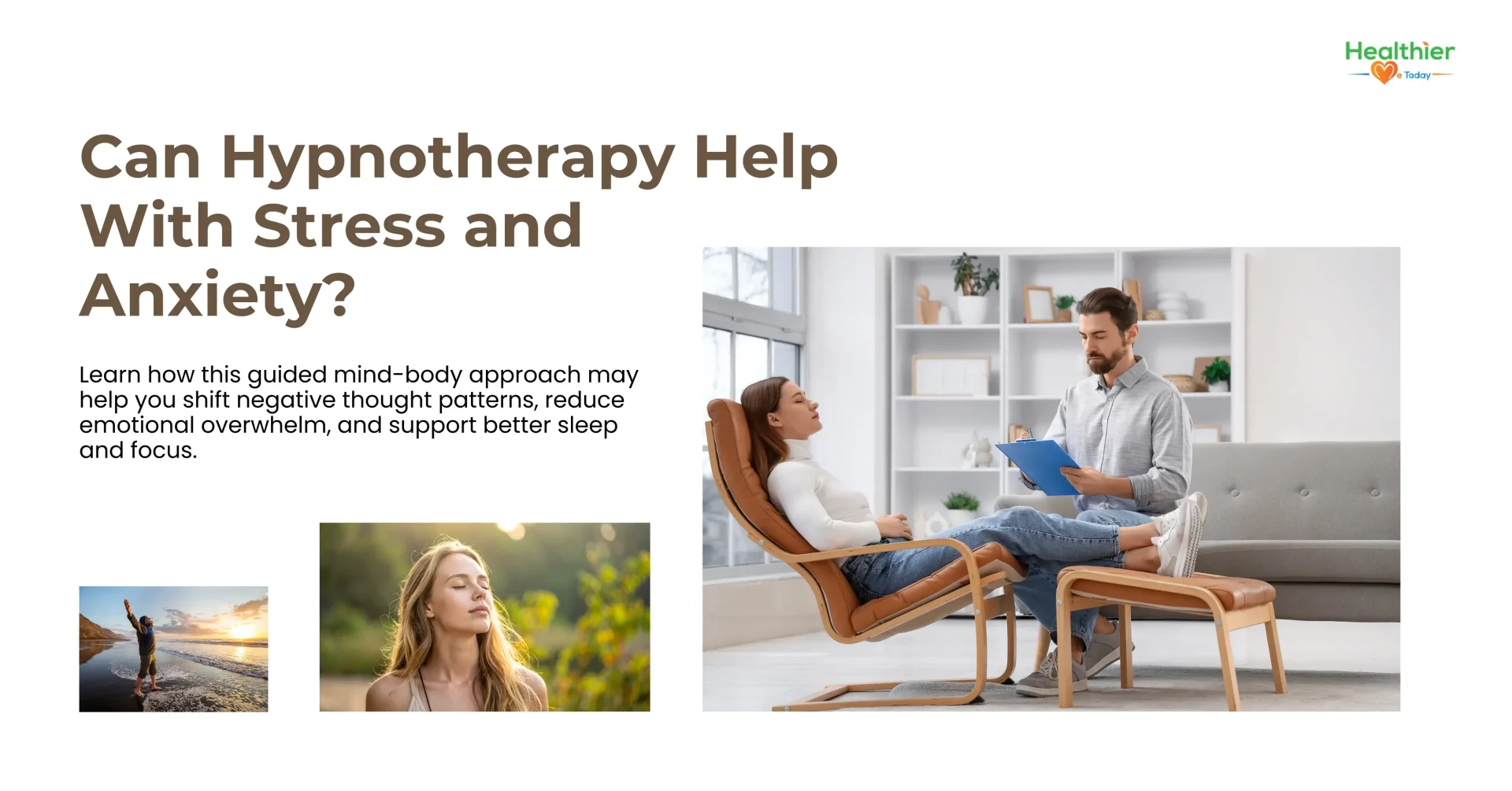
How Hypnotherapy May Help With Stress, Anxiety, and More

If you’ve been feeling overwhelmed, stuck in anxious thought loops, or mentally drained, no matter how much you rest, you’re not alone. Stress has a way of creeping into every part of your life, your sleep, your focus, and even your relationships. You may have tried breathing exercises, journaling, or even therapy, but still feel like something deeper needs attention. That’s where many people start exploring the benefits of hypnotherapy as a supportive mind-body approach.

In this guide, you’ll learn how hypnotherapy can help with stress, anxiety, and other emotional and physical challenges.

What Is Hypnotherapy?

Hypnotherapy is a guided technique that helps you enter a deeply relaxed, focused state so you can work through thoughts, emotions, or patterns that may be holding you back. You’re not asleep, and you’re not out of control. You’re calmer and more mentally open.

In that relaxed state, it becomes easier for you to shift negative thought patterns, reduce stress, and build healthier responses. Many people use it to support stress relief, anxiety management, better sleep, and confidence, making it a practical mind-body approach rather than something mysterious.

How Hypnotherapy Works

Understanding hypnotherapy treatment benefits starts with knowing how the process guides you into a relaxed, focused state. During a session, your hypnotherapist will use calming techniques, like soft guidance, breathing exercises, and focused visualization, to help you enter this state. You stay fully aware, but your mind becomes more open to suggestions that encourage positive changes in your thinking or behavior. Being in this relaxed state makes it easier to catch those negative thoughts and turn them around slowly. It helps you feel calmer, sleep a bit better, and handle life’s ups and downs without feeling so weighed down.

Benefits of Hypnotherapy

Benefits of Hypnotherapy

The hypnotherapy benefits go beyond just relaxation, helping you handle stress, sleep better, and feel more in control of your thoughts and emotions. Let’s take a look at how it can positively impact different areas of your life.

  • Emotional

Hypnotherapy can help you get a clearer sense of your emotions and how they affect you. It is easier to notice and process feelings like frustration or sadness without letting them take over. Over time, it can help you feel steadier, in control, and emotionally grounded in your day-to-day life.

  • Intellectual

Hypnotherapy can help your brain feel less cluttered, making it easier to think clearly and stay focused. Problem-solving, remembering details, or staying on top of tasks feels simpler. It can give your mind a bit of a “reset,” helping you feel sharper, more alert, and confident in handling everyday challenges.

  • Social

Hypnotherapy can improve your social life by helping you feel calmer and more confident around others. When anxiety and self-doubt decrease, it becomes easier to start conversations, express yourself naturally, and feel comfortable in group settings. This can lead to more genuine connections and stronger relationships.

  • Physical

Hypnotherapy isn’t just about your mind; it can have real effects on your body, too. When you’re calmer and more relaxed, your muscles loosen up, tension eases, and you may notice fewer headaches or aches. You might even feel more energized and comfortable in your body, making everyday activities feel a bit easier.

  • Stress and Anxiety

Hypnotherapy for stress and anxiety helps you hit the “pause button” on your mind and body. It teaches you to notice anxious thoughts early and respond in a calmer, more controlled way. Over time, you may find stressful situations feel less overwhelming, leaving you with more peace of mind and a greater sense of control in your daily life.

  • Depression

Hypnotherapy for depression can help you shift negative thinking patterns and bring a more positive perspective. It offers practical ways to feel lighter, more hopeful, and more motivated in your daily life. While it’s not a substitute for medical care, it can be a helpful tool to support your emotional well-being and give you a mental boost.

  • Sleep Problems

Hypnotherapy for sleep problems helps you calm your mind and release tension in your body, which can stop racing thoughts from keeping you awake. It makes falling asleep feel easier and helps you stay asleep longer. You’ll notice that you wake up feeling more refreshed and energized, and ready to tackle the day.

If you’d like to know if you should sleep naked, read this article!

  • Pain Management

Hypnotherapy for pain management helps you feel more in control when dealing with discomfort [med.stanford.edu]. Calming your mind and relaxing your body can make aches and tension feel less intense. You may find it easier to move around, focus on daily tasks, and feel less distracted by pain.

  • Habit Change

Hypnotherapy helps you gently change old habits and build healthier routines by training your mind to respond differently to triggers. Whether it’s eating better, exercising, or reducing hard-to-break negative behaviors, you start to notice patterns in your thinking and behavior. You can replace them with choices that support your goals, all without feeling forced or overwhelmed.

Risks of Hypnotherapy

Hypnotherapy is generally safe for most people, but it’s not completely without risks. Some people may notice mild hypnotherapy side effects that often go away on their own, and are generally nothing to be concerned about.

Here are a few side effects of hypnotherapy:

  • Feeling dizzy or lightheaded – You may feel a little dizzy after a session, especially if you stand up quickly [my.clevelandclinic.org]. 
  • Mild headaches – Some people get headaches as their minds and bodies adjust to a relaxed state.
  • Experiencing strong emotions – Sometimes hypnotherapy can stir up emotions you didn’t realize were there, like sadness or anxiety.
  • Vivid memories or thoughts – Sometimes, old memories come up during or after a session.

Now that you know what side effects might happen, you’ll know what to watch for, but there’s no need to be concerned; it’s all a normal part of the process.

How Effective is Hypnotherapy?

Research shows that hypnotherapy for mental health can be a helpful option for people dealing with stress, anxiety, and emotional pressure [pmc.ncbi.nlm.nih.gov]. During a session, the mind enters a calm, focused state, making it easier to reflect on thoughts and reactions that may otherwise feel automatic or overwhelming. In that relaxed state, people can begin to shift unhelpful thinking patterns and build healthier ways of responding to stress.

Some people notice changes after only a few sessions, while for others it takes a bit more time. Many say they start feeling calmer, sleep better, and handle everyday situations with less tension. Hypnotherapy can also support habit changes and confidence by helping people become more aware of the patterns that influence their behavior.

Hypnotherapy vs Psychotherapy

Hypnotherapy vs Psychotherapy

With psychotherapy (often called talk therapy), you sit down and talk through your thoughts, feelings, past experiences, and patterns [apa.org]. Over time, you begin to understand why you react the way you do, what triggers certain emotions, and how to manage them in a healthier way.

Hypnotherapy works a little differently. Instead of mainly talking things through, you’re guided into a calm, focused state where your mind becomes more open to positive suggestions and change. This can be especially helpful if you want to work on specific issues like habits, stress, fears, or confidence blocks.

Many people choose to combine hypnotherapy and psychotherapy to get the benefits of deeper understanding and faster change.

Can Hypnotherapy Help With Quitting Smoking?

If you’ve tried to quit smoking before, you know how difficult it can be. Hypnotherapy can be a helpful tool if you’re trying to quit smoking [webmd.com]. Hypnotherapy can help by guiding you into a relaxed, focused state, making it easier to rethink your relationship with cigarettes and manage cravings. You learn to replace old habits with healthier routines and reinforce positive choices, which can make quitting feel more achievable.

Which Hypnotherapy Apps Have the Highest User Ratings for Stress Reduction?

You don’t always need to see someone in person to benefit from hypnotherapy. You can use highly rated apps that offer guided relaxation and self-hypnosis on your phone [verywellmind.com]. Apps like Reveri, Harmony Self Hypnosis, Ultimate Hypnosis & Meditation, and HypnoBox use hypnotherapy techniques to reduce stress, calm anxiety, and improve focus. Each app has a different style, from AI-guided sessions to customizable modules.

Tools That May Support Relaxation During Hypnotherapy

Lifestyle Changes & Home Remedies

Using the right tools can make your hypnotherapy sessions feel even more relaxing and effective, helping you stay focused and get the most out of each session.

White Noise Machine

A white noise machine creates a calming background sound that helps to eliminate distractions. This helps you relax and maintain focus during hypnotherapy or meditation sessions.

Meditation Eye Mask

A meditation eye mask helps block out light and signals your brain that it’s time to relax. Using one can help you achieve a calm, focused state during hypnotherapy and remain fully present throughout your session.

End Your Suffering Guide

This guide helps you manage stress, anxiety, and emotional difficulties. It includes practical exercises, tips, and strategies for daily use. Using this guide with your hypnotherapy sessions can provide extra support and help you feel more in control of your mental well-being.

What to Expect During a Hypnotherapy Session

During a hypnotherapy session, you’ll usually start by chatting with your therapist about what you want to work on and any worries you might have. Then they’ll help you enter a calm, relaxed state using techniques such as deep breathing, gentle guidance, or visualizations.

Even though you’ll feel deeply relaxed, you’re fully aware and in control the whole time. It’s not about losing control; it’s about helping your mind focus so you can make positive changes more easily.

Conclusion: Supporting Your Mind and Emotional Balance

Exploring new ways to support your mental and emotional well-being can sometimes open the door to positive change. Hypnotherapy offers a calm, guided way to slow down, become more aware of your thoughts, and learn healthier ways to respond to everyday challenges.

While it may not replace professional medical or psychological care, many people use it as an additional tool to support personal growth and emotional balance. With the right guidance and a willingness to engage in the process, hypnotherapy can become part of a broader journey toward feeling calmer, more focused, and in control.

Frequently Asked Questions

What problems can hypnotherapy treat?

Hypnotherapy can help with a variety of issues, especially those linked to your mind and habits. It’s often used for stress and anxiety, sleep problems, managing pain, breaking bad habits, boosting confidence, and easing fears. By working with your subconscious mind, hypnotherapy helps you make lasting changes and tackle challenges in a way that feels natural.

Is hypnotherapy really effective?

When it comes to hypnotherapy effectiveness, many people notice real benefits, especially for managing stress, anxiety, and improving focus. How well it works depends on what you’re hoping to achieve and how your mind responds to hypnosis, but consistent sessions often help you feel calmer, more in control, and better able to handle daily-life challenges.

What is the success rate of hypnotherapy?

The success of hypnotherapy varies depending on the issue and your willingness to try it. Studies show success rates of 60% to 80%. It works best when paired with healthy habits or other treatments.

What happens to the brain during hypnotherapy?

During hypnotherapy, your brain relaxes and quiets down, helping you focus without feeling stressed or distracted. In this calm state, it’s easier for you to notice your thoughts and emotions, and even gently shift habits or reactions that might be holding you back.

Who is not suitable for hypnotherapy?

Hypnotherapy is generally safe, but it might not be right for everyone. People with certain mental health conditions, like severe psychosis or uncontrolled epilepsy, should avoid it unless cleared by a healthcare professional.

10 Daily Wellness Habits That Improve Your Health & Life Instantly

Taking care of your health doesn’t have to involve complicated routines or drastic lifestyle changes. Often, the small things you do every day have the biggest impact. Simple daily wellness habits can help you feel more energized, improve your mood, and support both your physical and mental health over time.

This guide shares 10 daily wellness habits to improve your health, boost your energy, and support a happier, more balanced life.

Why Daily Wellness Habits Matter

The small choices you make every day play a bigger role in your health than you might think. Daily wellness habits help create consistency in your routine, which makes it easier for your body and mind to function at their best. When you focus on building healthy daily habits, like drinking enough water, moving your body, and getting proper rest, you support your energy levels, mood, and overall well-being.

Symptoms of Daily Wellness Habits

Over time, these small actions add up. Even simple wellness habits practiced consistently can help reduce stress, improve focus, and support long-term health. Instead of relying on big changes that are hard to maintain, daily habits provide a steady foundation for a healthier, more balanced life.

10 Daily Wellness Habits for a Healthier Life

Focusing on your well-being doesn’t have to feel overwhelming. By introducing small, consistent wellness habits into your daily routine, you can gradually improve your energy, mood, and overall health. These simple changes help support both your mind and body, making it easier to handle everyday challenges and feel more balanced in your life.

1. Start Your Day With a Simple Morning Wellness Routine

How you start your morning can influence the rest of your day. A morning wellness routine for better health doesn’t have to be long or complicated. It can be something simple, like stretching for a few minutes, taking a short walk, or doing a few deep-breathing exercises.

Even small habits like drinking a glass of water when you wake up or taking a quiet moment to set a positive intention for the day can help you feel calmer and more focused. Giving yourself this time in the morning lets you start the day feeling more in control, not rushed.

2. Stay Hydrated Throughout the Day

Drinking enough water during the day is one of the simplest ways to support your health. Your body needs water to function properly, from helping with digestion to keeping your energy levels up.

A good habit is to keep a water bottle with you and take small sips throughout the day instead of drinking large amounts at once. This makes it easier to stay hydrated without even thinking about it.

When your body gets enough water, it can help you concentrate better, reduce headaches, and keep you feeling more energized. Staying hydrated is a small daily habit that can make a big difference in how you feel both physically and mentally.

3. Move Your Body Daily

Moving your body every day is an easy way to stay healthy. You don’t need to spend hours at the gym or follow a strict workout plan. Simple activities, like taking a short walk, stretching in the morning, or using the stairs instead of the elevator, can help keep you active.

Regular movement helps your blood flow better, keeps your joints from feeling stiff, and supports muscle strength. It can also improve your mood, because physical activity helps release hormones that make you feel more positive and focused during the day.

4. Eat Balanced & Nutrient-Rich Foods

What you eat each day plays a big role in how your body feels and how much energy you have. Choosing wholesome foods like fruits, vegetables, lean proteins, and whole grains helps give your body the nutrients it needs to function well.

Eating balanced meals helps keep your energy steady throughout the day and helps prevent constant snacking or cravings. Nutritious foods also support your immune system and help your body stay strong and healthy.

5. Practice Mindfulness or Stress Management

Taking a few minutes each day to slow down and relax can help ease stress. Mindfulness means being aware of how you feel and noticing what’s happening around you, instead of letting your thoughts run ahead to what still needs to happen.

Simple habits like taking deep breaths, jotting down your thoughts, or just sitting quietly for a few minutes can help calm your mind and give you a mental reset.

Doing these small daily practices can make you feel more in control, help you focus better, and make it easier to handle whatever the day throws at you.

6. Prioritize Quality Sleep

Getting enough sleep is one of the simplest ways to take care of your health [cdc.gov]. Good rest helps your body recover, keeps your mind sharp, and can lift your mood.

Try to go to bed at the same time, reduce screen time before bed, and make your bedroom a calm, comfortable space. Focusing on quality sleep gives your body and mind the chance to recharge so that you can feel your best every day.

7. Spend Time Outdoors

Spending a little time outside each day can make a big difference to how you feel. Fresh air and natural sunlight can help lift your mood and give your body a healthy boost of vitamin D.

You could go for a short walk, spend some time in your garden, or sit outside for a few minutes to enjoy the fresh air. These small moments outdoors can help clear your mind and leave you feeling more refreshed.

8. Maintain Social Connections

Being with people whom you care about can really boost your mood. Even little things, like chatting with a friend, sending a quick message, or catching up over coffee, can help you feel more supported and connected. 

You don’t have to do anything big; just keeping in touch with your close ones can brighten your day.

9. Practice Daily Self-Care

Self-care is about more than just pampering yourself. It’s about taking small steps to look after both your body and your mind. This could be something simple like following a skincare routine, reading a few pages of a book, taking a bath, or spending time on a hobby you enjoy.

Building daily self-care habits for adults can help ease stress and bring more balance to your day. When you make time for these small moments, it becomes easier to look after your well-being and stay motivated in everyday life.

10. Reflect or Practice Gratitude

Taking a few moments each day to reflect on your day or think about what you’re grateful for can really boost your mindset. Writing down small wins, challenges you overcame, or things you appreciate helps you focus on the positive and build emotional resilience.

Even just a few minutes of reflection can help you feel more grounded, content, and optimistic, giving you a calmer and more positive outlook for the day ahead.

5 Tips to Make Healthy Habits Stick

Daily Wellness Habits - Theory Wellness

Staying consistent with healthy routines becomes much easier when you have a few simple tools and strategies. Small reminders and helpful resources can support you and make it easier to stick with your new habits.

Here are some ideas to help you along the way:

  • Gratitude journal for daily reflection – Taking a few minutes to write down things you appreciate or small wins from your day can help shift your focus toward the positive. It also gives you a chance to reflect on your progress and notice the good moments that are often easy to overlook in a busy day.
  • Mindfulness meditation cards – These cards can be helpful when you need a quick moment to pause and reset. They usually include simple prompts or short exercises that guide you through breathing or mindfulness practices. Slowing down helps you clear your mind and reduce stress, even if you only have a few minutes during the day.
  • Water bottle with time markers – These bottles show time marks along the side, helping you keep track of how much water you’ve had during the day. Seeing those small reminders can help you remember to drink regularly, especially when you’re busy and might forget to stay hydrated.
  • Phone reminders – Sometimes we forget to take a break when the day gets busy. Setting a few reminders on your phone can help you pause for a moment to stretch, take a few deep breaths, or go for a short walk. These small pauses during the day can help you stay on track with your healthy habits.
  • Habit pairing – One easy way to make a new habit stick is to link it to something you already do every day [heart.org]. For example, you could drink a glass of water right after brushing your teeth, or write a few lines in your journal while having your morning coffee.

Using these tools and strategies can make it much easier to turn simple routines into habits for a healthier life while steadily building habits that improve overall health.

Conclusion: Small Changes Can Have a Huge Impact 

Conclusion - Daily Wellness Habits

Improving your health doesn’t always mean making huge lifestyle changes or following strict routines. In many cases, it’s the small things you do each day that have the biggest impact over time. Simple habits like drinking enough water, staying active, eating balanced meals, getting proper rest, and taking a few quiet moments to slow down or reflect can support both your physical and mental well-being.

The key is to start small and stay consistent. Choose one or two healthy habits to focus on first, and build them into your daily routine. Over time, these simple wellness habits can become part of your lifestyle, helping you create a healthier and happier life.

Frequently Asked Questions (FAQ)

What are 10 good daily habits?

These 10 habits are simple ways to take care of your body and mind every day:

  • Start your day with a simple morning routine 
  • Drink enough water throughout the day
  • Move your body daily
  • Eat balanced meals that include fruits, veggies, proteins, and whole grains.
  • Practice mindfulness and manage stress 
  • Get enough sleep
  • Spend time outdoors
  • Stay connected with friends and family
  • Make time for self-care
  • Make time to appreciate the simple things in life

What are the 7 pillars of wellness?

The 7 pillars of wellness are different areas of your life that work together to support your overall well-being:

  • Physical wellness
  • Emotional wellness
  • Intellectual wellness
  • Spiritual wellness
  • Social wellness
  • Nutritional wellness
  • Environmental wellness

What are 20 healthy habits?

If you want to build a healthier lifestyle, here are 20 simple habits you can start adding to your routine:

  • Make sure you drink enough water during the day
  • Try to include more fruits and vegetables in your meals
  • Find simple ways to stay active and move your body
  • Aim to get a good night’s sleep whenever you can
  • Take a moment to appreciate the good things in life
  • Spend a little time outside and enjoy some fresh air
  • Give yourself short breaks if your day feels busy
  • A few quiet minutes to breathe and slow down can help reset your mind
  • Cutting back on screen time before bed may help you sleep better
  • Gentle stretching or light movement can help loosen your body
  • Start your day with a simple morning routine
  • Reading a few pages of a book or learning something new can keep your mind active
  • Stay in touch with friends, family, or people who support you
  • Set one or two small goals for the day
  • Cook healthy meals at home when possible
  • Keep your home or workspace neat and tidy
  • Speak to yourself in a kind and encouraging way
  • Make time for hobbies or activities that you enjoy
  • Take a few minutes to think about how your day went
  • Notice and celebrate the small wins in your day

How do I make my life better?

Making your life better often starts with small daily changes. Focus on simple things like taking care of your health, building positive habits, setting small goals, and surrounding yourself with supportive people. Over time, these small steps can create meaningful improvements in your life.

How to feel happy every day?

Not everything in life needs to be perfect to be happy. Most of the time, happiness comes from the little moments in your day. Being around people who care about you, taking care of your body, getting enough sleep, and doing activities you enjoy can all help you feel better emotionally.

The Top 6 Triggers of Asthma & How to Avoid Them

Asthma affects millions of people worldwide, and understanding what triggers symptoms is an important step toward better control. While many people search for the causes of asthma, the condition does not usually have a single cause. Instead, flare-ups are often triggered by specific factors in the environment.

These triggers can tighten the airways, cause inflammation, and make breathing suddenly more difficult. In this article, we will explore the most common asthma triggers, how they affect the body, and practical ways to avoid them for better everyday breathing.

Causes of Asthma

While researchers continue to study what causes asthma, one thing is clear: symptoms are often triggered by specific factors in a person’s environment. These triggers can vary widely from person to person and may lead to coughing, wheezing, or chest tightness.

Learning to identify and avoid these triggers can help reduce flare-ups, nighttime symptoms, and emergency situations. Below are some of the most common asthma triggers that can affect breathing and worsen asthma symptoms.

1. Allergens

Allergens are one of the most common triggers of asthma symptoms, especially for people who experience asthma and allergy conditions together. Everyday allergens such as pollen, dust mites, mold, and pet dander can irritate sensitive airways, leading to inflammation and breathing difficulties.

When these particles are inhaled, the immune system may react strongly, causing the airways to tighten and produce extra mucus. This reaction can trigger symptoms such as coughing, wheezing, and shortness of breath.

Because allergens are present in many indoor and outdoor environments, learning how to reduce exposure can play an important role in preventing asthma flare-ups.

How to Avoid Triggers

  • Use a HEPA air purifier in the bedroom.
  • Keep windows closed during high-pollen days.
  • Wash bedding frequently in hot water.
  • Vacuum carpets using a HEPA filter vacuum.
  • Reduce indoor humidity to help prevent mold growth.

People with allergic asthma may also benefit from allergy testing, which can help identify the specific substances that trigger their symptoms.

2. Air Pollution and Environmental Irritants

Air pollution and environmental irritants can easily trigger asthma symptoms because the lungs are highly sensitive to particles in the air. Substances such as cigarette smoke, vehicle emissions, chemical fumes, and industrial pollutants can irritate the airways and worsen breathing problems. 

This is why many people experience increased symptoms related to asthma and air pollution, particularly in heavily populated or industrial areas.

How to Avoid Triggers

  • Check daily air-quality indexes and limit outdoor activity on high-pollution days.
  • Avoid smoking areas altogether.
  • Use unscented cleaning products and avoid strong detergents.
  • Keep the home well ventilated when cooking.

Here are mullein drops to help your lungs and airways!

3. Respiratory Infections

Respiratory infections such as colds, flu (influenza), and other viruses can irritate the airways and trigger inflammation [cdc.gov]. When the body fights an infection, the airways may become more sensitive and swollen, making breathing more difficult for people with asthma. Because of this, infections are one of the most common causes of a sudden asthma flare up.

How to Avoid Triggers

  • Wash your hands frequently.
  • Avoid close contact with people who are sick.
  • Get yearly flu vaccinations when eligible.
  • Maintain good hydration and healthy sleep habits to support your immune system.

4. Physical Activity and Cold Weather

Some people with asthma develop symptoms during exercise or when breathing in cold air. This can occur with exercise induced asthma or cold induced asthma, conditions in which the airways temporarily narrow in response to increased airflow or sudden temperature changes.

How to Avoid Triggers

  • Warm up slowly before exercise.
  • Use a scarf or cloth to cover your mouth when breathing in cold air.
  • Choose indoor workouts on extremely cold or windy days.
  • Keep a reliever inhaler nearby during physical activity.

With the right precautions, many people with asthma can remain physically active while protecting their airways.

5. Stress and Strong Emotions That Can Trigger Asthma

Emotional stress can tighten the chest, change breathing patterns, and trigger asthma symptoms in some people. Strong emotions such as anxiety, anger, or intense excitement may also make breathing feel more difficult. While stress does not directly answer what is asthma caused by, it can play a significant role in triggering flare-ups and affecting overall symptom control.

How to Manage Triggers

  • Practice deep breathing or mindfulness exercises.
  • Prioritize rest and regular sleep.
  • Break larger tasks into simple, manageable steps.
  • Seek emotional support when needed.

Use a mattress protector to help reduce exposure to dust mites, pet dander, mold, and other allergens that can trigger asthma symptoms at night. Since you spend hours sleeping each day, allergens trapped inside a mattress can continue irritating the airways over time. A protector creates a barrier between you and those irritants, while regular washing can help keep the sleeping environment cleaner and easier on the lungs.

Here are 10 natural ways to ease your stress!

6. Food Triggers and Additives

Food does not commonly cause asthma attacks on its own, but certain foods and additives can worsen symptoms or increase airway inflammation. This is why researchers often explore the diet and asthma connection, particularly in people who notice symptoms after eating specific foods [aafa.org]. 

Foods to Watch

  • Foods containing sulfites, such as dried fruits, wine, and some packaged potatoes.
  • Foods that trigger heartburn or acid reflux, which can irritate the airways.
  • Very cold drinks or ice, which may increase airway sensitivity in some individuals.

How to Avoid Triggers

  • Keep a food diary to track possible reactions.
  • Limit heavily processed foods and additives.
  • Pay attention to foods that seem to worsen breathing symptoms.

If a particular food repeatedly worsens breathing or asthma symptoms, it is best to avoid it and discuss it with a healthcare provider.

How to Reduce Exposure Through Lifestyle Habits

Managing asthma often involves reducing exposure to common triggers in everyday environments. By making small, consistent adjustments to daily habits, it is possible to lower the risk of flare-ups and improve overall breathing comfort. These natural ways to control asthma and thoughtful lifestyle changes to prevent asthma can help support lung health and make symptoms easier to manage over time.

  • Keep your home clean and dust-free – Regular cleaning can reduce exposure to dust mites, pet dander, and other indoor allergens. Vacuum carpets frequently, wipe surfaces with damp cloths, and wash bedding in hot water to limit allergen buildup.
  • Strengthen your immune system with nutritious meals and adequate sleep – A balanced diet rich in fruits, vegetables, whole grains, and lean proteins helps support the immune system. Getting enough sleep also helps the body recover and may reduce vulnerability to infections that can trigger asthma symptoms.
  • Clean or replace air filters regularly – Air filters in heating and cooling systems can collect dust, pollen, and other particles. Replacing them on schedule helps maintain cleaner indoor air and reduces exposure to irritants that may worsen asthma.
  • Stay well hydrated throughout the day – Drinking enough water helps keep the airways moist and may make mucus easier to clear. Proper hydration also supports overall respiratory health.
  • Practice breathing exercises – Gentle breathing techniques, such as diaphragmatic breathing or paced breathing exercises, may help improve lung efficiency and reduce feelings of shortness of breath in some people.

Taking small daily actions based on practical asthma prevention tips can lead to long-term improvements in symptom control and quality of life.

When to See a Doctor for Asthma Symptoms

When to See a Doctor for Asthma Symptoms

Occasional breathing discomfort may happen for many reasons, but persistent or worsening symptoms should always be taken seriously. Asthma symptoms can range from mild to severe, and recognizing when medical help is needed can prevent complications and improve long-term control.

You should consider speaking with a healthcare provider if you frequently experience symptoms such as wheezing, coughing, chest tightness, or shortness of breath, especially if they interfere with daily activities or sleep [webmd.com]. These signs may indicate that asthma is not well-controlled or that treatment adjustments are needed.

Medical attention is especially important if symptoms suddenly worsen or do not improve with prescribed inhalers. Warning signs such as difficulty speaking due to breathlessness, rapid breathing, or persistent chest tightness may signal a severe asthma attack that requires immediate care.

A healthcare professional can evaluate your symptoms, identify possible triggers, and recommend appropriate treatment or management strategies. Early diagnosis and proper treatment can help prevent serious asthma complications and improve overall quality of life.

Conclusion: Stay in Control of Your Asthma

Asthma symptoms do not appear randomly. In many cases, they are triggered by specific environmental, physical, or lifestyle factors. By learning to recognize common triggers such as allergens, air pollution, infections, stress, or certain foods, many people can significantly reduce the frequency of flare-ups.

Paying attention to early asthma attack symptoms, including coughing, wheezing, chest tightness, and shortness of breath, can help you respond quickly before symptoms become more severe. Understanding your personal triggers is one of the most effective ways to manage the condition and maintain better breathing throughout daily life.

With the right awareness, practical lifestyle adjustments, and guidance from a healthcare professional, many people with asthma are able to stay active, reduce symptoms, and maintain long-term control of their condition. 

Frequently Asked Questions (FAQ)

Q: Can asthma develop later in life?

A: Yes, many people wonder can you develop asthma later, and the answer is yes. Asthma can appear in adulthood after long-term exposure to irritants, hormonal changes, or respiratory infections. Lifestyle habits and work environments may also contribute to the development or worsening of symptoms.

Q: Is asthma hereditary or environmental?

A:Asthma can be influenced by both genetics and environmental factors. A family history of asthma may increase your risk, while exposure to allergens, pollution, or other irritants can affect how often symptoms occur and how severe they become.

Q: Can exercise trigger asthma symptoms?

A: Yes, physical activity can trigger airway narrowing during intense exercise or when exercising in cold air. This occurs because increased airflow can dry and irritate the airway lining. Proper warm-ups and controlled breathing techniques may help reduce symptoms.

Q: What foods may worsen asthma?

A: Certain foods and additives can worsen asthma symptoms in some people. Preservatives such as sulfites, cold drinks, and foods that trigger acid reflux may irritate the airways. Keeping track of how your body reacts to different foods can help identify possible triggers.

Q: What lifestyle changes reduce asthma attacks?

A: Improving indoor air quality, reducing clutter that collects dust, washing bedding frequently, and avoiding smoking areas can help reduce exposure to asthma triggers. A balanced diet, regular physical activity, and maintaining a clean living environment also support long-term respiratory health.

Morning Walk vs Evening Walk: Which Is Better for Your Health?

Is a walk at sunrise the secret to kickstarting your day, or does an evening stroll hold the real health benefits? Scientists have looked into the timing, and the results may surprise you. 

Research shows that exercise doesn’t just depend on intensity or duration. The body can actually respond differently depending on the time of day. That’s why the debate around a morning walk vs evening walk has become such a focus for health experts, with studies examining how each affects metabolism, stress, sleep, and overall wellness.

And while both options have their place, the findings point to a clear answer.

Does the Time of Day You Walk Really Matter?

Does Time of Day Really Matter

When comparing a morning walk vs evening walk, many people wonder if the timing actually affects the health benefits. Research suggests that the body responds differently to exercise throughout the day because of natural circadian rhythms that influence energy levels, metabolism, and hormone activity [pmc.ncbi.nlm.nih.gov]. 

So, yes!

The benefits of walking early morning can differ slightly from walking later in the day. For example, morning walks may help wake up the body and support daily routines, while evening walks may feel easier after the body has fully warmed up.

Still, both options can be beneficial.

Benefits of a Morning Walk

Walking shortly after waking can help activate the body’s metabolism, improve alertness, and expose the body to natural daylight. The usefulness of morning walk routines is often linked to how they support healthy daily rhythms and encourage consistent activity.

Boosts Energy and Mental Focus

Light aerobic activity increases blood circulation, which helps deliver oxygen to the brain and muscles. Research shows that even moderate exercise like walking can improve mood and mental clarity, helping people feel more alert and focused throughout the day.

May Support Weight Loss

Exercising earlier in the day may help the body regulate metabolism and fat use more efficiently. While weight loss depends on many factors, regular walking can contribute to calorie burning and support long-term weight management.

Helps Regulate Sleep Cycles

Exposure to natural sunlight plays a key role in regulating circadian rhythms. Morning light helps signal the body when to wake and sleep, which may improve sleep quality and make it easier to fall asleep later at night.

Encourages Consistency and Healthy Routines

Research on exercise habits shows that people are more likely to maintain physical activity when it becomes part of a daily routine. Walking earlier in the day can make it easier to stay consistent before other responsibilities and distractions appear.

If you enjoy early workouts or long walks, a light pre-workout like Alani Nu Pre Workout Powder Hawaiian Shaved Ice can help support energy and focus before heading out.

Benefits of an Evening Walk

Evening Walk

While morning exercise works well for many people, there are also important morning and evening walk benefits to consider when deciding the best time to be active. Walking later in the day can help the body unwind, support digestion, and take advantage of the body’s natural physical readiness in the evening hours.

Helps Reduce Stress After a Long Day

Physical activity can help lower stress levels by encouraging the release of endorphins, which are chemicals that improve mood and promote relaxation. After a long or demanding day, a gentle walk can help clear the mind, reduce tension, and create a natural transition from work to rest.

Supports Digestion After Dinner

Light movement after eating may help support digestion by encouraging the digestive system to move food more efficiently through the body. A short walk after dinner is often recommended because it can reduce feelings of heaviness and may help maintain stable blood sugar levels.

Muscles May Perform Better Later in the Day

Research suggests that muscle strength, flexibility, and overall physical performance tend to peak later in the day when body temperature is slightly higher. Because of this, some people find that walking or exercising in the evening feels easier and more comfortable compared to early morning workouts.

Can Be Easier for Busy Schedules

For people with demanding mornings, evening walks can be a more practical option. Walking after work or daily responsibilities allows time for physical activity without rushing, making it easier to maintain a consistent exercise routine.

A water bottle with time markers can help you stay hydrated throughout the day, especially if you make walking part of your daily routine.

Morning Walk vs Evening Walk for Specific Health Goals

Both options offer strong morning and evening walk benefits, but the best choice can depend on your personal health goals. The timing of your walk may influence how your body responds, whether you are focusing on weight management, sleep quality, or stress reduction.

For Weight Loss

When comparing morning walk vs evening walk for weight loss, consistency and total activity level matter most. However, some research suggests that walking earlier in the day may help support metabolism and encourage the body to use stored fat for energy [pmc.ncbi.nlm.nih.gov]. Morning activity may also help regulate appetite throughout the day.

Evening walks can still support weight loss because they increase daily calorie expenditure and may prevent long periods of inactivity after dinner. In the end, the best time to walk for weight loss is the time that helps you stay consistent with your routine.

For Better Sleep

Looking at morning vs evening walk for better sleep, exposure to morning sunlight may play an important role. Early daylight helps regulate the body’s circadian rhythm, which supports healthy sleep patterns and can make it easier to fall asleep at night.

Evening walks can also help some people sleep better, especially when they reduce stress and promote relaxation. However, very intense exercise late at night may make it harder for some individuals to fall asleep.

For Stress Relief

Many people wonder is it better to walk in the evening for relaxation… For some individuals, walking later in the day can be especially helpful for relieving stress built up from work or daily responsibilities.

Gentle physical activity helps release endorphins and reduce tension in the body. An evening walk can provide quiet time to unwind, reflect, and mentally transition into a more relaxed state before bedtime.

Preparing breakfast in overnight oats containers with lids can make it easier to fuel your body after a morning walk without rushing through your morning.

So, Is Morning Walk or Evening Walk Better?

So, Is Morning Walk or Evening Walk Better

Overall, research suggests that a morning walk may have a slight advantage for overall health, mainly because it helps regulate circadian rhythms, encourages consistency, and exposes the body to natural daylight early in the day [verywellhealth.com]. These factors can support better sleep, improved mood, and healthier daily routines, which explains the growing interest in the use of morning walk habits for long-term wellness.

That said, an evening walk is still highly beneficial and may even feel more comfortable for some people because the body’s muscles and joints are naturally warmer later in the day. Evening walks can also be particularly helpful for stress relief and digestion after dinner.

But the best option is the one that fits your schedule and helps you stay consistent. Walking regularly, whether in the morning or evening, will provide far greater health benefits than focusing only on the timing.

Conclusion: This is What’s Important

Both morning and evening walks offer valuable health benefits, and the best choice often depends on your lifestyle and personal goals. Morning walks can help boost energy, support metabolism, and regulate sleep by exposing the body to natural daylight. Evening walks, on the other hand, can help reduce stress, support digestion, and provide a relaxing way to unwind after a long day.

When weighing the pros and cons of evening walking after dinner, it becomes clear that both options can be beneficial when done consistently. Morning walks may be slightly better for building routines and supporting sleep cycles, while evening walks can be easier to fit into busy schedules and help relieve daily tension.

Ultimately, the most important factor is consistency. Walking regularly, regardless of the time of day, supports heart health, improves mood, and contributes to long-term wellness.

If you’re looking for simple ways to improve your health, consider adding a daily walk to your routine and choosing the time that works best for your lifestyle.

Frequently Asked Questions (FAQ)

Is a morning walk better or an evening walk?

Both morning and evening walks can support overall health. Morning walks may help regulate sleep cycles and boost energy early in the day, while evening walks can help reduce stress and support digestion. The best choice is the time that fits your routine and allows you to stay consistent.

Does walking increase serotonin?

Yes, walking can help increase serotonin levels. Physical activity stimulates the release of mood-supporting chemicals in the brain, including serotonin and endorphins. This is one reason regular walking is often linked to improved mood, reduced stress, and better mental well-being.

Is a morning walk good for heart patients?

In many cases, a morning walk can be beneficial for heart health because it encourages gentle cardiovascular activity. Regular walking may help improve circulation, lower blood pressure, and support heart function. One advantage of morning walk routines is that they allow people to exercise consistently before daily responsibilities begin. However, individuals with heart conditions should always follow their doctor’s guidance about exercise.

What is the healthiest time of day to walk?

There is no single time that works best for everyone. However, many experts highlight the benefits of early morning walk routines because exposure to daylight can help regulate circadian rhythms, support metabolism, and improve energy levels. That said, walking at any time of day is beneficial if it helps you stay active regularly.

Can an evening walk reduce belly fat?

An evening walk can contribute to fat loss when combined with a balanced diet and regular physical activity. Walking helps burn calories and improves metabolism, which may support gradual weight loss over time. While it cannot specifically target belly fat, consistent walking can help reduce overall body fat and improve fitness.

What Is Childhood Alzheimer’s? Signs, Causes, & Treatment

What Is Childhood Alzheimer’s? Signs, Causes, & Treatment

Childhood Alzheimer’s is a term that can feel confusing and frightening, especially because Alzheimer’s is usually associated with older adults. In rare cases, however, certain genetic conditions affect children in ways that closely resemble Alzheimer’s disease, impacting memory, learning, and everyday functioning at a very young age.

Because it affects a developing brain, Childhood Alzheimer’s often leads to progressive changes over time, making once-learned skills harder to maintain and daily life increasingly challenging for both the child and their family. Many parents search for answers after noticing developmental regression, unexplained behavioral changes, or a loss of abilities their child previously had.

This article breaks down what Childhood Alzheimer’s really is, how it differs from typical Alzheimer’s disease, the signs to watch for, what causes it, and what treatment and support options currently exist, so families can better understand what’s happening and what steps to take next.

What Is Childhood Alzheimer’s

Childhood Alzheimer’s is not a typical form of Alzheimer’s disease, but a term often used to describe rare genetic conditions that cause progressive memory loss and cognitive decline in children. Unlike everyday learning challenges, this condition affects how a child’s brain develops and functions over time, leading to a gradual loss of skills they once had.

Symptoms often begin subtly, which is why Childhood Alzheimer’s can be difficult to recognize early on. Parents may first notice changes in learning, behavior, coordination, or memory that slowly become more pronounced. Early awareness can help families seek appropriate medical evaluation, support, and care planning.

One of the most common conditions linked to Childhood Alzheimer’s is Niemann-Pick type C disease in kids. This inherited disorder affects how the body processes and stores fats. As these fats build up in the brain and nervous system, they interfere with normal brain function, leading to progressive neurological decline.

Signs and Symptoms of Childhood Alzheimer’s

Signs and Symptoms of Childhood Alzheimer’s

Childhood Alzheimer’s can appear in different ways, and many early signs are subtle and easy to overlook. Symptoms often develop gradually and may affect both thinking and physical abilities. 

Common childhood dementia symptoms include:

  • Memory difficulties, such as forgetting familiar information or skills they previously mastered
  • Learning challenges, including trouble understanding new concepts or keeping up at school
  • Increased confusion or disorientation, especially with routines or familiar tasks
  • Difficulty focusing or problem-solving, which may worsen over time
  • Behavior or personality changes, such as irritability, withdrawal, or frustration
  • Speech or communication issues, including slurred speech or trouble finding words
  • Poor coordination or balance, leading to clumsiness or difficulty walking

In children with Niemann-Pick type C, additional physical signs may also appear, such as:

  • Enlarged liver or spleen
  • Delayed growth
  • Problems with balance and movement

When these symptoms occur alongside cognitive decline, early recognition is important. Identifying signs sooner allows families and healthcare providers to explore appropriate treatment for childhood Alzheimer’s, focus on symptom management, and plan supportive care to improve daily quality of life.

Causes of Childhood Alzheimer’s

Childhood Alzheimer’s most often develops because of rare genetic brain disorders that interfere with how a child’s brain grows and functions. These conditions are usually present from birth, even though symptoms may not appear right away. A change in a specific gene can disrupt normal brain processes, leading to gradual skill loss, learning difficulties, and memory problems over time.

Some conditions linked to childhood Alzheimer’s include Niemann-Pick type C and Tay-Sachs disease. These disorders affect how the body processes certain substances, which can build up in the brain and cause ongoing damage. As a result, children may experience a childhood memory loss disorder along with other childhood neurological disorders that impact movement, speech, and thinking.

Genetics often plays a role, meaning the condition can run in families. However, not every child has a clear inherited cause. In some cases, problems during early brain development may also contribute. Understanding what causes childhood Alzheimer’s helps doctors confirm a diagnosis earlier and guide families toward the most appropriate care, support, and treatment options.

Childhood Alzheimer’s Diagnosis

Childhood Alzheimer’s Diagnosis

Diagnosing childhood Alzheimer’s is usually a gradual process, not a single test [myalzteam.com]. Doctors start by looking closely at a child’s development over time, especially changes in memory, learning, movement, or behavior. Parents’ observations play a very important role, since early changes can be subtle.

To understand what’s happening, doctors may recommend a combination of tests, such as:

  • Medical and developmental history to track changes and milestones
  • Neurological exams to assess movement, coordination, and reflexes
  • Genetic testing to check for rare inherited conditions like Niemann-Pick type C
  • Brain imaging (MRI or CT scans) to look for structural or developmental changes
  • Blood or other lab tests to rule out similar conditions

Most of these tests are not painful. Blood tests may involve a brief needle stick, and imaging scans are painless, though young children may need light sedation to help them stay still. Doctors and care teams take extra steps to keep children comfortable and supported throughout the process.

While the diagnostic journey can feel overwhelming, getting clear answers helps families understand what to expect and plan the right care and support early on.

Treatment & Support

There is currently no cure for childhood Alzheimer’s, so treatment focuses on managing symptoms, maintaining comfort, and supporting quality of life as the condition progresses [myalzteam.com]. Care plans are usually personalized and may change over time as a child’s needs evolve.

Doctors often recommend a combination of supportive therapies, including:

  • Speech therapy to assist with communication and swallowing challenges
  • Physical therapy to support mobility, balance, and muscle strength
  • Occupational therapy to help children manage daily tasks more comfortably
  • Educational support or individualized learning plans to adapt to changing abilities
  • Medications to manage symptoms such as seizures, sleep disturbances, or behavioral changes

In addition to medical and therapeutic care, simple comfort tools can play a supportive role at home. Some families find that a weighted blanket for kids helps provide calming pressure, which may ease anxiety and support better sleep. A sound machine can also be helpful by creating a consistent, soothing sleep environment, especially for children who are sensitive to noise or changes in routine.

Living with Childhood Alzheimer’s

Living with Childhood Alzheimer’s

Living with childhood Alzheimer’s affects the entire family, and daily routines often need to be adjusted over time. Children may require extra support at school, more structure at home, and reassurance as tasks that were once easy become more challenging. Close communication between parents, teachers, doctors, and therapists helps ensure children receive consistent care and understanding across all settings.

Creating a calm and predictable home environment can make a meaningful difference. For example, a night light can help children feel safer and more oriented if they wake up during the night, reducing fear or confusion in dark spaces. Small adjustments like these can improve comfort and help maintain a sense of security.

Emotional support is equally important. Children may feel frustrated or confused as their abilities change, while caregivers often experience stress and emotional strain. Access to counseling, support groups, and respite care can help families cope and stay resilient while navigating this journey together [pmc.ncbi.nlm.nih.gov].

Conclusion: This Is What You Need to Know

Childhood Alzheimer’s is a rare condition that can have a big impact on children and their families. Knowing the childhood Alzheimer’s symptoms, understanding the causes, and getting an early diagnosis are important first steps.

While there’s no cure, therapies, education, and childhood caregiver support can make daily life easier and improve quality of life. Awareness and research also help families get the guidance and resources they need to navigate this challenging condition.

FAQs

What is childhood Alzheimer’s?

Childhood Alzheimer’s is a very rare form of early-onset dementia in children that slowly affects memory, learning, and everyday thinking skills. Unlike adult Alzheimer’s, it occurs in a developing brain, making daily life more challenging and often linked to rare genetic disorders like Niemann-Pick type C.

What causes childhood dementia?

Most childhood dementia causes come from rare genetic conditions that interfere with how a child’s brain grows and functions. When certain genes don’t work the way they should, or when the brain can’t process essential chemicals properly, it can lead to childhood brain development issues. Over time, this affects memory, learning, and thinking, causing the gradual decline seen in childhood dementia.

Is childhood Alzheimer’s genetic?

Yes, childhood Alzheimer’s can sometimes run in families. In cases linked to conditions like Niemann-Pick type C, the genetic changes can be inherited from a parent. However, not every child with Alzheimer’s has a clear genetic cause; other factors related to brain development may also play a role.

What are the symptoms of Niemann-Pick type C?

In children, Niemann-Pick type C can show up in different ways. Some kids may start having trouble with memory, walking, or balance, and they may seem more clumsy than usual. Speech can become harder, and some children may develop an enlarged liver or spleen. Over time, changes in behavior and thinking can also appear, similar to what is seen in childhood Alzheimer’s.

How is childhood Alzheimer’s diagnosed?

Childhood Alzheimer’s is diagnosed by putting together information from several tests and evaluations. Doctors usually begin by reviewing the child’s medical history and noting any changes in memory, behavior, or learning. They may then perform neurological exams, genetic tests, and brain scans to better understand how the brain is functioning.

Is “childhood Alzheimer’s” an official medical diagnosis?

No, “childhood Alzheimer’s” is not an official medical diagnosis. It’s a descriptive term people use to explain dementia-like symptoms in children. These symptoms usually come from rare genetic conditions or a neurodegenerative disease in kids, such as Niemann-Pick type C.

What is the difference between NPC and Alzheimer’s disease?

Niemann-Pick type C (NPC) and Alzheimer’s disease share some similar symptoms, but they’re very different conditions. NPC is a genetic disorder in which fats build up within the cells of the brain and other organs, leading to a combination of physical challenges and cognitive difficulties in affected children.

Alzheimer’s, on the other hand, typically affects older adults and develops because of abnormal proteins building up in the brain. NPC can seem similar to “childhood Alzheimer’s” when it comes to memory or thinking problems, but it’s actually very different. NPC has a clear genetic cause and doesn’t affect only the brain; it also impacts many other parts of the body.

Dietitian vs Nutritionist: Who Can Transform Your Health?

When it comes to improving your health, the debate between a dietitian vs nutritionist can feel confusing. Both professionals work in food, health, and lifestyle, but they are not interchangeable. Their education, legal scope, and types of support differ in important ways.

This guide breaks down the key differences between dietitians and nutritionists, explains when to choose each one, and helps you make an informed decision that truly supports your health goals.

Dietitian

Dietitian

A dietitian is a trained healthcare professional who helps people understand how food affects their body and overall health. They use science-based nutrition to guide you in making safe, healthy eating choices, whether you want to manage a medical condition, improve your energy, or support long-term wellbeing. 

Is a Dietitian a Regulated Healthcare Professional?

Yes. A dietitian is a regulated healthcare professional. The title registered dietitian (RD or RDN in the United States) is legally protected, meaning only individuals who meet strict academic and licensing standards can use it.

If you’ve ever asked, what is a registered dietitian, the answer is simple. A dietitian is a clinically trained nutrition expert qualified to work within healthcare systems alongside doctors and specialists.

What Education and Credentials Does a Dietitian Need?

The dietitian education requirements follow a structured and accredited pathway.

To become a dietitian, individuals must complete:

  • A bachelor’s or master’s degree in dietetics or nutrition.
  • Completion of one of the nationally recognized accredited dietitian programs
  • Internship hours under supervision in a clinical setting.
  • A national registration exam or board exam.
  • Ongoing professional development

This rigorous training explains why the registered dietitian vs nutritionist comparison places dietitians in a medical category.

Can a Dietitian Diagnose and Treat Medical Conditions?

Dietitians don’t diagnose illnesses like doctors, but they are trained and qualified to help manage health conditions through medical nutrition therapy. A clinical dietitian works with people dealing with diabetes, heart problems, digestive issues, kidney disease, eating disorders, food allergies, and pregnancy nutrition. These are all key dietitian job responsibilities that demonstrate how their expertise can directly support health and well-being.

Where Do Dietitians Work?

Dietitians can be found in a variety of settings, all focused on helping people improve their health through proper nutrition

Dietitians commonly work in:

  • Hospitals and medical clinics
  • Private healthcare practices
  • Long-term care facilities
  • Public health organizations
  • Research and academic institutions

Many dietitians also run private practices or specialize in areas like sports nutrition, maternal health, or supporting people with chronic conditions, while still following evidence-based clinical guidelines.

Dietitian Salary

When looking at the nutritionist vs. dietitian salary, dietitians usually earn more because of their advanced education, clinical training, and role in medical care. In the United States, a registered dietitian typically makes between $55,000 and $75,000 a year, and those with more experience or who work in specialized healthcare fields can earn $80,000 or more annually.

Salary can vary depending on location, years of experience, and area of specialization, but dietetics is considered a stable and well-respected career within the healthcare system.

Nutritionist

Nutritionist

A nutritionist is a health and wellness professional who helps people understand how food affects their body and teaches them how to make healthier everyday eating choices. They focus on practical guidance, such as meal planning, balanced diets, weight management, and building better lifestyle habits. While nutritionists are not always medically trained like dietitians, they play an important role in supporting general wellness, fitness goals, and long-term healthy living through education and personalized advice.

Are Nutritionists Regulated in the United States?

In the United States, regulations for nutritionists vary from state to state. Some states require them to hold a license or certification, while in others, the title isn’t legally protected. This makes it important to check a nutritionist’s credentials before working with them, a key point to understand in the dietitian vs nutritionist discussion.

Nutritionist Qualifications and Certifications

Nutritionist qualifications vary widely. Many professionals hold degrees in nutrition or health sciences, while others complete certifications or short courses. Those pursuing certified nutritionist requirements USA may hold recognized credentials, but training is usually non-clinical.

Can a Nutritionist Treat Medical Conditions?

In most cases, nutritionists cannot treat medical conditions or provide medical nutrition therapy unless they have extra licensed credentials [dietitianlive.com]. Instead, they focus on helping people improve daily eating habits, make healthier lifestyle choices, and build long-term wellness.

Where Do Nutritionists Work?

Nutritionists can be found in a variety of settings, helping people improve their everyday health and wellness.

Nutritionists often work in non-clinical settings, such as:

  • Gyms and fitness centers
  • Wellness clinics and studios
  • Corporate wellness programs
  • Private coaching practices or online platforms

They frequently collaborate with personal trainers and fitness professionals, positioning themselves as a healthy eating expert for everyday lifestyle changes.

Nutritionist Salary

Nutritionists generally earn less than dietitians because their work is usually non-clinical and requirements vary widely. In the United States, nutritionists typically earn between $40,000 and $65,000 per year, depending on their education, certifications, experience, and location [bls.gov]. Those who run successful private practices, work online, or specialize in areas like fitness or wellness coaching may earn more. While income can vary, many nutritionists find the career rewarding because they help people build healthier habits and improve their overall quality of life.

Nutritionist vs Dietitian – A Summary

Category Dietitian Nutritionist
Regulation Highly regulated Not always regulated
Medical authority Can treat medical conditions Usually, one cannot treat medical conditions
Training Structured, accredited Varies widely
Work setting Hospitals, clinics, and medical environments Gyms, wellness centres, private coaching
Scope Clinical nutrition + wellness Lifestyle nutrition + coaching

Which is Better: A Dietitian or a Nutritionist?

The answer depends entirely on your health needs.

If you need medical help, nutrition therapy, or clinical care, a dietitian is the best choice [benendenhospital.org]. If you want to improve your daily habits, build a routine, and stay motivated, a nutritionist may be a better choice. Knowing the difference can help you find the right expert for your healthy eating goals.

When You Should See a Dietitian

A dietitian can give you the specific advice you need when your nutrition affects your health.

Choose a dietitian if you:

  • Have a diagnosed medical condition
  • Need medical nutrition therapy
  • Are pregnant or managing fertility-related nutrition
  • Have food allergies, intolerances, or digestive disorders
  • Require clinically tailored meal plans

Working with a dietitian ensures you get safe, evidence-based nutrition guidance tailored to your specific medical needs.

When a Nutritionist May Be the Better Choice

A nutritionist can be the right choice when your focus is on everyday healthy habits and overall wellness.

A nutritionist may be ideal if you:

  • Want to improve overall eating habits
  • Need guidance from a meal planning professional
  • We are focused on prevention and long-term wellness
  • Want lifestyle-based support rather than clinical care

Nutritionists are good at motivating people, helping them build healthy habits, and improving their lifestyles in ways that last.

Helpful Tools That Support Nutrition Habits

Helpful Tools That Support Nutrition Habits

  • Food Journal – Useful for tracking meals, hunger cues, symptoms, and eating patterns over time, which can support better awareness and more informed nutrition choices.
  • Portion Control Plate – Helps visualize balanced meals and appropriate portion sizes, making it easier to follow general nutrition guidance at home.
  • Smart Kitchen Scale with Nutrition Calculator – Allows for more accurate portion measurement and nutrient tracking, especially for people following structured meal plans or specific dietary goals.

Conclusion: Choose the Right Expert Today

Both dietitians and nutritionists offer valuable nutrition consultation services, including goal-setting, meal planning, food education, and long-term support. However, they serve different purposes and should not be used interchangeably.

A dietitian is the right choice for medical, therapeutic, or clinical nutrition needs.

A nutritionist is best suited for general wellness, lifestyle coaching, and healthy habit development.

Choosing the right professional helps you get safe, suitable, and practical support. This support can help you create healthier habits, feel more energized, and take control of your long-term wellbeing with confidence.

FAQs

What is the main difference between a dietitian and a nutritionist?

The main difference between a dietitian and a nutritionist is the type of help they provide. A dietitian focuses on medical issues and uses nutrition to help treat conditions such as diabetes, heart problems, digestive issues, and pregnancy-related needs. On the other hand, a nutritionist helps with everyday healthy eating, encourages the development of better habits, and supports long-term lifestyle changes. Understanding this makes it much easier to choose the right kind of support for your health.

Is a dietitian more qualified than a nutritionist?

Yes, a registered dietitian is generally more qualified in terms of formal education, clinical training, and legal regulation. Dietitians are trained to work with medical conditions and follow strict professional standards. At the same time, nutritionists may have varying levels of education and typically focus on general wellness and healthy lifestyle guidance.

Can a nutritionist legally diagnose medical conditions?

No, in most regions, including the United States, nutritionists cannot legally diagnose or treat medical conditions unless they hold specific credentials. Dietitians, on the other hand, can provide medical nutrition therapy under professional regulations.

Who should I see for weight loss, a dietitian or a nutritionist?

If you want personalized weight loss guidance that may involve medical considerations, a registered dietitian is the safest choice. Nutritionists can provide general advice and lifestyle coaching, which is also helpful if your focus is on overall wellness.

What education does a registered dietitian need?

A registered dietitian earns a bachelor’s degree in dietetics or nutrition, completes a supervised internship, and passes a national exam to become registered. Some dietitians go on to earn advanced degrees or specialized training in areas such as clinical or sports nutrition.

Are nutritionists regulated in the United States?

No, nutritionists are not regulated at a national level in the United States. Regulation varies by state; some require licensing or certification, while others allow anyone to use the title “nutritionist.”

Can a nutritionist create a medical nutrition therapy plan?

Typically, no. Medical nutrition therapy requires a licensed dietitian or healthcare professional. Nutritionists can provide general meal planning and lifestyle guidance and support, but it should not replace professional medical advice.

Do dietitians work in hospitals, while nutritionists work privately?

Dietitians typically practice in hospitals, clinics, and other healthcare settings, providing clinical care. Nutritionists tend to work privately, in wellness centers, or as consultants, though some may also work in healthcare settings if appropriately credentialed.

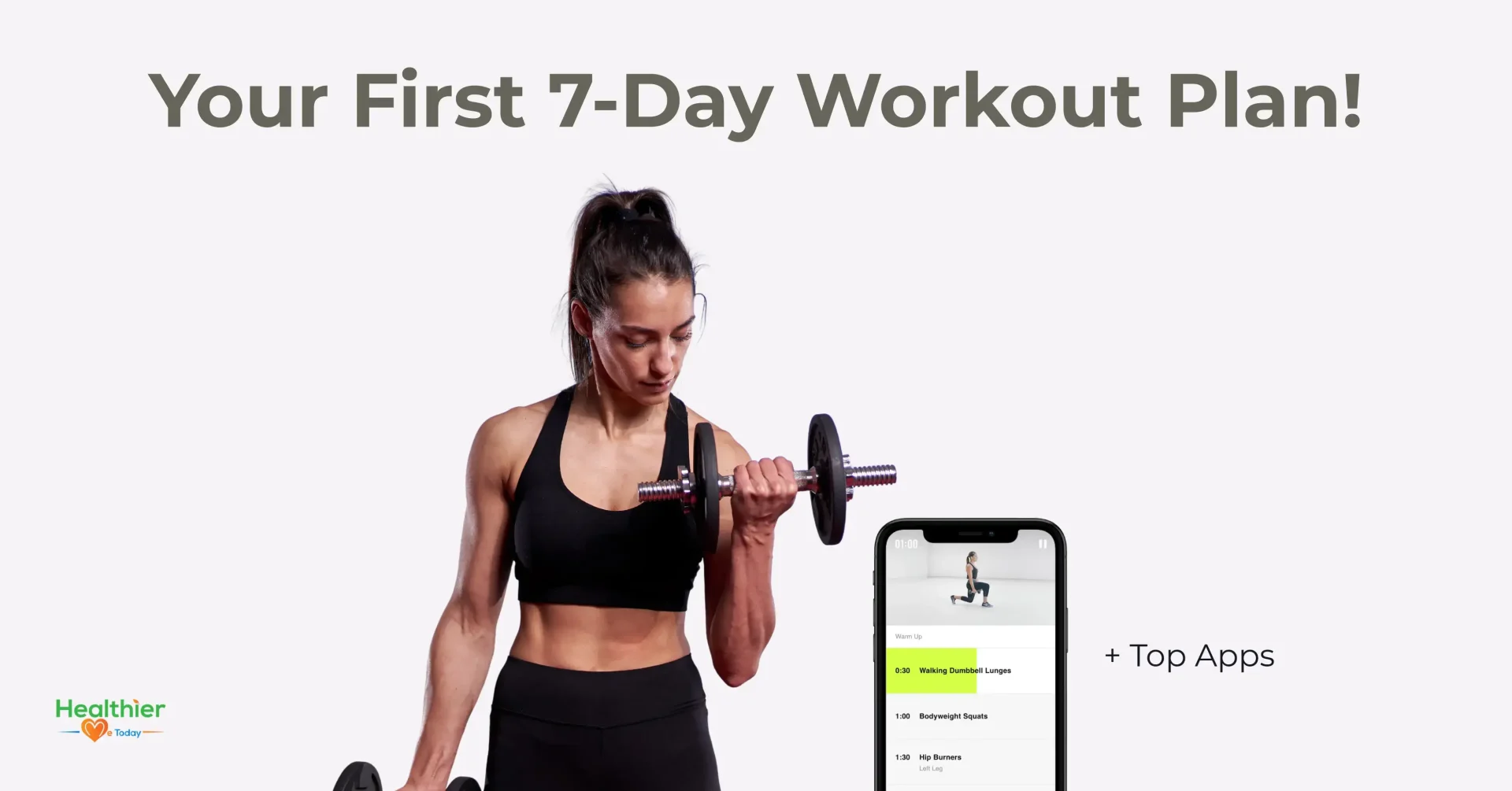
New to Fitness? Try This Simple 7 Day Workout Plan

Starting a fitness journey can feel a little overwhelming at first, and that’s completely normal. The good news is, it doesn’t have to be complicated or intimidating. With a 7 day workout plan for beginners, you can ease into movement at your own pace and start feeling stronger, more confident, and more energised each day. This plan is designed to help you build a simple, realistic routine while working your whole body in a balanced way.

In this guide, you’ll learn how to get started, what to expect each day, and how to stay consistent as you begin your fitness journey.

How to Start Working Out as a Beginner

If you’re wondering how to start working out as a beginner, the most important thing is to keep it simple. Focus on basic movements, shorter workouts, and a pace you can maintain. This helps you build strength, confidence, and consistency over time without feeling overwhelmed.

Starting with a simple workout plan that’s easy to follow makes it much easier to stay on track. You don’t need long sessions or intense routines to see progress. What matters is choosing something manageable and sticking with it.

Take your time, pay attention to how your body feels, and don’t worry about doing everything perfectly. Showing up consistently is what counts. Even 20 minutes of movement can help you feel stronger, more confident, and more in control of your body!

What Makes This a Beginner-Friendly Workout Plan

What Makes This a Beginner-Friendly Workout Plan

This plan combines full-body movement, low-impact cardio, and built-in rest days to help you build strength and consistency without overdoing it. It’s designed to ease you in, so you’re not pushed too hard or too fast.

You don’t need fancy gym equipment, and the exercises are simple to follow. Whether you’re working out at home or at the gym, this weekly workout plan for beginners is flexible and easy to fit into your routine.

Your Simple 7-Day Workout Plan for Beginners

Here’s a breakdown of the plan. Remember, each day focuses on a different type of movement to ensure you’re working your whole body while allowing recovery time. This is the perfect beginner workout plan to help you start fitness safely.

Day 1 – Full Body Movement

Focus: 

  • Light strength + mobility

Warm-up:

  • 5 minutes marching in place or light walking
  • Arm circles (forward and backward)
  • Torso twists

Workout:

  • Bodyweight squats (2-3 sets of 10-15 reps)
  • Bent-knee push-ups (2-3 sets of 10-15 reps)
  • Glute bridges (2-3 sets of 10-15 reps)
  • Standing side leg lifts (2-3 sets of 10 per leg)

Cool-down:

  • 5-10 minute walk
  • Light stretching (hamstrings, shoulders, triceps)

Remember to move slowly and focus on form with this beginner workout plan to start your fitness journey safely.

Day 2 – Cardio (Beginner Pace)

Focus: 

  • Easy movement to get your heart rate up

Workout:

  • Brisk walking or cycling for 20-30 minutes
  • Optional low-impact cardio → marching in place, step-touches, or beginner dance steps for  minutes

Cool-down:

  • Slow walk for 3-5 minutes
  • Stretch calves, quads, and arms

Keep it comfortable and go at your own pace with this easy workout plan.

Day 3 – Full Body Strength

Focus: 

  • Bodyweight exercises

Warm-up:

  • 5 minutes of light cardio

Workout:

  • Wall push-ups (2-3 sets of 10-15 reps)
  • Chair-assisted squats (2-3 sets of 10-15 reps)
  • Plank on knees (hold 20-40 seconds)
  • Standing calf raises (2-3 sets of 10-15 reps)

Cool-down:

  • Gentle walk for 5 minutes
  • Stretch chest, back, legs

Focus on proper form over speed or reps with this workout plan to start fitness safely.

Day 4 – Active Recovery

Focus: 

  • Stretching and light movement

Workout:

  • Gentle yoga flow or full-body stretching for 15-20 minutes
  • 10-minute walk (optional)

Listen to your body, recovery is part of progress with this beginner friendly workout plan to stay active without strain.

Day 5 – Lower Body Focus

Focus: 

  • Legs and glutes

Warm-up:

  • 5 minutes brisk walking
  • Leg swings and ankle rolls

Workout:

  • Bodyweight squats (2-3 sets of 10-15 reps)
  • Glute bridges (2-3 sets of 10-15 reps)
  • Step-ups on a low step (2-3 sets of 10 per leg)
  • Standing side leg lifts (2-3 sets of 10 per leg)

Cool-down:

  • 5-10 minute walk
  • Stretch quads, hamstrings, calves

Start light and focus on controlled movements with this beginner fitness plan, ideal for building lower-body strength.

Day 6 – Upper Body + Core

Focus: 

  • Simple upper body movements

Warm-up:

  • Jumping jacks for 1-2 minutes
  • Arm circles and wrist rolls
  • Torso twists

Workout:

  • Bent-knee push-ups (2-3 sets of 10-15 reps)
  • Wall shoulder press (2-3 sets of 10-15 reps)
  • Bicep curls with household item (2-3 sets of 10-15 reps)
  • Straight-arm plank (hold as long as possible)

Cool-down:

  • 5-10 minute walk
  • Stretch chest, arms, and shoulders

Keep movements slow and steady with this simple exercise routine, designed to strengthen your upper body.

Day 7 – Rest or Gentle Movement

Focus: 

  • Recovery and preparation for next week

Activity options:

  • Take a leisurely walk, stretch, or do some light yoga.
  • Use foam rolling or gentle stretching exercises.

Rest is crucial for muscle recovery and progress, making this day a perfect part of a simple workout plan for beginners at home.

How Long Should Beginners Work Out Each Day?

As a beginner, try to exercise for 20 to 40 minutes per session [planetfitness.com]. This amount of time is enough to see progress without pushing yourself too hard. Focus on doing the movements carefully and correctly. Keep a pace that feels challenging but still comfortable for you. Quality is more important than quantity.

Should Beginners Work Out Every Day?

You don’t need to exercise every single day. While consistency matters, rest days and active recovery are essential for allowing your muscles to repair and preventing fatigue. A balanced workout routine for beginners, like the one in this plan, helps you build sustainable habits without overwhelming your body.

Can Beginners Lose Weight With a 7-Day Workout Plan?

Can Beginners Lose Weight With a 7-Day Workout Plan

Yes. A 7 day workout plan can jumpstart weight loss by improving your activity level, boosting your metabolism, and helping you build consistent exercise habits. However, sustainable weight loss also depends on nutrition, sleep, and lifestyle habits. Think of this plan as a beginner workout plan to start fitness. It sets the foundation for long-term results.

Simple Tips to Stick With Your Workout Routine

Sticking to a workout routine doesn’t have to feel overwhelming [calm.com]. 

Here are a few simple tips to help you stay consistent and motivated:

  • Set a schedule: Choose specific times to exercise so it becomes a regular part of your daily routine.
  • Track your progress: Small improvements can make a big difference and help keep you motivated.
  • Use reminders: Using calendar alerts or fitness apps can help you stay on track.
  • Start with achievable goals: 20 to 30 minutes is enough time for beginners.
  • Celebrate small wins: Getting stronger, feeling more energetic, or being less stressed are all signs of progress.

By focusing on small, realistic habits, you’ll find it easier to stay committed and turn your workouts into a long-term lifestyle rather than a short-term effort.

App Recommendations

Using the right tools can help you stay consistent and get the most out of your workouts.

Here are a few apps to help you stay on track:

  • Nike Training Club – Easy workout routines for beginners with video guides.
  • FitOn – Free workout routines and plans for your whole body.
  • MyFitnessPal – Tracks exercise, daily activities, and food intake.
  • 7 Minute Workout – Quick and easy exercises for busy people.

Using these apps can make it easier to stay consistent, track your progress, and stick to your 7 day workout plan for beginners without feeling overwhelmed.

Optional Tools That Can Support Your Routine

Optional Tools That Can Support Your Routine

You don’t need fancy equipment to get started, but these tools can make your beginner workout plan with no equipment even easier:

Using these tools is optional, but they can make your exercise sessions more enjoyable and keep you motivated.

Conclusion: Build Consistency and Confidence at Your Own Pace

Starting your fitness journey doesn’t have to feel overwhelming. A simple workout plan like this gives you structure while still allowing flexibility to move at your own pace. By sticking with this weekly exercise routine, focusing on proper form, and listening to your body, you’ll build strength, confidence, and consistency. Remember, small steps every day lead to big results, and using tools or apps can make your journey easier and more enjoyable.

FAQs

Is a 7 day workout plan good for beginners?

Yes, a 7 day workout plan for beginners is a great way to build healthy habits and ease into fitness. It provides structure while allowing your body time to adapt, helping you learn basic movements, stay consistent, and improve strength and endurance without feeling overwhelmed.

Can beginners lose weight in 7 days?

Yes, beginners can lose a small amount of weight in 7 days, especially if they start moving more and making healthier choices. However, most of the early change comes from water weight and reduced bloating rather than fat loss.

How long should beginners workout each day?

Beginners should aim to work out for about 20-30 minutes per day. This is enough time to get your body moving, build strength, and improve fitness without feeling exhausted or overwhelmed. As your endurance improves, you can gradually increase the duration or intensity.

Should beginners work out every day?

No, rest and recovery are just as important as exercise. Beginners should alternate workout days with active recovery or rest days to prevent injury and fatigue.

What exercises are best for beginners?

Bodyweight exercises like squats, lunges, push-ups, planks, light cardio, and gentle stretching are ideal. These build strength, flexibility, and endurance safely.
How to download a 7 day workout plan for beginners from fitness apps?

Many apps like Nike Training Club, FitOn, and 7 Minute Workout let you download pre-made plans. Create an account, choose the “beginner workout plan,” and follow the daily guided exercises.

The Truth About Phone Addiction (And How It Hijacks Your Brain)

You probably didn’t plan to pick up your phone just now. It happened automatically, a quick check that turned into scrolling, tapping, and losing track of time. If that feels familiar, you’re not imagining it. Phone addiction changes how your brain reacts to boredom, stress, and even silence.

Researchers estimate that phone addiction affects millions of people worldwide, not just heavy social media users. It quietly reshapes how your brain releases dopamine, the chemical linked to motivation and reward. Over time, your brain starts craving fast digital stimulation and struggles with focus, patience, and calm when the phone isn’t nearby.

In this guide, you’ll learn why phones are so addictive, who is most at risk, and what’s actually happening inside your brain when phone use starts to feel uncontrollable. Most importantly, you’ll discover simple, realistic ways to take back control, without giving up your phone entirely.

Why Phones Are So Addictive

Your phone isn’t just a tool. It’s a constant stream of small rewards. Every message, notification, or like triggers a brief surge of dopamine, similar to the feeling of winning a small prize. These quick hits train your brain to keep checking, even when nothing important is happening.

For many people, daily phone use now averages several hours a day. Over time, this constant stimulation can affect areas of the brain responsible for decision-making, emotional regulation, and attention. When those systems are overstimulated, being offline can feel uncomfortable, boring, or even stressful.

That’s not a personal failure. Social platforms and apps are designed to hold your attention for as long as possible. Endless feeds, autoplay videos, and unpredictable rewards keep your brain locked into a cycle of anticipation and reward. Understanding this design is the first step toward breaking the pattern and using your phone intentionally, instead of instinctively.

Who Is at Risk of Phone Addiction?

Who Is at Risk of Phone Addiction

Phone addiction doesn’t affect everyone in the same way. Some people can scroll for a few minutes and put their phone down without much thought, while others feel distracted, uneasy, or restless when their phone isn’t nearby. Certain habits, environments, and personal factors make it more likely for phone use to shift from casual to compulsive, which is why some people struggle more than others.

They are:

  • Young people: Teens and young adults under 20 often lack self-control. Many people keep their phones on all night, with 70% of them sleeping next to them.
  • Women: Social apps like Instagram draw women in, boosting dependence. They often spend more time connecting online than men.
  • Mental health struggles: If you’re anxious, depressed, or lonely, you might use your phone to feel better, but it can backfire.
  • Social pressure: Seeing everyone else glued to their phones makes it feel normal to overdo it. It’s hard to unplug when it’s all around you.
  • Boredom: Phones are an easy escape when you’re bored. Scrolling feels like instant fun, pulling you in.

Smartphone addiction can also look different depending on culture, lifestyle, and how phones are used day to day. In some countries, social media platforms drive the majority of screen time, encouraging constant checking and online interaction. In others, mobile gaming and entertainment apps are more likely to keep users hooked for long stretches. These differences matter because they shape how habits form and which groups are most affected, reinforcing that phone addiction isn’t just about individual behavior, but also the digital environments people are immersed in [statista.com]. 

How Does Phone Addiction Affect You?

How Does Phone Addiction Affect You

Phone addiction can mess with your life in ways you might not expect. 

Here are 10 ways it affects you, along with tips to manage each one:

1. Increases Anxiety

Too much phone time makes you feel nervous and on edge. Every notification buzzes your brain, pushing you to check right away. Seeing perfect lives on social media, especially for teenagers, can make you feel like you’re not enough. 

2. Depression Symptoms

Spending hours scrolling can leave you feeling sad, especially if you’re young. Comparing yourself to flawless online lives can make you feel like you’re missing out, hitting teen girls extra hard with unrealistic standards. 

3. Affects Sleep Quality

Your phone’s screen can keep you awake by blocking the chemical that helps you sleep. Approximately 60% of young adults take their phones to bed, checking apps late at night, which leaves them tired and grumpy [pmc.ncbi.nlm.nih.gov]. 

4. Distracts Your Focus

Alerts from your phone break your focus, making it hard to stick to tasks. Students often see their grades drop because they’re scrolling instead of studying, with 50% admitting that their phones distract them in class [panoramaed.com]. Silence alerts during work or study time to stay on track and get things done.

5. Feelings of Loneliness

Phones can make you feel lonely by cutting real-life connections. You spend less time with friends or family, and online chats don’t feel the same. Social media can leave you feeling left out. 

6. Creates Risky Behaviors

Screen addiction can lead to risky choices, like texting while driving, which boosts crash risks by 23% [pmc.ncbi.nlm.nih.gov]. You might overshare online or ignore safety to check your phone. 

7. Causes Eye Damage

Excessive phone use can cause eye strain or dryness. Staring at screens for hours can lead to discomfort for many users, especially after prolonged sessions. 

8. Strained Relationships

Your phone can stress your relationships by pulling you away from loved ones. Constant checking during conversations can make people feel ignored, straining relationships. 

9. Decreases Self-Esteem

Addiction to phones can lower your self-esteem. Seeing curated lives online can make you doubt yourself, especially when likes or comments seem to be a measure of your worth. 

10. Avoiding Tasks

Overusing your phone can make daily tasks feel harder. You might skip chores or work because you’re lost in apps, which adds to your stress. 

6 Tips to Build a Healthier Relationship with Your Phone

6 Tips to Build a Healthier Relationship with Your Phone

  1. Turn off non-essential notifications Not every app deserves your attention. Social media, shopping apps, and games are designed to pull you back in with alerts that feel urgent but usually aren’t. Turning off non-essential notifications reduces constant interruptions and helps your brain settle instead of staying on high alert all day.
  2. Create phone-free moments in your day – You don’t need to quit your phone completely to feel better. Start small by choosing specific times to put it away, like during meals, the first 30 minutes after waking up, or before bed. These breaks help your mind reset and make it easier to be present without feeling deprived.
  3. Move distracting apps off your home screen – Apps you see first are the ones you use most. Moving social media or entertainment apps off your home screen, or into folders, adds a small pause before opening them. That pause is often enough to break automatic scrolling and help you choose more intentionally.
  4. Use screen time tools as awareness, not punishment Built-in screen time reports can be useful when you treat them as information, not rules. Checking where your time goes helps you notice patterns, like scrolling more when you’re tired or stressed, so you can adjust habits without guilt or pressure.
  5. Replace scrolling with a simple alternative Phones often fill moments of boredom or discomfort. Having a few easy alternatives ready, like stretching, stepping outside, reading a few pages, or listening to music, makes it easier to reach for something healthier instead of defaulting to your phone.
  6. Set boundaries around sleep – Keeping your phone out of reach at night can improve sleep quality and reduce late-night scrolling. Charging it outside the bedroom or placing it across the room helps your brain wind down and makes mornings feel calmer and more focused.

If self-control feels hard, especially during work hours or before bed, a timed phone lock box can help. You place your phone inside, set a timer, and remove the option to check it impulsively. This works well for focused work sessions, family time, or winding down at night when scrolling becomes automatic.

Conclusion: Can You Kick Phone Addiction?

Phone addiction is a real issue, but it doesn’t mean your phone is the enemy. The problem starts when phone use becomes automatic and starts affecting your focus, sleep, mood, or relationships. As you’ve seen throughout this guide, phones are designed to keep your attention, which makes slipping into unhealthy patterns easier than most people realize.

The good news is that change doesn’t require extreme rules or giving up your phone entirely. Small, intentional choices, like setting boundaries around when and how you use your phone, creating phone-free moments, and paying attention to your habits, can make a meaningful difference over time. With consistency, your phone can become a helpful tool again, rather than something that controls your day.

Start where you are, take it one step at a time, and focus on progress, not perfection!

If you want to understand your phone use patterns more deeply and work through them step by step, a guided workbook can help. Resources like The Phone Addiction Workbook focus on identifying triggers, building awareness, and creating healthier routines around technology over time.

FAQs

Why do I feel anxious without my phone?

Feeling anxious without your phone, called nomophobia, comes from cell phone addiction and its reward loops. Your brain craves notification hits, and being offline feels like withdrawal. Try leaving your phone behind for short periods to ease this feeling.

How can I reduce my screen time without deleting apps?

Set time limits with apps like Screen Time and mute non-essential alerts. Create phone-free zones, such as during meals, to stay in control. Checking apps at set times helps you cut back without losing access to them.

What are the first signs of digital dependency?

Early signs include checking your phone constantly, feeling anxious when it’s not nearby, losing time scrolling through it, and prioritizing your phone over tasks or people. These show that your cellphone might be taking over. Track your usage to spot these habits early.

How long should a digital detox last to be effective?

A 24 to 72-hour detox resets habits, but a week works even better. Regular breaks, such as phone-free evenings, help maintain low dependence on technology. Start with a short break to see how it feels.

Is it unhealthy to check your phone first thing in the morning?

Yes, it messes with your mood and focus. Notifications make you tense, starting your day with stress. Wait an hour after waking to check your phone for a calmer start to the morning.

What are healthier ways to cope with boredom instead of scrolling?

Try reading, walking, or chatting with friends in person. Hobbies like drawing or cooking can keep your mind busy without relying on screens. These activities lift your mood and fill your time with joy.

Can too much screen time affect brain development in teens?

Yes, heavy screen addiction cuts gray matter, which helps with decisions, and hurts impulse control in teens. About 30% of addicted teens show these effects [pmc.ncbi.nlm.nih.gov]. Limiting phone time helps protect their growing brains.

How do I retrain my brain to stop needing constant notifications?

Mute alerts and try grayscale mode to make your phone less tempting. Practice mindfulness techniques, such as deep breathing, to reduce your reliance on quick fixes. Add phone-free time slowly to build new habits.

What are the psychological effects of being online 24/7?

Constant online time boosts anxiety, depression, and loneliness while hurting focus and sleep. It also weakens real-life connections. Take breaks from your phone to feel more balanced and connected.

How can I build better habits around tech use?

If you’re dealing with phone addiction, start with one small change you can stick to, like putting your phone away during meals or charging it outside the bedroom at night. Use screen time tools to notice when you scroll the most, then replace that habit with something simple offline. Small, steady changes are easier to maintain and work better than strict rules.

What Are URO Vitamins and How Do They Support Urinary Health?

Women want natural ways to support the bladder, maintain a healthy pH balance, and reduce the chances of uncomfortable infections. This is because urinary health plays a huge role in daily comfort, confidence, and overall wellness.

URO vitamins do just that (and they might be the best on the market)!

Below is a complete guide to how these supplements work, what they’re used for, and whether they are worth it.

What Are URO Vitamins?

What Are URO Vitamins

URO vitamins are a special type of supplement made to keep your urinary system and kidneys healthy. They usually contain a mix of vitamins, minerals, and plant-based ingredients that help maintain proper urinary function and support natural UTI prevention.

Think of them as daily nutrients that give extra support to your bladder and kidneys.

How Do URO Vitamins Work?

URO vitamins give your bladder and kidneys a little boost while helping keep bacteria away.

  • Absorption and support: Once you take URO vitamins, your body absorbs the vitamins and minerals. These nutrients start supporting your bladder and kidneys, keeping them strong and healthy.
  • Urine pH balance: Natural ingredients like cranberry extract and other plant compounds help balance the acidity of your urine. Keeping a healthy pH makes it tougher for bacteria to grow.
  • Bacteria protection: By creating an environment that’s less friendly to bacteria, URO vitamins make it harder for infections to take hold in your urinary tract.
  • Ongoing urinary health: Over time, these effects work together to reduce irritation, prevent infections, and keep your urinary system functioning smoothly every day.

Key Ingredients in URO Vitamins

Key ingredients

These vitamins contain a mix of important nutrients and probiotics for feminine health that work together to support your urinary system and keep it healthy.

Ingredient What It Does
Cranberry Extract (PACs) Helps prevent harmful bacteria from sticking to the urinary tract lining, supporting cleaner, healthier urinary function.
D-Mannose A natural sugar that helps flush bacteria out of the urinary tract and supports daily urinary comfort.
Vitamin C Helps maintain a balanced vaginal and urinary pH and provides antioxidant support for overall wellness.
Probiotics (Lactobacillus strains) Supports a healthy vaginal and urinary microbiome, helps crowd out bad bacteria, and promotes balance.

Possible URO vitamins Side Effects

Most people tolerate URO vitamins well, but like any supplement, a few may experience mild, temporary side effects as their body adjusts.

These can include:

  • Mild stomach upset or cramping
  • Slight nausea
  • Bloating or gas
  • Changes in bowel habits (such as softer stools)

These effects are usually short-lived and often improve once your body gets used to the ingredients.

However, stop taking URO vitamins right away and contact a doctor if you notice:

  • Severe or persistent stomach pain
  • Worsening nausea or vomiting
  • Rash, itching, or signs of an allergic reaction
  • Swelling of the lips, face, or throat
  • Difficulty breathing
  • Dizziness or feeling faint

These reactions are rare, but they can signal that the supplement isn’t the right fit for you or that you’re sensitive to a specific ingredient. If you ever feel unsure about a symptom or have existing health conditions, it’s always a good idea to speak with your doctor before continuing.

URO Vitamins Reviews (Everything You Should Know)

URO Vitamins Reviews

According to URO vitamins reviews, users often report noticeable improvements in urinary comfort after taking the supplement regularly [opositiv.com]. People report fewer flare-ups, less urgency, and an overall “more balanced” feeling with consistent use, especially when used alongside other women’s urinary tract supplements. Some also mention that they experience fewer recurrent infections when paired with good hydration and daily use.

A smaller number of reviewers mention mild bloating or stomach discomfort during the first few days, which usually goes away as their body adjusts.

Across the majority of reviews, the main takeaways are:

  • Most people find URO vitamins helpful for ongoing urinary health and comfort.
  • Benefits appear gradually, often becoming noticeable after a few weeks of consistent use.
  • Side effects are uncommon, and when they do occur, they’re usually mild and temporary.

Of course, everyone’s body responds differently, but overall, reviews suggest that URO vitamins are well-tolerated and can be a supportive addition to a urinary health routine, especially when combined with healthy habits like proper hydration.

Top Products That Support Urinary & Feminine Health

If you’re looking for supplements that help keep the urinary tract balanced and comfortable, there are several vaginal care supplements that many women rely on. These blends support vaginal flora, pH balance, and overall urinary wellness.

Here is a breakdown:

Some women also use similar blends as yeast infection prevention supplements, since balanced flora can make it harder for yeast to overgrow. These supplements aren’t required for everyone, but they can be helpful if you’re prone to imbalance, experience irritation regularly, or want extra support during times when pH can shift, like after antibiotics, during hormonal changes, or around your cycle.

Natural Urinary Tract Remedies

While URO probiotics can be a helpful part of supporting urinary and vaginal health, they’re only one piece of the puzzle. Your daily habits play a big role in keeping your urinary tract functioning well, and there are several natural, practical steps you can take to strengthen that support [niddk.nih.gov]. These simple routines can help reduce irritation, discourage bacterial growth, and promote better overall urinary comfort.

Here are some of the most effective habits to add to your routine:

  • Drink plenty of water – Staying hydrated helps flush out bacteria and supports proper bladder function.
  • Try cranberry or blueberry products – Unsweetened cranberry juice or cranberry supplements may make it harder for bacteria to stick to the bladder lining.
  • Practice good bathroom habits – Avoid holding your urine for long periods, empty your bladder fully, and wipe front to back to reduce the spread of bacteria.
  • Wear breathable clothing – Cotton underwear and looser fabrics help reduce moisture and irritation [healthline.com].
  • Eat nutrient-rich foods – Vitamin C, antioxidants, and fiber support immune health and overall urinary function.

These habits can offer meaningful day-to-day support. However, if you’re experiencing recurring symptoms, burning, or discomfort that doesn’t improve, it’s important to speak with a healthcare professional for proper evaluation and treatment.

Conclusion: This is Where to Get Yours

Many women find that adding gentle, well-balanced supplements like URO vitamins to their routine helps reduce discomfort, maintain a healthy balance, and support everyday confidence. When paired with simple lifestyle habits, these vitamins that help with bladder health can make urinary and vaginal care easier to manage.

Supporting this part of your health doesn’t need to feel overwhelming. It’s about understanding your body, choosing products that align with your needs, and staying consistent.

If you’re looking for a trusted source, here’s where to buy URO vitamins online in the US.

FAQs

What are URO vitamins used for?

URO vitamins are used to support feminine wellness, urinary comfort, and a healthy vaginal balance. They help maintain a clean urinary tract, promote a healthy vaginal flora, and may reduce irritation or recurring discomfort. Many women take them daily as feminine wellness supplements to support urinary health, pH balance, and overall intimate comfort. They’re not a treatment for infections, but they can be a helpful addition to a daily wellness routine.

Do URO vitamins really help prevent UTIs?

URO vitamins may help reduce the chances of recurrent UTIs, but they don’t guarantee prevention. Their ingredients are designed to support urinary cleanliness and make it harder for harmful bacteria to stick to the urinary tract lining, a key step in how UTIs start. Many women use them as part of a broader prevention routine that includes proper hydration and healthy bathroom habits.

However, they can’t treat an active UTI, and they shouldn’t replace medical care if you’re experiencing symptoms or frequent infections.

How long does it take for URO vitamins to work?

Most people notice benefits within 2–4 weeks of daily use, though some may feel subtle improvements sooner. The body needs time to adjust, especially when probiotics, herbal ingredients, or cranberry extracts are involved, so consistency is key. Results tend to build gradually, and the longer you take the supplement as directed, the more noticeable the support becomes.

Are URO vitamins safe for daily use?

Yes, URO vitamins are generally considered safe for daily, long-term use when taken as directed. They’re made with gentle, natural ingredients like probiotics, vitamins, and plant extracts that are formulated to support feminine and urinary health. Most people tolerate them well, but it’s always best to follow the recommended dosage and check with a healthcare provider if you’re pregnant, breastfeeding, taking medications, or have ongoing urinary issues.

Do URO vitamins help balance vaginal pH?

Yes, URO vitamins may help keep vaginal pH more stable. Ingredients like probiotics and gentle herbal extracts, commonly found in pH balancing supplements, support a healthy vaginal environment by encouraging beneficial bacteria and making it harder for disruptive bacteria to grow. These supplements aren’t a treatment for infections, but they can be a helpful part of maintaining everyday balance.

Are URO vitamins safe to take with probiotics or antibiotics?

URO vitamins are usually safe to take alongside additional probiotics, since many formulas already include probiotic strains that support balance. When it comes to antibiotics, these supplements are generally fine to use, but timing matters, antibiotics can reduce probiotic effectiveness, so many people take them a few hours apart.

If you’re on prescription antibiotics or have ongoing urinary issues, it’s always a good idea to check with your healthcare provider to make sure the combination is right for you.

Where to buy URO vitamins online in the US?

You can buy URO vitamins online from Amazon, Walmart, Target, and various well-known wellness retailers such as iHerb and Vitacost. Many of these are listed as urinary tract health supplements for easy reference.

What are the top-rated uro vitamin brands available in pharmacies?

You can find several highly rated uro and urinary-support vitamin brands at major pharmacies. Popular options include AZO, Uqora, RepHresh, Garden of Life, and Olly. These brands offer supplements that support urinary comfort, maintain vaginal balance, and provide gentle probiotic blends. Most are available at CVS, Walgreens, Rite Aid, and other national pharmacy chains and are considered some of the best vitamins for UTI prevention.

What Is a Good Gift for Someone Who Is Struggling with Mental Health?

When someone you care about is struggling with their mental health, finding the right gift can feel overwhelming. You want to help, but you don’t want to say the wrong thing, overstep, or make them feel uncomfortable. More than anything, you just want them to feel supported, understood, and not alone.

This guide covers common questions people search for, including what is a calming gifts for anxiety and what makes a thoughtful gift for someone struggling with mental health.

Because sometimes, a quiet reminder of support can mean more than words!

What is a Wellbeing Gift?

A wellbeing gift is a thoughtful item chosen to support someone’s mental or emotional health in a gentle, non-intrusive way. Rather than trying to fix or change how someone feels, these gifts focus on comfort, calm, and emotional reassurance during difficult or overwhelming moments.

When considering what do mental health people need, it often comes down to feeling supported without pressure. Many people benefit from small, practical tools that encourage rest, grounding, reflection, or quiet moments of relief, especially during periods of heightened stress or anxiety.

Mental health professionals frequently emphasize that meaningful support doesn’t require solutions or advice. What matters most is creating a sense of safety and understanding through simple, compassionate gestures.

Now, let’s take a closer look at the best calming gifts for anxiety relief, chosen with those needs in mind.

What Are the Best Calming Gifts for Anxiety Relief?

What Are the Best Calming Gifts for Anxiety Relief

1. Namaste Mindfulness Cards for Women

Mindfulness cards work by gently interrupting anxious thought patterns. Instead of asking someone to sit down for a long meditation session, they offer short prompts, reflections, or breathing exercises that can be used in just a few minutes.

This makes them especially helpful for people who feel mentally overwhelmed or struggle to slow their thoughts during the day. Pulling a card creates a small pause, helping the mind refocus on the present moment rather than spiraling into worry.

2. SOLICIEL One Day at a Time Calming Crystals Gift Set

Crystals can be calming for people who benefit from tactile grounding or symbolic routines. This set works as a small “reset ritual”, something they can hold, look at, or keep nearby when they feel anxious.

The intention cards add structure, helping the person focus on one supportive thought at a time instead of spiraling. It’s a good fit for someone who likes spiritual or meaning-based tools and wants comfort that feels personal, not clinical.

3. Guided Anxiety Journal for Men & Women

A guided anxiety journal helps by giving structure to racing thoughts. Anxiety often feels overwhelming because thoughts remain unorganized and unexpressed. Journaling allows those thoughts to be written down and processed instead of endlessly replayed in the mind.

Guided prompts are especially helpful for people who don’t know where to begin, offering gentle direction without pressure. Over time, this can help create emotional clarity and a greater sense of control.

4. Breathing Buddha Guided Visual Meditation Tool

The Breathing Buddha works by visually guiding slow, steady breathing, which helps calm the nervous system. As the light expands and contracts, it naturally encourages deeper, more controlled breaths.

This can lower heart rate and reduce physical symptoms of anxiety, such as tension or shallow breathing. Because it doesn’t require instructions or verbal guidance, it’s ideal for people who struggle to focus during traditional meditation.

5. Magicteam White Noise Machine

White noise machines help reduce anxiety by creating a consistent, calming sound environment. For people whose anxiety worsens at night or in quiet spaces, background noise can prevent the mind from fixating on intrusive thoughts. White noise also blocks sudden sounds that may trigger stress or restlessness. This makes it especially helpful for improving sleep quality, which plays a major role in managing anxiety overall.

6. Hand-Knit Weighted Blanket

Weighted blankets support anxiety through deep-pressure stimulation, a technique known to promote relaxation and a sense of safety. The gentle, even weight mimics the feeling of being held or hugged, which can help calm the body and reduce nervous system arousal. Many people with anxiety find that weighted blankets help them feel more grounded, especially during periods of rest or sleep.

7. 90-Day Devotional Journey

Faith-based gifts like a devotional journal help anxiety by offering daily reassurance, reflection, and emotional grounding through spiritual guidance. Reading a short devotional each day can provide comfort, perspective, and a sense of stability during uncertain or stressful times. This type of gift is especially meaningful for individuals who draw strength from faith and routine.

8. The FIRE Kit

The FIRE Kit supports anxiety by encouraging intentional self-care and emotional reflection. Through guided activities and symbolic elements, it helps create moments of pause and self-connection. This kind of gift works well for people who benefit from ritual-based reflection or who appreciate experiences rather than traditional tools. It offers space to process emotions in a gentle, personal way.

When Is It Appropriate to Give a Calming Gift?

When Is It Appropriate to Give a Calming Gift

Knowing what is a calming gift for anxiety is only half the job. Did you know that there is an appropriate time to give such a gift? According to mental health professionals, timing and intention play a major role in how supportive a gift feels to the person receiving it [datekeeper.co.za].

A calming gift is most appropriate when someone is going through a visibly stressful or emotionally demanding period. This could include major life changes, periods of burnout, heightened anxiety, or moments when everyday responsibilities start to feel overwhelming. In these situations, a calming gift acts as a quiet gesture of care rather than a solution, offering comfort without requiring conversation or explanation.

It can also be appropriate when you want to show support without adding pressure. Calming gifts work especially well when words feel inadequate or when you want to avoid giving advice. Items like journals, breathing tools, or sensory comforts allow the person to engage with the gift at their own pace, using it when they feel ready.

What NOT to Give Someone With Anxiety

When choosing a calming gift, it’s just as important to consider what might not be helpful. Even well-intended gifts can sometimes add pressure or discomfort for someone dealing with anxiety [psychologytoday.com].

Avoid the following:

  • Self-improvement or “fix-it” gifts. Items that suggest changing their mindset, productivity, or habits can feel overwhelming or invalidating. A calming gift should offer comfort, not imply they need to improve themselves.
  • High-commitment or complicated items. Gifts that require daily tracking, long instructions, or consistent routines may feel like another responsibility rather than support.
  • Overstimulating sensory items. Loud gadgets, flashing lights, strong scents, or cluttered designs can increase anxiety instead of easing it. Subtle and gentle options are usually safer.
  • Gifts with dismissive or overly cheerful messaging. Items that joke about stress or minimize anxiety can unintentionally invalidate how someone feels, even if meant playfully.
  • Anything that creates guilt or obligation. Gifts that make someone feel like they should use them regularly or report back on progress can add pressure during an already difficult time.

Conclusion: Let This Guide Your Next Steps

Conclusion: Let This Guide Your Next Steps

Understanding what is a calming gifts for anxiety isn’t just about choosing the “right” item. It’s about recognizing when someone is struggling and offering them a moment of comfort, without pressure or expectations. The most meaningful gifts don’t try to fix anything. They simply create a sense of safety, calm, and reassurance during moments that feel heavy.

Whether it’s something small they can reach for on difficult days or a gentle reminder that someone is thinking of them, a calming gift can carry quiet meaning. Given with care, it becomes more than a present. It becomes a way of saying, you’re not alone, and you don’t have to carry everything by yourself.

FAQs

What is a good gift for mental relaxation?

A good gift for mental relaxation is something that helps the mind slow down without requiring effort or commitment. Items like guided anxiety journals, mindfulness cards, white noise machines, or weighted blankets are effective because they support calm moments naturally, especially during rest or at the end of the day.

Where to find aromatherapy kits designed to reduce anxiety?

Aromatherapy kits designed to reduce anxiety are widely available online and in wellness stores. Popular options can be found on Amazon, Etsy, and from wellness brands that specialize in essential oils and relaxation products. Look for kits that include calming scents such as lavender, chamomile, or bergamot, as these are commonly used for stress relief.

Are there subscription services for monthly calming gifts for anxiety?

Yes, there are subscription services that offer monthly calming or wellbeing gifts. These typically include a mix of items like herbal teas, journals, aromatherapy products, and small self-care tools. Subscription boxes work well for people who enjoy ongoing support rather than a single gift, and they offer variety without feeling overwhelming.

Which companies sell popular anxiety relief gift sets online?

Several well-known companies sell anxiety relief gift sets online. Amazon offers a wide selection of practical tools like journals, meditation aids, and weighted blankets. Etsy and Uncommon Goods are good options for more personal or unique calming gifts, while brands like SOLICIEL and Saje focus on crystal-based and aromatherapy gift sets.

What are the top-rated weighted blankets for anxiety and stress?

Some of the most popular and highly rated weighted blankets include:

  • Hand-Knit Weighted Blanket – Breathable, evenly weighted, and comfortable for everyday use.
  • YnM Weighted Blanket – Offers multiple weight options and consistent pressure.
  • Gravity Weighted Blanket – Well-known brand with balanced weight and soft materials.
  • Bearaby Weighted Blanket – Knit design that allows airflow while providing gentle pressure.

These blankets are favored because they deliver even, calming weight that many people find helpful for relaxation and sleep.

Can you recommend calming gift ideas for someone with anxiety?

Absolutely. Some of the highest-rated and most appreciated calming gifts include:

Christmas Gifts for Stress Relief: 15 Thoughtful Ideas to Help Loved Ones Feel Calm This Festive Season

Between the shopping, the planning, the family gatherings, and the pressure to be merry, Christmas can quietly turn into one of the most stressful times of the year. Giving stress-relief gifts is a simple but powerful way to help someone find moments of peace. They’re thoughtful, personal, and often exactly what someone didn’t know they needed.

That’s why choosing the right gift can make someone’s season feel a little lighter.

So which ones do you get them? What are the best Christmas gifts for stress relief?

Top-Rated Stress Relief Gift Sets to Buy for Christmas

Christmas Gift Idea

If you’re looking for Christmas gift ideas for stress relief, this list is a really good place to start. These gifts are all about helping someone unwind, little things that bring comfort, calm, and a bit of extra care during the holidays.

1. Body Restore Shower Steamers

Shower steamers turn an everyday rinse into a soothing reset. It’s ideal for someone who barely has time for simple self-care routines! As the tablet dissolves, warm steam carries calming scents like lavender or eucalyptus through the air, helping melt away tension almost instantly. It’s a small ritual that makes busy mornings feel softer and stressful nights feel a little lighter.

Product: Body Restore Shower Steamers

2. Foot Spa Bath Massager

A warming foot spa with bubbles, vibration, and massaging rollers that melt away foot tension.

Most people underestimate how much stress sits in the feet. Warm water combined with gentle massage boosts circulation, reduces fatigue, and instantly makes the whole body feel lighter. It’s a luxurious yet practical gift for anyone who spends long hours standing or walking.

Product: Foot Spa Bath Massager

3. Desktop Boxing Game

A small, fun boxing set for your desk comes with tiny gloves that let you use your fingers.

It’s a silly little game that’s perfect for relieving stress at your desk. Swing the tiny gloves, have a quick laugh, and take a break from work or holiday pressures. It’s fun, lighthearted, and a simple way to unwind, reset your mood, and shake off tension during a busy day.

Product: Desktop Boxing Game

4. 100 Mindful Prompts for Self-Care & Stress Relief

A collection of cards featuring self-care suggestions, introspective questions, and easy mindfulness exercises to help someone take a moment to relax and de-stress.

Each card offers a moment to pause and breathe. They help you slow down, collect your thoughts, and find some calm when things get busy.

Product: 100 Mindful Prompts for Self-Care & Stress Relief

5. Emotional Support Dumpster Fire Affirmation Jar

A fun little jar packed with uplifting messages, with a playful “dumpster fire” theme that anyone who’s had a messy day can relate to.

It’s a perfect mix of humor and support. On hectic days, someone can grab a note that makes them smile and reminds them they’re doing just fine, a simple example of thoughtful Christmas gifts for stress relief.

Product: Emotional Support Dumpster Fire Affirmation Jar

6. Old-Fashioned Christmas Coloring Book

This adult coloring book offers an easy method to relax and relieve stress, especially for people who enjoy creative stress-relief activities.

Coloring the cheerful patterns allows you to slow down, concentrate, and take a peaceful, creative pause from the holiday hustle.

Product: Old-Fashioned Christmas Coloring Book

7. Aromatherapy Candles

Scented candles are one of the most comforting Christmas gifts for stress relief because they instantly change the atmosphere of a room [beauty.camp]. Calming scents like lavender, vanilla, sage, or sandalwood help quiet the mind and soften the day’s tension. They’re perfect for anyone who loves creating a cozy, peaceful space at home, especially during the busy holiday season when a little calm goes a long way.

Product: Aromatherapy Candles

8. Self-Care Spa Basket

Give someone a mini spa experience right at home with bath salts, candles, and little pampering treats all in one basket. It’s an easy way to help them relax, feel happy, and enjoy a cozy, calm moment. It’s definitely one of the best Christmas gifts for stress relief!

Product: Self-Care Spa Basket

9. Steam Eye Masks

Self-heating eye masks that warm up once opened, gently relaxing the face and eye area.

They help ease headaches, tension around the eyes, and digital strain. The warmth encourages relaxation and can even support better sleep naturally, especially for those who struggle to wind down during the holidays.

Product: Steam Eye Masks

10. Back & Neck Massager with Heat

This Back & Neck Massager with Heat kneads tight muscles in your shoulders, neck, and upper back, helping to release built-up tension and stress.
The soothing warmth relaxes muscles, allowing the massager to relieve knots and tension points effectively [health.com]. Heat helps improve blood flow, loosen tight muscles, and make your body feel more relaxed.

Product: Back & Neck Massager with Heat

11. Natural Crystals Keychain

This polished crystal keychain is more than décor, it’s a daily reminder to pause. Whether someone believes in the energy of crystals or simply enjoys their beauty, carrying one can bring a sense of grounding and emotional steadiness. It’s a thoughtful, lightweight gift for anyone who needs a little calm and support wherever they go.

Product: Natural Crystals Keychain

12. Roll-On Essential Oil

Roll-ons are perfect for on-the-go calm. A quick swipe on the wrists or temples releases a gentle aroma that eases tension and helps you breathe a little deeper. It’s a simple, pocket-sized way to find emotional balance, whether someone is heading into a stressful meeting, running errands, or feeling overwhelmed during the festive rush. It’s a simple, convenient way to ease stress throughout the day and feel more grounded.

Product: Roll-On Essential Oil

13. Color Fidget Pen Toy

A pen that also works as a fidget toy. You can twist, slide, or click the pieces while still writing.

Great for people who need to keep their hands busy to stay calm. It helps with focus during meetings or study sessions and reduces restless anxiety.

Product: Color Fidget Pen Toy

14. Kinetic Desk Spinner Toy

A spinning desk toy that moves in a smooth, hypnotic motion when spun.

The gentle spinning effect is surprisingly soothing. It helps quiet racing thoughts and brings a moment of calm during a busy day.

Product: Kinetic Desk Spinner Toy

15. Aesnefe Pocket Bear Hug

It’s a small, wallet-sized bear with a touching message, making it an ideal Christmas gift for alleviating stress and bringing joy to someone’s day at any moment.

Even though it’s small, it’s packed with meaning. This little bear acts like a mini hug, reminding someone they’re loved, supported, and never truly alone, perfect for stressful moments or to bring a smile anytime.

Product: Aesnefe Pocket Bear Hug

How to Choose Christmas Gifts for Stress Relief

How to Choose the Right Christmas Gifts for Stress Relief

Finding the perfect stress-relief gift is all about choosing something that truly supports the person you’re shopping for.

Here’s what to keep in mind!

  • Think about their lifestyle: Choose gifts that fit how they naturally unwind, whether through warmth, scent, creativity, or quiet moments.
  • Keep it practical and easy to use: Stress-relief gifts should simplify their life, not add clutter or extra steps.
  • Match their personality: Pick something they’ll genuinely enjoy and reach for on busy or overwhelming days.
  • Focus on comfort and care: The best gifts offer small, meaningful moments of calm that help someone feel supported during the holiday rush.

Conclusion: End This Season Right

Top-Rated Stress Relief Gift Sets to Buy for Christmas

Choosing Christmas gifts for stress relief is a thoughtful way to show someone you truly care about their well-being. The holidays can be overwhelming, and even small moments of calm can make a big difference. Whether you choose something cozy, creative, or soothing, the goal is simple: help someone feel lighter, supported, and more at ease during a busy season.

A meaningful gift doesn’t need to be big. It just needs to bring comfort to the person receiving it, and that’s a beautiful way to end the year!

FAQs

What are the best Christmas gifts that help reduce stress?

Some of the best Christmas gifts for stress relief include aromatherapy candles, shower steamers, spa baskets, massagers, and mindfulness cards. These gifts encourage slow, calming routines that help someone unwind during a busy holiday season.

Where can I find subscription boxes for stress relief gifts at Christmas?

You can explore stress-relief subscription boxes on Amazon, Cratejoy, and Etsy. Many offer monthly wellness treats, self-care items, or mindfulness activities, a thoughtful option for someone who could use ongoing support throughout the year.

Are there Christmas gifts under $50 that help with stress?

Yes, you can absolutely find budget-friendly stress-relief gifts. Shower steamers, steam eye masks, aromatherapy candles, desk toys, and roll-on essential oils are all affordable options that still feel meaningful and supportive.

What are some affordable Christmas gift ideas for stress reduction?

Small, simple gifts such as crystal keychains, pocket bear hugs, fidget pens, or essential oil rollers are great choices. They’re easy to use, don’t add clutter, and bring moments of calm to someone’s day.

Where to find calming Christmas gifts for anxiety relief?

Amazon carries a wide range of Christmas gifts for stress relief, including foot spa massagers, aromatherapy candles, steam eye masks, and mindfulness cards. Local wellness shops and craft markets may also have unique, handmade options for a more personal touch.

Complete Paleo Diet Meal Plan – Healthy & Nutritious

People search for the paleo diet because it’s linked to benefits like improved blood sugar control, less inflammation, and easier weight management. Research suggests that shifting from processed foods to whole ingredients (the core of paleo eating) can make a meaningful difference in long-term health.

Here’s what the paleo diet meal plan includes, how it works, and why so many people choose it!

Understanding the Basics of Paleo Eating

Before diving into recipes or meal plans, it helps to understand what is paleo diet really about. The paleo approach is based on the idea of eating the kinds of foods our early hunter-gatherer ancestors relied on, long before farming and processed foods existed. The goal is to eat in a way that better matches how the human body evolved.

Complete Paleo Diet Meal Plan - Healthy & Nutritious

This way of eating centers on whole, unprocessed foods, things like lean meats, fish, eggs, vegetables, fruits, nuts, seeds, and healthy fats. It avoids foods that became common only after agriculture, such as grains, dairy, refined sugar, and heavily processed foods.

The main idea is that by returning to more natural foods, many people experience steadier energy, easier digestion, fewer cravings, and an overall cleaner, healthier routine. It isn’t about perfection… It’s about choosing foods that feel good in your body and support your daily well-being.

Benefits of the Paleo Diet Meal Plan

Eating paleo comes with a variety of health benefits, especially if you’re trying to focus on whole foods and cut back on processed ingredients.

Here are some of the biggest advantages people notice:

What Foods to Include & Avoid on the Paleo Diet Meal Plan

Understanding what is the paleo diet (like what to include and avoid) helps with grocery shopping and meal prep, so every meal is full of nutrients, flavor, and energy without unnecessary processed ingredients [www.forbes.com].

Here’s the full paleo diet food list:

Foods to Include Why They Work/ Benefits Foods to Avoid Why They Are Skipped
Chicken, beef, pork, turkey, fish High in protein, supports muscle & energy Bread, rice, pasta, wheat/corn products Processed carbs can cause bloating & energy crashes
Colorful vegetables ( broccoli, spinach, carrots, sweet potato, cauliflower, peppers) Packed with vitamins, fiber, and antioxidants Beans & soy Can cause digestive issues, not part of paleo principles
Eggs Rich in protein & nutrients Dairy Often inflammatory or hard to digest for some
Fruits Natural sweetness, fiber, antioxidants Refined sugar & artificial sweeteners Can cause energy spikes & cravings
Healthy fats (olive oil, coconut oil, avocado, nuts, seeds) Keep meals filling, support brain & heart Processed snacks & alcohol Empty calories, additives, and inflammation
Herbs & spices Add flavor without additives Artificial ingredients Chemicals and preservatives are not natural

Paleo Diet Ideas

Below are easy, realistic paleo meal ideas for breakfast, lunch, dinner, and snacks, all made with ingredients you can find in any regular grocery store.

Paleo Breakfast Ideas

  • Scrambled eggs with spinach, mushrooms, and avocado
  • Sweet potato hash with ground turkey or beef
  • Banana-egg pancakes cooked in coconut oil
  • Mixed berries topped with chopped nuts and a drizzle of almond butter
  • Omelet with peppers, onions, and smoked salmon

Paleo Lunch Ideas

  • Grilled chicken salad with avocado, tomatoes, cucumbers, and olive oil
  • Lettuce-wrapped beef burgers with a side of roasted vegetables
  • Salmon bowl with cauliflower rice, greens, and lemon
  • Tuna salad (made with paleo mayo) stuffed in bell peppers
  • Turkey and veggie stir-fry cooked in coconut aminos

Paleo Dinner Ideas

  • Baked chicken thighs with roasted sweet potatoes and broccoli
  • Pan-seared salmon with asparagus and a squeeze of lemon
  • Beef and vegetable stew (carrots, celery, onions, broth)
  • Zucchini noodles with ground beef and tomato sauce
  • Pork chops with sautéed green beans and mushrooms

Paleo Snack Ideas

  • Apple slices with almond butter
  • Hard-boiled eggs
  • Mixed nuts or trail mix (no added sugar)
  • Carrot sticks with guacamole
  • Fresh fruit (berries, grapes, melon, etc.)

Helpful Tools

Following the paleo diet becomes much easier when you have tools that help you plan meals, track ingredients, and stay organized. These apps simplify everything from grocery shopping to portion sizes, so you don’t have to figure it all out on your own [healthline.com].

Paleo Diet Meal Plan

Some of the most useful paleo-friendly tools include:

  • Eat This Much – Automatically creates paleo-friendly meal plans based on your calories, budget, and preferences. Great for people who want quick, done-for-you ideas.
  • Mealtime – Helps you build simple paleo meals, plan your week, and avoid decision fatigue. You can swap recipes, create shopping lists, and customize everything.
  • Paleo (by Whole30) – Ideal for beginners. Offers paleo-approved recipes, ingredient lists, pantry guides, and tips to help you stay on track.

These tools remove the guesswork and make it easier to stay consistent, especially if you’re new to paleo or struggle with planning.

For even more guidance, the Paleo Meal Plan eBook is a perfect resource, with easy recipes, meal prep tips, and shopping guides that make following the diet even simpler.

Practical Tips for Meal Prep

Spending a little time each week can make healthy eating much easier.
Here are some simple tips to get started:

  • Chop veggies and prep ingredients in advance.
  • Cook proteins in batches and freeze portions for later use.
  • Plan your snacks ahead of time so you always have something ready.
  • Mix herbs and spices ahead of time to make seasoning meals quick and easy.
  • Keep meals simple, rotating proteins and vegetables keeps things interesting.

Conclusion: Your Path to a Healthier You

A paleo lifestyle mostly comes down to choosing foods that feel natural and easy for your body to use. When you focus on whole ingredients and uncomplicated meals, it becomes part of your normal routine rather than something strict or temporary. Over time, those small everyday choices help you feel more balanced, energised, and comfortable in your own body.

If you’re ready to try paleo for yourself, the Paleo Weight Loss Recipe Ebook is a great place to begin. It’s packed with easy, delicious recipes and is available for just $5 until Christmas.

FAQs

Where to buy paleo-approved snacks and ingredients online?

Buying paleo-friendly snacks and ingredients online is super convenient and saves a lot of time. Some popular online stores include Thrive Market, Whole Foods (via Amazon), Vitacost, and iHerb, where you can find nuts, dried fruit, grain-free snacks, seasoning blends, and other paleo staples. Items like All Purpose Paleo Power Seasoning and AIP Protein Powder are easy to grab online, and fresh vegetables or meat can usually be delivered straight to your door from major grocery apps.

How to find a personalized paleo diet meal plan online?

Many online platforms offer quick quizzes to determine eating habits, preferences, and goals. Based on that, they create a plan with recipes, shopping lists, and tips to make meals simple and consistent. This way, following paleo becomes easy and flexible, without feeling strict or overwhelming.

What to eat on paleo diet?

A simple paleo diet food list includes fresh vegetables, lean meats, fish, eggs, fruits, nuts, seeds, and healthy fats like olive oil or avocado. Switching up these ingredients keeps meals fun, and herb or spices adds lots of flavor. The focus is on real, whole foods that are easy to digest and keep energy steady throughout the day.

How to get a paleo diet 7-day meal plan?

A 7-day paleo plan can be found on nutrition websites, recipe blogs, or in cookbooks. Many come with ready-made templates, shopping lists, and easy step-by-step guides. Most plans rotate proteins, veggies, and healthy snacks to keep meals simple and balanced all week. Another option is purchasing digital meal plans like the AIP Meal Plan, which follows a similar clean-ingredient lifestyle and is easy to adapt to a paleo diet.

What are the top-rated paleo cookbooks available for purchase?

There are several well-loved paleo cookbooks available (like The Paleo Kitchen, Practical Paleo, and The Whole30 Cookbook), but one of the best places to start is the Paleo Weight Loss Recipe Ebook. It offers simple, beginner-friendly recipes made with everyday ingredients, clear instructions, and instant digital access, and it’s currently just $5 until Christmas.

What does paleo diet do?

Following a paleo lifestyle helps keep energy steady, digestion smooth, and bloating under control. Eating whole, natural foods can also improve skin and support natural weight management. Many notice they feel more alert, have fewer cravings, and enjoy a more balanced metabolism over time.

What is paleo diet vs keto?

Both paleo and keto focus on real, whole foods, but they treat carbs differently. Paleo lets you enjoy natural carbs from fruits and veggies, while keto keeps carbs very low so the body switches to burning fat. Both can be healthy, but paleo is usually easier to stick with because it’s more flexible with what you can eat.

What does paleo diet exclude?

Paleo leaves out grains, dairy, beans, refined sugar, alcohol, and processed foods. Cutting these out makes meals more nourishing, easier to digest, and helps avoid energy crashes or bloating that processed foods can cause.

25 Thanksgiving Desserts That are SO GOOD They Disappear in Minutes (+ Healthy Swaps)

Thanksgiving is one of the biggest dessert days of the entire year, with millions of pumpkin pies, apple crisps, brownies, and cheesecakes being served across the country. And while the holiday is known for rich, sweet treats, that doesn’t mean every recipe has to be heavy. 

This list gives you 25 delicious Thanksgiving dessert ideas, along with simple healthy swaps for anyone who’s diabetic, watching sugar, or just wants a lighter option without giving up flavor.

Let the dessert magic begin!

1. Pumpkin Cheesecake Bars

If you’re looking for dessert bars for Thanksgiving, this is the one that never fails. The pumpkin-and-cheesecake mix gives you that rich, cozy flavor without any fuss, and it’s one of those desserts people always go back for. Easy to make, easy to serve, and always a solid choice for the holiday table.

 dessert bars for Thanksgiving- Pumpkin Cheesecake Bars

Ingredient Quantity
Pumpkin Puree 1 cup
Cream Cheese 1 block
Sugar ½ cup
Egg 1 whole
Cinnamon ½ tsp
Graham Cracker Crust 1 Crust

Recipe

Mix pumpkin puree, cream cheese, sugar, egg, and cinnamon. Spread over a graham cracker crust, bake at 175°C for 35 minutes, and let it cool in the fridge before serving.

Healthy Swap

Use Greek yogurt instead of part of the cream cheese.

2. Apple Crisp

Apple crisp is such a reliable pick for desserts for Thanksgiving Day. The warm apples, the cinnamon, and that crisp topping make it one of those dishes that feels familiar and comforting without needing much effort.

Ingredient Quantity
Apples 6 sliced
White Sugar ¼ cup
Cinnamon 1 tsp
Oats ½ cup
Brown Sugar ¼ cup
Flour ¼ cup
Butter 3 tbsp

Recipe

Slice six apples and toss with sugar and cinnamon. Mix oats, brown sugar, flour, and butter for the topping. Evenly spread the apples on the bottom of the pan and bake at 190°C for 40 minutes.

Healthy Swap

Swap half the butter for applesauce and use oats instead of flour.

3. Pecan Pie Brownies

These pecan pie brownies are a solid pick if you want easy Thanksgiving dessert ideas that still feel a little special. The mix of fudgy chocolate and that sweet pecan topping gives you the best of both worlds, and it’s one of those treats people always notice on the table. 

Ingredient Quantity
Brownie mix
Pecans 1 cup
Brown Sugar ½ cup
Melted Butter 2 tbsp
Corn Syrup 1 tbsp

Recipe

Bake a brownie mix in a 9×9-inch pan. Combine pecans, brown sugar, melted butter, and corn syrup, then spread over the brownies. Bake for an extra 15 minutes at 175°C.

Healthy Swap

Use dark chocolate brownie mix and reduce the sugar in the pecan topping.

4. Cranberry Orange Cake.

This cranberry orange cake has a bright, festive flavor that makes it a great pick when you want the best cake for Thanksgiving. The mix of fresh cranberries and citrus keeps it soft, moist, and perfect for anyone who wants something a little different on the dessert table.

Ingredient Quantity
Flour 2 cups
Sugar 1 cup
Baking Powder 1 tsp
Eggs 2 whole
Orange Juice ½ cup
Fresh Cranberries 1 cup

Recipe

Mix flour, sugar, baking powder, eggs, orange juice, and fresh cranberries. Place the mixture into a pan and bake at 175°C for 45 minutes.

Healthy Swap

Replace half the sugar with orange juice or applesauce.

5. Sweet Potato Cupcakes

These light and fluffy sweet potato cupcakes are a great pick when you want desserts for Thanksgiving other than pie. The warm spices and creamy mashed sweet potatoes give them a soft, cozy flavor that fits right in on any holiday table.

Ingredient Quantity
Mashed Sweet Potato 1 cup
Flour 1½ cups
Sugar ¾ cup
Butter ½ cup
Eggs 2 whole
Cinnamon 1 tsp
Cream cheese frosting for topping

Recipe

Combine mashed sweet potato, flour, sugar, butter, eggs, and cinnamon. Fill the cupcake tins with the batter and bake at 175°C for 20 minutes. Top with cream cheese frosting.

Healthy Swap

Use mashed banana for sweetness and skip the frosting, or use Greek yogurt frosting.

6. Caramel Apple Tart

This caramel apple tart has that flaky crust and tender apple filling that make it a solid choice for Thanksgiving pastries

Ingredient Quantity
Apples 4 sliced
Butter 2 tbsp
Sugar ¼ cup
Puff Pastry 1 sheet
Caramel sauce for drizzling

Recipe

Slice the apples, then sauté them with butter and sugar. Arrange them on rolled puff pastry, drizzle with caramel sauce, and bake at 190°C for 25 minutes.

Healthy Swap

Use a whole-wheat crust and drizzle less caramel.

7. Mini Pumpkin Tarts

These mini pumpkin tarts are small, smooth, and full of that classic holiday spice, making them perfect for anyone searching for cute ideas for Thanksgiving desserts. They’re easy to serve, and guests love grabbing one as they walk by the table

Ingredient Quantity
Pumkin Puree 1 cup
Cream ½ cup
Eggs 1 whole
Sugar ¼ cup
Cinnamon ½ tsp
Mini Tart Shells

Recipe

Mix pumpkin puree, cream, egg, sugar, and cinnamon. Pour into mini tart shells and bake at 175°C for 20 minutes.

Healthy Swap

Use low-fat cream or coconut milk instead of heavy cream.

8. Cinnamon Sugar Donut Holes

These cinnamon-sugar donut holes are soft, warm, and perfect when you want easy Thanksgiving treats that everyone can grab as they walk by. They’re simple to make, and always one of those snacks people can’t stop picking at.

Cinnamon Sugar Donut Holes - thanksgiving desserts

Ingredient Quantity
Flour 1½ cups
Sugar ¼ cup
Baking Powder 1 tsp
Milk ½ cup
Egg 1 whole
Cinnamon Sugar for coating
Oil for frying

Recipe

Mix flour, sugar, baking powder, milk, and egg. Fry spoonfuls until golden, then toss in a mixture of cinnamon and sugar.

Healthy Swap

Bake instead of frying.

9. Maple Pecan Blondies

These maple pecan blondies have that chewy texture and sweet maple flavor that make them a go-to for easy sweets for Thanksgiving. The pecans add a nice crunch, and the whole pan comes together without much work. 

Ingredient Quantity
Flour 1½ cups
Butter ½ cup
Sugar 1 cup
Eggs 2 whole
Maple Syrup 2 tbsp
Chopped Pecans ½ cup

Recipe

Combine flour, butter, sugar, eggs, and maple syrup. Stir in chopped pecans, then bake at 175°C for 25 minutes.

Healthy Swap

Replace half the butter with almond butter.

10. Chocolate Pumpkin Mousse

This chocolate pumpkin mousse is light and creamy, and great if you’re looking for classic Thanksgiving desserts with a twist. The chocolate and pumpkin blend into a smooth, airy treat that feels rich without being heavy

Ingredient Quantity
Heavy Cream 1 cup
Melted Chocolate ½ cup
Pumpkin Puree ½ cup
Sugar ¼ cup
Cinnamon ½ tsp

Recipe

Whip the cream, then fold in melted chocolate, pumpkin puree, sugar, and cinnamon. Chill for 2 hours before serving.

Healthy Swap

Use coconut cream instead of heavy cream.

11. Apple Cider Donuts

These warm apple cider donuts have that cozy, spiced flavor that makes them a great choice when you want desserts to make Thanksgiving extra special. They’re soft and fightly crisp on the outside, and always a hit with anyone who loves classic fall treats.

Ingredient Quantity
Flour 2 cups
Sugar ½ cup
Baking Powder 2 tsp
Cinnamon ½ tsp
Butter ½ cup
Apple Cider ½ cup
Egg 1 whole
Cinnamon Sugar for coating
Oil for frying

Recipe

Mix flour, sugar, baking powder, cinnamon, butter, apple cider, and egg. Bake or fry, then coat with cinnamon sugar.

Healthy Swap

Bake them and use half the sugar in the coating.

12. Pumpkin Roll Cake

This pumpkin roll cake is soft, creamy, and a fun way to add a festive Thanksgiving cake to your holiday table. The pumpkin spice and smooth filling work really well together, giving you a dessert that feelsseasonala without being complicated

Ingredient Quantity
Eggs 3 whole
Sugar 1 cup
Flour ¾ cup
Pumpkin Puree 1 cup
Cinnamon 1 tsp
Cream Cheese Frosting ½ cup

Recipe

Mix eggs, sugar, flour, pumpkin puree, and cinnamon. Bake at 175°C for 15 minutes. Spread with cream cheese frosting, roll, and chill before serving.

Healthy Swap

Use lighter cream cheese or Greek yogurt frosting.

13. Carrot Cake Cupcakes

These carrot cake cupcakes are moist and flavorful, and topped with a smooth frosting that makes them perfect for Thanksgiving easy desserts. They’re simple to bake and always bring a nice pop of color to the table

Ingredient Quantity
Flour 1½ cups
Sugar 1 cup
Eggs 2 whole
Butter ½ cup
Grated Carrots 1 cup
Cinnamon 1 tsp
Cream Cheese Frosting

Recipe

Mix flour, sugar, eggs, butter, grated carrots, and cinnamon. Bake at 175°C for 20 minutes, then frost with cream cheese icing.

Healthy Swap

Add crushed pineapple for moisture and reduce oil.

14. Cranberry White Chocolate Bars

These cranberry white chocolate bars have a chewy texture with the perfect balance of tart berries and sweet chocolate, making them a reliable pick for easy Thanksgiving sweets. They’re fun, straightforward, and great for serving a crowd.

Ingredient Quantity
Flour 1½ cups
Baking Powder 1 tsp
Butter ½ cup
Sugar ½ cup
Eggs 2 whole
Cranberries ½ cup
White Chocolate Chips ½ cup

Recipe

Mix flour, baking powder, butter, sugar, eggs, cranberries, and white chocolate chips. Bake at 175°C for 25 minutes.

Healthy Swap

Use dark chocolate chips instead of white chocolate.

15. Pumpkin Pie Truffles

These pumpkin pie truffles are small, creamy, and full of that cozy fall flavor, making them a fun little treat to add to your list of popular Thanksgiving desserts. They come together quickly and always feel like a festive extra on the table.

Ingredient Quantity
Pumpkin Puree ½ cup
Cream Cheese ½ cup
Crushed Graham Crackers 1 cup
Chocolate for dipping

Recipe

Mix pumpkin puree, cream cheese, and crushed graham crackers. Form into balls, chill, and dip in melted chocolate.

Healthy Swap

Coat in dark chocolate and use low-fat cream cheese.

16. Chocolate Ganache Tart

This chocolate ganache tart is smooth, rich, and perfect when you want desserts for Thanksgiving that look impressive without being complicated. The crisp crust and silky filling make it a nice option for anyone who loves a deeper chocolate flavor.

Chocolate Ganache Tart - thanksgiving desserts

Ingredient Quantity
Tart Shell 1 pre-baked
Heavy Cream 1 cup
Chopped Chocolate 1½ cups

Recipe

Bake a tart shell. Heat the cream, then pour it over chopped chocolate and mix until smooth. Then pour the filling into the crust and refrigerate for 2 hours to set.

Healthy Swap

Use dark chocolate and a thinner ganache layer.

17. Apple Galette

This apple galette has a flaky crust and a soft, cinnamon-coated apple filling that works really well for non-pie Thanksgiving desserts. It’s simple to assemble and gives you that classic fall taste without needing a full pie

Ingredient Quantity
Apples 4 sliced
Sugar ¼ cup
Cinnamon 1 tsp
Egg 1 (for egg wash)
Rolled Dough 1 sheet

Recipe

Slice the apples and toss with sugar and cinnamon. Place on rolled dough, fold the edges over, glaze with egg wash, and bake for 40 minutes at 190°C.

Healthy Swap

Use less sugar (the apples naturally sweeten it).

18. Pumpkin Spice Latte Cupcakes

These pumpkin spice latte cupcakes have that warm, cozy flavor that makes them a great pick when you want good desserts to make for Thanksgiving. They’re soft, lightly spiced, and always a nice option for anyone who enjoys those classic fall coffee flavors.

Ingredient Quantity
Flour 1 cup
Sugar ½ cup
Pumpkin Puree ½ cup
Cinnamon 1 tsp
Milk ½ cup
Eggs 1 whole
Spiced Cream Cheese Frosting

Recipe

Mix flour, sugar, pumpkin puree, cinnamon, milk, and egg. Bake at 175°C for 20 minutes, then frost with spiced cream cheese icing.

Healthy Swap

Use oat milk or almond milk instead of regular milk.

19. Caramel Pecan Bars

These caramel pecan bars are chewy, sweet, and packed with toasted pecans, which makes them a solid choice for Thanksgiving bar desserts. They come together easily and always add a nice mix of texture and flavor to the dessert table

Ingredient Quantity
Shortbread Crust 1 (prepared)
Caramel 1 cup
Chopped Pecans ½ cup

Recipe

Prepare a shortbread crust and bake for 15 minutes. Spread caramel and chopped pecans on top, then bake for another 15 minutes at 175°C.

Healthy Swap

Reduce the caramel layer and add extra pecans for crunch.

20. Mini Apple Pies

These mini apple pies are filled with tender cinnamon-coated apples and work really well as cute and easy Thanksgiving desserts. They’re simple to serve and always look great when you want something small but still comforting.

Ingredient Quantity
Chopped apples 2 cups
Sugar ¼ cup
Cinnamon ½ tsp
Mini Pie Crusts

Recipe

Toss chopped apples with sugar and cinnamon. Fill mini pie crusts and bake at 190°C for 20 minutes.

Healthy Swap

Use a lighter crust or phyllo sheets instead of pie dough.

21. Chocolate Covered Pumpkin Seeds

These chocolate‑covered pumpkin seeds are crunchy, sweet, and really easy to make, which makes them a great choice for easy, fast Thanksgiving desserts. They’re simple to snack on and always add a fun little treat to the table without much effort.

Ingredient Quantity
Pumpkin Seeds 1 cup
Butter 1 tbsp
Melted Chocolate for Coating

Recipe

Roast pumpkin seeds with butter, drizzle with melted chocolate, and let set.

Healthy Swap

Use dark chocolate and skip the extra butter.

22. Maple Cinnamon Swirl Bread

This maple cinnamon swirl bread is soft, sweet, and full of warm spice, which makes it a nice option for Thanksgiving desserts that aren’t pie. It’s simple to slice, easy to share, and always brings a little comfort to the table.

Ingredient Quantity
Maple Syrup 2 tbsp
Basic Yeast Dough
Cinnamon sugar for rolling

Recipe

Make basic yeast dough, roll it in cinnamon sugar, swirl it in maple syrup, and bake at 175°C for 30 minutes.

Healthy Swap

Use whole-wheat dough and reduce the cinnamon-sugar amount.

23. Cranberry Almond Tart

This cranberry almond tart has a smooth almond filling and a bright pop of cranberry flavor, making it a great pick when you want festive Thanksgiving desserts that look and feel a bit special. It’s colorful, flavorful, and perfect for anyone who loves a mix of sweet and tart.

Ingredient Quantity
Butter ½ cup
Sugar ½ cup
Egg 1 whole
Almond Butter ½ cup
Fresh Cranberries
Tart Shell

Recipe

Blend butter, sugar, egg, and almond flour. Spread in a tart shell, top with cranberries, and bake for 35 minutes at 175°C.

Healthy Swap

Use almond flour for the filling and reduce added sugar, as cranberries add tartness.

24. Pumpkin Chocolate Chip Cookies

These pumpkin chocolate chip cookies are soft, cozy, and packed with chocolate, which makes them a fun choice for festive Thanksgiving desserts. They’re easy to bake, easy to serve, and always a hit with anyone who wants something quick and comforting.

Pumpkin Chocolate Chip Cookies - thanksgiving desserts

Ingredient Quantity
Pumpkin Puree 1 cup
Sugar 1 cup
Egg 1 whole
Cinnamon 1 tsp
Flour 2 cups
Chocolate Chips 1 cup

Recipe

Mix pumpkin puree, sugar, egg, cinnamon, flour, and chocolate chips. Bake at 175°C for 12 minutes.

Healthy Swap

Use dark chocolate chips and replace half the sugar with maple syrup.

25. Salted Caramel Pecan Tart

This salted caramel pecan tart is rich, buttery, and filled with gooey caramel and toasted pecans, giving you a standout traditional Thanksgiving dessert that feels special without extra effort. The sweet-and-salty mix always lands well on a holiday spread.

Ingredient Quantity
Toasted Pecans 1 cup
Butter ½ cup
Brown Sugar 1 cup
Vanilla extract 1 tsp
Heavy Cream ¼ cup
Pre-made tart shell 1
Sea salt Pinch

Recipe

Mix butter and brown sugar until creamy. Add heavy cream and vanilla, then fold in toasted pecans. Pour the mixture into a pre-baked tart shell, add a pinch of sea salt, and bake for 15 minutes at 175°C.

Healthy Swap

Reduce the caramel by 25% and add extra pecans for texture.

Conclusion: Don’t Skip Your Holiday Favorites

With all these options, you definitely won’t be running out of ideas anytime soon. This roundup gives you plenty of ways to bring something sweet to the table, whether you’re in the mood for a rich pumpkin treat, something fruity and warm, a batch of brownies, or a simple bar you can make last-minute.

And the best part? Every recipe can be adjusted. The healthy swaps make it possible for anyone to enjoy dessert, even if you’re diabetic, watching your sugar, or just choosing not to undo the progress you’ve made with your body. A lighter crust here, less sugar there, a swap for whole ingredients… it all adds up, and it still tastes great.

Thanksgiving should feel good, and dessert should be something everyone gets to enjoy. Whether that means a full slice of cake or a healthier version that fits your goals, there’s always a way to make it work. Pick the dessert that feels right for you and end the holiday on a sweet note that truly suits your lifestyle.

Doctors Issue New Warning After Tick Bite Triggers Fatal Meat Allergy

A tragic tick related meat allergy death in New Jersey has raised concern among health experts and the public. A single tick bite can cause a severe allergic reaction to red meat, and it can even be life-threatening.

This article explores what causes alpha gal allergy, the alarming symptoms of a tick-borne meat allergy, and the dietary changes that may result. Recent reports of tick related meat allergy death cases have pushed health experts to warn the public about the growing risks of Alpha-Gal Syndrome in the U.S.

Tick Related Meat Allergy Death: Understanding the Growing Alpha-Gal Syndrome Risk 

Alpha-Gal Syndrome begins when the immune system becomes sensitive to a molecule called alpha-gal, a sugar found in most mammal-based foods and products. The body normally has no issue with this molecule, but things change after a tick bite introduces alpha-gal into the bloodstream, causing the immune system to see it as a danger. Once this happens, the body starts producing antibodies that react whenever foods containing alpha-gal are eaten, especially red meat like beef, pork, and lamb, as well as venison, and even products made with animal-derived gelatin or fats. As a result, following alpha gal dietary restrictions becomes essential to prevent allergic reactions.

What makes this condition stand out from typical food allergies is the delayed reaction. Instead of reacting within minutes, symptoms can appear 3 to 8 hours after eating, often at night after a dinner containing red meat. As more people learn about it, every new case of tick-borne meat allergy in the USA shows how common and serious this condition has become. This tragic tick related meat allergy death has highlighted how a single tick bite can cause a delayed but deadly immune reaction when red meat is consumed.

First Confirmed Alpha-Gal Syndrome Death Raises Concern

In the United States, Alpha-Gal Syndrome has become a growing public health concern, especially after the first confirmed fatal case linked to tick-related meat allergy was reported in New Jersey. According to medical reports, the man experienced a severe anaphylactic reaction after eating red meat, hours after a Lone Star tick bite had sensitized his body to alpha-gal [rheumatologyadvisor.com]. This case was officially recognized as the first documented AGS-related death in the country.

First Confirmed Alpha-Gal Syndrome Death Raises Concern (1)

The CDC has also reported that thousands of suspected AGS cases now appear each year, particularly in the South, Midwest, and Mid-Atlantic states, where the Lone Star tick population continues to expand. Health officials warn that as the tick spreads northward, more residents who spend time outdoors may unknowingly develop alpha-gal sensitivity.

This rise in cases, combined with the New Jersey fatality, has pushed AGS back into national headlines, reminding Americans that a simple tick bite can lead to a serious and sometimes life-threatening allergy. Many physicians are urging people to learn the symptoms, check themselves after outdoor activities, and seek medical care if they develop unusual reactions after eating red meat.

Symptoms of Tick-Related Meat Allergy

After a tick bite, the body can respond unusually to red meat, making it important to watch for symptoms that appear hours after eating.

Symptoms of Tick-Related Meat Allergy
Early warning signs include:

  • Itching or hives
  • Nausea or vomiting
  • Swelling of the lips, face, or throat
  • Stomach cramps or diarrhea

Symptoms may include chest pressure, shortness of breath, and sudden drops in blood pressure.

Managing the Allergy and Dietary Restrictions

When facing red meat allergy from ticks, managing alpha-gal syndrome requires eliminating all red meat and avoiding foods that have alpha-gal [affinityhealth.co.za]. This involves steering clear of beef, pork, lamb, and game meats, as well as products that contain ingredients derived from mammals, such as gelatin, certain dairy products, animal fats, and certain processed foods.

Because reactions can be unpredictable and sometimes severe, good meat allergy management also means being prepared for accidental exposure. Carrying antihistamines and, in more serious cases, an epinephrine auto-injector can provide quick intervention if symptoms suddenly appear.

Preventing Tick-Borne Allergies

Reducing the risk of tick-borne allergies begins with limiting exposure to ticks.

Here’s how to prevent tick-borne allergies:

  • Apply tick repellent to your skin and clothes.
  • When in tick-prone areas, wear long sleeves and pants to protect your skin.
  • After outdoor activities, check your body carefully.
  • Remove ticks immediately with fine-tipped tweezers.

Being proactive about tick prevention can reduce the risk of developing AGS and other tick-borne diseases.

Living with Alpha-Gal Syndrome

Even after the first reactions, living with Alpha-Gal Syndrome can be challenging over the long term. The long-term alpha gal effects mean that many people need to stay cautious with red meat and other mammal-based foods for years, making thoughtful diet and lifestyle choices essential [wyndly.com].

Living with Alpha-Gal Syndrome - alpha gal syndrome death
And treatment for alpha gal syndrome is not just about handling reactions as they happen; it also means making long-term lifestyle changes and learning which foods and products to avoid. With careful planning, ongoing awareness, and guidance from healthcare professionals, people can continue to live an active and fulfilling life while effectively managing the condition.

Tick Safety Tips

Implementing basic safety measures while enjoying the outdoors can minimize tick bites and reduce the risk of conditions such as a red meat allergy caused by ticks [healthline.com].

Here are some tick safety tips to keep you safe:

  • Choose light-colored clothing to help spot ticks more easily.
  • Use repellents that contain DEET or permethrin.
  • Check your whole body after outdoor activities.
  • Shower within 2 hours of coming indoors.

These precautions not only prevent AGS but also protect against other tick-borne illnesses.

Conclusion: Staying Safe and Informed

Alpha-Gal Syndrome can happen after a tick bite triggers your body to react to a sugar called alpha-gal, which is found in a lot of mammal-based foods. Once your immune system becomes sensitive to it, eating red meat or any food containing animal gelatin can trigger an allergic reaction. To stay safe, it’s important to know the foods to avoid alpha gal. As awareness grows, tick-borne allergy news is helping people learn more about the risks and recognize symptoms earlier, so they can take action before a reaction becomes serious.

FAQ’s:

What is alpha gal syndrome?

Alpha-Gal Syndrome is a delayed allergic reaction triggered by a tick bite. It makes the body sensitive to a sugar molecule called alpha-gal, which is found in red meat and other products from mammals. When the immune system creates antibodies against alpha-gal, eating foods like beef, lamb, or pork, or consuming products with animal gelatin, can trigger symptoms. These reactions can range from mild hives to severe anaphylaxis, and in rare, untreated cases, complications have been linked to alpha gal syndrome death when the allergic response becomes life-threatening.

Can tick bites really cause a meat allergy?

Yes. When certain ticks bite, they can trigger the immune system to react abnormally to red meat. After the bite, the body may start treating meat as an allergen, leading to what is known as a tick bite meat allergy, where symptoms only appear once meat is eaten again.

What caused the first reported death linked to alpha gal syndrome?

The first death from tick-related meat allergy in the U.S. happened when a man ate red meat after a tick bite. His immune system reacted severely to alpha-gal, leading to a fatal anaphylactic response. This alpha-gal syndrome fatality is now recognized as the first confirmed case in the country, highlighting the serious risks associated with tick bites and the importance of early awareness and prevention.

What are symptoms of tick-related meat allergy?

Tick exposure symptoms include hives, swelling, nausea, vomiting, stomach pain, and severe reactions like chest tightness and difficulty breathing. Symptoms may appear hours after eating red meat.

Which tick species causes alpha gal syndrome?

The Lone Star tick is the primary species linked to Alpha-Gal Syndrome, and its bite is most commonly associated with what many refer to as lone star tick meat allergy. While other tick species worldwide have also been linked to alpha-gal sensitivity, they occur far less frequently and are not considered major drivers of the allergy.

Can alpha gal syndrome be cured?

Currently, there is no permanent cure for Alpha-Gal Syndrome because the allergy stems from an immune response triggered by a tick bite. However, symptoms can improve over time, especially if further tick exposure is avoided, since antibody levels may gradually decrease.

How do you prevent tick-borne meat allergies?

Preventing tick-borne allergies involves avoiding tick habitats, using repellents, wearing protective clothing, checking the body after outdoor exposure, and promptly removing ticks.

Who is at risk of alpha gal syndrome fatal reactions?

Anyone bitten by a tick carrying alpha-gal is at risk. Those with previous tick bites or allergies may have a higher chance of severe reactions, including tick bite meat allergy death. Vigilant monitoring and avoidance are essential.

Why Does My Jaw Hurt When I Wake Up? 8 Common Causes

Have you ever woken up with a stiff jaw in the morning, or even a little pop when you yawn, or a tender feeling when eating your breakfast? This may leave you wondering, “Why does my jaw hurt when I wake up?”

And, you are not alone. Waking up with jaw pain is common. Studies show that up to 30% of adults have some kind of jaw discomfort in the morning. Although this can be concerning, there are several treatable causes. Jaw pain may be related to stress, sleep position, or even the placement of your teeth in the mouth.

In some cases, it may indicate an underlying condition, such as temporomandibular joint (TMJ) disorder, which affects approximately 10% of adults.

Let’s break down the eight most common causes of waking up with pain in jaw, what experts say, and how you can find relief.

Causes of Morning Jaw Pain

Understanding the primary triggers of jaw pain upon waking can help you find lasting relief and prevent future discomfort.

Causes of Morning Jaw Pain

  • Teeth Grinding or Clenching (Bruxism)

Morning jaw pain often happens because the teeth are clenched or ground together during sleep, placing pressure on the jaw muscles without realizing it. This nighttime habit is called bruxism. Bruxism can slowly wear down the enamel on your teeth over time. This makes teeth more sensitive and can sometimes cause cracks or chips.

Common signs of bruxism include:

  • A sore or tight jaw when you wake up
  • Headaches in the morning
  • Teeth hurting after waking up
  • Pain or pressure in the ear that is not caused by an infection.

If you’ve ever wondered, “Why does my jaw hurt when I wake up?”, woke up and immediately searched “I woke up and my bite is off,” or noticed my jaw hurts when I wake up, it’s likely that your jaw muscles have been clenching during the night, a clear sign of bruxism that shouldn’t be ignored.

  • Temporomandibular Joint Disorder (TMJ or TMD)

The temporomandibular joint (TMJ) links your lower jaw to your skull. When this joint gets irritated, inflamed, or out of alignment, it can cause pain when you wake up. Many people also wonder, “Why does my jaw pop when I wake up?” This clicking or popping sound is likely the cause of TMJ tension or misalignment.

Research shows that TMJ disorders can develop from teeth grinding, poor posture, or injury.

Research shows that people with TMJ often experience:

  • Pain or tenderness near the jaw, face, or neck.
  • Clicking, popping, or grinding noises when opening the mouth.
  • Limited jaw movement or stiffness in the morning.

If the pain persists or your jaw locks open or closed, experts recommend consulting a dentist or a TMJ specialist for an evaluation.

  • Poor Sleep Position or Jaw Misalignment While Sleeping

Sometimes, the problem isn’t your jaw but how you sleep. If you press your face into the pillow or sleep on your stomach, your jaw can stay in an uncomfortable position for hours.

Specialists indicate that this tension can put stress on muscles and joints, which may result in jaw stiffness in the morning. If your head or neck is not properly aligned, it might even cause your jaw to move slightly out of alignment during the night.

If you’ve ever experienced jaw out of alignment after sleeping, or felt jaw pain from sleeping, your jaw may have shifted slightly out of position during the night, a sign that your sleep posture could be leaving it out of alignment.

  • Misaligned Bite (Malocclusion)

If your top and bottom teeth don’t line up properly when you bite, your jaw muscles may need to work harder to stay balanced,  even while you sleep. This is known as malocclusion. It can be something you’re born with due to genetics or how your jaw develops, or it can appear later in life from things like losing a tooth, a jaw injury, or habits such as thumb-sucking during childhood.

Research indicates that individuals with a misaligned bite or uneven teeth frequently experience jaw discomfort, stiffness, or headaches. Over time, this uneven pressure can irritate the jaw joint, sometimes leading to waking up with jaw pain.

  • Sinus Inflammation

When the sinuses are swollen or inflamed, fluid and pressure can build up in the sinus cavities located near the roots of your upper teeth and jawbone. This pressure can spread to the cheeks and jaw area, especially after sleeping, making your jaw feel sore in the morning. If you’ve noticed jaw pain when wake up, sinus pressure might be the reason.

  • Dental Problems or Oral Infections

Sometimes the source of your jaw pain isn’t the jaw itself; it could be your teeth or gums. Issues such as cavities, abscesses, gum disease, or impacted wisdom teeth can cause pain that radiates to the jaw.

Experts explain that infections or mouth inflammation can cause referred pain, meaning you feel discomfort in nearby areas such as your jaw, ear, or neck.

If you notice your jaw sore after waking up, it might be due to underlying dental issues or infections that cause pain in jaw when waking up.

  • Stress and Anxiety

Feelings and emotional states can directly affect the body’s physical condition, and your jaw is one of the first areas to show it. When stressed, you may unconsciously tighten your jaw or grind your teeth.

Stress and anxiety might be the hidden reasons behind your discomfort. These emotional triggers can cause muscle tension that leads to clenching, explaining why does my mouth hurt when I wake up.

  • Sleep Disorders (Like Sleep Apnea)

Another possible cause is an underlying sleep disorder, especially sleep apnea. People with sleep apnea often clench their jaw or grind their teeth as their body struggles to keep the airway open during sleep.

This repeated clenching during the night can cause tension and soreness that lingers into the morning. If you’ve ever thought, “wake up with jaw pain” or “jaw hurting in the morning,” it might be a sign of a sleep disorder.

Simple Ways to Relieve Morning Jaw Pain

You don’t have to live with jaw pain after waking up.

Here are simple, expert-backed ways to find relief:

Simple Ways to Relieve Morning Jaw Pain

  • Relax tight muscles by applying a warm compress to your jaw.
  • Gently massage the jaw area with your fingertips in small circles.
  • Stretch your jaw by opening and closing slowly, or moving side to side.
  • Avoid chewing gum or biting hard foods for a few days to give your jaw a break.
  • Use a night guard if you grind your teeth.
  • Staying hydrated throughout the day.
  • Practice relaxation before bed, like meditation or light yoga.

Experts say combining these small habits can significantly reduce jaw tension and help your joints recover overnight. If you consistently follow these tips, you may notice a significant decrease in jaw sore after sleeping.

When to see a doctor or dentist

Occasional jaw soreness might not be severe, but persistent pain deserves professional attention.

You should see a healthcare provider if:

  • The pain lasts more than a week or keeps coming back.
  • Your jaw pops, clicks, or locks open or shut.
  • You have trouble opening your mouth entirely.
  • You also experience headaches, ear pain, or tooth sensitivity
  • You suspect teeth grinding or TMJ disorder

If you have jaw problems, a dentist, TMJ specialist, or ENT doctor can check your jaw and recommend treatment. They might suggest using a mouthguard, doing physical therapy, taking anti-inflammatory medicine, or trying ways to manage stress.

Conclusion: Taking Steps Toward Relief

Waking up jaw pain can be uncomfortable and worrying, but in most cases, it’s treatable. Whether it’s grinding your teeth, sleeping in an awkward position, or stress, understanding the cause is the first step toward relief.

Taking Steps Toward Relief - waking up jaw pain

Experts say small changes, such as adjusting your sleep posture or using a night guard, can make a big difference.

With proper care and attention, you can wake up pain-free, ready to start your day with a relaxed jaw and a clear mind, without saying “I woke up with my jaw hurting”.