
A heart arrhythmia occurs when your heart beats unusually, which might feel like racing or fluttering. While it’s not always a big deal, it can sometimes signal a serious heart issue. The heart can beat too fast, too slow, too early (premature ventricular contractions), or just in a weird pattern. If arrhythmias are very irregular or happen because the heart is weak or damaged, they can lead to serious and even lethal arrhythmia of the heart.

This article will cover treatment options, diagnosis, possible complications, and more.
What is Arrhythmia?
A heart arrhythmia is when your heartbeat isn’t regular. This happens because the electrical signals that control your heart’s beats aren’t functioning correctly. As a result, your heart might beat too quickly, slowly, or in an uneven pattern. People often describe the feeling of an arrhythmia as a fluttering, pounding, or racing sensation in their chest. While some arrhythmias are not dangerous, others can lead to serious health issues.
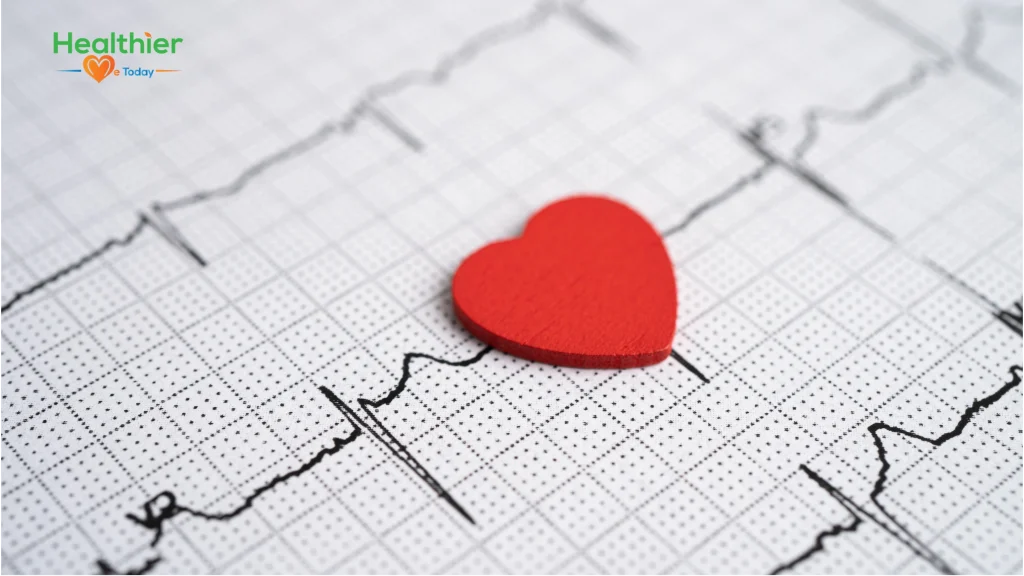
It’s normal for your heart to beat quickly or slowly at times. For instance, when you exercise, your heart rate increases and slows down when you sleep. Doctors might use medications, pacemakers, or even surgery to help if someone has heart arrhythmia. The main aim of treatment is to manage or eliminate any fast, slow, or irregular heartbeats. Living a heart-healthy lifestyle can also help stop heart damage that might cause some types of arrhythmias.
What are the Types of Arrhythmia?
There are several types of heart arrhythmia, each affecting the heart’s rhythm differently:
Sinus Arrhythmia
Sinus arrhythmia is a type of irregular heartbeat. In the most typical form of sinus arrhythmia, the interval between heartbeats can vary slightly, getting shorter when inhaling and longer when you exhale. So, your heart beats faster when you take a breath in and slows down when you breathe out.
AFib
Atrial fibrillation (AFib) is a common heart arrhythmia, especially in people over 65 years old. It occurs when the heart’s upper chambers beat irregularly and usually at a fast rate. Instead of contracting strongly as it should, the heart quivers, leading to an abnormal and quickened heartbeat.
Atrial flutter
Fibrillation leads to many random and varied movements in the atrium, while atrial flutter typically comes from a specific spot that isn’t functioning correctly. Atrial flutter can be a serious issue and often results in fibrillation if not treated. Some individuals might go through both flutter and fibrillation.
Supraventricular tachycardia
Supraventricular tachycardia (SVT) is a type of heart arrhythmia where the heart beats abnormally fast, originating from the upper chambers. This rapid heartbeat reduces the heart’s ability to fill with blood before each contraction. Atrial fibrillation and atrial flutter are classified under SVT.
Ventricular tachycardia
Ventricular tachycardia (VT) occurs when unusual electrical signals come from the heart’s lower chambers, causing a dangerously fast heartbeat. This condition is often linked to heart arrhythmia due to scarring from a previous heart attack.
Ventricular fibrillation
Ventricular fibrillation (VFib) is a chaotic heart rhythm. Instead of pumping blood as they should, the ventricles, which are the heart’s lower chambers, just shake and flutter. This can be very dangerous and is often connected to heart problems. It usually happens after a heart attack.
Bradycardia
Bradycardia is when your heart beats slower than usual, usually under 60 beats per minute (bpm) for most people. This can occur if there’s an issue with the sinoatrial node, like the heart’s natural timer.
Long QT syndrome
Long QT syndrome is an inherited heart arrhythmia that causes rapid and irregular heartbeats. This condition is linked to QT prolongation, a disorder that affects the heart’s electrical activity. It may also be triggered by certain medications or genetic factors, making it a serious concern for those affected.
What Causes Arrhythmia?
Causes of abnormal EKG results and heart arrhythmia include:
- Congenital heart conditions – Some people are born with heart issues that affect how electrical signals work. For instance, an unusual muscle fiber might connect the heart’s top and bottom chambers. This extra fiber can cause paroxysmal supraventricular tachycardia (PSVT) as they get older, a type of heart arrhythmia that leads to sudden episodes of rapid heartbeat.
- Inherited heart disease – Some genetic conditions make individuals more prone to developing heart arrhythmia over time. A good example is arrhythmogenic right ventricular dysplasia (ARVD), where normal heart muscle is gradually replaced by fat and scar tissue. These changes can disrupt normal electrical activity and lead to irregular heart rhythms.
- Heart attacks and scarring – When someone experiences a heart attack, part of the heart muscle can become damaged and turn into scar tissue. This scarring can create a “short circuit” in the heart’s electrical system, leading to a fast and dangerous heart arrhythmia known as ventricular tachycardia.
- Aging and heart changes – As people age, their heart’s electrical system can become less stable, making heart arrhythmia more likely. Atrial fibrillation (AFib), for example, is uncommon before age 50 but becomes significantly more frequent with age. By 80, nearly 1 in 10 people experience AFib, increasing their risk of stroke and other complications.
What are the Symptoms of Arrhythmia?
Arrhythmia doesn’t always show clear signs that something is wrong. Sometimes, a doctor might find it during a regular check-up. Just because someone has symptoms doesn’t mean their arrhythmia is severe. There are cases where people have dangerous arrhythmias but feel perfectly fine, while others who do have symptoms might not be dealing with a serious issue.
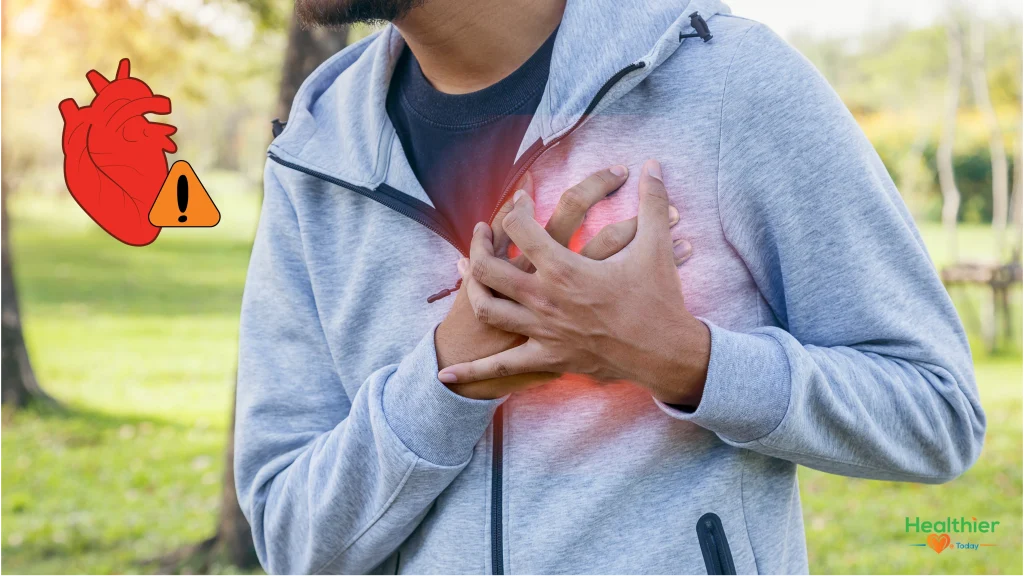
The different signs of arrhythmia include:
Tachycardia
The signs of tachycardia are:
- Trouble breathing
- Feeling dizzy
- Almost fainting or fainting
- A fluttering feeling in your chest (heart palpitations)
- Pain in the chest
- Feeling lightheaded
- Sudden tiredness or weakness
Bradycardia
Bradycardia can lead to several symptoms, including:
- Chest pain, also known as angina
- Trouble focusing
- Feeling confused
- Having a hard time exercising
- Feeling dizzy
- Being extremely tired
- Experiencing lightheadedness
- Noticing your heart racing
- Shortness of breath
- Fainting or almost fainting
- Excessive sweating
AFib
AFib symptoms can come on quickly and might include:
- Chest pain
- Trouble breathing
- Feeling dizzy
- A racing heart
- Fainting or almost fainting
- Feeling weak
What are the Risk Factors for Arrhythmia?
Here are some examples of what can increase the chances of having arrhythmias:
- Getting older, since they are more likely to happen in older people
- Having a family history of arrhythmias
- Smoking cigarettes
- Using certain drugs, like cocaine or amphetamines
- Drinking too much alcohol
- Taking specific medications, including some antibiotics and over-the-counter cold or allergy medicines
- Having health issues like obesity, diabetes, kidney problems, lung diseases, sleep apnea, and heart or blood vessel diseases.
Complications of Arrhythmia
Heart arrhythmias can lead to some serious problems, such as:
- Blood clots that might cause a stroke
- Heart failure
- Sudden cardiac death
Taking blood-thinning medications can help reduce the chance of having a stroke if you have atrial fibrillation or other types of arrhythmias. If you have an arrhythmia, it’s a good idea to talk to a doctor about whether you should be on a blood thinner. If your arrhythmia is making your heart fail, some treatments can help manage your heart rate and improve your heart’s functions.
How Do Doctors Diagnose Arrhythmia?
A healthcare provider will assess you for a heart arrhythmia by reviewing your medical history and discussing your symptoms. They may also conduct tests to evaluate your heart and identify any underlying health issues that could lead to an irregular heartbeat.

Tests
Tests used to identify a heart arrhythmia may consist of the following:
- Electrocardiogram (ECG or EKG) – This rapid assessment evaluates the heart’s electrical activity and shows the difference between normal vs. abnormal ECG rhythms. Small adhesive sensors are placed on the chest and occasionally on the arms or legs. These sensors are linked to a computer that shows or prints the result of regular and potentially abnormal EKG results.
- Holter monitor – This compact ECG device can be worn for 24 hours or longer, capturing the heart’s activity as you go about your daily routine.
- Event recorder – An event recorder is a compact ECG device that you can wear for as long as 30 days or until you experience any arrhythmia or related symptoms. When you notice symptoms, simply press a button to capture the data.
- Echocardiogram – An echocardiogram is a diagnostic test that employs sound waves to create images of the heart in motion. This procedure reveals the heart’s structure and the condition of its valves. Additionally, it assesses the heart’s pumping strength and provides insights into blood flow within the heart.
- Implantable loop recorder – An implantable loop recorder is a device that can be placed beneath the chest’s skin if symptoms rarely occur. This small device monitors and records the heart’s electrical activity, helping detect irregular arrhythmic issues.
- Stress test – Specific heart rhythm problems can worsen or start during exercise. In a stress test, doctors monitor how your heart works while you pedal on a stationary bike or walk on a treadmill. If you’re unable to exercise, they might give you medication that simulates the effects of exercise on your heart.
- Tilt table test – This is performed if you’ve experienced fainting. During the test, your heart rate and blood pressure are measured while lying on a table. Then, the table is tilted to raise you into a standing position. A healthcare worker observes how your heart and nervous system react to this change in position.
- Electrophysiological (EP) Testing and Mapping – It is often known as an EP study, which helps doctors determine if someone has tachycardia or locate where the heart’s signaling is going wrong. This type of study is mainly used to diagnose specific arrhythmias.
Heart Arrhythmia Treatments
The way to treat a heart arrhythmia depends on if the heart is beating too quickly or too slowly. Some arrhythmias don’t require any treatment at all. Your doctors might recommend that you have regular checkups to keep an eye on your condition.
Medicines
Medicines for heart arrhythmias vary based on the kind of irregular heartbeat and any complications that might arise. For instance, people who have tachycardia usually receive medication to help manage their heart rate and rhythm. If someone has atrial fibrillation, they might be prescribed blood thinners to help stop blood clots from forming.
Therapies
There are other ways to treat heart arrhythmias, such as:
- Vagal maneuvers – These straightforward actions can help slow down the heart rate. Some examples are coughing, pushing down like you’re trying to go to the bathroom, and placing an ice pack on your face.
- Cardioversion – This method uses paddles or patches placed on the chest to deliver an electrical shock to the heart, which can help restore a normal rhythm. Doctors usually use cardioversion when vagal maneuvers and medications aren’t effective.
Surgery or Other Heart Arrhythmia Medical Procedures
Different methods and surgeries are used to address heart arrhythmias, including:
- Catheter ablation – In this method, doctors insert one or more catheters into blood vessels leading to the heart. The tips of these catheters have sensors that use either heat or cold to form small scars in the heart tissue. These scars help block abnormal heart signals and restore a normal heartbeat.
- Pacemaker – A pacemaker might be necessary when slow heartbeats occur without a correct cause. This small device is implanted in the chest to help regulate the heartbeat.
- Implantable cardioverter-defibrillator (ICD) – This device is placed just beneath the skin near the collarbone and constantly monitors the heart’s rhythm. If it detects an irregular heartbeat, it delivers low- or high-energy shocks to help reset the heart’s rhythm.
- Maze procedure – During the maze procedure, a surgeon makes small incisions in the upper part of the heart to create a specific pattern of scar tissue, known as a maze. This scar tissue prevents heart signals from passing through, which can help block erratic electrical signals that lead to certain fast heartbeats.
- Coronary bypass graft surgery – If you have severe coronary artery disease along with an irregular heartbeat, this surgery may be required. It creates an alternative route for blood to flow around a blocked or partially blocked artery in the heart.
Lifestyle and Home Remedies

Here are some natural ways to regulate heart rhythm:
- Choose heart-friendly foods – Focus on a diet low in salt and unhealthy fats while being packed with fruits, vegetables, and whole grains. These are some of the best foods for heart arrhythmia.
- Stay active – Aim to get at least 30 minutes of exercise most days of the week.
- Avoid smoking – If you smoke and find it hard to quit, reach out to a healthcare professional for help and resources.
- Keep a healthy weight – Being overweight can increase your heart disease chances. Work with your healthcare team to set achievable goals for your body mass index (BMI) and weight.
- Manage your blood pressure and cholesterol levels – High blood pressure and cholesterol can lead to heart issues. Make lifestyle adjustments and follow your doctor’s medication advice to keep these levels in check.
- Limit your alcohol intake – If you drink, do so in moderation. For healthy adults, this means up to one drink per day for women of all ages and men over 65 and up to two drinks per day for men younger than 65.
- Establish good sleep routines – Insufficient sleep can increase the risk of heart disease and other health problems. Adults should aim for 7 to 9 hours of sleep each night and try to go to bed and wake up at the same time every day, even on weekends.
- Control stress levels – Managing stress is crucial for heart health. You can reduce stress by exercising more, practicing mindfulness, and joining support groups to connect with others.
Conclusion: So, What Does it Come Down to?
Arrhythmia happens when the heart doesn’t usually beat. There are various reasons for arrhythmia, but heart disease is usually a major contributor. Sometimes, arrhythmia can indicate a serious health issue and may result in serious complications. So, talk to a doctor if you find anything wrong or sense something isn’t quite right.
You can’t always prevent arrhythmias, but the good news is that staying active, keeping a healthy weight, and treating existing health problems can help you manage this condition and improve your quality of life.
FAQ’s:
Why is my heart skipping beats?
If it feels like your heart skipped a beat, it is because of a kind of unusual heart rhythm known as a palpitation. It might feel like your heart is fluttering, thumping, or racing.
My heart is skipping beats constantly; when should I worry?
You should be concerned if you feel chest pain, dizziness, fainting, or trouble breathing. It’s also important to pay attention if the irregular heartbeat lasts long.
Can anxiety cause irregular heartbeat?
Yes, anxiety can lead to an irregular heartbeat, which is often referred to as heart palpitations. You might also experience other signs like a fluttering, pounding, or racing feeling in your chest.
Does arrhythmia show up on ECG?
Yes, an electrocardiogram (ECG) is the primary test to diagnose arrhythmia.
What is the link between arrhythmias and heart disease?
Arrhythmias can lead to heart disease, and heart disease can cause arrhythmias.