
Imagine taking a deep breath and feeling sharp pain instead of relief. This is the reality of those with pleurisy. Understanding this condition’s causes and symptoms can make a big difference in the lives of those suffering from it. This article discusses what pleurisy is, how long it lasts, the symptoms, causes, and treatment options.
What is Pleurisy?
Pleurisy is an inflammation of the lung’s outer lining. It can cause a sharp, stabbing pain in the chest or shoulder when taking a deep breath. The tissue, called the pleura, between the lungs and the rib cage, can inflame, causing pleurisy.
This condition often results from an infection, but it can also stem from other medical conditions or chest trauma. In some cases, pleurisy is mild and resolves without treatment, making it difficult for experts to estimate how common the condition is. Now, let’s take a look at how long it lasts!
How Long Does Pleurisy Last?
How long pleurisy lasts can depend on what’s causing your condition and whether you’re diagnosed early. There’s no definitive way to tell how long your pleurisy will last unless you know what’s causing it. Pleurisy caused by airway inflammation, including bronchitis, bronchiolitis, or pathogens like viruses, can resolve without treatment. Pain medication and rest can help relieve symptoms while the lining of your lungs heals, which can take up to two weeks in most cases.
If you think you have pleurisy, get medical help because untreated pleurisy can lead to severe complications. Ready to learn about the symptoms so that you are able to identify them? Take a look down below!
Pleurisy Symptoms
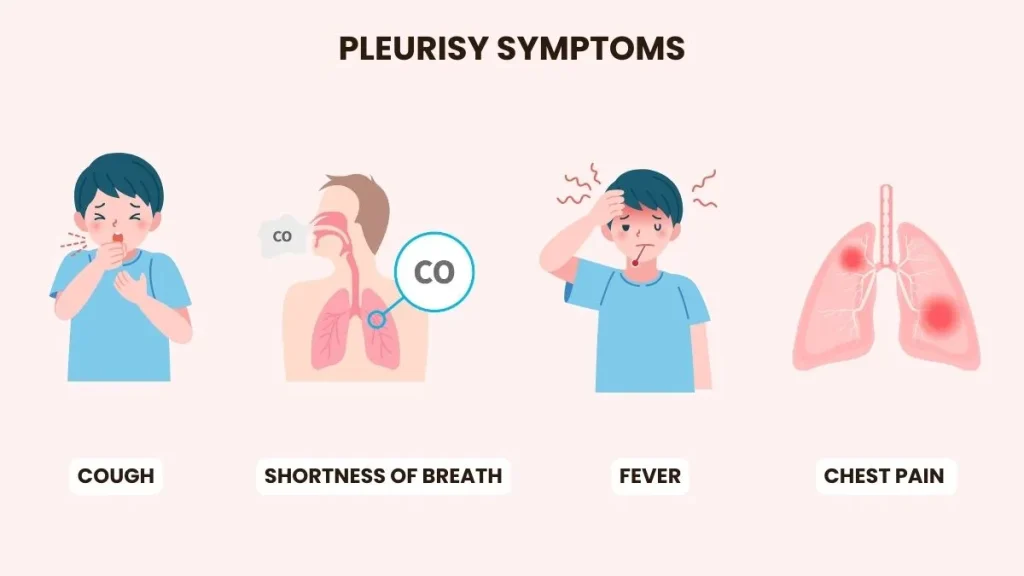
This condition can be uncomfortable. Here is what you should look out for:
- Chest pain that worsens when you breathe, cough or sneeze.
- Shortness of breath – often from trying to limit breathing in and out.
- Cough
- Fever
Causes of Pleurisy
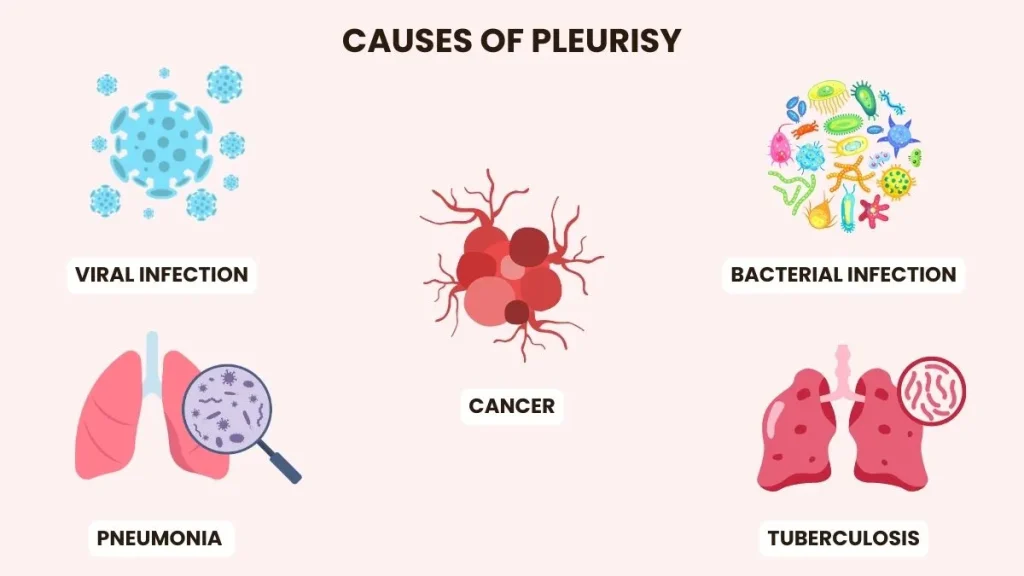
There are a number of things that contribute to inflammation of the pleura. The common causes are:
- Viral infection
- Bacterial infection
- Pneumonia (an infection of the lungs)
- Tuberculosis
- Trauma to the chest wall
- Connective tissue disorders such as rheumatoid arthritis and lupus erythematosus
- Pulmonary embolus (blood clots)
- Cancer
Natural Remedies for Pleurisy
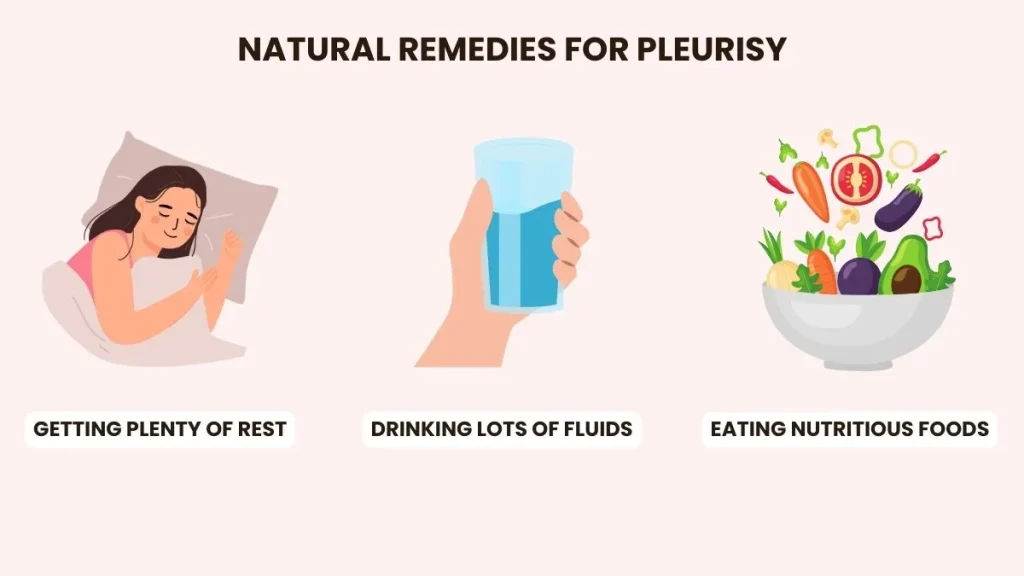
Although medication can help with pleurisy, there are natural ways that support your recovery, too. Remedies include:
- Getting plenty of rest
- Eating nutritious foods
- Drinking lots of fluids
What Not to Do with Pleurisy
There are a few things that you should avoid. They are:
- Ignore symptoms
- Avoid medical consultations
- Medicating yourself without some guidance
- Neglect rest
- Ignore breathing exercises
FAQ’s
What should I do if I have pain in my back when breathing?
If you are experiencing back pain that worsens when you breathe, consider seeing a doctor. This can be a sign of a serious issue like pleurisy. Monitor your symptoms and manage your pain with over-the-counter medication if needed.
Are there any treatments for pleurisy?
Yes, there are medical treatments available for this condition. Your healthcare provider may prescribe steroid medication to reduce inflammation and manage symptoms, along with Ibuprofen for pain.
You can also try natural remedies, such as getting some rest, drinking enough water, and eating a nutritious diet.
Conclusion
Pleurisy occurs when the pleura becomes inflamed, causing sharp chest pain that worsens with breathing or coughing. This condition is often accompanied by fever, cough, shortness of breath, and fatigue. The cause can be anything from a viral infection to something as serious as cancer.
Addressing pleurisy can help you manage your symptoms and improve your outcome. So, don’t hesitate to seek medical help!