
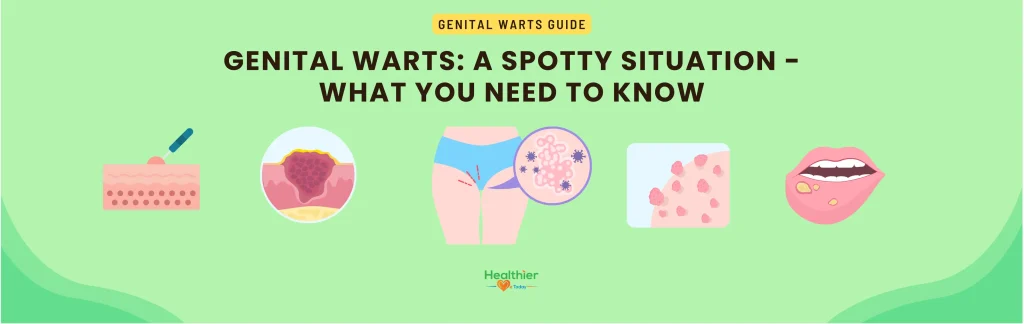
Genital warts can develop when you get a low-risk HPV infection. But there are ways to help treat and manage them. Some solutions include prescription creams or having the warts removed by a healthcare professional. Want to learn more about it? Read this article!
What are Genital Warts?
Genital warts are soft small bumps that can develop on your genitals and can cause a number of different and unpleasant symptoms. They’re caused by certain types of HPV, such as HPV 6 and 11. These two are different from the types that can cause more severe health conditions like cervical cancer.
HPV is super common! The CDC says it’s the most common STI, and almost everyone who is sexually active can be exposed to it at some point. If you have a vulva you’re at higher risk of a more serious issue. This is because some strains of HPV can lead to cancers in the cervix and vulva. This is why it is crucial to seek out effective treatment if you discover you have genital warts.
What are the Symptoms?
Genital warts are spread via different types of sexual interactions. You might overlook or ignore the warts at first because it can take weeks or even months for them to be entirely noticeable. Sometimes, the warts are so small that you can’t see them, but they might still cause uncomfortable symptoms. They can also look different for everyone – they might be the same color as your skin, a bit darker, or even bumpy or smooth.
A closer look at the appearance and symptoms of genital warts:
- Small, flesh-colored, or darker bumps on the genitals
- Warts can be smooth, bumpy, or be similar to cauliflower in texture
- Appear alone or in clusters
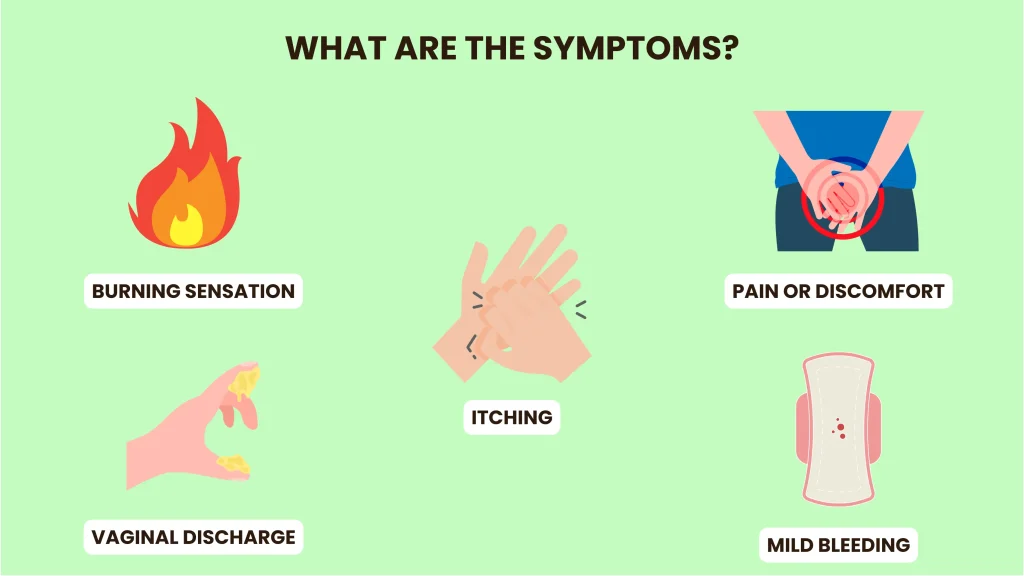
Genital warts can cause:
- Itching
- Pain or discomfort
- Vaginal discharge
- Mild bleeding
- Burning sensation
Genital warts develop on the:
- Penis, scrotum, groin, or thighs of men
- Inside or outside the vagina or anus or on the cervix of women
- Lips, mouth, tongue, or throat after oral sexual contact
What Causes Genital Warts?
Low-risk types of HBV are responsible for a whopping 90% of genital wart cases. It can spread quickly through skin-to-skin contact, which makes it an STI. It’s so common that most sexually active people might have been in contact with it at some point or another in their lives. However, it’s good to know that HPV doesn’t always lead to genital warts. The virus can often go away by itself. The types of HPV that cause genital warts are different from the strains that cause warts on other parts of the body, like the hands.
How Are Genital Warts Diagnosed and Treated?
If you think you have genital warts, your doctor will ask about your symptoms and sexual history. They might also do a physical exam; sometimes, they use a mild acidic solution to make any hidden warts more visible. While genital warts may go away on their own, HPV can stay in your skin cells, meaning you could have future outbreaks.
Treating the warts helps reduce symptoms and lowers the risk of passing the virus on to others. There are prescription creams and minor surgical options if needed, such as freezing or burning the warts, laser treatments, or injections. It’s important to avoid using over-the-counter wart removers meant for other parts of the body, as they are too strong for genital warts.
Risk Factors and Prevention of Genital Warts
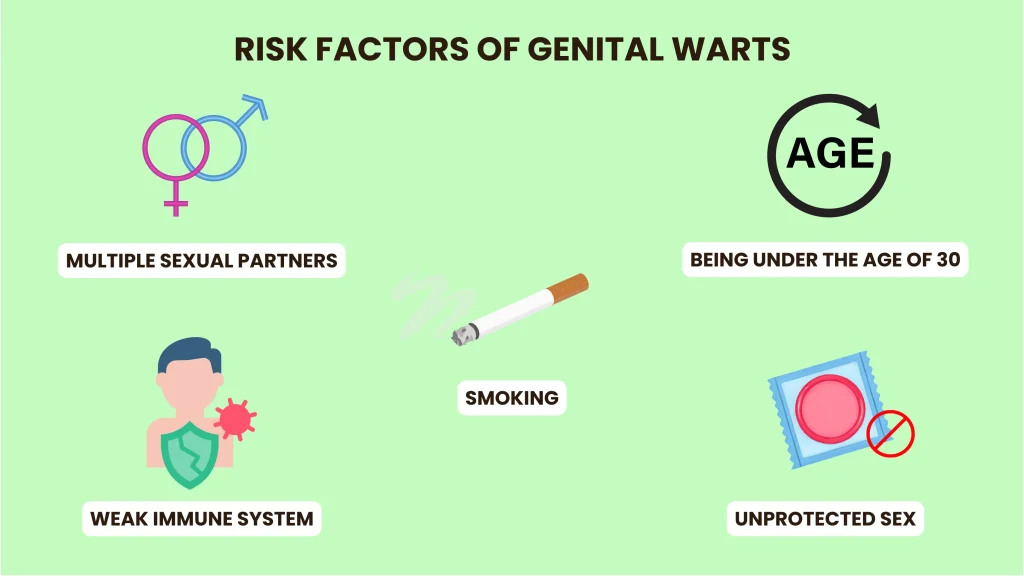
A few different aspects can contribute to the development of genital warts. It is very important to understand the risk factors and how to prevent contracting this infection.
Risk factors:
- Multiple sexual partners
- Being under the age of 30
- Smoking
- Weak immune system
- Unprotected sex
Preventive measures:
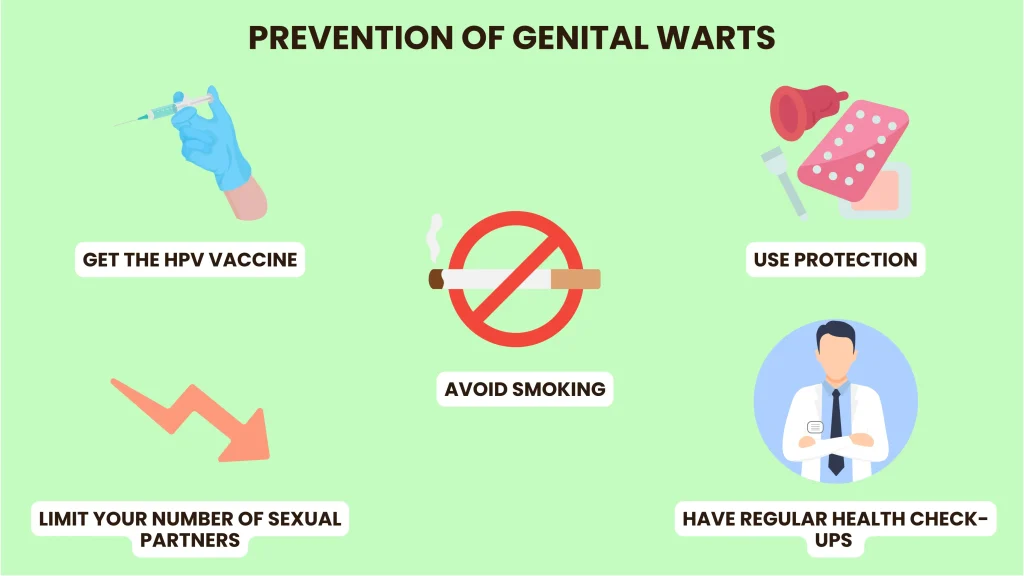
- Get the HPV vaccine
- Use condoms or dental dams during sex
- Limit your number of sexual partners
- Avoid smoking
- Have regular health check-ups
It is vital to visit your doctor immediately if you suspect that you might have genital warts. They can help diagnose and treat the warts and help you manage and treat them. It’s also important to be open with your partner so they can take precautions.
Conclusion
Genital human papillomavirus infection is common, but there is something you can do about it. These warts may even go away on their own, but seeking treatment can help prevent them from returning and causing discomfort.
Stay informed and proactive – so that you can manage this condition without a problem!