
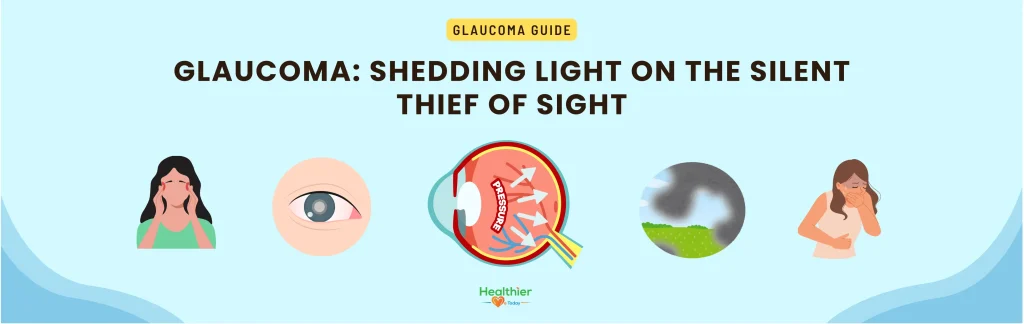
Imagine you’re going about your day and start bumping into things. You don’t think anything of it, but it slowly starts robbing you of your sight, and by the time you realize it’s too late. 120,000 people in the United States suffered this fate. Let’s shine a light on this condition by taking a closer look at what it is, its causes, open angle vs closed angle, early signs, how to prevent it, insights on a cure and treatment options. Let’s start!
What is Glaucoma?
Glaucoma is a joint group of eye disorders that damages the optic nerve. In some cases, the fluid builds up in the front part of the eyes, and this extra fluid puts pressure on the eyes, slowly damaging the optic nerve.
If it’s not treated, glaucoma can lead to vision loss and blindness, which is not reversible. Will it affect both your eyes? It can, but one eye is typically more affected than the other. Your chances of developing glaucoma in the other eye are between 40-80% within ten years.
What Causes Glaucoma?
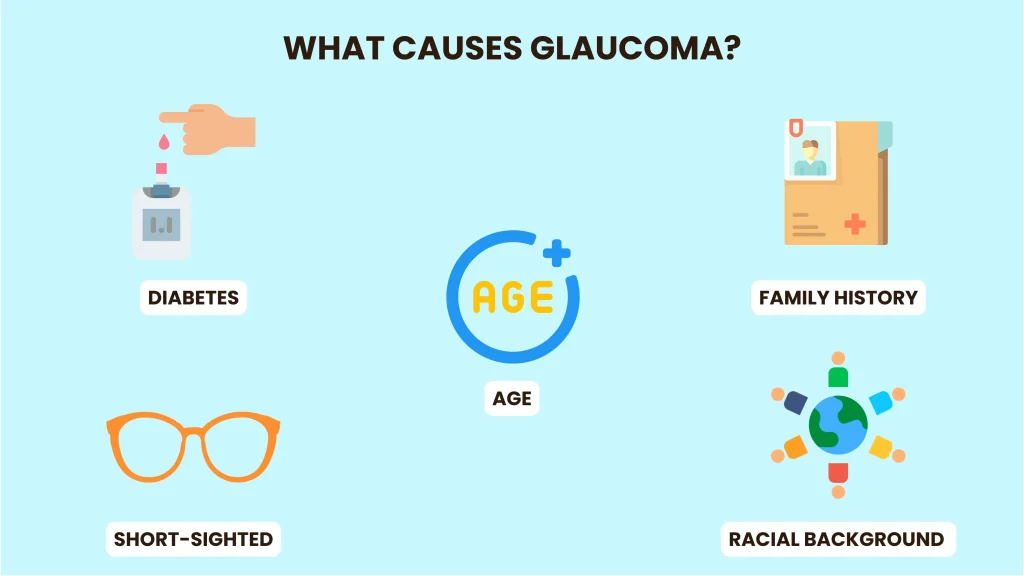
The exact cause of glaucoma is unknown, but some factors contribute. They are:
- Diabetes
- Short-sighted (myopia)
- Family history
- Age (it’s most common in people over 60)
- Racial background (African Americans and Hispanics are at higher risk)
Open Angle vs Closed Angle Glaucoma
There are two types of glaucoma. Let’s take a look at the difference:
Open Angle Glaucoma (OAG):
- Drainage angle: Where the iris meets the cornea is open, which allows the fluid to flow out of the eye.
- Pressure build-up: Build-up is slow and increases eye pressure gradually.
- Progression: Develops over time.
Closed Angle Glaucoma (CAG):
- Drainage angle: Where the iris meets, the cornea is blocked or narrows which prevents fluids from draining.
- Pressure build-up: The blockage causes rapid pressure in the eye.
- Progression: Sudden severe symptoms.
Early Signs of Glaucoma
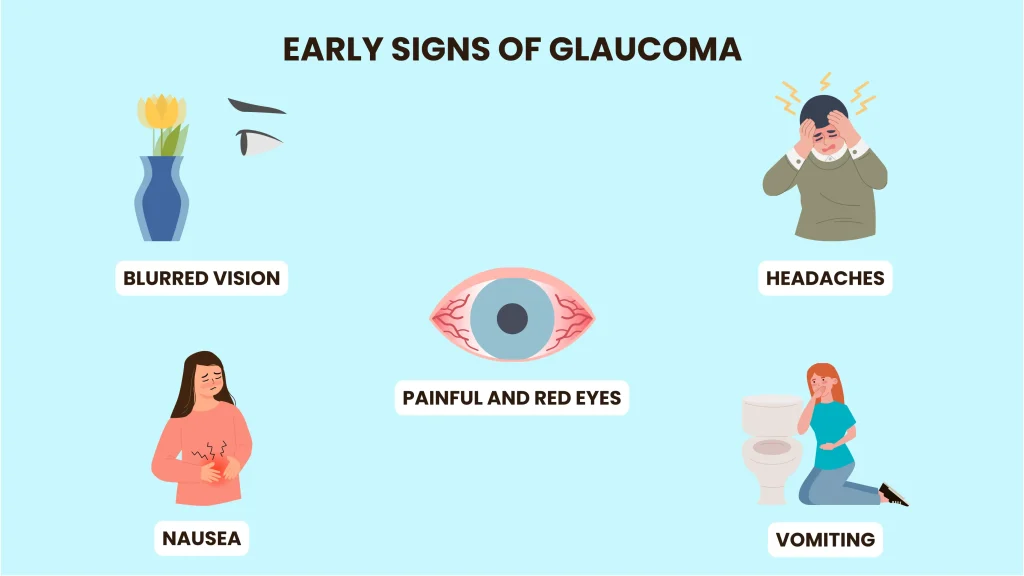
This condition can develop with normal eye pressure, so there might be no warning signs. There’s a chance that you’ll only notice when it reaches an advanced stage. However, patients have reported the following:
- Gradual loss of peripheral (side) vision
- Halos around light
- Painful and red eyes
- Blurred vision
- Changes in prescription glasses
- Headaches
- Nausea
- Vomiting
How to Prevent Glaucoma
If you have high-risk factors and are over 35, you must get tested at least once or twice a year. Your regular exam is the best way to prevent serious damage.
Glaucoma checks should be done at the following ages:
- Every two to four years before the age of 40
- Every one to three years from the age of 40 to 54
- Every one to two years, from the age of 55 to 64
- Every six to twelve months after the age of 65
Miracle Cure for Glaucoma
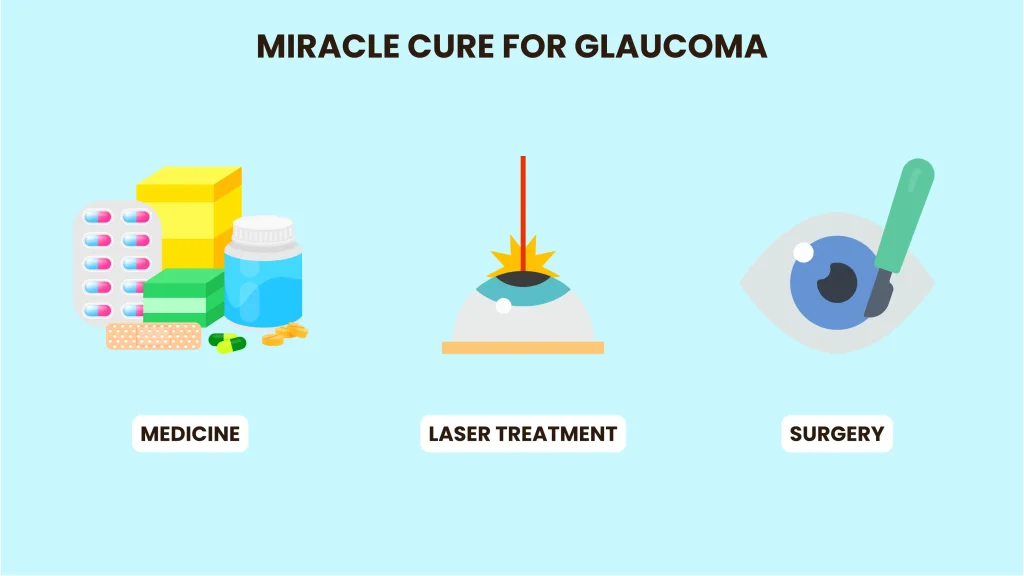
There is no cure for glaucoma, but according to Cleveland Clinic, treatment can slow the progression down. It’s still being researched to offer new hope to those with this condition.
Glaucoma Treatments
Doctors prescribe different types of medication for glaucoma, like eye drops, laser treatment and surgery, but what is the best treatment? Let’s take a look at why the doctor recommends the following:
- Medicine: Prescription eye drops are most common. They prevent eye damage and lower eye pressure.
- Laser treatment: Doctors can use laser treatment to help drain the fluid from the eye and lower the pressure. It’s a simple procedure that doctors can perform in the office.
- Surgery: If prescription medicine and laser treatment do not work, doctors will suggest surgery. Various types of surgery can help drain fluid from the eye.
Conclusion
Glaucoma is a progressive, chronic eye disease caused by damage to the optic nerve, resulting in visual field loss. A risk factor is eye pressure. Abnormality in the eye’s drainage system can cause a build-up of fluids, leading to enormous pressure that damages the optic nerve.
Treatment options include laser therapy, surgery, and medication which can slow down the progression. Typically there aren’t warning signs but if you suspect that you have glaucoma, don’t wait – schedule an eye exam. Protect your vision, it’s precious!