
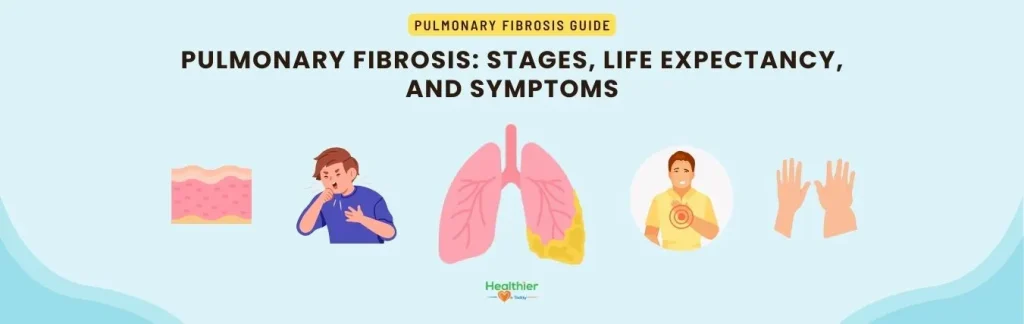
Imagine feeling out of breath after climbing the stairs or having a tightness in your chest that just doesn’t seem to go away. This is the reality of those living with pulmonary fibrosis. It slowly robs you of your ability to breathe. So, what does your life expectancy look like? We’ll discuss everything you need to know about this condition, including the stages. Let’s start!
What is Pulmonary Fibrosis?
This air-stealing disease affects 100,000 Americans. We’ll examine it and its causes in more detail.
Definition
Pulmonary fibrosis is a group of severe lung diseases that affect the respiratory system. It scars and thickens lung tissue, impacting the connecting tissue in the lung and the alveoli (air sacs inside the lungs). The lung damage gradually gets worse over time. Hard, stiff lung tissues don’t expand as well as they should, which makes breathing difficult. Pulmonary fibrosis may cause shortness of breath when you do routine tasks that never seemed tiring before.
Although this condition affects most ages, it’s most commonly diagnosed in people between 60 and 80. Smoking is the most common cause, but other factors can lead to pulmonary fibrosis. Let’s take a look!
Causes
There are a lot of things that cause lung damage, which results in pulmonary fibrosis. However, in some cases, the exact cause is unknown.
Examples of known causes include:
- Long-term exposure to certain toxins
- Radiation therapy
- Smoking
- Dust or fumes
- Genetics
- Acid reflux
- Pharmaceuticals
Stages of Pulmonary Fibrosis
This condition is a progressive lung disease that scars lung tissue. Patients may have to depend on oxygen to support their breathing. So, what are the stages?
Here’s a breakdown of the stages:
- Stage 1: At this stage, pulmonary fibrosis is diagnosed, and early symptoms are present. These symptoms are generally manageable, and oxygen isn’t needed.
- Stage 2: This stage requires patients to use supplemental oxygen during exercise but not everyday activities.
- Stage 3: Due to lung impairment, patients need oxygen more frequently, even during rest periods.
- Stage 4: During this stage, the patient’s lung function and health decline significantly. This means that they need oxygen support most of the day.
What is the Average Lifespan?
All types of PF involve progressive scarring and inflammation. As scarring builds, patients become more and more out of breath which can lead to lung failure. According to the Pulmonary Fibrosis Foundation, there is no way to foresee how long someone with PF or IPF will live. The average life expectancy of pulmonary fibrosis is said to be three to five years after diagnosis, but those figures are outdated as many different factors can impact disease progression. Let’s take a look!
Factors that Influence Life Expectancy
Patients with pulmonary fibrosis experience disease progression at different rates. Some patients progress slowly and live with PF for many years, while others decline more quickly.
Factors include the following:
- Progression rate
- Response to the treatment
- Overall health
- Lifestyle
Signs and Symptoms
As this condition progresses, symptoms become more debilitating and affect your daily life.
Here is how the symptoms manifest:
- Blue discolouration of the fingers or toes
- Rapid, shallow breathing
- Swelling in the feet and legs
- Tiredness
- Unexplained weight loss
- Widening or rounding of the fingertips or toes
The most common symptoms of pulmonary fibrosis are dry, persistent cough and shortness of breath. Symptoms may be mild. The side effects of PF, such as fatigue and shortness of breath, can also impact your mood. So, it’s common for people with pulmonary fibrosis to experience depression and anxiety or just feel stressed. Awful, right?
If you notice that your symptoms are worsening, visit your doctor and get a personalized plan. Plans may include medication, oxygen therapy, mental health support, pulmonary rehabilitation, and lifestyle adjustments.
Conclusion
Pulmonary fibrosis is a lung disease that occurs when damaged and scarred lung tissue thickens and stiffens, making it harder for the lungs to work correctly. It worsens over time, which can cause patients to struggle with blue discolouration of both fingers and toes, shallow breathing, swelling in feet and legs, feeling tired, etc. Remember to contact your doctor when symptoms start to worsen or if it starts to affect most of your daily life!