
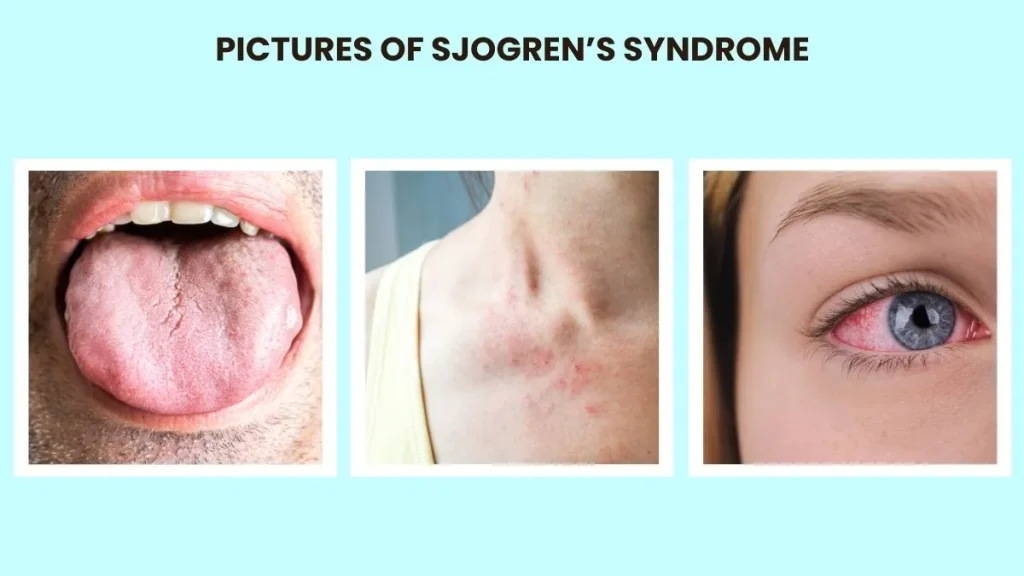
Have you ever felt like your body is in a desert? It could be Sjogren’s syndrome. This condition causes dry eyes, dry mouth, joint pain, fatigue, inflammation, and a skin rash. There is no cure, but you can manage these symptoms. Let’s take a closer look at what it is, the symptoms, what you can do, and the tests that are available!
What is Sjogren’s Syndrome?
Sjogren’s syndrome is a chronic autoimmune disease in which the immune system attacks the glands that produce moisture. This condition can lead to parotitis, which is just a fancy word for swollen parotitis glands. Luckily, you can do something about it! It includes antivirals, antibiotics, heat and messaging.
The causes of Sjogren’s syndrome are unknown, but it is believed to be connected to the environment and genetics. Next, let’s take a look at the symptoms of this condition.
Symptoms of Sjogren’s Syndrome
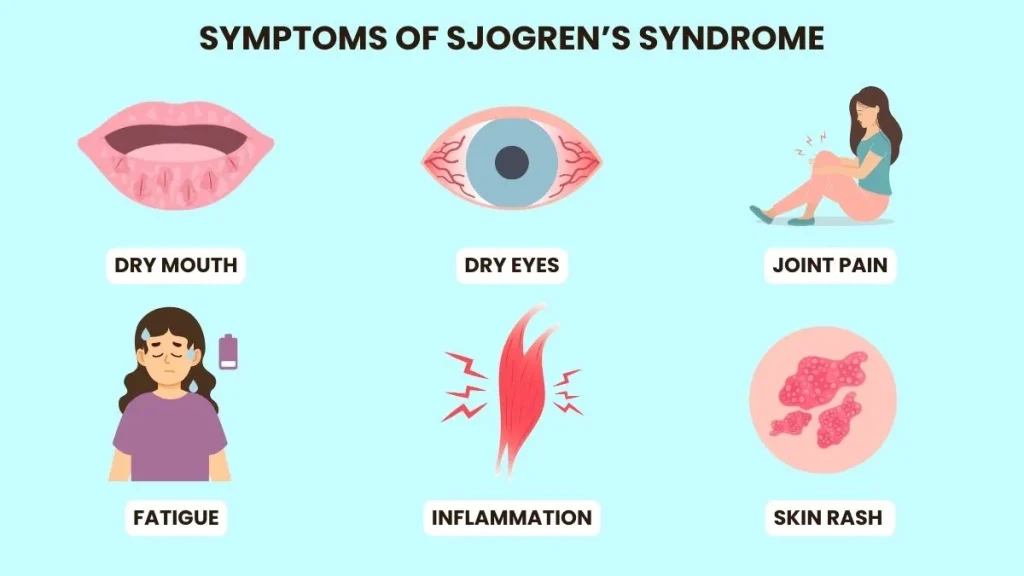
Sjogren’s affects the moisture produced by the glands, leading to various symptoms. Let’s examine them so that you can catch this condition early and get the right treatment!
- Dry eyes are one of the most common symptoms of Sjogren’s syndrome. It can result in burning or itchiness in the eyes, blurred vision, and increased sensitivity to light. Dry eyes can also raise the risk of infections.
- Dry mouth is another common symptom. It can lead to minimal saliva production and cause difficulty when speaking, swallowing, and chewing. If this continues, it can also lead to a higher incidence of dental problems, like gum disease and cavities. Some experience issues like oral infections or mouth sores.
- Joint pain, known as arthritis, often appears in those with Sjogren’s Syndrome. It can result in stiffness, swelling and joint pain. This discomfort can affect your daily activities, quality of life, and mobility.
- Fatigue is commonly associated with this condition and impacts your daily life. It can become a continuous feeling of weakness and exhaustion, making concentrating and performing regular tasks difficult.
- Inflammation is a common sign of Sjogren’s Syndrome. It can affect several organs, resulting in swelling and redness and sometimes causing pain.
- Skin rash might not be as common as the other symptoms, but there are reports from patients. It can look like red, irritated patches or small bumps. Dryness, itchiness, and scaling can accompany these skin changes.
Sjogren’s Treatment
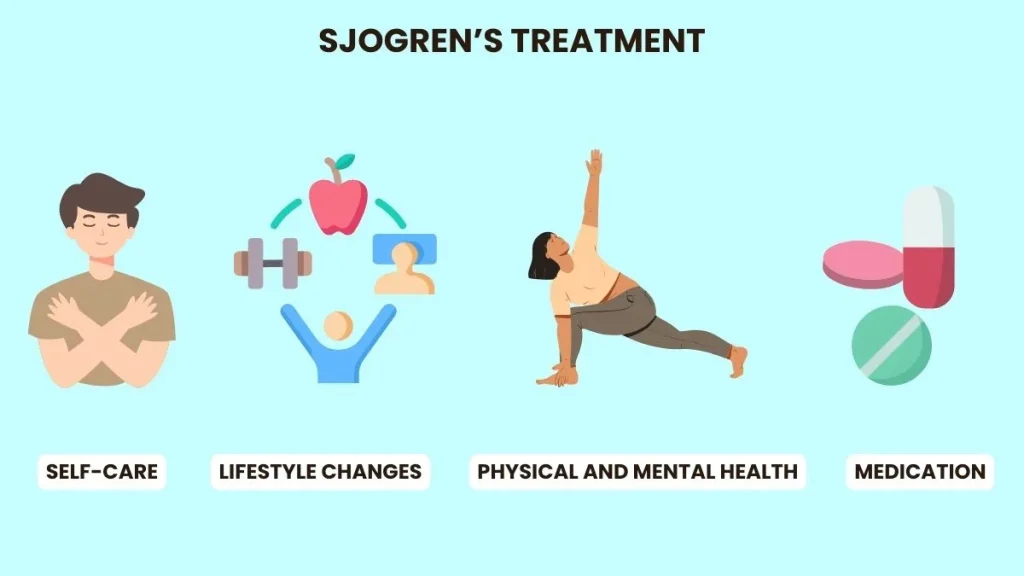
This condition can’t be treated, but it can be managed. Here’s how:
Medication
Some over-the-counter drops for your eyes can help with the dryness. As for your dry mouth, drink plenty of water. You’ll feel the difference almost immediately!
Unfortunately, it’s not that easy for everyone with Sjogren’s syndrome. It may include:
- Prescription meds: Doctors may prescribe something to help you produce saliva or relieve inflammation.
- Surgery: If your dry eyes and mouth don’t go away, doctors might relieve your symptoms with surgery.
Lifestyle Changes
Small changes in what you eat and drink can help manage your symptoms. You can do this by avoiding sugar, which can cause tooth decay. Also, try to limit your coffee, alcohol, and nicotine intake, as they irritate your mouth. Use lip balm, ointment, or a humidifier for dry or cracked lips.
Physical and Mental Health
This condition affects more than your physical health. The discomfort and stress can lead to issues like anxiety and depression. It can even disrupt your sleep.
Here is what you can do about it:
- Talk to a professional.
- Find activities that manage your stress.
- Create a routine.
- Get some exercise.
- Drink enough water.
- Eat a balanced diet.
FAQs
How is Sjogren’s syndrome diagnosed?
Doctors test for antibodies in the blood and biopsy the minor salivary gland, which is located inside the lower lip.
Can this condition be cured?
Sjogren’s syndrome can’t be cured. Scientists are still trying to minimise complications through studies and find better methods to stop the disease activity and severity by testing new medication.
How can I manage dry mouth that is caused by Sjogren’s syndrome?
You can manage your dry mouth with sugar-free candy and gum, which help stimulate saliva production. Another great way is to drink enough water, which keeps your mouth moist and reduces the risk of both cavities and infections.
Conclusion
Living with Sjogren has its challenges, but you can live a fulfilling life with the right management strategies! Some medication, lifestyle changes, and managing your mental health – like talking to a professional about it, engaging in stress-free activities, and creating a routine – can significantly improve the quality of your life. Remember that it’s about finding what works for you and proactively managing the condition. Take control of your health today!