
Did you know that congenital heart defects are the most common birth defect in the US? Yes, that’s right. It affects about 9 in every 1,000 newborns. These conditions develop when a baby’s heart is still forming, which sometimes leads to lifelong challenges.
Want to know more? This piece takes a look at the symptoms, causes, types, diagnoses, treatment, and how life will progress with congenital heart disease to help you understand not just more about the condition itself but what to expect later.
What is Congenital Heart Disease in Children?

Congenital heart disease, often called a heart defect, means there are issues with the heart’s structure that a baby is born with. These problems happen when the heart or blood vessels don’t develop properly while the baby is still in the womb.
As mentioned, in the United States, about 9 out of every 1,000 babies born each year have a heart defect, which adds up to around 40,000 infants annually. The term congenital means that the issue was there at birth, but sometimes doctors can spot these defects even before the baby is born. In other cases, the signs might not appear until the child gets older or into adulthood.
Depending on the defect’s seriousness, it can affect how blood and oxygen flow to the lungs and the rest of the body. Some fetal circulatory system defects can lead to heart rhythm issues or make the heart work harder. For example, they can be born with hole in the heart might not cause many problems for the child’s growth and health. However, more serious cases, like when heart parts are missing, need urgent medical attention.
Symptoms of Congenital Heart Disease
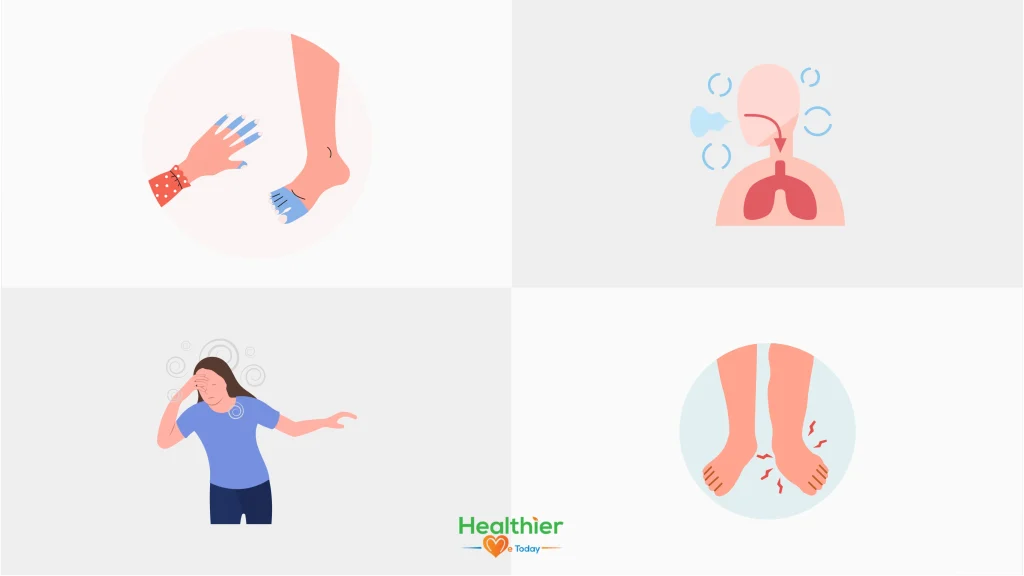
Serious heart problems that a person is born with are usually detected right after they are born or within the first few months.
Signs of congenital heart defects in infants include:
- Lips, tongue, or fingernails that look pale gray or blue.
- Breathing quickly
- Swelling in the legs, stomach, or around the eyes
- Difficulty breathing while eating, which can cause not gaining enough weight
For older kids, signs of congenital heart defects might include:
- Getting out of breath quickly when playing or exercising
- Feeling very tired during physical activities
- Fainting while being active
- Swelling in the hands, ankles, or feet
Symptoms of hole in heart in adults include:
- Swelling in the hands, ankles, or feet
- Fatigue
- Lung infections
- Shortness of breath
- Chest pain
- Heart palpitations
- Fainting
Causes of Congenital Heart Disease
Understanding why congenital heart defects happen can help us learn how a normal heart functions. A typical heart has four chambers: two on the right and two on the left. The upper chambers are the atria, while the lower chambers are called the ventricles.
To circulate blood throughout the body, the heart’s left and right sides have different jobs:
- The right side sends blood to the lungs using the pulmonary arteries
- The blood picks up oxygen in the lungs and then returns to the left side of the heart through the pulmonary veins
- The left side of the heart pumps the oxygen-rich blood into the aorta, which carries it to the rest of the body
How Congenital Heart Defects Develop
The baby’s heart develops and beats in the first six weeks of pregnancy. This is also when the main blood vessels that connect to the heart start forming. During this crucial period, congenital heart defects can begin to occur. Scientists are still trying to figure out what causes most congenital heart defects. They believe that changes in genes, some medications or health issues, and environmental or lifestyle factors like smoking might contribute to these defects.
There are various kinds of congenital heart defects, which can be grouped into different categories:
Changes In The Heart Or Blood Vessels
Changes in blood connections, known as altered connections, allow blood to flow in ways it usually wouldn’t. This can lead to oxygen-poor blood mixing with oxygen-rich blood, reducing the amount of oxygen delivered throughout the body. As a result, the heart and lungs have to work harder to keep everything running smoothly.
There are different types of altered connections in the heart or blood vessels, such as:
- An atrial septal defect is a hole between the upper chambers of the heart called the atria
- A ventricular septal defect is a hole in the wall separating the right and left lower chambers of the heart, known as the ventricles.
- Patent ductus arteriosus (PAY-tunt DUK-tus ahr-teer-e-O-sus) is a connection between the artery that goes to the lungs and the body’s main artery, called the aorta.
- Total or partial anomalous pulmonary venous connection happens when some or all of the lung’s blood vessels, known as pulmonary veins, connect to the wrong parts of the heart.
Congenital Heart Valve Problems
Heart valves act like gates between the chambers of the heart and the blood vessels. They open and close to ensure that fetal heart circulation is in the right direction. If these valves don’t function properly, fetal blood flow can become disrupted. Common issues with heart valves include those that are too narrow and don’t open fully or those that fail to close completely.
Some examples of congenital heart valve issues are:
- Aortic stenosis: A baby might be born with an aortic valve with only one or two flaps, known as cusps, instead of the standard three. This results in a smaller opening for blood flow, making the heart work harder to pump blood. Over time, this can cause the heart to enlarge and the muscle to thicken.
- Congenital pulmonary valve stenosis: In this condition, the opening of the pulmonary valve is narrowed, which reduces blood flow.
- Ebstein anomaly: This involves the tricuspid valve, which is situated between the upper right chamber and the heart’s lower right chamber. In this case, the valve doesn’t have its typical shape and often allows blood to leak.
Combination Of Congenital Heart Defects
Some babies are born with various congenital heart defects. The more complicated ones can lead to significant changes in how blood flows or result in underdeveloped heart chambers.
Here are a few examples:
- The tetralogy of Fallot involves four specific changes in the heart’s shape and structure. It includes a hole in the wall separating the heart’s lower chambers and thickened muscle in the lower right chamber.
- Pulmonary atresia occurs when the pulmonary valve, which allows blood to flow from the heart to the lungs, is incorrectly formed. This means blood can’t follow its usual route to get oxygen from the lungs.
- Tricuspid atresia is when the tricuspid valve is absent, leaving solid tissue in place between the right upper and lower heart chambers.
- Transposition of the great arteries is a serious and rare defect where the two main arteries that exit the heart are switched, known as transposed. There are two variations of this condition.
- Hypoplastic left heart syndrome is when a significant part of the heart does not develop correctly, resulting in the left side being too underdeveloped to pump enough blood to the body effectively.
Risk Factors and Complications – Congenital Heart Disease!
Many congenital heart defects happen due to changes that take place early on while the baby’s heart is forming before birth. The reasons for most congenital heart defects are not fully understood, but some known risk factors exist.
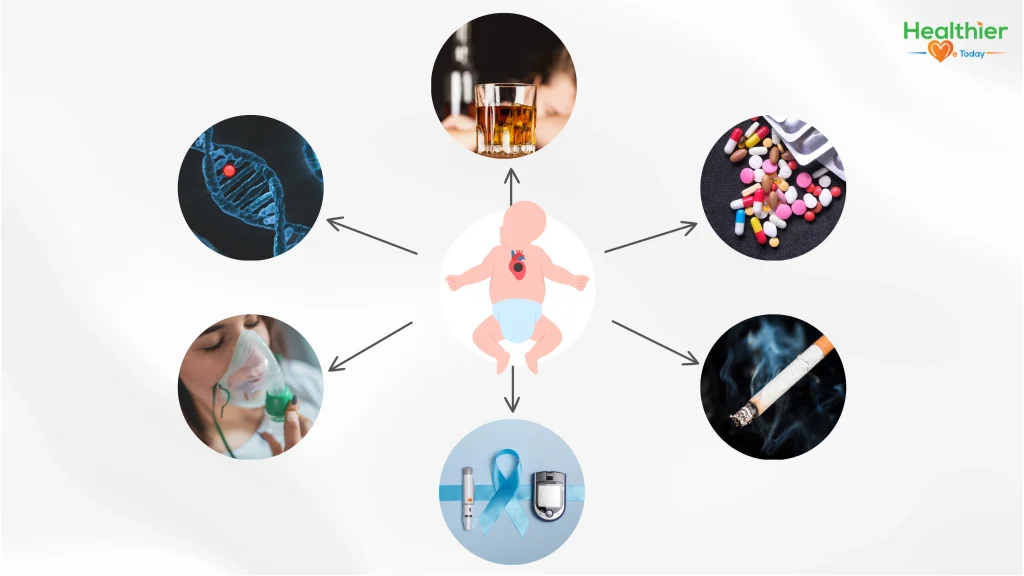
Some of the risk factors for congenital heart defects are:
- Rubella, which is also known as German measles
- Diabetes
- Certain medications
- Consuming alcohol during pregnancy
- Smoking
- Genetic factors
There can also be complications related to congenital heart defects, such as:
- Congestive heart failure
- Infections affecting the heart’s lining and valves
- Irregular heartbeats, known as arrhythmias
- Delayed growth and development
- Stroke
- Mental health issues
Congenital Heart Disease Diagnosis
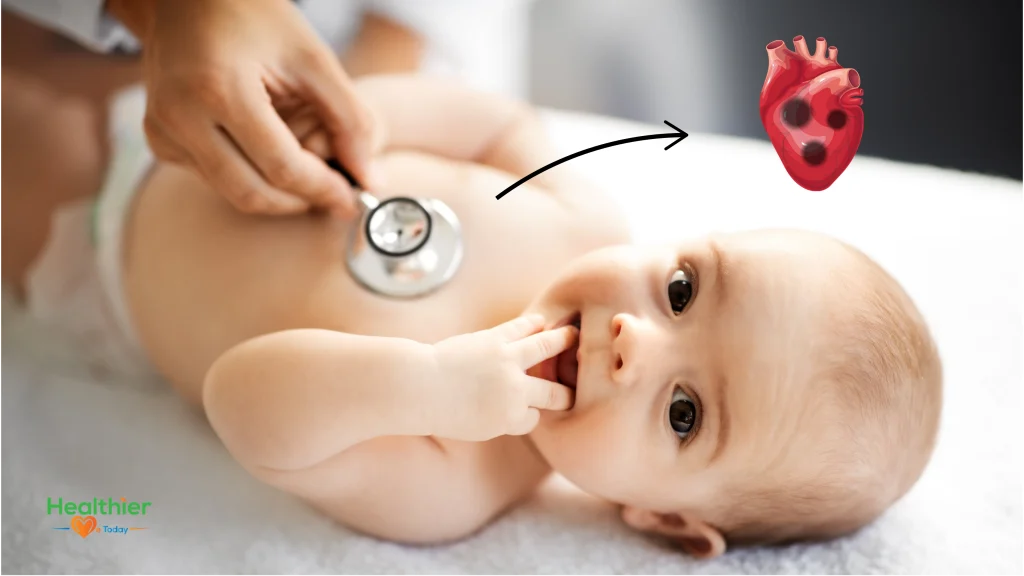
After a baby is born, a healthcare provider may suspect a congenital heart defect if the baby shows:
- Delays in growth
- Changes in the color of the lips, tongue, or nails
The provider might also detect a sound known as a murmur while examining the child’s heart with a stethoscope. Most heart murmurs are harmless, indicating no heart defect and posing no risk to the child’s health. However, some murmurs can result from changes in fetal blood flow to and from the heart.
To diagnose a congenital heart defect, the following tests may be performed:
- Pulse oximetry
- Electrocardiogram (ECG or EKG)
- Echocardiogram
- Chest X-ray
- Cardiac catheterization
- Heart MRI
Treatment for Congenital Heart Disease
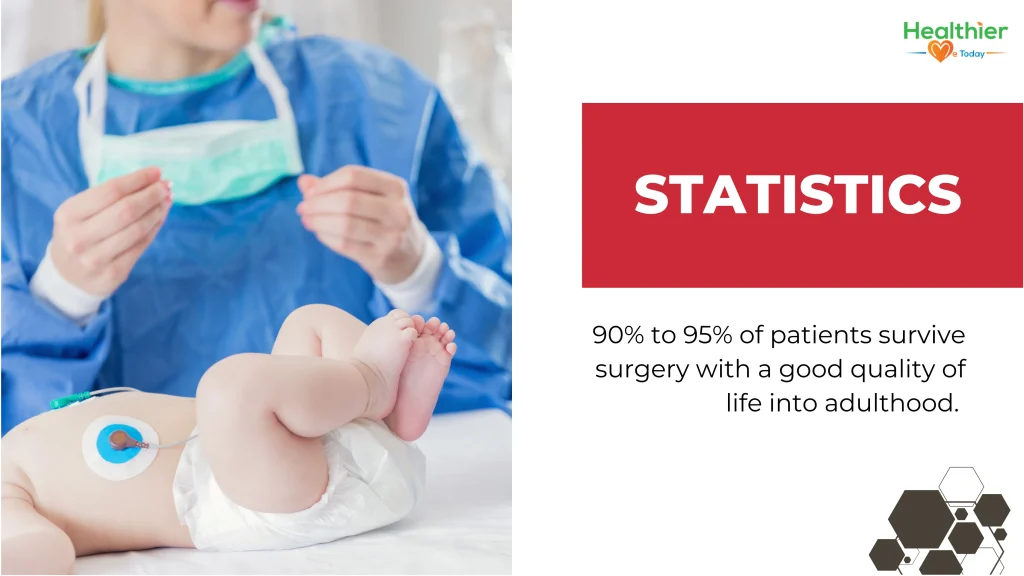
The treatment for congenital heart defects in children varies based on the specific issue and its severity. Some defects may not impact a child’s long-term health and can be left untreated. Others, like a small hole in the heart, may close as the child grows.
Treatment options may include:
- Medications
- Heart procedures
- Heart surgery
- Heart transplant
Medications
Medicines can help manage symptoms or complications of a congenital heart defect. They may be used alone or alongside other treatments.
Common medications include:
- Blood pressure medications
- Diuretics (water pills)
- Antiarrhythmics (heart rhythm drugs)
Surgery Or Other Procedures
For severe congenital heart defects, a heart procedure or surgery might be necessary.
Heart procedures and surgeries for congenital heart defects include:
- Cardiac catheterization: Some defects can be repaired using thin, flexible tubes called catheters, allowing doctors to treat the heart without open-heart surgery.
- Heart surgery: A child may require open-heart surgery or minimally invasive surgery to correct a congenital heart defect, depending on the specific heart issue.
- Heart transplant: If a severe congenital heart defect cannot be repaired, a transplant may be needed.
Prevention

Here are some tips to help lower your child’s chances of having heart issues at birth:
- Make sure to get regular prenatal care. Keeping up with checkups during pregnancy is key to ensuring both mom and baby stay healthy.
- Consider taking a multivitamin with folic acid. A daily dose of 400 micrograms of folic acid can help prevent serious issues in the baby’s brain and spinal cord and lower the risk of heart defects.
- Steer clear of drinking and smoking. These habits can negatively impact your baby’s health, so it’s best to avoid them, along with secondhand smoke.
- Get vaccinated against rubella. This virus can interfere with heart development, so getting the vaccine before you start trying to conceive is a good idea.
- Keep your blood sugar in check. If you have diabetes, managing your blood sugar levels can help reduce the risk of heart defects in your baby.
- Take care of any chronic health issues. If you have other medical conditions, consult your healthcare provider about how to manage them during pregnancy best.
- Avoid toxic substances. If you need to paint or clean with strong chemicals, have someone else handle it to keep your environment safe.
- Inform your healthcare team about your medications. Some drugs can lead to congenital heart defects, so make sure to share all the medicines you’re taking, including over-the-counter ones.
Conclusion: What Parents Need to Know
A healthcare provider might refer to a “congenital heart defect,” but that doesn’t mean your child is flawed. Children with congenital heart disease can lead happy and meaningful lives. Medical treatments have improved significantly and can assist many children born with heart problems. If your baby has a heart condition, it’s crucial to consult a cardiologist who focuses on congenital heart disease awareness and treatment. Educate yourself about your child’s condition to provide the best support possible, as well as reach out to congenital heart disease support groups.
FAQ’s:
Is congestive heart failure hereditary?
Yes, congestive heart failure (CHF) can run in families, meaning that if someone in your family has had heart failure, your chances of getting it might be higher. This is often because of genetic factors that can be inherited.
Can congenital heart defects be prevented?
It’s not always possible to stop congenital heart defects (CHD) since the exact reasons are often unclear. Still, with CHD awareness, there are chances to help lower babies’ risks.
What is the life expectancy for someone with CHD?
The life expectancy for a person with congenital heart disease (CHD) varies based on how severe their condition is. However, with the proper treatment, many people with CHD can live long lives, often reaching middle age or older.
How to test for an adult congenital heart disease
A doctor will usually check for adult congenital heart disease by doing a physical exam, listening to the heart with a stethoscope, and requesting tests such as an electrocardiogram (ECG), echocardiogram (heart ultrasound), chest X-ray, exercise stress test, and sometimes a cardiac MRI or cardiac catheterization.
What are congenital malformations leading to death?
Congenital malformations that may cause death include heart defects, neural tube issues, Down syndrome, and severe conditions like anencephaly and trisomy 18.
Can you live a normal life with congenital heart disease?
Yes, many people with congenital heart disease can live an everyday life with treatment and regular check-ups.