
In the US, appendicitis is the most common cause of abdominal pain leading to surgery. If you think you or someone you know has appendicitis, it is crucial to contact a doctor. This is because if the appendix bursts, bacteria can leak into the abdominal cavity, which is a serious, sometimes fatal, problem.
This article covers early signs of appendicitis, its causes, different treatment options, and more. Let’s take a look!
What is Appendicitis?
The appendix is in the lower-right abdomen and shaped like a small pouch attached to the intestine. Appendicitis is when the appendix becomes blocked, which causes bacteria inside to multiply. This results in swelling and the formation of pus, which causes uncomfortable and painful pressure inside the abdomen and can also block blood flow.
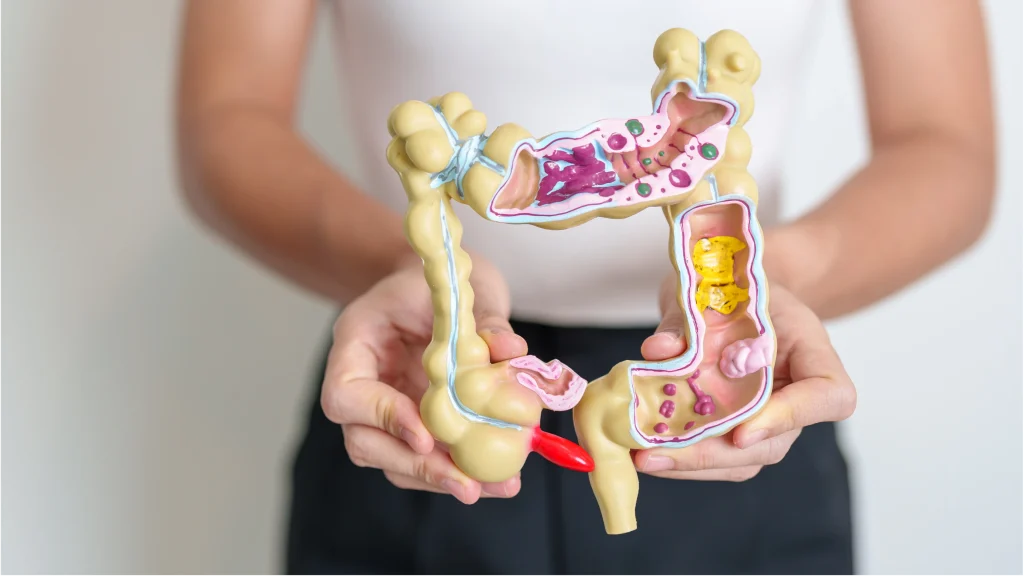
The blockage is often caused by feces that pass through the large intestine. After the blockage, the appendix becomes inflamed and can cause symptoms such as immense abdominal pain or cramping. Treatment will involve methods like antibiotics or surgery to remove the appendix, hopefully before it ruptures. It is important to remember that a burst appendix is considered a medical emergency.
The infection created by the spilled bacteria from the organ can cause an infection called peritonitis. It can spread into the bloodstream and lead to fatal complications such as sepsis. However, the appendix is not a vital organ and can be removed without the likelihood of issues.

The Types of Appendicitis
Below are the two different kinds of appendicitis:
Acute Appendicitis
Even though it is called acute, this type of appendicitis is still serious and is most commonly found in children and adults aged between 10 and 30 years old. Acute appendicitis begins suddenly, and pain can get worse quickly over a period of 24 hours. If it is not treated, it will lead to your appendix bursting and potentially being deadly.
Chronic Appendicitis
Chronic appendicitis only occurs in people who have already had acute appendicitis. This type is rare and only happens in around 1.5% of patients. Early signs of appendicitis that are chronic are milder and will disappear. However, they may return within a couple of weeks, months, and sometimes even years. This type of appendicitis is often not diagnosed until too late when it turns into acute appendicitis.
Appendicitis During Pregnancy
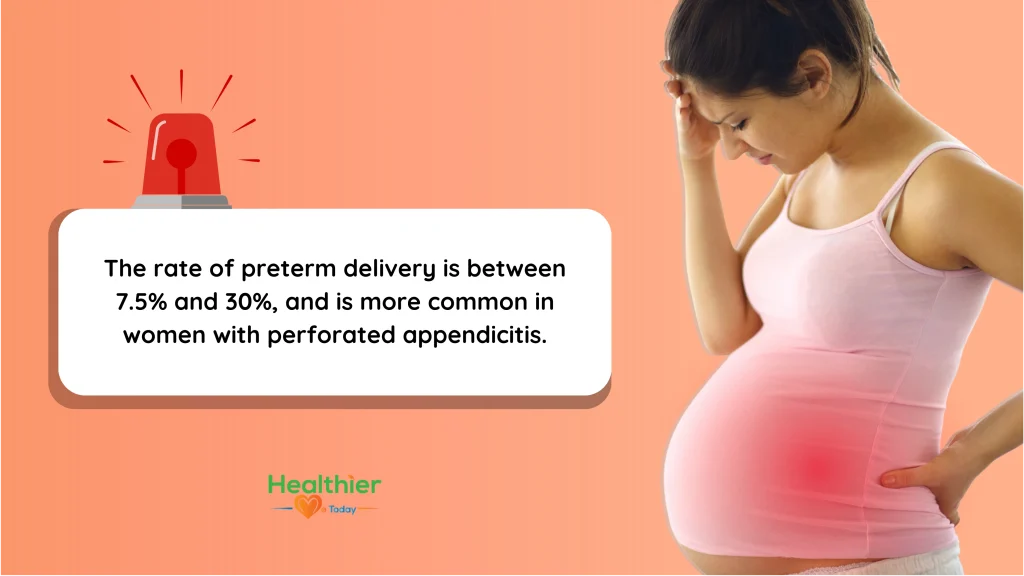
Early signs of appendicitis can often be mistaken for common discomforts associated with pregnancy; however, it’s important to know that acute appendicitis is the leading non-obstetric emergency needing surgery amongst pregnant women. During pregnancy, the appendix can move up, and this can also cause confusion as the location of the pain is different, which can make it harder to diagnose. If left untreated or the diagnosis takes too long, it can increase the risk of a miscarriage and other complications.
Symptoms of Early Signs of Appendicitis
Early signs of appendicitis start as mild cramps in the belly button area and the lower right part of the abdomen.
This pain often has the following characteristics:
- Comes on suddenly
- Worsens within a few hours
- Pain intensifies when moving or coughing
- It can be so painful you wake from sleeping
- Unique to any other abdominal pain you’ve felt before
More early signs of appendicitis include:
- Nausea
- Vomiting
- Loss of appetite
- Indigestion
- Low-grade fever
- Abdominal swelling
What Causes Appendicitis?
It is not uncommon for many cases of appendicitis to have no definite cause. However, experts say that it likely develops when a part of the appendix becomes blocked or is obstructed. Is appendicitis genetic? While some evidence suggests there is a link, more research is needed. Another common question is, “Can constipation cause appendicitis?” Yes, constipation can lead to appendicitis as the stool will harden and cause a blockage.
Can stress cause appendicitis? Although it doesn’t directly cause appendicitis, prolonged or severe stress can weaken the immune system. This makes it harder for the body to fight off infections.
Here are potential causes for a blocked appendix:
- Enlarged lymphoid follicles
- The buildup of hardened stool
- Tumors
- Traumatic injury
- Intestinal worms
What food can cause appendicitis:
- Popcorn
- High-fat foods
- Too many nuts and seeds
- Insoluble fiber
- High-lactose dairy products
Risks and Complications
Anyone can develop appendicitis; however, some people are at a greater risk than others [Mayo Clinic].
Here is a better look:
- Gender – Males are more likely to develop appendicitis than females.
- Age – Appendicitis mainly affects teenagers and individuals in their 20s but can affect anyone at any age.
- Family history – Those who have a family history of appendicitis are at a higher risk of developing the illness themselves.
The potential complications of appendicitis include:
Peritonitis
After the appendix ruptures and bacteria leak into the body’s abdominal cavity, the lining can become inflamed and infected. This infection is what is called peritonitis, and it can be extremely severe and lead to fatality. To treat this infection, doctors often prescribe antibiotics and surgery.
Abscesses
After an appendix burst, painful pockets of pus can form around it. This happens because your body uses white blood cells to fight the infection. However, it can be treated by taking antibiotics and draining the abscess.
Sepsis
In rarer cases of appendicitis, the bacteria from a burst abscess can travel through the bloodstream and affect other body parts. If sepsis is suspected, it is vital to call 911 immediately.
Diagnosing Appendicitis
Once you’ve sought help and your doctor suspects it may be appendicitis, they will ask questions about the symptoms you’re experiencing and your medical history. Afterward, they will perform a physical examination and inspect the lower right part of your abdomen. They’ll look for any tenderness, rigidity, or swelling. As there is no one test for appendicitis, your doctor may do 1 or more tests.

These tests include the following:
- Urine Test – Your doctor will ask for a urine sample as appendicitis can sometimes have similar symptoms to kidney stones or urinary tract infections (UTIs). This is done so these conditions can be ruled out and further testing can be done.
- Blood Tests – Your doctor might order a complete blood count (CBC) to help check for any signs of an infection. If the abdominal inflammation is caused by something, such as an autoimmune, they might also order a C-reactive protein test.
- Abdominal Imaging Tests – To look for inflammation in your appendix, your doctor will order imaging tests of your abdomen and help them rule out other potential causes. They can also use imaging tests to check for borderline dilation of the appendix. Now, what is borderline dilation of the appendix at the tip? The regular diameter of an appendix is about 6 mm, and an appendix that’s borderline dilated is 7 to 8 mm in diameter.
- Pregnancy Test – A pregnancy test can help determine if you may be having an ectopic pregnancy, as it can have the same symptoms as appendicitis. An ectopic pregnancy happens when a fertilized egg is implanted inside a fallopian tube instead of the uterus.
How is Appendicitis Treated?
As mentioned, the most common treatment plan for appendicitis is antibiotics and surgery to remove the appendix, also called an appendectomy.
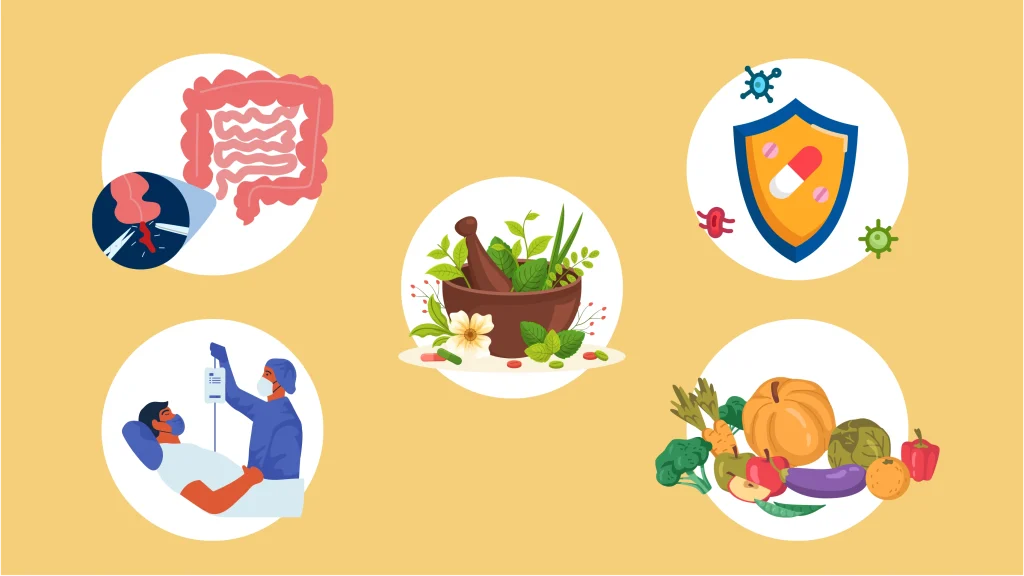 More treatment options include the following:
- IV fluids
- Pain relievers
- Draining an abscess before surgery (if not already ruptured)
- Liquid diet
Although it is more common to undergo surgery to remove the appendix, in some rare and mild cases, appendicitis treatment without surgery can be an option [NHS]. If a doctor is performing an appendectomy and the appendix has already burst, they will clean out the abdomen. While an appendectomy is effective, you may be left with an appendicitis scar on your abdomen. However, it’s small and will fade with time. Although an appendectomy has a few risks, like any surgery, it is still less dangerous than leaving appendicitis untreated.
Here are some natural remedies for appendicitis pain:
- Apple cider vinegar
- Warm lemon water
- Fennel seeds
- Chamomile compress
- Slippery elm
- Epsom salt bath
How to Avoid Appendicitis
There isn’t one sure way to completely prevent appendicitis, but there are ways that can help to lower your risk. A good suggestion is to eat a diet that is rich in fiber.
Here are some high-fiber food choices:
- Vegetables
- Fruit
- Legumes such as split peas, beans, and lentils
- Whole wheat
- Oatmeal
- Brown rice
Below are more ways to take in more fiber:
- Swap white rice for brown rice
- Take a fiber supplement (after consulting your doctor)
- Add wheat germ or oat bran to your yogurt, cereals, and salads
- Eat fresh fruit for dessert
- Add legumes like kidney beans to salads
- Use whole-wheat flour when baking and cooking
Conclusion: What You Need to Know
Appendicitis can happen to anyone and is caused when there is a blockage in the appendix. This leads to immense pain and inflammation and, if left untreated, can be fatal. It is vital to seek medical help if you notice these symptoms and suspect you might have appendicitis. After diagnosis, your doctor will treat it using antibiotics and an appendectomy.
FAQ’s:
Can constipation cause appendicitis?
Yes, appendicitis and constipation are linked, as constipation causes stool to move slowly and harden inside the intestine, resulting in a blockage in the appendix.
How can I prevent appendicitis naturally?
Yes, eating a diet rich in fibrous foods can help lower the risk of developing appendicitis. You can get more fiber by eating legumes, fruits, vegetables, oatmeal, and other ways, such as fiber supplements.
What are the early signs of appendicitis?
Some early symptoms include mild cramps in the belly button area and the lower right part of the abdomen, nausea, vomiting, loss of appetite, indigestion, low-grade fever, and abdominal swelling.
How is appendix pain different from ovary pain?
Appendicitis differs from ovarian pain in terms of timing, location, and other associated symptoms such as loss of appetite, vomiting, swollen stomach, fever, and more. Understanding the symptoms is essential when distinguishing between appendix vs ovary pain.
What does borderline dilation of the appendix mean?
The regular diameter of an appendix is around 6 mm, and an appendix that is borderline dilated is 7 to 8 mm in diameter.
Can appendicitis be treated without surgery?
Yes, however, in some mild cases, only antibiotics can treat appendicitis.
Can appendicitis be caused by a stoma?
No, appendicitis is not directly caused by a stoma.
How long can you live after your appendix bursts?
It all depends on how soon you receive treatment. Early treatment within 48 to 72 can result in a 100% chance of survival. Delayed treatment can result in life-threatening complications.