
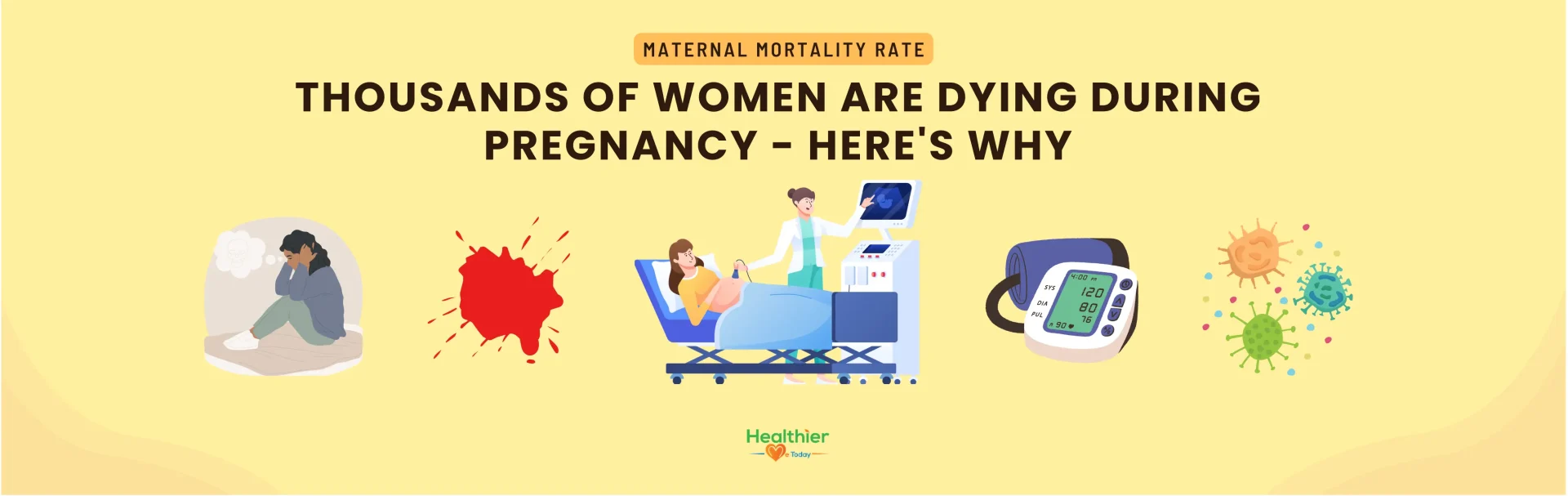
When a woman falls pregnant, dying is not typically the first thing on their mind. However, in the US, the number of pregnancy complications and maternal deaths has increased rapidly. The maternal mortality rate in the US as of 2024 is 22.3 per every 100,000 live births. Most of these are preventable, and although it is not as high as it was during COVID-19 in 2020 and 2021, these numbers should still be much lower than they currently are.
Many women die during pregnancy, during childbirth, and within 42 days postpartum. There are a number of causes for these heartbreaking passing, such as health conditions, little to no medical assistance, and suicide.
Let’s take a more in-depth look at how many women die in childbirth in the US, the causes and solutions for this ongoing problem.
How Many Women Die in Childbirth in The US and Why?
So, exactly how many women die in childbirth in the US? The US has the highest maternal mortality rate among high-income nations, and over 80% of these deaths are entirely preventable. Although there has been a decrease since the COVID-19 pandemic, the rates are still considerably high. There are roughly around 800 women who die every year in the United States during pregnancy and childbirth. Although there are many reasons for these complications, the main thought behind these maternal mortality rates is due to the country’s shortcomings in their healthcare system. This is especially true for women in minority groups.
Here are the most common pregnancy death causes:
1. Hemorrhages During Pregnancy and After Childbirth
The leading cause of death in pregnant women worldwide remains hemorrhaging. This is excessive or severe bleeding during and after childbirth. The name for this is postpartum hemorrhage, also known as PPH. This can cause dizziness, fainting, increased heart rate, and sometimes death.
PPH happens directly after birth or 12 weeks postpartum, and it is vital for women to understand this condition and know the signs. Many women often ignore or think their symptoms are a normal part of postpartum; however, there are clear differences, such as the extent of bleeding after childbirth and having it continue past the usual 10 days.
Signs to be vigilant of:
- Excessive vaginal bleeding
- Extreme and frequent dizziness
- Clammy and pale skin
- Swelling and pain in the vaginal region
- Shivering
- Fever
- Nausea or vomiting
2. Mental Health Conditions
Another cause affecting maternal mortality is mental health conditions like depression. This happens to 10% of pregnant women and 13% of those who have just given birth worldwide.
This can happen due to a few factors, such as:
-
- Family history
- Intense hormonal changes during and after pregnancy
- Lack of support
- Stress
- Substance abuse
- Pregnancy complications
- Problems with baby’s health
- Poverty
Postpartum depression affects about 1 in 10 women, which is a high number considering that mental health conditions can be treated and prevented.
If mothers are experiencing these symptoms, they need to seek help immediately:
- Difficulty doing simple or daily tasks
- Consistent crying
- Extreme sadness
- Intense anxiety
- Fatigue
- Inability to concentrate
- Suicidal tendencies
3. Infections During Pregnancy and After Childbirth
The third most common cause of pregnancy complications and maternal death is called maternal sepsis infections. This life-threatening condition causes the body to damage its organs and tissue as a response to the infection. This can happen during pregnancy, birth, postpartum, and even post-abortion.
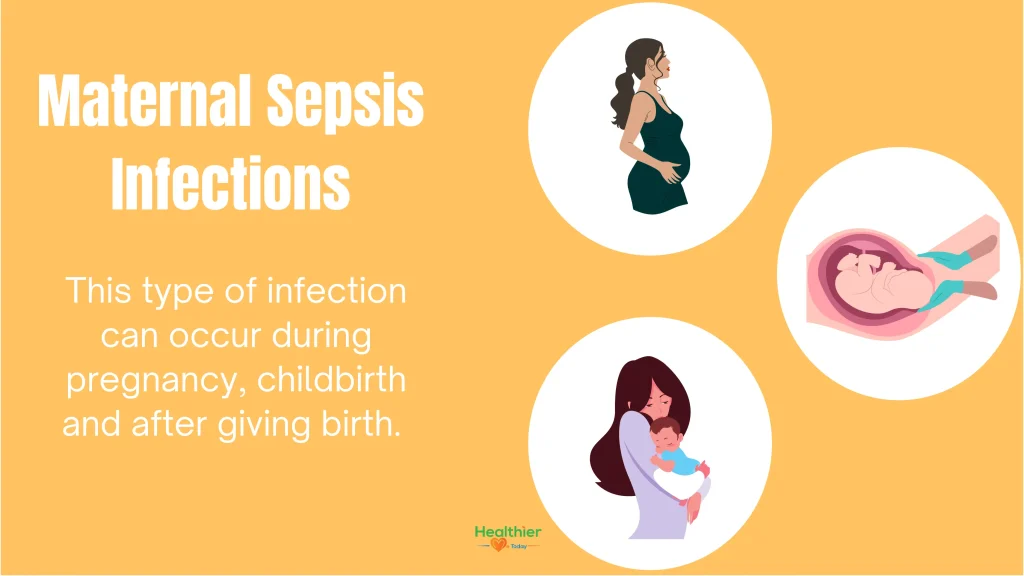
The symptoms of maternal sepsis are:
- Abdominal pain
- Vaginal discharge
- Hyperthermia or fever
- Racing heartbeat
- Shortness of breath
- Confusion
- Slurred speech
- Tender uterine
- Discolored, clammy, pale skin
- Little to no urination
- Dizziness
- Fainting
- Difficulty standing
- Severe leg pain
The earlier that maternal sepsis is diagnosed, the better the outcome of treatment. If a mother experiences any of the above symptoms, they must immediately phone their doctor or midwife or go to the emergency room.
4. High Blood Pressure
It is typical for blood pressure to fluctuate while pregnant. However, a common concern amongst moms-to-be is having high blood pressure or hypertension. During pregnancy, total blood volume doubles, causing strain on the blood vessels. However, many women only develop blood pressure issues postpartum. If their blood pressure is more than 140/90 for the first time after delivery, then it is likely they may have pre-eclampsia.
Whether pregnant or already delivered, mothers should seek immediate help or go to the emergency room if they experience:
- Blood pressure is 160/110 or higher
- Shortness of breath or difficulty breathing
- Swelling of the hands or face
- Nausea or vomiting
- Stomach pain
- Seeing sparks, flickers, or black spots
- Severe headaches
5. Complications Due to Delivery
Obstructed labor counts for 9% of maternal deaths worldwide, making it another leading cause. This happens when there is a mismatch between the mother’s pelvis and the baby’s head. Obstructed labor is an umbrella term for complications that arise during delivery.
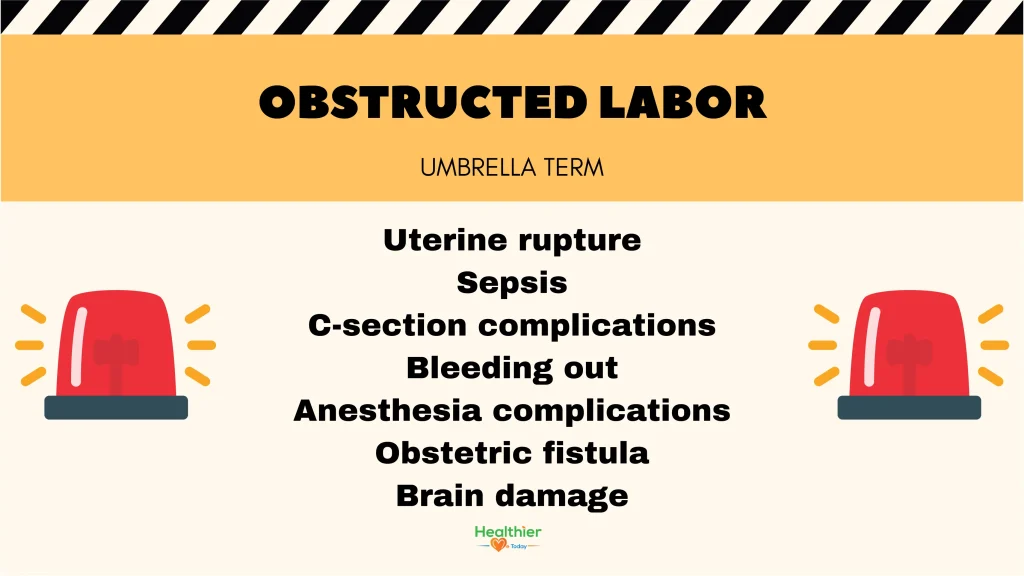
These can include:
- Uterine rupture
- Sepsis
- C-section complications
- Bleeding out
- Anesthesia complications
- Obstetric fistula
- Brain damage
Conclusion: Rates of Death in Childbirth
While the maternal mortality rate in the United States has decreased, it still remains alarmingly high compared to other high-income countries. About 800 women die each year due to issues like hemorrhage, mental health conditions, infections, high blood pressure, and complications during pregnancy.
To reduce these risks, women need to receive timely, unaffected care throughout their pregnancy. But in some areas, there simply aren’t enough resources and some ethnic groups are more at risk than others.
Stay informed about maternal health – subscribe to our newsletter for updates on the latest research and to protect mothers everywhere!
This content was written by Local SEO Experts MotherTyper
FAQ’s About Complications During Pregnancy
What are the most common pregnancy complications?
The most common complications of pregnancy include gestational diabetes, preeclampsia, preterm labor, and miscarriage. But there are other complications that can cause issues like placenta previa, anaemia, and infections. It’s crucial that the mom and baby get monitored throughout the pregnancy so that they can get the right medication or treatment.
How does ectopic pregnancy cause death?
The difference between a normal pregnancy and atopic pregnancy is that the fertilized egg is implanted outside the uterus (commonly in a fallopian tube). When this condition isn’t treated, the tube can rupture, which causes severe internal bleeding. This normally leads to hypovolemic shock – the body cannot maintain adequate blood flow to organs, which can cause organ failure and even death.
What is the number one cause of death for pregnant women?
This might come as a shock, but the leading cause for pregnant women in the United States is homicide and not pregnancy complications. According to studies, both pregnant women and postpartum women are about 35% more likely to be murdered [Wikipedia].
How many women die in childbirth in the US each year?
While it varies from year to year, there are around 700 to 800 pregnancy-related dates reported in the United States each year. Out of 525 deaths from 38 states, more than 80% of deaths were deemed preventable by maternal mortality review committees (MMRCs).
What are the signs of high-risk pregnancy?
There are many different symptoms of a high-risk pregnancy.
If you have any of the following signs, consult with a healthcare provider:
> Severe headaches, vision changes, or swelling
> Heavy bleeding or spotting
> Severe nausea or vomiting with dehydration and weight loss
> Decreased fetal movement later in the pregnancy
What are the chances of dying while giving birth?
There are about 22.3 dates per 100,000 live births. Dying during childbirth has decreased over the last century due to advancements in medical care, but this hasn’t completely wiped out the possibility. It also depends on location, age, and underlying health conditions.
Here’s how it affects different groups of people:
> Black women – 49.5 deaths per 100,000 live births
> White women – 19.0 deaths per 100,000 live births
> Hispanic women – 16.9 deaths per 100,000 live births
> Asian women – 13.2 deaths per 100,000 live births
