
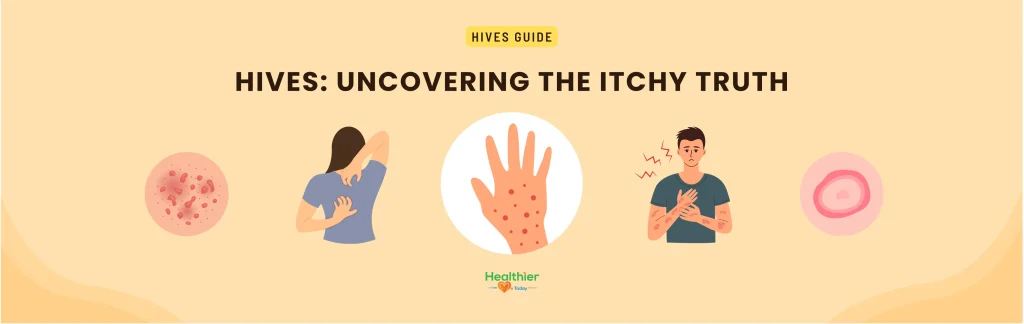
Hives usually appear as an allergic reaction to anything in your environment or something you ate. However, it may be an underlying health issue. Hives are often a mild condition that can be treated with allergy medicines, and most rashes resolve on their own. Chronic (ongoing) cases, as well as hives associated with a strong allergic reaction, are more serious medical issues. Now, let’s take a closer look at this itchy condition!
What Causes Hives?
Hives can be the result of an allergic reaction to something you’ve experienced or consumed. When you experience an allergic reaction, your body starts releasing histamines into your bloodstream. Histamines are substances produced by your body in response to illness and other external threats.
In certain people, histamines can cause swelling, itching, and other symptoms similar to hives. Pollen, drugs, food, animal dander, and bug bites are all potential allergens that might cause hives. In addition to allergies, hives can be caused by other factors. People frequently develop hives as a result of stress, tight clothing, activity, illness, or infection.
What Do Hives Look Like?
The most obvious symptom of hives is the appearance of welts on the skin. Welts might be red or the same color as your skin. They can be small and spherical, ring-shaped, or huge and irregularly formed. Hives are itchy and usually form in groups on the affected area of the body. They can expand, alter shape, and spread.
Hives may disappear or recur during the outbreak. Individual hives welts can endure from a half hour to a day. Hives may turn white when pushed. Sometimes the hives change shape or form concurrently, resulting in a bigger, higher region. Hives can appear in a variety of locations on the body.
Types Of Hives
Hives may appear due to an allergic reaction or for no apparent reason. The most prevalent cause of hives is allergic responses.
The following items can cause allergens:
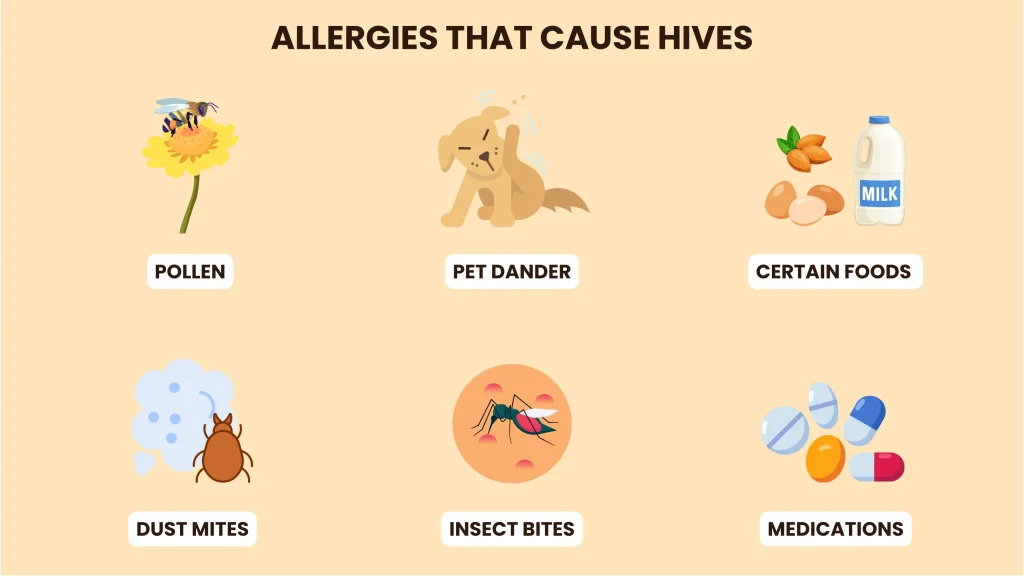
- Foods like nuts, milk, and eggs
- Pet dander
- Pollen
- Dust mites
- Insect stings or bites
- Medications
Mild allergic hives are often treated with long- or short-term allergy medicines, as well as avoidance of the trigger.
Anaphylaxis
Anaphylaxis is a severe, life-threatening allergic reaction. Hives in this illness are frequently accompanied by difficulty breathing, nausea or vomiting, extreme swelling, and dizziness. If you feel you are suffering from anaphylaxis, call 911 or your local emergency services straight away.
Chronic hives
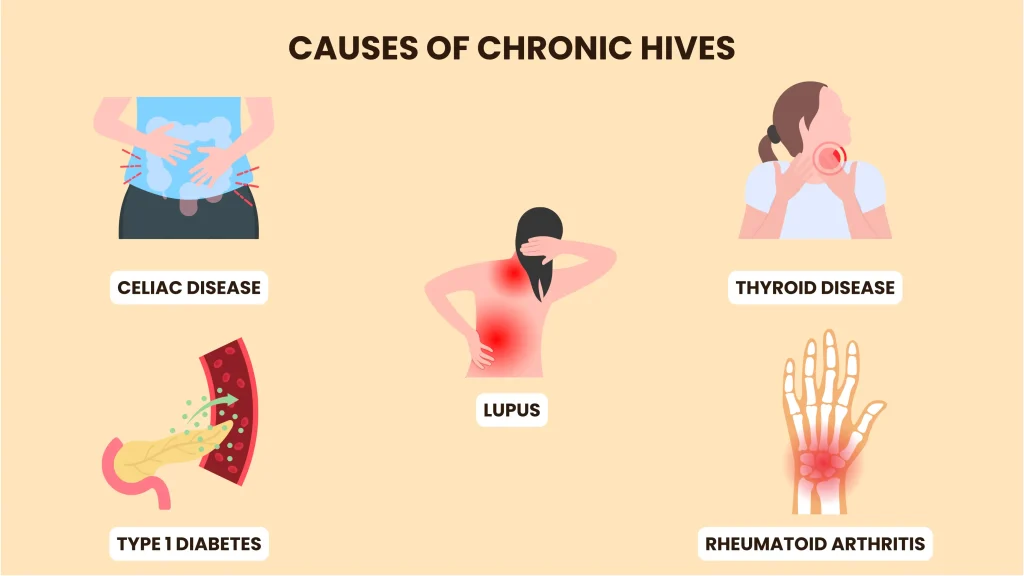
Chronic hives are ongoing cases that do not have a clear cause. This disorder, also known as chronic urticaria, is characterized by recurrent hives that might interfere with daily activities. Chronic conditions can endure from weeks to months or years. If your welts do not go away after 6 weeks, you may have persistent hives. While not life-threatening, this type of hives can be painful and challenging to manage.
Chronic hives can also be a sign of an underlying health issue, such as:
- Autoimmune disorder
- Celiac disease
- Lupus
- Type 1 diabetes
- Rheumatoid arthritis
- Thyroid disease
Dermatographism
This type of acute hives is considered mild. Too much scratching or constant pressure on the skin produces it. Dermatographism typically resolves on its own in a short amount of time without treatment.
Temperature-induced hives
Temperature variations can occasionally cause hives in persons who are sensitive to such changes. Cold-induced hives can result from exposure to cold water or air, whereas exercise-induced hives are caused by body heat. Some people may get solar hives after being exposed to sunshine or tanning beds.
Infection-induced hives
Bacterial disorders including strep throat and urinary tract infections are typical causes of hives. Hives are usually caused by viruses such as infectious mononucleosis (mono), hepatitis, and colds.
Treatment Options
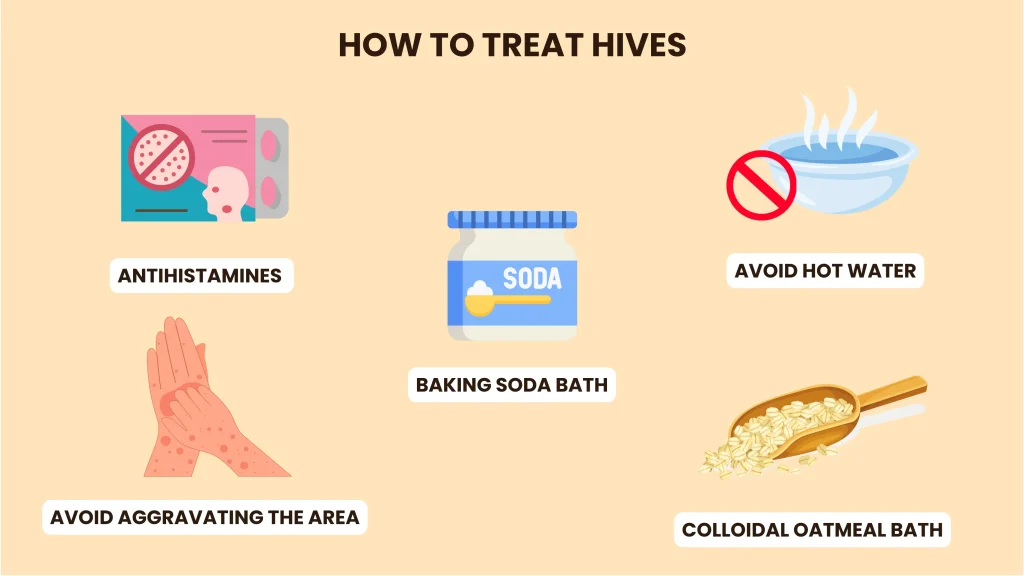
The first step in seeking treatment is to determine whether you have hives. A physical checkup will usually reveal if you have hives or not. Your skin will show symptoms of welts associated with hives. A doctor may also run blood or skin tests to determine what caused your hives, particularly if they resulted from an allergic reaction. If you have mild hives that are not caused by allergies or other medical disorders, you may not need prescription medication.
Conclusion
Hives can be itchy and painful, but they are usually mild and go away on their own. However, be careful that as some hives disappear, other ones may emerge. Mild incidences of hives are considered harmless. Hives might be harmful if you are experiencing a severe allergic reaction and your throat is swollen. A good prognosis for severe hives is dependent on prompt treatment.