

Without effective communication, any relationship can fall apart! Whether the relationship is platonic, familiar, or romantic, communication between partners should be clear, concise, and with the appropriate tone.
What is Effective Communication?
Effective communication is communication between more than one person with a clear purpose that is established and effectively established. Effective communication, however, can be confusing and difficult to grasp. Down below are seven crucial key steps to effective communication! These seven steps can work for any relationship.
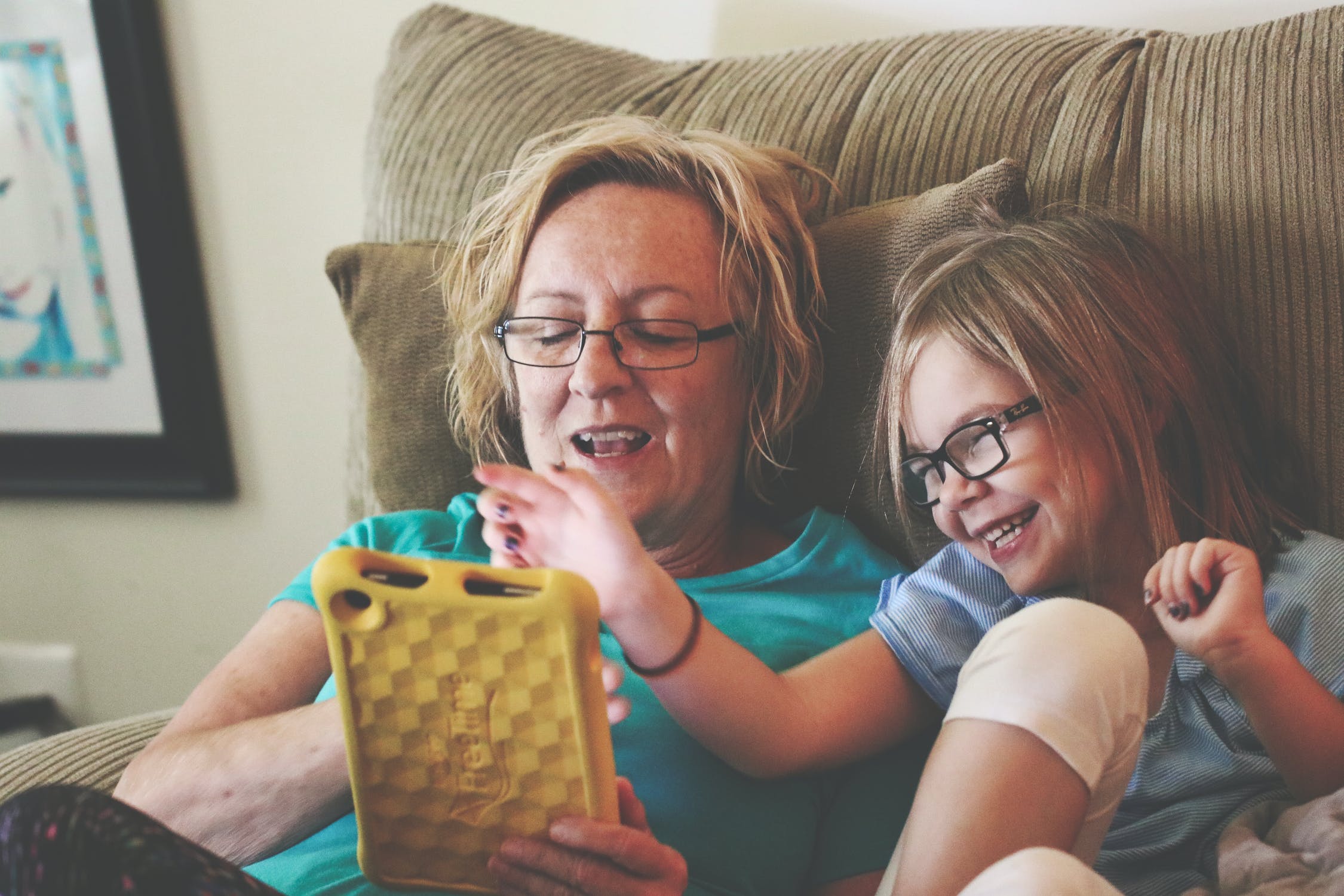
1. Active Listening
This key step for effective communication may sound like a no-brainer, but it is important when you want to establish your message or point. Everyone wants to feel like they have been heard and are being considered. Even if you do not believe in what the other person is conveying, it is vital to actively listen in order to communicate effectively. People are more likely to listen and change their minds on a topic when they know they are being respected through listening.
Some ways to practice active listening during communication between more than two people is by nodding your head and making eye contact. When responding, always repeat what the other person has said; this way, they know you have been actively listening to their words.
2. Keep Your Words Simple
Another key step for effective communication is to keep your words simple! Pretend that you are talking to someone who does not know the context or the subject manner. Get rid of the technical jargon and communicate concisely. While powerful words may look great on paper, they can sound condescending during a conversation between two people. Of course, this depends on your relationship with the other person.
3. Communicate Both Verbally and Non-Verbally
The great thing about communication is that there are so many ways to do it effectively! When you want to communicate with another individual effectively, it is essential to use a combination of verbal and non-verbal communication. For example, you can verbally state “I agree” while nodding and smiling when agreeing with someone. This non-verbal communication can ease the tension between people.
No one wants to feel uncomfortable while having a conversation. Keeping constant eye contact and a slight smile can reduce the tension and uncomfortableness. This allows the other person in the conversation to feel relaxed and want to listen to your words more.
4. Speak in “I” Statements
For this key step, it is important only to make “I” statements when communicating with another person. This, of course, depends on the conversation and the relationship between those in the conversation. However, if the conversation gets emotional, it is important to understand that you must only use “I” statements and refrain from pointing fingers at the other person to communicate effectively.
For example, if you are upset with the conversation, you can say, “I am feeling upset,” as opposed to “You are making me upset.” This can seem confrontational and only increase the tension. Effective communication cannot happen under stress-filled circumstances.

5. Make the Conversation Personal!
The fifth key step to effective communication is to make the conversation personal! No matter what the topic of the discussion is, at the end of the day, we are all human. To communicate effectively, the person must feel a connection and a level of trust with you. If there is no personal connection, it can become difficult to establish your point.
For example, add some details about your life throughout the conversation. Are you a pet owner? They may be pet owners too. This not only breaks any tension, but it reminds everyone that it is a part of that conversation that we are all people at the end of the day.
6. Speak To Them as You Would Like To Be Spoken To
How would you like someone to speak to you? Imagine it in your head and then follow that advice! The way you want somebody to talk to you with respect, dedication, and active conversation is the same thing you should provide to the person you are communicating with.
It is not only important to get your message across but for it to be understood. If you are disrespectful, even without intention, it can create discomfort between both communicators that decreases the likeliness of effective communication.
7. Ask Questions
This last key step may be the most important one yet! When you want effective communication, you have to understand the other side and ensure that they know the main message behind your words. The best way to do this is by asking questions. This not only shows the other person you are communicating with that you are listening and attempting to understand their side but that you have a clear goal in mind.
Overall, for any conversation or goal to be completed, it is important to communicate effectively. Without a respectful and valid discussion, rarely does anything get done.