Morning Walk vs Evening Walk: Which Is Better for Your Health?

Is a walk at sunrise the secret to kickstarting your day, or does an evening stroll hold the real health benefits? Scientists have looked into the timing, and the results may surprise you. 

Research shows that exercise doesn’t just depend on intensity or duration. The body can actually respond differently depending on the time of day. That’s why the debate around a morning walk vs evening walk has become such a focus for health experts, with studies examining how each affects metabolism, stress, sleep, and overall wellness.

And while both options have their place, the findings point to a clear answer.

Does the Time of Day You Walk Really Matter?

Does Time of Day Really Matter

When comparing a morning walk vs evening walk, many people wonder if the timing actually affects the health benefits. Research suggests that the body responds differently to exercise throughout the day because of natural circadian rhythms that influence energy levels, metabolism, and hormone activity [pmc.ncbi.nlm.nih.gov]. 

So, yes!

The benefits of walking early morning can differ slightly from walking later in the day. For example, morning walks may help wake up the body and support daily routines, while evening walks may feel easier after the body has fully warmed up.

Still, both options can be beneficial.

Benefits of a Morning Walk

Walking shortly after waking can help activate the body’s metabolism, improve alertness, and expose the body to natural daylight. The usefulness of morning walk routines is often linked to how they support healthy daily rhythms and encourage consistent activity.

Boosts Energy and Mental Focus

Light aerobic activity increases blood circulation, which helps deliver oxygen to the brain and muscles. Research shows that even moderate exercise like walking can improve mood and mental clarity, helping people feel more alert and focused throughout the day.

May Support Weight Loss

Exercising earlier in the day may help the body regulate metabolism and fat use more efficiently. While weight loss depends on many factors, regular walking can contribute to calorie burning and support long-term weight management.

Helps Regulate Sleep Cycles

Exposure to natural sunlight plays a key role in regulating circadian rhythms. Morning light helps signal the body when to wake and sleep, which may improve sleep quality and make it easier to fall asleep later at night.

Encourages Consistency and Healthy Routines

Research on exercise habits shows that people are more likely to maintain physical activity when it becomes part of a daily routine. Walking earlier in the day can make it easier to stay consistent before other responsibilities and distractions appear.

If you enjoy early workouts or long walks, a light pre-workout like Alani Nu Pre Workout Powder Hawaiian Shaved Ice can help support energy and focus before heading out.

Benefits of an Evening Walk

Evening Walk

While morning exercise works well for many people, there are also important morning and evening walk benefits to consider when deciding the best time to be active. Walking later in the day can help the body unwind, support digestion, and take advantage of the body’s natural physical readiness in the evening hours.

Helps Reduce Stress After a Long Day

Physical activity can help lower stress levels by encouraging the release of endorphins, which are chemicals that improve mood and promote relaxation. After a long or demanding day, a gentle walk can help clear the mind, reduce tension, and create a natural transition from work to rest.

Supports Digestion After Dinner

Light movement after eating may help support digestion by encouraging the digestive system to move food more efficiently through the body. A short walk after dinner is often recommended because it can reduce feelings of heaviness and may help maintain stable blood sugar levels.

Muscles May Perform Better Later in the Day

Research suggests that muscle strength, flexibility, and overall physical performance tend to peak later in the day when body temperature is slightly higher. Because of this, some people find that walking or exercising in the evening feels easier and more comfortable compared to early morning workouts.

Can Be Easier for Busy Schedules

For people with demanding mornings, evening walks can be a more practical option. Walking after work or daily responsibilities allows time for physical activity without rushing, making it easier to maintain a consistent exercise routine.

A water bottle with time markers can help you stay hydrated throughout the day, especially if you make walking part of your daily routine.

Morning Walk vs Evening Walk for Specific Health Goals

Both options offer strong morning and evening walk benefits, but the best choice can depend on your personal health goals. The timing of your walk may influence how your body responds, whether you are focusing on weight management, sleep quality, or stress reduction.

For Weight Loss

When comparing morning walk vs evening walk for weight loss, consistency and total activity level matter most. However, some research suggests that walking earlier in the day may help support metabolism and encourage the body to use stored fat for energy [pmc.ncbi.nlm.nih.gov]. Morning activity may also help regulate appetite throughout the day.

Evening walks can still support weight loss because they increase daily calorie expenditure and may prevent long periods of inactivity after dinner. In the end, the best time to walk for weight loss is the time that helps you stay consistent with your routine.

For Better Sleep

Looking at morning vs evening walk for better sleep, exposure to morning sunlight may play an important role. Early daylight helps regulate the body’s circadian rhythm, which supports healthy sleep patterns and can make it easier to fall asleep at night.

Evening walks can also help some people sleep better, especially when they reduce stress and promote relaxation. However, very intense exercise late at night may make it harder for some individuals to fall asleep.

For Stress Relief

Many people wonder is it better to walk in the evening for relaxation… For some individuals, walking later in the day can be especially helpful for relieving stress built up from work or daily responsibilities.

Gentle physical activity helps release endorphins and reduce tension in the body. An evening walk can provide quiet time to unwind, reflect, and mentally transition into a more relaxed state before bedtime.

Preparing breakfast in overnight oats containers with lids can make it easier to fuel your body after a morning walk without rushing through your morning.

So, Is Morning Walk or Evening Walk Better?

So, Is Morning Walk or Evening Walk Better

Overall, research suggests that a morning walk may have a slight advantage for overall health, mainly because it helps regulate circadian rhythms, encourages consistency, and exposes the body to natural daylight early in the day [verywellhealth.com]. These factors can support better sleep, improved mood, and healthier daily routines, which explains the growing interest in the use of morning walk habits for long-term wellness.

That said, an evening walk is still highly beneficial and may even feel more comfortable for some people because the body’s muscles and joints are naturally warmer later in the day. Evening walks can also be particularly helpful for stress relief and digestion after dinner.

But the best option is the one that fits your schedule and helps you stay consistent. Walking regularly, whether in the morning or evening, will provide far greater health benefits than focusing only on the timing.

Conclusion: This is What’s Important

Both morning and evening walks offer valuable health benefits, and the best choice often depends on your lifestyle and personal goals. Morning walks can help boost energy, support metabolism, and regulate sleep by exposing the body to natural daylight. Evening walks, on the other hand, can help reduce stress, support digestion, and provide a relaxing way to unwind after a long day.

When weighing the pros and cons of evening walking after dinner, it becomes clear that both options can be beneficial when done consistently. Morning walks may be slightly better for building routines and supporting sleep cycles, while evening walks can be easier to fit into busy schedules and help relieve daily tension.

Ultimately, the most important factor is consistency. Walking regularly, regardless of the time of day, supports heart health, improves mood, and contributes to long-term wellness.

If you’re looking for simple ways to improve your health, consider adding a daily walk to your routine and choosing the time that works best for your lifestyle.

Frequently Asked Questions (FAQ)

Is a morning walk better or an evening walk?

Both morning and evening walks can support overall health. Morning walks may help regulate sleep cycles and boost energy early in the day, while evening walks can help reduce stress and support digestion. The best choice is the time that fits your routine and allows you to stay consistent.

Does walking increase serotonin?

Yes, walking can help increase serotonin levels. Physical activity stimulates the release of mood-supporting chemicals in the brain, including serotonin and endorphins. This is one reason regular walking is often linked to improved mood, reduced stress, and better mental well-being.

Is a morning walk good for heart patients?

In many cases, a morning walk can be beneficial for heart health because it encourages gentle cardiovascular activity. Regular walking may help improve circulation, lower blood pressure, and support heart function. One advantage of morning walk routines is that they allow people to exercise consistently before daily responsibilities begin. However, individuals with heart conditions should always follow their doctor’s guidance about exercise.

What is the healthiest time of day to walk?

There is no single time that works best for everyone. However, many experts highlight the benefits of early morning walk routines because exposure to daylight can help regulate circadian rhythms, support metabolism, and improve energy levels. That said, walking at any time of day is beneficial if it helps you stay active regularly.

Can an evening walk reduce belly fat?

An evening walk can contribute to fat loss when combined with a balanced diet and regular physical activity. Walking helps burn calories and improves metabolism, which may support gradual weight loss over time. While it cannot specifically target belly fat, consistent walking can help reduce overall body fat and improve fitness.
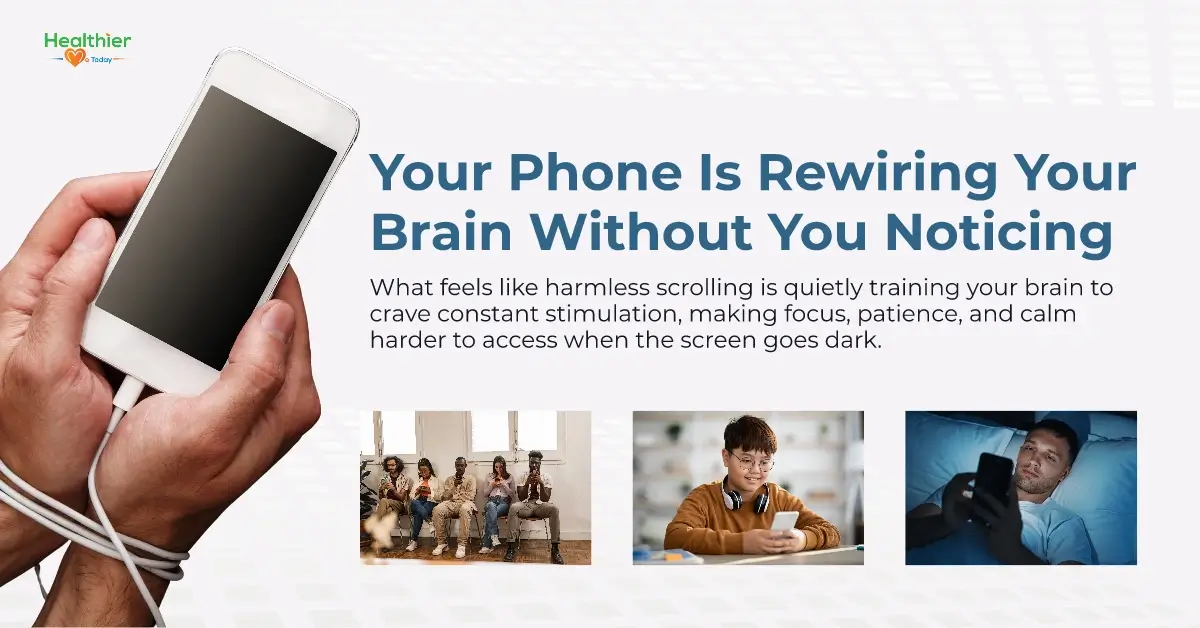
The Truth About Phone Addiction (And How It Hijacks Your Brain)

You probably didn’t plan to pick up your phone just now. It happened automatically, a quick check that turned into scrolling, tapping, and losing track of time. If that feels familiar, you’re not imagining it. Phone addiction changes how your brain reacts to boredom, stress, and even silence.

Researchers estimate that phone addiction affects millions of people worldwide, not just heavy social media users. It quietly reshapes how your brain releases dopamine, the chemical linked to motivation and reward. Over time, your brain starts craving fast digital stimulation and struggles with focus, patience, and calm when the phone isn’t nearby.

In this guide, you’ll learn why phones are so addictive, who is most at risk, and what’s actually happening inside your brain when phone use starts to feel uncontrollable. Most importantly, you’ll discover simple, realistic ways to take back control, without giving up your phone entirely.

Why Phones Are So Addictive

Your phone isn’t just a tool. It’s a constant stream of small rewards. Every message, notification, or like triggers a brief surge of dopamine, similar to the feeling of winning a small prize. These quick hits train your brain to keep checking, even when nothing important is happening.

For many people, daily phone use now averages several hours a day. Over time, this constant stimulation can affect areas of the brain responsible for decision-making, emotional regulation, and attention. When those systems are overstimulated, being offline can feel uncomfortable, boring, or even stressful.

That’s not a personal failure. Social platforms and apps are designed to hold your attention for as long as possible. Endless feeds, autoplay videos, and unpredictable rewards keep your brain locked into a cycle of anticipation and reward. Understanding this design is the first step toward breaking the pattern and using your phone intentionally, instead of instinctively.

Who Is at Risk of Phone Addiction?

Who Is at Risk of Phone Addiction

Phone addiction doesn’t affect everyone in the same way. Some people can scroll for a few minutes and put their phone down without much thought, while others feel distracted, uneasy, or restless when their phone isn’t nearby. Certain habits, environments, and personal factors make it more likely for phone use to shift from casual to compulsive, which is why some people struggle more than others.

They are:

  • Young people: Teens and young adults under 20 often lack self-control. Many people keep their phones on all night, with 70% of them sleeping next to them.
  • Women: Social apps like Instagram draw women in, boosting dependence. They often spend more time connecting online than men.
  • Mental health struggles: If you’re anxious, depressed, or lonely, you might use your phone to feel better, but it can backfire.
  • Social pressure: Seeing everyone else glued to their phones makes it feel normal to overdo it. It’s hard to unplug when it’s all around you.
  • Boredom: Phones are an easy escape when you’re bored. Scrolling feels like instant fun, pulling you in.

Smartphone addiction can also look different depending on culture, lifestyle, and how phones are used day to day. In some countries, social media platforms drive the majority of screen time, encouraging constant checking and online interaction. In others, mobile gaming and entertainment apps are more likely to keep users hooked for long stretches. These differences matter because they shape how habits form and which groups are most affected, reinforcing that phone addiction isn’t just about individual behavior, but also the digital environments people are immersed in [statista.com]. 

How Does Phone Addiction Affect You?

How Does Phone Addiction Affect You

Phone addiction can mess with your life in ways you might not expect. 

Here are 10 ways it affects you, along with tips to manage each one:

1. Increases Anxiety

Too much phone time makes you feel nervous and on edge. Every notification buzzes your brain, pushing you to check right away. Seeing perfect lives on social media, especially for teenagers, can make you feel like you’re not enough. 

2. Depression Symptoms

Spending hours scrolling can leave you feeling sad, especially if you’re young. Comparing yourself to flawless online lives can make you feel like you’re missing out, hitting teen girls extra hard with unrealistic standards. 

3. Affects Sleep Quality

Your phone’s screen can keep you awake by blocking the chemical that helps you sleep. Approximately 60% of young adults take their phones to bed, checking apps late at night, which leaves them tired and grumpy [pmc.ncbi.nlm.nih.gov]. 

4. Distracts Your Focus

Alerts from your phone break your focus, making it hard to stick to tasks. Students often see their grades drop because they’re scrolling instead of studying, with 50% admitting that their phones distract them in class [panoramaed.com]. Silence alerts during work or study time to stay on track and get things done.

5. Feelings of Loneliness

Phones can make you feel lonely by cutting real-life connections. You spend less time with friends or family, and online chats don’t feel the same. Social media can leave you feeling left out. 

6. Creates Risky Behaviors

Screen addiction can lead to risky choices, like texting while driving, which boosts crash risks by 23% [pmc.ncbi.nlm.nih.gov]. You might overshare online or ignore safety to check your phone. 

7. Causes Eye Damage

Excessive phone use can cause eye strain or dryness. Staring at screens for hours can lead to discomfort for many users, especially after prolonged sessions. 

8. Strained Relationships

Your phone can stress your relationships by pulling you away from loved ones. Constant checking during conversations can make people feel ignored, straining relationships. 

9. Decreases Self-Esteem

Addiction to phones can lower your self-esteem. Seeing curated lives online can make you doubt yourself, especially when likes or comments seem to be a measure of your worth. 

10. Avoiding Tasks

Overusing your phone can make daily tasks feel harder. You might skip chores or work because you’re lost in apps, which adds to your stress. 

6 Tips to Build a Healthier Relationship with Your Phone

6 Tips to Build a Healthier Relationship with Your Phone

  1. Turn off non-essential notifications Not every app deserves your attention. Social media, shopping apps, and games are designed to pull you back in with alerts that feel urgent but usually aren’t. Turning off non-essential notifications reduces constant interruptions and helps your brain settle instead of staying on high alert all day.
  2. Create phone-free moments in your day – You don’t need to quit your phone completely to feel better. Start small by choosing specific times to put it away, like during meals, the first 30 minutes after waking up, or before bed. These breaks help your mind reset and make it easier to be present without feeling deprived.
  3. Move distracting apps off your home screen – Apps you see first are the ones you use most. Moving social media or entertainment apps off your home screen, or into folders, adds a small pause before opening them. That pause is often enough to break automatic scrolling and help you choose more intentionally.
  4. Use screen time tools as awareness, not punishment Built-in screen time reports can be useful when you treat them as information, not rules. Checking where your time goes helps you notice patterns, like scrolling more when you’re tired or stressed, so you can adjust habits without guilt or pressure.
  5. Replace scrolling with a simple alternative Phones often fill moments of boredom or discomfort. Having a few easy alternatives ready, like stretching, stepping outside, reading a few pages, or listening to music, makes it easier to reach for something healthier instead of defaulting to your phone.
  6. Set boundaries around sleep – Keeping your phone out of reach at night can improve sleep quality and reduce late-night scrolling. Charging it outside the bedroom or placing it across the room helps your brain wind down and makes mornings feel calmer and more focused.

If self-control feels hard, especially during work hours or before bed, a timed phone lock box can help. You place your phone inside, set a timer, and remove the option to check it impulsively. This works well for focused work sessions, family time, or winding down at night when scrolling becomes automatic.

Conclusion: Can You Kick Phone Addiction?

Phone addiction is a real issue, but it doesn’t mean your phone is the enemy. The problem starts when phone use becomes automatic and starts affecting your focus, sleep, mood, or relationships. As you’ve seen throughout this guide, phones are designed to keep your attention, which makes slipping into unhealthy patterns easier than most people realize.

The good news is that change doesn’t require extreme rules or giving up your phone entirely. Small, intentional choices, like setting boundaries around when and how you use your phone, creating phone-free moments, and paying attention to your habits, can make a meaningful difference over time. With consistency, your phone can become a helpful tool again, rather than something that controls your day.

Start where you are, take it one step at a time, and focus on progress, not perfection!

If you want to understand your phone use patterns more deeply and work through them step by step, a guided workbook can help. Resources like The Phone Addiction Workbook focus on identifying triggers, building awareness, and creating healthier routines around technology over time.

FAQs

Why do I feel anxious without my phone?

Feeling anxious without your phone, called nomophobia, comes from cell phone addiction and its reward loops. Your brain craves notification hits, and being offline feels like withdrawal. Try leaving your phone behind for short periods to ease this feeling.

How can I reduce my screen time without deleting apps?

Set time limits with apps like Screen Time and mute non-essential alerts. Create phone-free zones, such as during meals, to stay in control. Checking apps at set times helps you cut back without losing access to them.

What are the first signs of digital dependency?

Early signs include checking your phone constantly, feeling anxious when it’s not nearby, losing time scrolling through it, and prioritizing your phone over tasks or people. These show that your cellphone might be taking over. Track your usage to spot these habits early.

How long should a digital detox last to be effective?

A 24 to 72-hour detox resets habits, but a week works even better. Regular breaks, such as phone-free evenings, help maintain low dependence on technology. Start with a short break to see how it feels.

Is it unhealthy to check your phone first thing in the morning?

Yes, it messes with your mood and focus. Notifications make you tense, starting your day with stress. Wait an hour after waking to check your phone for a calmer start to the morning.

What are healthier ways to cope with boredom instead of scrolling?

Try reading, walking, or chatting with friends in person. Hobbies like drawing or cooking can keep your mind busy without relying on screens. These activities lift your mood and fill your time with joy.

Can too much screen time affect brain development in teens?

Yes, heavy screen addiction cuts gray matter, which helps with decisions, and hurts impulse control in teens. About 30% of addicted teens show these effects [pmc.ncbi.nlm.nih.gov]. Limiting phone time helps protect their growing brains.

How do I retrain my brain to stop needing constant notifications?

Mute alerts and try grayscale mode to make your phone less tempting. Practice mindfulness techniques, such as deep breathing, to reduce your reliance on quick fixes. Add phone-free time slowly to build new habits.

What are the psychological effects of being online 24/7?

Constant online time boosts anxiety, depression, and loneliness while hurting focus and sleep. It also weakens real-life connections. Take breaks from your phone to feel more balanced and connected.

How can I build better habits around tech use?

If you’re dealing with phone addiction, start with one small change you can stick to, like putting your phone away during meals or charging it outside the bedroom at night. Use screen time tools to notice when you scroll the most, then replace that habit with something simple offline. Small, steady changes are easier to maintain and work better than strict rules.

Christmas Gifts for Stress Relief: 15 Thoughtful Ideas to Help Loved Ones Feel Calm This Festive Season

Between the shopping, the planning, the family gatherings, and the pressure to be merry, Christmas can quietly turn into one of the most stressful times of the year. Giving stress-relief gifts is a simple but powerful way to help someone find moments of peace. They’re thoughtful, personal, and often exactly what someone didn’t know they needed.

That’s why choosing the right gift can make someone’s season feel a little lighter.

So which ones do you get them? What are the best Christmas gifts for stress relief?

Top-Rated Stress Relief Gift Sets to Buy for Christmas

Christmas Gift Idea

If you’re looking for Christmas gift ideas for stress relief, this list is a really good place to start. These gifts are all about helping someone unwind, little things that bring comfort, calm, and a bit of extra care during the holidays.

1. Body Restore Shower Steamers

Shower steamers turn an everyday rinse into a soothing reset. It’s ideal for someone who barely has time for simple self-care routines! As the tablet dissolves, warm steam carries calming scents like lavender or eucalyptus through the air, helping melt away tension almost instantly. It’s a small ritual that makes busy mornings feel softer and stressful nights feel a little lighter.

Product: Body Restore Shower Steamers

2. Foot Spa Bath Massager

A warming foot spa with bubbles, vibration, and massaging rollers that melt away foot tension.

Most people underestimate how much stress sits in the feet. Warm water combined with gentle massage boosts circulation, reduces fatigue, and instantly makes the whole body feel lighter. It’s a luxurious yet practical gift for anyone who spends long hours standing or walking.

Product: Foot Spa Bath Massager

3. Desktop Boxing Game

A small, fun boxing set for your desk comes with tiny gloves that let you use your fingers.

It’s a silly little game that’s perfect for relieving stress at your desk. Swing the tiny gloves, have a quick laugh, and take a break from work or holiday pressures. It’s fun, lighthearted, and a simple way to unwind, reset your mood, and shake off tension during a busy day.

Product: Desktop Boxing Game

4. 100 Mindful Prompts for Self-Care & Stress Relief

A collection of cards featuring self-care suggestions, introspective questions, and easy mindfulness exercises to help someone take a moment to relax and de-stress.

Each card offers a moment to pause and breathe. They help you slow down, collect your thoughts, and find some calm when things get busy.

Product: 100 Mindful Prompts for Self-Care & Stress Relief

5. Emotional Support Dumpster Fire Affirmation Jar

A fun little jar packed with uplifting messages, with a playful “dumpster fire” theme that anyone who’s had a messy day can relate to.

It’s a perfect mix of humor and support. On hectic days, someone can grab a note that makes them smile and reminds them they’re doing just fine, a simple example of thoughtful Christmas gifts for stress relief.

Product: Emotional Support Dumpster Fire Affirmation Jar

6. Old-Fashioned Christmas Coloring Book

This adult coloring book offers an easy method to relax and relieve stress, especially for people who enjoy creative stress-relief activities.

Coloring the cheerful patterns allows you to slow down, concentrate, and take a peaceful, creative pause from the holiday hustle.

Product: Old-Fashioned Christmas Coloring Book

7. Aromatherapy Candles

Scented candles are one of the most comforting Christmas gifts for stress relief because they instantly change the atmosphere of a room [beauty.camp]. Calming scents like lavender, vanilla, sage, or sandalwood help quiet the mind and soften the day’s tension. They’re perfect for anyone who loves creating a cozy, peaceful space at home, especially during the busy holiday season when a little calm goes a long way.

Product: Aromatherapy Candles

8. Self-Care Spa Basket

Give someone a mini spa experience right at home with bath salts, candles, and little pampering treats all in one basket. It’s an easy way to help them relax, feel happy, and enjoy a cozy, calm moment. It’s definitely one of the best Christmas gifts for stress relief!

Product: Self-Care Spa Basket

9. Steam Eye Masks

Self-heating eye masks that warm up once opened, gently relaxing the face and eye area.

They help ease headaches, tension around the eyes, and digital strain. The warmth encourages relaxation and can even support better sleep naturally, especially for those who struggle to wind down during the holidays.

Product: Steam Eye Masks

10. Back & Neck Massager with Heat

This Back & Neck Massager with Heat kneads tight muscles in your shoulders, neck, and upper back, helping to release built-up tension and stress.
The soothing warmth relaxes muscles, allowing the massager to relieve knots and tension points effectively [health.com]. Heat helps improve blood flow, loosen tight muscles, and make your body feel more relaxed.

Product: Back & Neck Massager with Heat

11. Natural Crystals Keychain

This polished crystal keychain is more than décor, it’s a daily reminder to pause. Whether someone believes in the energy of crystals or simply enjoys their beauty, carrying one can bring a sense of grounding and emotional steadiness. It’s a thoughtful, lightweight gift for anyone who needs a little calm and support wherever they go.

Product: Natural Crystals Keychain

12. Roll-On Essential Oil

Roll-ons are perfect for on-the-go calm. A quick swipe on the wrists or temples releases a gentle aroma that eases tension and helps you breathe a little deeper. It’s a simple, pocket-sized way to find emotional balance, whether someone is heading into a stressful meeting, running errands, or feeling overwhelmed during the festive rush. It’s a simple, convenient way to ease stress throughout the day and feel more grounded.

Product: Roll-On Essential Oil

13. Color Fidget Pen Toy

A pen that also works as a fidget toy. You can twist, slide, or click the pieces while still writing.

Great for people who need to keep their hands busy to stay calm. It helps with focus during meetings or study sessions and reduces restless anxiety.

Product: Color Fidget Pen Toy

14. Kinetic Desk Spinner Toy

A spinning desk toy that moves in a smooth, hypnotic motion when spun.

The gentle spinning effect is surprisingly soothing. It helps quiet racing thoughts and brings a moment of calm during a busy day.

Product: Kinetic Desk Spinner Toy

15. Aesnefe Pocket Bear Hug

It’s a small, wallet-sized bear with a touching message, making it an ideal Christmas gift for alleviating stress and bringing joy to someone’s day at any moment.

Even though it’s small, it’s packed with meaning. This little bear acts like a mini hug, reminding someone they’re loved, supported, and never truly alone, perfect for stressful moments or to bring a smile anytime.

Product: Aesnefe Pocket Bear Hug

How to Choose Christmas Gifts for Stress Relief

How to Choose the Right Christmas Gifts for Stress Relief

Finding the perfect stress-relief gift is all about choosing something that truly supports the person you’re shopping for.

Here’s what to keep in mind!

  • Think about their lifestyle: Choose gifts that fit how they naturally unwind, whether through warmth, scent, creativity, or quiet moments.
  • Keep it practical and easy to use: Stress-relief gifts should simplify their life, not add clutter or extra steps.
  • Match their personality: Pick something they’ll genuinely enjoy and reach for on busy or overwhelming days.
  • Focus on comfort and care: The best gifts offer small, meaningful moments of calm that help someone feel supported during the holiday rush.

Conclusion: End This Season Right

Top-Rated Stress Relief Gift Sets to Buy for Christmas

Choosing Christmas gifts for stress relief is a thoughtful way to show someone you truly care about their well-being. The holidays can be overwhelming, and even small moments of calm can make a big difference. Whether you choose something cozy, creative, or soothing, the goal is simple: help someone feel lighter, supported, and more at ease during a busy season.

A meaningful gift doesn’t need to be big. It just needs to bring comfort to the person receiving it, and that’s a beautiful way to end the year!

FAQs

What are the best Christmas gifts that help reduce stress?

Some of the best Christmas gifts for stress relief include aromatherapy candles, shower steamers, spa baskets, massagers, and mindfulness cards. These gifts encourage slow, calming routines that help someone unwind during a busy holiday season.

Where can I find subscription boxes for stress relief gifts at Christmas?

You can explore stress-relief subscription boxes on Amazon, Cratejoy, and Etsy. Many offer monthly wellness treats, self-care items, or mindfulness activities, a thoughtful option for someone who could use ongoing support throughout the year.

Are there Christmas gifts under $50 that help with stress?

Yes, you can absolutely find budget-friendly stress-relief gifts. Shower steamers, steam eye masks, aromatherapy candles, desk toys, and roll-on essential oils are all affordable options that still feel meaningful and supportive.

What are some affordable Christmas gift ideas for stress reduction?

Small, simple gifts such as crystal keychains, pocket bear hugs, fidget pens, or essential oil rollers are great choices. They’re easy to use, don’t add clutter, and bring moments of calm to someone’s day.

Where to find calming Christmas gifts for anxiety relief?

Amazon carries a wide range of Christmas gifts for stress relief, including foot spa massagers, aromatherapy candles, steam eye masks, and mindfulness cards. Local wellness shops and craft markets may also have unique, handmade options for a more personal touch.

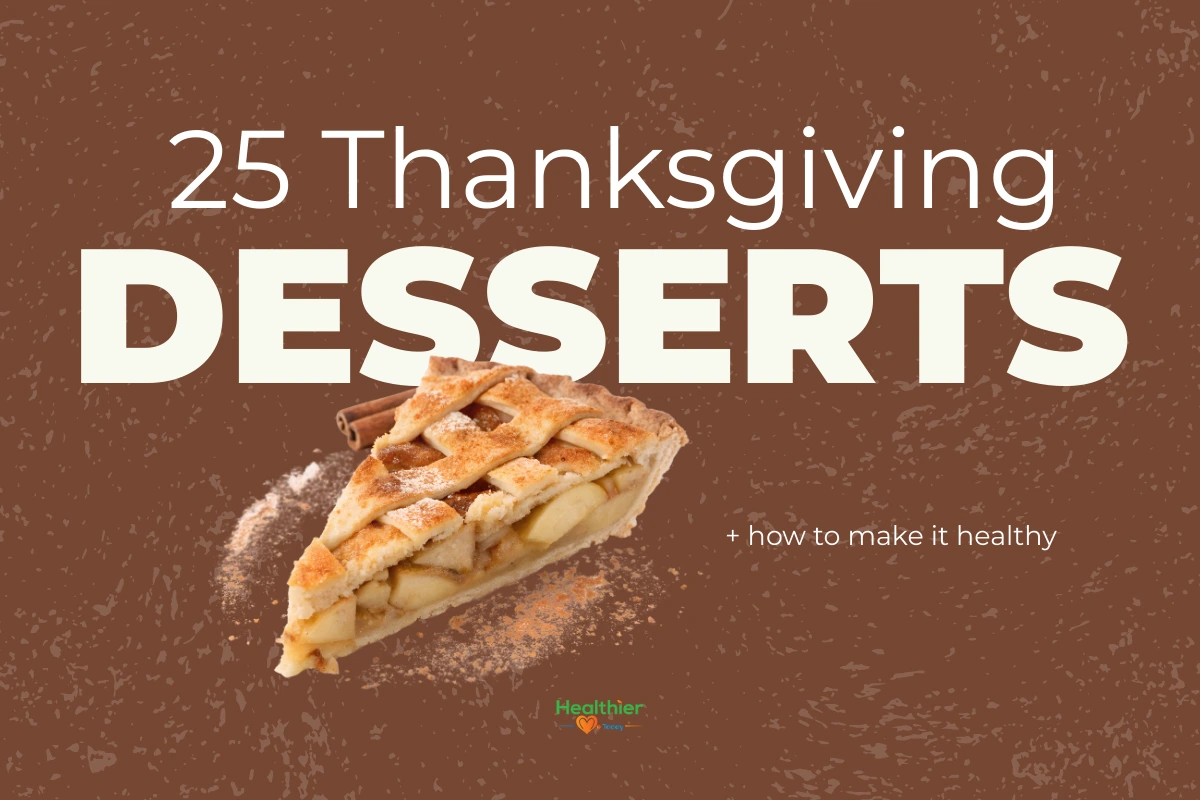
25 Thanksgiving Desserts That are SO GOOD They Disappear in Minutes (+ Healthy Swaps)

Thanksgiving is one of the biggest dessert days of the entire year, with millions of pumpkin pies, apple crisps, brownies, and cheesecakes being served across the country. And while the holiday is known for rich, sweet treats, that doesn’t mean every recipe has to be heavy. 

This list gives you 25 delicious Thanksgiving dessert ideas, along with simple healthy swaps for anyone who’s diabetic, watching sugar, or just wants a lighter option without giving up flavor.

Let the dessert magic begin!

1. Pumpkin Cheesecake Bars

If you’re looking for dessert bars for Thanksgiving, this is the one that never fails. The pumpkin-and-cheesecake mix gives you that rich, cozy flavor without any fuss, and it’s one of those desserts people always go back for. Easy to make, easy to serve, and always a solid choice for the holiday table.

 dessert bars for Thanksgiving- Pumpkin Cheesecake Bars

Ingredient Quantity
Pumpkin Puree 1 cup
Cream Cheese 1 block
Sugar ½ cup
Egg 1 whole
Cinnamon ½ tsp
Graham Cracker Crust 1 Crust

Recipe

Mix pumpkin puree, cream cheese, sugar, egg, and cinnamon. Spread over a graham cracker crust, bake at 175°C for 35 minutes, and let it cool in the fridge before serving.

Healthy Swap

Use Greek yogurt instead of part of the cream cheese.

2. Apple Crisp

Apple crisp is such a reliable pick for desserts for Thanksgiving Day. The warm apples, the cinnamon, and that crisp topping make it one of those dishes that feels familiar and comforting without needing much effort.

Ingredient Quantity
Apples 6 sliced
White Sugar ¼ cup
Cinnamon 1 tsp
Oats ½ cup
Brown Sugar ¼ cup
Flour ¼ cup
Butter 3 tbsp

Recipe

Slice six apples and toss with sugar and cinnamon. Mix oats, brown sugar, flour, and butter for the topping. Evenly spread the apples on the bottom of the pan and bake at 190°C for 40 minutes.

Healthy Swap

Swap half the butter for applesauce and use oats instead of flour.

3. Pecan Pie Brownies

These pecan pie brownies are a solid pick if you want easy Thanksgiving dessert ideas that still feel a little special. The mix of fudgy chocolate and that sweet pecan topping gives you the best of both worlds, and it’s one of those treats people always notice on the table. 

Ingredient Quantity
Brownie mix
Pecans 1 cup
Brown Sugar ½ cup
Melted Butter 2 tbsp
Corn Syrup 1 tbsp

Recipe

Bake a brownie mix in a 9×9-inch pan. Combine pecans, brown sugar, melted butter, and corn syrup, then spread over the brownies. Bake for an extra 15 minutes at 175°C.

Healthy Swap

Use dark chocolate brownie mix and reduce the sugar in the pecan topping.

4. Cranberry Orange Cake.

This cranberry orange cake has a bright, festive flavor that makes it a great pick when you want the best cake for Thanksgiving. The mix of fresh cranberries and citrus keeps it soft, moist, and perfect for anyone who wants something a little different on the dessert table.

Ingredient Quantity
Flour 2 cups
Sugar 1 cup
Baking Powder 1 tsp
Eggs 2 whole
Orange Juice ½ cup
Fresh Cranberries 1 cup

Recipe

Mix flour, sugar, baking powder, eggs, orange juice, and fresh cranberries. Place the mixture into a pan and bake at 175°C for 45 minutes.

Healthy Swap

Replace half the sugar with orange juice or applesauce.

5. Sweet Potato Cupcakes

These light and fluffy sweet potato cupcakes are a great pick when you want desserts for Thanksgiving other than pie. The warm spices and creamy mashed sweet potatoes give them a soft, cozy flavor that fits right in on any holiday table.

Ingredient Quantity
Mashed Sweet Potato 1 cup
Flour 1½ cups
Sugar ¾ cup
Butter ½ cup
Eggs 2 whole
Cinnamon 1 tsp
Cream cheese frosting for topping

Recipe

Combine mashed sweet potato, flour, sugar, butter, eggs, and cinnamon. Fill the cupcake tins with the batter and bake at 175°C for 20 minutes. Top with cream cheese frosting.

Healthy Swap

Use mashed banana for sweetness and skip the frosting, or use Greek yogurt frosting.

6. Caramel Apple Tart

This caramel apple tart has that flaky crust and tender apple filling that make it a solid choice for Thanksgiving pastries

Ingredient Quantity
Apples 4 sliced
Butter 2 tbsp
Sugar ¼ cup
Puff Pastry 1 sheet
Caramel sauce for drizzling

Recipe

Slice the apples, then sauté them with butter and sugar. Arrange them on rolled puff pastry, drizzle with caramel sauce, and bake at 190°C for 25 minutes.

Healthy Swap

Use a whole-wheat crust and drizzle less caramel.

7. Mini Pumpkin Tarts

These mini pumpkin tarts are small, smooth, and full of that classic holiday spice, making them perfect for anyone searching for cute ideas for Thanksgiving desserts. They’re easy to serve, and guests love grabbing one as they walk by the table

Ingredient Quantity
Pumkin Puree 1 cup
Cream ½ cup
Eggs 1 whole
Sugar ¼ cup
Cinnamon ½ tsp
Mini Tart Shells

Recipe

Mix pumpkin puree, cream, egg, sugar, and cinnamon. Pour into mini tart shells and bake at 175°C for 20 minutes.

Healthy Swap

Use low-fat cream or coconut milk instead of heavy cream.

8. Cinnamon Sugar Donut Holes

These cinnamon-sugar donut holes are soft, warm, and perfect when you want easy Thanksgiving treats that everyone can grab as they walk by. They’re simple to make, and always one of those snacks people can’t stop picking at.

Cinnamon Sugar Donut Holes - thanksgiving desserts

Ingredient Quantity
Flour 1½ cups
Sugar ¼ cup
Baking Powder 1 tsp
Milk ½ cup
Egg 1 whole
Cinnamon Sugar for coating
Oil for frying

Recipe

Mix flour, sugar, baking powder, milk, and egg. Fry spoonfuls until golden, then toss in a mixture of cinnamon and sugar.

Healthy Swap

Bake instead of frying.

9. Maple Pecan Blondies

These maple pecan blondies have that chewy texture and sweet maple flavor that make them a go-to for easy sweets for Thanksgiving. The pecans add a nice crunch, and the whole pan comes together without much work. 

Ingredient Quantity
Flour 1½ cups
Butter ½ cup
Sugar 1 cup
Eggs 2 whole
Maple Syrup 2 tbsp
Chopped Pecans ½ cup

Recipe

Combine flour, butter, sugar, eggs, and maple syrup. Stir in chopped pecans, then bake at 175°C for 25 minutes.

Healthy Swap

Replace half the butter with almond butter.

10. Chocolate Pumpkin Mousse

This chocolate pumpkin mousse is light and creamy, and great if you’re looking for classic Thanksgiving desserts with a twist. The chocolate and pumpkin blend into a smooth, airy treat that feels rich without being heavy

Ingredient Quantity
Heavy Cream 1 cup
Melted Chocolate ½ cup
Pumpkin Puree ½ cup
Sugar ¼ cup
Cinnamon ½ tsp

Recipe

Whip the cream, then fold in melted chocolate, pumpkin puree, sugar, and cinnamon. Chill for 2 hours before serving.

Healthy Swap

Use coconut cream instead of heavy cream.

11. Apple Cider Donuts

These warm apple cider donuts have that cozy, spiced flavor that makes them a great choice when you want desserts to make Thanksgiving extra special. They’re soft and fightly crisp on the outside, and always a hit with anyone who loves classic fall treats.

Ingredient Quantity
Flour 2 cups
Sugar ½ cup
Baking Powder 2 tsp
Cinnamon ½ tsp
Butter ½ cup
Apple Cider ½ cup
Egg 1 whole
Cinnamon Sugar for coating
Oil for frying

Recipe

Mix flour, sugar, baking powder, cinnamon, butter, apple cider, and egg. Bake or fry, then coat with cinnamon sugar.

Healthy Swap

Bake them and use half the sugar in the coating.

12. Pumpkin Roll Cake

This pumpkin roll cake is soft, creamy, and a fun way to add a festive Thanksgiving cake to your holiday table. The pumpkin spice and smooth filling work really well together, giving you a dessert that feelsseasonala without being complicated

Ingredient Quantity
Eggs 3 whole
Sugar 1 cup
Flour ¾ cup
Pumpkin Puree 1 cup
Cinnamon 1 tsp
Cream Cheese Frosting ½ cup

Recipe

Mix eggs, sugar, flour, pumpkin puree, and cinnamon. Bake at 175°C for 15 minutes. Spread with cream cheese frosting, roll, and chill before serving.

Healthy Swap

Use lighter cream cheese or Greek yogurt frosting.

13. Carrot Cake Cupcakes

These carrot cake cupcakes are moist and flavorful, and topped with a smooth frosting that makes them perfect for Thanksgiving easy desserts. They’re simple to bake and always bring a nice pop of color to the table

Ingredient Quantity
Flour 1½ cups
Sugar 1 cup
Eggs 2 whole
Butter ½ cup
Grated Carrots 1 cup
Cinnamon 1 tsp
Cream Cheese Frosting

Recipe

Mix flour, sugar, eggs, butter, grated carrots, and cinnamon. Bake at 175°C for 20 minutes, then frost with cream cheese icing.

Healthy Swap

Add crushed pineapple for moisture and reduce oil.

14. Cranberry White Chocolate Bars

These cranberry white chocolate bars have a chewy texture with the perfect balance of tart berries and sweet chocolate, making them a reliable pick for easy Thanksgiving sweets. They’re fun, straightforward, and great for serving a crowd.

Ingredient Quantity
Flour 1½ cups
Baking Powder 1 tsp
Butter ½ cup
Sugar ½ cup
Eggs 2 whole
Cranberries ½ cup
White Chocolate Chips ½ cup

Recipe

Mix flour, baking powder, butter, sugar, eggs, cranberries, and white chocolate chips. Bake at 175°C for 25 minutes.

Healthy Swap

Use dark chocolate chips instead of white chocolate.

15. Pumpkin Pie Truffles

These pumpkin pie truffles are small, creamy, and full of that cozy fall flavor, making them a fun little treat to add to your list of popular Thanksgiving desserts. They come together quickly and always feel like a festive extra on the table.

Ingredient Quantity
Pumpkin Puree ½ cup
Cream Cheese ½ cup
Crushed Graham Crackers 1 cup
Chocolate for dipping

Recipe

Mix pumpkin puree, cream cheese, and crushed graham crackers. Form into balls, chill, and dip in melted chocolate.

Healthy Swap

Coat in dark chocolate and use low-fat cream cheese.

16. Chocolate Ganache Tart

This chocolate ganache tart is smooth, rich, and perfect when you want desserts for Thanksgiving that look impressive without being complicated. The crisp crust and silky filling make it a nice option for anyone who loves a deeper chocolate flavor.

Chocolate Ganache Tart - thanksgiving desserts

Ingredient Quantity
Tart Shell 1 pre-baked
Heavy Cream 1 cup
Chopped Chocolate 1½ cups

Recipe

Bake a tart shell. Heat the cream, then pour it over chopped chocolate and mix until smooth. Then pour the filling into the crust and refrigerate for 2 hours to set.

Healthy Swap

Use dark chocolate and a thinner ganache layer.

17. Apple Galette

This apple galette has a flaky crust and a soft, cinnamon-coated apple filling that works really well for non-pie Thanksgiving desserts. It’s simple to assemble and gives you that classic fall taste without needing a full pie

Ingredient Quantity
Apples 4 sliced
Sugar ¼ cup
Cinnamon 1 tsp
Egg 1 (for egg wash)
Rolled Dough 1 sheet

Recipe

Slice the apples and toss with sugar and cinnamon. Place on rolled dough, fold the edges over, glaze with egg wash, and bake for 40 minutes at 190°C.

Healthy Swap

Use less sugar (the apples naturally sweeten it).

18. Pumpkin Spice Latte Cupcakes

These pumpkin spice latte cupcakes have that warm, cozy flavor that makes them a great pick when you want good desserts to make for Thanksgiving. They’re soft, lightly spiced, and always a nice option for anyone who enjoys those classic fall coffee flavors.

Ingredient Quantity
Flour 1 cup
Sugar ½ cup
Pumpkin Puree ½ cup
Cinnamon 1 tsp
Milk ½ cup
Eggs 1 whole
Spiced Cream Cheese Frosting

Recipe

Mix flour, sugar, pumpkin puree, cinnamon, milk, and egg. Bake at 175°C for 20 minutes, then frost with spiced cream cheese icing.

Healthy Swap

Use oat milk or almond milk instead of regular milk.

19. Caramel Pecan Bars

These caramel pecan bars are chewy, sweet, and packed with toasted pecans, which makes them a solid choice for Thanksgiving bar desserts. They come together easily and always add a nice mix of texture and flavor to the dessert table

Ingredient Quantity
Shortbread Crust 1 (prepared)
Caramel 1 cup
Chopped Pecans ½ cup

Recipe

Prepare a shortbread crust and bake for 15 minutes. Spread caramel and chopped pecans on top, then bake for another 15 minutes at 175°C.

Healthy Swap

Reduce the caramel layer and add extra pecans for crunch.

20. Mini Apple Pies

These mini apple pies are filled with tender cinnamon-coated apples and work really well as cute and easy Thanksgiving desserts. They’re simple to serve and always look great when you want something small but still comforting.

Ingredient Quantity
Chopped apples 2 cups
Sugar ¼ cup
Cinnamon ½ tsp
Mini Pie Crusts

Recipe

Toss chopped apples with sugar and cinnamon. Fill mini pie crusts and bake at 190°C for 20 minutes.

Healthy Swap

Use a lighter crust or phyllo sheets instead of pie dough.

21. Chocolate Covered Pumpkin Seeds

These chocolate‑covered pumpkin seeds are crunchy, sweet, and really easy to make, which makes them a great choice for easy, fast Thanksgiving desserts. They’re simple to snack on and always add a fun little treat to the table without much effort.

Ingredient Quantity
Pumpkin Seeds 1 cup
Butter 1 tbsp
Melted Chocolate for Coating

Recipe

Roast pumpkin seeds with butter, drizzle with melted chocolate, and let set.

Healthy Swap

Use dark chocolate and skip the extra butter.

22. Maple Cinnamon Swirl Bread

This maple cinnamon swirl bread is soft, sweet, and full of warm spice, which makes it a nice option for Thanksgiving desserts that aren’t pie. It’s simple to slice, easy to share, and always brings a little comfort to the table.

Ingredient Quantity
Maple Syrup 2 tbsp
Basic Yeast Dough
Cinnamon sugar for rolling

Recipe

Make basic yeast dough, roll it in cinnamon sugar, swirl it in maple syrup, and bake at 175°C for 30 minutes.

Healthy Swap

Use whole-wheat dough and reduce the cinnamon-sugar amount.

23. Cranberry Almond Tart

This cranberry almond tart has a smooth almond filling and a bright pop of cranberry flavor, making it a great pick when you want festive Thanksgiving desserts that look and feel a bit special. It’s colorful, flavorful, and perfect for anyone who loves a mix of sweet and tart.

Ingredient Quantity
Butter ½ cup
Sugar ½ cup
Egg 1 whole
Almond Butter ½ cup
Fresh Cranberries
Tart Shell

Recipe

Blend butter, sugar, egg, and almond flour. Spread in a tart shell, top with cranberries, and bake for 35 minutes at 175°C.

Healthy Swap

Use almond flour for the filling and reduce added sugar, as cranberries add tartness.

24. Pumpkin Chocolate Chip Cookies

These pumpkin chocolate chip cookies are soft, cozy, and packed with chocolate, which makes them a fun choice for festive Thanksgiving desserts. They’re easy to bake, easy to serve, and always a hit with anyone who wants something quick and comforting.

Pumpkin Chocolate Chip Cookies - thanksgiving desserts

Ingredient Quantity
Pumpkin Puree 1 cup
Sugar 1 cup
Egg 1 whole
Cinnamon 1 tsp
Flour 2 cups
Chocolate Chips 1 cup

Recipe

Mix pumpkin puree, sugar, egg, cinnamon, flour, and chocolate chips. Bake at 175°C for 12 minutes.

Healthy Swap

Use dark chocolate chips and replace half the sugar with maple syrup.

25. Salted Caramel Pecan Tart

This salted caramel pecan tart is rich, buttery, and filled with gooey caramel and toasted pecans, giving you a standout traditional Thanksgiving dessert that feels special without extra effort. The sweet-and-salty mix always lands well on a holiday spread.

Ingredient Quantity
Toasted Pecans 1 cup
Butter ½ cup
Brown Sugar 1 cup
Vanilla extract 1 tsp
Heavy Cream ¼ cup
Pre-made tart shell 1
Sea salt Pinch

Recipe

Mix butter and brown sugar until creamy. Add heavy cream and vanilla, then fold in toasted pecans. Pour the mixture into a pre-baked tart shell, add a pinch of sea salt, and bake for 15 minutes at 175°C.

Healthy Swap

Reduce the caramel by 25% and add extra pecans for texture.

Conclusion: Don’t Skip Your Holiday Favorites

With all these options, you definitely won’t be running out of ideas anytime soon. This roundup gives you plenty of ways to bring something sweet to the table, whether you’re in the mood for a rich pumpkin treat, something fruity and warm, a batch of brownies, or a simple bar you can make last-minute.

And the best part? Every recipe can be adjusted. The healthy swaps make it possible for anyone to enjoy dessert, even if you’re diabetic, watching your sugar, or just choosing not to undo the progress you’ve made with your body. A lighter crust here, less sugar there, a swap for whole ingredients… it all adds up, and it still tastes great.

Thanksgiving should feel good, and dessert should be something everyone gets to enjoy. Whether that means a full slice of cake or a healthier version that fits your goals, there’s always a way to make it work. Pick the dessert that feels right for you and end the holiday on a sweet note that truly suits your lifestyle.

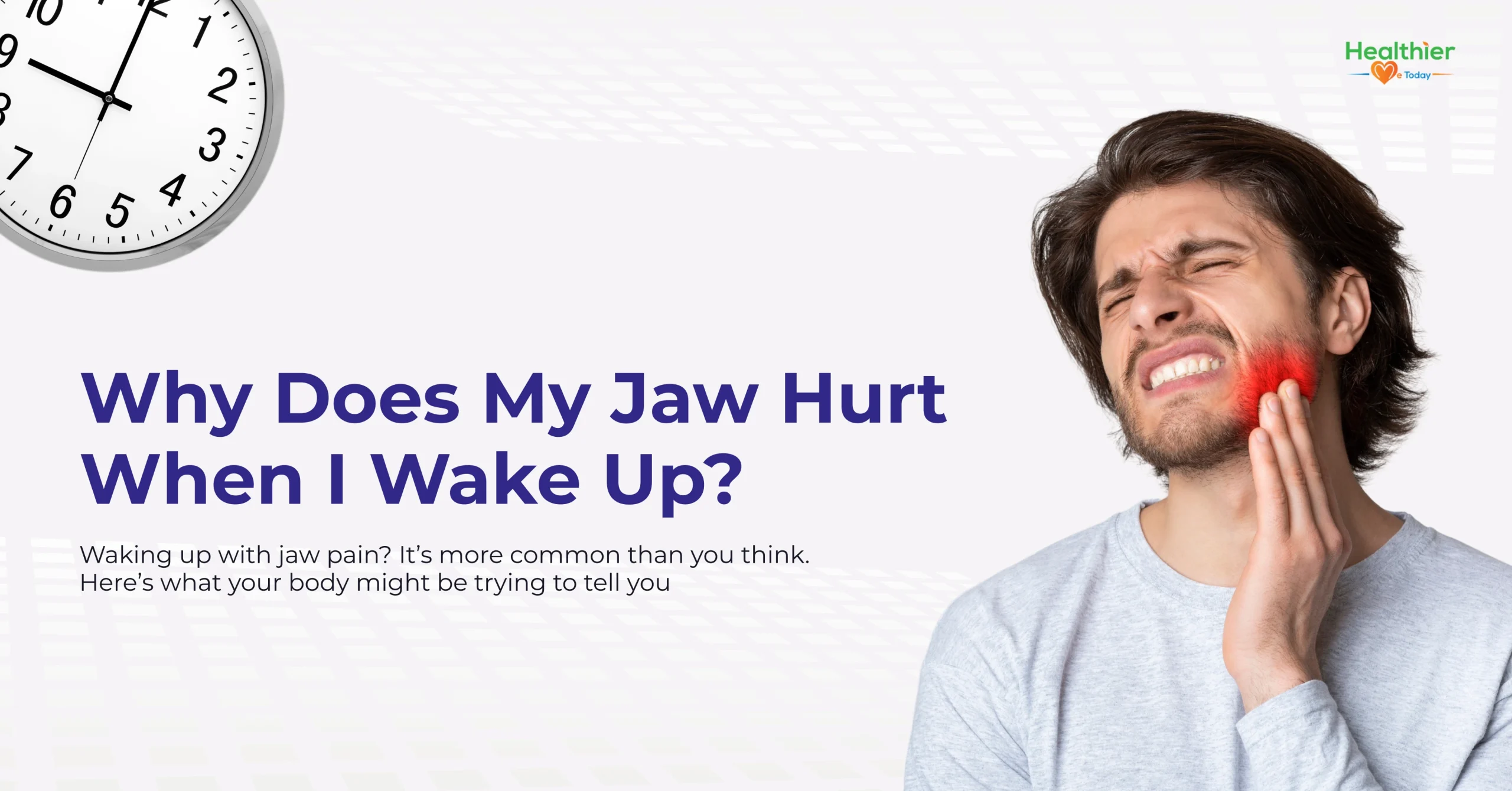
Why Does My Jaw Hurt When I Wake Up? 8 Common Causes

Have you ever woken up with a stiff jaw in the morning, or even a little pop when you yawn, or a tender feeling when eating your breakfast? This may leave you wondering, “Why does my jaw hurt when I wake up?”

And, you are not alone. Waking up with jaw pain is common. Studies show that up to 30% of adults have some kind of jaw discomfort in the morning. Although this can be concerning, there are several treatable causes. Jaw pain may be related to stress, sleep position, or even the placement of your teeth in the mouth.

In some cases, it may indicate an underlying condition, such as temporomandibular joint (TMJ) disorder, which affects approximately 10% of adults.

Let’s break down the eight most common causes of waking up with pain in jaw, what experts say, and how you can find relief.

Causes of Morning Jaw Pain

Understanding the primary triggers of jaw pain upon waking can help you find lasting relief and prevent future discomfort.

Causes of Morning Jaw Pain

  • Teeth Grinding or Clenching (Bruxism)

Morning jaw pain often happens because the teeth are clenched or ground together during sleep, placing pressure on the jaw muscles without realizing it. This nighttime habit is called bruxism. Bruxism can slowly wear down the enamel on your teeth over time. This makes teeth more sensitive and can sometimes cause cracks or chips.

Common signs of bruxism include:

  • A sore or tight jaw when you wake up
  • Headaches in the morning
  • Teeth hurting after waking up
  • Pain or pressure in the ear that is not caused by an infection.

If you’ve ever wondered, “Why does my jaw hurt when I wake up?”, woke up and immediately searched “I woke up and my bite is off,” or noticed my jaw hurts when I wake up, it’s likely that your jaw muscles have been clenching during the night, a clear sign of bruxism that shouldn’t be ignored.

  • Temporomandibular Joint Disorder (TMJ or TMD)

The temporomandibular joint (TMJ) links your lower jaw to your skull. When this joint gets irritated, inflamed, or out of alignment, it can cause pain when you wake up. Many people also wonder, “Why does my jaw pop when I wake up?” This clicking or popping sound is likely the cause of TMJ tension or misalignment.

Research shows that TMJ disorders can develop from teeth grinding, poor posture, or injury.

Research shows that people with TMJ often experience:

  • Pain or tenderness near the jaw, face, or neck.
  • Clicking, popping, or grinding noises when opening the mouth.
  • Limited jaw movement or stiffness in the morning.

If the pain persists or your jaw locks open or closed, experts recommend consulting a dentist or a TMJ specialist for an evaluation.

  • Poor Sleep Position or Jaw Misalignment While Sleeping

Sometimes, the problem isn’t your jaw but how you sleep. If you press your face into the pillow or sleep on your stomach, your jaw can stay in an uncomfortable position for hours.

Specialists indicate that this tension can put stress on muscles and joints, which may result in jaw stiffness in the morning. If your head or neck is not properly aligned, it might even cause your jaw to move slightly out of alignment during the night.

If you’ve ever experienced jaw out of alignment after sleeping, or felt jaw pain from sleeping, your jaw may have shifted slightly out of position during the night, a sign that your sleep posture could be leaving it out of alignment.

  • Misaligned Bite (Malocclusion)

If your top and bottom teeth don’t line up properly when you bite, your jaw muscles may need to work harder to stay balanced,  even while you sleep. This is known as malocclusion. It can be something you’re born with due to genetics or how your jaw develops, or it can appear later in life from things like losing a tooth, a jaw injury, or habits such as thumb-sucking during childhood.

Research indicates that individuals with a misaligned bite or uneven teeth frequently experience jaw discomfort, stiffness, or headaches. Over time, this uneven pressure can irritate the jaw joint, sometimes leading to waking up with jaw pain.

  • Sinus Inflammation

When the sinuses are swollen or inflamed, fluid and pressure can build up in the sinus cavities located near the roots of your upper teeth and jawbone. This pressure can spread to the cheeks and jaw area, especially after sleeping, making your jaw feel sore in the morning. If you’ve noticed jaw pain when wake up, sinus pressure might be the reason.

  • Dental Problems or Oral Infections

Sometimes the source of your jaw pain isn’t the jaw itself; it could be your teeth or gums. Issues such as cavities, abscesses, gum disease, or impacted wisdom teeth can cause pain that radiates to the jaw.

Experts explain that infections or mouth inflammation can cause referred pain, meaning you feel discomfort in nearby areas such as your jaw, ear, or neck.

If you notice your jaw sore after waking up, it might be due to underlying dental issues or infections that cause pain in jaw when waking up.

  • Stress and Anxiety

Feelings and emotional states can directly affect the body’s physical condition, and your jaw is one of the first areas to show it. When stressed, you may unconsciously tighten your jaw or grind your teeth.

Stress and anxiety might be the hidden reasons behind your discomfort. These emotional triggers can cause muscle tension that leads to clenching, explaining why does my mouth hurt when I wake up.

  • Sleep Disorders (Like Sleep Apnea)

Another possible cause is an underlying sleep disorder, especially sleep apnea. People with sleep apnea often clench their jaw or grind their teeth as their body struggles to keep the airway open during sleep.

This repeated clenching during the night can cause tension and soreness that lingers into the morning. If you’ve ever thought, “wake up with jaw pain” or “jaw hurting in the morning,” it might be a sign of a sleep disorder.

Simple Ways to Relieve Morning Jaw Pain

You don’t have to live with jaw pain after waking up.

Here are simple, expert-backed ways to find relief:

Simple Ways to Relieve Morning Jaw Pain

  • Relax tight muscles by applying a warm compress to your jaw.
  • Gently massage the jaw area with your fingertips in small circles.
  • Stretch your jaw by opening and closing slowly, or moving side to side.
  • Avoid chewing gum or biting hard foods for a few days to give your jaw a break.
  • Use a night guard if you grind your teeth.
  • Staying hydrated throughout the day.
  • Practice relaxation before bed, like meditation or light yoga.

Experts say combining these small habits can significantly reduce jaw tension and help your joints recover overnight. If you consistently follow these tips, you may notice a significant decrease in jaw sore after sleeping.

When to see a doctor or dentist

Occasional jaw soreness might not be severe, but persistent pain deserves professional attention.

You should see a healthcare provider if:

  • The pain lasts more than a week or keeps coming back.
  • Your jaw pops, clicks, or locks open or shut.
  • You have trouble opening your mouth entirely.
  • You also experience headaches, ear pain, or tooth sensitivity
  • You suspect teeth grinding or TMJ disorder

If you have jaw problems, a dentist, TMJ specialist, or ENT doctor can check your jaw and recommend treatment. They might suggest using a mouthguard, doing physical therapy, taking anti-inflammatory medicine, or trying ways to manage stress.

Conclusion: Taking Steps Toward Relief

Waking up jaw pain can be uncomfortable and worrying, but in most cases, it’s treatable. Whether it’s grinding your teeth, sleeping in an awkward position, or stress, understanding the cause is the first step toward relief.

Taking Steps Toward Relief - waking up jaw pain

Experts say small changes, such as adjusting your sleep posture or using a night guard, can make a big difference.

With proper care and attention, you can wake up pain-free, ready to start your day with a relaxed jaw and a clear mind, without saying “I woke up with my jaw hurting”.

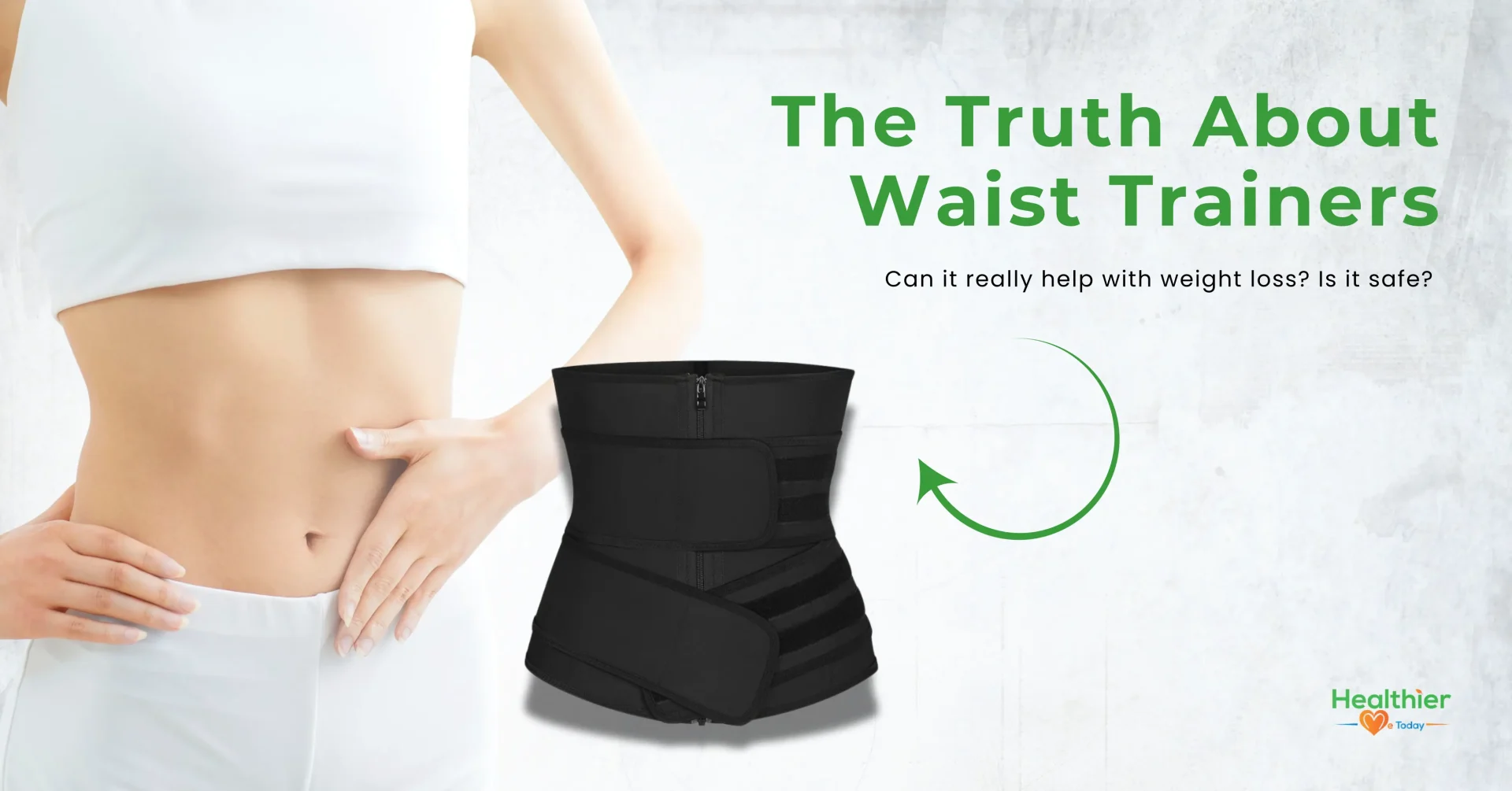
Everything You Need to Know About Waist Trainers

Women have been wearing waist trainers for weight loss for generations, and the most commonly known is the corset, which women started wearing as far back as the 16th century.

Waist trainers never truly left the fashion world, but they became less popular over time, with only a handful of women still practicing this slimming technique. However, going back to the classics, many exercise brands and fitness enthusiasts promote and design waist trainers to aid in weight loss and posture.

Waist trainers have become increasingly popular, ranging in color, size, and shape.

Why are Waist Trainers Beneficial to Weight Loss?

Waist trainers are unlike the old-fashioned corset, which was primarily used to visually shrink the waist and give the illusion of a slight build. Corsets also cause deformities such as rib and spine damage, weakened core, and other dangerous disadvantages.

waist trainer benefits

The waist trainer is designed for health over cosmetics. It is an aid in losing weight and does quite the opposite of the corset mentioned above. They strengthen your abdominal muscles by giving support, help build a more natural hourglass shape, and increased sweating helps reduce body fat.

Providing better posture and even postpartum support can help shrink inches off your waist if worn correctly and used during exercise. It is essential to get the right size that fits your body well and is not too tight, as this will cause the same health risks that corsets caused people back then.

The Different Waist Trainers

Waist trainers typically differ in color, size, and shape. So which one should you get?

Here’s a breakdown:

1. Lady Slim Waist Trainer

This waist trainer comes in different colors and patterns to choose from. So whether you’d like a beautiful blue leopard print or you want to keep it simple with neutral beige, this waist trainer is sure to have what you need to pick your perfect style.

Latex is no stranger to the exercising world, and with this material giving off a sauna-like effect when worn, it’s no surprise that this will make you sweat! Which we all know helps with losing weight. With the 100% natural latex, it’s sure to help reduce fat deposits and reshape, giving you unique curves.

With its flexible boning, it will also benefit from getting better posture, which will strengthen the core muscles. To ensure the correct fit, it is advised to measure the waistline and check the measurements table of the product to make sure the right size is chosen for your body.

2. HOPLYNN Neoprene Sweat Waist Trainer

Add this waist trainer to your exercise equipment for faster results when working out! Having double coverage of the stomach will help with high-intensity workouts, promoting more sweat and heat. You will burn more inches off your waist wearing this trainer.

HOPLYNN Neoprene Sweat Waist Trainer
It’s designed for top-range quality and is insulated for concealing warmth, making it a must-have for when you choose to do some outside activities in the colder seasons. Cold muscles tend to contract and cause pain, so it is ideal to keep them warm, especially while doing strenuous activities.

This waist trimmer is also flexible and ultra-lightweight, so being uncomfortable is not a worry when moving around.

3. Waist Trimmer Trainer Belt

This training belt is ideal for intense and fast-paced workouts, as it features a grid surface that prevents it from moving around or slipping during use. Unlike other belts, which feature straight-line cutting, this one has curve-cutting on either side, creating an instant hourglass figure by pulling to achieve a snug fit.

With four bones stitched inside, they act as a lumbar back brace with ample support. This also aids in better posture. Don’t let the soft feel trick you. This neoprene material will have you dripping with sweat during your subsequent workout [sewport.com].

Unlike most waist trainers, this one is available for both men and women.

4. YIANNA Waist Trainer

With a fantastic range of different sizes, this waist trainer is sure to have one that will hug your body perfectly. It can be worn under clothes, or if you are allergic to the 100% latex rubber material, you can wear it outside [my.clevelandclinic.org].

It provides excellent abdominal control, and with its higher price compared to other generic types, the increased surface coverage means more fat is burned, leading to increased sweating and more noticeable results. With nine built-in steel bones, this trainer is compelling.

This trainer, acting as a trimmer, is crafted with attention to detail, from its close-fitting structure to the small material that protects the skin from irritation, situated under the pull hook on top of the metal zipper. This waist trainer is created for durability and security.

5. TrainingGirl Women Waist Trainer

Being 100% Latex and made from stretchy, durable, and flexible Neoprene material, this waist trainer ensures no skin irritation. With its design and quality, it stays put without rolling up or jabbing into you like other belts. It is also easy to clean, which is excellent news, and it is sure to make you sweat!

TrainingGirl Women Waist Trainer

It has three rows of hooks and a zipper to fit your physique and curves perfectly, not to mention also having a double adjustment durable belt closure waistband to aid in compression of the stomach and waist. Not only does this waist trainer help you lose weight, but it also lifts your chest, corrects lousy posture, prevents a herniated disc, and relieves back and lumbar pain.

It can take 3-4 inches simply by wearing it, making it function as both shapewear and a workout tool. Either gender can wear it, and it provides excellent support while working out at the gym, participating in sports, or doing home workouts.

The Do’s & Don’ts

While waist trainers can offer real benefits when used correctly, they also come with potential risks if misused. Wearing one too tightly or for too long can lead to discomfort, restricted breathing, weakened core muscles, or even internal strain. Some people also experience skin irritation or dizziness from excess sweating.

That’s why it’s important to know how to use a waist trainer safely and responsibly. Follow these key do’s and don’ts to make the most of your waist training experience without putting your health at risk.

Do’s Description Don’ts Description
Choose the right size Measure your waist before buying. A waist trainer that’s too tight can cause bruising or breathing issues, while one that’s too loose won’t deliver results. Don’t wear it too tight Over-tightening can restrict breathing, reduce oxygen flow, and cause internal problems. It should feel snug, not suffocating.
Start slow Begin with 1–2 hours a day and increase gradually as your body adjusts. Don’t wear it for long hours Avoid all-day or overnight use, it can weaken your core muscles instead of strengthening them.
Pair it with exercise Use it alongside workouts and a balanced diet, it supports your routine, not replaces it. Don’t skip proper cleaning Clean your waist trainer regularly to prevent odor buildup and skin irritation.
Stay hydrated Waist trainers increase sweating, so drink plenty of water to avoid dehydration or dizziness. Don’t rely on it alone for weight loss It enhances results but can’t replace exercise and healthy eating.
Listen to your body If you feel pain, shortness of breath, or numbness, remove it immediately. Comfort and safety come first. Don’t ignore medical advice Consult your doctor if you have respiratory issues, back pain, or have recently given birth.

Conclusion: Train Your Knowledge Too!

Waist trainers are no longer just about looks. When chosen carefully and used properly, they can support posture, encourage sweating during exercise, and even provide postpartum support. They are most effective when combined with a balanced diet, consistent exercise, and safe usage that avoids the health risks associated with overly tight fits. The right trainer can give both physical results and added confidence.

If you’d like to track your progress, use our Reverse BMI Calculator.

For more health insights, tips, and guidance, explore other articles on Healthier Me Today. 

FAQ’s:

How do waist trainers work?

Waist trainers wrap tightly around your waist, giving you an instant slimmer shape. They also increase heat and sweating during workouts, which can make you feel like you’re burning more. 
Plus, they help with posture by keeping your core supported [healthline.com].

How to choose the right waist trainer?

Start by measuring your waist and comparing it with the brand’s size chart. 

If you want one for:

> Workouts → Go for neoprene or latex (flexible and sweat-enhancing).
> Everyday wear → Choose steel-boned for smoother shaping.
> Beginners → Stick to softer, more flexible materials.

When to consult a healthcare professional about waist trainers?

If you have back, heart, or breathing problems, check with your doctor before starting. The same goes for anyone pregnant, recovering from surgery, or experiencing pain while wearing one.

Does a waist trainer actually work?

Yes, but only to an extent. It makes your waist look smaller right away and boosts sweating, but lasting changes only come with diet and exercise. Think of it as an accessory to your fitness routine, not a magic solution.

Does waist training flatten your stomach?

Not directly. Waist trainers create a slimmer appearance, but fat loss comes from healthy eating and regular workouts. The trainer can help with posture and water weight, but lifestyle changes drive the real progress [vinmec.com].

How long does it take for a waist trainer to flatten your stomach?

Results vary. Some notice a difference in a few weeks from posture changes and water loss. Fat reduction takes longer, usually months, and depends more on consistency with healthy habits than the trainer itself.

Are waist trainers safe to use for weight loss?

They’re safe if you don’t overdo it. Pick the right size, don’t wear it too tight, and limit wear time to a few hours a day. If you feel discomfort, loosen it or take it off.

Can you exercise while wearing a waist trainer?

Yes. They’re often used during workouts to encourage sweating and improve posture. Just make sure you can still breathe comfortably, especially during cardio. If it feels too restrictive, switch to a lighter one [webmd.com].

What is the difference between a waist shaper and a waist trimmer?

> Waist shaper → Designed for looks, worn under clothing for a smooth, slim figure.
> Waist trimmer → Used during workouts, usually made of neoprene, to increase sweating around the core.

Can waist trainers help with posture improvement?

Yes, they can. Waist trainers encourage you to sit or stand straighter, which can relieve some back strain. But they shouldn’t replace core-strengthening exercises, which give lasting posture support.

What are the side effects of waist trainers?

Wearing them too tightly or for too long can cause discomfort, heartburn, or shortness of breath. Some people also notice skin irritation. The safest approach is to wear the right size, limit use, and take breaks.

Which waist trainer is most recommended for beginners?

A neoprene or latex trainer is ideal for beginners. They’re flexible, easier to move in, and comfortable for workouts. Avoid heavy steel-boned options at first until you get used to waist training.

How to Lose 50 Pounds in 3 Months & Completely Change Your Life

Losing weight is a process that many people have either undergone or are currently experiencing. Weight has always been a sensitive topic, as there is so much stigma about what number the scale lands on. With so many crash diets and untailored flash workouts, so many people have fallen victim to these unhealthy fads, which in the long run only decrease their mental health and motivation.

Shedding unwanted fat should never be about pleasing other people’s standards. It should be a personal decision made by you for yourself.

Whether it is losing weight after having a baby, health reasons, or simply to feel your best, it should not be taken lightly or deemed unattainable. It will come with time, like all good things, which will absolutely be worth the wait and effort.

This is how to lose 50 pounds in 3 months

Is this a Realistic Goal?

Setting a goal for your weight loss journey is extremely helpful. However, people often set unrealistic goals for themselves, which can lead to burnout, discouragement, and unhealthy habits such as skipping meals or overexercising. Understanding your body type, BMI, and the appropriate calorie intake will help you reach your goal, as long as it remains attainable.

how can i lose 50 lbs in 3 months

Discussing how to lose 50 pounds in 3 months may sound like a significant challenge, but with dedication and proper planning, it can be an attainable goal. Conducting research or taking it one step further by consulting with a trainer or dietician who possesses extensive knowledge of healthy changes and exercise routines can significantly impact your journey. Aiming to lose 50 pounds in three months, you will need to break this significant number up, as it will be less intimidating.

Dissecting this means that you will have monthly “installments”. The weekly number will be 4.17 pounds. Once broken into smaller sections, it will be easier to track your progress. With proper calorie intake and a strategic workout regimen, this can be achieved.

How to Healthily Lose 50 Pounds in 3 Months

When asking the question of how to lose 50 pounds in 3 months, there are very similar aspects that need to be followed almost religiously. To lose this large but achievable amount of weight, several changes to diet and activity will be necessary.

Focusing on healthy eating, such as adding protein to every meal, as long as vegetables and limited starch and carbohydrates. Eating proper proportions frequently will boost your metabolism and kick-start your body’s natural fat-burning agents. Do not forget to calculate how many calories you need to maintain your energy and melt away unwanted fat healthily.

Finding a good cardio-rich workout that doesn’t exceed your limits, causing injury or extreme exhaustion, is an excellent way to lose 50 pounds in three months. Providing your body with sustainable nutrients and engaging in blood-pumping movements is a sure way to lose the desired amount of weight.

Understand and Calculate Your Calorie Consumption

There is no shortage of calorie intake calculators on the internet, many of which require only your age, gender, and weight; however, there is more to it, as everybody is different [ncbi.nlm.nih.gov].

Some of these calculators are not too far off. Instead of providing detailed and accurate information, they offer rough estimates, which can result in under- or over-eating, potentially leading you astray from your goal. Eating the correct amount of calories for your body type is one of the best things you can do for your overall health.

Understand and Calculate Your Calorie Consumption

How to lose 50 pounds in 3 months by calculating your proper calorie intake:

  • This is done using a tape measure to determine your waist, forearm, wrist, and hip circumference.
  • Once you have these measurements, you can now calculate your body fat percentage by using a body fat index calculator. Ensure that you find one that allows you to enter these four measurements and your current weight.
  • It will calculate your fat percentage.
  • If you haven’t already, find out your body weight in kilograms. If you use pounds, divide the amount by 2.2 to convert it to kilograms.
  • You will multiply this number by 1.0 if you are a male, and if you are a female, multiply by 0.9.
  • Take this amount and multiply it by 24
  • Find a lean factor multiplier online, and using your body fat percentage, you can calculate your lean factor.
  • Take the number you previously multiplied by 24 and now multiply it by your lean factor.
  • Now, the number you obtain is your Basal Metabolic Rate (BMR), which represents the number of calories you would burn if you were to do no activity.
  • To get a more accurate estimate of the calories you actually burn in a day, we need to consider the activity modifier.
  • Depending on your average level of activity, the corresponding values are 1.3 for very light, 1.55 for light, 1.65 for moderate, 1.80 for heavy, and 2.00 for very heavy. If you are unsure which one you fit into, you can find a table or read further online to discover which category you belong to [nhs.uk].
  • Now multiply your BMR by the number from the daily activity level multiplier.
  • Now, since we are focusing on losing weight, it is recommended to eat roughly 400-500 calories less than the total amount calculated.

Find the Diet and Lifestyle That Works for You

Figuring out how to lose 50 lbs in 3 months through dieting alone can feel overwhelming due to the numerous options available. Many fad diets are marketed as healthy, but in reality, they often do more harm than good. While quick fixes may lead to rapid weight loss, the results typically do not last, and the weight usually returns.

how to lose 50 pounds in 3 months

The key is to focus on a healthy, science-based approach that can be tailored to your body and lifestyle [cdc.gov].

A truly effective plan should:

  • Include regular exercise
  • Promote portion control
  • Allow healthy snacks between meals
  • Be based on scientific research
  • Provide a realistic maintenance strategy
  • Be created or approved by a credentialed professional
  • Use minimal supplements, prioritizing real foods

Exercise, especially cardio, supports faster progress, while tracking results helps you stay motivated. Cutting back on alcohol, getting enough sleep, and surrounding yourself with healthy food choices all make it easier to stay consistent. Keeping nutritious snacks on hand also prevents overeating [semperfitmf.com].

By combining a sustainable diet with smart daily habits, you can achieve significant weight loss and create a healthier routine that lasts well beyond three months.

Conclusion: Is it Possible?

Losing 50 pounds in three months takes planning, dedication, and realistic expectations. Breaking the goal into smaller milestones, tracking your progress, and combining a healthy diet with regular exercise are essential. Focus on sustainable changes that support your energy, strength, and overall health.

By adhering to a structured plan and maintaining consistency, you can achieve this goal safely and position yourself for long-term success.

Use a reverse BMI calculator to find your healthy target weight and guide your diet and exercise plan!

FAQ’s:

Do I need to exercise daily to lose 50 pounds in three months?

Not every day, but consistency is key. Aim for 4–6 workouts per week, combining strength training and cardio. Strength training preserves muscle while losing fat, and cardio helps burn calories. Rest days are essential for recovery and injury prevention.

Can rapid weight loss cause health problems?

Yes, losing a large amount of weight too quickly can put a strain on your body. Potential issues include nutrient deficiencies, gallstones, fatigue, weakened immunity, and loss of lean muscle mass. Rapid weight loss also affects hormones that regulate hunger and metabolism, making it easier to regain weight. That’s why a structured plan with proper nutrition, sufficient protein, and gradual, monitored calorie deficits is essential to lose weight safely and sustainably.

How can I stay motivated during a 50-pound weight loss journey?

Break your goal into smaller milestones and celebrate each achievement. Track progress with charts, photos, or journals, and note non-scale victories, such as improved energy, better sleep, and increased confidence. Support from friends, community members, or a coach can also be beneficial.

What’s the difference between losing 50 lbs vs 50 pounds (same goal)?

There’s no difference in the goal itself. “lbs” is just shorthand for pounds. The important thing is understanding that the scale’s feedback isn’t the only measure of progress. Body composition, how your clothes fit, energy levels, and overall health improvements are equally essential markers of success. Focusing solely on the scale can be misleading, especially when trying to build muscle while losing fat.

Will I regain weight quickly after losing 50 pounds fast?

It can happen if the changes are not sustainable. Quick-fix diets often lead to rebound weight gain. A long-term approach, incorporating balanced meals, consistent exercise, and flexible habits, is the most effective way to maintain your results.

The Ultimate Morning Routine for Success in 2025

Did you know that consistent morning routines have been tied to better mental health? A study found that people who are active early and who have a bit more structure to the start of their day have fewer depressive symptoms. The TikTok trend that says “Depression can’t hit a moving target” was right all along, which gives you the time, space, and energy to work on your goals (the person you truly want to be).

So, how do you even start your morning routine for success? What should you include? What is the secret?

This guide covers it all! Inside you’ll find 10 simple steps for success, plus answers to the most common questions to help you design your best morning routine yet.

The Science Behind Why Healthy Morning Routines Work

You’ve probably heard it a thousand times: “Have a good morning routine.” But what people don’t tell you is that it’s not just about waking up early or ticking boxes on a habit tracker. The real reason morning routines work is because they rewire your brain, reset your hormones, and literally shape how your body runs for the rest of the day.

Science Behind Why Healthy Morning Routines Work

Let’s break down the science behind a mindful morning routine:

1. You’re Training Your Brain Like a Muscle

Every time you repeat a task, drink water, stretch, or make your bed, you’re strengthening neural pathways. And your brain loves patterns. When it recognizes that certain actions always happen after waking up, it starts running them automatically.

That’s exactly how habits form! Neurons fire together so often that they build a kind of mental “shortcut.” Once your routine becomes part of that network, it stops requiring motivation, it just happens.

2. You’re Regulating Your Body’s Clock

Your circadian rhythm (your 24-hour biological clock) controls everything, your energy, focus, hormones, even digestion. When you wake up, eat, and move around the same time every day, you’re basically syncing that clock. Morning light tells your brain to lower melatonin (the sleep hormone) and raise cortisol just enough to wake you up.

Skip that routine, and your body gets confused, you stay groggy, unfocused, and your energy peaks at the wrong times.

3. You’re Resetting Your Hormones

Your morning routine is the hormonal equivalent of setting the mood for the day. Cortisol naturally spikes in the morning, it’s your body’s built-in alarm clock. If you start the day scrolling or rushing, that spike goes too high, flooding your system with stress before you’ve even left the bed.

But when you do something grounding like stretching, breathing, or hydrating, it keeps that cortisol balanced. Pair that with sunlight, and you trigger serotonin (the “feel good” chemical), which later converts to melatonin, helping you sleep better that night.

See the loop? Calm morning → balanced hormones → better sleep → easier mornings.

4. You’re Beating Decision Fatigue Before It Starts

Your brain wakes up with a full tank of willpower, but it drains fast. Every “What should I wear? What should I eat?” chips away at it. A morning routine removes those decisions. You’re not wasting mental energy on small stuff, which means you’ve got more left for creative work, workouts, or anything that actually matters.

That’s why so many successful people eat the same breakfast or wear the same thing every day, not because they’re boring, but because they’re protecting their mental energy.

5. You’re Giving Your Brain a Chemical Boost

Movement, hydration, and even simple breathing exercises increase oxygen and blood flow to your brain. That rush wakes up your prefrontal cortex, the part responsible for focus, planning, and problem-solving.

At the same time, dopamine and norepinephrine kick in, sharpening attention and motivation. It’s like flipping the “ON” switch for your mind. That’s why even 5 minutes of movement or journaling in the morning can completely change your headspace.

6. You’re Building Emotional Stability, Not Just Productivity

Morning routines don’t just make you do more, they help you feel steadier. A predictable rhythm gives your brain something to hold onto. When life feels chaotic, your routine becomes a kind of emotional anchor, it tells your nervous system, “You’re safe. You’ve got this.”

That’s also why people with consistent routines often report lower anxiety and depression levels. It’s not magic. It’s biology, structure creates calm.

Morning Routine for Success (That Actually Works)

It can be quite overwhelming to change the way you do things, which is exactly why this piece breaks it down into 10 steps. And the good news is that you’ll start feeling the difference very quickly.

Timeframe What You’ll Notice
1–3 days More alert mornings, better focus, slight energy lift
2–4 weeks Easier wake-ups, stronger habits, improved sleep
4–8 weeks Stable energy, better mood, sharper focus, less stress

Here’s how to start your own morning routine for success:

1. Wake Up Early 

Try waking up a little earlier than usual, not hours before sunrise, just enough to give yourself space before the day starts. Waking up at the same time every morning helps your body settle into a natural rhythm, which makes sleep better and mornings easier.

How to Do It

Pick a time that feels realistic and stick to it, even on weekends. If 5:30 feels impossible, start with 6:30 and slowly adjust your bedtime earlier until you wake up naturally.

2. Hydrate First (5 Minutes)

Your body loses water overnight, and that’s one reason mornings can feel slow or heavy. Hydrating first thing wakes up your system, improves focus, and helps you feel more alert.

How to Do It

Keep a glass or bottle by your bed and drink it before coffee. Add lemon if you like, but it’s not required, plain water does the job perfectly.

3. Move Your Body (10-15 Minutes)

morning routine list

You don’t need a full workout, just move enough to remind your body it’s awake. A quick stretch, a walk, or a short yoga flow gets moving and clears that morning fog.

How to Do It

Aim for 10 minutes. Something simple is better than skipping it entirely.

4. Meditate or Breathe Deeply (5 to 10 Minutes)

Five minutes of slow breathing or quiet sitting can completely change how your day starts. It helps lower stress and clears the mind before the world gets loud [youtube.com].

How to Do It

Inhale deeply through your nose for four counts, exhale through your mouth for six. Repeat a few times, or use a short guided session if it helps you focus.

5. Think of Three Things You’re Grateful For (5-10 Minutes)

This small practice can shift your mood faster than you think. Gratitude releases chemicals in the brain that help you feel calmer and more content, no matter what’s waiting later [bestmed.co.za].

How to Do It

Say them out loud or write them down, anything from “my warm bed” to “the quiet of this morning.”

6. Eat a Protein-Packed Breakfast (15 to 20 Minutes)

This is one of the most important morning routine tips! Protein keeps your energy steady and your mood balanced. It’s also what helps you stay full and focused until lunch [hss.edu].

How to Do It

Try yogurt with fruit, eggs on toast, or a smoothie with oats and peanut butter. Aim for 15–20 grams of protein, and you’ll notice the difference.

7. Review Your Goals (5 Minutes)

A quick reminder of what you’re working toward keeps you focused on what matters [indeed.com]. It’s like giving your brain a gentle direction before the day gets busy.

How to Do It

Write down your top three tasks for today or glance at your bigger goals. Just keep it short, this isn’t about pressure, it’s about clarity.

8. Journal Your Thoughts (5 to 10 Minutes)

Writing helps you sort through what’s on your mind before the day pulls you in ten directions [medium.com]. It’s not about perfect sentences, it’s about getting thoughts out of your head.

How to Do It

Write one paragraph about how you’re feeling or what you’d like from the day. That’s enough.

9. Say Positive Affirmations (2 to 3 Minutes)

What you say to yourself first thing in the morning sets the tone for how you handle everything else. Positive self-talk isn’t about pretending, it’s about being supportive instead of critical [mayoclinic.org].

How to Do It

Try something like, “I can handle whatever today brings” or “I’m getting better at this.” Simple, true, and said out loud.

10. Plan Your Day (5 to 10 Minutes)

daily morning routine checklist

A little structure goes a long way. Knowing what matters most helps you stay calm and focused instead of reacting to everything that comes up [indeed.com].

How to Do It

Write down the top three things you want to get done. That’s it, and just like that, you’re ready to take on the day!

Daily Morning Routine Checklist (Your Summary)

This morning routine list is meant to be used as the basis, if you’d like to change anything, please feel free to do so. It has worked for many individuals trying to build a successful morning routine.

  • Wake up at a consistent time (around 5:30–6:30 AM)
  • Drink a glass of water before coffee to rehydrate
  • Get sunlight exposure within the first hour of waking
  • Move your body (stretch, walk, or do light exercise)
  • Take a few deep breaths or meditate for 5 minutes
  • Write down three things you’re grateful for
  • Eat a protein-rich breakfast for steady energy
  • Review your top three goals or tasks for the day
  • Say one positive affirmation to set your mindset
  • Avoid your phone for at least the first 20 minutes

Is There A Secret To These Routines?

The only secret is consistency [londondentalinstitute.com]. You can Google and research all the different morning routine examples, but if you’re not going to give it time and stick to it, it won’t work. So, just take some time to see what works for you, going to the gym at 5 am or simply stretching for 10 minutes a day (excellent morning routine for professionals).

Conclusion: Your Morning Wellness Routine in 2025

Successful morning routines don’t have to be perfect, you just need one that feels right for you. It’s less about strict schedules and more about giving your day a gentle, intentional start. When you wake up with purpose, even in small ways, you train your body and mind to meet the day with focus instead of resistance.

Some days you’ll skip steps, some mornings won’t go as planned, and that’s fine. The power of a routine isn’t in doing it perfectly, it’s in coming back to it.

Start with one habit and build from there. Over time, those quiet minutes in the morning can shape your entire day, and eventually, the way you live your life.

FAQ’s:

What is the best morning routine for success?

The best morning routine is one that fits your lifestyle while setting the right tone for the day. Most people benefit from a mix of movement, hydration, and mindful planning. Try waking up at a consistent time, drinking a glass of water, moving your body for at least 10 minutes, and eating a protein-rich breakfast. These simple habits regulate your energy, improve focus, and help you start the day feeling in control.

What should I include in a healthy morning routine?

A healthy morning routine should include habits that strengthen both your body and mind. Hydrate as soon as you wake up, get some natural light, and move your body, even if it’s just stretching. Pair that with a balanced breakfast and a few minutes of calm, like journaling, gratitude, or deep breathing. The goal isn’t perfection, it’s building small moments that improve mental clarity, focus, and mood.

What are the benefits of having a productive morning routine?

A productive morning routine sharpens focus, lowers stress, and boosts efficiency. It gives your day structure, helping you approach tasks calmly instead of rushing. Over time, this consistency supports better mental health, clearer thinking, and a stronger sense of control, all while setting a positive tone for you and those around you.

How do I create a morning routine for happiness?

Morning habits that may affect happiness include moments that bring calm and gratitude. Try starting your day with deep breathing or journaling, followed by light movement and a healthy breakfast. Even small actions, like stretching by a sunny window or checking in with a loved one, help your brain release mood-boosting chemicals that lift your energy and mindset.

Does a morning self-care routine improve mental health?

Yes, a morning self-care routine can have a huge impact on your mental health. Taking just a few minutes for journaling, meditation, or quiet reflection helps lower anxiety, steady your thoughts, and lift your mood. It’s a simple way to start the day feeling calm, grounded, and emotionally balanced.

How long should an effective morning routine be?

An effective morning routine doesn’t have to take hours. Most people do well with anywhere from 30 to 90 minutes, but even 15–20 minutes of intentional habits, like stretching, hydrating, and planning your day, can make a real difference. The goal isn’t length, it’s consistency.

What habits should I avoid in my morning routine?

There are a few morning habits that can work against you, like hitting snooze, checking your phone the second you wake up, or skipping breakfast. These might seem small, but they can mess with focus, increase stress, and drain your energy early on. Start with presence, not pressure, your mind will thank you later.

Lose Weight the Easy Way: Why Walking Beats the Gym

Hey there! If you’ve ever thought walking for weight loss sounds too easy to actually work, you’re about to be amazed. Compared to running or hitting the gym, walking might seem too simple, but it’s a fantastic way to lose pounds, feel awesome, and stay healthy. It’s free, kind to your body, and you can do it almost anywhere. This guide will show you why walking is so effective, how much walking you need to see results, and super fun tips to keep you motivated.

Whether you’re just starting or ready to step things up, you’ll find everything you need to walk your way to a healthier you.

Why Walking Helps You Lose Weight

Walking burns calories, and when you burn more calories than you eat, you drop weight. For example, if you weigh about 150 pounds and walk at a normal pace (around 3.5 miles per hour), you can burn 200-300 calories in an hour. Do that regularly, and it adds up, especially if you eat healthy foods like fruits, veggies, or chicken.

Why Walking Helps You Lose Weight

Walking also keeps your muscles strong, which helps your body burn calories even when you’re relaxing. Walking is super gentle on your knees and hips, unlike running or jumping, so it’s perfect if you’re new to exercise or have sore joints. You don’t need fancy gear or a gym membership, just comfy shoes and a place to walk. The key is making it a regular part of your day to see real changes.

How Much Walking Do You Need?

One big question people have is how much do I have to walk to lose weight? A great place to start is walking 30-60 minutes most days, which adds up to about 150-300 minutes a week. Walk at a brisk pace, fast enough to breathe a little harder but still able to chat. The Centers for Disease Control (CDC) says 150 minutes of moderate exercise like walking each week, plus eating fewer calories, is a solid plan to shed pounds.

If you find yourself asking, how much should I walk to lose weight faster? Try walking 300 minutes a week or make it tougher by going uphill, swinging your arms, or carrying light weights. You can also use a phone app or fitness tracker to aim for 7,000-10,000 steps a day, a great goal for walking and weight loss.

So, does walking burn belly fat or can walking burn stomach fat effectively? Here’s the truth: walking burns fat from all over your body, not just one spot like your belly. Regular walking can shrink visceral fat, the deep belly fat that’s bad for your health. To make walking to lose weight even better, try longer walks or mix in intervals (like 3 minutes fast, 1 minute slow). Eating less sugary snacks or junk food helps your belly slim down faster.

Fun Ways to Make Walking Work for You

Fun Ways to Make Walking Work for You

Here are some easy and fun ways to make can walking help lose weight a reality:

  • Pick a Time That Works: Walk in the morning, during lunch, or after school, whatever fits your day. Doing it regularly is what counts.
  • Track Your Steps: Use your phone or a tracker to hit 7,000-10,000 steps a day, a great target for walking and weight loss.
  • Mix Things Up: Walk on hills, climb stairs, or try intervals (fast walking, then slow) to burn more calories.
  • Eat Healthy: Pair walking with foods like salads, lean meats, or whole grains to burn more calories than you eat.
  • Make It Fun: Play music, listen to a podcast, or walk with a friend to stay excited.
  • Start Easy: If you’re new, begin with 20-minute walks and add more time as you get stronger [nhs.uk].
  • Wear Comfy Shoes: Good sneakers prevent blisters and let you walk longer.
  • Drink Water: Sip water before and after walks to feel your best.
  • Find a Walking Buddy: A friend or family member makes walks more fun and keeps you on track.
  • Set Goals: Aim for a certain number of steps or minutes each week and celebrate when you hit them.
  • Add Strength: Try light arm exercises or bodyweight moves (like squats) once a week to build muscle and burn more calories.

These tips make walking feel like a breeze and help you keep going for walking to lose weight.

Benefits of Walking

Walking isn’t just about walking for weight loss. It comes with tons of other perks that make you feel great.

Here’s some more benefits:

  • Lifts Your Mood: Walking makes your brain release happy chemicals, so you feel less stressed and more cheerful.
  • Keeps Your Heart Strong: Walking lowers blood pressure and helps your heart stay healthy.
  • Gives You Energy: Regular walks make you feel less tired and help with tasks like carrying groceries or climbing stairs.
  • Gentle on Your Body: Walking is easy on your joints, so you can keep going without pain, no matter your age.
  • Improves Sleep: Walking can help you fall asleep faster and sleep better, leaving you refreshed.
  • Boosts Brain Power: Walking improves focus and memory, making schoolwork or daily tasks easier.
  • Strengthens Bones: Walking helps keep your bones strong, which is great for staying active as you get older.

These benefits make walking a win for your whole body and mind.

Clearing Up Walking Myths

Let’s bust some wrong ideas you might have heard:

  • Myth: Walking doesn’t burn enough calories.
  • Fact: You can lose weight by just walking. Yes, especially with regular walks and healthy eating.
  • Myth: You need to walk super fast to lose weight.
  • Fact: A brisk pace is enough, but hills or faster walking can help more [healthline.com].
  • Myth: Walking only burns belly fat.
  • Fact: It burns fat everywhere, it doesn’t just target your belly.

Your Easy Walking Plan

Easy Walking Plan

Here’s a simple plan to get you going, laid out in a table to keep it clear:


Weeks Minutes per Day Days per Week Steps per Day Tips
Weeks 1-2 20-30 minutes 4-5 days 5,000-7,000 steps Walk at an easy pace, find a fun route
Weeks 3-4 30-45 minutes 5-6 days 7,000-8,000 steps Go brisk, try a park or neighborhood
Weeks 5+ 45-60 minutes Most days 8,000-10,000 steps Add hills or intervals for extra burn


Conclusion: Step Up and Start Walking

Don’t let anyone say walking for weight loss is too simple. It’s an easy, powerful way to lose pounds and feel amazing. By figuring out how much walking to lose weight fits your life and making it a habit, you can reach your goals without stress.

Stick with it, eat healthy, and try fun ideas like interval walking or tracking steps to see even better results. Whether asking can walking burn stomach fat or just want to slim down, walking has you covered.

Grab your shoes, head outside, and start your journey to a healthier you today!

Ready Rocker HMT - For Back Pain

FAQ’s:

How long should I walk each day to lose weight fast?

Walk 45-60 minutes most days, aiming for 300 minutes a week of brisk walking to lose weight. Eating healthy helps you lose weight quicker.

Does walking burn belly fat or just overall fat?

It burns fat all over, but regular walking can shrink belly fat over time, especially the deep kind that is so difficult to lose.

How many steps per day help with weight loss?

Aim for 7,000-10,000 steps daily for walking and weight loss. More steps, like 12,000-15,000, can speed things up with a good diet [healthline.com].

Is walking better than running for weight loss?

Yes, and it’s gentler on your joints, making it easier to keep up over time compared to running.

How quickly can you lose weight by walking daily?

How much walking to lose weight varies, but 30-60 minutes daily with a healthy diet can help you lose 1-2 pounds a week.

Does walking help reduce stomach fat specifically?

Yes, it burns fat everywhere, including your belly, especially when you eat less sugar and junk food.

What’s the best time to walk for fat burning in the USA?

Any time works, but morning walks can boost your energy, and evening walks can help you relax. Pick what fits your day for consistent walking for weight loss [health.com].

Why Your Alarm Might Be Doing More Damage Than Good

Every morning, millions of people rely on alarm clocks or phone alerts to pull them out of sleep. While alarms seem like a necessary part of modern life, research shows that the wake up alarm effects on your body and mind may not be as harmless as they appear. From sudden stress responses to long-term health concerns, the way you wake up could be setting the tone for your entire day.

Understanding these effects is the first step toward healthier mornings. This article looks at why alarms may be doing more harm than good, the science behind natural wake cycles, and alternatives that support your body’s rhythm. Let’s get into it!

The Science of Sleep and Natural Wake Cycles

Wake up alarm effects

Sleep is not just rest; it is a complex biological process with repeating stages:

How Circadian Rhythms Control Wakefulness

Your body follows a 24-hour internal clock called the circadian rhythm. This rhythm helps regulate when you feel sleepy and when you naturally wake up. When you allow your body to follow this cycle, waking feels more refreshing and less stressful.

Why Waking Up Naturally Benefits Your Body

Waking up naturally benefits include reduced grogginess, stable energy levels, and improved mood. Without an alarm jarring you awake, your body finishes its sleep cycle, leading to smoother transitions into the day.

Is Waking Up to an Alarm Unhealthy?

The question many people ask is: is waking up to an alarm unhealthy? While alarms ensure punctuality, they interfere with natural processes in ways that can negatively affect your health.

Here’s how:

  • Shock to the Nervous System: When an alarm suddenly rings, it activates your fight-or-flight response. This shock may feel like a harmless jolt, but repeating it daily adds unnecessary stress to your nervous system.
  • Cortisol Spike from Alarms: Cortisol, the body’s stress hormone, spikes unnaturally when startled awake. This cortisol spike from alarms may contribute to morning anxiety, mood swings, and even long-term stress disorders.
  • Disrupted Sleep Stages: If your alarm wakes you during deep sleep, you are more likely to feel groggy, disoriented, and unfocused. This is because the natural cycle of restorative rest is cut short.

Short-Term Alarm Clock Effects on Health

Alarms do more than just wake you up; they affect how you feel throughout the day.

Short-Term Alarm Clock Effects on Health

Morning Grogginess and Sleep Inertia

One of the most common wake up alarm effects is sleep inertia, the grogginess that lingers after waking [pubmed.ncbi.nlm.nih.gov]. Alarms often pull you out of deep sleep, intensifying this foggy feeling and reducing mental performance for hours.

Irritability and Mood Shifts

If you have ever wondered, why do alarms make me angry, it is because abrupt sounds trigger stress and irritability. The brain perceives harsh alarm tones as threats, priming you for fight-or-flight instead of calm wakefulness.

How Alarm Sounds Affect Mood Throughout the Day

The type of alarm you use matters. Studies show that loud, jarring alarms increase stress, while melodic or gentle tones improve alertness [rmit.edu.au]. This highlights how alarm sounds affect mood and influence the way you experience mornings.

Long-Term Negative Effects of Alarms

Beyond short-term grogginess, alarms can also have lasting consequences.

Chronic Stress and Alarm Clock Anxiety

Relying heavily on alarms creates a cycle of alarm clock anxiety, where people worry about not waking up or dread the sound. This stress can disrupt sleep quality and mental health.

Links to High Blood Pressure and Heart Risks

Sudden awakenings elevate heart rate and blood pressure. Over time, repeated stress responses may contribute to cardiovascular strain, increasing risk for heart-related issues.

Sleep Cycle Disruption and Cognitive Performance

Poor sleep caused by alarms can impair memory, learning, and decision-making. These negative effects of alarms extend into productivity and overall well-being.

How to Wake Up Without an Alarm

If alarms disrupt your mornings, how can you wake up on time without them?

How to Wake Up Without an Alarm

Here is how:

  • Sleep Hygiene and Bedtime Consistency: The most effective strategy is going to bed at consistent times. Good sleep hygiene involves avoiding screens before bed, keeping a dark room, and relaxing before sleep. It helps your body wake naturally.
  • Sunrise Alarm Clocks Benefits: A growing trend is the use of sunrise alarm clocks, which gradually simulate dawn [sleepfoundation.org]. These clocks gently guide your body into wakefulness, reducing the shock of traditional alarms.
  • Gentle Wake Up Alarm Benefits: Gentle alarms, such as soft sounds or vibrations, support calm mornings. In contrast, loud alarm effects on the brain include stress responses that carry over into your day.

Conclusion: Rethinking Your Relationship With Alarms

The evidence is clear… the wake up alarm effects you experience each morning can have significant impacts on your health, both short- and long-term. While alarms may be necessary in today’s busy world, depending on them daily disrupts sleep, increases stress, and undermines natural rhythms.

By prioritizing consistent sleep schedules, exploring gentler wake-up options, and learning how to wake without alarms, you can reclaim mornings that feel refreshing instead of stressful. A slight change in your wake-up routine can lead to significant improvements in your life.

Ready Rocker HMT - For Back Pain

FAQ’s:

Is it unhealthy to be woken up by an alarm?

Yes, being woken by an alarm can trigger stress responses, raise cortisol levels, and disrupt your natural sleep cycle. While alarms are practical, relying on them long-term may contribute to fatigue, anxiety, and even cardiovascular strain.

What are the negative effects of alarms?

The negative effects of alarms include morning grogginess, irritability, stress, higher blood pressure, and disrupted sleep cycles. Over time, alarms may also lead to alarm clock anxiety, making it harder to fall asleep peacefully.

Is it healthier to wake up naturally or with an alarm?

It is almost always healthier to wake up naturally. Natural waking allows your body to complete its sleep cycles, leaving you more energized. However, in structured modern life, alarms may still be necessary for punctuality.

How does waking up with an alarm affect your body?

Waking up with an alarm shocks your nervous system, spikes cortisol, and raises blood pressure [onlymyhealth.com]. Over time, this can strain your heart, disrupt your circadian rhythm, and reduce daily cognitive performance.

Can alarm clocks cause stress?

Yes. The sudden sound of alarms can trigger stress hormones, creating feelings of anxiety. Over time, people may even develop alarm clock anxiety, dreading bedtime because of the looming wake-up call.

How do I train myself to wake up without an alarm?

Consistency is key. Stick to a regular sleep schedule, improve your sleep hygiene, and try natural light exposure in the morning. Over time, your body will begin to wake at the same time each day.

Does your alarm sound affect your mood?

Absolutely. Harsh, loud alarms are more likely to make you irritable, while melodic or natural sounds can ease the transition from sleep to wakefulness. This shows clearly how alarm sounds affect mood.

What is the healthiest alarm to wake up to?

The healthiest alarms are gentle ones, such as sunrise clocks, soft tones, or vibrations. These align better with your body’s rhythm, avoiding the shock of loud alarms [askthesleepmd.com].

Why Walking After Eating Might Be the Health Hack You Need

Exercise is usually associated with long gym sessions or intense workouts, but small changes can have a significant impact. One of the simplest habits with surprisingly powerful effects is walking after eating. Just 10 to 15 minutes of gentle walking can help the body digest food more efficiently, stabilize blood sugar levels, and support heart health over time.

How?

This guide explains why this habit is effective, how it compares to other walking approaches, and provides guidance on incorporating it into a daily routine.

Benefits of Walking After a Meal

A post-meal walk is a stroll, typically lasting 10 to 30 minutes, taken shortly after eating. Research shows that walking right after a meal helps the body process food more efficiently than waiting an hour or longer. Some people worry that walking immediately after eating might cause cramps or fatigue.

benefits of walking after eating

When kept light and steady, walking actually helps digestion, reduces bloating, and allows the body to use energy more effectively. Even a short walk can help set the body up for better digestion, steadier blood sugar levels, and improved overall well-being. Over time, this habit can help maintain more consistent energy levels and reduce the sluggish feeling that sometimes follows meals.

Here’s a detailed breakdown of each benefit:

Improves Digestion

Walking after a meal gently stimulates the stomach and intestines, facilitating the smooth passage of food through the digestive system. This can reduce bloating, gas, and the heavy feeling that often follows a meal. Even just 10 minutes of gentle walking can make digestion more comfortable and efficient over time.

Balances Blood Sugar

Meals, especially those high in carbohydrates, naturally raise blood sugar levels. If the spike is too high, it can lead to tiredness and increased hunger later, and over time, may contribute to insulin resistance. Taking a walk immediately after eating helps muscles use glucose for energy, keeping blood sugar levels steadier. For people with type 2 diabetes or prediabetes, this can be particularly helpful. Even without diabetes, it supports more consistent energy, mood, and long-term health.

Supports Weight Loss

Walking after meals for weight loss may not feel like a workout, but it can have a noticeable effect on weight management. A short stroll helps the body burn calories from the meal instead of storing them as fat. Over time, this contributes to a healthier body composition. Walking also helps prevent the blood sugar spikes and crashes that often trigger cravings and overeating. For anyone looking to lose weight, this habit is a sustainable alternative to extreme diets or punishing exercise routines.

walking after eating

Boosts Heart Health

Walking after meals supports circulation, helps lower blood pressure, and reduces strain on arteries. Regular daily walks contribute to long-term heart health and can lower the risk of heart disease and stroke [massgeneralbrigham.org].

Enhances Mood

The way the body processes food can affect mood. Sitting still after a meal can make the body feel sluggish, but walking stimulates the release of endorphins and serotonin, which naturally improve mood [aarp.org]. This can boost focus, productivity, and overall emotional balance, especially during afternoon slumps or evening fatigue.

Improves Sleep

Walking after dinner can help you fall asleep more easily. It helps regulate blood sugar, reduces stress hormones, and supports melatonin production, which signals the body that it is time for rest. People who add a short walk after dinner often wake feeling more rested and alert.

Other Walking Approaches

Post-meal walks aren’t the only way to get more out of this simple activity. The way you time your walks, the pace you choose, or even the rhythm you follow can change the kinds of benefits you experience.

Take fasted walking, for example. This usually happens in the morning before breakfast, when your body hasn’t had food for several hours. Instead of running on the fuel from your last meal, you’re more likely to dip into stored energy. Some people notice it feels lighter on the stomach and clears the head in a way that sets the tone for the day. Others find it a little draining at first, so it’s something you have to test for yourself and see how you respond.

post‑meal walk vs Fast Morning Walk vs Evening Walk

Then there’s fast walking. This is simply picking up the pace so it feels more like exercise than a casual stroll. Your heart rate goes up, your breathing gets quicker, and you finish knowing you’ve done something active for your body. It’s a small shift in effort that adds up over time, especially if you don’t enjoy longer workouts.

You can also try interval walking, which means mixing slower stretches with short bursts of quicker steps. It breaks up the monotony, keeps your mind engaged, and gives your body a little extra challenge without pushing too hard.

These styles don’t compete with walking after meals, they just give you more options. On days when you need digestion support, an after-dinner stroll makes sense. On mornings when you want a mental reset or extra calorie burn, a fasted walk might feel better. The point is, walking can be shaped to fit different goals and moods just like any other workout.

Here’s how to try these different approaches:


Approach When to Try It Duration Frequency Tips for Success
Post-meal walk After lunch or dinner 10–20 min 4–7 days/week Keep the pace light so digestion feels comfortable.
Fasted walk Morning before breakfast 20–30 min 3–5 days/week Drink water beforehand, start slow, and eat if you feel light-headed.
Brisk walk Any time of day 20–40 min 3–6 days/week Aim for a pace that makes talking possible but singing difficult.
Interval walk Afternoon or whenever you want variety 15–30 min 2–4 days/week Alternate 1–2 minutes faster walking with 2–3 minutes slower.

Conclusion: Should You Walk After Eating?

Yes, walking after eating is one of the easiest health habits to build. Even a short, gentle stroll can help with digestion, regulate blood sugar, and add movement into your day without needing extra time or equipment. Starting small and adjusting the duration makes it simple to turn this into a routine you actually stick with.

But post-meal walks aren’t the only option. Fasted walking offers a morning reset and can encourage the body to use stored energy. Brisk walks give your heart and lungs more of a workout, while interval walking keeps things engaging with bursts of faster movement. Each style has its own strengths, and none of them require a gym or a complicated plan.

The takeaway? Walking is flexible. Whether it’s a calm stroll after dinner, a fasted morning walk, or a brisk-paced workout at lunch, every step counts. Choose the version that fits your lifestyle and goals, and you’ll be more likely to keep it up, and reap the benefits over time.

Ready Rocker HMT - for back relief

FAQ’s:

Does walking on an empty stomach affect energy levels during the day?

Walking on empty stomach can provide a natural energy boost by activating metabolism. Some may feel slightly tired at first if not accustomed to it, but starting gradually helps. A light snack afterward can help maintain consistent energy levels throughout the morning.

Can post-meal walking help reduce bloating or discomfort?

Yes. A post-meal walk moves food through the digestive system more smoothly, reducing bloating and gas. Even 10 to 15 minutes of gentle walking can noticeably improve comfort.

Is there an ideal time of day for walking to maximize fat burning?

Morning fasted walking encourages the body to use stored fat, while evening walks after meals help with digestion and maintain steady blood sugar levels. Both approaches contribute to weight management in different ways, and combining them allows flexibility and balance in a daily routine.

Do short walks after meals have the same benefits as long walks?

Short walks of 10 to 15 minutes are sufficient to aid digestion and maintain stable blood sugar levels. Longer walks burn more calories but are not essential for most health benefits. Consistency is more important than duration.

Can walking before or after meals affect blood sugar levels?

Yes. Walking after meals helps muscles use glucose immediately, preventing spikes. Walking after eating may also improve overall blood sugar control, but does not explicitly target post-meal spikes in the same way [health.clevelandclinic.org].

Which is safer for beginners: walking before meals or after meals?

Post-meal walks are gentler and low-impact, making them ideal for beginners. Fasted walking can feel tiring if someone is new to exercise, so starting with short walks after meals builds confidence and consistency.

How does meal size impact the effectiveness of a walk?

Larger meals benefit more from a post-meal walk because digestion takes longer, and blood sugar spikes can be bigger. Smaller meals still benefit from walking, though the effect is less pronounced. Matching walk length to meal size can maximize benefits.

Can alternating between morning fasted walks and evening walks improve results?

Yes. Morning fasted walking taps into stored fat for energy, while evening walking after eating supports digestion and helps regulate blood sugar levels. Alternating between the two combines the benefits of both approaches, supporting balanced health and weight management.

Yoga for Sciatica – Powerful Stretches to Ease Lower Back Pain

Dealing with sharp pain shooting down your leg? Yoga for sciatica can help ease discomfort and improve mobility with gentle stretches. If sciatica or lower back pain is disrupting your daily routine, this guide offers beginner-friendly poses and practical tips to get you moving comfortably again.

Ready to find relief without overwhelming your body? Let’s get started.

Does Yoga Really Help with Sciatica?

Sciatica causes a burning or sharp pain from the lower back through the leg, often due to a compressed sciatic nerve, commonly from a tight piriformis muscle or herniated disc. Yoga and sciatica work well together because gentle sciatica yoga exercises stretch tight muscles, reduce inflammation, and promote relaxation.

yoga stretches for sciatica
Research shows that sciatic nerve yoga can improve flexibility and ease nerve pressure, making it ideal for beginners. The key is starting slow and focusing on safe, targeted yoga stretches for sciatica to avoid aggravating the condition.

The Benefits of Yoga for Sciatica Relief

When it comes to managing sciatica, yoga for sciatica pain offers multiple benefits, though results vary by individual. Beginners can experience relief with consistent practice, but not everyone responds the same way due to differences in pain causes or body types.

Common Benefits

Yoga poses for sciatica provide several advantages for people with lower back pain. Medical experts and yoga instructors highlight these effects based on studies and user experiences.

They are:

  • Reduced muscle tension in the hips and lower back
  • Improved flexibility in the spine and hamstrings
  • Decreased inflammation around the sciatic nerve
  • Enhanced blood flow to support healing
  • Better relaxation and stress relief, which can ease pain perception

Specific Poses for Relief

Specific sciatica yoga poses target the piriformis and lower back, offering focused relief. These beginner-friendly poses are easy to learn and adapt.

yoga poses for sciatica pain

Including:

  • Child’s Pose (Balasana): Kneel, sit back on heels, stretch arms forward, and rest forehead on the ground. Hold for 30 seconds to 1 minute to ease yoga poses for sciatica pain.
  • Reclined Pigeon Pose (Supta Kapotasana): Lie on your back, cross one ankle over the opposite knee, and pull the bottom leg toward your chest. Hold for 20 to 30 seconds per side for sciatica yoga stretches.
  • Bridge Pose (Setu Bandha Sarvangasana): Lie on your back, knees bent, lift hips toward the ceiling. Hold for 20 to 30 seconds to support the sciatic nerve yoga.

Additional Effects

Beyond direct pain relief, yoga stretches for sciatica can improve posture and strengthen core muscles, which indirectly reduces sciatica symptoms. Poor posture or weak core muscles often worsen nerve compression, so regular practice helps address these underlying issues.

How to Get Started

Worried about sciatica limiting your movement? Yoga for sciatica doesn’t require advanced skills, and beginners can start with simple sciatica yoga poses to feel better. Whether your pain is mild or severe, you can adapt a routine to fit your needs with these strategies.

Start with Gentle Poses

Begin with low-impact yoga poses for sciatica, like Child’s Pose or Legs-Up-the-Wall, to avoid strain. Practice for 10 to 15 minutes, 3 to 4 times weekly, using props like blankets for comfort. Can yoga worsen sciatica if done incorrectly? Yes, so prioritize proper form and stop if you feel sharp pain [backinshapeprogram.com].

Modify for Your Comfort

Use props or modify poses to suit your mobility. For example, in Reclined Pigeon, place a pillow under your hips for support. What are the beginner-friendly yoga stretches for sciatica relief? Poses like Knees-to-Chest are gentle and effective for newcomers.

Explore Guided Sessions

Follow online videos or beginner yoga classes to learn correct alignment [hopkinsmedicine.org]. This helps you practice sciatica yoga exercises safely, especially if you’re new to yoga or managing a condition like a herniated disc.

yoga poses for sciatica

Conclusion: Finding Relief with Yoga for Sciatica

Yoga for sciatica pain offers a gentle way to ease discomfort and promote mobility. With yoga poses for sciatica like Child’s Pose and Reclined Pigeon, beginners can start slowly and build a routine that works. Practice 3 to 4 times weekly, prioritize safety, and enjoy moving with less pain.

Which pose will you try first?

Ready Rocker HMT- Back Pain Relief

FAQ’s:

Can yoga really help with sciatica nerve pain?

Yes, yoga for sciatica reduces muscle tension and nerve pressure, easing sciatic nerve pain. Gentle stretches like Child’s Pose can provide relief for many beginners.

Which yoga poses are best for immediate sciatica relief?

Yoga poses for sciatica, like Child’s Pose and Legs-Up-the-Wall, offer quick relief by relaxing the lower back and hips. Hold each for 1 to 5 minutes.

Is it safe to do yoga if I have a herniated disc causing sciatica?

Yoga and sciatica can be safe with a herniated disc using gentle sciatica yoga poses like Reclined Pigeon. Consult a healthcare provider to ensure safety.

How often should you practice yoga to relieve sciatica symptoms?

Practice sciatica yoga exercises 3 to 4 times weekly for 10 to 15 minutes. Daily sessions may help if pain is mild and poses are gentle.

What should I avoid when doing yoga for sciatica pain?

Avoid forward bends or deep twists that may strain the sciatic nerve. Focus on safe yoga stretches for sciatica and stop if pain worsens.

How does yoga compare to physical therapy for sciatica?

Yoga for sciatica pain improves flexibility and relaxation, while physical therapy targets specific muscles. Yoga is accessible but may complement therapy for better results.

Can yoga worsen sciatica if done incorrectly?

Yes, incorrect sciatic nerve yoga form can increase pain. Use props, follow guided instructions, and avoid forceful poses to stay safe.

What are the beginner-friendly yoga stretches for sciatica relief?

Yoga stretches for sciatica, such as Child’s Pose, Reclined Pigeon, and Knees-to-Chest, gently ease piriformis tension, making them ideal for beginners seeking relief.

How long does it take to see results from yoga for sciatica?

Results from sciatica yoga stretches vary, but 2 to 4 weeks of consistent practice (3 to 4 times weekly) often reduces pain and improves mobility.

Should I do yoga in the morning or evening for sciatica relief?

Morning sciatica yoga poses loosen muscles for the day, while evening sessions promote relaxation. Choose what suits your schedule and comfort level.

Train Slower, Burn More? The Truth About Zone 2 Training

You might have heard about Zone 2 cardio circling online and wondered what it is. If hard workouts leave you tired or you’re looking for something easier, this could be a great option. It’s an easy way to lose fat and feel good without exerting too much energy. This guide explains exactly what it is, why you should try it, and how to get started.

So, let’s get into it!

What Is Zone Cardio Training?

Zone cardio training utilizes heart rate levels to tailor exercise to your specific needs. Athletes initially started it to build strength without burning out, and now many people enjoy it for maintaining their health. Each Zone, ranging from easy to hard, helps in different ways, such as losing fat or increasing energy. Zone 2 is the focus here because, according to studies, approximately 70% of runners use it for its easy effort and significant results.

What Is Zone Cardio Training

Here is a better look at each Zone:

Zone 1

Zone 1 is considered elementary, falling within 50-60% of your maximum heart rate. It’s like a slow walk or light stretch that feels relaxing. You can do it for a long time without getting tired, and it’s great for warming up or resting. According to studies, approximately 95% of healthy individuals can perform Zone 1 safely.

Zone 2

Zone 2 is a medium effort, at 60 to 70% of your top heart rate. It feels like steady exercise, but you can still talk without trouble. The body uses fat for energy, which helps you lose weight and stay energized for longer periods. It’s easy enough to do often without feeling sore.

Zone 3

Zone 3 is more challenging, at 70-80% of your maximum heart rate. Talking feels tough, and you breathe faster. It builds fitness but makes muscles tired, so you need more rest afterward. It’s ideal for individuals who are already active and seeking a challenge.

A Closer Look at Zone 2 Training

Zone 2 training involves steady, comfortable exercise that feels good and works effectively. It’s popular because it’s not tricky, helps with weight loss, and fits any schedule. Approximately 65% of people who try it report having more energy for daily activities, such as shopping or playing.

A Closer Look at Zone 2 Training

Here are tips to make Zone 2 work for you:

How to Find Your Zone 2 Heart Rate

Take your age and subtract it from 220 to get your top heart rate. For a 40-year-old, that’s 180 beats per minute. Multiply by 0.6 and 0.7 to get the Zone 2 range, 108 to 126 beats per minute. A fitness tracker, used by 90% of people for accuracy, helps keep your heart rate right [pmc.ncbi.nlm.nih.gov].

Easy Zone 2 Activities to Do

Zone 2 cardio examples include easy activities such as fast walking, biking, or swimming. Choose something fun that keeps your heart rate steady. You don’t need a gym, just a sidewalk or a bike at home works great.

How to Set Up Your Workout Plan

Try 2 to 3 sessions a week, each 20 to 30 minutes. After a few weeks, consider doing four sessions if it feels okay. According to surveys, approximately 60% of people who engage in Zone 2 exercises report feeling stronger within a month [onepeloton.com]. Keep it short and steady to stay fresh.

Monitoring and Adjusting Your Pace

Use a tracker to stay in the Zone 2 range, or talk during exercise. If you can talk but not sing, you’re good. Slow down if breathing is too fast, or speed up if it’s too easy. This makes the workout work best.

Mix Up Your Routine With These

Switch activities to keep it fun, like walking one day and biking the next. Try water jogging or an elliptical at home for variety. Mixing things up helps you stay motivated. Find what you like best!

The Benefits of Zone Training

Each heart rate Zone offers distinct benefits, ranging from relaxation to enhanced fitness. Zone 2 is ideal for losing fat and staying active with minimal effort. Knowing what each Zone does helps you pick the right one.

Benefits of Zone Training

Below are the benefits of each Zone:

Zone 1

Zone 1 helps blood flow and relaxes muscles without causing stress. It’s perfect for resting after strenuous workouts or staying active on easy days. It’s suitable for beginners and helps seniors maintain healthy joints. It’s an easy way to feel good.

Zone 2

Zone 2 helps you lose fat, build energy, and keep your heart healthy without tiring you out. It lowers blood pressure and maintains stable blood sugar levels, which helps prevent health problems. According to surveys, approximately 65% of people report feeling more awake and calm on a daily basis [who.int]. It’s great for staying fit and happy.

Zone 3

Zone 3 builds fitness and makes you stronger for strenuous activities, such as running. It burns more calories but needs more rest because it tires the muscles. It’s ideal for individuals who are active and want to push themselves to the next level. It helps improve speed and endurance.

Conclusion: Is Zone 2 Training Right for You?

Zone 2 training is an easy way to get fit without feeling tired. It helps you lose fat, strengthens your heart, and boosts your mood, all while fitting into your daily routine. Try walking, biking, or swimming a few times a week to feel better soon.

Zone training is a perfect fit for anyone wanting to get fit at a different pace, so why not give it a try?

Ready Rocker HMT Back Pain

FAQ’s:

What is Zone 2 cardio, and how does it work?

Zone 2 cardio is exercise performed at 60 to 70% of your maximum heart rate, utilizing fat for energy. It builds energy and lowers stress by helping the body use oxygen more effectively. You can talk easily during it, so it’s easy to keep doing.

How do I calculate my Zone 2 cardio heart rate?

To learn how to calculate zone 2 heart rate, take your age and subtract it from 220 to find your top heart rate. Multiply by 0.6 and 0.7 to get the range. For a 30-year-old, it’s 114 to 133 beats per minute.

Can walking count as Zone 2 cardio?

Yes, fast walking counts if it keeps you in the 60 to 70% heart rate range. About 75% of beginners use walking for Zone 2. Change speed to stay in the range.

Is Zone 2 cardio better than HIIT for fat loss?

Zone 2 uses fat for energy, while HIIT burns more calories overall. Zone 2 is easier for steady fat loss. HIIT works better for achieving fast results, but it feels more challenging.

What are the benefits of Zone 2 cardio for longevity?

Zone 2 lowers blood pressure, maintains even blood sugar levels, and promotes heart health. This helps prevent heart problems, allowing you to stay active for a longer period.

ow often should I do Zone 2 workouts per week?

Do 2 to 3 sessions of 20 to 30 minutes each, once or twice a week. After a month, try 4 to 5 sessions. This builds energy without being too complicated.

Is Zone 2 training suitable for beginners and seniors?

Yes, it’s gentle and safe for most, including beginners and seniors. About 95% of healthy adults can do it. Check with a doctor if you have a heart condition.

Do I need a heart rate monitor for Zone 2 training?

A monitor helps, with 90% accuracy in most trackers. Without one, talk during exercise. If you can talk but not sing, you’re likely in Zone 2.

Can Zone 2 cardio help improve energy and focus?

Yes, it helps the body utilize oxygen more efficiently and reduces stress, resulting in increased energy and focus. Approximately 65% of Zone 2 users report feeling more awake and calm daily.

What are some easy Zone 2 cardio exercises I can do at home?

Try walking in place, on a bike, or on an elliptical. These activities help keep the heart rate steady and can be done at home.

15 Sneaky Signs of Premature Aging & How to Fight Them Naturally

Aging is a natural process, but when your body starts showing wear and tear earlier than expected, it’s a sign of premature aging. Wrinkles, fatigue, or creaky joints may appear sooner than they should, suggesting that your lifestyle or environment is accelerating the aging process. The good news? Spotting these signs of aging early lets you take control and slow the process.

Let’s explore what premature aging is, its causes, and 15 key indicators, complete with essential preventative anti-aging tips!

What is Premature Aging?

Premature aging occurs when your body shows age-related changes, like thinning hair, sagging skin, or low energy, before they’re typical for your age. It’s not just about looks; it affects your whole system, from your skin to your brain. Genetics can play a role, but factors such as sun exposure, stress, or poor habits often accelerate the aging process. Understanding it is the first step to fighting back.

Premature aging

Here are the primary causes of premature aging:

  • Sun Exposure: UV rays break down collagen and elastin, leading to wrinkles and age spots.
  • Smoking: Toxins reduce blood flow, accelerating the aging of skin and hair.
  • Poor Diet: Low nutrients weaken skin, nails, and muscles.
  • Chronic Stress: Cortisol inflames tissues, accelerating cellular aging.
  • Lack of Sleep: Skimping on rest slows repair, dulling skin and energy.
  • Dehydration: Dry skin and slow healing result from insufficient water intake.
  • Sedentary Lifestyle: Inactivity weakens muscles and joints.
  • Excessive Alcohol: Dehydrates skin and disrupts repair.
  • Pollution: Free radicals from toxins harm skin and cells.

15 Signs Your Body Is Aging Faster Than You Are

Below are 15 clear indicators that your body may be aging faster than it should, each accompanied by detailed explanations and practical steps on how to slow down the aging process.

The signs of speed aging are:

1. Wrinkles and Fine Lines

Tons of people wonder how to get rid of wrinkles. But what are they? Wrinkles and fine lines, as well as creases around the eyes or mouth, signal premature aging due to collagen breakdown caused by UV exposure, smoking, or repetitive expressions. Dehydration, free radicals, and even x-rays cause premature aging, thin skin, and deepening lines. A beachgoer skipping sunscreen might notice crow’s feet in their 20s, while repetitive frowning etches forehead lines, aging the face faster than peers.

  • Manage: Apply retinoid creams nightly to enhance cell turnover and reduce the appearance of wrinkles. Start with a low-strength retinol (0.25%) to minimize irritation [healthline.com]. Consult a dermatologist for prescription options.
  • Avoid: Wear SPF 30+ sunscreen daily, even indoors near windows. Use sunglasses to reduce squinting. Moisturize your skin with hyaluronic acid nightly to help it stay hydrated. Limit smoking and sugar intake to protect your collagen.
  • Natural Sources: Eat oranges (vitamin C), berries (antioxidants), and avocados (healthy fats) to support collagen and fight free radicals.

2. Sagging Skin

Drooping skin around the jawline or arms indicates premature aging caused by the loss of collagen and elastin due to exposure to UV rays, a poor diet, or weight fluctuations. Low hydration and gravity worsen it, contributing to sunlight aging. A former tanner might start to notice jowls in their 30s, or rapid weight loss can leave loose skin, diminishing facial contours.

  • Manage: Use peptide-rich creams twice daily to tighten skin; try facial yoga (cheek lifts) 10 minutes daily to tone muscles; consider microneedling for results.
  • Avoid: Eat protein-rich foods like eggs, salmon, or lentils to boost collagen; limit sun with hats or shade; drink 8-10 glasses of water daily to keep skin firm.
  • Natural Sources: Consume salmon (omega-3s), nuts (vitamin E), and spinach (vitamin A) to promote collagen and skin elasticity.

3. Age Spots

Dark, flat patches on the face or hands are called age spots. Can X-rays cause premature aging? Yes, x-rays, along with UV rays, overstimulate melanin, which can also be worsened by pollution. Oxidative stress contributes to uneven pigmentation, a hallmark of premature aging. A construction worker without sunscreen may develop spots in their 20s, or frequent flyers may notice patches from cosmic radiation, as well as changes in the appearance of their aging skin.

  • Manage: Apply hydroquinone (2%) or vitamin C serums twice daily to fade spots [allure.com]; exfoliate the skin once a week. Consult a dermatologist for laser treatments if the spots persist.
  • Avoid: Use a broad-spectrum SPF 30+ daily, reapply every two hours outdoors, wear gloves or long sleeves in the sun, and avoid tanning beds to prevent new spots.
  • Natural Sources: Eat citrus fruits (vitamin C), strawberries (antioxidants), and kale (vitamin K) to brighten skin and reduce pigmentation.

4. Thinning Hair

Excessive hair shedding or volume loss can indicate premature aging, often driven by stress, low iron levels, biotin deficiency, or hormonal imbalances such as thyroid issues. Follicles weaken, thinning strands, one of the signs you’re getting older. A stressed parent might notice more strands in the shower, or postpartum changes can reduce hair density, leading to an aging appearance of the scalp.

Premature aging - Thinning Hair

  • Manage: Take biotin (5,000 mcg) daily; massage scalp with rosemary oil nightly to boost circulation; consult a dermatologist for deficiency tests.
  • Avoid: Eat nuts, greens, and eggs for iron and protein; meditate for 10 minutes daily to reduce stress; and avoid tight hairstyles or heat styling to protect your follicles.
  • Natural Sources: Include eggs (biotin), spinach (iron), and pumpkin seeds (zinc) to nourish hair follicles and promote growth.

5. Brittle Nails

Nails that crack or peel signal premature aging, from dehydration, low zinc, or overexposure to water and chemicals. Weak cuticles and slow growth exacerbate the issue. A dishwasher can cause splitting nails, and frequent manicures can weaken them, resulting in an aged appearance.

  • Manage: Take biotin (2,500 mcg) daily; apply cuticle oil and thick hand cream nightly to strengthen nails; consult a doctor if persistent.
  • Avoid: Wear gloves for chores; drink 8-10 glasses of water daily; avoid acetone removers; eat zinc-rich foods like oysters to support nail health.
  • Natural Sources: Eat oysters (zinc), almonds (vitamin E), and sweet potatoes (vitamin A) to strengthen nails and cuticles.

6. Dry Skin

Rough, flaky skin indicates a loss of moisture. This could be due to harsh soaps, hot showers, or low humidity, which can accelerate the signs of premature aging. Sebum production drops, thinning the skin’s barrier, making you wonder, ‘Why do I look older than my age?’ Someone in a dry climate might notice tight, scaly skin, or winter months can exacerbate flaking and a dulling complexion.

  • Manage: Use fragrance-free cleansers, apply hyaluronic acid moisturizer twice daily, layer ceramide cream at night, and use a humidifier indoors.
  • Avoid: Shorten showers to 5 minutes with lukewarm water, pat dry to preserve your skin’s natural oils, drink at least eight glasses of water daily, and opt for alcohol-free skincare products.
  • Natural Sources: Consume avocados (rich in healthy fats), cucumbers (for hydration), and flaxseeds (rich in omega-3 fatty acids) to hydrate and nourish your skin.

7. Loss of Skin Elasticity

Skin that doesn’t snap back when pinched signals collagen loss from UV exposure, dehydration, or oxidative stress, marking premature aging. Elasticity fades, causing the skin to lose its elasticity, which is often noticeable in the arms or cheeks. A tanner might see this in their 30s, or chronic dehydration can reduce the skin’s bounce, aging its texture.

  • Manage: Apply vitamin C serum twice daily to boost collagen production. Use retinol cream at night. Consider taking collagen supplements after consulting a doctor.
  • Avoid: Drink 8-10 glasses of water daily; use SPF 30+ sunscreen; wear hats in the sun; avoid smoking; limit sugar to preserve elastin and collagen.
  • Natural Sources: Eat oranges (vitamin C), walnuts (omega-3s), and tomatoes (lycopene) to support collagen and skin elasticity.

8. Uneven Skin Tone

Blotchy or red skin resulting from sun damage, inflammation, or hormonal changes can prematurely age your appearance, a sign of early aging. Melanin irregularities and broken capillaries cause patches, often on the cheeks or nose. A teacher in the sun might see redness, or hormonal shifts can trigger discoloration, dulling the glow.

  • Manage: Use a niacinamide serum twice daily to help even out your tone; exfoliate with lactic acid once a week; consult a dermatologist for IPL treatments.
  • Avoid: Apply SPF 30+ daily; soothe your skin with aloe after sun exposure; avoid harsh scrubs; and eat anti-inflammatory foods like berries to help reduce redness.
  • Natural Sources: Include berries (antioxidants), spinach (vitamin A), and turmeric (anti-inflammatory) to balance skin tone and reduce inflammation.

9. Thinning Lips

Lips losing fullness or gaining lines can signal premature aging due to collagen loss caused by sun exposure, smoking, or volume decline. A smoker might notice fine lines around their lips, or sun exposure can cause lip volume to shrink, leading to facial aging.

  • Manage: Apply SPF lip balm with shea butter 3 times daily; use hyaluronic acid lip plumpers; consult a dermatologist for fillers.
  • Avoid: Quit smoking; shield lips with scarves in sun or wind; sip through straws less; eat collagen-rich foods like fish to maintain fullness.
  • Natural Sources: Eat salmon (omega-3s), bone broth (collagen), and strawberries (vitamin C) to support lip fullness and skin health.

10. Dark Circles Under Eyes

Dark shadows under the eyes, caused by thin skin, sleep deprivation, or genetics, can prematurely age your face. Blood vessels become visible through the darkening skin, often exacerbated by allergies or fatigue. A night-owl student might see persistent shadows, aging their expression.

  • Manage: Apply caffeine eye cream twice daily to reduce puffiness. Use cold compresses for 5 minutes daily. Consult a doctor if you experience allergies.
  • Avoid: Sleep 7-9 hours nightly, cut back on salty snacks to reduce puffiness, dim screens before bed, drink water to hydrate your skin and reduce shadows.
  • Natural Sources: Consume cucumbers (for hydration), blueberries (for antioxidants), and almonds (for vitamin E) to brighten your skin and reduce puffiness.

11. Fatigue or Low Energy

Constant tiredness despite adequate rest can signal premature aging due to a poor diet, stress, or inactivity [verywellhealth.com]. Mitochondria weaken, slowing energy, leaving you drained after routine tasks. A desk worker may feel sluggish by midday, which can affect their productivity and mood.

  • Manage: Eat nutrient-rich foods like quinoa and berries, walk for 20 minutes daily, take B12 supplements if deficient, and consult a doctor.
  • Avoid: Limit caffeine, pace your workloads, eat balanced meals with greens and protein, and get 7-9 hours of sleep nightly to boost energy and reduce stress.
  • Natural Sources: Include bananas (B6), spinach (iron), and salmon (omega-3 fatty acids) to boost energy and cell function.

12. Weak Grip or Muscle Strength

Struggling with jars can be a sign of premature aging, resulting from muscle loss caused by inactivity or a diet low in protein. Sarcopenia weakens the hands early, affecting daily tasks such as carrying groceries and other household items. A remote worker may notice a reduction in hand strength, which can affect their ability to function effectively.

  • Manage: Perform resistance exercises with 5-pound weights three times a week, squeeze stress balls daily, and consult a trainer for personalized strength plans.
  • Avoid: Stand hourly, eat protein-rich foods like fish or beans daily, limit prolonged sitting, and walk 15 minutes daily to maintain muscle mass and grip strength.
  • Natural Sources: Eat chicken (protein), lentils (iron), and Greek yogurt (protein) to support muscle strength and repair.

13. Joint Pain or Stiffness

Creaky joints before the age of 40 may signal premature aging due to inflammation or low collagen levels resulting from overuse or a poor diet. Worn cartilage stiffens movement, limiting flexibility in the knees or hips. A runner might feel pain after short jogs, due to aging and reduced mobility.

  • Manage: Do yoga 15 minutes daily, take turmeric supplements (500 mg) daily, apply warm compresses, and consult a doctor for arthritis.
  • Avoid: Skip high-impact exercises, warm up before moving, eat anti-inflammatory foods like fish, and rest your joints to prevent wear and maintain flexibility.
  • Natural Sources: Consume salmon (omega-3s), ginger (anti-inflammatory), and broccoli (vitamin C) to reduce inflammation and support joints.

14. Memory Issues or Brain Fog

Forgetting things or feeling foggy can be a sign of premature aging caused by stress, sleep deprivation, or a deficiency in omega-3 fatty acids. Slowed neurons impair focus, a concern that raises questions such as, ‘How to shift an aging brain into reverse?’ A parent might often misplace keys, which can affect cognitive sharpness.

  • Manage: Play Sudoku 15 minutes daily; eat salmon weekly; take omega-3 supplements; consult a doctor for cognitive tests.
  • Avoid: Sleep 7-9 hours; limit multitasking; eat walnuts for omega-3 fatty acids; reduce screen time before bed to sharpen focus and memory.
  • Natural Sources: Eat walnuts (omega-3s), blueberries (antioxidants), and eggs (choline) to boost brain health and memory.

15. Slower Wound Healing

Lingering cuts can signal premature aging due to slow cell repair, often caused by a deficiency in vitamin C or zinc. Inflammation delays recovery, leading to scarring of the skin, which is usually seen in frequent gardeners with nicks that don’t heal quickly.

Slower Wound Healing - Premature aging

  • Manage: Eat oranges daily, apply zinc cream to wounds, keep cuts clean, and consult a doctor if healing stalls.
  • Avoid: Smoking; eat colorful vegetables for vitamins; moisturize your skin daily; clean wounds with soap to support healing and reduce scarring.
  • Natural Sources: Include oranges (vitamin C), pumpkin seeds (zinc), and bell peppers (antioxidants) to speed healing and cell repair.

Speed aging isn’t an inevitable fate… It’s a signal to take action and reclaim your vitality. These 15 signs, from fine lines to sluggish wound healing, provide a clear guide to identify where your body needs support. By embracing simple, sustainable changes, such as these essential preventative anti-aging tips, you can address existing signs and prevent future ones.

Conclusion: Can You Prevent Speed Aging?

Yes, but it’s not about chasing the fountain of youth. It’s about aligning your habits with your body’s needs to feel vibrant, strong, and confident at any age. Start with one small step today, whether it’s swapping soda for water or adding a 10-minute walk to your routine. Over time, these efforts compound, yielding more energy, healthier skin, and a renewed sense of well-being. Making the right healthy choices can reverse your age by 20 years naturally, without resorting to drastic measures.

Your body is resilient, and with proper care, you can help slow down aging and enjoy more years of health ahead.

FAQ’s:

What are 4 weird signs you’re getting older?

A higher-pitched voice, decreasing height, larger ears and nose, and teeth shifting are 4 weird signs you’re getting older.

At what age do aging signs typically start appearing?

Fine lines often emerge in the late 20s, particularly around the eyes or forehead, due to reduced collagen. More noticeable signs of aging, like deep wrinkles or sagging skin, typically appear in the 40s or 50s.

Can stress accelerate the aging process?

Stress significantly accelerates aging by releasing cortisol, which inflames tissues and damages cells, resulting in wrinkles, dull skin, and fatigue.

How does poor sleep affect your skin and aging?

Poor sleep disrupts skin repair, reducing collagen production and leaving skin dull, dry, or prone to dark circles. It amplifies premature aging by slowing cell turnover, making fine lines more visible.

Is dehydration linked to looking older?

Dehydration dries out skin cells, deepening wrinkles and dulling your glow, a key reason for asking questions like, ‘Why do I look older than my age?’ Even a few days without sufficient water can temporarily age your appearance.

What role does sugar play in aging your skin?

Sugar triggers glycation, binding to collagen and stiffening it, which can lead to the formation of wrinkles and sagging skin [aad.org]. Regular sweets, such as daily pastries, can quietly damage the skin.

Does alcohol contribute to faster aging?

Alcohol dehydrates skin, causes puffiness, and disrupts sleep, accelerating premature aging. Heavy drinking leads to sallow, wrinkled skin.

Which foods help maintain a youthful glow?

Foods like berries (rich in antioxidants), leafy greens (high in vitamins A and C), and fatty fish (rich in omega-3s) nourish the skin, reducing wrinkles and boosting radiance. A salmon salad with spinach and blueberries supports a youthful appearance.

How does collagen affect how we age?

Collagen is the skin’s structural support, its decline leads to wrinkles, sagging, and weak joints, a hallmark of premature aging. Sun, smoking, or a poor diet hasten loss.

Does smoking weed make you age faster?

The debates on cannabis for aging properties vary, with many claiming smoking too much can age cells. However, tests have been conducted showing anti-aging results in small controlled quantities over long-term use [ncbi.nlm.nih.gov].

Disclaimer: The information in this article is for general knowledge and discussion only. The effects of cannabis on aging are still being studied, and individual results may vary. Always consult with a licensed medical professional before using cannabis, especially for health or anti-aging purposes. This content does not replace professional medical advice, diagnosis, or treatment.

Can your gut health influence how old you look?

A healthy gut reduces inflammation, keeping skin clear and firm, less prone to wrinkles. Poor gut health can dull the complexion and accelerate premature aging.

Are there exercises that can help slow visible signs of aging?

Facial yoga, such as cheek lifts, and whole-body exercises, like planks, improve circulation, firming the skin and muscles to slow down the aging process.

Benefits of Giving Blood: How Donating Saves Lives & Boosts Health

While the idea of donating blood may scare you, the procedure is actually simple. The best part of it all? It can save someone’s life. Sources suggest that a single donation can save up to three lives, and in the United States, every 2 seconds, someone needs blood. This is why days like World Blood Donor Day and blood donation day are so important—they highlight the ongoing need for donations.

But here’s the thing: there are more benefits of giving blood than you think. It can improve your heart health, prevent cancer, help maintain weight, and more. Want to know more about this incredibly selfless act that can provide you with just as many benefits as the receiver? This article discusses it all in detail. Whether you’re considering donating for the first time or are already a participant in blood donor day, the benefits may surprise you.

Why is Donating Blood Important?

Importance of Donating Blood

Blood travels throughout the body to provide crucial nutrients and oxygen to the body’s cells, which are essential for survival. One of the benefits of giving blood is its role in supporting life-saving blood transfusions. These transfusions help restore blood lost during surgery or serious injuries, such as those sustained in car accidents. Similarly, donating blood can indirectly support cancer patients by providing the platelets they may not produce enough of on their own to form blood clots and stop bleeding.

Only 3% of those who meet blood donor day eligibility requirements donate blood annually, even though, as mentioned, someone in the United States needs blood every 2 seconds. Since blood and platelets can’t be produced or manufactured, there is no alternative source when a hospital’s supply runs out. This is why global initiatives like World Blood Donor Day serve as critical reminders of the importance of regular donations.

The Benefits of Giving Blood

Who knew that sitting for a blood donation and a cookie could mean actually increasing your own health? Let’s look at each of the benefits of donating blood below so you know what you can expect.

health benefits of donating blood

Better Heart Health

One of the most significant benefits of giving blood is improved cardiovascular health. Donating blood often can aid in maintaining the body’s proper iron levels. Although iron is essential for producing hemoglobin, an excess amount can cause oxidative damage to the cardiovascular system. Having too much iron causes blood to thicken, which raises the risk of strokes, clots, and heart attacks. 

Regular blood donation helps lower iron levels in the body, lessening oxidative stress and potential cell damage. Evidence has suggested that frequent blood donation will help maintain balanced iron levels, although more research is needed to understand the relationship between the two better. This is another key message during World Blood Donor Day observances worldwide.

Can Help Prevent Cancer

Another one of the many benefits of blood donation is that it may reduce the risk of certain cancers. High iron levels are associated with increased risks of cancers like those of the liver, lungs, and esophagus. Iron helps produce free radicals, which damage cells and accelerate cancer growth.

 benefits of blood donation

Frequent blood donations, as encouraged during World Blood Donor Day, reduce iron levels, lessen oxidative stress, and may contribute to lower cancer risk.

Assist with Managing Weight

Blood donation can assist with weight management, as a single blood donation burns around 650 calories. This may not seem like much regarding weight loss, but one of the benefits of giving blood is its potential to support weight management for those who donate regularly. Combining blood donation with a healthy lifestyle, including exercise and a balanced diet, can enhance overall weight management efforts. Educational campaigns on blood donor day often emphasize these lesser-known benefits.

Enhances the Production of Red Blood Cells

Donating blood can promote the production of red blood cells. To help compensate for the blood lost during blood donation, your body regenerates new red blood cells in the bone marrow. This process helps maintain the blood system’s strength and functionality. Among the benefits of giving blood is its use as a therapeutic intervention for individuals with certain health problems like polycythemia vera, a condition where the body generates too many red blood cells. Regular donations help maintain normal red blood cell counts and improve overall health.

A Free Health Checkup 

benefits of giving blood

Whenever you donate blood, you’ll have a quick physical checkup. This includes taking your blood pressure, hemoglobin levels, pulse, and body temperature. Among the benefits of giving blood is the opportunity to gain valuable insights into your current health. For example, you may find out that you have high blood pressure or low hemoglobin levels. This can encourage you to seek additional medical opinions and take precautionary measures to help manage these health issues. This free health check is another key point raised during blood donation day initiatives.

Aid in Regulating Blood Pressure 

Some studies [National Institutes of Health] have suggested that donating blood regularly can help regulate blood pressure. Giving blood can help the heart pump blood more efficiently throughout the body by reducing blood viscosity, potentially lowering blood pressure. Individuals who have hypertension may benefit the most from this because reducing blood pressure will lessen the risk of strokes and heart disease.

Promote a Healthier Lifestyle

Knowing you will donate blood can encourage you to adopt healthier habits. Blood donors are typically advised to follow a healthy diet, stay hydrated, and avoid unhealthy and risky habits to ensure that their blood is safe. This knowledge can lead to lifestyle choices that improve your overall health and well-being. Such healthy habit formation is promoted on World Blood Donor Day as a long-term benefit of regular giving.

What To Eat Before Donating Blood

Staying hydrated before and after donating blood is crucial. This is because water accounts for almost half of your blood. It is also strongly advised to increase your iron intake and other vitamin and minerals. 

What to eat before donating blood

Here is a list of the best foods to eat before donating blood:

  • Meat: lamb, beef, pork, veal, ham, and dried beef (jerky)
  • Poultry: chicken and turkey
  • Fish: haddock, mackerel, and tuna
  • Shellfish: shrimp and clams
  • Animal organs: liver
  • Vegetables: spinach, broccoli, sweet potatoes, peas, beet greens, collard greens, kale, chard, and string beans
  • Fruits: watermelon, strawberries, raisins, figs, prunes, dates, dried apricots and peaches
  • Breads and cereals: enriched cereals, enriched white bread, enriched pasta, bran cereals, rye bread, enriched rice, and oats
  • Vitamin C: kiwi fruit, papaya, mango, strawberries, cantaloupe, citrus fruits, blueberries, tomatoes and citrus juices 

Conclusion: Everything Donating

The benefits of giving blood outweigh any fears you may have. It is a selfless act with long-term advantages for both the donor and the patient. By deciding to donate blood, you’re actively enhancing your own health while at the same time saving someone’s life. Before giving blood, it is important to know if you meet the requirements and, if so, that you keep your blood healthy and safe for yourself and recipients. You can do this by following a healthy diet and avoiding unhealthy habits. Participating in events like World Blood Donor Day or your local blood donation day can be the perfect time to start making a difference.

Keep these amazing benefits in mind next time you pass a blood drive!

FAQ’s: 

What are the health benefits of donating blood regularly?

Some health benefits of giving blood include lowering blood pressure, improving red blood cell production, lowering the risk of cancer, helping with weight management, saving lives, improving cardiovascular health, and promoting a healthier lifestyle.

How often can I donate plasma or blood? 

You can donate blood every 56 days and plasma every 28 days. However, it can vary depending on the facility.

Are there any risks or side effects of donating blood?

Some side side effects are dizziness, feeling faint, and bruising.

What should I eat or drink before donating blood or plasma?

You should drink plenty of water and citrus fruit juice. When it comes to food, make sure that you eat items rich in iron and vitamin C, such as red meat, poultry, eggs, spinach, tomatoes, collard greens, enriched bread and cereals, citrus fruits, etc.

What is National Blood Donor Month, and why is it significant?

National Blood Donor Month is held every January, and it’s about bringing awareness to such an incredibly important topic: donating blood. It helps remind people of how important it is, especially in the winter when the numbers typically begin to drop. This is due to busy schedules, illnesses, and bad weather. So, really, it’s about saving lives!

How does donating plasma help save lives compared to donating whole blood?

Plasma is a component of whole blood, and donating plasma alone can help treat conditions that negatively impact clotting antibodies and proteins. The benefits of donating plasma also include treating genetic bleeding disorders and rare and chronic illnesses.