
Foods to Avoid for Arthritis and Inflammation: What Can Make Symptoms Worse

If you’re living with arthritis, you’ve probably noticed that some days your joints feel stiffer, more swollen, or more painful than others. What many people don’t realize is that the foods you eat every day can quietly fuel inflammation and make those painful flare-ups worse. Certain everyday foods can quietly increase inflammation in your body, making joint pain harder to manage and recovery slower.

Understanding which foods to avoid for arthritis and inflammation gives you more control over how you feel each day.

This article explains how diet affects arthritis, which foods may trigger inflammation and joint pain, and practical changes you can make to support your joints and feel more comfortable in your body every day.

How Diet Affects Arthritis and Inflammation

What you eat has a direct impact on how your joints feel day to day. Certain foods that cause joint inflammation can trigger your body’s inflammatory response, leading to more stiffness, swelling, and discomfort. When these foods are eaten regularly, they can gradually increase joint irritation and make symptoms harder to manage.

Following an arthritis inflammation diet that focuses on balanced, nourishing foods helps reduce the internal stress on your joints. By being mindful of what you eat, you can reduce inflammation, ease joint pain, and improve mobility over time.

The Link Between Joint Pain and Inflammatory Foods

What you eat can affect how your joints feel. Some foods can trigger inflammation in the body, which can make joints feel sore, stiff, or swollen. When inflammation increases, it puts extra pressure on the joints, worsening existing joint pain, especially in people with arthritis.

Over time, regularly eating these foods can lead to more frequent pain and discomfort. That’s why diet plays an important role in supporting joint health and keeping movement as comfortable as possible.

Foods to Avoid for Arthritis and Inflammation

Foods to Avoid for Arthritis and Inflammation

The foods you choose each day can make a real difference in how your joints feel. Certain foods that aggravate joint pain can fuel inflammation, leaving you feeling stiffer, more swollen, and less comfortable over time. By learning which foods to avoid, you give yourself a better chance to manage arthritis symptoms and protect your joint health long term.

1. Added Sugars and Sugary Drinks

Added sugars and sugary drinks can increase inflammation in your body. Regularly consuming fizzy drinks, sweets, and sweetened juices can lead to increased joint swelling and stiffness. Over time, this makes arthritis pain harder to manage and can leave you feeling more uncomfortable throughout the day.

Here are sugar substitutes you can use instead!

2. Refined Carbohydrates

Refined carbohydrates such as white bread, pastries, and processed cereals are quickly digested and can trigger inflammation. Because they offer very little nutrition, they may contribute to increased joint stiffness and discomfort when eaten regularly. Cutting back on refined carbs helps support your joints and make everyday movement easier.

3. Fried and Processed Foods

Fried and processed foods are often considered the worst foods for arthritis inflammation because they are high in unhealthy fats and additives. Eating these foods can trigger inflammatory responses in your body, leading to increased joint pain and swelling. Cutting back on fast food and packaged snacks can make a noticeable difference in how your joints feel.

If you want to learn more about processed foods, this piece covers everything (you’ll be surprised at some facts)!

4. Red and Processed Meats

Red and processed meats can increase inflammation in your body, which is why they are often considered arthritis trigger foods. Eating them often may make your joints feel stiffer and more uncomfortable, especially during flare-ups. Cutting back on these meats can help ease joint stress and support better movement over time.

5. Excess Omega-6 Oils

Omega-6 oils, when consumed in excess, can throw off your body’s natural balance and increase inflammation. These oils are commonly found in processed and fast foods. While your body needs some omega-6 fats, too much can worsen joint pain over time.

6. Trans Fats

Trans fats are unhealthy fats that can increase inflammation in the body, making joint pain and stiffness worse over time. They’re commonly found in margarine, baked goods, and many packaged or processed snacks. Because these are among the key foods to avoid for arthritis and inflammation, reducing your intake can help lower swelling, improve joint movement, and better support long-term joint health.

7. High-Sodium Processed Foods

Foods high in sodium can cause your body to retain fluid, which may increase joint swelling and stiffness. Processed foods, such as ready-made meals and salty snacks, are common sources. Reducing sodium intake can help your joints feel less pressured and more comfortable.

8. Alcohol

Alcohol can interfere with how your body manages inflammation. It can increase the production of inflammation-causing chemicals, making your joints feel stiffer and more painful, especially during arthritis flare-ups [pmc.ncbi.nlm.nih.gov]. Limiting alcohol helps your body control inflammation better and keeps your joints healthier.

Why These Foods Worsen Arthritis Symptoms

Certain foods can trigger arthritis symptoms, and understanding why can help you better care for your joints. Foods that worsen arthritis often trigger inflammation, leading to swelling, stiffness, and increased joint discomfort. These foods can slow down your body’s natural ability to calm inflammation, keeping your joints sore for longer. Eating them regularly may leave your joints feeling weaker, stiffer, and less flexible over time. Knowing how these foods impact your body helps you make better choices to protect your joints and feel more comfortable every day.

Foods to Avoid With Arthritis Pain (Daily Diet Traps)

The foods you eat each day can really affect your joints [arthritis.org]. Common items such as sweets, white bread, and packaged snacks can trigger inflammation. This inflammation can make your joints feel stiff or sore. If you keep eating these foods, you might have more flare-ups, and simple movements can become uncomfortable.

These daily diet traps sneak into your meals, often without you noticing, and can undermine the progress you’re making with exercise, stretching, or other treatments. By understanding which foods to avoid with arthritis pain, you take control over your diet, reduce inflammation, and give your joints the support they need to stay healthier and more flexible every day.

Smarter Swaps – What to Eat Instead

Smarter Swaps – What to Eat Instead

Choosing the right foods can make a big difference for your joints and help keep inflammation in check. By replacing foods to avoid for arthritis and inflammation with healthier options, you can move more easily and feel better day to day. Making these simple swaps lets you enjoy your meals while supporting your joint health naturally.

– Anti-Inflammatory Fats

Choosing healthier fats instead of fried or heavily processed ones can make a real difference for your joints [mayoclinic.org]. Fats found in olive oil, avocados, and fatty fish help calm inflammation and keep your joints moving more comfortably. Making this swap supports flexibility and can help reduce everyday stiffness without feeling like you’re giving up foods you enjoy.

– Fiber-Rich Whole Foods

Swapping refined carbs for fiber-rich foods like fruits, vegetables, legumes, and whole grains is a much kinder choice for your joints. These foods help calm inflammation in the body while keeping your energy levels more stable throughout the day. Over time, eating more fiber-rich options can help your joints feel less stiff and support better overall comfort.

– Lean Protein Choices

Choosing lean proteins such as chicken, turkey, tofu, and beans gives your body the nutrients it needs to stay strong without adding extra inflammation [healthline.com]. These options are easier on your joints than red or processed meats and can help support muscle health while keeping joint pain and stiffness more manageable over time.

– Anti-Inflammatory Herbs and Spices

Using herbs and spices like turmeric, ginger, garlic, and cinnamon is a simple way to add both flavor and health benefits to your meals. These natural ingredients help calm inflammation in the body, making them a smart swap for heavy sauces or excess salt while supporting better joint comfort and overall well-being.

Here is a list of the best foods that fight inflammation naturally

Building an Arthritis Inflammation Diet Plan

Building an Arthritis Inflammation Diet Plan

Building an Arthritis Inflammation Diet Plan is about choosing foods that work with your body, not against it. A balanced diet for arthritis inflammation focuses on reducing everyday inflammation while still being realistic and easy to maintain.

To support this way of eating, some people find the following tools helpful when used alongside healthy food choices:

  • Anti-Inflammatory Diet Cookbook for Beginners This type of cookbook can be useful if you feel overwhelmed about what to cook. It usually focuses on simple, beginner-friendly meals made with anti-inflammatory ingredients, helping you plan balanced meals without complicated recipes.
  • Glucosamine & Chondroitin Supplement These supplements are commonly used to support joint health and cartilage. While they’re not a replacement for a healthy diet, some people find they help with joint comfort when combined with proper nutrition and lifestyle habits.
  • Anti-Inflammatory Herbal Tea – Herbal teas made with ingredients like ginger or turmeric can be a gentle way to support inflammation control. Drinking these teas regularly may help soothe the body and encourage hydration, which is also important for joint health.

Together with mindful eating, these supportive options can make it easier to stay consistent and build long-term habits that protect your joints and overall well-being.

How Long Does It Take to See Diet Changes Affect Joint Pain?

Many people notice small improvements in joint pain within a few weeks of adjusting their diet, especially when they cut back on foods to avoid for arthritis and inflammation, such as highly processed foods, excess sugar, and unhealthy fats [pmc.ncbi.nlm.nih.gov]. For some, the first sign of progress is less stiffness in the morning, while others may find it easier to move throughout the day or experience fewer flare-ups. 

Bigger, more lasting improvements usually take a few months, as the body needs time to calm ongoing inflammation and heal from the inside out. Everyone’s body responds differently, so progress can be slow at times, but staying consistent with healthier food choices can make a meaningful difference over time.

Conclusion: Taking Control of Your Arthritis

Living with arthritis can be tough. However, the foods you eat each day can significantly affect how your joints feel. While medication and movement are important, understanding what not to eat if you have arthritis helps you reduce inflammation at its source. Cutting back on foods that trigger flare-ups and replacing them with more joint-friendly options can ease stiffness, reduce pain, and improve mobility over time.

Small changes to your diet, when done consistently, can make a big difference over time. By being patient and choosing foods that support your body, you can gradually feel more in control of your symptoms and move through daily life with greater comfort and ease.

Frequently Asked Questions (FAQ)

What are the 5 worst foods to eat if you have arthritis?

The worst foods for arthritis include added sugars, refined carbohydrates, fried and processed foods, red and processed meats, and trans fats. These foods can trigger inflammation, leading to more joint pain, stiffness, and flare-ups. Limiting them can help protect your joints and reduce daily discomfort.

What foods help arthritis pain go away?

Foods that help ease arthritis pain include fruits, vegetables, whole grains, lean proteins, and healthy fats like olive oil and fatty fish. These foods help calm inflammation and support joint health over time. Eating them regularly can make you feel better and more comfortable.

What is the best drink to fight arthritis?

Water is one of the best drinks for arthritis because it helps flush toxins from the body and supports joint lubrication. Herbal teas, such as ginger or turmeric tea, can also help reduce inflammation. Staying well hydrated helps your joints feel less stiff and more supported throughout the day.
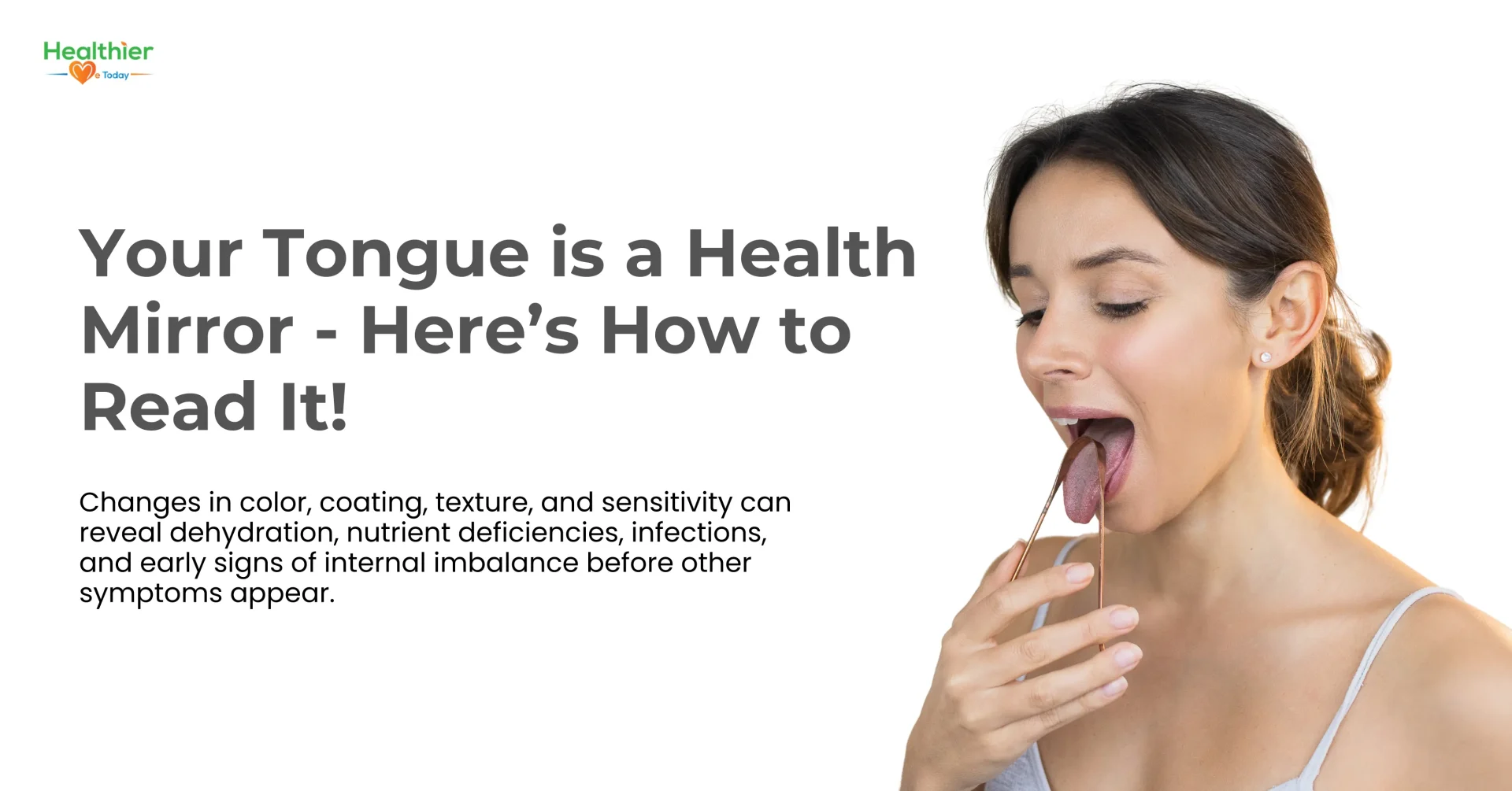
Tongue Health Chart: What Your Tongue Says About Your Health

You probably don’t think much about your tongue unless something feels off. But the truth is, your tongue can reveal more about your health than you might expect. Small changes in color, texture, coating, or sensitivity can sometimes reflect dehydration, nutrient deficiencies, infections, or other health issues happening inside your body.

This guide explains what tongue health means, how to spot healthy vs. unhealthy changes, and how a tongue health chart can help you understand what your body may be telling you.

What Does Tongue Health Mean?

When you think about your overall wellness, you probably don’t think about your tongue first. But tongue health meaning goes beyond just how it looks in the mirror. Unlike most parts of your body, your tongue is something you can check in seconds, which makes it a helpful health indicator. It’s about paying attention to the small daily changes in color, texture, moisture, and comfort that can reflect what’s happening inside your body.

Because your tongue reacts quickly to dehydration, nutrient deficiencies, infections, and even stress, learning to observe it regularly can help you better understand what your tongue says about your health. The key isn’t to panic over every small change, but rather to become aware of patterns that don’t seem normal for you.

What a Healthy Tongue Looks Like

What a Healthy Tongue Looks Like

When you know what a healthy tongue looks like, it becomes much easier to spot when something feels “off.” You don’t need medical training, just a simple habit of checking in the mirror every now and then.

A healthy tongue usually appears:

  • Light pink in color – A soft pink tone usually indicates that your blood flow and overall health are normal.
  • Slightly moist – Your tongue shouldn’t feel dry or sticky. A natural moisture level often reflects proper hydration and saliva production.
  • Covered with tiny, evenly distributed bumps (papillae) – These small bumps are completely normal and help you to taste food. They usually appear smooth and consistent across your tongue, without looking irritated or inflamed.
  • Free from thick coatings, sores, or deep cracks – It’s normal to have a light coating on your tongue, especially in the morning. But if you see a thick buildup that doesn’t go away, painful sores, or deep cracks that cause discomfort, your body may be signaling that something needs attention.

When you look at healthy tongue color and signs, you’re really looking at clues about hydration, nutrition, and how well you’re caring for your mouth overall. The goal isn’t perfection, it’s knowing what’s normal for you so you can quickly notice when something changes.

How to Use a Tongue Health Chart

How to Use a Tongue Health Chart


Using a tongue health chart can help you understand your health, but it is not a substitute for medical advice. It can guide you on when to seek further attention for any concerns.

What Tongue Color Can Reveal

Color is often the first thing you notice when you look at your tongue. Even small shifts can give you clues about hydration, circulation, or possible irritation.

When you look at a tongue color chart and health guide, you get a simple way to compare what you’re seeing with general color patterns linked to different health conditions. You’re not trying to diagnose yourself, you’re just checking whether your tongue still looks normal. If the color seems different and stays that way for a few days, even after drinking enough water and brushing properly, it’s a sign you shouldn’t ignore.

What Tongue Texture and Surface Changes Mean

It is not just about color. How it feels and looks on the surface can tell you just as much! When your tongue looks and feels normal, it should have a gentle, slightly textured surface and feel comfortable in your mouth. If you notice it suddenly feels unusually smooth, develops cracks, appears swollen, or becomes tender when eating certain foods, these changes may indicate a problem.

What Tongue Coating Can Indicate

A light coating on your tongue is normal, especially in the morning. What matters is how thick it is, how long it lasts, and whether it clears with proper oral care.

But if your tongue shows a thick, patchy, or long-lasting coating, it could be a sign that you’re a bit dehydrated, have some bacterial buildup, or need extra mouth care. Sometimes, it can also hint at things like digestion or how your immune system is doing.

What Tongue Pain or Sensitivity May Signal

It’s normal for your tongue to feel a little irritated after eating very spicy foods or drinking hot beverages, and these mild episodes usually aren’t anything to worry about.

However, ongoing burning, soreness, or unexplained discomfort can be a sign that something else is going on. 

Tongue Health Chart (Color and What It May Mean)

Tongue Health Chart (Color and What It May Mean)

Learning the tongue health chart meaning can make it easier to notice when something seems off and decide if you should take action, giving you a simple way to observe changes in your tongue over time and better understand what your body might be trying to tell you about your health. Using a tongue health chart with pictures can help you track these changes and understand what your tongue color may reveal about your overall health.

Pink Tongue

A healthy tongue is usually light pink with a thin, natural coating [my.clevelandclinic.org]. This pink color often indicates that you’re well-hydrated and that your body, including your digestion and circulation, is working as it should. Seeing a pink tongue most of the time is a good sign that your overall health is in balance.

White Tongue

A white tongue can be completely normal, especially in the morning or after eating certain foods. A thin, light coating usually comes from dead cells, food residue, or mild dehydration, and it isn’t something to worry about.

However, if the white layer appears thick or patchy, or doesn’t clear up after a few days, it may be a sign of something else, such as oral thrush, bacterial buildup, or irritation.

Yellow Tongue

A light yellow coating on your tongue can result from simple causes, such as leftover food, dehydration, or normal bacterial buildup [medicalnewstoday.com]. But if the yellow color persists or appears thicker than usual, it could be a sign of something more serious, such as poor oral hygiene, bacterial overgrowth, or digestive issues.

Red or Bright Red Tongue

A red or bright red tongue is hard to miss and is often a sign that your body is asking for a little attention. Sometimes it can happen after eating spicy or acidic foods, and it settles down quickly. But if the redness doesn’t fade, it may be linked to irritation, inflammation, or even low levels of nutrients like B vitamins or iron. If your tongue stays unusually red for a while, it’s worth seeking medical advice.

Purple or Blue Tongue

A purple or blue tongue is unusual and stands out immediately. It can indicate poor circulation or low oxygen levels in your blood. Sometimes it happens when your body feels cold, is stressed, or you’ve been breathing less efficiently.

Black Tongue

A black tongue color can look concerning, but it is usually caused by a harmless condition called “black hairy tongue.” This occurs when dead skin cells, bacteria, or yeast accumulate on your tongue, making it appear dark brown or black [mayoclinic.org]. Poor oral hygiene, smoking, certain antibiotics, and drinking a lot of coffee or tea can all lead to this color change.

Tongue Health Symptoms You Should Not Ignore

Your tongue can reveal a lot about your overall health. While small changes are often harmless, some tongue health symptoms should never be brushed off.

Here are important tongue health issues to watch for:

  • Persistent pain or burning – If your tongue feels sore, tender, or has a burning sensation that lasts more than a few days, it may indicate irritation, infection, or a vitamin deficiency.
  • Sudden color changes – A sudden change to bright red, pale, or dark purple, or to a discoloration, could indicate circulation issues, inflammation, or nutritional imbalances.
  • Ongoing swelling – A swollen tongue or scalloped edges can indicate inflammation, an allergic reaction, dehydration, or an underlying health condition. Swelling that affects speaking or swallowing needs attention.
  • Bleeding or ulcers that don’t heal – Small mouth sores are common, but a healthcare professional should check ulcers, lumps, or bleeding lasting over two weeks.

Recognizing these tongue health symptoms early gives you the chance to respond quickly and take better control of your overall health.

Under Tongue Health Chart

When you check your tongue, remember to look underneath it too. The area under your tongue can show important signs about your circulation, hydration, and overall oral health.

Veins Under the Tongue

It’s completely normal to see veins under your tongue. They often appear blue or purple because the skin in that area is thin. In most cases, visible veins are harmless. However, if the veins suddenly look darker, larger, or feel painful, it may be worth monitoring, especially if you notice other symptoms.

Discoloration or Swelling Under the Tongue

The tissue under your tongue should normally look pink and feel soft. If you notice unusual discoloration, lumps, or swelling, it could signal irritation, infection, blocked salivary glands, or other oral health concerns. Swelling that makes it uncomfortable to speak, eat, or swallow should never be ignored and may require medical attention [my.clevelandclinic.org]. 

What Health Issues Can Show Up on the Tongue

When you notice changes in color, texture, coating, or sensitivity, it could be linked to underlying health issues.

Health issues that can show up on your tongue:

  • Nutrient deficiencies – A lack of essential vitamins and minerals can affect your tongue, making it appear pale, sore, or bumpy. Common deficiencies, such as iron, B12, or folate, can lead to these changes, as these nutrients are vital for keeping your tongue healthy and pink.
  • Dehydration – If your tongue feels dry, sticky, or has a thicker coating than usual, it could be a sign that your body needs more fluids. When you’re dehydrated, your tongue loses its natural moisture, which can make it feel rough or uncomfortable and sometimes even affect your taste.
  • Infections and oral conditions – White patches, redness, or swelling on your tongue may indicate an infection like oral thrush, bacterial buildup, or irritation. These changes suggest your mouth is reacting to bacteria and fungi.
  • Digestive and immune-related issues – If your tongue has a persistent coating, unusual color, or looks inflamed, it could be a sign that your digestion isn’t working quite right or that your immune system is under stress.

Tongue Diagnosis Chart vs Medical Diagnosis

A tongue diagnosis chart can be an easy, practical way to monitor changes in your tongue and notice patterns over time. However, this chart is not a substitute for a medical diagnosis. Only a healthcare professional can tell you what’s really happening and suggest the next steps. Think of the chart as a handy tool to notice when something might need a closer look.

How to Care for Your Tongue Daily (+ Top Products)

How to Care for Your Tongue Daily (+ Top Products)

Taking care of your tongue every day is an important part of maintaining good oral health. Your tongue can trap bacteria, food particles, and dead cells, which can affect your breath, taste, and overall mouth hygiene.

Here’s how you can keep your tongue healthy:

  • Copper Tongue Scraper – Using a tongue scraper daily helps remove buildup that brushing alone can’t reach. A copper tongue scraper is gentle yet effective, leaving your tongue feeling clean and fresh.
  • Alcohol-Free Antiseptic Mouthwash – Rinsing with an alcohol-free mouthwash can help reduce bacteria and inflammation without drying out your mouth [colgate.com]. It’s a gentle way to keep your tongue and gums healthy.
  • Soft-Bristle Toothbrush – When brushing, gently include the surface of your tongue to remove any leftover debris. A soft-bristle brush is ideal to avoid irritation while still cleaning effectively.

Simple daily care, combined with the right tools, can help prevent common tongue issues such as coating, bad breath, and irritation.

Best Apps for Tracking Tongue Health

There are several apps you can use to track your tongue health by taking photos, uploading notes, and monitoring changes over time.

Some useful apps to help you track tongue health include:

  • MyTongueHealth – Allows you to take daily photos, track color, coating, and texture changes, and keep notes about symptoms.
  • OralHealth Tracker – Lets you log tongue observations alongside other oral health info like brushing habits or mouthwash use.
  • Health Journal Apps – While not tongue-related, these apps let you record daily health notes and photos, which can help you see trends over time.

These tools make it easier to notice patterns, improvements, or anything unusual so you can stay on top of your oral wellness.

When to See a Doctor or Dentist

If you notice changes in your tongue that last more than a couple of weeks, get worse, or cause discomfort, it’s a good idea to check in with a health professional [my.clevelandclinic.org]. Getting advice early can help identify any underlying issues and make it easier to take care of your tongue before problems become more serious.

Conclusion: Check Your Tongue Today

Your tongue can reveal a lot about what’s going on inside your body. Using tools like a tongue color chart for diagnosis and by taking care of your tongue each day and watching for any changes, you can keep track of your health and catch potential problems early before they become serious.

Frequently Asked Questions (FAQ)

What are the signs of an unhealthy tongue?

Some common signs that your tongue may not be healthy include unusual colors, thick or patchy coatings, cracks or fissures, swelling, sores, or persistent pain. These changes can signal dehydration, nutrient deficiencies, infections, or other health issues.

What are the warning signs on the tongue?

Watch for warning signs on your tongue, such as sudden color changes (pale, red, or dark), swelling, cracks, or sores that don’t heal. Also, pay attention if your tongue feels unusually sensitive, tender, or painful when you eat or talk.

What health issues can you tell by your tongue?

Your tongue can provide important clues about your health. Changes in its color, texture, or coating may indicate nutrient deficiencies, dehydration, oral infections, or problems with digestion and the immune system.

What color is a sick tongue?

A healthy tongue is usually pink. If your tongue is white or yellow, it might indicate an infection or a digestive problem. A red or bright red tongue can signal inflammation or a lack of nutrients. If your tongue is purple, blue, or black, it could indicate circulation issues or bacterial buildup.

What are three diseases that affect the tongue?

Three diseases that affect the tongue include oral thrush, which appears as creamy white patches and may feel sore or uncomfortable; geographic tongue, where smooth red patches show up and change location like a map; and glossitis, which causes swelling, tenderness, and changes in color.

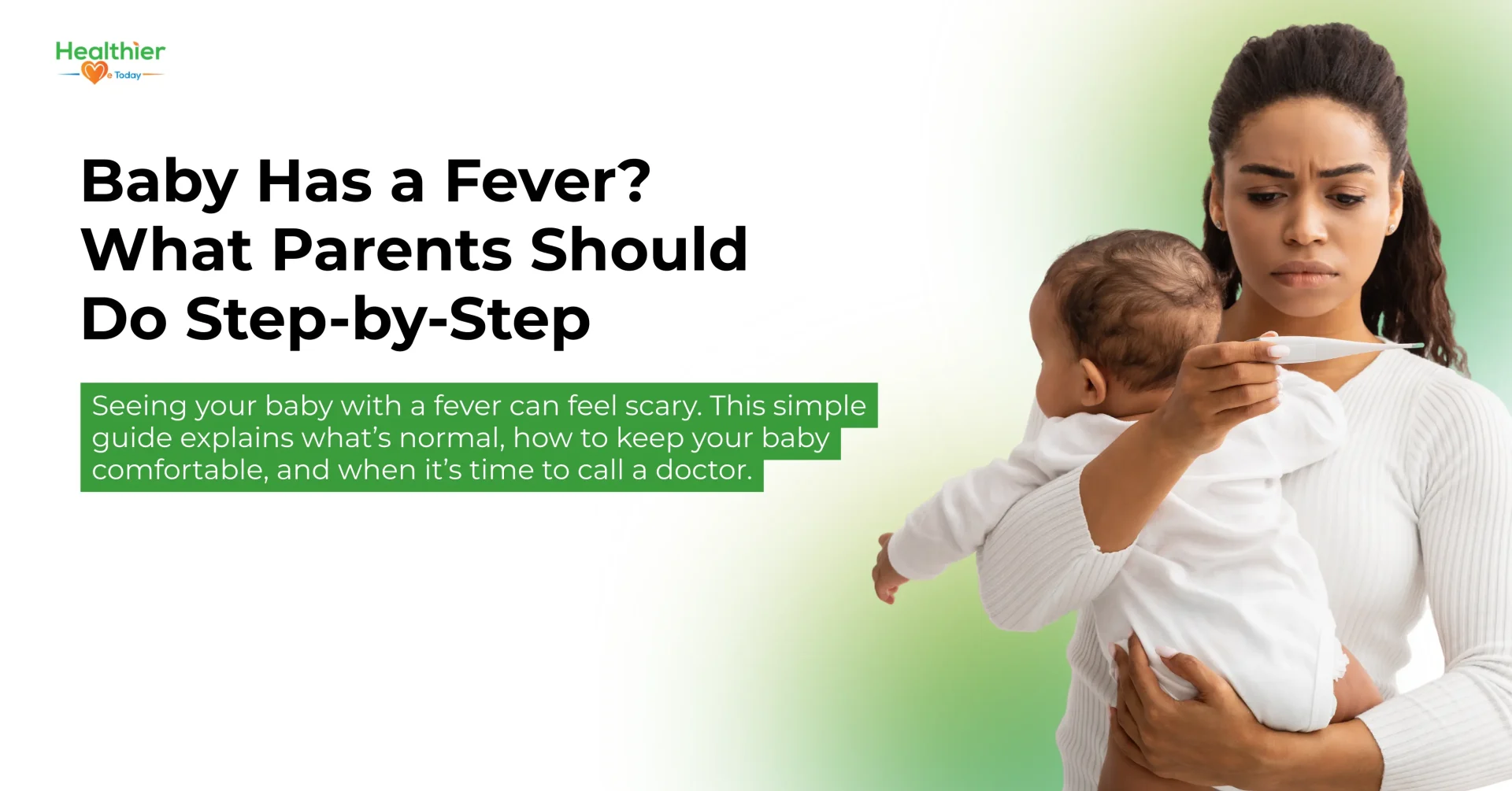
Baby With Fever? Here’s What to Do (Step-by-Step)

Seeing a baby with fever can be scary, especially when you’re not sure what’s normal and what needs urgent attention. Your mind races, you worry about every degree on the thermometer, and you want to know how to help your baby feel better as quickly and safely as possible. When your baby feels warm, unsettled, or uncomfortable, knowing what to do next can make all the difference and help you stay calm in the moment.

This guide walks you through clear, step-by-step actions to take when your baby has a fever, how to keep them comfortable, and when it’s time to contact a healthcare professional.

Take a Breath First

Take a Breath First

Seeing that your baby has a fever can be scary, and it’s completely normal to feel anxious in that moment. Before you rush into action, take a deep breath and pause for a second. Staying calm helps you think more clearly and respond in the best way for your baby. Fevers are very common in babies and often indicate the body is fighting off a mild infection.

When you understand what to do if baby has fever, it becomes easier to focus on the right steps and stay calm rather than panic. Most fevers are your baby’s way of fighting off an infection, and starting with a calm mindset sets the tone for caring for your baby safely and confidently.

New parents often have many questions during those early weeks, and having a checklist of newborn must-haves can make daily care much easier.

Step 1: Check Your Baby’s Temperature Correctly

Before taking any next steps, it’s important to accurately measure your baby’s temperature. A clear baby temperature guide helps you understand what a normal temperature is and when it may signal a fever. Checking your baby’s temperature correctly from the beginning helps you avoid confusion and unnecessary worry.

What Temperature Is Considered a Fever in Babies?

You might be wondering what temperature is fever for baby. Generally, a fever is present when a baby’s rectal temperature reaches 38°C (100.4°F) or higher. Measurements taken under the arm or on the forehead can be a bit lower and less accurate, so these methods are best for a quick check rather than a definitive reading.

Best Thermometer to Use by Age

The right thermometer for your baby depends on their age and comfort. For newborns and babies under 3 months old, a digital rectal thermometer provides the most accurate reading. For babies over 3 months, you can use a digital thermometer under the arm or on the forehead.

However, these may not be as accurate. Ear thermometers work well for babies over 6 months, since younger infants’ ear canals are too small for reliable readings.

How to Take a Baby’s Temperature Safely

To take your baby’s temperature safely, keep them calm and comfortable. Remove any clothing that might get in the way. Always clean the thermometer before and after use, and follow the instructions carefully. Never leave your baby alone while you take their temperature. 

If the reading seems off, wait a few minutes and check again. Write down your baby’s temperature and the time to help you watch for patterns and provide useful information if you need to contact your healthcare provider.

Step 2: Look at Your Baby & Not Just the Number

When your baby has a fever, the thermometer reading is only part of the story. How your baby looks, acts, and behaves can give you important clues about what’s going on.

Baby Fever Symptoms to Watch For

When your baby has a fever, paying attention to how they act can tell you a lot about their condition.

Baby fever symptoms to watch for include:

  • Unusual fussiness or crying – your baby may be more irritable than normal.
  • Shivering or feeling cold – sometimes a fever can make them feel chilly.
  • Sleepiness or difficulty waking – they might be more tired than usual or hard to rouse.
  • Poor feeding or refusal to eat – a baby with a fever may not want milk or solid foods.
  • Rapid breathing or a fast heartbeat – these can indicate your baby is working harder to fight the fever.
  • Pulling at ears or other body parts – may signal discomfort or pain.

Watching for these symptoms gives you a clear picture of how your baby is handling the fever and helps you decide whether home care is enough or if you need to call your healthcare provider.

Baby Fever Without Other Symptoms

Sometimes your baby may have a fever but still act like their usual self. They might smile, play, and feed normally, with no clear signs of anything wrong [babycenter.com]. This can happen when your baby’s body is fighting a mild condition, such as a small infection or teething. Even when there are no other symptoms, it’s still important to watch your baby closely. Keep them comfortable, offer feeds often, and check their temperature from time to time so you can respond quickly if anything changes.

Signs Baby Fever Is Serious

Sometimes a fever can be a sign that your baby needs medical attention. A baby’s fever may be serious if the temperature stays very high, your baby struggles to breathe, seems extremely tired or difficult to wake, keeps vomiting, or develops a rash. You may also notice weak crying or that your baby doesn’t want to feed at all. If any of these signs appear, contact your healthcare provider as soon as possible. Acting early helps ensure your baby gets the care they need without delay.

Step 3: Comfort and Care at Home

After checking your baby’s temperature and observing their behavior, it’s important to focus on comfort and gentle care. Gentle care at home can help soothe your baby, ease discomfort, and give their body time to recover. While doing this, it’s still important to keep an eye on any changes so you know when extra help might be needed.

How to Reduce Baby Fever Safely

To safely reduce a baby’s fever, focus on comfort rather than trying to bring the temperature down too quickly. Dress your baby in lightweight clothing, keep the room comfortably cool, and offer feeds often to prevent dehydration [blueberrypediatrics.com]. Let your baby rest as much as they need, and avoid over-bundling, which can trap heat and raise their temperature further.

Parents often ask whether a bath can help comfort a sick baby, which is why understanding how often to bathe a newborn can be helpful during illness and everyday care.

Baby Fever Home Care Tips

Good baby fever home care starts with close observation and gentle support. Make sure your baby stays hydrated with breastmilk, formula, or fluids appropriate for their age. Keep routines calm and quiet, offer extra cuddles, and check their temperature regularly. These small steps help your baby feel secure while you monitor whether the fever is improving or needs medical attention.

If your baby isn’t feeding as well during illness, learning how to produce more breast milk may help support hydration and nutrition during recovery.

Safe Fever Medicine for Babies (When Appropriate)

In some situations, your healthcare provider may suggest medication if your baby is very uncomfortable or in pain. It’s important to always follow the correct dose based on your baby’s age and weight, and never give any medicine without proper advice. Medication is meant to help your baby feel better, not to replace close monitoring of their symptoms or behavior.

What NOT to Do If Baby Has a Fever

Avoid common mistakes that can make a fever worse or delay proper care. Do not give cold baths, alcohol rubs, or adult medications. Never ignore baby fever warning signs, such as difficulty breathing, extreme sleepiness, or a fever that doesn’t improve. Trust your instincts; if something doesn’t feel right, it’s always better to seek medical advice.

Step 4: Monitor and Reassess

Once your baby is resting and more comfortable, the next step is to keep watching how things change over time. Fevers can shift quickly in babies [childrenshospital.org], so checking in regularly helps you know whether your baby is improving or if extra care may be needed.

How Long Fever Lasts in Babies

In many cases, a fever in babies lasts a few days and slowly improves as their body fights off the illness. You may notice the temperature rising and falling during this time, which is normal. What matters most is how your baby is acting overall. If the fever lasts longer than expected or doesn’t seem to ease, it’s a good idea to speak with your healthcare provider.

When Fever Is Improving

Signs that a fever is improving often show in your baby’s behavior before the temperature fully returns to normal. Your baby may start feeding better, sleeping more comfortably, or becoming more alert and playful. Even if the fever hasn’t completely gone away, these changes usually mean their body is recovering and responding well to care.

When Symptoms Are Getting Worse

If your baby’s fever keeps climbing or they start acting very different from normal, it could mean they’re not getting better. You might notice more crying than usual, trouble breathing, poor feeding, or that your baby seems very tired and hard to wake. When things don’t improve or start to feel more worrying, it’s best to trust your instincts and contact a healthcare provider so your baby can be checked.

When Baby Fever Is Dangerous

While many fevers are mild, there are times when a baby’s fever needs urgent attention. Knowing when a fever may be serious helps you act quickly and feel more confident about when to seek medical help.

Fever in Newborn Baby (Under 3 Months)

If your newborn is under 3 months old and has a fever, it’s important to take it seriously. At this age, a fever can be a sign of an infection that needs medical care, even if your baby seems calm or is feeding normally [mayoclinic.org]. You should contact a healthcare provider right away so your baby can be checked and treated if needed.

When to Call the Doctor for Baby Fever

You should call the doctor if your baby’s fever lasts more than a day, keeps coming back, or if your baby seems unwell. This includes poor feeding, ongoing crying, trouble sleeping, or if your baby doesn’t seem like themselves. Getting advice early can help prevent problems and give you peace of mind.

Emergency Warning Signs

Some symptoms mean you should seek medical help immediately. These include trouble breathing, a stiff neck, seizures, a rash that spreads quickly, or if your baby is very difficult to wake. Trust your instincts; if something feels wrong, it’s always safer to get emergency care right away.

What Causes Baby Fever?

What Causes Baby Fever

A fever is usually a sign that your baby’s body is working hard to protect itself. When your baby’s immune system detects something unusual, such as a virus or infection, it raises the body temperature to help fight it off.  

Here are a few common causes of baby fever:

  • Infections – Viral or bacterial infections are the most common cause, such as colds, flu, or ear infections.
  • Teething – Some babies may develop a mild fever, though it is usually low-grade.
  • Immunizations – Fevers can occur after routine vaccinations as the immune system builds protection [chop.edu]. 
  • Overheating – Being dressed too warmly or staying in a hot environment can raise a baby’s temperature.
  • Minor illnesses – Small infections or stomach bugs can sometimes cause a temporary fever.

Most fevers are mild and short-lived, but keeping track of the cause can help you decide when home care is enough and when medical advice is needed.

Tips to Care for a Sick Baby at Home

Tips to Care for a Sick Baby at Home

Caring for a sick baby at home is mostly about comfort, patience, and close attention. Small, gentle actions can help your baby feel more at ease while their body recovers.

Here are some useful tools and tips that many parents find helpful during this time:

  • Infant forehead thermometer (no-touch) – It’s easy to check your baby’s temperature without waking them, especially during sleep. It’s quick, gentle, and stress-free to monitor.
  • Warm-mist humidifier – Adding moisture to the air can soothe your baby’s congestion, coughing, and dry nasal passages, making breathing easier, especially at night.
  • Infant electrolyte solution – If your baby isn’t feeding well or has a fever, this can help keep them hydrated and replace fluids, especially if advised by your healthcare provider.
  • Electric baby nasal aspirator – It gently clears mucus from your baby’s nose, helping them breathe, feed, and sleep better.

Along with these tools, offering plenty of cuddles, keeping routines calm, and watching for any changes can go a long way in helping your baby feel safe and supported at home.

While caring for a sick baby, it’s also important to watch for skin irritation, especially diaper rash, which can make babies more uncomfortable.

Conclusion: A Calm and Confident Approach for Parents

Seeing your baby with a fever can be overwhelming, but having the right information helps you respond confidently. Trust your instincts. Stay calm and focus on your baby’s needs. Trust your instincts. Stay calm and focus on your baby’s needs. With a calm approach and lots of gentle care, you can feel more at ease while caring for sick baby at home, helping them feel safe, comforted, and supported as they recover.

Frequently Asked Questions (FAQ)

How do I bring my baby’s fever down?

To help lower your baby’s fever, keep them comfortable with light clothing, offer fluids or breastmilk, and ensure the room isn’t too warm. Let your baby rest and only give medication if advised by a healthcare provider.

When to worry about a baby with a fever?

If your baby is under 3 months old or has a very high temperature, you should be concerned. Also watch for signs like trouble breathing, persistent vomiting, unusual sleepiness, or if they seem very uncomfortable. If any of these happen, or the fever lasts longer than a couple of days, contact your healthcare provider right away.

What is the fastest way to cure a fever?

There isn’t a quick cure for a fever, as it’s part of the body’s natural response to illness. Focus on keeping your baby comfortable with rest, fluids, and comfort rather than just lowering the fever.

What causes baby fever?

Infections, such as colds and viruses, are the most common cause of fever in babies. It can also happen after vaccinations, during mild illnesses, or if a baby becomes overheated. In most cases, a fever is the body’s way of fighting off something.

What not to do if baby has a fever?

Don’t dress your baby too warmly, and avoid giving them a cold bath to lower their temperature. Don’t take any medication without proper advice, and pay attention to warning signs that worry you. If you have any doubts, it’s better to ask a healthcare professional for help.