

How Hypnotherapy May Help With Stress, Anxiety, and More

If you’ve been feeling overwhelmed, stuck in anxious thought loops, or mentally drained, no matter how much you rest, you’re not alone. Stress has a way of creeping into every part of your life, your sleep, your focus, and even your relationships. You may have tried breathing exercises, journaling, or even therapy, but still feel like something deeper needs attention. That’s where many people start exploring the benefits of hypnotherapy as a supportive mind-body approach.

In this guide, you’ll learn how hypnotherapy can help with stress, anxiety, and other emotional and physical challenges.

What Is Hypnotherapy?

Hypnotherapy is a guided technique that helps you enter a deeply relaxed, focused state so you can work through thoughts, emotions, or patterns that may be holding you back. You’re not asleep, and you’re not out of control. You’re calmer and more mentally open.

In that relaxed state, it becomes easier for you to shift negative thought patterns, reduce stress, and build healthier responses. Many people use it to support stress relief, anxiety management, better sleep, and confidence, making it a practical mind-body approach rather than something mysterious.

How Hypnotherapy Works

Understanding hypnotherapy treatment benefits starts with knowing how the process guides you into a relaxed, focused state. During a session, your hypnotherapist will use calming techniques, like soft guidance, breathing exercises, and focused visualization, to help you enter this state. You stay fully aware, but your mind becomes more open to suggestions that encourage positive changes in your thinking or behavior. Being in this relaxed state makes it easier to catch those negative thoughts and turn them around slowly. It helps you feel calmer, sleep a bit better, and handle life’s ups and downs without feeling so weighed down.

Benefits of Hypnotherapy

Benefits of Hypnotherapy

The hypnotherapy benefits go beyond just relaxation, helping you handle stress, sleep better, and feel more in control of your thoughts and emotions. Let’s take a look at how it can positively impact different areas of your life.

  • Emotional

Hypnotherapy can help you get a clearer sense of your emotions and how they affect you. It is easier to notice and process feelings like frustration or sadness without letting them take over. Over time, it can help you feel steadier, in control, and emotionally grounded in your day-to-day life.

  • Intellectual

Hypnotherapy can help your brain feel less cluttered, making it easier to think clearly and stay focused. Problem-solving, remembering details, or staying on top of tasks feels simpler. It can give your mind a bit of a “reset,” helping you feel sharper, more alert, and confident in handling everyday challenges.

  • Social

Hypnotherapy can improve your social life by helping you feel calmer and more confident around others. When anxiety and self-doubt decrease, it becomes easier to start conversations, express yourself naturally, and feel comfortable in group settings. This can lead to more genuine connections and stronger relationships.

  • Physical

Hypnotherapy isn’t just about your mind; it can have real effects on your body, too. When you’re calmer and more relaxed, your muscles loosen up, tension eases, and you may notice fewer headaches or aches. You might even feel more energized and comfortable in your body, making everyday activities feel a bit easier.

  • Stress and Anxiety

Hypnotherapy for stress and anxiety helps you hit the “pause button” on your mind and body. It teaches you to notice anxious thoughts early and respond in a calmer, more controlled way. Over time, you may find stressful situations feel less overwhelming, leaving you with more peace of mind and a greater sense of control in your daily life.

  • Depression

Hypnotherapy for depression can help you shift negative thinking patterns and bring a more positive perspective. It offers practical ways to feel lighter, more hopeful, and more motivated in your daily life. While it’s not a substitute for medical care, it can be a helpful tool to support your emotional well-being and give you a mental boost.

  • Sleep Problems

Hypnotherapy for sleep problems helps you calm your mind and release tension in your body, which can stop racing thoughts from keeping you awake. It makes falling asleep feel easier and helps you stay asleep longer. You’ll notice that you wake up feeling more refreshed and energized, and ready to tackle the day.

If you’d like to know if you should sleep naked, read this article!

  • Pain Management

Hypnotherapy for pain management helps you feel more in control when dealing with discomfort [med.stanford.edu]. Calming your mind and relaxing your body can make aches and tension feel less intense. You may find it easier to move around, focus on daily tasks, and feel less distracted by pain.

  • Habit Change

Hypnotherapy helps you gently change old habits and build healthier routines by training your mind to respond differently to triggers. Whether it’s eating better, exercising, or reducing hard-to-break negative behaviors, you start to notice patterns in your thinking and behavior. You can replace them with choices that support your goals, all without feeling forced or overwhelmed.

Risks of Hypnotherapy

Hypnotherapy is generally safe for most people, but it’s not completely without risks. Some people may notice mild hypnotherapy side effects that often go away on their own, and are generally nothing to be concerned about.

Here are a few side effects of hypnotherapy:

  • Feeling dizzy or lightheaded – You may feel a little dizzy after a session, especially if you stand up quickly [my.clevelandclinic.org]. 
  • Mild headaches – Some people get headaches as their minds and bodies adjust to a relaxed state.
  • Experiencing strong emotions – Sometimes hypnotherapy can stir up emotions you didn’t realize were there, like sadness or anxiety.
  • Vivid memories or thoughts – Sometimes, old memories come up during or after a session.

Now that you know what side effects might happen, you’ll know what to watch for, but there’s no need to be concerned; it’s all a normal part of the process.

How Effective is Hypnotherapy?

Research shows that hypnotherapy for mental health can be a helpful option for people dealing with stress, anxiety, and emotional pressure [pmc.ncbi.nlm.nih.gov]. During a session, the mind enters a calm, focused state, making it easier to reflect on thoughts and reactions that may otherwise feel automatic or overwhelming. In that relaxed state, people can begin to shift unhelpful thinking patterns and build healthier ways of responding to stress.

Some people notice changes after only a few sessions, while for others it takes a bit more time. Many say they start feeling calmer, sleep better, and handle everyday situations with less tension. Hypnotherapy can also support habit changes and confidence by helping people become more aware of the patterns that influence their behavior.

Hypnotherapy vs Psychotherapy

Hypnotherapy vs Psychotherapy

With psychotherapy (often called talk therapy), you sit down and talk through your thoughts, feelings, past experiences, and patterns [apa.org]. Over time, you begin to understand why you react the way you do, what triggers certain emotions, and how to manage them in a healthier way.

Hypnotherapy works a little differently. Instead of mainly talking things through, you’re guided into a calm, focused state where your mind becomes more open to positive suggestions and change. This can be especially helpful if you want to work on specific issues like habits, stress, fears, or confidence blocks.

Many people choose to combine hypnotherapy and psychotherapy to get the benefits of deeper understanding and faster change.

Can Hypnotherapy Help With Quitting Smoking?

If you’ve tried to quit smoking before, you know how difficult it can be. Hypnotherapy can be a helpful tool if you’re trying to quit smoking [webmd.com]. Hypnotherapy can help by guiding you into a relaxed, focused state, making it easier to rethink your relationship with cigarettes and manage cravings. You learn to replace old habits with healthier routines and reinforce positive choices, which can make quitting feel more achievable.

Which Hypnotherapy Apps Have the Highest User Ratings for Stress Reduction?

You don’t always need to see someone in person to benefit from hypnotherapy. You can use highly rated apps that offer guided relaxation and self-hypnosis on your phone [verywellmind.com]. Apps like Reveri, Harmony Self Hypnosis, Ultimate Hypnosis & Meditation, and HypnoBox use hypnotherapy techniques to reduce stress, calm anxiety, and improve focus. Each app has a different style, from AI-guided sessions to customizable modules.

Tools That May Support Relaxation During Hypnotherapy

Lifestyle Changes & Home Remedies

Using the right tools can make your hypnotherapy sessions feel even more relaxing and effective, helping you stay focused and get the most out of each session.

White Noise Machine

A white noise machine creates a calming background sound that helps to eliminate distractions. This helps you relax and maintain focus during hypnotherapy or meditation sessions.

Meditation Eye Mask

A meditation eye mask helps block out light and signals your brain that it’s time to relax. Using one can help you achieve a calm, focused state during hypnotherapy and remain fully present throughout your session.

End Your Suffering Guide

This guide helps you manage stress, anxiety, and emotional difficulties. It includes practical exercises, tips, and strategies for daily use. Using this guide with your hypnotherapy sessions can provide extra support and help you feel more in control of your mental well-being.

What to Expect During a Hypnotherapy Session

During a hypnotherapy session, you’ll usually start by chatting with your therapist about what you want to work on and any worries you might have. Then they’ll help you enter a calm, relaxed state using techniques such as deep breathing, gentle guidance, or visualizations.

Even though you’ll feel deeply relaxed, you’re fully aware and in control the whole time. It’s not about losing control; it’s about helping your mind focus so you can make positive changes more easily.

Conclusion: Supporting Your Mind and Emotional Balance

Exploring new ways to support your mental and emotional well-being can sometimes open the door to positive change. Hypnotherapy offers a calm, guided way to slow down, become more aware of your thoughts, and learn healthier ways to respond to everyday challenges.

While it may not replace professional medical or psychological care, many people use it as an additional tool to support personal growth and emotional balance. With the right guidance and a willingness to engage in the process, hypnotherapy can become part of a broader journey toward feeling calmer, more focused, and in control.

Frequently Asked Questions

What problems can hypnotherapy treat?

Hypnotherapy can help with a variety of issues, especially those linked to your mind and habits. It’s often used for stress and anxiety, sleep problems, managing pain, breaking bad habits, boosting confidence, and easing fears. By working with your subconscious mind, hypnotherapy helps you make lasting changes and tackle challenges in a way that feels natural.

Is hypnotherapy really effective?

When it comes to hypnotherapy effectiveness, many people notice real benefits, especially for managing stress, anxiety, and improving focus. How well it works depends on what you’re hoping to achieve and how your mind responds to hypnosis, but consistent sessions often help you feel calmer, more in control, and better able to handle daily-life challenges.

What is the success rate of hypnotherapy?

The success of hypnotherapy varies depending on the issue and your willingness to try it. Studies show success rates of 60% to 80%. It works best when paired with healthy habits or other treatments.

What happens to the brain during hypnotherapy?

During hypnotherapy, your brain relaxes and quiets down, helping you focus without feeling stressed or distracted. In this calm state, it’s easier for you to notice your thoughts and emotions, and even gently shift habits or reactions that might be holding you back.

Who is not suitable for hypnotherapy?

Hypnotherapy is generally safe, but it might not be right for everyone. People with certain mental health conditions, like severe psychosis or uncontrolled epilepsy, should avoid it unless cleared by a healthcare professional.
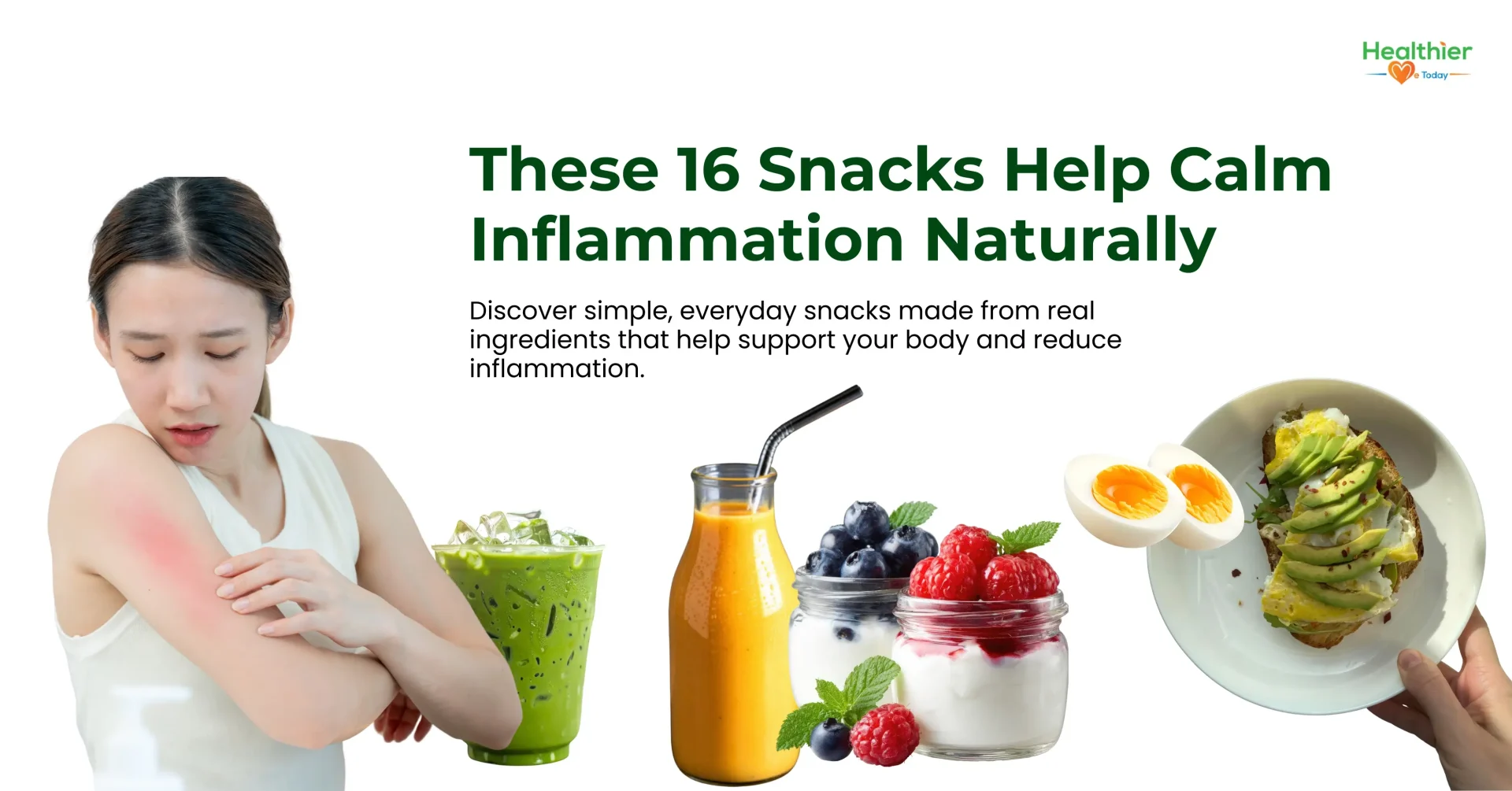
16 Best Anti-Inflammatory Snacks to Reduce Inflammation Naturally

If you often feel tired, bloated, or deal with ongoing aches and discomfort, inflammation might be playing a role. Your body uses inflammation as a natural defense to protect itself, but when it sticks around for too long, it can start affecting how you feel day to day.

One simple way you can support your body is by choosing the right foods between meals. The right snacks can help nourish your body and keep inflammation levels under control.

In this guide, you’ll discover 16 anti-inflammatory snacks that may help reduce inflammation naturally, along with simple tips to help you choose smarter snacks throughout the day.

What Are Anti-Inflammatory Snacks?

Anti-inflammatory snacks are foods that contain ingredients known to help calm inflammation in the body.

Healthy anti-inflammatory snacks are made with whole ingredients like fruits, vegetables, nuts, seeds, yogurt, and whole grains. These foods are naturally rich in nutrients, helping nourish your body and support overall health. When you choose snacks made with these ingredients, you’re giving your body something that fuels it rather than weighing it down.

Many people enjoy exploring different anti-inflammatory snack ideas because they are simple, nutritious, and easy to prepare.

16 Anti-Inflammatory Snacks That May Help Reduce Inflammation

What Does It Mean to Connect to Inner Power

Choosing snacks that reduce inflammation means looking for foods that are rich in natural nutrients, healthy fats, fiber, and antioxidants. Below, you’ll find 16 easy snack ideas that can help support your body while also keeping you full and energized throughout the day.

1. Apple Slices With Almond or Peanut Butter

When you eat apples with almond or peanut butter, you get a good mix of nutrients that your body needs. Apples are rich in fiber, especially a type called pectin, which helps digestion and keeps your gut healthy. A healthy gut plays a big role in keeping inflammation under control.

The nut butter adds healthy fats and protein, which help keep your blood sugar stable and slow the absorption of sugar. Your body is less likely to have inflammatory responses when your blood sugar is more stable.

2. Greek Yogurt With Berries

Greek yogurt is full of probiotics, which are the “good bacteria” that your gut needs to work properly. One of the best ways to reduce inflammation is to support your digestion, since a lot of it starts in the gut.

Blueberries, strawberries, and raspberries are all berries that are full of antioxidants.

These compounds help your body fight oxidative stress, which is one of the main causes of inflammation. This snack is one of the best anti-inflammatory snacks you can eat because it helps both your gut and your cells.

3. Hummus With Fresh Vegetables

Chickpeas, olive oil, and sometimes garlic are all known to have anti-inflammatory properties, which is what hummus is made of. Chickpeas are high in fiber and plant-based protein, both of which are good for your digestion and help keep your energy levels stable.

Adding fresh vegetables to hummus adds even more vitamins, minerals, and antioxidants to your snack. Carrots, cucumbers, and peppers are all vegetables that can help your body fight inflammation naturally. They also keep you hydrated and full.

4. Avocado Toast on Whole Grain Bread

Avocados are high in monounsaturated fats, which are good for your heart and help reduce inflammation in the body. They also contain antioxidants that help protect your cells from damage.

Whole-grain bread adds fiber, which supports digestion and helps stabilize blood sugar levels. Your body is less stressed when your digestion and blood sugar are stable. This helps keep inflammation levels lower.

5. Mixed Nuts and Seeds

One of the easiest ways to get anti-inflammatory nutrients into your body is through nuts and seeds. They are rich in healthy fats, especially omega-3 fatty acids, which help lower inflammation in the body.

They also have important minerals like magnesium, which helps calm the nervous system and lower inflammation caused by stress. A small handful can help your body while keeping you full and energized.

6. Dark Chocolate With Nuts

Dark chocolate, especially high-cocoa-content varieties, contains powerful antioxidants called flavonoids. These help reduce inflammation by protecting your cells from oxidative stress.

Adding nuts to it provides healthy fats and protein, which help keep your blood sugar stable and prevent it from rising. This makes it a healthy snack that feels like a treat and is good for you.

7. Turmeric-Spiced Roasted Chickpeas

One of the best-known natural spices for fighting inflammation is turmeric. Curcumin, the active ingredient, helps lower inflammation at a deeper level in the body.

When you roast chickpeas with turmeric, you get a crunchy, nourishing snack. The chickpeas’ fiber and protein help with digestion, and the turmeric helps to calm inflammation all over your body.

8. Cottage Cheese With Pineapple or Berries

Cottage cheese is high in protein, which helps support your body’s repair and recovery processes [health.clevelandclinic.org]. It also helps keep you full, preventing overeating and blood sugar spikes.

Adding berries or pineapple gives you natural antioxidants and enzymes. For example, bromelain in pineapple supports digestion and reduces inflammation.

9. Chia Seed Pudding

Chia seeds are rich in omega-3 fatty acids, which are known to help reduce inflammation. They are also high in fiber, which supports your gut health.

When you soak chia seeds and turn them into pudding, they become easier to digest and more filling. This snack helps keep your digestion regular while also supporting your body on a deeper level.

10. Smoothies With Anti-Inflammatory Ingredients

Smoothies are a simple way to combine many anti-inflammatory ingredients into one snack. Berries, leafy greens, ginger, and turmeric are just a few of the things that help your body.

These foods are rich in antioxidants and nutrients that help fight inflammation in several ways. Drinking a smoothie every day is an easy way to give your body consistent support without much effort.

You can also use smoothies to lose weight, according to experts [goodrx.com]. 

11. Oatmeal Energy Bites

Energy bites made with oats, nut butter, and seeds are convenient and quick anti inflammatory snacks you can prepare in advance. Oats are high in a type of fiber called beta-glucan, a type of fiber that is good for your heart and helps keep inflammation in check. They also help keep your blood sugar stable throughout the day.

12. Guacamole With Vegetable Sticks

Avocado guacamole is full of healthy fats that help your body and reduce inflammation. It also contains potassium and antioxidants, which are good for your health.

When you eat it with vegetable sticks instead of chips, you get more fiber and nutrients without adding unhealthy fats. This keeps the snack healthy, simple, and effective for your health.

13. Hard-Boiled Eggs With Avocado

Eggs are a great source of protein and other nutrients your body needs to repair and stay healthy. They also help you stay full and stop you from snacking when you don’t need to.

Adding avocado provides healthy fats that support heart health and help lower inflammation. Together, they create a balanced snack that keeps your energy steady and supports your body.

14. Green Tea With Nuts or Fruit

Green tea is rich in antioxidants, especially catechins, which help reduce inflammation and protect your cells. Drinking it regularly helps your body over time.

You can add nuts or fruit to it to make it more filling and nutritious. This mix is great when you want something light but still good for you.

15. Kale Chips

Kale is one of the leafy greens with the highest nutrient content. It contains many vitamins, antioxidants, and other compounds that can help reduce inflammation throughout the body.

You can still get the health benefits of kale by turning it into chips. It’s a great way to get rid of unhealthy snacks with something that actually supports your health.

16. Fresh Fruit With Yogurt

Fresh fruit has natural sugars, fiber, and antioxidants that are good for your body. Yogurt contains protein and probiotics, which are good for your gut health.

This combination works from the inside out because gut health and inflammation are closely linked. This snack is easy to make and helps your body stay balanced and supported throughout the day.

Quick Anti-Inflammatory Snacks You Can Make at Home

Quick Anti-Inflammatory Snacks You Can Make at Home

Sometimes you’re busy, tired, or just not in the mood to prepare something, and that’s completely normal. That’s where having a few quick anti inflammatory snacks at home really helps.

Here are a few go-to ingredients and tools that can make preparing easy anti inflammatory snacks even simpler:

  • Chia seeds: Stir chia seeds into yogurt or a smoothie for a quick, no-prep snack. It instantly adds fiber and omega-3s, which help support digestion and reduce inflammation, while also keeping you full for longer.
  • Raw unsalted mixed nuts: Keeping a mix of nuts on hand makes snacking simple and convenient. Whenever you need a quick bite, you have a healthy option ready. Nuts are packed with healthy fats, a bit of protein, and nutrients your body actually needs.
  • Avocado slicer kitchen tool: Having a simple tool for quickly cutting and preparing avocados makes snacking much easier. You are more likely to choose healthy options if they are easy to get to. Avocados are rich in healthy fats and nutrients that help reduce inflammation.

At the end of the day, it’s not about making things perfect. It’s about making things easier for yourself! 

Tips for Choosing Healthy Anti-Inflammatory Snacks

When you’re picking snacks, it’s best to focus on whole, minimally processed foods. Look for foods that are high in fiber, healthy fats, and antioxidants. They give your body what it needs without adding extra calories.

Here are a few ways to make healthy snacking easier:

  • Keep a variety on hand: Nuts, seeds, fruits, vegetables, and whole grains are all great options. You can even make your own anti-inflammatory snacks list to have ready when you need inspiration.
  • Plan for work or busy days: Preparing anti-inflammatory snacks for work means you’re less likely to reach for vending machine treats or fast food. Pack small portions of nuts, cut veggies, or yogurt cups so healthy snacks are always within reach.
  • Start simple if you’re new: You don’t need to make complicated recipes right away. Try easy options first, then experiment with different anti inflammatory snack recipes until you find your favorites.
  • Think about fullness and satisfaction: Snacks that are high in fiber or healthy fats help you feel full longer, which can also support weight management and reduce cravings [healthline.com]. 

By keeping things simple, convenient, and tasty, you’re more likely to stick with healthy snacking habits over time.

Foods That May Increase Inflammation

Foods That May Increase Inflammation

Not all foods are the same when it comes to inflammation. Some can actually help your body feel better, while others can worsen inflammation. Eating a lot of processed foods, sugary drinks, refined carbs, and fried foods can trigger inflammation [health.clevelandclinic.org]. 

Try to cut back on foods loaded with added sugar, refined flour, or artificial ingredients. Eating whole, minimally processed foods like fruits, vegetables, whole grains, and healthy fats can improve how you feel and boost your energy.

Conclusion: It Really is that Easy

Taking care of your body doesn’t have to feel complicated or overwhelming. Often, it comes down to the small choices you make every day, like what you reach for when you need a snack. You will start to feel better when you choose foods that nourish your body rather than fill a gap. You’ll begin to notice the difference in how you feel, your energy becomes more stable, your digestion feels better, and your body feels more supported overall.

The key is to keep things simple and realistic. You can make habits that are easier to stick to by slowly adding more anti-inflammatory snacks to your diet and paying attention to what works for your body.

For a more detailed list and an anti-inflammatory diet (other than snacks), our guide has it all!

Frequently Asked Questions

What’s the best anti-inflammatory snack?

The best snack often includes a mix of healthy fats, fiber, and antioxidants. Options like Greek yogurt with berries, nuts, or avocado toast are excellent choices.

What are 5 signs your body has inflammation?

Common signs may include fatigue, joint discomfort, digestive issues, frequent headaches, and skin problems. If symptoms persist, it’s best to speak with a healthcare professional.

What not to eat to stop inflammation?

Try to limit processed foods, sugary drinks, refined carbohydrates, fried foods, and excessive alcohol, as these may increase inflammation.

How to flush inflammation out of your body?

Supporting your body with healthy foods, regular physical activity, hydration, quality sleep, and stress management can help reduce inflammation over time.

What drink gets rid of inflammation?

Drinks like green tea, turmeric tea, ginger tea, and smoothies made with berries or leafy greens are often recommended because they contain antioxidants and anti-inflammatory compounds.

10 Daily Wellness Habits That Improve Your Health & Life Instantly

Taking care of your health doesn’t have to involve complicated routines or drastic lifestyle changes. Often, the small things you do every day have the biggest impact. Simple daily wellness habits can help you feel more energized, improve your mood, and support both your physical and mental health over time.

This guide shares 10 daily wellness habits to improve your health, boost your energy, and support a happier, more balanced life.

Why Daily Wellness Habits Matter

The small choices you make every day play a bigger role in your health than you might think. Daily wellness habits help create consistency in your routine, which makes it easier for your body and mind to function at their best. When you focus on building healthy daily habits, like drinking enough water, moving your body, and getting proper rest, you support your energy levels, mood, and overall well-being.

Symptoms of Daily Wellness Habits

Over time, these small actions add up. Even simple wellness habits practiced consistently can help reduce stress, improve focus, and support long-term health. Instead of relying on big changes that are hard to maintain, daily habits provide a steady foundation for a healthier, more balanced life.

10 Daily Wellness Habits for a Healthier Life

Focusing on your well-being doesn’t have to feel overwhelming. By introducing small, consistent wellness habits into your daily routine, you can gradually improve your energy, mood, and overall health. These simple changes help support both your mind and body, making it easier to handle everyday challenges and feel more balanced in your life.

1. Start Your Day With a Simple Morning Wellness Routine

How you start your morning can influence the rest of your day. A morning wellness routine for better health doesn’t have to be long or complicated. It can be something simple, like stretching for a few minutes, taking a short walk, or doing a few deep-breathing exercises.

Even small habits like drinking a glass of water when you wake up or taking a quiet moment to set a positive intention for the day can help you feel calmer and more focused. Giving yourself this time in the morning lets you start the day feeling more in control, not rushed.

2. Stay Hydrated Throughout the Day

Drinking enough water during the day is one of the simplest ways to support your health. Your body needs water to function properly, from helping with digestion to keeping your energy levels up.

A good habit is to keep a water bottle with you and take small sips throughout the day instead of drinking large amounts at once. This makes it easier to stay hydrated without even thinking about it.

When your body gets enough water, it can help you concentrate better, reduce headaches, and keep you feeling more energized. Staying hydrated is a small daily habit that can make a big difference in how you feel both physically and mentally.

3. Move Your Body Daily

Moving your body every day is an easy way to stay healthy. You don’t need to spend hours at the gym or follow a strict workout plan. Simple activities, like taking a short walk, stretching in the morning, or using the stairs instead of the elevator, can help keep you active.

Regular movement helps your blood flow better, keeps your joints from feeling stiff, and supports muscle strength. It can also improve your mood, because physical activity helps release hormones that make you feel more positive and focused during the day.

4. Eat Balanced & Nutrient-Rich Foods

What you eat each day plays a big role in how your body feels and how much energy you have. Choosing wholesome foods like fruits, vegetables, lean proteins, and whole grains helps give your body the nutrients it needs to function well.

Eating balanced meals helps keep your energy steady throughout the day and helps prevent constant snacking or cravings. Nutritious foods also support your immune system and help your body stay strong and healthy.

5. Practice Mindfulness or Stress Management

Taking a few minutes each day to slow down and relax can help ease stress. Mindfulness means being aware of how you feel and noticing what’s happening around you, instead of letting your thoughts run ahead to what still needs to happen.

Simple habits like taking deep breaths, jotting down your thoughts, or just sitting quietly for a few minutes can help calm your mind and give you a mental reset.

Doing these small daily practices can make you feel more in control, help you focus better, and make it easier to handle whatever the day throws at you.

6. Prioritize Quality Sleep

Getting enough sleep is one of the simplest ways to take care of your health [cdc.gov]. Good rest helps your body recover, keeps your mind sharp, and can lift your mood.

Try to go to bed at the same time, reduce screen time before bed, and make your bedroom a calm, comfortable space. Focusing on quality sleep gives your body and mind the chance to recharge so that you can feel your best every day.

7. Spend Time Outdoors

Spending a little time outside each day can make a big difference to how you feel. Fresh air and natural sunlight can help lift your mood and give your body a healthy boost of vitamin D.

You could go for a short walk, spend some time in your garden, or sit outside for a few minutes to enjoy the fresh air. These small moments outdoors can help clear your mind and leave you feeling more refreshed.

8. Maintain Social Connections

Being with people whom you care about can really boost your mood. Even little things, like chatting with a friend, sending a quick message, or catching up over coffee, can help you feel more supported and connected. 

You don’t have to do anything big; just keeping in touch with your close ones can brighten your day.

9. Practice Daily Self-Care

Self-care is about more than just pampering yourself. It’s about taking small steps to look after both your body and your mind. This could be something simple like following a skincare routine, reading a few pages of a book, taking a bath, or spending time on a hobby you enjoy.

Building daily self-care habits for adults can help ease stress and bring more balance to your day. When you make time for these small moments, it becomes easier to look after your well-being and stay motivated in everyday life.

10. Reflect or Practice Gratitude

Taking a few moments each day to reflect on your day or think about what you’re grateful for can really boost your mindset. Writing down small wins, challenges you overcame, or things you appreciate helps you focus on the positive and build emotional resilience.

Even just a few minutes of reflection can help you feel more grounded, content, and optimistic, giving you a calmer and more positive outlook for the day ahead.

5 Tips to Make Healthy Habits Stick

Daily Wellness Habits - Theory Wellness

Staying consistent with healthy routines becomes much easier when you have a few simple tools and strategies. Small reminders and helpful resources can support you and make it easier to stick with your new habits.

Here are some ideas to help you along the way:

  • Gratitude journal for daily reflection – Taking a few minutes to write down things you appreciate or small wins from your day can help shift your focus toward the positive. It also gives you a chance to reflect on your progress and notice the good moments that are often easy to overlook in a busy day.
  • Mindfulness meditation cards – These cards can be helpful when you need a quick moment to pause and reset. They usually include simple prompts or short exercises that guide you through breathing or mindfulness practices. Slowing down helps you clear your mind and reduce stress, even if you only have a few minutes during the day.
  • Water bottle with time markers – These bottles show time marks along the side, helping you keep track of how much water you’ve had during the day. Seeing those small reminders can help you remember to drink regularly, especially when you’re busy and might forget to stay hydrated.
  • Phone reminders – Sometimes we forget to take a break when the day gets busy. Setting a few reminders on your phone can help you pause for a moment to stretch, take a few deep breaths, or go for a short walk. These small pauses during the day can help you stay on track with your healthy habits.
  • Habit pairing – One easy way to make a new habit stick is to link it to something you already do every day [heart.org]. For example, you could drink a glass of water right after brushing your teeth, or write a few lines in your journal while having your morning coffee.

Using these tools and strategies can make it much easier to turn simple routines into habits for a healthier life while steadily building habits that improve overall health.

Conclusion: Small Changes Can Have a Huge Impact 

Conclusion - Daily Wellness Habits

Improving your health doesn’t always mean making huge lifestyle changes or following strict routines. In many cases, it’s the small things you do each day that have the biggest impact over time. Simple habits like drinking enough water, staying active, eating balanced meals, getting proper rest, and taking a few quiet moments to slow down or reflect can support both your physical and mental well-being.

The key is to start small and stay consistent. Choose one or two healthy habits to focus on first, and build them into your daily routine. Over time, these simple wellness habits can become part of your lifestyle, helping you create a healthier and happier life.

Frequently Asked Questions (FAQ)

What are 10 good daily habits?

These 10 habits are simple ways to take care of your body and mind every day:

  • Start your day with a simple morning routine 
  • Drink enough water throughout the day
  • Move your body daily
  • Eat balanced meals that include fruits, veggies, proteins, and whole grains.
  • Practice mindfulness and manage stress 
  • Get enough sleep
  • Spend time outdoors
  • Stay connected with friends and family
  • Make time for self-care
  • Make time to appreciate the simple things in life

What are the 7 pillars of wellness?

The 7 pillars of wellness are different areas of your life that work together to support your overall well-being:

  • Physical wellness
  • Emotional wellness
  • Intellectual wellness
  • Spiritual wellness
  • Social wellness
  • Nutritional wellness
  • Environmental wellness

What are 20 healthy habits?

If you want to build a healthier lifestyle, here are 20 simple habits you can start adding to your routine:

  • Make sure you drink enough water during the day
  • Try to include more fruits and vegetables in your meals
  • Find simple ways to stay active and move your body
  • Aim to get a good night’s sleep whenever you can
  • Take a moment to appreciate the good things in life
  • Spend a little time outside and enjoy some fresh air
  • Give yourself short breaks if your day feels busy
  • A few quiet minutes to breathe and slow down can help reset your mind
  • Cutting back on screen time before bed may help you sleep better
  • Gentle stretching or light movement can help loosen your body
  • Start your day with a simple morning routine
  • Reading a few pages of a book or learning something new can keep your mind active
  • Stay in touch with friends, family, or people who support you
  • Set one or two small goals for the day
  • Cook healthy meals at home when possible
  • Keep your home or workspace neat and tidy
  • Speak to yourself in a kind and encouraging way
  • Make time for hobbies or activities that you enjoy
  • Take a few minutes to think about how your day went
  • Notice and celebrate the small wins in your day

How do I make my life better?

Making your life better often starts with small daily changes. Focus on simple things like taking care of your health, building positive habits, setting small goals, and surrounding yourself with supportive people. Over time, these small steps can create meaningful improvements in your life.

How to feel happy every day?

Not everything in life needs to be perfect to be happy. Most of the time, happiness comes from the little moments in your day. Being around people who care about you, taking care of your body, getting enough sleep, and doing activities you enjoy can all help you feel better emotionally.