
A sore throat typically produces discomfort, itchiness, or irritability. It could become more painful to swallow, which would make it challenging to eat and drink.Your sore throat may still be painful and keep you from getting a good night’s sleep even if it isn’t severe enough to require a trip to the doctor.
Pain and irritation can be reduced with at-home treatments. Generally speaking, a common or mild sore throat may be relieved by the treatments mentioned below. See your doctor to talk about your symptoms if your sore throat becomes unbearable, especially if it is getting worse or has lasted for several days.
Home Remedies for Sore Throats
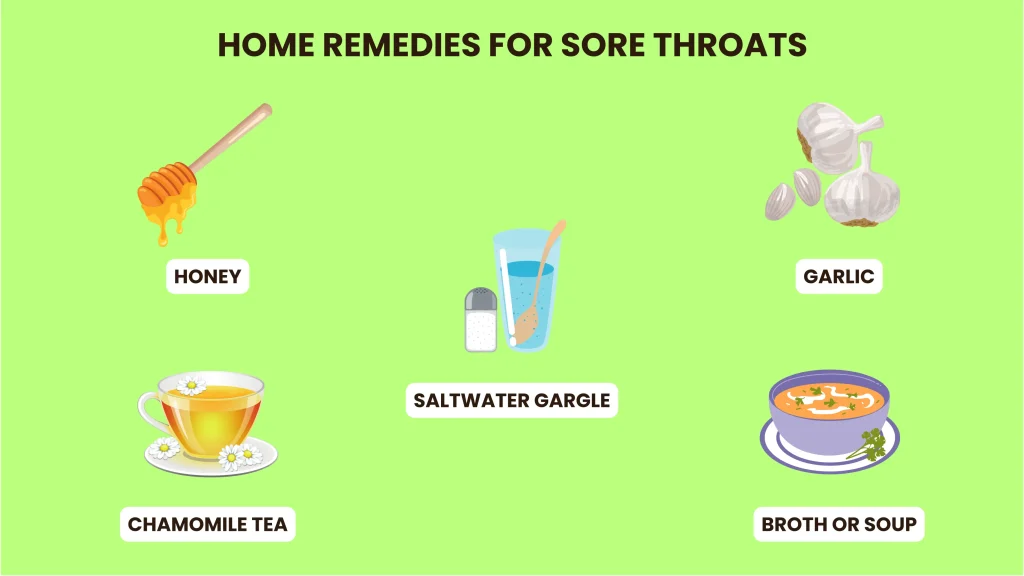
Honey
Adding honey to tea or taking it on its own is a popular treatment for sore throats. A 2021 research review found that when it comes to treating children’s coughs, honey works just as well as the cough suppressant dextromethorphan. Dextromethorphan is one of the active ingredients in Robitussin and Delsym. A review of the literature examined the impact of honey on acute upper respiratory tract infections. The researchers concluded that honey worked better than antibiotics and the antihistamine diphenhydramine to relieve symptoms.
Saltwater Gargle
Warm salt water gargling can help break down secretions and ease sore throats. It might also aid in lessening throat bacteria. Mix a full glass of warm water with half a teaspoon of salt to create a saltwater solution. Use it as a gargle to reduce swelling and maintain a clear throat. Gargling with salt water at least once an hour is advised for those suffering from sore throats, according to the American Osteopathic Association.
Baking Soda Gargle
While saltwater gargling is more common, gargling with a baking soda-saltwater solution can also help relieve a sore throat. This oral solution can help to reduce bacteria and fungi growth.
The NCI suggests gargling and gently swishing around a mixture of:
- 1 cup of warm water
- 1/4 tsp baking soda
- 1/8 tsp salt
Chamomile Tea
Chamomile tea, which is naturally soothing, has long been used medicinally, including for sore throats. It contains anti-inflammatory, antioxidant, and astringent properties. According to a 2023 review of studies, chamomile powder can help soothe inflammation in the eyes, nose, and throat. Drinking chamomile tea may provide the same benefits. It may also stimulate the immune system, assisting your body in treating the infection that caused your sore throat.
Peppermint
It’s common knowledge that peppermint can help with breath freshness. It has antiviral, antibacterial, and anti-inflammatory qualities, according to a 2019 literature review. Menthol, found in peppermint, can thin the mucus and soothe coughs and sore throats. There are a lot of peppermint teas on the market, but you can also make your own.
After bringing some water to a boil, add some dried peppermint leaves and let steep for a few minutes. Strain the tea after a few minutes and allow it to cool slightly. Sprays with diluted peppermint oil can also be helpful for a sore throat.
Try mixing a few drops of food-grade peppermint oil with one ounce of plant-based oil, like this, to make a spray:
- Olive oil
- Almond oil
- Soft coconut oil
Fenugreek
Fenugreek is available in many different forms. Fenugreek seeds can be eaten, applied to the skin, or brewed into tea. Fenugreek tea is a popular remedy for sore throats. A 2018 literature review demonstrates the healing properties of fenugreek.
Among other advantages, it could help:
- Alleviate pain, including menstrual cramps
- Reduce the bacteria that cause irritation or inflammation
- Serve as an effective antifungal
- Promote lactation
The NCCIH recommends that pregnant women avoid taking large doses of fenugreek. Children should also avoid taking it as a supplement.
Marshmallow Root
Marshmallow root is a herb that contains mucilage, which is a mucus-like substance that coats and soothes a sore throat. According to a literature review, marshmallow root can help with respiratory tract irritations such as sore throats.
Marshmallow root is available in:
- Herbal teas
- Tinctures
- Dried and in capsule form
Licorice Root
This root has been used to treat sore throats for generations. According to a 2019 study, licorice root tea was the most effective of several herbal infusions at inhibiting Streptococcus pyogenes growth. This bacterium causes strep throat. According to the NCCIH, using licorice root lozenges or gargles before surgery may help reduce sore throats afterwards. However, the organization warns that licorice root remedies may be harmful to pregnant or nursing women.
Slippery Elm
Similar to marshmallow root, mucilage is present in slippery elm. Slippery elm leaves a slick gel that coats and soothes the throat when combined with water. Pour boiling water over powdered bark to make slippery elm, stir, and sip. Lozenges made from slippery elm may also be helpful. A traditional remedy for sore throats is slippery elm, but further research is needed to determine how effective it is. Some oral medications may take longer to absorb when taken with slippery elm. Use slippery elm at least an hour after ingesting oral medication to prevent potential drug interactions.
Garlic
Additionally, garlic has inherent antibacterial qualities. According to a literature review on garlic’s antiviral properties, it contains allicin, a compound known for its ability to fight viral infections. According to a 2018 article, taking supplements containing garlic on a daily basis may help both prevent and treat upper respiratory tract infections. A sore throat could be brought on by these same respiratory tract infections. One way to take advantage of fresh garlic’s antimicrobial qualities is to incorporate it into your diet. Try biting or sucking a clove of garlic. To protect your teeth from enzymes and to freshen your breath, you might want to brush your teeth afterwards.
Broth Or Soup
Chicken soup is said to be a tried-and-true treatment for respiratory and throat ailments. You’ve probably heard many anecdotes about this remedy, but an older study backs up its use. The activity of various immune cells can cause inflammation, including a sore throat. A 2000 study investigated the ability of chicken soup to reduce the migration of specific immune cells known as neutrophils in a laboratory setting.
In a dose-dependent manner, the researchers found that chicken soup inhibited these cells’ migration. Additionally, the researchers found that the inhibitory activity of various brands of chicken soup varied. Researchers noted in a 2020 update that chicken soup might also have psychosocial benefits, meaning it could enhance mental well-being and facilitate recovery.
Steam Or Humidity
A sore throat may get worse in dry air. More moisture may be added to aid. For instance, breathing in steam helps ease sore throats. Transfer recently heated water into a bowl. Put a towel over your head and inhale normally, allowing your nose and mouth to let in steam. Spend ten to fifteen minutes doing this.
You might need to add a little more freshly boiled water to keep the bowl steaming. Closing the bathroom door and turning on the hot shower is an additional option. You can breathe in the humid air once the bathroom has heated up. A humidifier can also help to improve the air’s moisture content. However, according to a 2017 review, there were neither advantages nor disadvantages to using heated, humidified air from a humidifier to treat the common cold.
Rest
Resting may be exactly what you need. If you feel a sore throat coming on, try to relax and get enough sleep. According to the CDC, lack of sleep can increase your risk of developing an infection. Severe sleep deprivation, even for a single night, can boost inflammatory proteins called cytokines. It may also be beneficial to rest your voice. Talking loudly, singing, or shouting may irritate your already sensitive throat.
Sore Throat Remedies For Babies And Children
Sore throats in infants and young children are not pleasant, but they rarely indicate a medical emergency on their own. However, infants and children may need different treatments than adults.
Consider the following tips:
- Install a cool-mist humidifier in your child’s room. Moisture in the air can help ease a sore throat.
- Encourage your children to drink plenty of water to stay hydrated. Avoid citrus-based juices or ice pops because they are acidic and may cause irritation.
- Children under the age of five shouldn’t be given hard lozenges or anything else that could cause choking. Use caution when giving lozenges to elementary school-aged children.
- Don’t give honey to children younger than one, as it can cause infant botulism.
Traditional Over The Counter Treatments
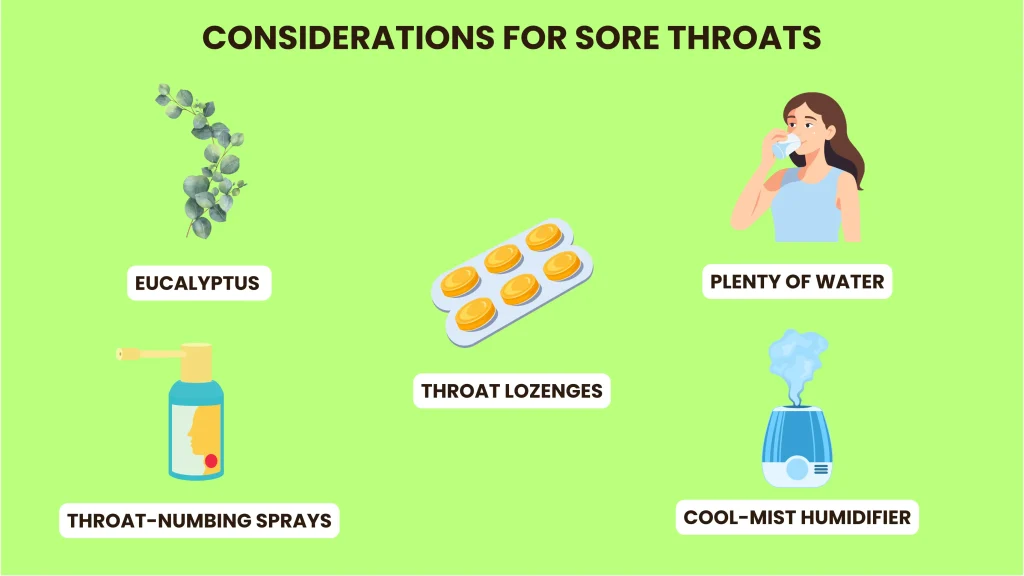
If natural remedies aren’t working, a variety of over-the-counter treatments may be helpful.
They include:
- Acetaminophen (Tylenol) is safe to give to young children
- Ibuprofen (Advil, Motrin) is also available in formulations for children
- Throat lozenges and sore throat pops are alternatives to throat lozenges for younger children
- Theraflu makes powders that you stir into warm water
- Throat-numbing sprays may contain the compound phenol
- Eucalyptus is commonly found in natural cough syrups and throat lozenges
What To Avoid
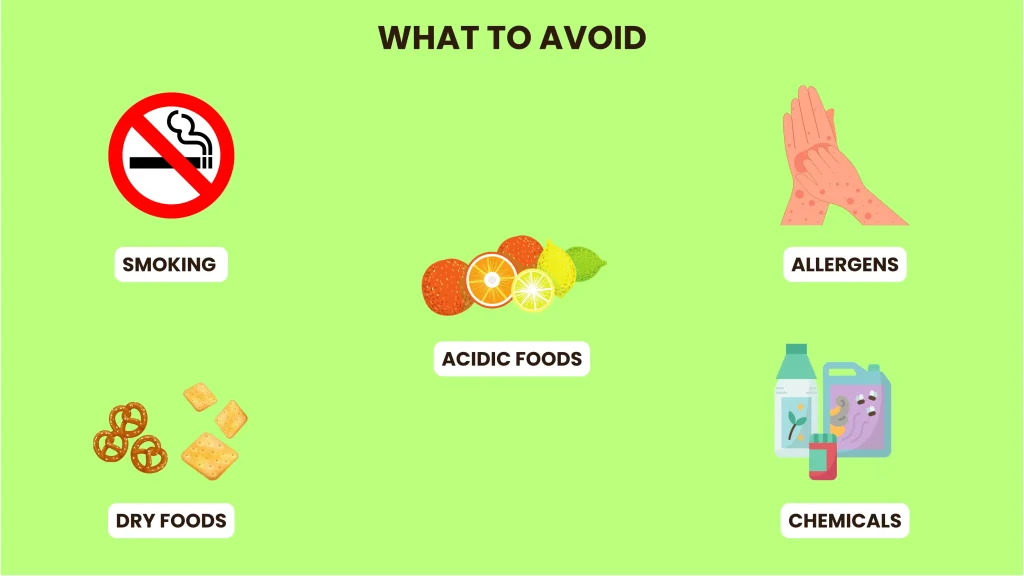
Certain foods or environmental factors may aggravate your symptoms if you have a sore throat.
During your recovery, try to avoid the following:
- Dry air
- Smoking and secondhand smoke
- Air pollution
- Potential allergens, such as pollen, mold, or pet dander
- Chemical fumes, including those from household cleaners and alcohol
- Citrus, tomatoes, carbonated drinks and other acidic foods and beverages
- Pretzels, chips, popcorn and other dry, rough foods
Conclusion
Most doctors recommend calling only if you have severe symptoms. This usually includes a very sore throat, fever, and rash (or when swollen tonsils block the throat). Try some of these natural remedies to feel better and avoid a trip to the doctor. To help the healing, make sure you drink plenty of fluids and get enough sleep. Consult a doctor if your sore throat doesn’t improve or worsen even after using home or over-the-counter remedies.
