
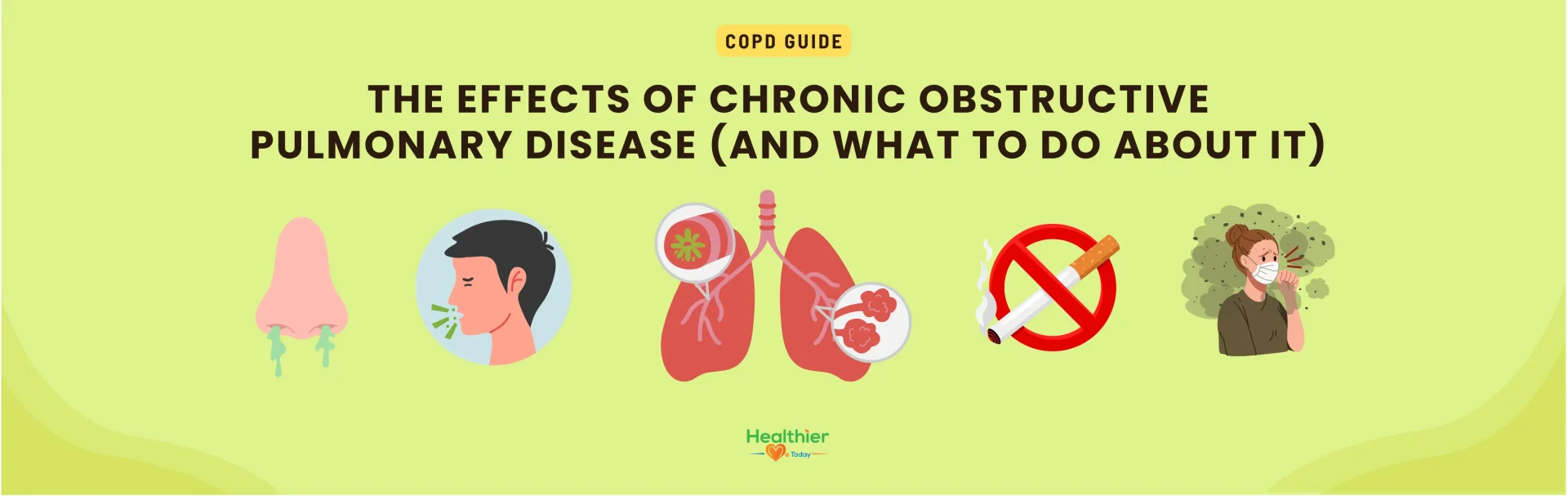
Chronic obstructive pulmonary disease (COPD) is a lung and airway disease that causes difficulty breathing as the condition narrows and creates permanent damage to the lungs. COPD patients suffer from airway inflammation and scarring, as well as damage to their lungs’ air sacs. Emphysema and chronic bronchitis are both types of COPD.
Let’s find out more, such as is COPD hereditary? Is it curable? What are the causes of COPD? And what can help manage and treat symptoms?
What Is Chronic Obstructive Pulmonary Disease (COPD)?
Chronic obstructive pulmonary disease (COPD) is a widespread lung condition caused by both viruses and bacteria that results in reduced airflow and breathing difficulties. COPD refers to a group of lung illnesses and can be seen under the umbrella term COPD.
The three main types of COPD are:
- Chronic bronchitis
- Emphysema
- Chronic asthma
These illnesses are not entirely reversible and can occur separately or simultaneously. Airways that have been significantly damaged can’t always repair themselves.
What are the Causes of COPD?
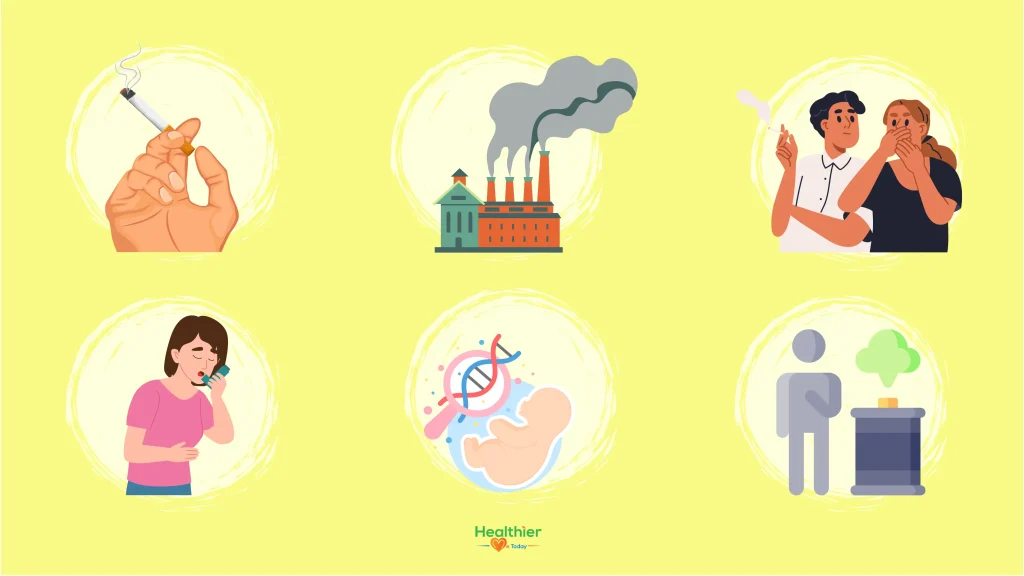
This condition develops gradually over time and is frequently caused by a combination of risk factors.
Risk factors that may increase your chances of COPD are:
- Tobacco exposure through active smoking or passive secondhand smoke.
- Occupational exposure to dust, fumes, or chemicals.
- In low- and middle-income countries, biomass fuel (wood, animal dung, crop residue) and coal are commonly used for cooking and heating, leading to high levels of indoor air pollution.
- Early life events such as poor fetal growth, prematurity, and frequent respiratory infections in childhood can hinder lung development.
Understanding the causes of COPD can help individuals reduce their risk of developing the condition and improve their COPD life expectancy outcome.
Is COPD Hereditary?
A common question about this disease individuals is, “Is COPD hereditary?” The answer is yes. This highlights the importance of understanding family medical history and avoiding common risk factors. So, how is COPD hereditary? Alpha-1 antitrypsin (AAT) deficiency is a rare hereditary disorder that causes insufficient production of the protein that protects your lungs from any harm. Around 80% of people who have an AAT deficiency develop COPD, especially younger people and even more so if they’re a smoker [Temple Health]
If a person shows common symptoms, chronic obstructive pulmonary disease should be considered. The diagnosis is verified by a breathing test known as spirometry, which analyzes how the lungs function. However, in low- and middle-income nations, spirometry is often unavailable, resulting in many missed diagnoses.
Symptoms of Chronic Obstructive Pulmonary Disease
COPD symptoms do not show until there has been a substantial amount of lung damage. These symptoms will only get worse with time, especially if you smoke or live in an environment with heavy air pollution.
Symptoms of COPD include the following:
- Having a harder time catching your breath especially after being physically active.
- A whistling noise or wheezing when you breathe.
- A persistent cough that can bring up either greenish, yellow or clear mucus.
- Your chest feels tight or heavy.
- Continuously feeling exhausted or more tired than usual.
- Having recurring lung infections.
- Unintentionally losing weight, you may lose more weight as the condition progresses.
- Your feet, ankles, and legs begin to swell.
Exacerbations refer to a period, often a few days to weeks, when symptoms relapse. Triggers such as air pollution, cold air, smells, colds, or infections can set off these exacerbations.
Here are common exacerbation symptoms:
- Finding it even harder to breathe than usual.
- Chest feeling very tight.
- Fever.
- Coughing even more than normal.
- Increased mucus or changes to your mucus texture or color.
How is COPD Treated?
COPD is not curable, but it can be improved by quitting smoking, reducing air pollution, and obtaining immunizations. It can be managed with medication, oxygen, and pulmonary rehabilitation.
Here is a better look at treatment for COPD:
- The most common treatments are inhaled medications that open and relieve edema in the airways. Bronchodilator inhalers are the most essential on the COPD medications list for treating COPD. They relax the airways so that they remain open.
- Short-acting bronchodilators begin working quickly and can last for 4-6 hours. They are commonly utilized during flare-ups.
- Long-acting bronchodilators take longer to work, but they last longer. These are given once a day and can be supplemented with inhaled steroids.
Other treatment options include:
- Steroid tablets and antibiotics for flare-ups.
- Oxygen is used to treat persons who have had COPD for a long period or have severe COPD.
- Pulmonary rehabilitation teaches COPD breathing exercises to help you breathe better and exercise more efficiently.
- Surgery may help some persons with severe COPD.
Inhalers are a standard treatment for COPD and flare-ups. Inhaled corticosteroids are occasionally used together with these to minimize lung irritation. Inhalers must be administered correctly and, sometimes, with a spacer device to assist the drug in entering the airways more effectively.
Many low- and middle-income nations have limited access to inhalers; by 2021, salbutamol inhalers were widely available in public primary healthcare facilities in half of low- and low-middle-income countries. A respiratory infection often triggers flare-ups, and patients may be given antibiotic or steroid tablets, as well as inhaled or nebulized COPD treatment options as needed.
Living with COPD
Lifestyle adjustments can help relieve COPD symptoms and improve COPD life expectancy.
Here’s how:
- Avoid secondhand smoke and smoke from indoor cooking fires.
- Maintain physical activity.
- Protect yourself against lung infections and getting sick.
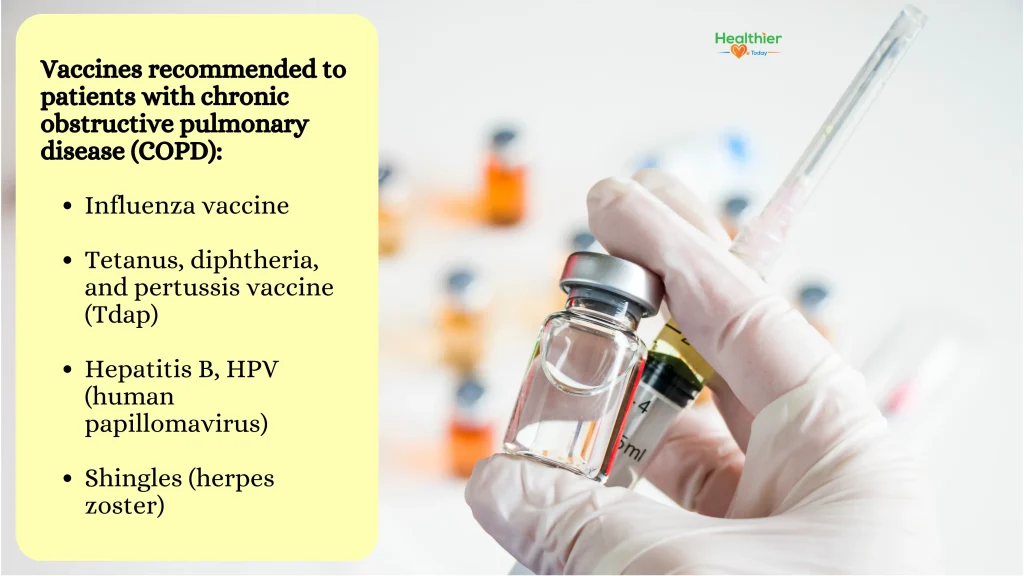
- Get vaccinated against the flu every year.
- Get the pneumonia vaccination.
- Get all available COVID-19 immunizations and confirm you’ve had the most recent boosters.
How is COPD Diagnosed?
They typically assess how well your lungs function, which can include taking x-rays of your lungs. This is then followed by some questions about your medical history.
Here are some commonly asked questions:
- They may ask if you smoke or have ever smoked.
- Have you experienced prolonged exposure to dust or air pollutants?
- Do any of your family members have COPD, other lung diseases, or liver disease?
- Do you get shortness of breath during exercise?
- When do you rest?
- Have you been coughing or wheezing for a while?
- Do you cough up phlegm?
Can Chronic Obstructive Pulmonary Disease be Prevented?
Yes, COPD can indeed be prevented by taking care of your lungs and avoiding breathing in damaging toxins. Although those with COPD can’t fully undo the damage, taking preventive measures can still improve their life expectancy.

Here’s how to prevent COPD:
- Get all recommended immunizations, including flu, pneumococcal pneumonia, and COVID-19.
- Wash your hands frequently.
- Disinfecting surfaces.
- Avoid crowded areas, especially during the cold and flu season and when COVID-19 is prevalent.
How Do I Take Care Of Myself With Chronic Obstructive Pulmonary Disease?
- Manage COPD symptoms, avoid irritants and other triggers. This includes COPD and smoking, secondhand smoke, dust, air pollution, and strong scents.
- Attend pulmonary rehabilitation sessions, which include physical and occupational therapy, as well as educational classes. Even when your sessions are over, stick to the plan they’ve outlined.
- Consult a registered nutritionist. They can inform you which items to eat or avoid to help you stay healthy.
- Take all of your everything on your COPD medications list as directed. Make sure you have your daily meds on hand before you run out.
- Prepare yourself for flare-ups. Create a plan with your healthcare professional for what to do in the event of an exacerbation. This could entail taking specific drugs and being aware of when to visit the hospital.
- Understand how to operate your medical equipment, such as CPAP machines, nebulizers, and inhalers. Request that your provider illustrate proper usage.
- Look after your emotional well-being. It might be detrimental to your me10 Skincare Secrets for Healthier, More Radiant Skin10 Skincare Secrets for Healthier, More Radiant Skinntal health to have a chronic condition. You can manage social, emotional, and other mental health concerns with the assistance of a mental health professional such as a psychiatrist, psychologist, or counselor.
When Should I See My Healthcare Provider?
Don’t put off visiting a doctor if you suspect that you may have chronic obstructive pulmonary disease. Early diagnosis and treatment can decrease the likelihood of your symptoms worsening.
If you have COPD, consult your doctor if you experience any of the following symptoms or indications of an infection:
- Breathlessness gets worse. You might notice that you are having more trouble breathing at night, that you are unable to walk as far as you used to, or that you are using your inhalers or breathing treatments more than normal.
- Mucus color changes, bloody mucus, an unpleasant odor, or more or thicker mucus than normal are a few examples.
- Increase in wheezing or coughing.
- Ankle, foot, or leg swelling that has started or gotten worse. If it persists after a night of sleeping with your feet elevated, contact your physician.
- Mysterious weight gain or decrease.
- Constant headaches or lightheadedness in the morning.
- Excessive weakness or exhaustion that cannot be explained. If it persists for more than a day, contact your provider.
- Chills or fever.
- A sore throat, unusual sinus drainage, nasal congestion, headaches, or soreness along the upper cheekbones are additional symptoms that may indicate an infection.
Conclusion
Living with a chronic lung condition like COPD might occasionally feel overwhelming, frightening, infuriating, or even lonely. However, following strategies such as quitting smoking and avoiding air pollutants can help prevent and improve COPD symptoms. It may feel more manageable if you and your healthcare team develop a plan to maintain your health and lessen flare-ups. Discuss with your loved ones how they can support you and what to do during a flare-up.
FAQ’s:
What are the causes of COPD, and who is at risk?
The most common causes are smoking and prolonged exposure to air pollution. Though genetics might contribute in some cases, most cases result from modifiable risk factors.
Can chronic obstructive pulmonary disease be prevented?
Yes, there are measures that can be taken, such as avoiding exposing your lungs to toxins and chemicals that can help lower the risk of COPD.
How do healthcare providers diagnose COPD?
To receive an accurate diagnosis of COPD, you need to undergo a basic test known as spirometry. This includes blowing hard and quickly into a machine that assesses your lung capacity.
What are the COPD treatment options?
Treatment options include:
> Inhalers
> Bronchodilators
> Oxygen therapy
> Corticosteroids
> Antibiotics
> Steroid inhalers
> Smoking cessation
> Pulmonary rehabilitation
> Surgery
How can COPD breathing exercises benefit people with COPD?
For those with COPD, pulmonary rehabilitation and breathing techniques, including pursed-lip and diaphragmatic breathing, can help with breathing, enhance lung function, and improve quality of life.
How to test yourself for COPD?
There is no definitive at-home test for chronic obstructive pulmonary disease (COPD). However, you can screen for COPD by familiarizing yourself with common symptoms, early warning signs, and risk factors.
When is National COPD Day?
National COPD Day is on 20 November. COPD Awareness Month brings awareness to over 11 million people suffering from this condition. The COPD awareness ribbon color is orange, and it is typically worn on clothing. But this is not the only way to create awareness or show support! Other methods include wearing the color or using the hashtag #LaceUpforLungs on Instagram to tag the COPD Foundation.
