
Glaucoma prevention tips are crucial to protecting your vision and preventing permanent damage. Did you know that January marks Glaucoma Awareness Month? Glaucoma is a disease involving high eye pressure that can lead to permanent vision loss and blindness. It can happen for several reasons, but the good news is that most are completely treatable. In this article, we take a look at the different ways on how to prevent glaucoma and protect your eyes to ensure you have a long life with sight.
What is Glaucoma?
To know glaucoma prevention tips, we must first understand what it is. The word Glaucoma is used as an umbrella term for eye conditions that create a build-up of pressure inside the eyeball. This pressure damages vital delicate parts of the back of the eye. Most of these eye diseases are progressive, gradually worsening over time. As they progress, it can eventually lead to permanent blindness and vision loss. It’s important to know that glaucoma is the second-leading culprit of vision loss around the world. Glaucoma prevention tips are crucial for protecting your eyesight.
It can be a challenging and emotional process after finding out that you have glaucoma or are at risk, and your first thought is glaucoma prevention tips to save your sight. For many people, their vision is a massive part of their everyday routine and activities. So, it is understandable to be afraid and anxious thinking about trying to adapt and live with severe visual impairment or blindness. Thankfully, most types of glaucoma can be treated, especially if caught early. And with the right management and consistent efforts, you can delay or even prevent developing glaucoma or visual impairment.
Symptoms of Glaucoma
Glaucoma does not show symptoms in the early stages; this is why many people don’t even notice they have it. Symptoms may not show up until it has progressed, and the damage cannot be reversed. To help prevent this, glaucoma prevention tips are crucial for early detection and care.
Here are common symptoms of glaucoma to look out for:
- Blurred vision
- Diplopia (double vision)
- Headaches
- Eye pain and pressure
- Red or bloodshot eyes
- Developing blind spots (scotomas)
- Developing visual field defects (tunnel vision)
- Gradually developing low vision
Certain kinds of glaucoma, like angle closure glaucoma, cause sudden and severe symptoms. These need immediate medical attention and care to help prevent permanent vision loss and blindness.
Here are emergency glaucoma symptoms that should not be ignored:
- Hyphema (blood gathering in front of the iris)
- Buphthalmos (bulging or enlarged eyeballs)
- Seeing rainbow-colored halos around lights
- Nausea and vomiting (happens from eye pain and pressure)
- Increased appearance or development of myodesopsias (eye floaters)
- Any kind of sudden vision loss
- Photopsias (suddenly seeing flashing lights)
Causes of Glaucoma
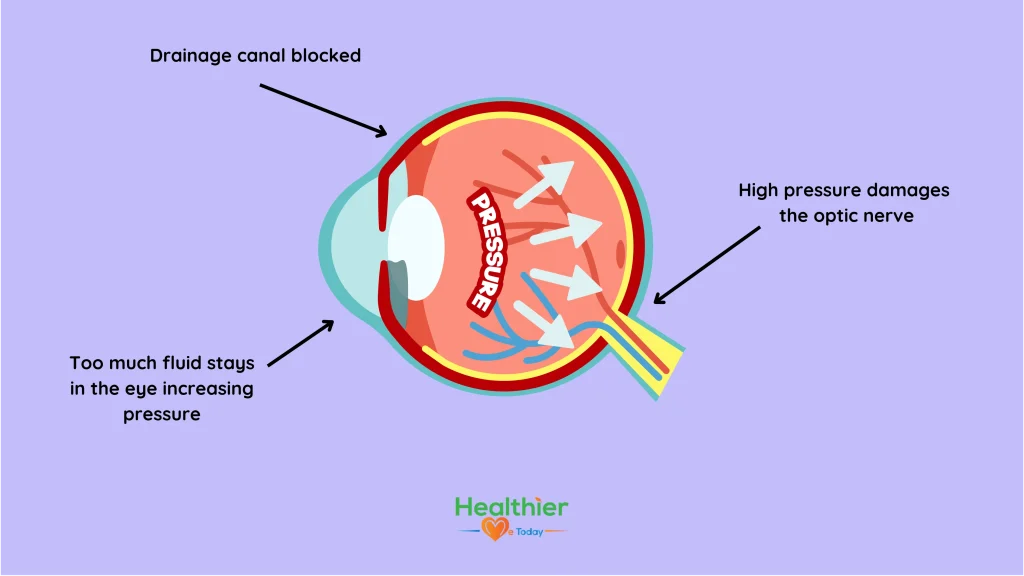
Knowing how the condition is caused is essential in knowing how to prevent glaucoma. Glaucoma is caused by damage to the optic nerve in the eye. This can happen without any apparent cause, but many different factors can bring on glaucoma. The most common cause and risk factor is intraocular eye pressure. A fluid called aqueous humor helps nourish the eyes and travels through the pupil to the front of the eye. If your eyes are healthy, the fluid will drain through the trabecular meshwork (Mesh-like canals), where the cornea and iris connect at an angle.
When you have glaucoma, the meshwork resistance increases, leaving the liquid nowhere to go and be drained. This is why a build-up is inside the eye, as the backed-up fluid causes pressure on the eyes. Over time, this build-up and pressure will lead to the optic nerve being damaged and the development of glaucoma. Glaucoma prevention tips are essential for managing eye health and reducing the risk of increased pressure. What causes the resistance and fluid build-up can vary and depends on the type of glaucoma you might have.
The Different Types of Glaucoma
There are many different kinds of glaucoma, but they generally fall under certain categories:
Primary Open-angle Glaucoma
Primary open-angle glaucoma is the most common kind of glaucoma. This happens when the drainage angle, which is where the inside of the sclera (white of the eye) and outer edge of the iris meet, is wide open. The aqueous humor fluid goes into this drainage angle so it can drain out the anterior chamber.
Primary Angle-closure Glaucoma
Aqueous humor (the clear watery fluid in the eye) is meant to flow from the posterior chamber behind the iris, through the pupil, and to the anterior chamber. However, the eye lens sometimes presses too far forward, which can block the fluid from flowing through the pupil’s openings. The excess fluid in the posterior chamber can force the iris to move forward which leads to the drainage angle narrowing and being closed off.
Secondary Glaucoma
Secondary glaucoma is when another condition or situation worsens the eye pressure, which results in glaucoma. These can include certain medications (corticosteroids and cycloplegics), eye injuries, uveitis, eye procedures, pigmentary dispersion syndrome, and more.
Congenital Glaucoma
This means that you have developed glaucoma due to differences or changes that might have happened during fetal development in the womb.
These include the following:
- Axenfeld-Rieger syndrome
- Aniridia
- Marfan syndrome
- Neurofibromatosis type 1
- Congenital rubella syndrome
Understanding the different types of glaucoma is important, and glaucoma prevention tips can help reduce your risk for each type.
How is Glaucoma Diagnosed and Treated?
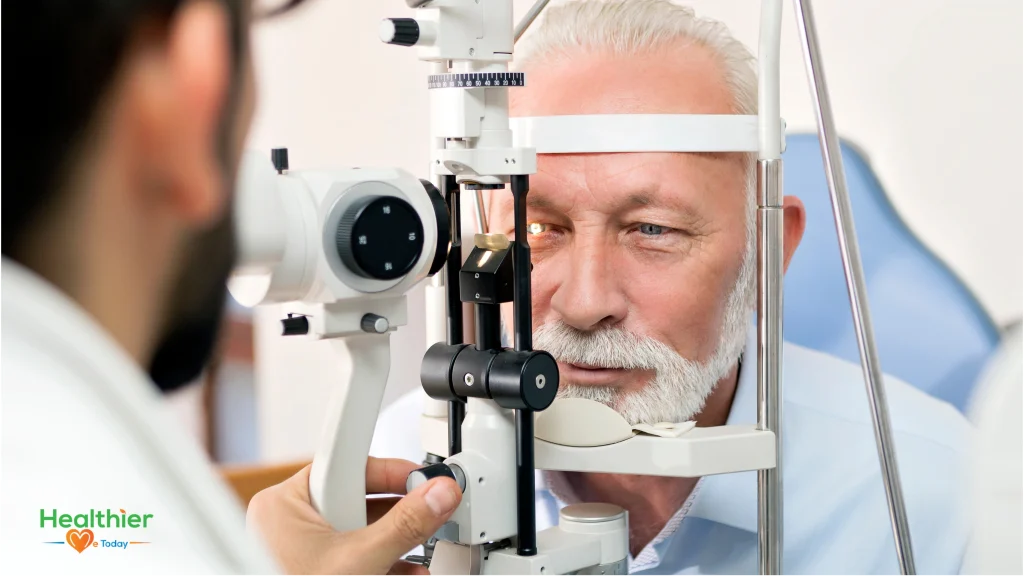
An eye specialist will use several tests to look for glaucoma during an eye examination. The great news is that these eye tests can catch glaucoma long before any symptoms occur and irreparable damage. For many eye tests specialists will have to dilate the pupil which is called mydriasis, to help get a better look inside of the eye.
Here are some glaucoma tests your eye doctor might run:
- Visual field testing
- Depth perception testing
- Visual acuity testing
- Pachymetry
- Gonioscopy
- Tonometry
- Slit lamp exam
If your doctor suspects there may be some damage to the optic nerve and retina, they may do some additional tests.
They are:
- Optical coherence tomography
- Ultrasound
- Fluorescein angiography
- Computed tomography (CT)
- Magnetic resonance imaging (MRI)
Treatment for Glaucoma
Some common treatments of Glaucoma include the following:
Medications
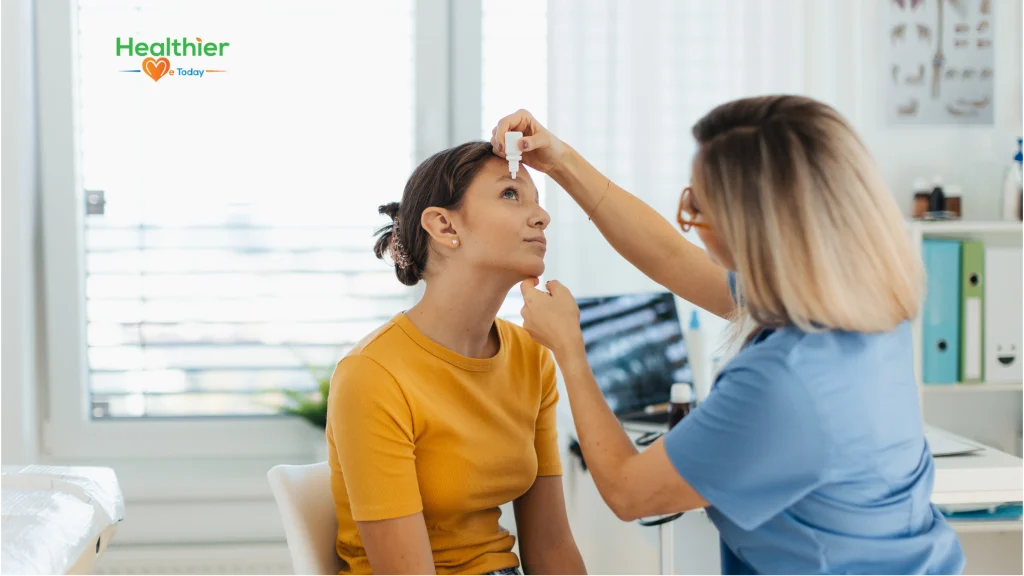
This entails medications that aim to lower the pressure inside the eyes. They can also help to prevent developing glaucoma if you are at risk and have higher-than-normal intraocular pressure, also known as ocular hypertension. Medication can also help keep it from worsening to the point that symptoms are noticeable and damage occurs.
Glaucoma Surgery
Glaucoma surgeries primarily focus on bettering the drainage of the eye fluid, which results in lowered pressure inside the eye. The glaucoma surgery success rate is relatively high, with 70% to 90% of patients having successful surgeries. These kinds of surgeries include tube shunts, trabeculectomy, minimally invasive glaucoma surgeries (MIGs), and laser therapy. It’s important to consult with your eye care specialist about which treatment will be best for your glaucoma.
Here are also some natural remedies for glaucoma:
- Ginkgo biloba extract (GBE)
- Medical Cannabis
- Natural antioxidants such as saffron and curcumin
- Bilberry
Glaucoma Prevention Tips
Although it isn’t possible to completely prevent glaucoma, early detection and treatments can help to manage and lessen the fluid pressure inside the eye. It can also help to delay or prevent permanent vision loss.
Here are ways on how to prevent glaucoma and keep track of your eye health:
- Regular eye exams – If there is increased pressure in the eye, it is often detectable during an eye exam. It can be caught early before damage and symptoms occur. By catching it early your eye specialist can help to prevent the glaucoma from worsening or at least try to slow the progression.
- Manage ocular hypertension – Your eye care specialist can help you manage your pressure if it is higher than usual by offering available treatments. Following their advice and guidance can be an effective way to help avoid or delay vision loss.
- Controlling your risk factors for glaucoma – Diabetes and high blood pressure are just two of some of the conditions that can contribute to eye problems. By managing them properly, you can help lower your glaucoma risk. This also means always protecting your eyes, such as wearing safety goggles and sunglasses when needed.
Here’s how to lower eye pressure naturally before developing glaucoma:
- Don’t ignore symptoms or changes to your vision
- Reach and maintain a healthy weight for your body
- Stay physically active, but be aware of exercises that could increase eye pressure
- Don’t miss appointments and check-ups
Conclusion: Glaucoma in a Nutshell
Many people think of their vision as their most essential sense, which makes it even more frightening to think of a condition such as glaucoma. Receiving the diagnosis can be heartbreaking, but the good news is that glaucoma can be treated, and vision loss is preventable with the right glaucoma prevention tips and efforts.
Here is to better eye health in 2025!
FAQ’s:
Is glaucoma hereditary?
Yes, glaucoma is a hereditary condition that can be passed down through families. So, if someone in your family has or had this condition, your chances of getting it are significantly higher.
What are the early signs of glaucoma?
Some early signs of glaucoma include blurred vision, difficulty seeing in low light, and peripheral vision loss.
Risk factors for glaucoma
Some risk factors for developing glaucoma depend on the level of eye pressure, age, race, family history, medications, and other health conditions.
Can glaucoma cause blindness?
Yes, if left untreated glaucoma can cause blindness.
Is glaucoma reversible?
No, but early detection can help to slow and prevent vision loss.
What’s the difference between glaucoma and cataracts?
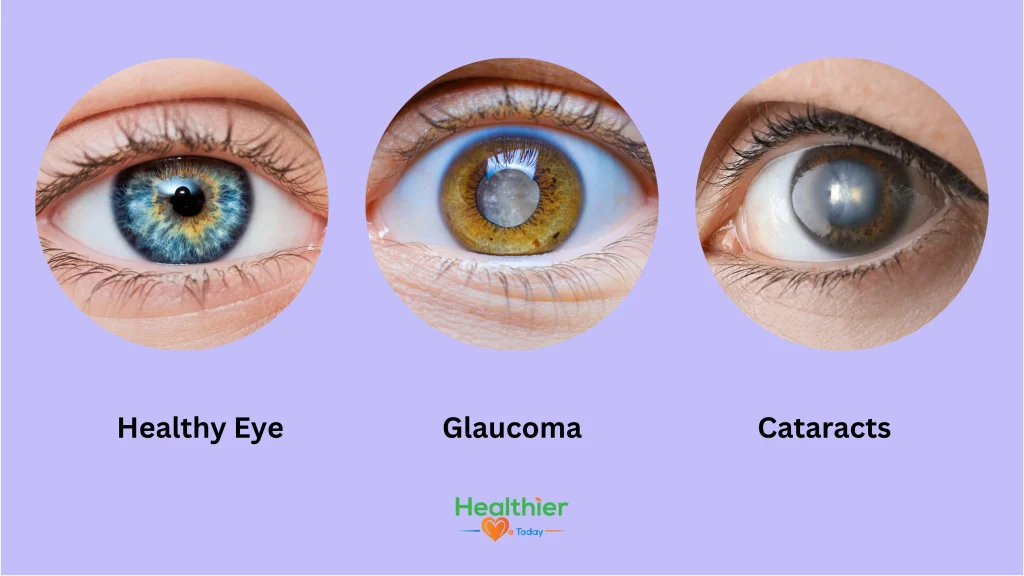
Glaucoma affects the parts of the back of the eye, such as the optical nerve, whereas cataracts affect the eye’s lens.
How to detect glaucoma?
An eye specialist can detect glaucoma by doing several eye tests during an examination.
What is Open-angle vs. angle-closure glaucoma?
Although similar, the main difference between the two is that they differ in how the pressure increases and their associated risk factors.
