
Is seaweed good for you? Seaweed has a wide range of minerals that make it easy for our bodies to break down, making it a great addition to many people’s lifestyles. Some roasted seaweed benefits include weight loss, helps with thyroid function, heart health, skin health, and much more.
In this article, we will look at what seaweed has to offer and how you can add this superfood to your diet!
What is Seaweed?
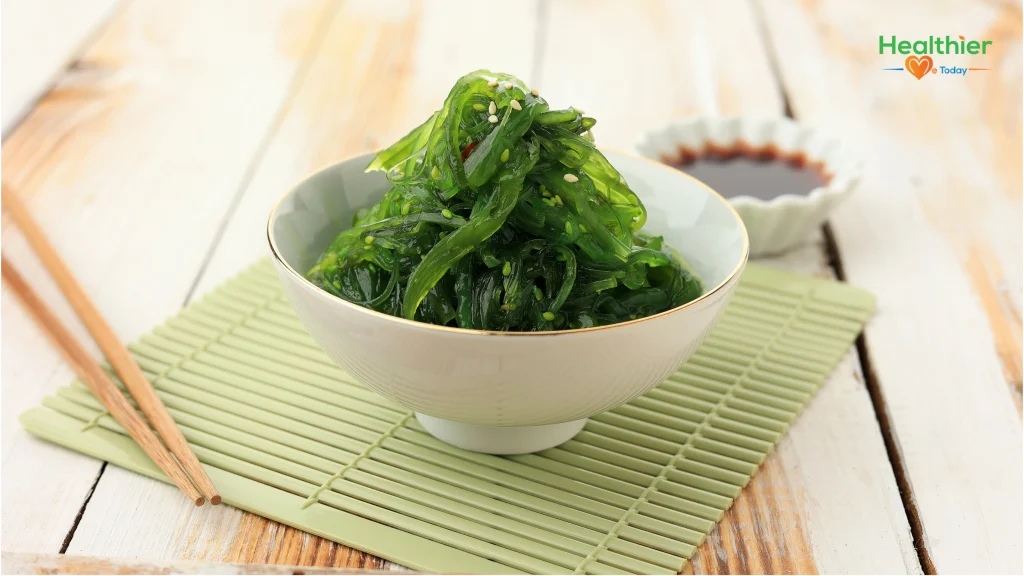
Seaweed (macroalgae) is an umbrella term for several species of marine algae. It can be divided into three main groups: red algae (Rhodophyta), green algae 9 (Chlororphyta), and brown algae (Phaeophyceae). These marine plants are incredibly high in protein and iodine and come from warm and cold seas. Seaweed benefits are often associated with Japanese, Chinese, and Hawaiian cuisines, and it has been harvested for thousands of years.
Although it has been eaten and used for centuries, it has only recently gained much popularity and acknowledgment. Today, seaweed benefits are widely recognized, making it a trending ingredient in smoothies, a great alternative to unhealthy salty snacks, skincare, and much more. Thanks to amino acids called glutamates, it has a rich, salty taste called umami.
Popular Types of Seaweed
Below are several of the most common types of seaweed used:
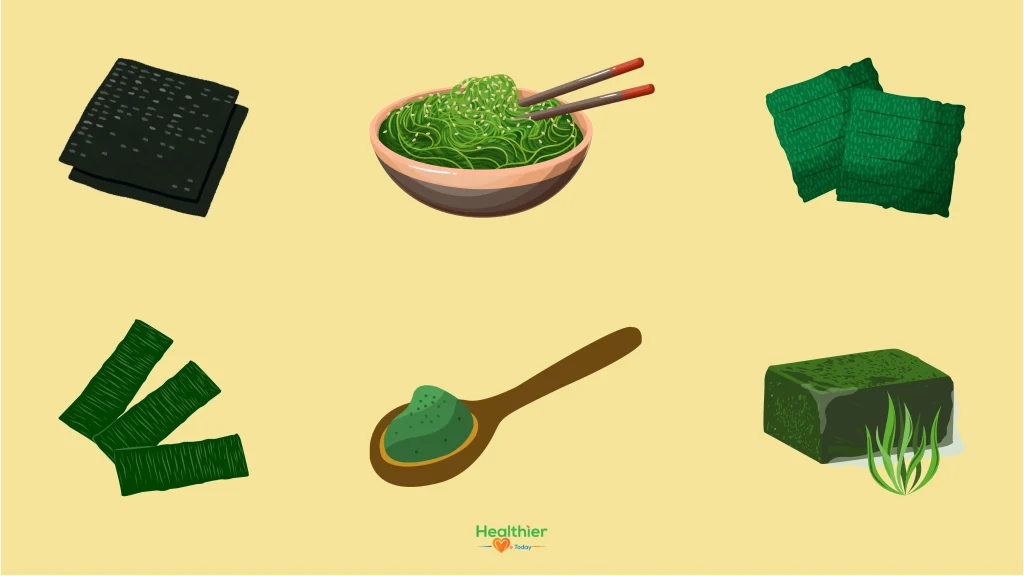
- Kombu – This is one of the most popular seaweeds eaten in East Asia. An island in Japan is known as one of its most significant producers of kombu. You can also find plenty of it along the California coast. It’s often cooked in water seasoned with bonito flakes (skipjack tuna). It is the primary ingredient in a soup stock called dashi, the base of many Japanese dishes such as miso soup and ramen.
- Wakame – This kind of seaweed is more well known for providing a home to many species of marine life in shallow coastal waters worldwide. However, kelp farms also grow and produce wakame. It is called sea mustard and is often added to miso soup. Wakame is dark green, tastes sweet, and has a silky texture; it’s also a great source of omega-3 fatty acids.
- Dulse – Dulse is a reddish seaweed found attached to rocks in the cold water of the Northern Pacific and Northern Atlantic oceans. It has a soft, leathery texture and tastes similar to bacon. Dulse was first harvested over a thousand years ago in Iceland and Scotland. It is also a popular snack in Canada and is fried in oil until crispy.
- Nori – This is a deep reddish-purple seaweed that dries dark green and is sometimes called purple laver. Like paper-making, it is roasted and pressed into dried nori sheets. Nori is the most well-known type of seaweed in the Western world and is commonly used for wrapping sushi and onigiri (rice balls).
- Irish Moss – This red and purple seaweed is found on the Atlantic shorelines of Europe and the United States. It is unique and looks like a tiny tree with fanned-out branches. Irish moss is used in desserts like ice cream and tapioca because of its sugar molecules (polysaccharides), which are thickening agents.
Health Benefits of Seaweed
There are tons of incredible seaweed benefits and it can be easy to add to your diet.
Some of these include:
Jam Packed Full of Nutritious
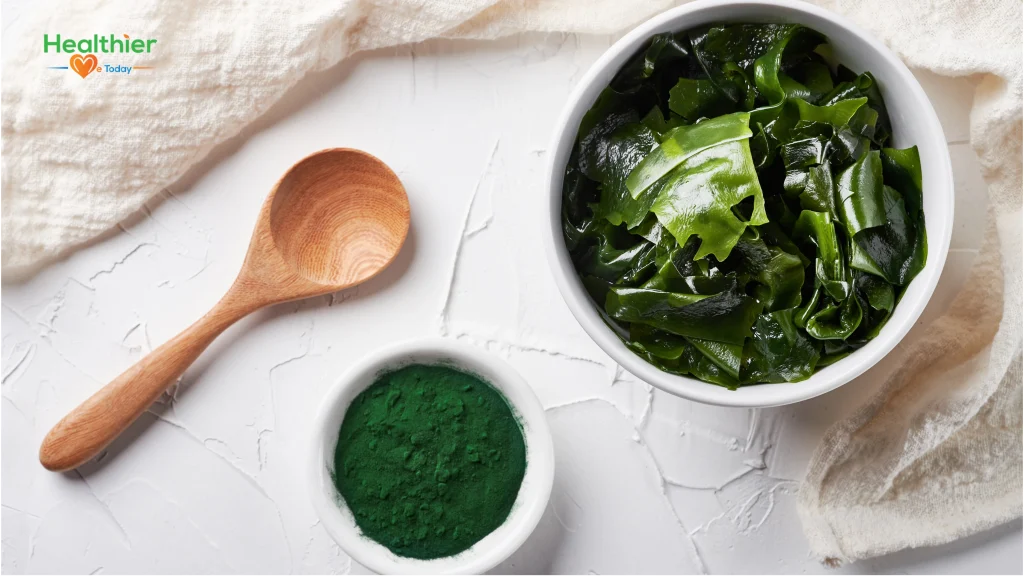
Seaweed absorbs nutrients from its marine environment, and is rich in:
- Vitamin K1
- Vitamin C
- Folate
- Vitamin A
- Magnesium
- Calcium
- Pantothenic acid
- Iron
A study by the National Institutes of Health (NIH) says that seaweed is one of the best natural sources of iodine, vital for thyroid hormone production.
Here’s what happens when you have low iodine levels:
- Enlargement of the thyroid gland
- Metabolism disruption
- Thyroid problems
Helps Soothe Inflammation
One of the most renowned seaweed benefits is that it helps soothe skin conditions such as rosacea and acne, which can cause irritation and inflammation. Its powerful anti-inflammatory agent, fucoidan, helps calm sensitive skin and swelling. Fucoidan may have anti-cancer and antiviral properties, but more research is needed.
Fights Off Diseases
Two common symptoms of chronic illnesses are inflammation and stress, but adding antioxidant-rich foods to your diet can help keep them at bay. Seaweed contains antioxidants such as flavonoids and carotenoids, which fight disease-causing free radicals. Antioxidant minerals like zinc and manganese can help protect the cardiovascular system, combat oxidative stress, and prevent cancer. Perhaps one of the most amazing seaweed benefits is that studies [National Institutes of Health] have shown that seaweed can help to slow down the progression of colon and estrogen-related cancers.
Promotes Weight Loss
Seaweed is low in calories and has a natural fiber known as alginate. One of the notable seaweed benefits is its potential to aid in fat reduction. Research has discovered that alginate may prevent the gut from absorbing fat. It has also been found to block an enzyme called lipase, which digests fat by up to 72%. This is why it is often used in ice cream, beverages, and weight loss products.
Seaweed can also potentially help with weight loss in individuals with diabetes and obesity. A study [National Institutes of Health] found that a compound inside the chloroplasts of brown seaweed (fucoxanthin) can help shed fat when mixed with pomegranate oil.
Beauty Seaweed Benefits

Seaweed is often related to food when discussed, but it can also have external benefits as well:
Contains Vitamin C
As we’ve mentioned, seaweed is abundant in vitamins and minerals, and vitamin C is at the top of the list. It is one of the highly recommended and scientifically approved skin treatments, especially when applied topically. Vitamin C is known to help lighten and improve the appearance of dark spots, blemishes, fine lines, and wrinkles.
An Effective Moisturizer
Seaweed is filled with fatty acids and vitamin E, which has made it an infamous moisturizer. These attributes help draw moisture to the hair cells and skin, leaving them feeling and looking silky smooth. Seaweed is a source of a naturally occurring acid known as hyaluronic acid, which can amazingly bind around 1000 times its own weight under water. It can detangle, lock in moisture, and prevent dandruff when used on hair.
Acts Against Ageing
Thanks to its incredibly high mineral content, seaweed helps produce collagen, which is well known for being an important building block for hair, skin, muscles, bones, and ligaments. Collagen is a protein that helps to keep our hair healthy and thick and our skin smooth and plump. When we get older, the collagen production in our bodies slows down; seaweed can help give it a natural boost, helping with a more healthy and youthful appearance.
Healthy Hair Growth
Just as it works wonders for your skin, it is equally beneficial for your hair. Seaweed is nutrient-rich, helping to strengthen hair follicles and promote hair growth. This is because seaweed vitamins improve the blood circulation in the scalp, ensuring that the hair gets enough nutrients to grow strong and healthy.
How to Incorporate Seaweed into Your Life
There’s no doubt that seaweed is a superfood and a great ingredient in self-care products. And it may be simpler to add this antioxidant powerhouse to your everyday life than you thought.
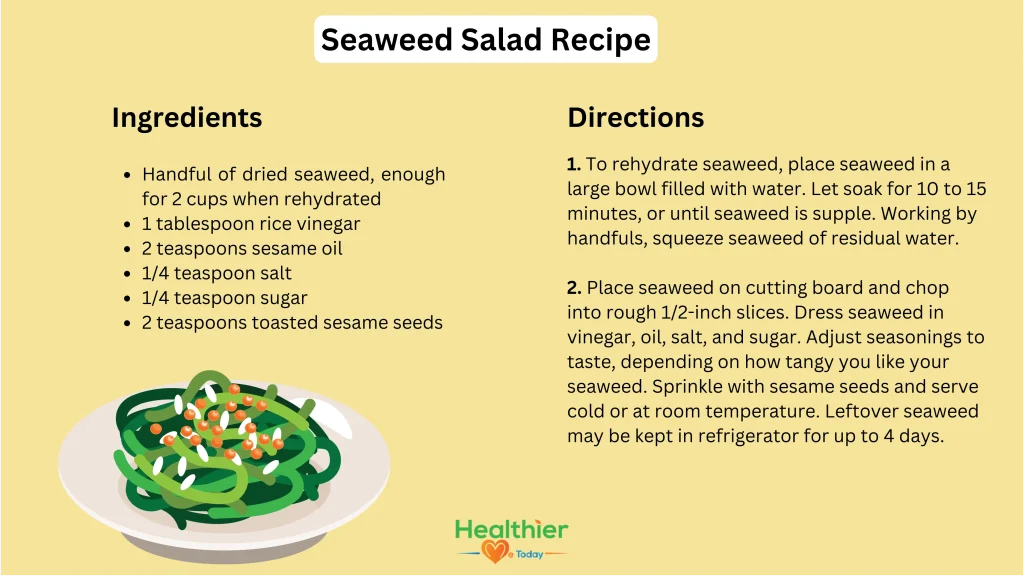
Below are a few ways to reap in seaweed advantages:
Food
- Add seaweed to your smoothies (Irish Moss and Kale)
- Replace salt with seaweed (kelp granules and seaweed salt)
- Use seaweed as a spice rub or marinade
- Garnish with seaweed flakes
- Make stock, broth, and soften beans (Kombu)
- Wrap food in seaweed leaves or sheets (Atlantic Dulse and kombu leaves)
- Replace eggs with Agar or Irish Moss gel
- Add seaweed flakes to savory baking (Sea Lettuce and Atlantic Dulse)
Beauty
- Helps reduce cellulite
- Fights against free radiants, which cause aging
- Brightens skin complexion
- Nourishes hair and skin
- Intense moisturizer
- Lessens the appearance of fine lines and wrinkles
Conclusion: Seaweed Eating Benefits
Seaweed is a remarkable ingredient used in delicious dishes, self-care products, and beauty products. There are several different kinds of seaweed, and this versatile marine plant has plenty of benefits. It’s dense in nutrients and can be found all around the world. Because it has such a diverse array of uses, it can easily be added to anyone’s way of life.
FAQ’s:
Is seaweed good for you?
Seaweed is perfect for you as it’s rich in vitamins and minerals.
Is seaweed a vegetable?
No, it is not a vegetable despite it being referred to as the vegetable of the sea.
Is seaweed fattening?
No, seaweed is high in fatty acids but low in calories and fat.
Is dried seaweed good for you?
Dried seaweed is an excellent source of fiber, antioxidants, vitamins, and minerals.
Can pregnant women eat seaweed?
Yes, eating seaweed while pregnant can still beneficial. However, it is always a good idea to consult a doctor first.
What are the benefits of seaweed in diet?
Some seafood benefits include heart health, immune function, thyroid, gut health, detoxification, weight loss, hair health, and skin health.
What are the benefits from seaweed salad?
What’s the benefits of seaweed salad? There are a lot of nutrients in seaweed salad and it is a good source of fiber, iodine, minerals, and antioxidants.
What is the nutritional value of seaweed?
1 cup of seaweed provides:
Calories – 45
Fat – 1 gram
Protein – 5 grams
Carbs – 8 grams
Copper – 56% of your daily value
Fiber – 1 gram
Folate – 13% of your daily value
Thiamin – 15% of your daily value
Riboflavin – 22% of your daily value
Magnesium – 17% of your daily value
Iron – 21% of your daily value
