
Have you ever heard of nature based therapy? While it is not as popular as conventional therapy treatments, it has been a part of holistic and Indigenous cultural healing for thousands of years. It has recently gained traction in the Western world, especially regarding holistic practitioners and lifestyles. There are several kinds of nature therapy. However, they all have one goal: healing through nature and using natural tools.
This article looks deeper into what nature therapy offers, what it treats, different types of nature therapies, eco therapy activities, and what virtual eco therapy is.
What is Nature-based Therapy?
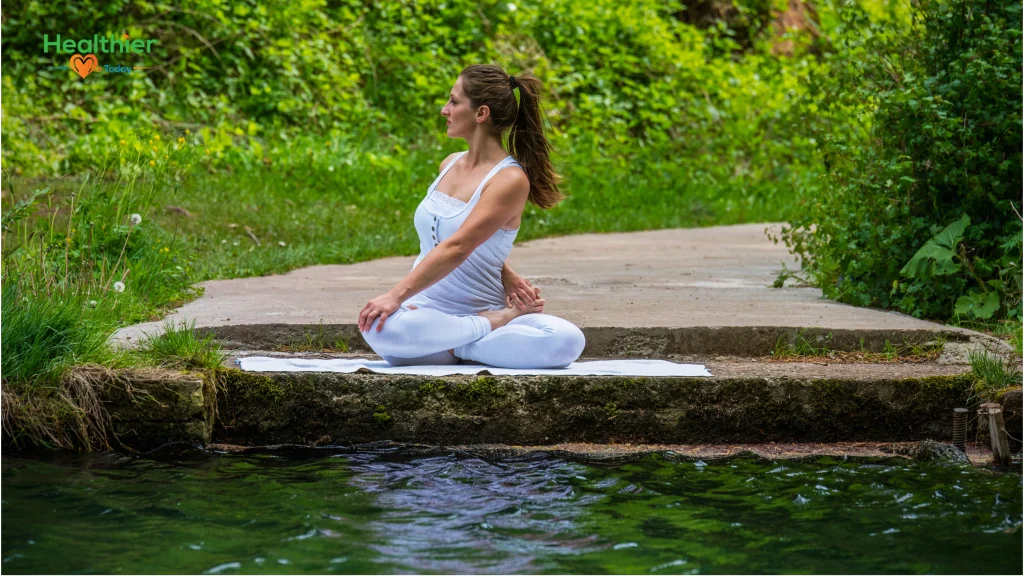
Nature therapy uses the environment and nature as a tool in healing both mental and physical health. It is also known as green therapy and eco therapy, and it helps to connect individuals with nature and their ancestorial roots and re-ignites our instinct to appreciate and engage with nature. This natural therapeutic practice has been shown to impact mental health and physical health challenges positively.
Doing nature or eco therapy activities such as mindful walking, hiking, or gardening can boost your mental and physical health. This form of therapy is also known as preventative medicine, as it can help manage psychological and physical conditions and sometimes prevent them from worsening. Nature therapy is based on the concept that being in nature can give a sense of calm, self-reflection, admiration, freedom, mindfulness, gratitude, and much more.
Nature therapy combines mindfulness and gentle exercising, which improves mood and well-being. Being in nature allows us to disconnect from social media, work stress, and other stressors we may experience daily. Taking a much-needed break from these distractions can significantly boost mental health.
What Does Nature Therapy Treat?
Nature or eco therapy is rising as a popular holistic method, and extensive research [National Institutes of Health] has shown that it can effectively support mental health and physical health problems.

Here are a few conditions that nature therapy has been known to improve:
- Stress
- Anxiety
- Depression
- Isolation
- Physical health problems such as heart problems and low vitamin D levels
- Post-traumatic stress disorder
Different Types of Nature Therapy
Nature therapy entails various approaches using the natural environment to boost our well-being. Some therapeutic practices are done in groups, and others aim to connect a single individual to nature. Nature therapy is also used as part of talk therapy with a therapist.
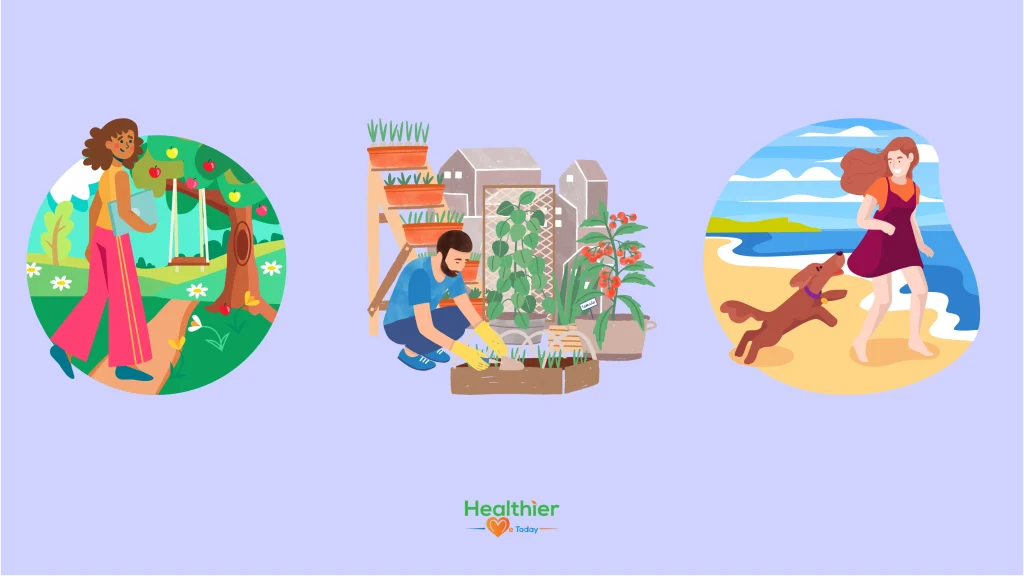
The most common types of nature therapy include:
Nature Walks
Perhaps the most simple and easiest form of nature therapy. Nature walks mix self-reflection, mindfulness, and physical activity. It involves walking in nature, whether in a park, coastal area like the beach, forest, nature trails, or other outdoor environments.
This allows people to immerse and connect with the tranquil beauty of Mother Nature. Nature walks mix self-reflection, mindfulness, and physical activity. Because of these aspects, research [National Institutes of Health] has discovered that nature walks have excellent mental and physical health benefits.
Forest Bathing
Forest bathing, originally called shinrin-yoku originated in Japan and is a natural therapeutic practice of an individual or group immersing themself in a forest environment. Taking in the forest sights, smells, textures, and sounds can help promote overall well-being.
Forest bathing is not literal and does not mean taking a bath in a forest but bathing in the environment’s surroundings. It can sometimes be confused with exercise or hiking, but it focuses solely on connecting deeply with nature and slowing down. Forest bathing has been shown to have benefits such as improving immune function, reducing blood pressure, and boosting mood.
Nature Meditation
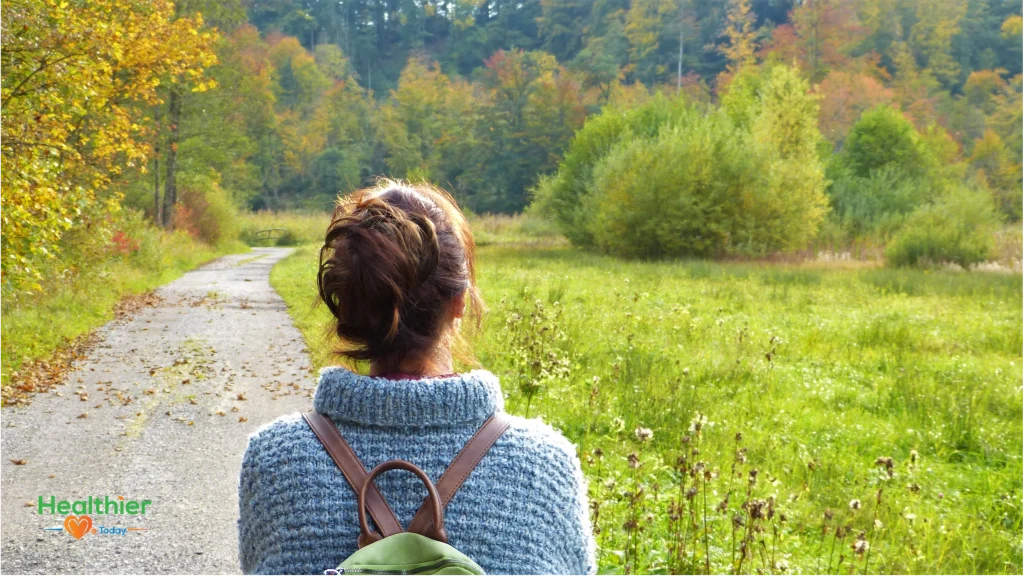
Nature meditation is purposely practicing meditation methods while being surrounded by nature. This incorporates the attributes of mindfulness and the therapeutic benefits of nature. Nature meditation encourages individuals to tune into their senses by immersing themselves in the natural environment’s sensations, sounds, views, and smells and fully experiencing them all. Research [National Institutes of Health] of 25 studies has concluded that nature meditation positively impacts overall health, especially in a wild environment like a forest.
Blue Mind Therapy
Blue mind therapy is an emergent form of nature therapy that uses water-based environments. This includes areas such as rivers, lakes, and oceans and harnesses the therapeutic benefits of water. It is based on the idea and understanding that being close to a body of water can rejuvenate and have calming effects on the spirit, body, and mind. Research [Well+Good] has shown that swimming, listening to the sound of water, surfing, kayaking, or walking along the beach can boost the therapeutic effects of blue mind therapy.
Horticulture Therapy
Horticulture therapy encourages people to participate in different activities, such as gardening or ones tailored to their abilities and needs. These include harvesting, weeding, planting, watering, and garden tending. Working with plants, soil, water, and nature promotes several therapeutic benefits, such as a sense of accomplishment, and it helps to decrease depression, anxiety, and stress. Horticulture therapy isn’t only great for mental health issues and physical health as it incorporates gentle exercises.
What is Virtual Eco Therapy?
It may sound contradictory, but virtual nature or eco therapy involves experiencing the therapeutic benefits of nature while not having to be in it. This practice is especially useful for people with mobility problems or those in urban areas who cannot access natural environments. This therapy uses virtual reality or videos of nature to give the sensation and benefits of being in nature.

Virtual eco therapy includes listening to nature sounds or themed meditation sessions, watching a nature video of mountains, the ocean, forest, or other such settings to help boost moods, and relaxing while or before speaking to a therapist or mental health specialist. It also offers customization and flexibility, allowing individuals to add it to their online therapy. Individuals can tailor their virtual nature therapy experience to match preferences, such as what sounds and visual landscapes they prefer. This makes it a more personal and convenient way to reap the benefits of nature therapy.
Conclusion: What You Need to Know About Nature Therapy

If you or a loved one is feeling anxious, overwhelmed, depressed, or stressed, nature therapy is worth a try. With science backing it up, this holistic method of treating mental and physical health problems has been proven to have several health benefits, such as incorporating gentle exercising, mindfulness, self-reflection, calmness, and more. Nature therapy comes in many different forms, even online, making it an accessible tool for anyone.
FAQ’s:
What is nature therapy, and how can it benefit mental health?
Nature therapy uses the natural environment to help treat mental health and physical problems. Nature therapy for mental health can help release serotonin and dopamine and improve mood. It also helps to reduce stress, disconnect from distractions, and improve overall well-being.
How does Eco therapy differ from traditional therapy methods?
It differs by incorporating nature into the healing process, whether mentally or physically.
What conditions can be treated using nature-based therapies?
Nature therapy can help treat PTSD, anxiety, depression, stress, addiction, physical conditions, and self-esteem.
Are there scientific studies supporting the benefits of Eco therapy and nature treatment?
Yes, there are scientific studies [ScienceDiret] that support the effectiveness and benefits of nature therapy.
How can I incorporate natural therapeutic practices into my daily routine?
You can incorporate nature therapy by including natural therapeutic activities into your daily life, such as hiking, gardening, swimming, listening and watching nature videos, and walking in natural settings.
What are some popular activities in nature-based therapy programs?
Some popular activities include nature meditation, forest bathing, horticulture therapy, blue mind therapy, and nature walks.
