
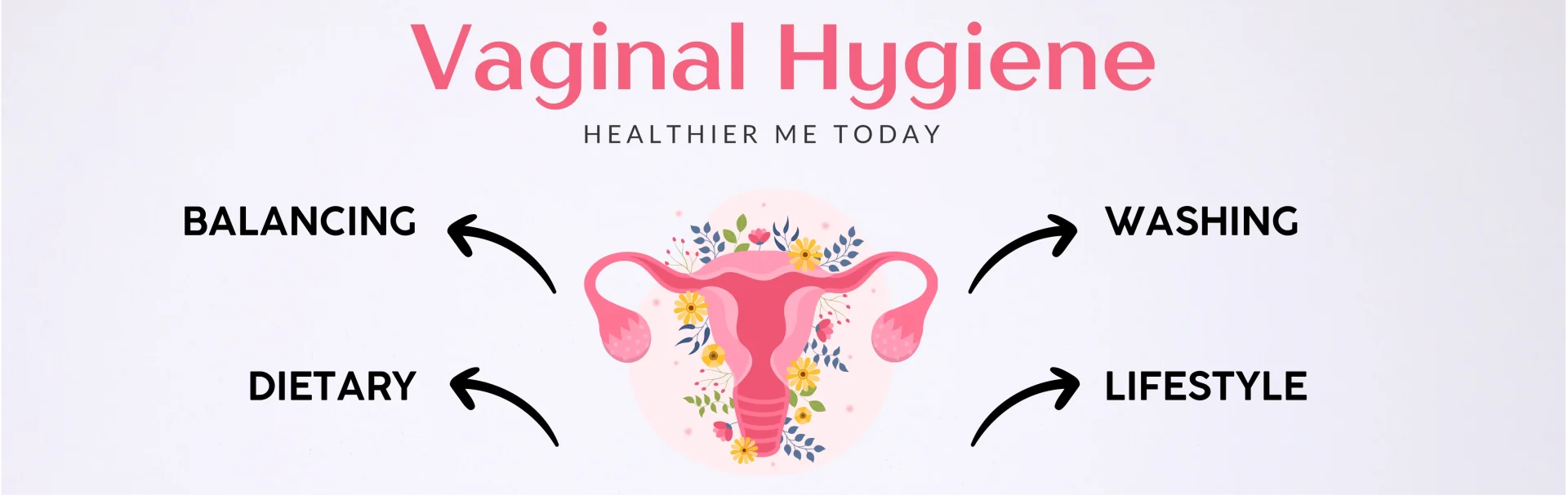
Wondering how to get rid of vaginal odor at home? Vaginal odor is a natural part of life, but when you catch yourself thinking, “I can smell myself through my pants,” it’s time to take notice. This guide dives deep into home remedies for vaginal odor, sorting what genuinely works, such as proper vaginal care, from what falls flat, like trendy vaginal detox gimmicks, from mastering how to wash vagina safely to tackling smelly discharge naturally.
This article lists evidence-based tips to maintain a healthy vaginal environment with confidence. Let’s begin!
Understanding Vaginal Odor: What’s Normal and What’s Not
Vaginal odor isn’t something to fear. It’s a sign your body is functioning as it should. Every woman has a unique scent shaped by biology and daily life. Cleveland Clinic explains that a healthy vaginal odor is typically mild, perhaps a bit musky, tangy, or slightly sweet, thanks to sweat glands, hormonal shifts, and the natural bacterial community.

This scent can shift with your cycle, becoming more noticeable during menstruation with a metallic smell from period or lingering subtly as vaginal odour after period. The vagina’s acidic pH (3.8-4.5) keeps good bacteria like lactobacillus in charge, maintaining balance. However, when that scent turns fishy, foul, or strong enough to make you say, “I can smell myself through my pants,” it suggests something’s off, whether from hygiene, lifestyle, or a health issue.
- Normal Odor Variations: A slight tang or musk is standard and shifts with your cycle, such as during the smell from period or post-ovulation. Hormones drive these changes, which are no cause for concern.
- Abnormal Red Flags: Fishy, yeasty, or rotten smells are unusual. Bacterial vaginosis (BV) often brings a fishy whiff with gray discharge, while yeast infections smell yeasty with thick clumps, hinting at underlying issues.
- Misconceptions: The myth that vaginas should be odorless fuels risky habits like douching. Cleveland Clinic warns that this disrupts pH and can worsen odor instead of improving it.
Recognizing your baseline helps you manage vaginal care effectively by supporting nature rather than fighting it.
Common Causes of Vaginal Odor
Vaginal odor doesn’t appear out of nowhere; it’s tied to a mix of daily habits, bodily processes, and sometimes medical conditions. Pinpointing the cause is key to deciding how to get rid of vaginal odor at home or knowing when to seek a doctor. The triggers range from sweaty workouts to serious infections, each offering clues about what’s happening in your body.
Everyday Triggers
Daily life can quietly amplify vaginal odor, especially if you overlook small details.
Here are everyday odor triggers:
- Sweat and clothing choices: Tight jeans, leggings, or synthetic underwear trap heat and moisture around the vulva, creating a perfect spot for odor-causing bacteria to thrive. Sweat glands in the groin work hard, particularly after exercise or on humid days, turning mild scents into something noticeable through layers. Switching to loose cotton can quickly improve vaginal smell.
- Menstruation and its aftermath: Your period’s metallic or earthy smell from period comes from blood and tissue breaking down, a natural shift driven by hormones. If you don’t rinse gently afterward, leftover residue can lead to vaginal odour after period. Pads or tampons left too long encourage bacterial growth, making the scent sharper and more persistent.
- Dietary influences: Foods like onions, garlic, asparagus, or excessive coffee filter into your sweat and urine, subtly altering vaginal scent. The effect isn’t drastic, but it’s enough to tweak your usual smell, complicating efforts for how to remove vaginal odor without dietary adjustments.
Medical Conditions Behind Odor
Sometimes, odor signals are more than lifestyle slip-ups; they are health issues demanding attention.
Here are medical conditions that cause odor:
- Bacterial vaginosis (BV): When harmful bacteria overtake the good, BV disrupts vaginal pH, making it the top odor culprit, according to Cleveland Clinic. About 50% of cases feature a fishy smell with gray, watery discharge. Antibiotics, stress, or multiple partners can trigger this imbalance, though it’s not an STI. The scent might make you think, “I can smell myself through my pants even after showering,” especially after sex or during periods.
- Yeast infections: Candida overgrowth creates a yeasty, bread-like smell with thick, white, clumpy discharge, affecting 75% of women at some point. Antibiotics, diabetes, or damp conditions like wet swimsuits spark this fungal surge. It’s distinct from BV’s fishy odor yet noticeable enough to raise questions about how to get rid of smelly discharge naturally at home.
- Trichomoniasis: This STI, caused by a parasite, delivers a foul, rotten odor with frothy, yellow-green discharge, though rarer, impacting millions yearly. Spread through unprotected sex, it’s often silent initially (70% of cases show no early signs), but when the smell kicks in, it’s far more potent than typical vaginal odour after period.
- Pelvic inflammatory disease (PID): PID arises when bacteria from untreated STIs like chlamydia climb into the uterus or tubes, often after sex or douching, a risky thing you should not do to your private parts. Though less common, it’s serious, producing a heavy, foul odor with pain and fever, making “I can smell myself through my pants” one symptom among many.
Lifestyle and Hygiene Missteps
Beyond biology, your habits can fuel odor quietly. Skipping a proper how to wash vagina routine, or overdoing it with harsh soaps, throws off pH and invites bacteria to flourish. Lingering in sweaty gym gear or neglecting post-period cleanup turns a mild smell from period into a lingering problem, making daily vaginal care a must.
Home Remedies That Work for Vaginal Odor
You don’t need fancy tools or miracle potions; effective home remedies for vaginal odor rely on straightforward, science-backed habits that bolster your body’s natural rhythm. These approaches address how to get rid of vaginal odor at home by enhancing what’s already functioning well, offering practical steps anyone can follow.

Proper Washing Techniques
Hygiene doesn’t mean scrubbing everything in sight; it’s about carefully targeting the right spots.
Below are the best ways to wash wisely:
- How to wash: For how to clean vagina safely, use warm water or mild, unscented soap on the vulva, including the labia, clitoris, and outer folds. The inside manages itself with discharge, as the Cleveland Clinic notes.
- Frequency matters: Once daily, it keeps things fresh; over-washing strips away the good bacteria that are essential for a healthy vaginal state. A gentle rinse post-period helps with vaginal odour after period.
- Breathable fabrics: Cotton underwear and loose pants reduce moisture, a key factor in keeping your vagina healthy. Testers switching from synthetics noticed less “I can smell myself through my pants” quickly.
Dietary Adjustments
Your diet influences more than your waistline; it subtly shapes vaginal scent too.
Here are dietary fixes that work:
- Hydration boost: Drinking 8-10 glasses of water daily flushes toxins, diluting sweat and urine odors – a simple trick for how to get rid of vaginal odor at home.
- Probiotics power: Yogurt, kefir, or lactobacillus supplements rebuild vaginal flora, cutting smelly discharge. Research [National Institutes of Health] suggests 60% of women see BV relief with this natural vaginal care boost.
- Cut odor triggers: Reducing garlic, asparagus, or heavy coffee gradually eases scent, supporting efforts with consistent dietary tweaks.
Lifestyle Tweaks
Your daily choices can either lock in odor or let it dissipate.
These are clever lifestyle adjustments:
- Clothing choices: Swap tight leggings for skirts or breathable pants; sweat decreases fast, aiding how to remove vaginal odor effortlessly.
- Post-exercise rinse: Shower after sweating to clear buildup. This is crucial if “I can smell myself through my pants even after showering” persists.
- Sleep naked: Letting your vulva breathe overnight minimizes moisture, a wise step for keeping your vagina smelling good.
Supporting Natural Balance
A couple of extras can gently enhance your body’s defenses.
Here are natural boosters to try:
- Apple cider vinegar bath: A diluted soak (1 cup in a tub) may balance external pH, not a cure but a mild aid Cleveland Clinic deems safe if used carefully.
- Tea tree oil: A drop in bathwater, heavily diluted, provides antibacterial benefits; use sparingly to avoid irritation, boosting vaginal care.
These methods reinforce your natural system, making them reliable for how to get rid of vaginal odor at home.
Home Remedies That Don’t Work (And Why)
Not every popular fix holds up; some home remedies for vaginal odor flop miserably, often worsening the problem. These missteps promise quick results but deliver setbacks instead, highlighting why sticking to proven vaginal care matters.
Internal Cleaning Myths
The vagina’s a self-cleaning wonder; messing with it inside is more harm than help.
Here are things to steer clear of:
- Douching debunked: Douching strips good bacteria, raising BV risk by 20%. Cleveland Clinic warns that it is a top thing you should not do to your private parts.
- Vaginal detox fads: Pearls, steams, or herb inserts for vaginal cleanse lack proof; irritation risks make them useless for how to get rid of vaginal odor at home.
Risky Practices
Some ideas sound clever, but they throw your balance into chaos.
These are practices to avoid:
- Scented soaps and sprays: These briefly mask smells but disrupt pH, worsening odor; avoid perfumed vaginal detox products entirely.
- Vinegar douches: No evidence backs this for how to get rid of smelly discharge naturally at home; it burns tissue, another thing you should not do to your private parts.
Misguided Food Fixes
Food tweaks can help slightly, but these viral hacks overpromise.
Here are food fixes that fail:
- Pineapple myth: Eating it won’t sweeten your vagina; diet shifts are subtle, not a solution for vaginal odour after period.
- Sugar scrubs: DIY scrubs near the vulva feed yeast, boosting odor, an apparent vaginal care mistake to dodge.
These flops miss the mark by ignoring the vagina’s natural rhythm; opt for what’s tested and true.
How to Properly Clean Your Vagina: Dos and Don’ts
Cleaning your vagina doesn’t need to be complex; it’s about gentle, targeted care that respects your body’s system. Getting it right avoids amplifying odor, keeping things fresh with minimal effort.

Dos for Effective Cleaning
Simplicity wins; proper cleaning supports healthy vaginal balance without throwing it off course.
Here’s how to clean effectively:
- External only: For how to clean vagina right, wash the vulva, including labia, clitoris, and outer folds, with warm water or mild soap. Inside self-manages with discharge, as the Cleveland Clinic confirms.
- Pat dry thoroughly: A clean towel prevents moisture buildup, reducing bacterial risk and maintaining freshness.
- Daily consistency: Once-a-day washing keeps balance; add a rinse post-sweat or period for solid vaginal care.
- Unscented products: Use fragrance-free soap since scents disrupt pH, undermining how to properly clean vagina.
Don’ts to Avoid Harm
Going too hard or using the wrong stuff can turn cleaning into an odor booster.
These are pitfalls to dodge:
- No internal scrubbing: Among things you should not do to your private parts, inserting soap or tools tops the list; the vagina’s fine on its own.
- Avoid harsh chemicals: Skip-scented wipes or gels, which upset pH and worsen “I can smell myself through my pants,” despite your efforts.
These steps keep odor in check without overcomplicating your routine.
When to Seek Professional Help
Home fixes have their limits; persistent odor, incredibly fishy, yeasty, or paired with odd discharge signals help beyond how to get rid of vaginal odor at home.
Cleveland Clinic suggests seeing a doctor if:
- The smell lingers despite good vaginal care.
- Vaginal odour after period turns abnormal, like gray or frothy discharge.
- Itching, burning, or “I can smell myself through my pants even after showering” stick around.
BV, trichomoniasis, or PID require antibiotics or specific treatments; don’t delay if symptoms escalate.
Conclusion: Addressing Your Vaginal Odor Concerns
Managing vaginal odor is straightforward with the right home remedies for vaginal odor, such as proper “how to clean vagina” habits, hydration, and probiotics for how to get rid of vaginal odor at home. Skip douching and vaginal detox are obvious things you should not do to your private parts, and embrace gentle vaginal care. If “I can smell myself through my pants” persists, consult a doctor. A healthy vaginal state is achievable with innovative, tailored steps that work with your body’s needs.
FAQ’s:
Why do I still smell bad even after showering?
If you’re asking, “I can smell myself through my pants even after showering,” it might be sweat trapped in tight clothes, a garlic-rich diet, or BV lurking beneath. Showering helps, but over-washing with harsh soaps disrupts healthy vaginal pH, letting odor linger. Try cotton underwear, loose pants, and a once-daily mild soap routine; persistent smells suggest a doctor’s visit.
What are the common causes of vaginal odor?
Odor stems from sweat, menstruation (smell from period), or diet, like onions. Medical causes include BV (fishy), yeast infections (yeasty), trichomoniasis (foul), or PID (heavy). Poor vaginal care, such as skipping how to wash vagina or overdoing it, worsens “I can smell myself through my pants”. Tight clothing adds to it.
How do I properly clean my vagina without disrupting pH balance?
For how to properly clean vagina, wash the vulva, not inside, with warm water or unscented soap once daily. The vagina’s pH (3.8-4.5) self-regulates; douching or vaginal detox throws it off. Pat dry, wear cotton, and avoid things you should not do to your private parts, like fragrances, for a healthy vaginal state.
What home remedies work best for reducing vaginal odor?
For how to get rid of vaginal odor at home, wash externally (how to clean vagina), drink water, and eat probiotics (yogurt) to curb smelly discharge. Loose clothing and cotton underwear aid in vagina health. These bolster balance, unlike vaginal cleanse fads, keeping odor in check.
How often should I wash my vagina, and what products should I use?
For how to wash vagina safely, once daily with warm water or mild, unscented soap on the vulva, not inside, is enough. Over-washing strips good bacteria, so keep it simple. Avoid fragrances since vaginal care thrives on minimalism to maintain balance.
What ingredients should I avoid in vaginal cleansers and detox products?
Steer clear of fragrances, dyes, alcohol, and parabens; they irritate and disrupt healthy vaginal pH, worsening odor. Vaginal detox with vinegar or herbs is unproven and risky, among things you should not do to your private parts, potentially sparking infections or burns instead of helping.
