
Intermittent fasting is not about what you eat but when you should eat. For some, it’s a lifestyle; for others, it’s for religious purposes. Let’s take a closer look at what it is, the benefits, types of fasting, sample meal plans, and special considerations!
What is Intermittent Fasting
Did you know fasting can decrease body fat by over 16% over 3-12 weeks? Even more amazing is that it has been shown to reduce the rate at which cancer grows. But what exactly is intermittent fasting or time-restricted eating? It is a various meal timing schedule that cycles between voluntary fasting and non-fasting over a given period. Methods include alternate-day fasting, periodic fasting, a 5:2 diet, and time-restricted eating. Some of the benefits are below!
Benefits of Intermittent Fasting
Intermittent fasting can benefit individuals of all ages. The National Institute on Aging says time-restricted eating has had some great results over the last few years.
Health Benefits
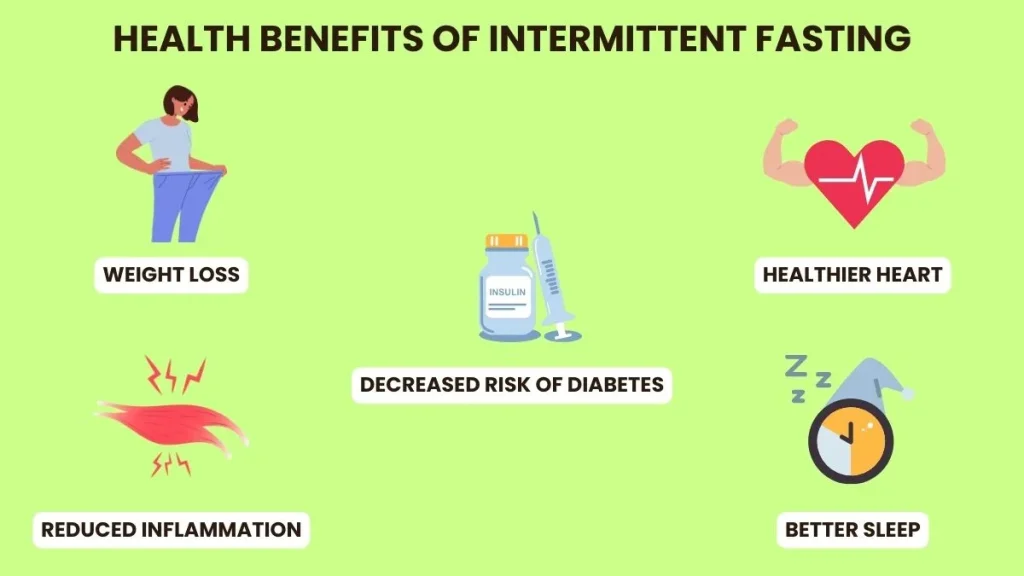
- Weight loss: Intermittent fasting helps you lose visceral fat. Now, this type of fat is known to cause diseases. Talk about two birds with one stone!
- Inflammation: Inflammation can cause serious health conditions, such as autoimmune disease and rheumatoid arthritis. Intermittent fasting can reduce inflammation within the body by releasing proinflammatory cells called ‘monocytes’.
- Heart health: It protects your heart by reducing blood pressure and improving cholesterol levels.
- Insulin: This way of eating reduces your body’s resistance to insulin, decreasing the risk of diabetes.
- Sleep: Intermittent fasting can improve sleep quality by regulating your circadian rhythm (internal clock).
Cognitive Benefits
- Brain function: Studies published by the Journal of Neurochemistry say intermittent fasting increases brain production.
- Neuroprotection: You can slow down the progression of Alzheimer’s disease.
- Inflammation: Intermittent fasting reduces inflammation, which is linked to cognitive issues.
- Clarity and Focus: This way of eating can increase your productivity by helping with some mental clarity and focus.
Skin Benefits
Fasting lowers oxidative stress, which leads to clearer, tighter, and healthier-looking skin. Isn’t that just great? Intermittent fasting has been shown to reduce inflammation by lowering pro-inflammatory markers.
The following skin conditions can be improved with intermittent fasting:
- Acne
- Rosacea
- Eczema
Different Types of Intermittent Fasting
There are many different types of time-restricted eating, and which one will work the best depends on your lifestyle, health goals, and how your body responds to fasting.
Below are 3 of the most popular intermittent fasting methods:
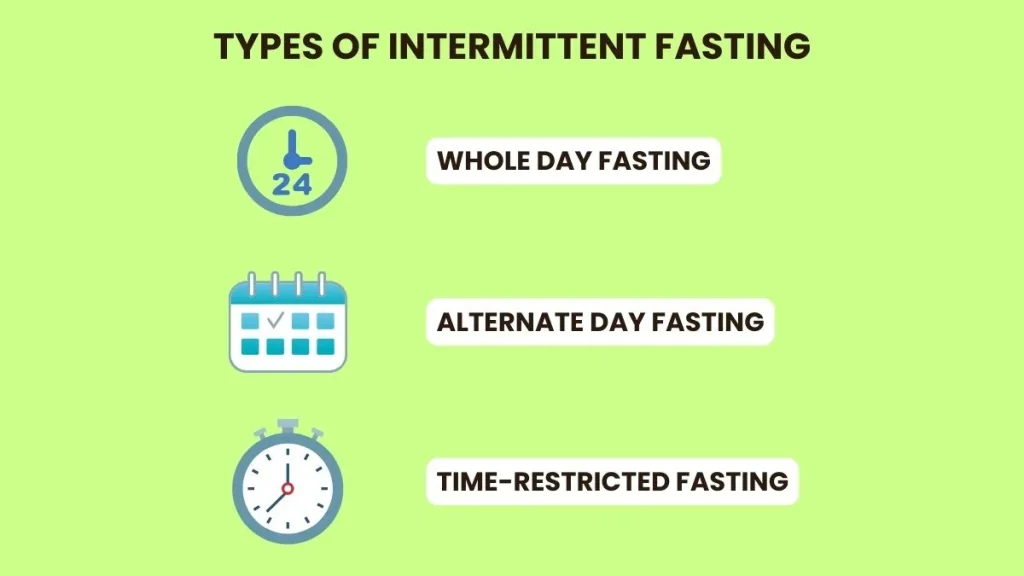
- Whole day fasting
- Alternate day fasting
- Time-restricted fasting
Intermittent Fasting Meal Plans
According to PubMed Central, time-restricted eating (IF) has some side effects. They are:
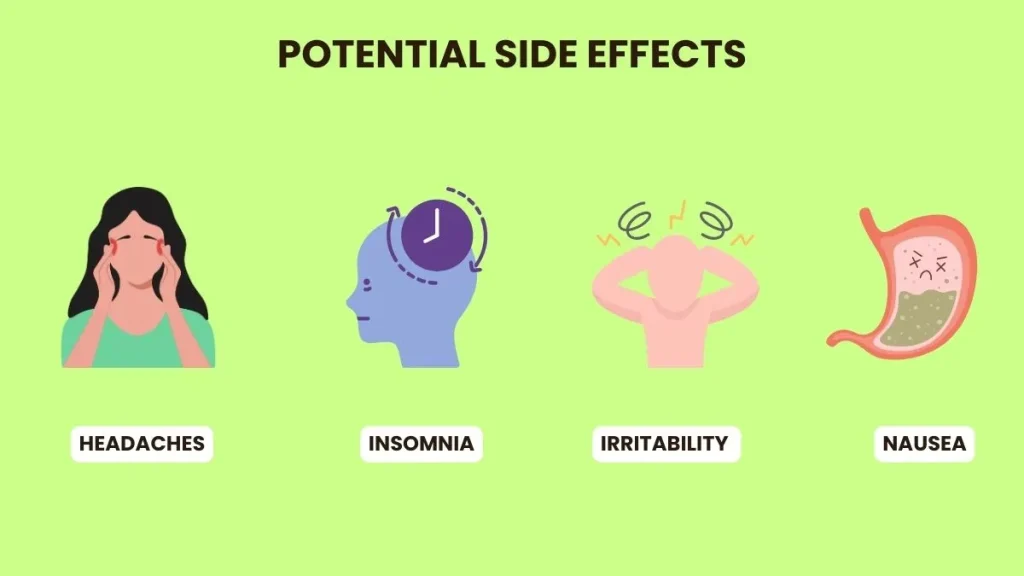
- Headaches
- Insomnia
- Nausea
- Irritability
Note: Intermittent fasting can be dangerous for women who are pregnant and for those who have diabetes.
Sample Meal Plans
16/8 Meal Plan:
- 5-7 am: Start your day off with a beverage of your choice. Don’t add sweeteners or cream.
- Breakfast (12 am): You can have a vegetable wrap with eggs or some fruits. The choice is yours!
- Lunch (2 pm): A piece of chicken cooked or baked with vegetable stir-fried rice
- Snack (4 pm): A packet of mixed nuts or a tub of plain yogurt.
- Dinner (6 pm): Whole wheat pasta, meatballs with a nice green salad.
- Snack (8 pm): A few squares of dark chocolate or dark chocolate-covered almonds.
15/2 Meal Plan:
- Monday: Start your fast! Make sure to drink enough water or something like herbal tea or black coffee.
- Tuesday: Have an unsweetend almond milk smoothie at breakfast. For lunch you can have a delicious grilled chicken salad with olive dressing and for dinner, you can have baked salmon and steamed broccoli. A great snack can be an apple with a bunch of almonds, about a handful.
- Wednesday: Have some Greek yogurt with fruits for breakfast and a quinoa bowl for lunch. Eat stir-fried tofu for dinner wih vegetables and rice. Then carrot sticks with hummus for a snack if you are feeling peckish.
- Thursday: Fast, just remember your fluids!
- Friday: For breakfast you can have the popular overnight oats with chia seeds topped with bananas! Have a turkey and avocado wrap for lunch, then for dinner grilled shrimp with roasted sweet potatoes and asparagus. Walnuts and a pear can be a nice snack.
- Saturday: Enjoy some scrambled eggs with spinach and a slice of whole grain toast for breakfast and lentil soup for lunch with a side salad. Eat chicken stir fry with some rice, bell peppers and snap peas for dinner. A great snack is a bowl of fresh berries!
- Sunday: Have a blended acai smoothie topped with granola and kiwi. For lunch you can have stuffed fetta and spinach chicken with quinoa. Eat some baked cod with cauliflower and green bean mash. If you want a snack, dip some sticks in peanut butter.
Intermittent Fasting Apps
There are a lot of apps for fasting nowadays; some are free, and others have paid subscriptions. These apps help you track fasting windows and make sure that you are sticking to the schedule. Here are some of the best free apps:
- 168 Intermittent fasting app
- Zero
- Bodyfast
- Yazio Calorie counter
Special Considerations
- Dehydration: Drink plenty of water during a fast because it can quickly lead to dehydration.
- Deficiencies: You must eat a balanced diet during your eating windows to avoid nutrient deficiencies. It can reduce energy levels and affect your overall health.
- Blood sugar: Intermittent fasting can help lower blood sugar! Just be careful because it can also be dangerous as it can cause hypoglycemia. Making you feel dizzy, confused, have shakes and make you loose consciousness.
Impact on Hormones
- Menopause: Intermittent fasting can work wonders for menopausal women. It can improve their insulin sensitivity, help with weight management and even relieve some menopause symptoms.
- Testosterone levels: Fasting can help men regulate their hormones. Yes, that’s actually a thing!
Conclusion
Intermittent fasting has great benefits for skin and health. Some believe it has cognitive benefits, and it is recommended for all ages, even those over 50! Isn’t that great?
Choosing a meal plan can be tricky, but there are many to choose from, like the 16/8 meal plan and the 15/2. Intermittent fasting apps can help you keep track and make sure you follow your plans. The good news is that there are free apps; you don’t have to pay for a subscription. Just make sure that you drink enough water, eat a balanced diet and that you monitor your blood levels. Ready to transform your health with time-restricted eating?
