
High blood pressure (hypertension) is generally asymptomatic but poses a risk of heart disease and stroke. Most individuals’ blood pressure is below 120/80 mm Hg, but a reading of 120-129 over 80 indicates high blood pressure. Now, your doctor may recommend lifestyle changes to help you manage your blood pressure and prevent it from becoming too high.
Want to know more? This article provides an in-depth explanation of high blood pressure and how to lower it. Let’s start!
Get Enough Exercise to Manage High Blood Pressure
According to research, aerobic and resistance exercise can help delay or regulate high blood pressure. Blood pressure can drop for up to 24 hours after exercise, which is why regular physical activity is crucial. Consistent exercise causes your heart and respiratory rates to increase, and over time, your heart becomes stronger and pumps with less effort. This reduces pressure on your arteries, helping lower high blood pressure.
The Centers for Disease Control and Prevention (CDC) recommends at least 2.5 hours of moderate-intensity exercise each week, or about 30 minutes per day, five days a week. The CDC also advises children and teenagers to get one hour of exercise per day. recommends that children and teenagers get one hour of exercise per day.
Here are some tips for improving your activity levels:
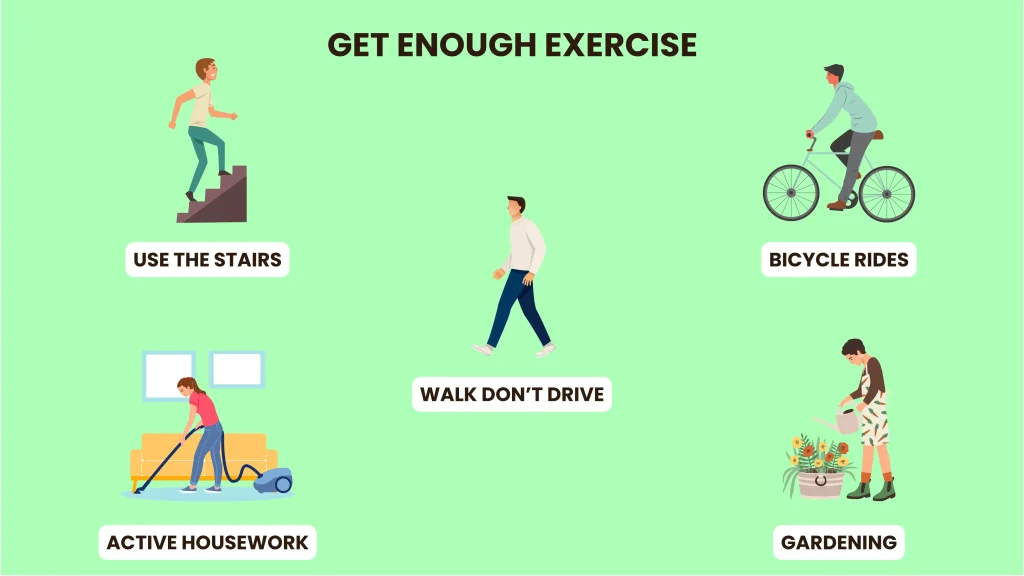
- Using the stairs
- Walk instead of driving
- Doing housework
- Gardening
- Going for a bicycle ride
- Playing a team sport
Manage Your Weight
Having excess body weight exerts strain on the heart and cardiovascular system. This can increase blood pressure. If you have a BMI of 25 or more, dropping 5-10 pounds will help lower your blood pressure. It may also reduce the chance of various health issues.
The three main approaches to accomplish this are:
- Move more
- Eat less
- Eat healthy
Reduce Sugar and Carbs for Lower Blood Pressure
Restricting sugar and processed carbohydrates can help you lose weight and lower your high blood pressure. A 2020 study examined how popular diets affect weight and cardiovascular risk. After 6 months of following low-carb and low-fat diets, overweight or obese individuals observed their diastolic blood pressure drop by an average of 5 mm Hg, and their systolic blood pressure drop by 3 mm Hg.
Boost Potassium, Cut Salt for Better Blood Pressure
You can lower high blood pressure by increasing your potassium intake and decreasing your salt consumption. High salt consumption increases the risk of high blood pressure, while a low salt intake reduces it. Although experts are unsure exactly why this occurs, water retention and blood vessel inflammation may play a role. Potassium helps the body remove excess salt and relaxes blood vessels, contributing to lower blood pressure.
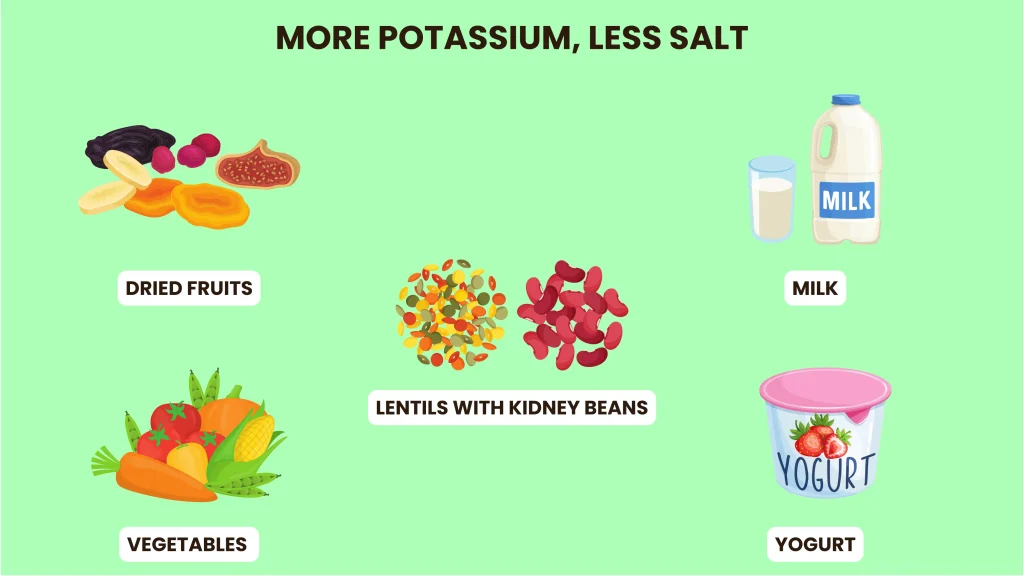
High-potassium foods include:
- Dried fruits, such as prunes and apricots
- Milk and Yogurt
- Lentils with kidney beans
- Vegetables include potatoes, tomatoes, and spinach.
However, high potassium intake can harm persons with kidney illness, so consult your doctor before increasing your potassium intake. Nutrition labels can help you determine which foods to eat and which to avoid. The Food and Drug Administration (FDA) deems a salt content of 5% to be modest, whereas 20% or more is high.
Follow A Heart-Healthy Diet
The National Institutes of Health recommends the DASH diet (Dietary Approaches to Stop Hypertension) as a heart-healthy option.
The DASH diet emphasizes:
- Eat fruits, veggies, and entire grains.
- Consume low or zero-fat dairy products.
- Eat fish, poultry, legumes, nuts, and vegetable oils.
- Limiting foods high in saturated fat and added sugars.
Cut Down on Processed Food
Processed foods are frequently heavy in sodium, added sugar, and harmful fat. They may cause weight gain. All of these variables can contribute to elevated blood pressure.
Examples include:
- Processed meats
- A number of quick or fried dishes.
- Processed snacks
Foods advertised as low fat may be heavy in salt and sugar to compensate for the lack of fat. Fat is what gives meals flavor and keeps you feeling full. Eating less processed food will help you consume less sodium, sugar, and refined carbohydrates. All of these can lead to lowered blood pressure.
Quit Or Avoid Smoking
Smoking can harm your overall health, including your blood pressure.
In the long run, the compounds in tobacco can raise your blood pressure by:
- Damage your blood vessel walls
- Producing irritation
- Narrowing your arteries
Hardened arteries induce elevated blood pressure. Even if you are exposed to secondhand smoke, tobacco compounds can have an effect on your blood vessels. One study found that nonsmokers in regions with smoke-free restaurants, pubs, and workplaces had lower blood pressure than nonsmokers in locations without such policies. Interesting, right?
Manage Stress and Anxiety
Finding techniques to handle stress is critical for both your health and your blood pressure.
Individuals’ stress-relieving methods vary but may include:
- Practising deep breathing
- Taking a walk
- Reading a Book
- Listening music
- Mindfulness
- Meditation
Eat Some Dark Chocolate
Dark chocolate usually comprises 70-85% cacao. Cacao includes flavonoids, which are antioxidants that may decrease blood pressure. These flavonoids may assist in dilating or enlarging your blood vessels. However, the American Heart Association adds that while a small amount of dark chocolate is unlikely to be dangerous, the amount consumed each day is unlikely to supply enough flavonoids to create health benefits. Chocolate that is heavy in sugar, fat, or calories may not be healthy.
Try Medicinal Herbs
Some herbal medications may assist in reducing blood pressure. However, further research is needed to determine the most effective doses and components of the plants.
People use the following plants and herbs to decrease blood pressure:
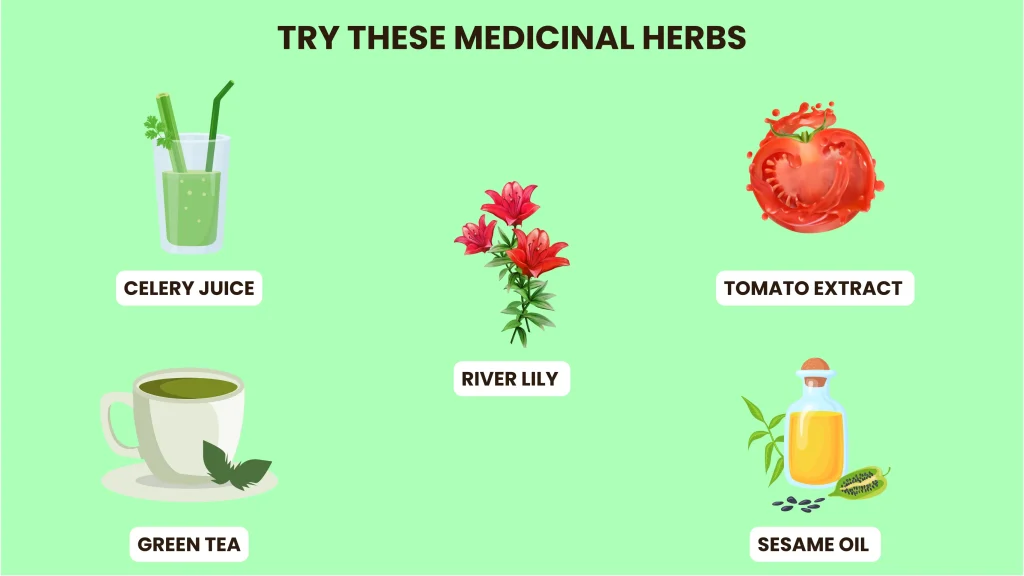
- Black bean
- Cat’s claw
- Celery juice
- Chinese hawthorn
- Ginger root
- Giant dodder
- Indian Plantago
- Maritime pine bark
- River lily
- Roselle
- Sesame oil
- Tomato extract
- Green tea and oolong tea
- Umbrella tree bark
There is insufficient data to conclude that herbal therapies can assist in regulating blood pressure. Always consult your doctor or pharmacist before taking herbal supplements. They may interact with your prescribed drugs.
Get Good Quality Sleep
Sleep loss may raise the risk of high blood pressure. One reason could be that your blood pressure naturally drops while you sleep. You may miss out on this phase if you don’t get enough sleep.
Tips for sleeping well include:
- Establishing a consistent sleep routine
- Exercise during the day, but not close to bedtime
- Sleeping in a cool, dark room
- Leaving electronics outside of the sleeping chamber
- Avoid consuming coffee or alcohol too close to bedtime
Eat More Healthy High-Protein Foods
A 2015 study of nearly 1,300 adults found that people who consume more protein have a 40% decreased long-term risk of high blood pressure. Those who combined this with a high fiber diet experienced a 60% reduction in risk. This held true whether the protein was animal or plant-based. Previous research had showed that eating protein could lower blood pressure in the short term.
High-protein foods include:
- Fish, such as salmon or tinned tuna in water
- Eggs
- Poultry, like chicken breast
- Lean beef
- Beans and legumes, including kidney beans and lentils
- Nuts or nut butter, like peanut butter
- Chickpeas
- Low-fat cheese and other dairy products
Anyone considering converting to a high-protein diet should consult with a doctor first since it may not be appropriate for everyone. It is also critical to balance various protein sources with other products.
Supplements To Lower Blood Pressure
Supplements that may help manage blood pressure include:
- Omega-3 (polyunsaturated fatty acids or fish oil)
- Whey protein
- Magnesium
- Potassium
However, there is insufficient data to conclude that most supplements can help regulate blood pressure. Always consult a doctor before using a supplement, as not all supplements are suitable for everyone. They may exacerbate other diseases or interact with other medications.
Conclusion
High blood pressure raises the risk of a variety of medical disorders. People may frequently prevent or manage it at home through exercise, dietary choices, stress management, and other methods. If home cures do not work or your blood pressure is extremely high, visit a doctor.
