

Do you experience excessive fatigue, difficulty sleeping, and problems focusing, particularly following an infection or being overwhelmed by stress? Many patients who have reported these symptoms have been advised that adrenal fatigue is to blame. Many are struggling to find relief. The difficulty with this phrase is not an officially recognized illness, is that it has been used to describe symptoms when no other explanation exists.
So, let’s take a more in-depth look at what this term entails and how to find effective relief and regain your energy!
What is Adrenal Fatigue?
James Wilson, PhD, a naturopath, chiropractor, and alternative medicine expert, first used the term “adrenal fatigue” in 1998. He refers to them as a “group of related signs and symptoms (a syndrome) that results when the adrenal glands function below the necessary level.”
He says it’s frequently associated with high stress and occurs after chronic infections such as bronchitis, the flu, or pneumonia. According to Wilson, even if there are no clinical indicators of sickness, people with it may feel lethargic, “gray,” and weary, which does not improve with sleep. They also prefer salty snacks.
How are Gland Issues Related?
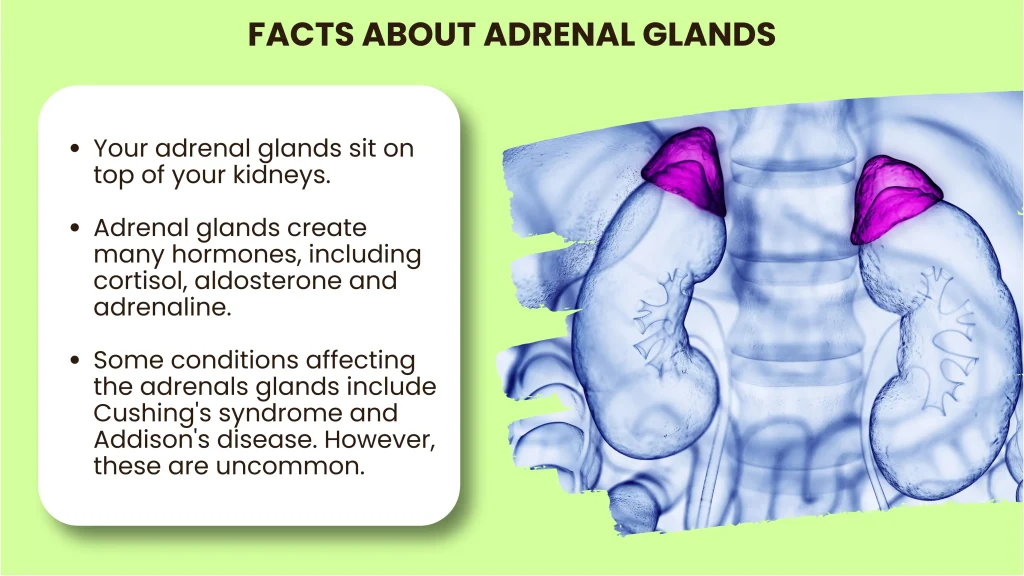
Advocates say the issue starts when the body’s ability to cope with a variety of life pressures is exceeded. Our adrenal glands – small structures positioned above the kidneys – usually respond to stress by generating chemicals such as cortisol. According to the idea of adrenal fatigue, when people are subjected to long-term stress, their adrenal glands are unable to meet the body’s demand for these hormones.
When this occurs, supporters believe that symptoms will arise. Adrenal gland problems occur when the adrenal glands produce too many or too few hormones. The adrenal glands, located directly above each kidney, are tiny and triangular. They produce hormones that assist regulate your metabolism, blood pressure, immune system, and stress response.
These hormones are:
- Cortisol
- Adrenaline
- Aldosterone
Types Of Adrenal Gland Disorders
The most common adrenal gland disorders are:
- Addison’s disease
- Virilization
- Congenital adrenal hyperplasia
- Adrenal gland suppression
- Hyperaldosteronism
- Cushing syndrome
Symptoms Of Adrenal Fatigue
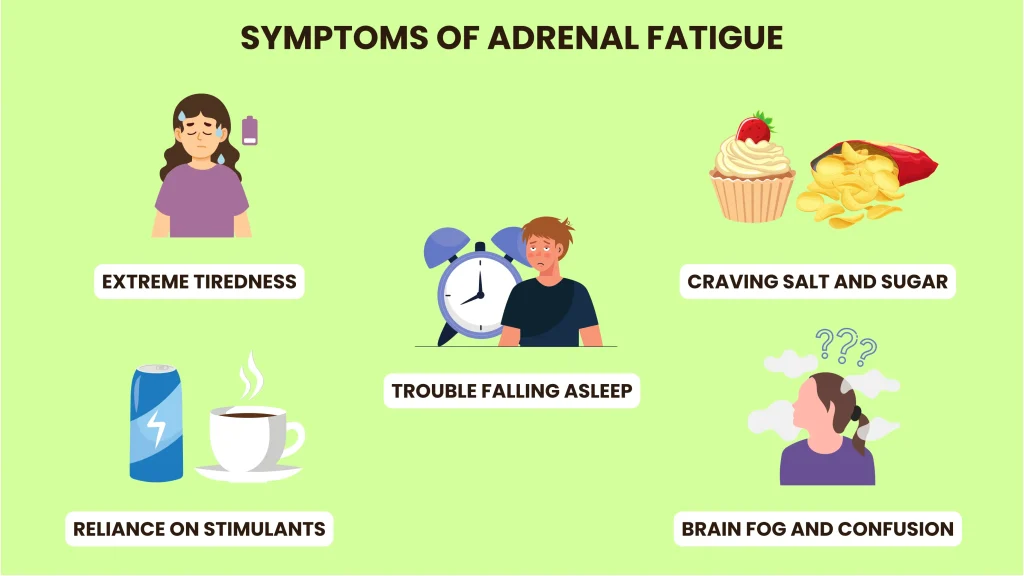
The symptoms may include:
- Extreme tiredness
- Trouble falling asleep (insomnia)
- Struggling to wake up
- Craving salt and sugar
- Unexplained weight loss or weight gain
- Reliance on stimulants such as caffeine
- Nonspecific digestive problems
- Brain fog and confusion
- Irritability
- Anxiety and depression
How Does Adrenal Fatigue Affect Women?
More than half of all women suffer from stress-related hormone imbalances. The reason is simple. It is because women face more chronic stress that our bodies aren’t physiologically meant to handle. Also, adrenal fatigue and menopause are related in two ways. Both disorders are ultimately controlled by the pituitary gland and hypothalamus in the brain, which regulate hormone synthesis in the ovaries and adrenal glands. Other factors influencing hormone levels include environmental cues and personal feedback.
During exceptionally hard times in a woman’s life, the stress reaction might take control and override the need for sex hormones. As a result, hormones become imbalanced. Furthermore, when sex hormone levels drop during perimenopause, the adrenal glands can generate them again. However, current or accumulated stress can deplete the adrenal glands, impairing their ability to produce sex hormones.
Diet and Lifestyle Changes
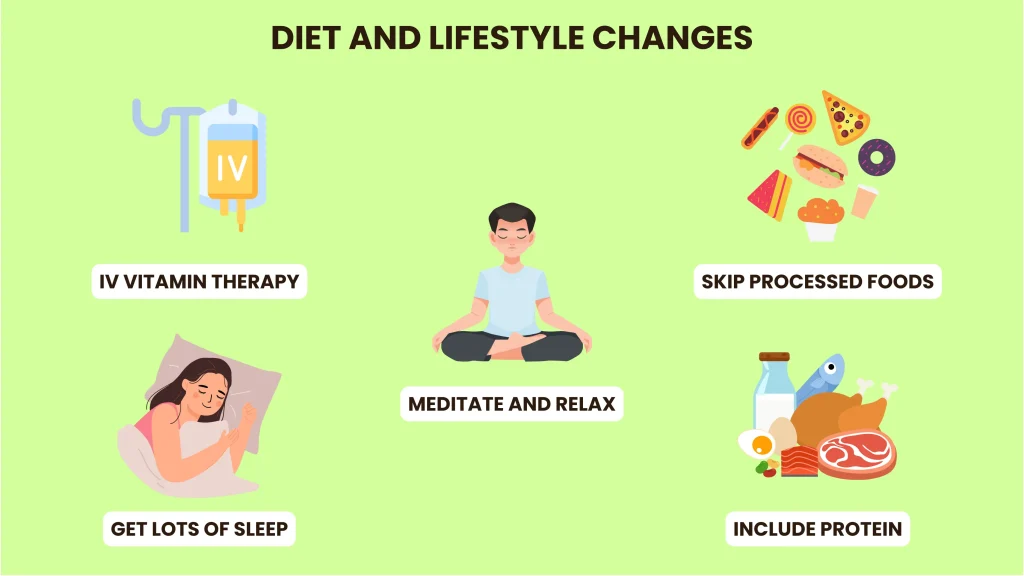
Adrenal fatigue can be treated naturally by doing the following:
- IV Vitamin Therapy – IV vitamin therapy, also known as IV infusions, has been demonstrated to help patients recover from vitality-zapping symptoms in a significantly more convenient and hassle-free manner.
- Skip Processed Foods – Stress can manifest itself in a variety of ways, one of which is consuming an excessive amount of processed meals, which your body has difficulty processing. By removing them, you help your adrenal glands return to their normal state.
- Limit High Impact Exercise – When dealing with adrenal fatigue, low-impact exercise is essential. High-impact activity causes additional stress on the body, making it more difficult for your adrenals to repair themselves. Consider practicing yoga, pilates, or gentle cardio.
- Take B Vitamins – B vitamins, such as B5, can help regulate hormones and alleviate symptoms of adrenal fatigue.
- Get Lots of Sleep – Lack of sleep adds to the body’s stress. When you don’t get enough sleep, your cortisol levels rise, and your adrenal glands work overtime. More sleep will lower cortisol and regulate adrenal levels.
- Include Protein – Protein, such as organic turkey, includes amino acids like tryptophan, which relaxes your body, reduces stress, and lowers cortisol levels, all of which help immensely.
- No Caffeine – Coffee is one of the most common culprits since it raises cortisol levels, prompting your adrenals to produce an excessive amount of cortisol, resulting in adrenal fatigue.
- Magnesium – Magnesium and magnesium-rich foods help to maintain adrenal gland function by balancing hormone production levels and alleviating symptoms.
- Organic Veggies – Organic green leafy vegetables, along with purple and orange vegetables, include antioxidants, fiber, vitamins, and minerals that help the adrenal glands function properly. As a result, it is critical to have at least 6 servings in your daily diet.
- Epsom Salt Bath – An Epsom salt bath works on many different levels to repair and rejuvenate your adrenal glands. To begin, soaking in a calming epsom salt bath a few times each week will reduce stress levels by lowering production of the stress hormone cortisol.
- Meditate and Relax – It cannot be overstated that stress is the leading cause of adrenal fatigue; thus, relaxation comes first and foremost. Use essential oils, deep belly breaths, and meditation to reduce stress and help your adrenals repair.
- Eat Regular Meals – Throughout the day, consume regular meals rich in complex carbohydrates, healthy fats, and protein. It is critical not to skip meals because this will lead to adrenal stress. Also, eat your meals leisurely and do not rush through them!
How is Adrenal Fatigue Diagnosed?
Lower-than-normal cortisol levels are a defining feature of adrenal fatigue, according to practitioners who conduct tests for it. Cortisol and other hormone levels, however, vary depending on the time of day and month. Thyroid hormones are frequently evaluated because they interact with other hormones. Your thyroid is a butterfly-shaped gland in your neck that controls growth, metabolism, and much more.
The tests mentioned below are typically conducted when a person’s symptoms reveal a medical problem indicating a hormonal imbalance:
- Cortisol
- Thyroid-stimulating hormone (TSH)
- Free T3 (FT3)
- Free T4 (FT4)
- ACTH hormone test
- DHEA-sulfate serum test
Conclusion
Although adrenal fatigue is not a medically recognized diagnosis, the symptoms usually associated with it, such as low energy, cravings, and problems sleeping and awakening, do have actual, underlying causes. Consult your doctor if you’re experiencing persistent weariness, sugar cravings, or difficulties staying motivated. They can get the ball rolling when it comes to detecting underlying diseases that may cause comparable symptoms.
Mental, physical, and emotional stress can all have a significant influence on your health. If you’ve seen significant changes in your energy or mood, make an appointment with a doctor to establish what’s causing it!
FAQ:
What does adrenal fatigue feel like?
It causes symptoms such as brain fog, irritability, loss of appetite, body/muscle aches, excessive exhaustion, sweet and salty cravings, anxiety, sleeplessness, depression, and energy dumps in the afternoon.
How do you fix adrenal fatigue?
You can overcome these symptoms by eating a balanced diet, engaging in frequent non-strenuous exercise, getting more sleep, quitting smoking, alcohol, and drugs, including coffee, and incorporating vitamin and mineral supplements into your regimen.
Can stress cause adrenal fatigue in females?
Yes, more than half of all women suffer from adrenal fatigue and hormonal imbalance induced by stress.
What is the first stage of adrenal fatigue?
Stage 1: Alarm – The alarm stage is crucial because it stimulates the adrenal gland to create modest levels
How long does it take to recover from adrenal fatigue?
Most people recover quickly, but severe symptoms might take months, if not longer. The time required for healing varies significantly from person to person and is also determined by the origin of stress and the intensity of symptoms.
