
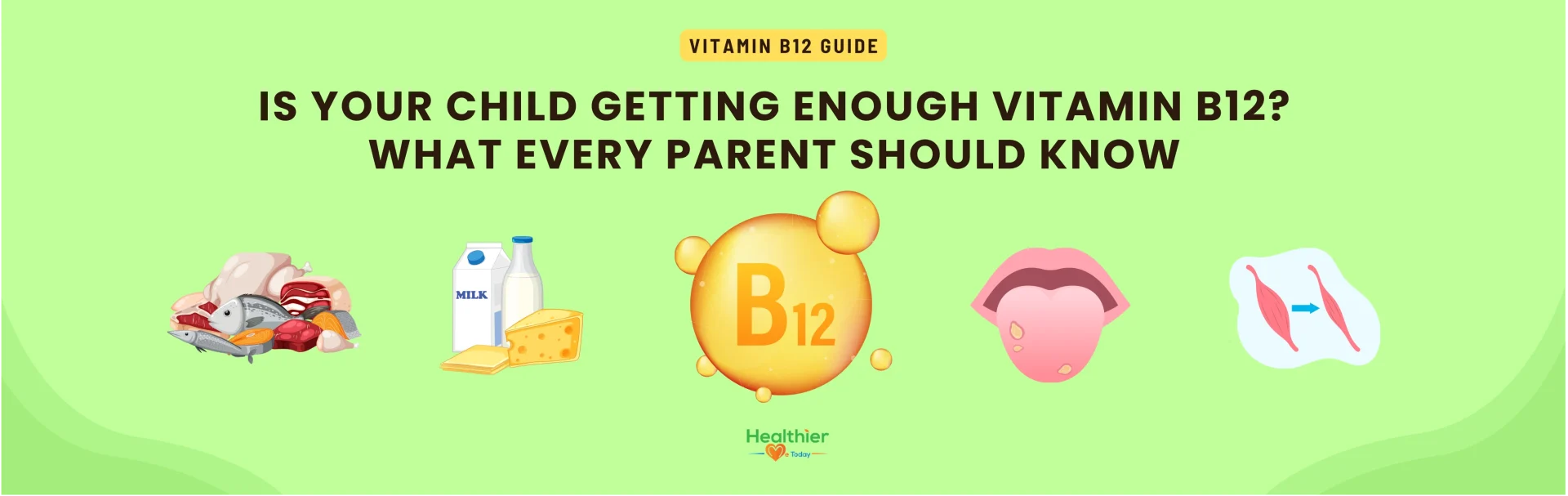
Lack of vitamin B12, commonly known as cobalamin, can slow a child’s growth and development and cause them to feel weak and exhausted. If left untreated, this B12 shortage can cause uncommon but dangerous problems like brain damage, nerve damage, and other health problems. However, most kids recover and flourish when vitamin deficiencies are identified and treated early.
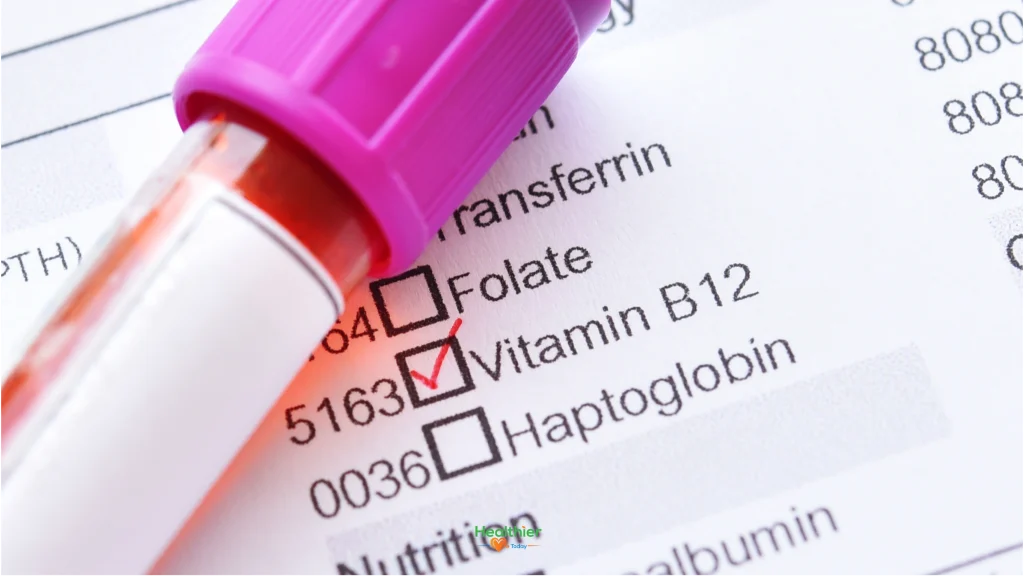
Learn about vitamin B12 and the signs that your child is not getting enough below.
Vitamin B12 Deficiency In Children
Vitamin B12 deficiency in children frequently exhibits non-specific symptoms such as developmental delays, irritability, loss of appetite, anemia, and weakness. A doctor can use a blood test to determine a person’s vitamin B12 levels. Vitamin B12 deficiencies can result from a lack of the diet’s vitamins or improper absorption.
The average recommended amount, measured in micrograms (mcg), varies with age:
- Babies up to 6 months old: 0.4 mcg.
- Babies aged 7 to 12 months: 0.5 mcg
- Children aged 1 to 3 years: 0.9 mcg
- Children aged 4 to 8 years: 1.2 mcg.
- Children aged 9 to 13 years: 1.8 mcg
- Teenagers aged 14 to 18: 2.4 mcg
Symptoms of B12 Deficiency in Children
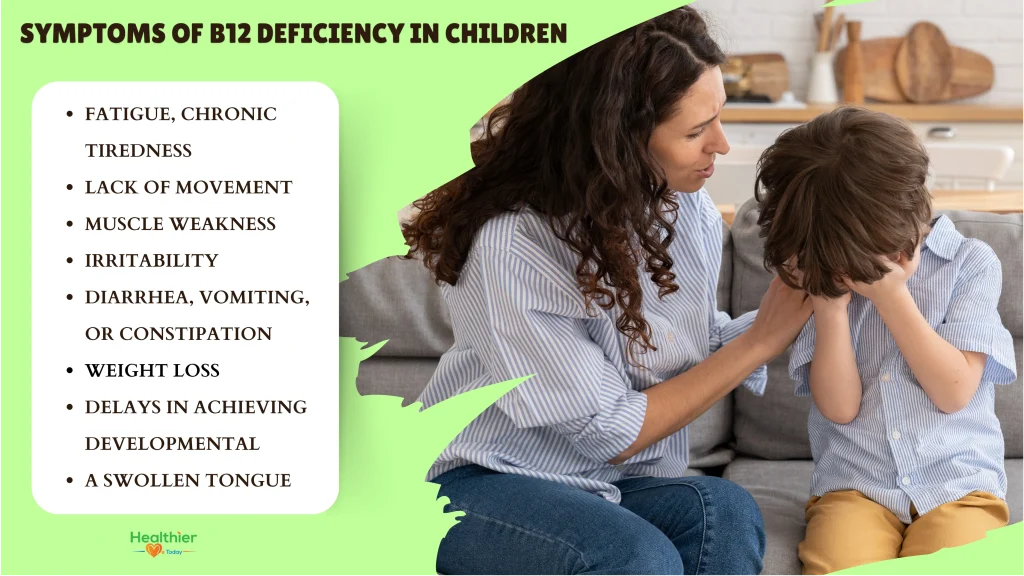
Vitamin B12 deficiency in children can be challenging to diagnose because the symptoms are vague and can be caused by various factors.
Signs of vitamin B12 deficiency in children and babies may include:
- Fatigue, chronic tiredness
- Lack of movement
- Muscle weakness
- Irritability
- Diarrhea, vomiting, or constipation
- Weight loss
- Delays in achieving developmental milestones, including sitting, crawling, walking, and talking
- A swollen or inflamed tongue (often called glossitis of the tongue)
Children can also develop megaloblastic anemia, characterized by unusually big red blood cells or low levels of red, white, and platelets, which can be detected through medical tests.
How Is B12 Deficiency Treated?
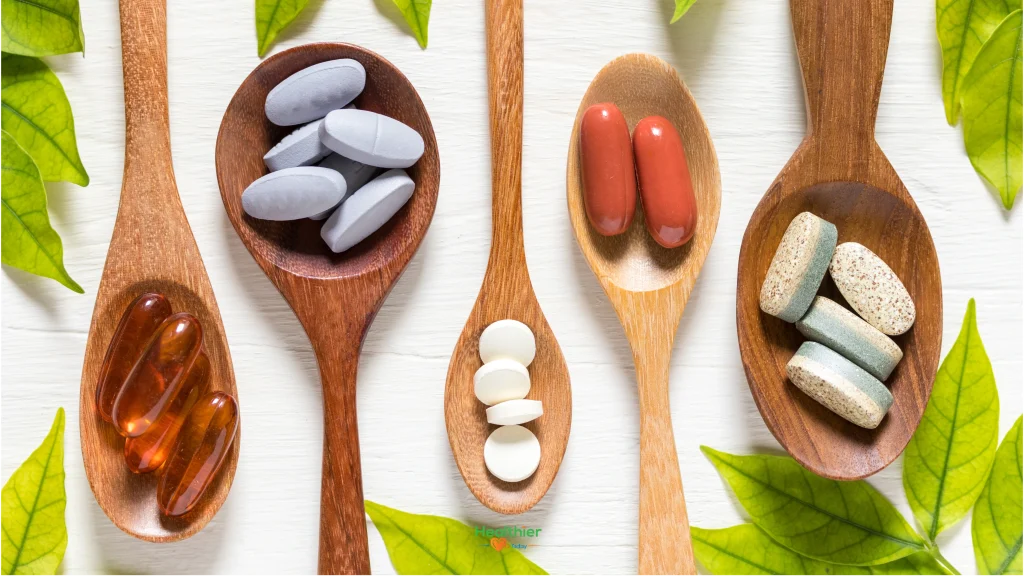
Vitamin B12 deficiency in children can be solved by eating more B12-containing foods or taking a B12 supplement. Different brands of B12 pills are in various doses, so consult your child’s doctor to see which is best for their age and needs.
Doctors can also inject vitamin B12 into your child’s muscles if they are young, have a severe shortage, or have difficulty absorbing it. Most problems caused by low B12 disappear after a child begins medication and their vitamin levels increase. While it is uncommon, if not treated, certain children with vitamin B12 deficiency might suffer lifelong brain and nerve system damage, as well as other health issues.
Where Do We Get B12 From?
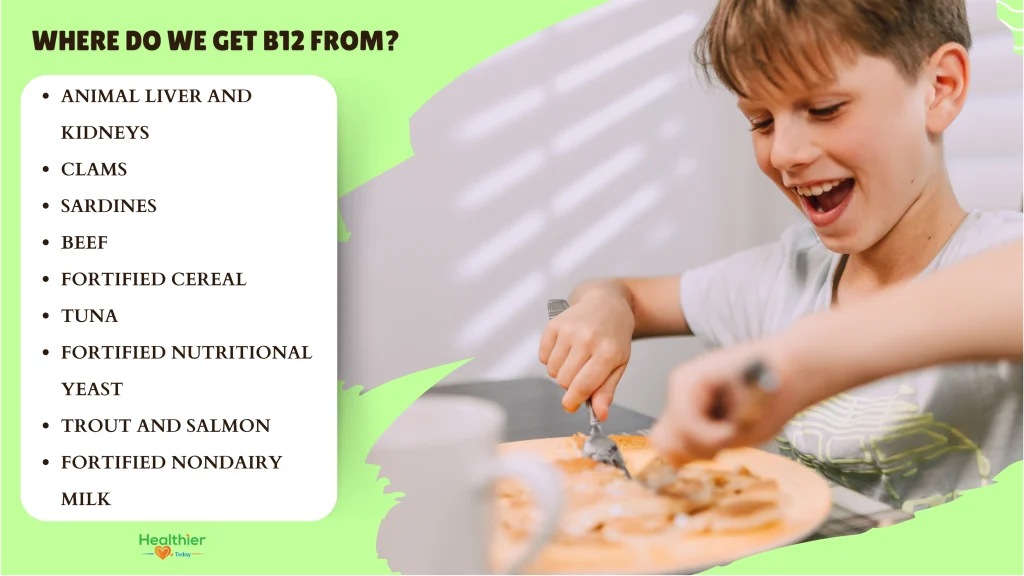
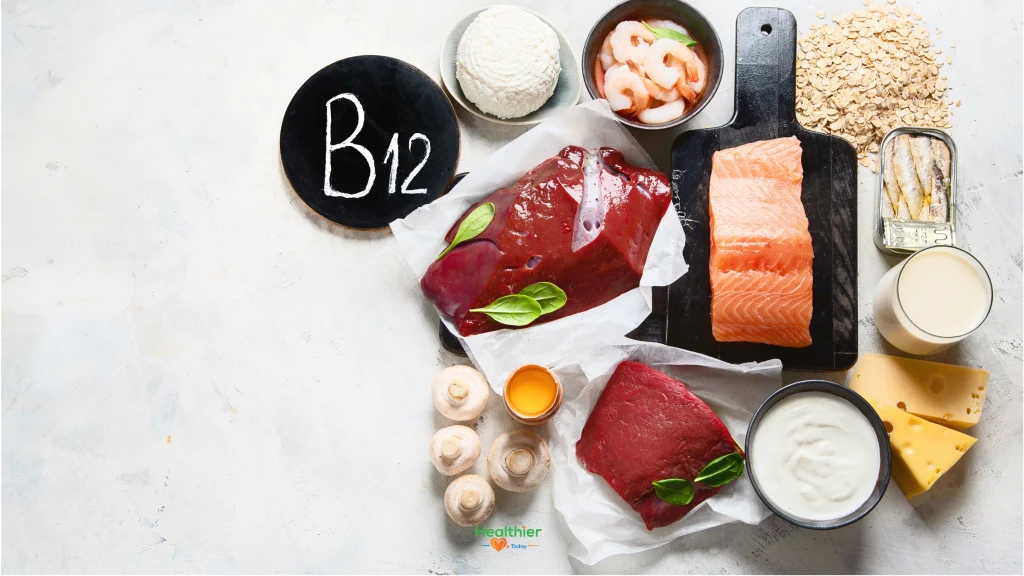
Vitamin B12 is found primarily in animal diets. It is also included in some fortified meals, such as cereals. Children following vegan or vegetarian diets may be at risk of vitamin B12 deficiency due to limited sources in their food.
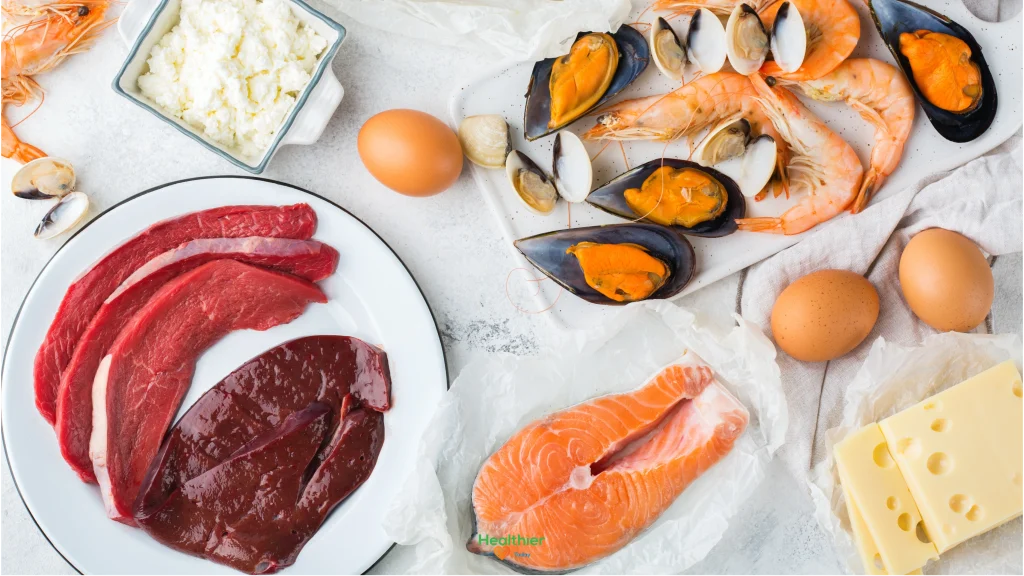
Here are excellent sources of Vitamin B12:
Animal Liver And Kidneys
Organ meats are some of the most nutritionally dense foods. The liver and kidneys, particularly from lamb, are high in vitamin B12. A 3.5-ounce (100-gram) meal of lamb liver contains an astonishing 3,571% of the Daily Value (DV) for vitamin B12. While lamb liver has a higher vitamin B12 content than beef or veal, the latter may still contain approximately 3,000% DV per 3.5 ounces (100 grams). Lamb’s liver is rich in copper, selenium, and vitamins A and B2.
Clams
Clams are tiny, chewy shellfish full of nutrients. This mollusk is a low-fat protein source with high vitamin B12 levels. Twenty small clams (190 grams) contain more than 7,000% of the daily value. Clams, particularly entire baby clams, are high in iron, providing about 200% of the daily value in a 100-gram (3.5-ounce) dose.
Sardines
Sardines are tiny, soft-boned sea fish. They’re typically available canned in water, oil, or sauces, but you may also get them fresh. Sardines are particularly healthy since they contain adequate amounts of nearly every nutrient. A one-cup (150-gram) portion of drained sardines includes 554% of the DV for vitamin B12.
Beef
Beef is an excellent source of vitamin B12 deficiency prevention. One grilled flat iron steak (approximately 190 g) contains 467% of the DV for vitamin B12. The exact amount of steak contains adequate amounts of vitamins B2, B3, and B6 and more than 100% of the daily values for selenium and zinc.
Fortified Cereal
This vitamin B12 supplement may suit vegetarians and vegans as it contains synthetic B12, not sourced from animal products, making it a great option for preventing vitamin B12 deficiency. While not always recommended as a primary dietary option, fortified cereals can be valuable for obtaining B vitamins, particularly vitamin B12. Fortification involves adding nutrients that were not initially present in the food.
Tuna
Tuna is a popular fish that contains many nutrients, such as protein, vitamins, and minerals. It also includes significant levels of vitamin B12, particularly in the muscles close beneath the skin, known as dark muscles.
Fortified Nutritional Yeast
Nutritional yeast is rich in protein, vitamins, and minerals, making it a nutritious choice. While it doesn’t naturally contain vitamin B12, it is often fortified, making it a potent source for preventing vitamin B12 deficiency. Just two tablespoons (15 grams) of fortified nutritional yeast can supply up to 733% of the Daily Value for vitamin B12, ideal for maintaining sufficient levels in the diet.
Trout and Salmon
Rainbow trout is an excellent source of protein, healthy fats, and B vitamins. A 3.5-ounce (100-gram) portion of trout fillet contains approximately 312% of the DV for vitamin B12 and 1,171 mg of omega-3 fatty acids. Salmon is well-known for having some of the highest levels of omega-3 fatty acids. It is also a great source of B vitamins. A half fillet (178 grams) of cooked salmon provides 208% of the daily value for vitamin B12. The same serving may alternatively include 4,123 mg of omega-3 fatty acids.
Fortified Nondairy Milk
Nondairy milk is popular among people looking for a nutritious vegan alternative to dairy milk. Though these milks are not naturally high in vitamin B12, they become effective sources when fortified, helping those who seek to prevent vitamin B12 deficiency on vegan diets. A single cup (240 mL) of fortified soy milk, for instance, can offer up to 86% of the DV for vitamin B12.
Cow’s Milk And Other Dairy Products
Milk and other dairy products, such as yogurt and cheese, are high in protein and contain several vitamins and minerals, including vitamin B12. A cup (240 mL) of whole milk contains 46% of the daily value of vitamin B12. Cheese is also a great source of vitamin B12. One large slice (22 grams) of Swiss cheese contains about 28% of the daily value.
Eggs
Eggs are an excellent protein and B vitamins source, particularly B2 and B12. Two large eggs (100 grams) provide approximately 46% of the DV for vitamin B12 and 39% for vitamin B2. Research has found that egg yolks contain more vitamin B12 than egg whites. The B12 in egg yolks is also more easily absorbed. As a result, it is recommended that people eat complete eggs rather than only whites.
Conclusion
Lack of vitamin B12 can cause adolescents to feel weak and fatigued, slowing their growth and development. If left untreated, this B12 shortage can result in severe but rare complications such as brain damage, nerve damage, and other health problems. Most children recover and thrive when a vitamin deficit is identified and treated early.
FAQ’s:
Can vitamin B12 deficiency be a sign of cancer?
Although a deficiency or absence of these markers alone cannot be used to diagnose cancer, it should not be discounted if it occurs coupled with other concerning symptoms.
Can taking too much vitamin B12 cause allergic reactions?
Large amounts of vitamin B12 may cause a cobalt allergy, which can result in a red, painful rash known as contact dermatitis.
What is the difference between vitamin B12 deficiency and tongue cancer?
Tongue cancer causes a sore or lump on the tongue that doesn’t heal, pain when swallowing, or persistent pain in the mouth or jaw. Meanwhile, vitamin B12 deficiency can cause a swollen or inflamed tongue, mouth ulcers, or sore and red tongue, called glossitis.
How long does it take to recover from vitamin B12 deficiency?
> Mild – You can see improvements in energy and symptoms within a few days to a couple of weeks.
> Moderate – Recovery can take a few weeks to a few months.
> Severe – Symptoms can take six months to a year to fully resolve.
What are the warning signs of vitamin B12 deficiency in children?
> Fatigue, chronic tiredness
> Lack of movement
> Muscle weakness
> Irritability
> Diarrhea, vomiting, or constipation
> Weight loss
> Delays in achieving developmental milestones, including sitting, crawling, walking, and talking
> A swollen or inflamed tongue (often called glossitis of the tongue)
