
Numerous high-quality studies have shown that turmeric provides significant health advantages for your body and brain. Curcumin, the key active component, provides many of these benefits. Turmeric, a popular spice, may be one of the most powerful nutritional supplements available.
Keep reading to learn more about the science and advantages of turmeric and curcumin!
What Is Turmeric?
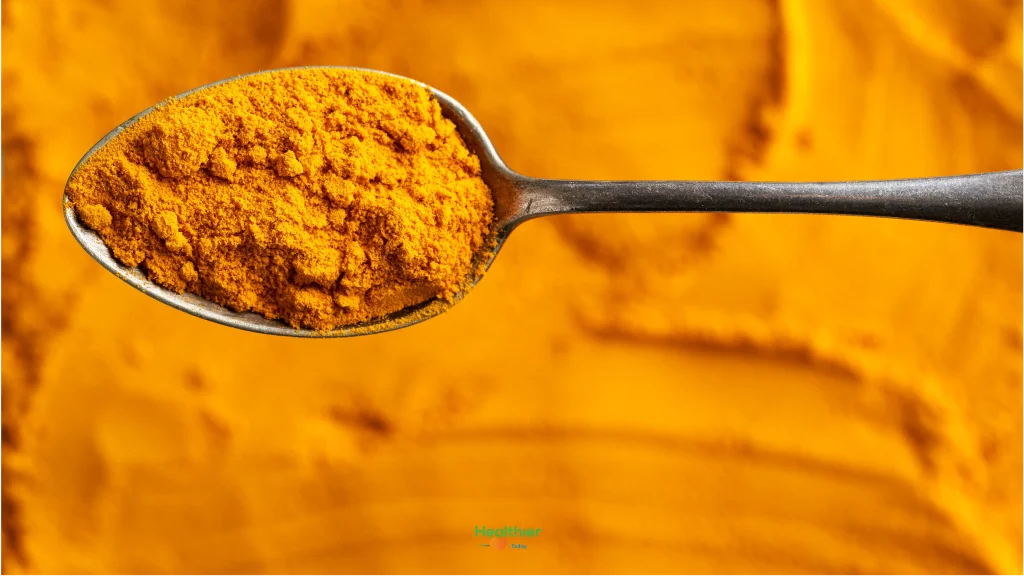
Turmeric (curcuma longa), which gives curry its distinctive yellow hue, affects the flavor, color, and composition of the dish it is mixed with. The tropical spice turmeric has long been known for its health advantages, particularly its ability to reduce inflammation. It is the root of a flowering plant and a member of the ginger family.
Some potential health benefits of turmeric include:
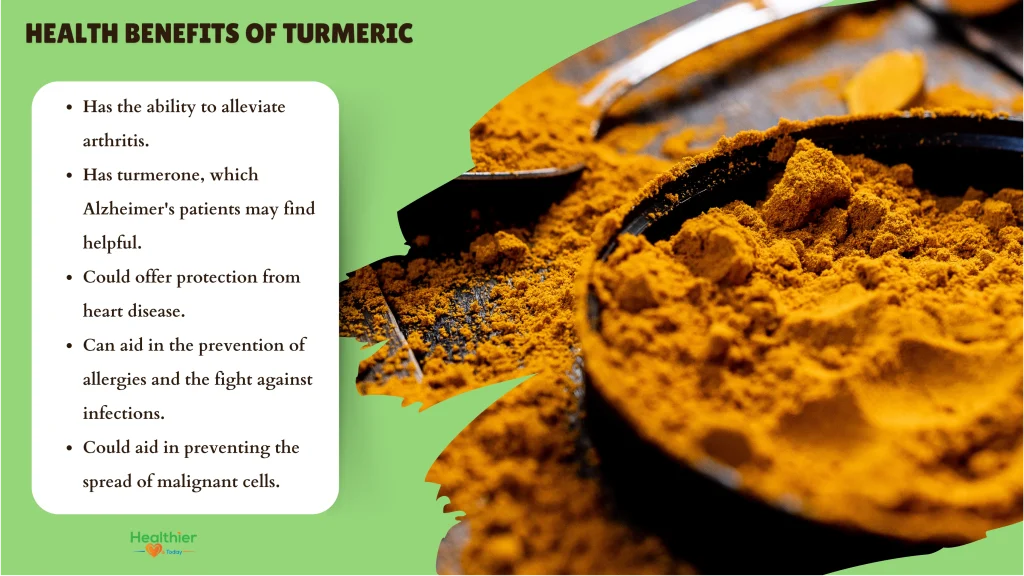
- It contains curcumin and other protective chemicals.
- Possesses antioxidant qualities that could aid the body in reducing inflammation.
- Has the ability to alleviate arthritis.
- Has turmerone, which Alzheimer’s patients may find helpful.
- Could offer protection from heart disease.
- Can aid in the prevention of allergies and the fight against infections.
- Could aid in preventing the spread of malignant cells.
- May improve mood and cause feel-good hormones to be released.
- Could be a significant factor in improving memory.
- May lessen aging symptoms and shield cells from harm.
- Could ease indigestion.
Nutritional Profile Of Turmeric
About one tablespoon of powdered turmeric powder includes:
- 29 kcals/123 KJ
- 0.9g protein
- 4g carbohydrates
- 2.1g fibre
- 0.3g fat
- 196mg potassium
- 5.17mg iron
Closer Look at The Top Health Benefits Of Turmeric
Contains Protective Compounds
Colorful plants, including turmeric, are beneficial to human health due to the pigments that give them their vibrant colors. The major components in turmeric are known as curcuminoids, and curcumin is the most active component, accounting for approximately 3% of the root’s weight. Although curcumin is an amazing component, it is only one of hundreds of bioactive chemicals found in this spice.
Antioxidant Properties
Plant chemicals, such as curcumin, are beneficial because they help the body battle the harmful effects of oxidation. This process may eventually create chronic inflammation, which can contribute to age-related illnesses such as heart disease, type 2 diabetes, and cancer. Including antioxidant foods in our diet improves our bodies’ ability to cope with aging and the inflammation that comes with it. It may also reduce exercise-induced inflammation and provide some relief from muscle discomfort.
May Help Ease Arthritis
Studies comparing turmeric’s anti-inflammatory qualities to those of nonsteroidal anti-inflammatory medications (NSAIDs) have yielded promising results. Animal studies on curcumin’s therapeutic potential as a therapy for arthritis have also proved positive. In fact, the most persuasive evidence for curcumin is its ability to relieve joint discomfort. Nonetheless, further well-designed clinical trials are needed to determine curcumin’s usefulness in arthritic patients, particularly those who rely on NSAIDS to control their illness.
Promising Effects on Alzheimer’s Disease
Turmeric contains another active component called turmerone. Although little is known about turmerone, research suggests that it may be effective in the treatment of illnesses such as strokes and Alzheimer’s disease since it stimulates cell repair and may potentially aid in brain function restoration. However, these studies often employ animal and cell models, and because the active elements of turmeric are often poorly absorbed in people, additional research is required before we can determine how useful turmerone is.
Could Lower The Risk Of Cardiovascular Disease
According to studies, curcumin’s antioxidant and anti-inflammatory properties may protect against some of the risk factors for heart disease, such as balancing cholesterol levels and blood pressure.
Potentially Support The Immune System
Curcumin may serve as an immunological modulator, impacting T cells, B cells, and ‘natural killer’ cells. Curcumin appears to decrease pro-inflammatory chemicals known as cytokines, which are responsible for inflammation-related damage over time. When ingested in small doses, curcumin may boost our antibody responses, assisting in fighting illness.
May Help Prevent Cancer
Curcumin appears to be beneficial in the battle against cancer. Curcumin, which is active at various phases of cancer formation, has been shown in studies to prevent the establishment of new blood vessels in tumours, reduce cancer metastasis, and contribute to cancer cell death. However, it is crucial to highlight that research in this area is still in its early stages, and more proof is required before curcumin can be suggested to cancer patients.
Could Improve Your Mood
Once again, curcumin may be responsible for the spice’s ability to elevate our mood and treat some of the symptoms of sadness. Curcumin was shown to be as effective as the drug Prozac in one study looking into its antidepressant properties. Curcumin may also increase feel-good brain chemicals such as serotonin and dopamine, according to research.
May Help with Memory
Curcumin has been shown in animal tests to boost levels of a brain hormone known as brain-derived neurotrophic factor (BDNF). This promotes the longevity of nerve cells and is vital for memory and learning. More human research is needed to thoroughly evaluate these benefits, but the preliminary results appear encouraging.
Could Lessen The Signs Of Aging
Curcumin may slow down the aging process by activating specific proteins and protecting cells from harm. In this approach, it may slow the progression of age-related diseases and ameliorate their symptoms.
Could Help Treat Indigestion
A recent study looked at the effectiveness of curcumin compared to omeprazole, a drug used to reduce excess stomach acid and treat indigestion. The small trial found that patients had similar improvements in their digestive symptoms, whether they were taking tablets containing curcumin or omeprazole – or a combination of both. Further studies are needed to confirm these results and assess longer-term data.

Can I Get These Benefits From Adding Turmeric To My Food?
When we add turmeric to our food, it is often used in dishes that we intend to cook, such as curry. Heating the spice does slightly lower its antioxidant potential, although boiling or roasting appear to be better options than frying. Ideally, keep cooking times short. It’s worth remembering that many of the studies assessing the health benefits of turmeric have mostly looked at curcumin only and at relatively high doses.
This means that despite downing turmeric shots and adding extra spice to our meals we’re unlikely to achieve a therapeutic dose. One of the reasons for this is that curcumin is very difficult to absorb and what we do absorb we metabolise and clear from the body very quickly. This is partly because curcumin has low solubility in water so combining it with an oil or fat-rich food, like full fat dairy or coconut milk, may help boost your uptake.
Conclusion
This golden spice is believed to protect our cells from inflammation and damage, potentially slow down the ageing process, ease symptoms of arthritis and may even reduce the spread of cancerous cells. However, while these benefits appear possible, they are limited by curcumin’s poor absorbability and more research is needed to determine how this might be improved.
However, regularly including turmeric in your routine can offer some amazing benefits!
FAQ’s:
Can I take turmeric on blood thinners like warfarin?
No, you should not take turmeric supplements while taking blood thinners like warfarin.
Is turmeric and ginger good for liver cancer
Some studies suggest that curcumin in turmeric has a variety of health benefits, including fighting cancer cells.
Does turmeric lower blood pressure?
Yes, turmeric may lower blood pressure, particularly systolic blood pressure (SBP).
Can turmeric help with weight loss?
Yes, turmeric may help with weight loss, but more research is needed.
Is it good to take turmeric every day?
Turmeric can be safe to take every day in small amounts as a spice in food, but it’s generally not recommended to take large amounts of turmeric supplements long-term.
