
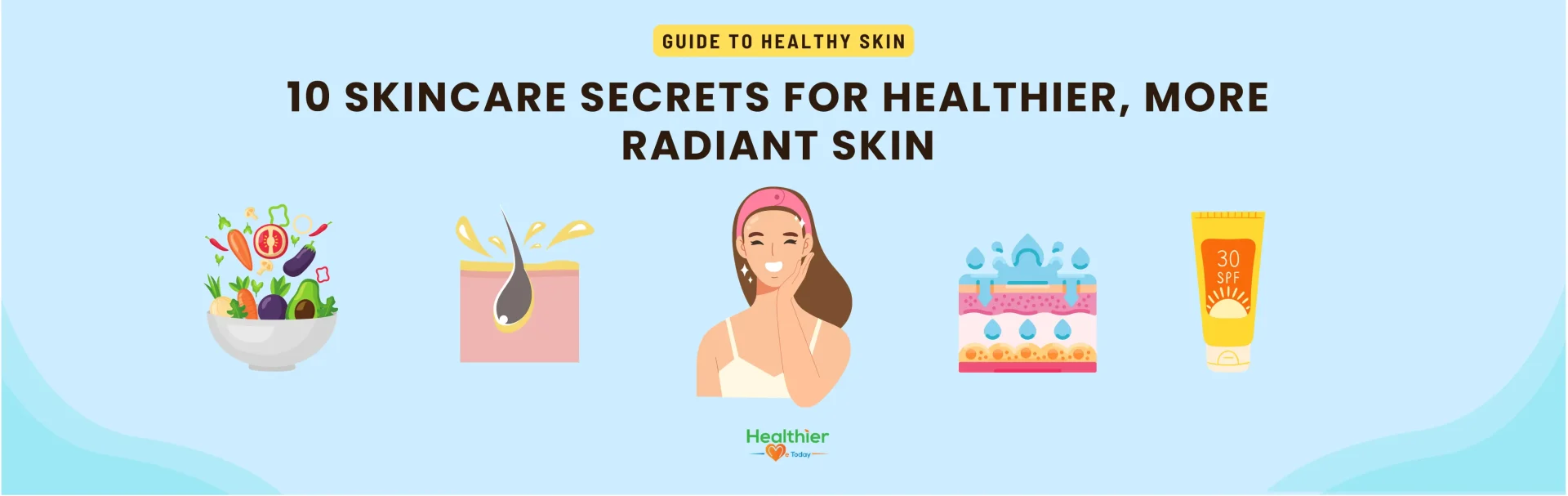
Flawless, glowing skin is a dream for many. Whether you aim for a clear complexion or want to boost your natural beauty, the path to radiant skin is totally within reach. With the proper diet, lifestyle tweaks, and skincare routine, your skin can go from dull to dazzling.
This article explains the essentials of healthy skin, the factors that affect it, and 10 skincare secrets. Let’s get started!
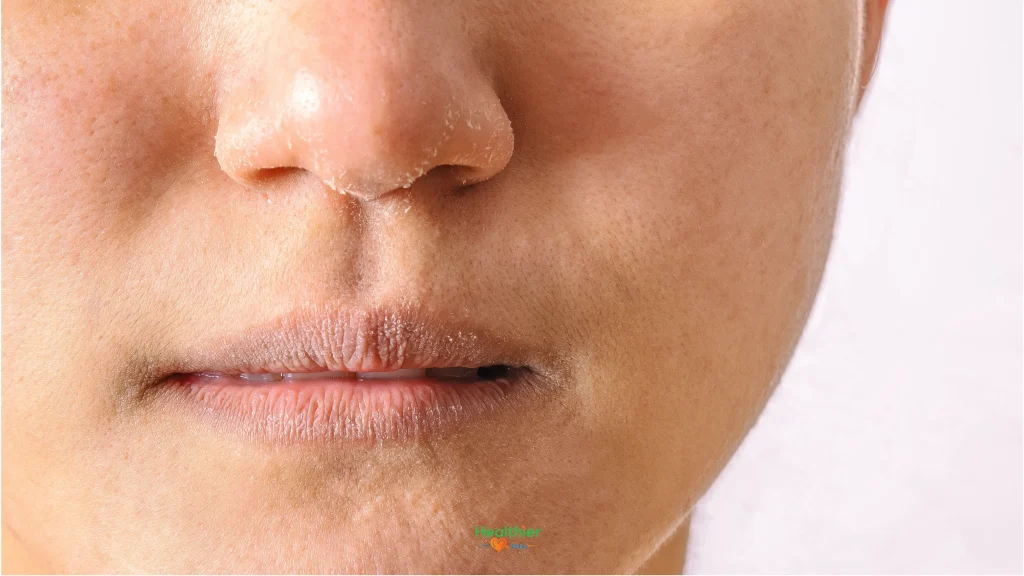
How Lack Of Nutrition Makes Your Skin Dry
If you’re like most people, you spend a lot of time thinking about how to have clearer skin. However, many don’t understand how lack of nutrition makes your skin dry and lackluster. Eating nutritious foods that support healthy skin is the greatest method to achieve this, but there are other options as well. What you consume is the key to having perfect skin! Your skin is the largest organ in your body.
It can be challenging to shield it from external contaminants and toxins, but eating habits have a more significant impact. A diet heavy in processed foods and sugar can result in inflammation, acne, and early skin aging. Eating nutritious foods positively impacts your body from the inside out. You maintain not only good health and energy but also smooth and glowing skin. People who eat oily foods on a regular basis are more likely to develop fine lines, acne breakouts, and other skin issues.
How To Get Clear Skin
Try these tips for getting clear and healthy skin without an extensive waiting period:
1. Avoid Squeezing Your Pimples
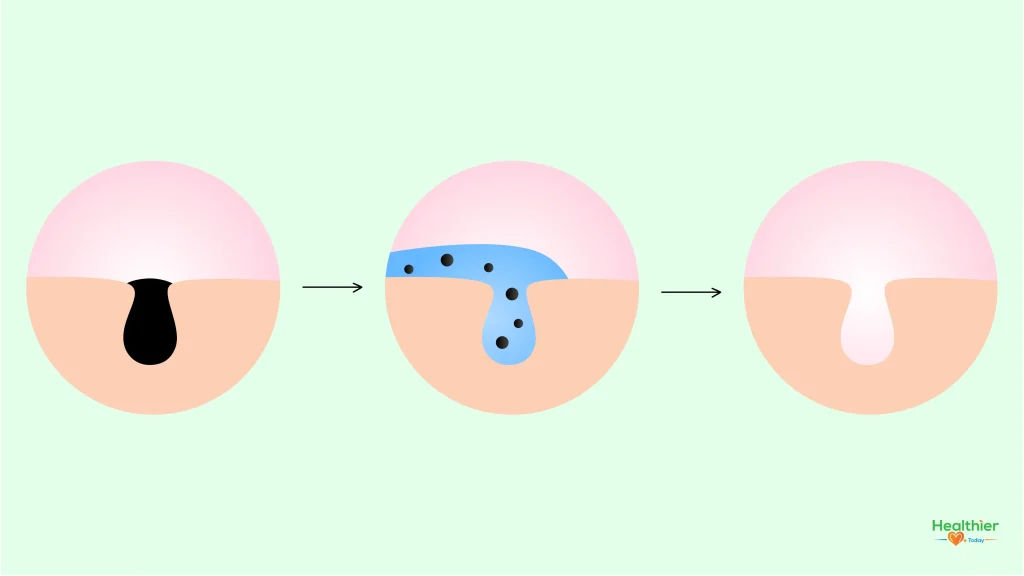
A pimple represents trapped oil, sebum, and bacteria and indicates that the body’s natural healing system is in action. Popping the pimple disturbs the healing process. The discharged liquids expose the surrounding skin to comparable germs, increasing the likelihood of new pimples developing. The exposed pimple may also cause lasting scarring. Whenever possible, avoid popping pimples. If they drain, leave the area clean to obtain perfect skin.
2. Wash Twice Each Day And Again After Sweating
The American Academy of Dermatology suggests that patients shower twice a day and again after sweating. Leaving sweat on the skin and allowing it to dry can aggravate acne, so cleanse your skin as soon as possible after sweating.
3. Moisturize
Moisturizing after a daily face wash is beneficial for all skin types. Moisturizing the face can help regulate sebum production and protect it from environmental damage. The most effective moisturizer will differ depending on the individual’s skin type. Anyone still determining which moisturizers will work for them should consult a dermatologist. They may recommend oil-free, noncomedogenic moisturizers that do not clog pores and help you achieve perfect skin.
4. Always Use Sunscreen
The sun’s ultraviolet (UV) rays harm the skin. Wearing sunscreen when going outside can help protect your skin from these dangerous rays. The Skin Cancer Foundation recommends wearing sunscreen with an SPF of at least 30 when spending time outside. Wearing sunscreen with at least SPF 15 on a daily basis can also help prevent skin damage. When spending time outside, apply sunscreen about 30 minutes before heading outside and reapply it every 2 hours.
5. Focus On Gentle Products
Gentle products might be easier on the skin, especially if it is sensitive.
The following products may irritate delicate skin:
- Alcohol-based products
- Fragrant items
- Strong toners
- Harsh exfoliants
- Astringents
There are gentle, hypoallergenic versions of these goods. However, before applying any product to a larger area of skin, test it on a tiny area to see how it reacts. Washcloths, rough sponges, and loofahs may be too rough for the skin, resulting in damage and inflammation.
There are more mild choices available, such as soft washing brushes. Alternatively, using clean fingers to massage a cleaner into the face may help to reduce inflammation. Keeping brushes and sponges clean is critical, as germs can cause additional irritation or outbreaks.
6. Topical Medications
Topical medicines may help people with all skin types manage acne.
A variety of medicinal products are available, including:
- Benzoyl peroxide, with or without other substances, such as antibiotics
- Salicylic acid
- Topical retinoids, including tretinoin
- Dapsone is a combination of anti-inflammatory and antibiotic.
- Azelaic acid kills germs and reduces the synthesis of keratin, a natural material that can cause acne.
7. Keep Yourself Hydrated
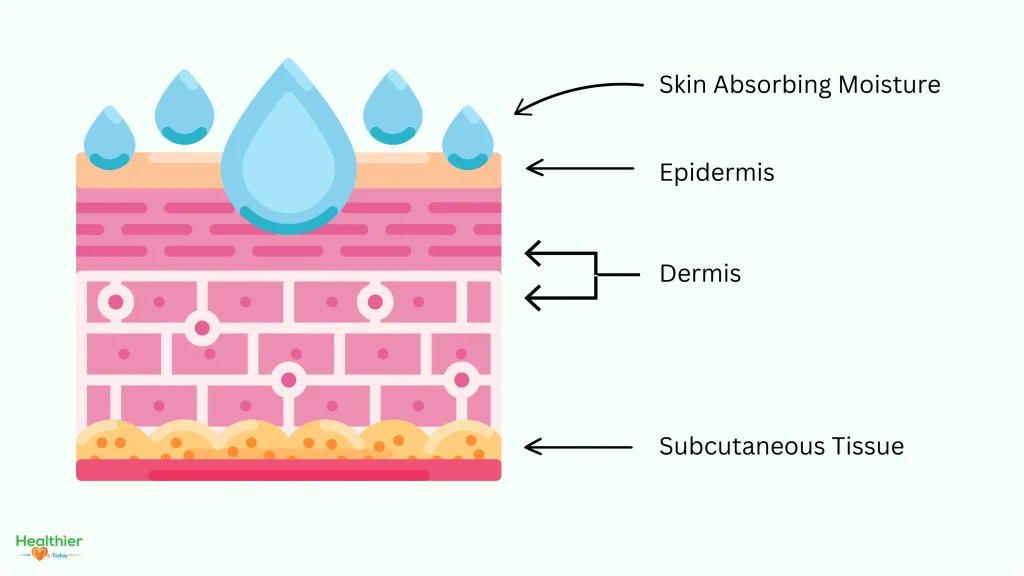
All cells in the body require water. Skin cells are the most exposed to the environment and may be more vulnerable to moisture loss. Drinking water throughout the day may help maintain healthy skin cells.
8. Eat A Healthy Diet
Eating a diet high in plant foods and lean protein sources may give the skin the nutrients it requires to be healthy. People trying to learn how to get clear skin may wish to avoid certain foods, such as dairy milk. According to one review, milk and acne have a beneficial link. Some believe the association is due to the growth chemicals and hormones in milk.
9. Use Natural Cosmetic Products
Sometimes, cosmetics might worsen breakouts. If you want to know how to look pretty while caring for your skin, try switching to natural makeup or products that allow the pores to breathe, which may help decrease makeup outbreaks. Removing makeup every night and cleaning makeup brushes or instruments regularly is also critical.
10. Reduce Stress
It is critical to reduce stress wherever feasible. Many studies discuss the link between stress and acne, claiming that stress might increase inflammatory substances in the body. Strong emotions, such as anger or worry, can cause acne breakouts or worsen symptoms.
Stress management strategies include:
- Frequent physical activity
- Massages/acupuncture
- Soothing practices like meditation or breathing exercises
- Yoga and Tai Chi
Benefits of Skin Care After Shower
In the hustle and bustle of daily life, it is critical to look and feel your best. One frequently forgotten part of maintaining a professional image is your skin care after a shower.
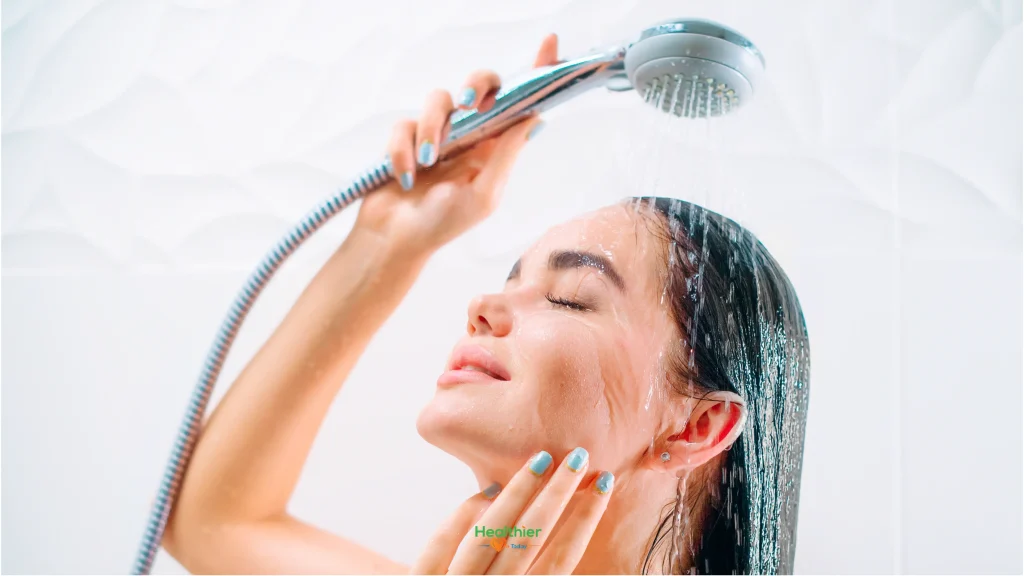
After a pleasant shower, you may be unaware that your skin experiences unique modifications. The warm water and body wash you use might upset your skin’s natural pH balance, making it prone to dryness and irritation. This is when skincare after shower comes to the rescue.
Following a proper skin care routine after your shower can provide numerous benefits:
- The skin care after-shower routine helps to regulate your skin, keeping it healthy and hydrated.
- The practice protects your skin from the drying and irritating effects of hot water and harsh cleaners.
- When you follow skin care after shower routine, your skin becomes more receptive to the products you use, increasing their effectiveness.
- Protecting your skin with the appropriate solutions can help it resist environmental toxins and other external hazards.
- Finally, taking care of skin care after shower strives to provide a radiant, youthful appearance that matches your fashion-forward choices.
Conclusion
Many of us wonder why my skin will not get better even after using expensive products. However, it is important to know that certain lifestyle habits and a consistent good skin care regime can help achieve radiant and overall better skin health. First and foremost, get adequate sleep. Lack of sleep can result in dull and tired-looking skin. Aim for 7-8 hours of quality sleep per night. Also, manage stress levels through activities such as yoga, meditation, or engaging hobbies, as stress can negatively impact your skin.
A well-balanced diet rich in fruits, vegetables, and whole grains can also help you have healthy skin. Avoid eating too many sugary and processed foods, as they can cause inflammation and skin breakouts. And, of course, protect your skin from environmental pollutants by wearing a hat and sunglasses and using an umbrella as needed.
FAQ’s:
What’s a perfect skin care routine for glowing skin
A basic skincare routine typically includes cleansing, moisturizing, and using sun protection.
Can you do gentle skincare 3 times a day?
You can wash your face with a gentle cleanser twice a day, but washing it more than that can lead to skin issues. If your face is all sweaty or oily after working out or on a hot day, it is okay to wash your face more than once, but it’s better not to do this when it isn’t necessary.
How often should I exfoliate my skin?
You may be asking, do I exfoliate before or after skincare? However, different skin types require different exfoliation frequencies:
> Normal skin: Exfoliate 2–3 times a week
> Dry skin: Exfoliate once or every other week, and avoid harsh exfoliants
> Oily skin: Exfoliate 3–4 times a week if your skin can handle it
> Combination skin: Exfoliate 2–3 times a week, but pay attention to how your skin looks and feels.
> Sensitive skin: Start with once a week and see how your skin reacts
What are some home remedies for clear skin?
Some natural remedies that may help with clear and healthy skin:
> Washing your face
> Moisturizing
> Eating well
> Drinking water
> Reducing stress
Why is hydration important for healthy skin?
Hydration is an important protector and regulator of the skin. As you age, your skin requires hydration because the barrier function, which helps the skin retain moisture, can break down due to environmental damage or a lack of water intake.
How can I make my skin look younger?
Here are a few ways on how to look more younger:
> Establish a good routine
> Stay out of the sun
> Eat a diet rich in plants
> Get moving
> Limit alcohol and caffeine
How many hours should I wait in between skincare routines?
It usually depends on whether it’s oil or gel-based, but most serums absorb quickly. Some skincare solutions can take up to 30 minutes to fully absorb, but this does not mean you have to wait that long between steps. Most skincare products are designed to be absorbed immediately away.
What foods should I eat for healthy skin?
A variety of plant-based foods, hydrating beverages, and some fatty fish can help promote healthy skin:
> Avocado
> Tomatoes
> Green tea
> Leafy green vegetables
> Oily fish
> Nuts
> Dark chocolate
How can I prevent my skin from drying out?
Here are some ways to prevent dry skin:
> Moisturize
> Limit hot water
> Use a humidifier
> Use allergen-free moisturizers
> Choose fabrics that are kind to your skin.
What counts as clear skin?
What counts as clear skin is skin that is free of blemishes, breakouts, and redness, and has an even tone and texture.
How to remove spots from face in 2 days naturally?
Two to three times a day, apply aloe vera gel, baking soda paste, or fresh lemon juice to the affected areas. Spots can be rapidly lightened with the use of the natural bleaching qualities. Maintain consistency and do the patch test first for safety.
