

Often referred to as “bird flu,” avian influenza is a virus that infects cows, birds, and other animals. It can occasionally spread to people as well. The most frequent cause of influenza A in humans is the H5 subtype. Pink eye and mild to severe respiratory symptoms may result from it. The most vulnerable are those who work with ducks, poultry, and dairy cows.
The Animal and Plant Health Inspection Service (APHIS) of the US Department of Agriculture (USDA) recently reported further H5N1 avian flu detections in poultry from four states, such as multiple cases in Ohio.
This article looks at H5N1 bird flu virus symptoms, diagnosis, how to avoid bird flu, H5N1 treatment, and the latest updates on the U.S. detections. Let’s jump in!
What is H5N1 Bird Flu?
Avian influenza, sometimes known as bird flu, is an infection caused by a particular influenza virus that typically infects birds and animals such as cattle and poultry. Bird flu can sometimes infect humans and other animals. Similar to the common flu, avian flu can cause serious illness.
It is unlikely to transfer from one individual to another. You often only hear about bird flu when there is an outbreak or many infected birds. This can raise concerns since it impacts wildlife, lowers the food supply, and increases the risk of human infection.

Since 2024, there has been a rise in human cases of bird flu in the United States. Bird flu comes in a variety of subtypes. H5N1 and H7N9 influenza A have historically been the most common subtypes that infect humans. The names of these subtypes are determined by the kinds of proteins present on the virus’s surface. Many people wonder how to prepare for bird flu pandemic, but it is unlikely that one amongst humans will be. However, taking precautions to lessen the likelihood of sporadic infection is still encouraged.
The Latest Updates on the H5N1 Bird Flu Outbreak
The most recent infections in Ohio were at a duck meat business, three turkey producers, and four commercial farms in Mercer County. Nearly 6 million birds and many large layer arms have been lost due to Ohio’s outbreaks over the past month; turkey producers have been involved in most of the incidents. In Pinal County, Arizona, the Animal and Plant Health Inspection Service (APHIS) also verified an outbreak at a layer farm with over 316,000 birds.
Officials also confirmed the detections in the backyard flocks in Orange County, Florida, and Kearney County. A record 147.25 million birds have died from outbreaks since H5N1 was initially identified in US poultry in early 2022, affecting all 50 states and Puerto Rico. APHIS reported another detection in dairy cow developments, this time from a Californian herd, bringing the total for the state to 727 and the country to 944.
Here is recent information on the infected animals:
| Category | Number Affected | Details | Date |
| Wild Birds Detected | 11,065 | 51 jurisdictions with bird flu | 1/28/2025 |
| Poultry Affected | 147,251,509 | 51 states with outbreaks of poultry | 1/29/2024 |
| Dairy Herds Affected | 949 | 16 states with outbreaks of dairy cows | 1/29/2024 |
The Symptoms of Bird Flu
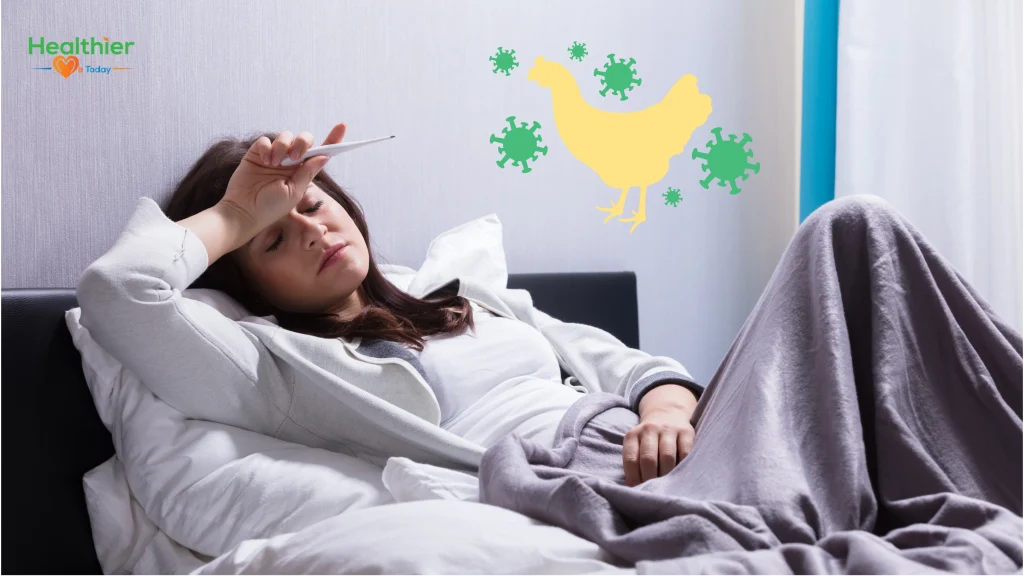
H5N1 symptoms in humans can range in severity and are typically:
- Fever
- Cough
- Conjunctivitis (pink eye)
- Sore throat
- Muscle aches
- Shortness of breath (dyspnea)
- Nausea and vomiting
- Diarrhea
- Runny or blocked nose
Most cases of bird flu in the United States have been reported to have caused mild respiratory symptoms like coughing, shortness of breath, and pink eye.
What Causes H5N1 Bird Flu?
As mentioned, bird flu is a kind of influenza A virus commonly known as H5N1 in humans. The virus may spread to other body areas, such as the brain, after infecting the lungs and upper respiratory tract. H5N1 bird flu can infect humans if they touch an infected animal’s bodily fluids, such as milk, respiratory droplets, dung (feces), or spit (saliva).
In animal habitats, it can often be inhaled by tiny dust particles or can enter the mouth, nose, or eyes. It’s important to know that eating properly cooked poultry, eggs, or pasteurized milk does not cause bird flu.
The human food supply is quickly removed from flocks known to contain the avian flu virus. Although there have been a few instances of H5N1 human to human transmission, it is highly uncommon. In the United States, none of the cases were caused due to human contact.
Interaction with infected animals has been the cause of human bird flu infections in nearly every instance to date. However, the virus may have the potential to change, making it easier for other people to contract it whenever a human becomes infected.
The Complications of H5N1 Bird Flu
Bird flu can often lead to some serious complications, such as the following:
- Brain swelling (meningoencephalitis)
- Acute respiratory distress
- Pneumonia
- Bacterial infections
- Respiratory failure
- Sepsis
How is H5N1 Bird Flu Diagnosed?
A throat or nose swab, or a swab from your eye’s conjunctiva, can be used by healthcare experts to diagnose avian flu. These tests will recognize highly pathogenic H5N1 (bird flu) as influenza A. Because labs do not regularly screen all positive influenza A swabs for avian flu, you must tell your provider if you have come into contact with infected birds, cows, or other animals. If the test results are positive for influenza A, the lab will send the sample to a specialized lab for avian flu testing.
Bird Flu Treatment in Humans
After diagnosis, the next step is preparing for bird flu treatment. Bird flu can be treated using antivirals, which are medications that prevent the flu virus from spreading in the body. These medications are most effective when used as soon as symptoms appear. Your healthcare provider may prescribe medicine for bird flu before your flu lab test results are returned.
Avian influenza treatments include the following:
- Zanamivir (Relenza) – Zanamivir is inhaled by a device similar to an asthma inhaler.
- Oseltamivir (Tamiflu) – Oseltamivir is used orally.
- Peramivir (Rapivab) – Peramivir is administered by inserting a needle into a vein.
If you have bird flu, try to avoid other individuals, especially those you live with. This makes it easier to keep the infection from spreading. Healthcare providers may recommend testing for anyone near you during your symptoms if you have bird flu. Those exposed to bird flu and at a high risk of developing a serious illness may be prescribed antiviral medication.
How is H5N1 Bird Flu Prevented?
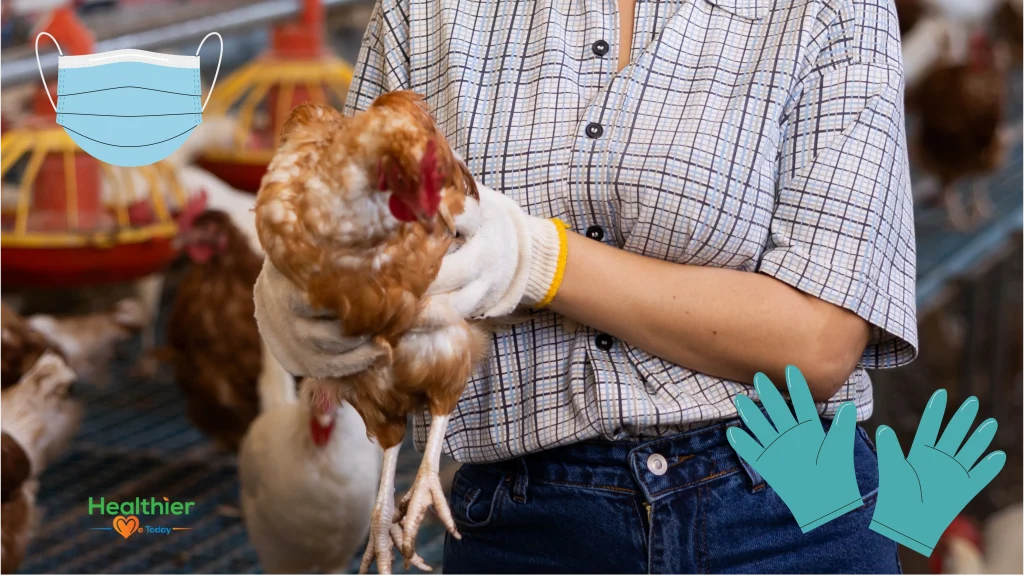
The following are some precautions for bird flu:
- Wear protective gear such as gloves, a mask, and goggles when working with birds, wild animals, or livestock.
- When working with birds, wildlife, and cattle, or after visiting places where they live, make sure to wash your hands regularly. This involves going to farms, petting zoos, or places with water features like geese or ducks.
- Working with sick or avian influenza-exposed animals is not advised. To stop the spread of an outbreak, follow public health recommendations.
- If you have visited regions where birds, such as waterfowl or chickens, live, remove your shoes before entering your house.
- This lowers the possibility that bird droppings or anything else that might be tainted with the virus will spread inside your home.
Conclusion: A Simple Breakdown
Bird flu is caused by influenza A viruses, which are identical to the ones that cause seasonal flu in humans. It mainly affects wild water birds but can also infect humans on rare occasions.
If you are traveling to a place with bird flu outbreaks in animals, be aware of the potential risks. To prevent infection, avoid contact with wild birds and animals that may be infected, wash your hands frequently with soap and water, and thoroughly prepare poultry and poultry products before eating.
FAQ’s:
What are the symptoms of bird flu in humans?
Symptoms of bird flu in humans include fever, cough, conjunctivitis (pink eye), sore throat, muscle aches, muscle aches, shortness of breath (dyspnea), nausea, and vomiting.
How does bird flu spread from animals to humans?
Bird flu is passed from animals to humans by contact with an infected animal’s saliva, mucus, or excrement. The virus can also spread by contaminated dust and air droplets.
How can I prevent bird flu?
Learning how to protect yourself from bird flu includes avoiding contact with sick or dead birds, washing your hands frequently, wearing protective equipment around these animals, avoiding touching contaminated surfaces, paying attention to symptoms, and telling your doctor.
Is there a bird flu vaccine?
Many ask, is there a vaccine for bird flu? Although they are not commercially accessible, there are licensed bird flu vaccines that can protect people from avian influenza. The H5N1 vaccination for adults aged 18 and above was authorized by the U.S. Food and Drug Administration (FDA) in 2007.
What precautions should I take to prepare for a bird flu pandemic?
You could prepare for a H5N1 pandemic by avoiding wild animals and birds, washing your hands, and receiving a seasonal flu vaccination.
Can bird flu spread from human to human?
Yes, bird flu can spread, but H5N1 human to human infection is very rare.
What is the H5N1 mortality rate?
The H5N1 death rate is approximately 50 to 52%. However, it could be higher as many mild cases go unaccounted for.
Does the bird flu vaccine stop transmission?
No, at this time, there is no vaccination to stop the transmission of bird flu to people. Experts are developing vaccines that could lessen the disease’s severity or stop it from spreading in the future.
