
How often should kids go to the dentist? Well, maintaining good oral health and children’s dental care is essential, not only for having a nice smile but also for their overall health. As parents, it can be challenging to figure out when a trip to the dentist is just a regular check-up or when it’s needed. Knowing these crucial signs can help ensure your child gets the care they need immediately. Pediatric dentists are experts in dealing with specific children’s dental care needs, providing knowledge and a friendly atmosphere for young patients.
This article closely examines the signs of tooth decay in young children as well as what dental care kids need at different stages of life.
Types of Teeth in Children’s Dental Care
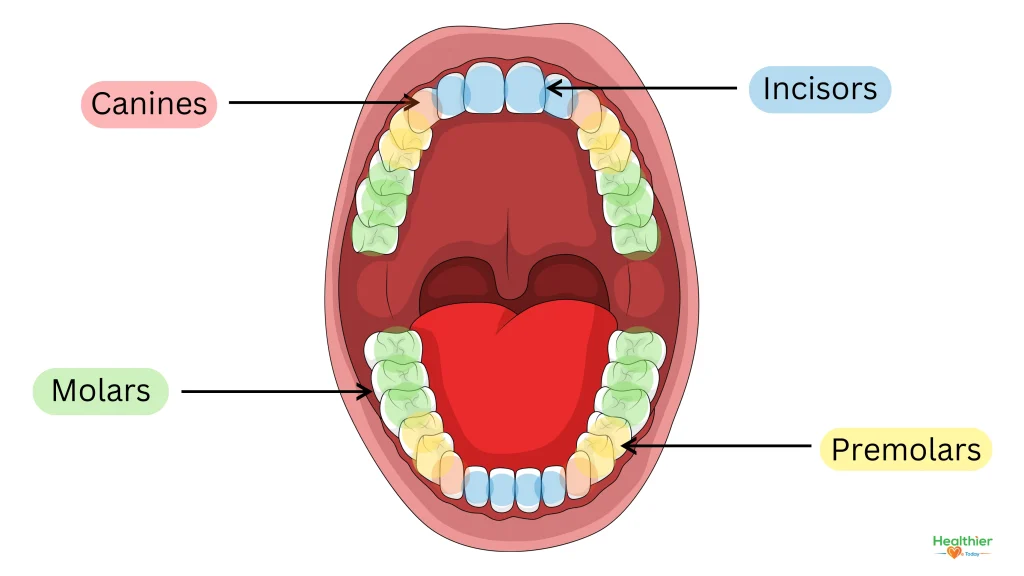
There are several types of teeth, each with its name and function:
- Incisors are the sharp front teeth of the upper and lower jaws. They have a thin edge that helps cut food, working together like scissors.
- Canines are the pointed teeth located next to the incisors, also in the upper and lower jaws, and they are used for tearing food apart.
- Premolars have flat surfaces that are designed to crush food.
- Molars are the most prominent teeth at the back of the mouth, featuring broad, flat surfaces that are perfect for grinding food down.
Teething in Children’s Dental Care
Eruption is when a tooth breaks through the gums. For babies, this process is known as teething, a crucial stage in children’s dental care. Each tooth’s appearance can vary significantly from one child to another. Some babies might get their first tooth within a few months, while others may not see a tooth until they are a year old or older.
Even though the timing can differ, the order in which teeth come in is similar. The first teeth to appear are the lower front teeth, the upper front teeth, and the first set of back teeth called molars. By the age of 3, most children have all 20 baby teeth, making proper children’s dental care essential for their developing smiles.
| Upper Teeth | Tooth Erupts | Tooth Lost |
|---|---|---|
| Central Incisor | 8 – 12 months | 6 – 7 years |
| Lateral Incisor | 9 – 13 months | 7 – 8 years |
| Canine (Cuspid) | 16 – 22 months | 10 – 12 years |
| First Molar | 13 – 19 months | 9 – 11 years |
| Second Molar | 25 – 33 months | 10 – 12 years |
| Lower Teeth | Tooth Erupts | Tooth Lost |
|---|---|---|
| Second Molar | 23 – 31 months | 10 – 12 years |
| First Molar | 14 – 18 months | 9 – 11 years |
| Canine (Cuspid) | 17 – 23 months | 9 – 12 years |
| Lateral Incisor | 10 – 16 months | 7 – 8 years |
| Central Incisor | 6 – 10 months | 6 – 7 years |
Managing The Teething Process
Babies’ immune systems begin to develop around the age of 6 months. Because they like to explore by putting things in their mouths, they can get sick more easily. Common signs of childhood illnesses, like changes in how they sleep or eat, cranky, rash, drooling, runny nose, and diarrhea, are often connected to teething. Usually, teething symptoms last about 48 hours.
If your child has these symptoms for longer, it’s a good idea to talk to their doctor to rule out other issues like bacterial or viral infections or ear infections. Sometimes, you might notice a blue-grey bump on the gum where a tooth is ready to come in. This bump, known as an eruption cyst, usually disappears once the tooth breaks through. During this stage, providing comfort and prioritizing children’s dental care—including newborn oral care—lays the foundation for a healthy smile.
Teething Relief Tips for Children’s Dental Care
Helping your baby through teething can be challenging, but there are safe and effective ways to ease discomfort while prioritizing children’s dental care:
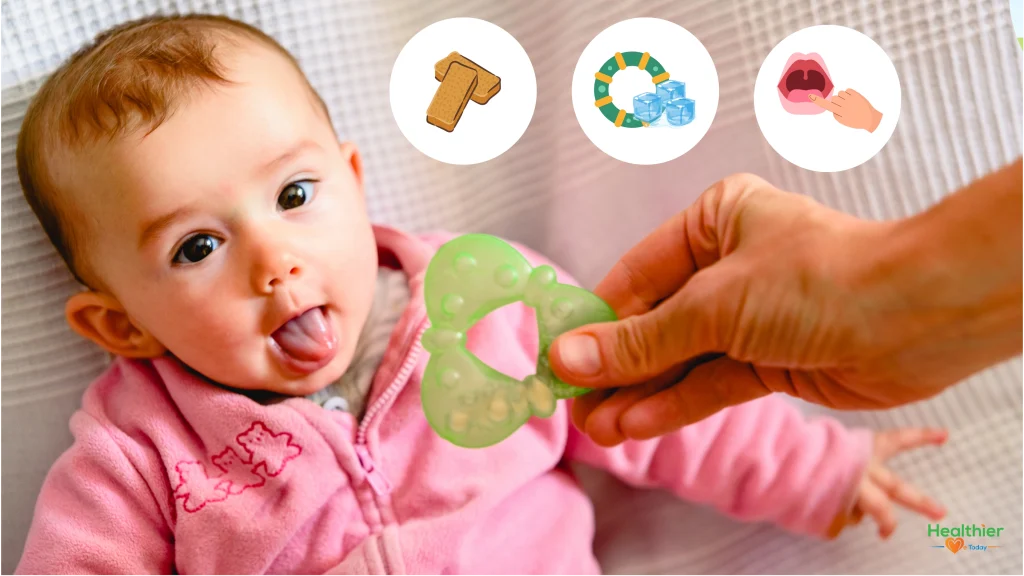
- Massage: Softly rub the gums with clean fingers or a damp cloth.
- Chilled (not frozen) teething rings: Using a cold object can help ease the pain of teething. Ensure not to sterilize plastic teething rings in boiling water or dishwashers unless the manufacturer says it’s okay. Always check the product details before buying teething rings and avoid those that contain a plastic softener called ‘diisononyl phthalate’.
- Unsweetened teething rusks or sugar-free teething biscuits: These are safe for babies over 6 months who have started eating solid foods.
- Pain-relieving medications: Paracetamol can be a good addition to infant oral care as they go through teething. Ibuprofen can also be used, but it might not be as effective for infants.
- Dry the drool: The skin around the mouth, especially the chin, can irritate. Use a soft cloth to wipe away drool gently throughout the day.
Some treatments that are not recommended to use include:
- Teething necklaces made of amber are thought by some to release a healing oil when they touch warm skin. This oil is believed to help soothe pain. These necklaces are meant to be worn around the neck, wrist, or ankle, but some people mistakenly use them to chew on. The ACCC has warned about the safety of amber teething necklaces, highlighting the risks of choking and strangulation. Parents are encouraged to look for safer alternatives to help ease teething discomfort.
- Like aspirin, teething gels usually have about 8.7 – 9.0% of choline salicylate. It’s not safe to give aspirin to children under 16 because it can lead to Reye’s syndrome, a rare but serious illness that can harm the liver and brain. Teething gels also contain numbing agents like lignocaine and benzocaine, which can be hard to measure correctly. This could result in a dangerous overdose, which can be deadly. Avoiding these risks and choosing safer options for teething relief are better options. Some studies [Mayo Clinic] show that teething gels might not help with teething pain. Instead, it seems that rubbing the gel onto the gums makes a difference.
By choosing safe, doctor-approved methods, you can effectively manage teething pain while ensuring proper children’s dental care from the start.
Signs Of Tooth Problems in Children
 Young children don’t always express when they are uncomfortable, so parents must pay attention.
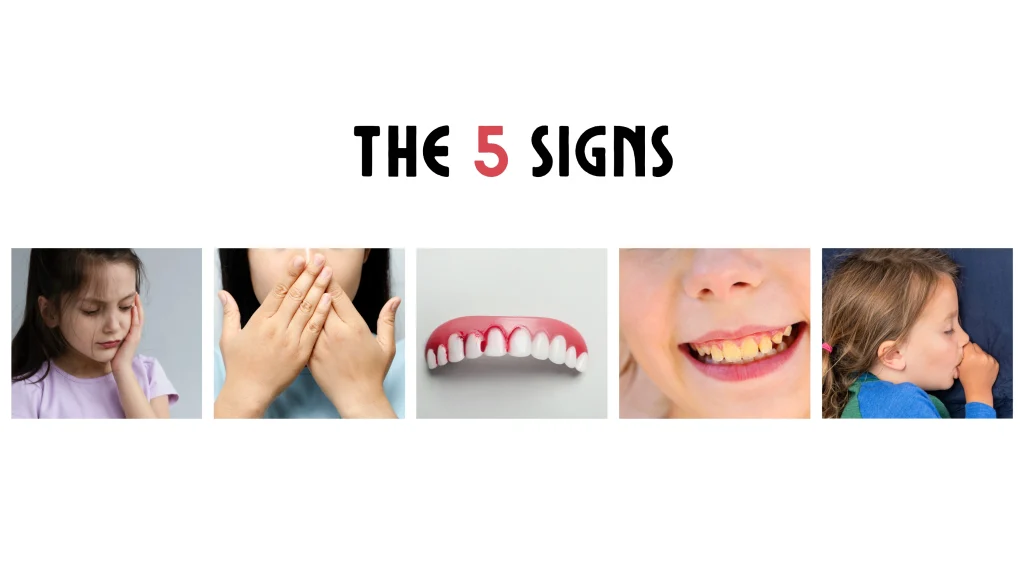
Here are five signs of cavities in toddlers and children:
1. Persistent Tooth Pain or Sensitivity
A significant indicator that urgent children’s dental care is needed is if they are experiencing constant tooth pain. It’s normal for children to have some sensitivity to hot or cold foods, but if the pain doesn’t go away, it might mean they have cavities, tooth decay, or possibly an infection. Pediatric dentists are skilled in identifying and addressing these problems, helping to ease your child’s pain and maintain their dental health.
2. Difficulty Chewing or Speaking
If your child says their mouth hurts when they chew or has trouble talking, it could mean dental problems are going on, and they need urgent children’s dental care. Crooked teeth, cavities in children, or gum issues can make it hard for them to eat and speak properly. A good pediatric dentist can help fix these problems, making your child feel more comfortable and confident.
3. Bleeding or Swollen Gums
Healthy gums are essential for maintaining overall oral health. If you observe any bleeding while brushing or swelling in your child’s gums, it could be a sign of gum disease or irritation resulting from plaque accumulation. If not addressed, these concerns may develop into more severe health issues. Pediatric dentists possess the expertise to clean and care for young gums.
4. White Spots or Discoloration on Teeth
White spots on teeth might look harmless, but they can be an early warning that the enamel is breaking down, which can lead to kids cavities. If your child’s teeth change color, whether they’re getting darker or lighter, it could mean some decay or damage. Seeing a pediatric dentist regularly can help keep an eye on these changes and stop any more significant problems from happening.
5. Prolonged Thumb-Sucking or Pacifier Use
Thumb-sucking and pacifier use are common in young children, but long-term habits can affect dental alignment and jaw development. If not addressed, these behaviors can lead to crooked teeth or bite issues. A pediatric dentist can offer guidance and strategies to help your child stop these habits and ensure proper children’s dental care.
Children’s Dental Care For Baby (Deciduous) Teeth
Children’s dental care for baby teeth is as important as caring for adult teeth. These teeth help children chew their food quickly and talk properly, and they also keep the spots in the jaws ready for the adult teeth that will come in later.
| Age | How to Clean |
|---|---|
| From Birth | Clean mouth and gums by wiping them with a soft cloth. |
| First Tooth | Brush twice a day with a soft toothbrush and plain water. |
| 8 Months | Put a small amount of low fluoride or safe toothpaste for kids on the toothbrush (pea-sized). Remind your child to spit out the toothpaste instead of swallowing it. They shouldn’t rinse afterward. Store toothpaste out of reach of children. |
| 12 Months | Take your child for their first dental visit. |
| 2 ½ Years | Begin flossing between any teeth that touch. |
| 4 – 5 Years | Start teaching your child how to brush their teeth. |
| 6 Years | Switch to adult toothpaste and encourage your child to spit it out instead of swallowing or rinsing. Start teaching them how to floss. |
| 8 Years | Allow your child to brush and floss unsupervised while continuing regular dental check-ups. |
Tooth Decay in Baby Teeth
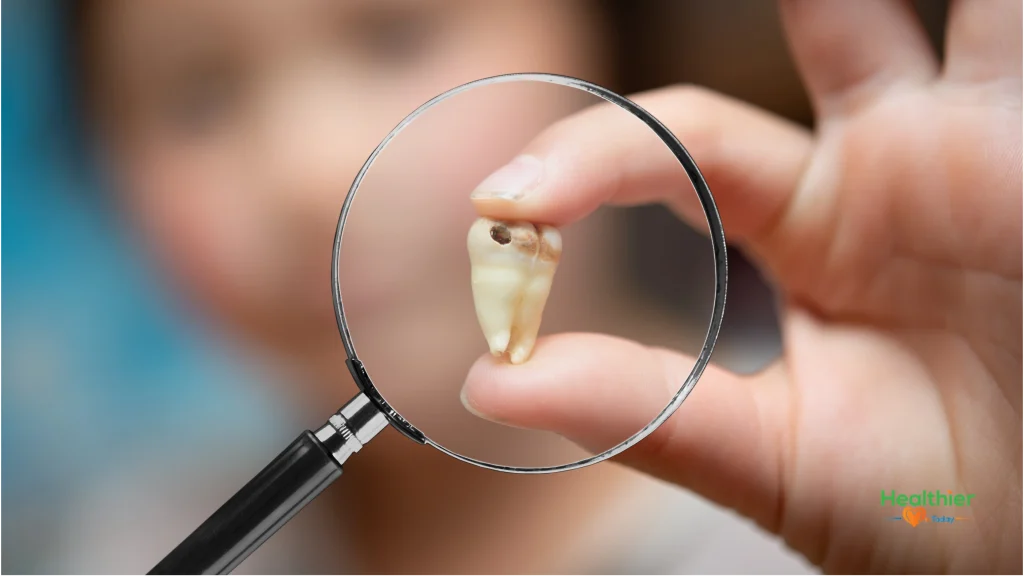
Tooth decay can be avoided with proper children’s dental care. Keeping good oral hygiene, such as brushing baby teeth and eating healthy foods from a young age, can help lower the chances of getting cavities. If baby teeth get decayed, a dentist must take care of them. Sometimes, children might require special treatment in a hospital while they are asleep from anesthesia.
Ignoring decayed baby teeth can cause pain in the mouth, infections, and issues with nearby teeth. Severe decay in baby teeth can make it hard to eat and sleep, slowing growth. If a baby molar is lost too soon because of decay, the nearby baby teeth might move into the space, causing problems for the adult tooth when it comes in.
Losing Baby Teeth
Around age 6, children notice that their baby teeth get loose and eventually fall out to make room for their adult teeth. It’s normal for some children to lose their first tooth a bit earlier or later than 6 years old. Usually, girls tend to lose their teeth before boys do. The first tooth that generally falls out is one of the front teeth on the bottom. Losing baby teeth can feel a bit strange and uncomfortable for little ones.
Here are some children’s dental care tips for losing teeth:
- Let your child know that losing baby teeth is entirely normal and that new adult teeth will grow in their place. It’s common for gums to feel sore and bleed a little, but many children don’t feel much pain when they lose their teeth.
- If your child feels discomfort from a loose tooth, you can use cold packs or ask for over-the-counter medicine that helps with pain and swelling. It’s a good idea to check with a dentist or pharmacist for the best options for your child.
- Don’t forget about the Tooth Fairy! This fun tradition has been around for a long time, and getting a little money or a special treat for a lost tooth can make the whole experience a lot easier for your child.
Permanent Teeth
Permanent Teeth in Children’s Dental Care
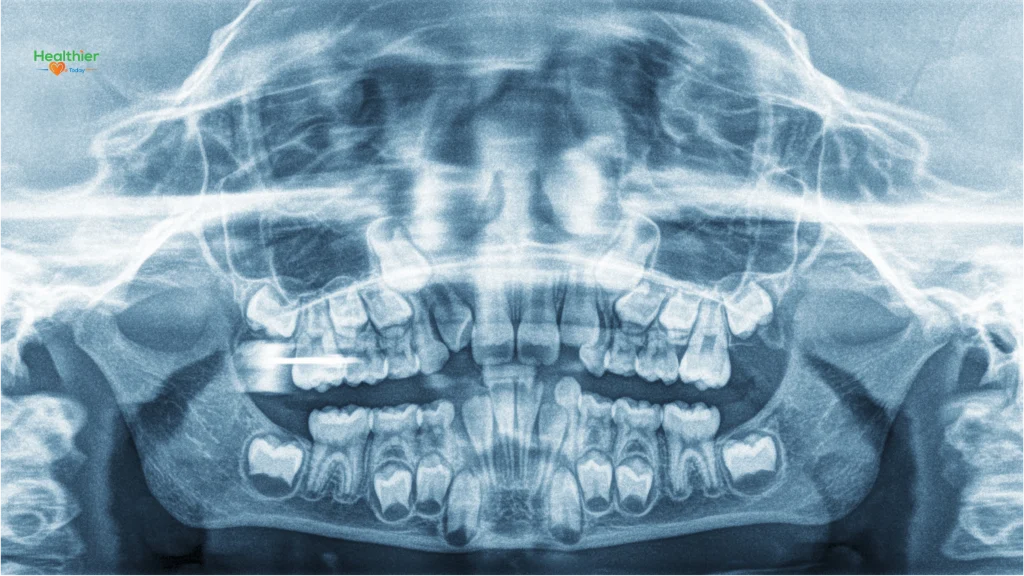
Children’s dental care is essential for the proper development of permanent teeth. Also known as adult teeth or secondary teeth, they begin forming at birth and continue to develop throughout childhood. By adulthood, most people have 32 permanent teeth—16 on the top and 16 on the bottom. However, some individuals may only have 28 teeth if their wisdom teeth (third molars) do not develop or emerge.
Around the age of 6, the first permanent molars appear. These four molars (two in the upper jaw and two in the lower jaw) come behind the baby teeth. Other permanent teeth, like the incisors, canines, and premolars, fill in the gaps left by the baby teeth that have fallen out.
The usual sequence and timing for each kind of permanent tooth is as follows:
- First molars: Between 6 and 7 years.
- Central incisors: Between 6 and 8 years.
- Lateral incisors: Between 7 and 8 years.
- Canine teeth: Between 9 and 13 years.
- Premolars: Between 9 and 13 years.
- Second molars: Between 11 and 13 years.
- Third molars (wisdom teeth): Between the ages of 17 and 21.
Monitoring children’s dental care and scheduling regular checkups with a pediatric dentist can ensure that permanent teeth grow in properly and remain healthy.
Conclusion: The Truth?
Putting off children’s dental care can make little problems become big ones that need much work. Children’s dental health is super important for their overall health. By spotting the signs mentioned earlier, you can take action to keep your child’s teeth and gums safe. If you see any warning signs, book an appointment with a pediatric dentist. With expert help, you can help your child have a bright and healthy smile.
FAQ’s:
When to start brushing baby teeth?
You should start brushing your baby’s teeth as soon as their first tooth appears.
Do children’s bad teeth fall out on their own?
Yes, eventually, children’s bad teeth will fall or be pushed out by new adult teeth.
How do I teach my child to brush their teeth properly?
Explain to them carefully, sing a song, play a toothbrushing video or app, use a timer to turn brushing into a game, let them pick their toothbrush and toothpaste, use a dental-themed storybook, or offer simple rewards.
What is the best toothpaste for kids?
Fluoride toothpaste for kids and natural toothpaste for kids have both been deemed the best for childhood dental care and are free of harmful ingredients.
Is fluoride safe for kids?
By sticking to some simple guidelines and portions, fluoride treatment for kids is safe and is recommended by professionals.
How can I prevent cavities in children?
You can prevent cavities in children by brushing their teeth, limiting sugary snacks, and using fluoride toothpaste.
What causes baby bottle tooth decay, and how can I prevent it?
Baby bottle tooth decay happens when a baby often drinks sugary liquids, such as milk, juice, or formula, for a long time. This is especially problematic if they sleep with a bottle in their mouth, which lets the sugar stay on their teeth and encourages bacteria to grow, causing children’s tooth decay. However, baby bottle tooth decay treatment is available and can help stop further damage.
What is the best toothbrush for toddlers?
The best type of toothbrush for toddlers is one with soft bristles and a small oval head.
