
Eating disorders are mental health issues that lead to a poor relationship with food. Anyone can experience an eating disorder. Some common types are anorexia nervosa, bulimia nervosa, and binge-eating disorder. There are eating disorder treatments available to help you improve your well-being.
What is an Eating Disorder?
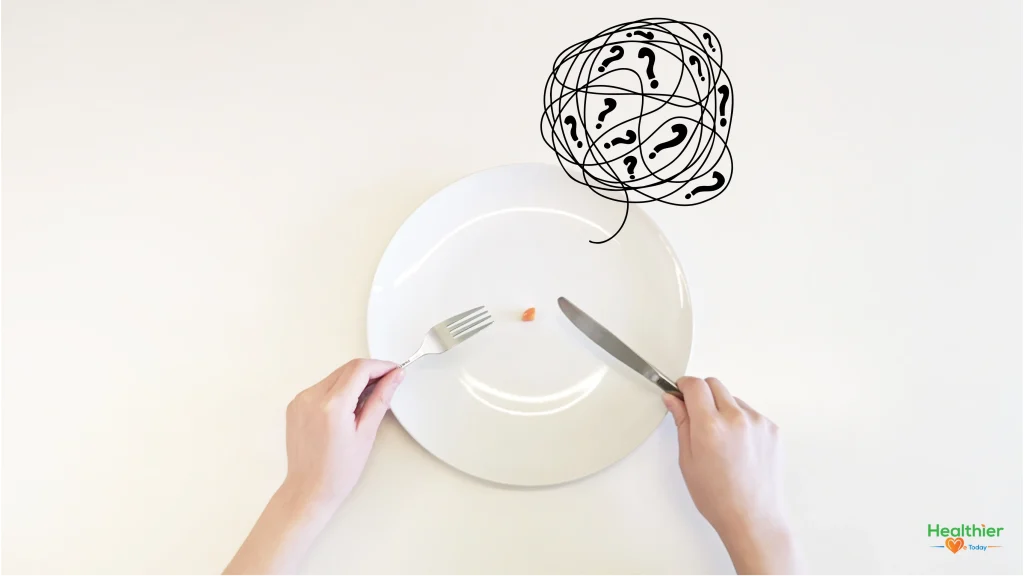
An eating disorder is a mental health issue that impacts how you relate to food and your body image. These disorders can harm both your physical and emotional well-being and can even be dangerous. Eating disorder symptoms can vary widely from person to person and depend on the specific type. You might find yourself counting calories, restricting certain foods, binge eating, consuming non-food items, or purging after meals. Eating disorder treatment is essential in addressing these behaviors and improving overall health.
Eating can bring feelings of guilt or shame instead of pleasure. Food is essential for life, and everyone has a personal relationship with it, including favorite foods or things they avoid. It can be hard to recognize an eating disorder because you may have become used to it. If you feel stuck in unhealthy eating habits, remember that eating disorder treatment is available to support your recovery and help you regain a healthier relationship with food when you are ready.
Types Of Eating Disorders
Different types of eating disorders include:
- Anorexia nervosa: This involves limiting food intake, fearing weight gain, and having a skewed self-image.
- Bulimia nervosa: This is characterized by eating a lot of food quickly (binging) and then trying to get rid of it (purging) through vomiting, laxatives, or excessive exercise.
- Binge eating disorder: This involves eating a lot of food in a short time and feeling shame, regret, or guilt afterward.
- Pica: This is the compulsion to eat non-food items like chalk, dirt, or paint.
- Rumination disorder: This occurs when undigested food comes back into the mouth after swallowing, and it may be chewed again, swallowed, or spit out.
- Avoidant/restrictive food intake disorder (ARFID): This involves limiting food types or amounts for reasons not related to body image or weight loss.
Many people can experience more than one eating disorder at once. Eating disorder treatment is crucial for managing symptoms and improving long-term health. Eating disorders are widespread. Research [National Association of Anorexia Nervosa and Associated Disorders] indicates that 28.8 million individuals in the United States will face an eating disorder at some point in their lives.
The Signs And Symptoms Of Eating Disorders

Sometimes, it can be hard to notice if someone you care about has an eating disorder because it may seem like they are simply making changes to their diet or lifestyle to be healthier. Plus, you can’t tell just by looking at someone if they are struggling. Eating disorders show different signs and symptoms depending on the type, and early recognition is essential for seeking eating disorder treatment.
Common signs of eating disorders include:
- Mood changes
- Tiredness
- Feeling faint or dizzy
- Hair thinning or loss
- Sudden weight changes or significant weight loss
- Unusual sweating or hot flashes
Behavioral signs may involve:
- Limiting food intake
- Binge eating in a short time
- Avoiding certain foods
- Inducing vomiting after meals or misusing laxatives
- Exercising excessively after eating
- Taking frequent bathroom breaks after meals
- Isolating from friends or social events
- Hiding or discarding food
- Engaging in food rituals (like chewing food longer than needed or eating secretly)
Recognizing these signs early can help individuals get the eating disorder treatment they need. If you or someone you know is struggling, seeking professional support can make a significant difference in recovery.
What is it Like To Have an Eating Disorder?
Dealing with an eating disorder is complicated and can make someone feel very alone. It’s not only about what you eat; it’s also a tough battle in your mind and feelings that can take over almost every aspect of your life.
If you have an eating disorder, you might experience:
- Food feels like an enemy or something that can hurt you.
- You may feel guilty or ashamed after eating.
- You think you are not the right weight or size.
- You feel like you are “failing” if you don’t stick to certain weight or food rules.
- You worry that others see you negatively.
- Controlling what and how you eat seems to be the only thing you can manage.
- You avoid social situations because you fear being judged.
These feelings are not a choice. An eating disorder affects not just your physical health but also your decision-making, emotions, and social interactions.
Causes of Eating Disorders
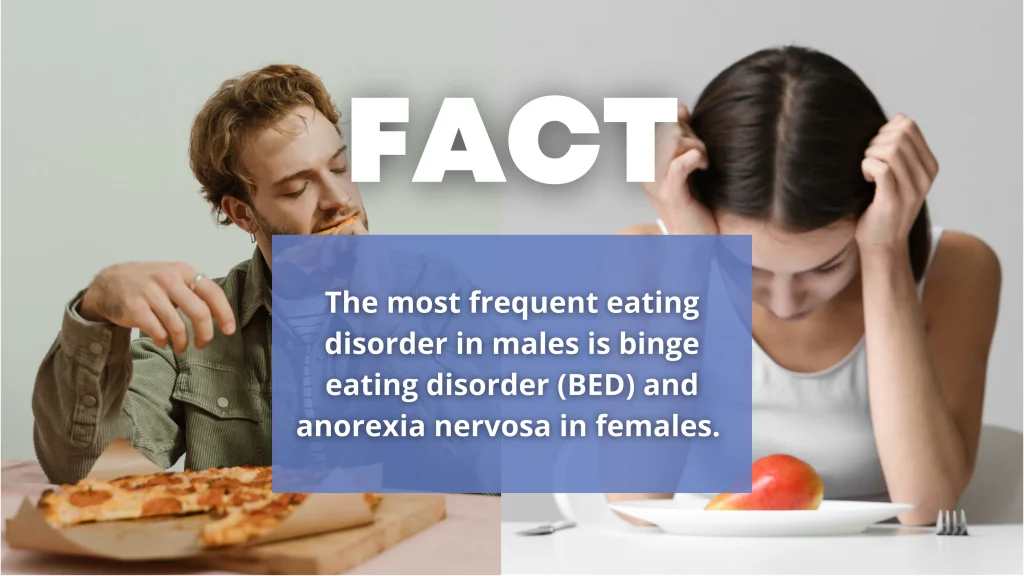
The exact reasons for eating disorders are not fully understood. However, research [National Institutes of Mental Health] points to several factors that may contribute. Identifying these causes is essential in determining the right eating disorder treatment for individuals struggling with these conditions.
Such as the following:
- Genetics: Research [National Institutes of Health] shows that conditions like anorexia nervosa, bulimia nervosa, and binge eating disorder can run in families. You might inherit traits from your family that increase your risk of developing these disorders.
- Brain chemistry: Chemicals like dopamine and serotonin in the brain influence feelings of pleasure and happiness. Studies [The Banyans] indicate that these chemicals may be involved in specific behaviors related to eating disorders.
- Cultural and social pressures: The desire to fit in can impact your mental health and alter your behavior to meet often unrealistic societal standards. In today’s digital world, social media, TV, and movies can also affect your self-esteem if you don’t measure up to those you admire. These pressures can sometimes contribute to the need for eating disorder treatment.
- Mental health issues: When life feels overwhelming, some people may turn to extreme food behaviors as a way to cope. This obsession with food can become an unhealthy method of dealing with difficult emotions, leading to eating disorders that may occur alongside other mental health challenges.
The Risk Factors For Eating Disorders
Risk factors for eating disorders include various elements that can affect anyone, especially adolescents and teenagers. Recognizing these risks is crucial for early intervention and seeking eating disorder treatment before the condition worsens.
You might be at higher risk if you:
- Have a family history of eating disorders or mental health issues.
- Have faced trauma, whether physical, emotional, or sexual.
- Suffer from mental health conditions such as anxiety, depression, or obsessive-compulsive disorder.
- Engage in sports or activities where weight or body size is essential, like gymnastics, wrestling, or swimming.
- Experience significant life changes, such as starting a new school or job, going through a divorce, or relocating.
- Have Type 1 diabetes, as research [National Eating Disorders Association] shows that up to 25% of women with this condition may develop an eating disorder.
- Are highly driven and seek perfection in various aspects of life.
Diagnosing Eating Disorders
Healthcare professionals, including doctors and mental health experts, identify eating disorders and recommend appropriate eating disorder treatment. Your primary care doctor may evaluate symptoms, perform a physical exam, and order blood and other eating disorder tests. A mental health counselor, such as a psychologist or eating disorder psychiatrist, will conduct a psychological assessment to understand your eating habits and beliefs better.
A healthcare professional identifies an eating disorder by:
- Conducting a physical examination.
- Assessing your symptoms.
- Gathering information about your eating and exercise routines.
- Requesting imaging, blood, or urine tests (like kidney function tests or electrocardiograms) to exclude other possible reasons for your symptoms or to check for complications.
Providers refer to the American Psychiatric Association’s Diagnostic and Statistical Manual of Mental Disorders Fifth Edition (DSM-5-TR) for diagnosis. This manual details the symptoms associated with each type of eating disorder. You don’t need to show every symptom to be diagnosed with an eating disorder. Even if you don’t fit a specific DSM-listed disorder, you might still require support from loved ones and eating disorder support groups for food-related challenges.
Eating Disorder Treatment

The best treatment for eating disorders often combines different options. Your healthcare team will collaborate to develop a thorough treatment plan that addresses the disorder’s physical, mental, and behavioral aspects. A healthcare professional can help you manage food-related concerns or other health issues even if you don’t have a formal diagnosis.
Eating disorder treatment differs based on the type but may include:
- Psychotherapy: A mental health expert can identify the most suitable therapy for you. Choices include individual, group, and family therapy, with many opting for cognitive behavioral therapy (CBT).
- Medications: If you have other issues like anxiety or depression alongside an eating disorder, medication such as antidepressants or antipsychotics might help improve these conditions.
- Nutrition counseling: A registered dietitian experienced in eating disorders can assist in enhancing eating habits and creating healthy meal plans. They can also provide advice on grocery shopping, meal planning, and cooking.
Therapy For Eating Disorders
Eating therapy can be both helpful and challenging. You will meet regularly with a mental health expert to explore and change the thoughts that influence your actions and feelings. It can be hard to share your thoughts with someone new, and accepting help might feel challenging when you think you have control. Therapy may bring up feelings you prefer to avoid. It’s important to talk about these feelings with your therapist. Remember, your care team supports you whenever you need it.
Eating Disorder Recovery
The good news is that recovery is achievable, and there is hope. Eating disorders don’t disappear quickly. Eating disorder treatment requires time and varies based on the disorder’s severity and long-standing. You might see improvements after starting medication for eating disorders or working with a professional, but it’s also common to feel worse before you start feeling better.
To recover effectively and learn how to stop feeling guilty after eating, follow your healthcare provider’s eating disorder treatment plan. Talk to them about any side effects or challenges you encounter. Stay honest about your feelings; your providers can give you tailored advice to help you return to good health more quickly.
How to Prevent Eating Disorders
Eating disorders cannot be prevented entirely. If there is a history of eating disorders or mental health issues in your family, being aware can help you and your healthcare team identify and address them early. Early eating disorder treatment can stop unhealthy habits before they become more challenging to change. You might lower your risk by seeking help for general health and mental health issues (like depression, anxiety, and OCD) as soon as you notice symptoms.
If you are a parent or caregiver and know that eating disorders are common in your family, consider these pro eating disorder tips to help protect children:
- Set a good example.
- Encourage healthy eating without labeling foods as “good” or “bad.”
- Avoid discussing dieting around children.
- Refrain from making negative remarks about bodies.
Eating Disorder Outlook

There are eating disorder treatments available for all kinds. It’s imperative to spot the early signs of eating disorders and get help as soon as possible for the best chance of recovery. Healing can take a while, and you might need support for a long time. If eating disorders are not treated, they can be severe and even dangerous. If you or someone you care about shows signs of an eating disorder, it’s essential to talk to a healthcare professional.
You should reach out to a healthcare provider if you:
- Feel upset about your relationship with food.
- See that your eating habits are affecting your daily life.
- Experience chest pain, trouble breathing, or your heart racing.
- Often feel dizzy or faint.
- Sore throat or issues with acid reflux.
Conclusion: What Eating Disorder Do I Have & Help
Eating disorders are severe health issues that can impact both your mind and body. Sometimes, you might not realize your actions are harmful because they seem normal. If you believe you have an eating disorder, it’s crucial to reach out for help. You can improve with the proper medical treatment and support from a counselor. You can achieve that goal even if it feels like getting better is impossible.
FAQ’s:
Why is eating disorder awareness important?
Eating disorders are severe and have the second-highest death rate among mental health issues. Shockingly, someone loses their life to an eating disorder every 52 minutes. Despite this, many people don’t realize the challenges that can make it hard for someone to recover.
What is the biggest challenge faced by eating disorders?
Individuals who struggle with eating disorders often face a higher chance of having other mental health issues. These commonly include problems like depression, anxiety, and issues with substance use.
Can eating disorders be cured?
Eating disorders can be treated effectively. It’s essential to catch them early and get help to recover.
How to recover from an eating disorder?
Treatment plans for eating disorders often involve different types of therapy, like individual, group, or family sessions. These therapies help people understand and change their complicated feelings, thoughts, and food-related actions.
Why are eating disorders hard to treat?
Sometimes, patients feel unsure and hesitant about making changes in their lives. They might not even realize it, but they can push back against their therapists’ attempts to help them get better. When therapy starts, it can trigger some of their defense mechanisms, which are like shields that create negative feelings and make it harder for them to accept help. This can lead to a lot of resistance during the process.
How do I know if I have an eating disorder?
Eating disorders can show up in different ways. Some signs to look out for are not feeling hungry or not wanting to eat, losing a lot of weight quickly, having a stomachache, or experiencing other tummy problems that don’t have an apparent reason. Also, a person might start eating even fewer food types than before.
Can eating disorders be treated without medication?
Natural remedies for eating disorders include talk therapy, which is also called psychotherapy, is a key part of treating eating disorders. It means meeting regularly with a psychologist or a mental health expert who has special training to help people with eating issues.
Why do I feel guilty after eating?
Feeling bad after eating usually comes from diet culture, strict eating rules, or having negative thoughts about specific foods. This guilt can happen when people think of food in terms of right and wrong, worry about gaining weight, or use food to deal with their emotions.
