
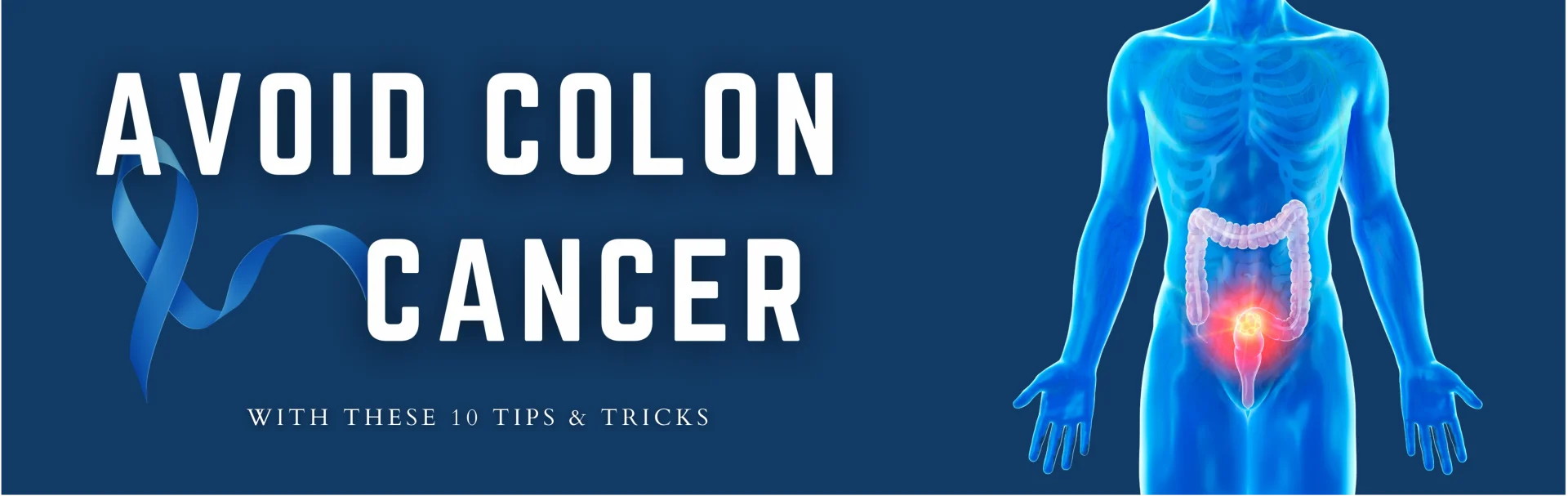
Colon cancer ranks as the third most prevalent cancer in the United States, with approximately 150,000 new diagnoses each year. Alarmingly, an increasing number of these cases are being identified in individuals under 50.
This has led to updated screening guidelines, recommending that screenings begin at age 45. There’s a crucial aspect of colon cancer that many may not realize: It is largely preventable. About 75% of all cases could be avoided through proactive measures you can take starting today.
This article discusses colon cancer and 10 incredible tips to help you avoid it. Let’s get started!
What is Colon Cancer?
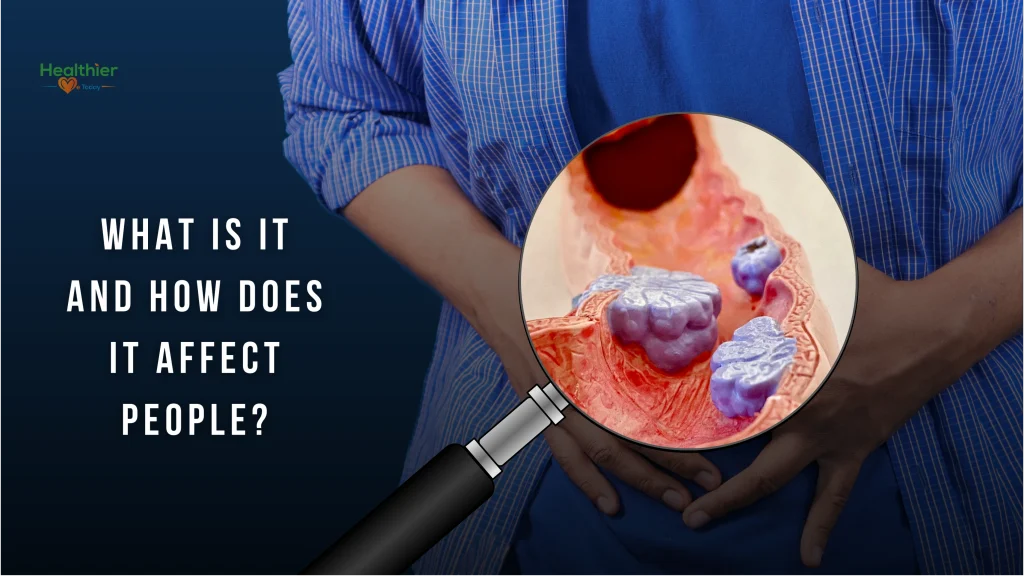
Colon cancer, also known as colorectal cancer, begins in the colon, the large intestine that helps move digested food to the rectum and out of the body. This type of cancer can form from specific growths or polyps that develop in the inner lining of the colon.
Doctors have special tests to find these precancerous polyps before they turn into cancer. If colon cancer isn’t found or treated in time, it can spread to other parts of the body. However, because of colorectal cancer screening tests, early treatment, learning how to avoid colon cancer naturally, and new therapies, fewer people are losing their lives to colon cancer.
How Does This Condition Affect People?
Your colon wall has layers of mucous membrane, tissue, and muscle. Colon cancer begins in the mucosa, which is the inner lining of your colon. This layer contains cells that produce mucus and other fluids. If these cells change or mutate, they can form a colon polyp.
Over time, some polyps can turn into cancer. It usually takes about 10 years for cancer to develop in a colon polyp. If not found or treated, colon cancer can spread through the colon’s tissue, muscle, and outer layer. Colon cancer can also move to other body areas through lymph nodes or blood vessels.
Who Is Affected By Colon Cancer?
Colon cancer ranks as the third most frequently diagnosed cancer in the United States. The U.S. Centers for Disease Control and Prevention (CDC) reports that men have a slightly higher chance of developing colon cancer compared to women. This type of cancer is more prevalent among Black individuals than among those from other racial or ethnic backgrounds.
While colon cancer usually affects individuals aged 50 and above, there has been a concerning rise in cases among people aged 20 to 49, increasing by approximately 1.5% annually over the last 15 years.
Symptoms and Causes

You can have colon cancer even if you don’t show any symptoms. If you do have symptoms, it might be hard to tell if they indicate colon cancer, as some colorectal cancer symptoms can be similar to those of less serious issues.
Common signs of colon cancer include:
- Blood in your stool: If you see blood in the toilet after a bowel movement or notice your stool is dark or bright red, consult a healthcare provider. Blood in your stool doesn’t automatically mean you have colon cancer; other issues like hemorrhoids or eating beets can also cause changes. However, it’s essential to get checked if you notice blood.
- Changes in bowel habits: If you experience ongoing constipation or diarrhea or feel like you still need to go after using the bathroom, talk to a healthcare provider.
- Abdominal pain: If you have unexplained stomach pain that doesn’t go away or is severe, consult a healthcare provider. Many factors can cause stomach pain, but unusual or frequent pain should be evaluated.
- Bloating: See a healthcare provider if you have felt bloated for more than a week, if the bloating worsens, or if it is accompanied by other symptoms like vomiting or blood in your stool.
- Unexplained weight loss: This refers to losing weight without trying to.
- Vomiting: If you vomit frequently for no apparent reason or if you have multiple episodes in a day, consult a healthcare provider.
- Fatigue and shortness of breath: These can be signs of anemia, which may indicate colon cancer.
What Causes Colon Cancer?
To understand how to avoid colon cancer, you must first know what causes it. Like all cancers, colon cancer occurs when cells grow and divide without control. Typically, your body’s cells are constantly changing, splitting, and dying, which keeps you healthy. In colon cancer, the cells in your colon and rectum continue to grow even when they should stop. These cancer cells can start from polyps in the colon. Researchers [Cleveland Clinic] are still trying to understand why some people get these precancerous polyps that can turn into colon cancer.
However, they know that certain risk factors can raise the chances of developing these polyps and colon cancer. These risk factors include medical issues, genetic conditions, and lifestyle habits. Having one or more of these risk factors doesn’t guarantee you will get colon cancer; it just means your risk is higher. Knowing these risk factors can help you decide if you should discuss your risk and colorectal cancer prevention with a healthcare professional.
How to avoid colon cancer with lifestyle changes such as:
- Smoking: Using tobacco in any form, whether it’s cigarettes, chewing tobacco, or e-cigarettes, raises your risk of colon cancer.
- Drinking too much alcohol: Generally, men should stick to two alcoholic drinks a day, while women should have no more than one. Even small amounts of alcohol can heighten your cancer risk.
- Being overweight: Consuming a lot of high-fat and high-calorie foods can lead to obesity, which is linked to a higher risk of colon cancer.
- Eating a lot of red and processed meats: Foods like bacon, sausage, and deli meats fall into this category. Doctors suggest keeping red and processed meat intake to two servings per week.
- Lack of exercise: Engaging in any form of physical activity can help lower your chances of developing colon cancer.
Medical conditions that heighten the risk of colon cancer:
- Inflammatory bowel disease: Individuals suffering from chronic conditions like ulcerative colitis and Crohn’s disease, which lead to inflammation in the colon, may face a higher risk of colon cancer. This risk becomes more significant if the inflammatory bowel disease persists for over seven years and impacts large areas of the colon.
- Genetic conditions: Certain inherited disorders, such as Lynch syndrome and familial adenomatous polyposis, can elevate your chances of developing colon cancer. This can occur if you inherit a gene linked to cancer.
- Family history of cancer: If a close relative has been diagnosed with colon cancer, your risk of developing it may increase. Close relatives include your biological parents, siblings, and children. The danger is particularly heightened if any family member was diagnosed with colon cancer before the age of 45.
- Family history of polyps: If a parent, sibling, or child has an advanced polyp, your risk of colon cancer may also rise. An advanced polyp is typically larger, and medical experts may identify it as advanced based on specific changes observed under a microscope, indicating the potential presence of cancerous cells.
- Multiple polyps: Individuals with many colon polyps, such as adenomas or serrated polyps, often have a greater risk of developing both polyps and colon cancer. Some people may inherit a predisposition to having numerous colon polyps.
How To Prevent Colorectal Cancer
Living a healthy life and sticking to natural remedies for colon cancer and screening recommendations can help lower your risk of getting colorectal cancer.
Here are actions for the prevention of colon cancer:
1. Reach a Healthy Weight and Maintain It
Being obese or very overweight can increase your chances of getting different kinds of cancer, like colorectal cancer. But what exactly is a healthy weight, and when do you cross into being overweight? This can be complicated. Everyone’s ideal weight is different, so there isn’t just one number that works for everyone.
Doctors check if your weight might be a problem by using the body mass index (BMI), which looks at your height and weight. If your BMI is over 25, it could mean you’re overweight, and if it’s 30 or more, that suggests obesity. It’s a good idea to talk to your doctor about your weight and create a plan to lose some if needed. After you reach a healthy weight, eating nutritious colon healthy foods and exercising regularly can help you stay there.
2. Eat Vegetables And Fruits
What foods prevent colon cancer? Studies [National Institutes of Health] indicate that plant-based diets, such as vegetarian and pescovegetarian diets, are linked to a reduced risk of colorectal cancer. The exact reason for this connection isn’t apparent, but it makes sense. Fruits and vegetables are rich in nutrients like fiber, vitamins, minerals, antioxidants, and other beneficial compounds. However, the CDC reports that only 9% of adults consume enough fruits and vegetables. Make half of your plate fruits or vegetables for each meal.
3. Limit Your Alcohol Consumption
Alcohol consumption carries not only immediate risks but also significant long-term health implications. Regularly consuming moderate to heavy amounts of alcohol can elevate your chances of developing colorectal cancer, among other types of cancer. If you choose to drink, it’s advisable to limit yourself to one serving per day, with less being even more beneficial for your health.
According to the NIH, a single serving is defined as:
- 12 ounces of beer with 5% alcohol by volume (ABV)
- 5 ounces of wine with 12% ABV
- 1.5 ounces of 80-proof spirits
Remember to check the ABV listed on the bottle, as some beverages may contain higher alcohol content than the examples provided. The lifestyle to avoid colon cancer includes managing alcohol consumption well.
4. Embrace a Fiber-Rich Diet
Incorporating fiber into your diet offers numerous health advantages, such as maintaining regular bowel movements, supporting a healthy gut, and assisting with weight management by keeping you satisfied for extended periods. Research [National Institutes of Health] indicates that a sufficient fiber intake can lower the risk of colorectal cancer.
Unfortunately, just like our diets often fall short in fruits and vegetables, only about 5% of men and 9% of women consume the recommended fiber daily. To help mitigate your risk of colorectal cancer and various other chronic health issues, it’s crucial to ensure you’re meeting your daily fiber needs. Fiber foods to prevent colon cancer include whole grains, beans and legumes, nuts and seeds, and whole fruits and vegetables.
5. Stay Away from Processed Meats
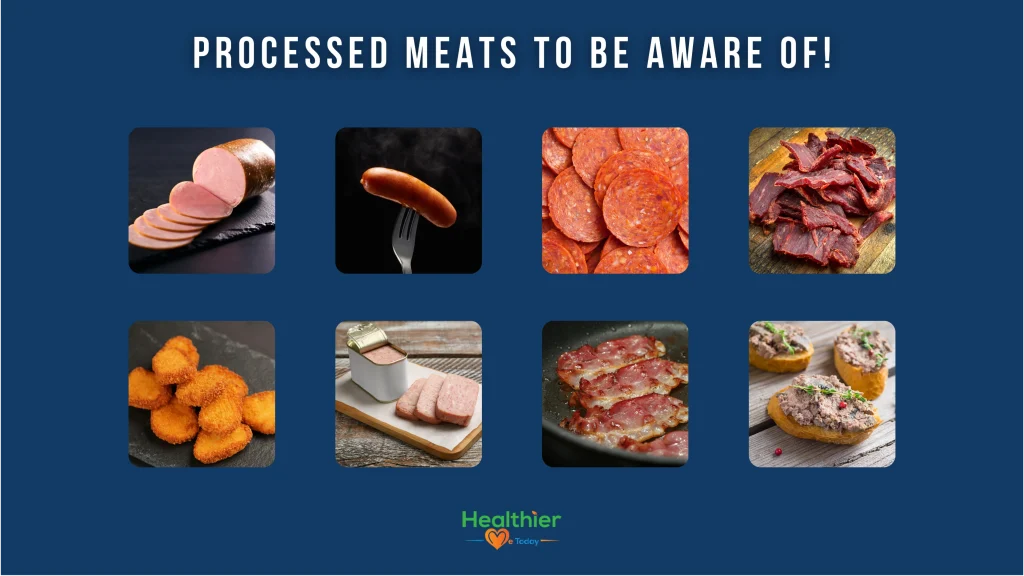
Research [National Institutes of Health] has found that consuming a lot of processed meats can raise the chances of getting colorectal cancer. Because of this, the International Agency for Research on Cancer (IARC) classified processed meat as “carcinogenic,” which means it could potentially lead to cancer. Processed meats include deli meats, bacon, and sausages. Even if lunch meat is organic or doesn’t have nitrates, it’s still considered processed.
6. Limit Red Meat
Red meat, along with processed meat, can raise the chances of getting colorectal cancer. It’s important to know that red meat isn’t just beef but also pork, bison, and venison. Instead of red meat, pick leaner proteins like chicken, fish, or plant-based options like beans, lentils, tofu, quinoa, and chickpeas. If you eat red meat, pay attention to how much you have. When cooking it, it’s healthier to bake, broil, or poach rather than smoke, barbecue, or charbroil.
7. Exercise More or Improve Your Workout
Studies [Cancer Cell International] show that working out can reduce the chances of getting different kinds of cancer, like colorectal cancer. Aim to exercise for at least 30 minutes daily, five days a week. However, any mix of activities that adds up to 150 minutes a week is beneficial. Everything counts, whether cardio, weightlifting, chores around the house, or yard work.
8. Be Aware Of The Colorectal Cancer Risk Factors
Below are several colorectal cancer risk factors:
- Being 50 years old or older
- Having a background of drinking alcohol and smoking
- Carrying extra weight and not exercising enough
- Following a diet that lacks fiber
- Belonging to a racial group, as African Americans are at a greater risk
- Having a personal history of digestive or inflammatory diseases
- Having family members who have had colorectal cancer
If you are at a higher risk, it’s a good idea to start seeing a gastrointestinal specialist now. This way, you’ll have someone who knows your health history if you notice any worrying symptoms.
9. Get Screened Regularly For Colorectal Cancer Beginning At Age 45
One of the best ways to lower your chances of getting colorectal cancer is to stick to the screening guidelines. These tests can catch precancerous polyps before they turn into cancer or find early-stage cancer, which is easier to treat. Usually, people start getting colonoscopies at age 45, and they happen every 10 years. But if you have a higher risk, your doctor might suggest starting the colonoscopies sooner and having them done more often.
10. Understand the Importance of Early Screening
It’s essential to discuss with your doctor the possibility of starting colorectal cancer screening before the age of 45 if you have any of the following:
- Inflammatory bowel disease (IBD), including conditions like Crohn’s disease or ulcerative colitis
- A family history of colorectal cancer
- A personal history of colorectal polyps
- Certain genetic conditions, such as familial adenomatous polyposis (FAP) or hereditary non-polyposis colorectal cancer (Lynch syndrome)
Conclusion: Most Important
There is no foolproof method to prevent colon and rectal cancers completely. How to avoid colon cancer then? You can adopt lifestyle and dietary choices promoting colon and rectum health. The foods you consume daily and your exercise routines are crucial in your risk of developing these types of cancer. Also, make sure you go for any necessary screenings as soon as you experience any symptoms or at the recommended age.
FAQ’s:
What are the early signs of colorectal cancer?
To know how to avoid colon cancer, it’s crucial to know the signs. One of the first signs that might indicate colorectal cancer is when you notice changes in how often you go to the bathroom. Other warning signs include seeing blood in your stool and losing weight for no reason. Some specific changes in bowel habits can be diarrhea, constipation, having stools that are thinner than usual, or feeling like you still need to go even after using the bathroom.
How To Avoid Colon Cancer?
You can lower your chances of getting colon cancer by choosing a healthy lifestyle. This means eating nutritious foods, exercising regularly, cutting back on alcohol and tobacco, and attending screenings when needed.
What foods cause polyps in the colon?
Colon cancer foods to avoid include red meat, processed meats, and alcohol. Cut back on foods high in sugar and calories.
When is Colorectal Cancer Awareness Month 2025, and why is it important?
Colorectal Cancer Awareness Month happens every March, and in 2025, it will fall on Friday, March 7. This month is about spreading the word about colorectal cancer and why it’s super important to catch it early and take steps to prevent it.
Is colorectal cancer hereditary?
Yes, colorectal cancer can be hereditary, but most cases are not.
What are foods good for colon health?
Eating fiber-rich foods like fruits, vegetables, whole grains, and beans is best for your colon. These foods can make digestion more manageable and help you go to the bathroom regularly. Plus, they might lower the chances of getting colon cancer.
Can stress cause colon cancer?
Chronic stress can raise the chances of getting colorectal cancer (CRC). When someone is under a lot of stress, it can change how the immune system in the gut works and affect the bacteria living there, which might contribute to CRC.
What is the survival rate of untreated colon cancer?
How long can you live with untreated colon cancer? The chance of surviving colon cancer without treatment is about 38.9% after two years and drops to 11.3% after five years. However, these survival rates can change based on how advanced the cancer is, the age of the person, and other essential factors.
What are the colorectal cancer treatment options?
Colorectal cancer can be treated in several ways, such as surgery, chemotherapy, radiation therapy, targeted therapy, and immunotherapy. The choice of treatment depends on how advanced the cancer is, the patient’s health, and what the patient prefers.
How often should I get screened for colorectal cancer?
Screenings are crucial in knowing how to avoid colon cancer. Colorectal cancer screening begins at age 45, and the type of test you get can change how often you need it. For example, a colonoscopy is done every 10 years, while stool tests are done once a year. There are also other tests that you might need every 3 to 5 years. If someone is at a higher risk, they might have to start getting tested earlier and more often.
Can diet alone prevent colorectal cancer?
Diet and colon cancer prevention go hand in hand. Eating a healthy diet can lower the chances of getting colorectal cancer, but it’s not the only thing that matters, and there’s no sure way to completely stop it from happening.
