
The Mediterranean diet emphasizes a plant-based approach to eating, celebrating the Mediterranean area’s traditional tastes and cooking styles. If you’re looking for a heart-healthy way to eat, this could be an excellent fit for you. Rather than being a strict diet, it’s more of a lifestyle choice that combines the fundamentals of healthy eating with the rich flavors and culinary practices of the Mediterranean culture.
This article explains everything you need to know about the Mediterranean diet, including a complimentary 7-day meal plan. Let’s dig in!
What is the Mediterranean Diet?
Diet plays a role in long-term health issues, particularly cardiovascular disease, which affects the heart and blood vessels. A study from the 1960s showed that countries like Greece and Italy had lower death rates from cardiovascular disease compared to the U.S. and northern Europe. More recent research has connected the Mediterranean diet to reduced risks for heart problems, such as high cholesterol and high blood pressure.
Today, nutrition experts in America often recommend the Mediterranean diet, and the World Health Organization also endorses it as a healthy eating style. Other cultures, like Japan, have similar eating habits. Additionally, diets like the DASH diet and the Dietary Guidelines for Americans share some principles with the Mediterranean diet. Studies indicate that sticking to the Mediterranean diet over time is essential for heart health.
What Does the Mediterranean Diet Entail?
What is Mediterranean food? The Mediterranean diet comes from the traditional foods of countries around the Mediterranean Sea.
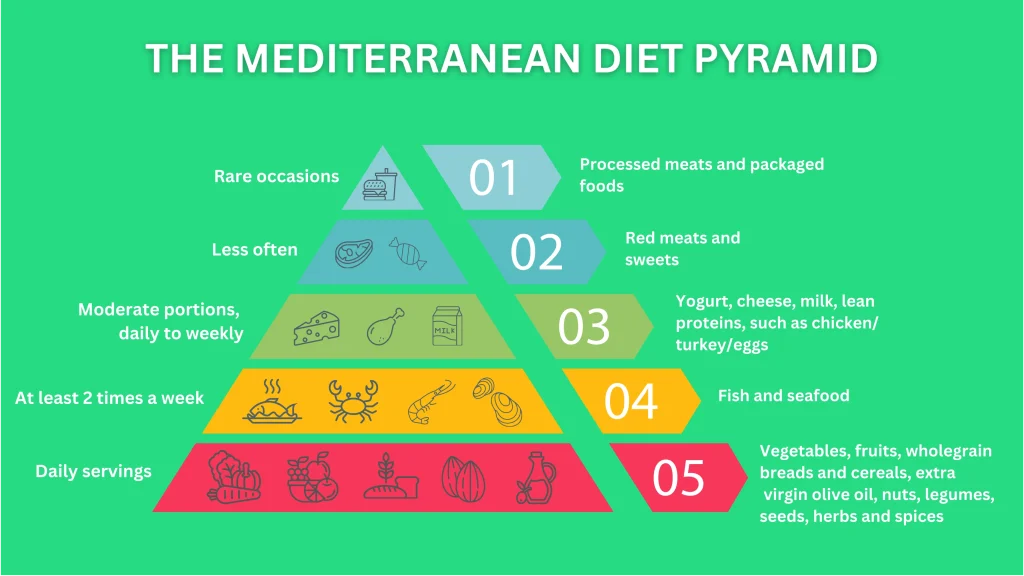
It doesn’t have just one Mediterranean diet food list, but it usually includes a lot of:
- Vegetables
- Fruits
- Whole grains
- Beans
- Nuts and seeds
- Olive oil
- Herbs and spices for flavor
To follow this diet, you should:
- Eat vegetables, fruits, whole grains, and plant-based fats every day
- Include fish, poultry, beans, legumes, and eggs in your meals each week
- Have dairy products in moderate amounts
- Cut back on red meat
- Limit foods that have added sugars
Other essential parts of the Mediterranean diet are to:
- Share meals with family and friends
- Stay active with regular exercise
- If you drink alcohol, enjoy wine in moderation
Plant-Based Instead of Meat-Based
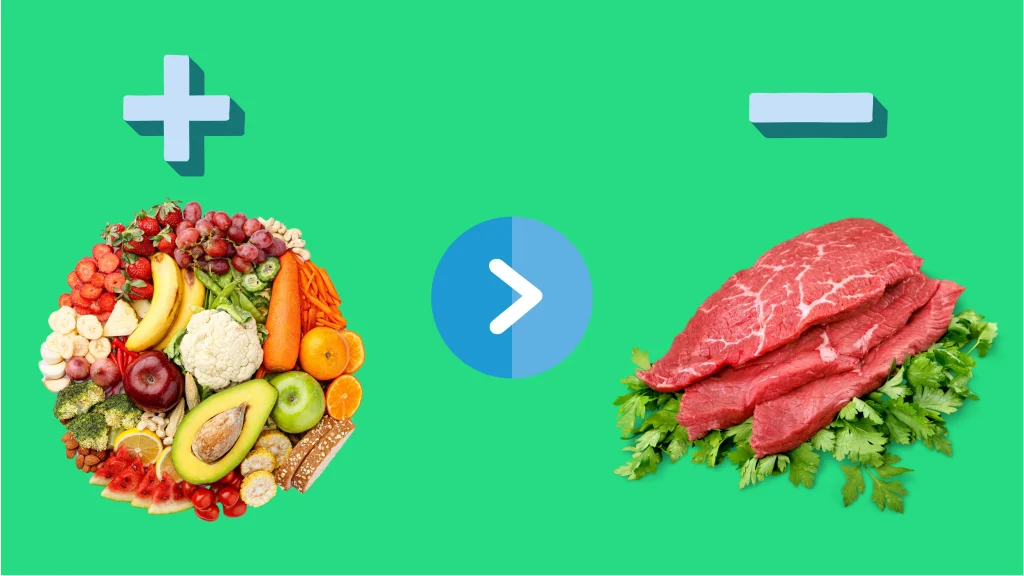
The Mediterranean diet is all about eating lots of plant-based foods. This means that meals focus on vegetables, fruits, herbs, nuts, beans, and whole grains. You can also have some dairy, chicken, and eggs in moderation, along with seafood. However, red meat is something you only eat occasionally. Mediterranean diet protein sources include fish, legumes, eggs, nuts, seeds, and poultry.
Introducing Healthy Fats
The Mediterranean diet is all about those good unsaturated fats. Instead of consuming saturated and trans fats, which can mess with your heart health, this diet focuses on healthier options. Olive oil and nuts are the go-to fat sources, offering plenty of unsaturated goodness. Getting your unsaturated fats from plants can help reduce your total cholesterol and the “bad” LDL cholesterol.
Swapping out saturated fats for polyunsaturated fats can lower your chances of heart disease and related deaths, as highlighted in the Dietary Guidelines for Americans. Plus, you’ll find healthy fats in seafood, seeds, nuts, legumes, and certain vegetable oils. Fish plays a vital role in the Mediterranean diet.
Some healthy fish options include:
- Mackerel
- Herring
- Sardines
- Albacore tuna
- Salmon
- Anchovies
These are considered fatty fish, rich in omega-3 fatty acids. Omega-3s are healthy unsaturated fats that may help reduce inflammation in the body. They can also lower triglycerides and influence blood clotting, potentially decreasing the risk of stroke and heart failure. The Mediterranean diet also includes lean fish and shellfish, such as shrimp, crab, clams, and scallops. Lean fish options include cod, haddock, hake, and whitefish. It’s best to choose fish low in mercury, especially for children aged 1 to 11 and pregnant or breastfeeding women, as high mercury levels can harm the brain and nervous system over time.
Can You Drink Wine?
Like others around the world, people in the Mediterranean region have different habits regarding alcohol. Many Mediterranean diets suggest having wine with meals, usually red wine rather than white. Experts often advise women to have no more than one glass of wine daily and men to limit it to two glasses. Some studies show that alcohol might lower the risk of heart disease, but it also carries risks.
Therefore, don’t start drinking or increase your intake thinking it will improve your health. Recent research questions the idea that even small amounts of alcohol are beneficial for the heart. A significant study [National Institutes of Health] showed that people who drink alcohol regularly, even in small quantities, have a greater chance of developing high blood pressure and coronary artery disease. The more they drink, the greater the risk becomes. Another research found that having just a little more than one drink each day could increase the risk of atrial fibrillation, which is a type of irregular heartbeat.
If you choose to drink alcohol, it’s a good idea to talk to your doctor or a dietitian to find out what amount, if any, is best for you. Things to consider include the extra calories that come with alcohol and any issues you might have with your kidneys or liver. Plus, if you simply don’t enjoy the taste of alcohol, that’s a perfectly good reason to avoid it, too.
Mediterranean Diet Snacks
The Mediterranean diet encourages snacking instead of discouraging it. Instead of sticking to specific times, pay attention to your body and grab a snack whenever you feel hungry.
Snacks on a Mediterranean diet often include the following:
- Hummus and vegetables
- Fresh fruits and vegetables
- Avocado with whole grain crackers
- Berries
- Roasted chickpeas
- Greek yogurt (you can add some fresh fruit and berries)
- Apple slices with almond butter
- Kale chips (preferably homemade)
- Seeds (raw or roasted)
Mediterranean Diet Benefits
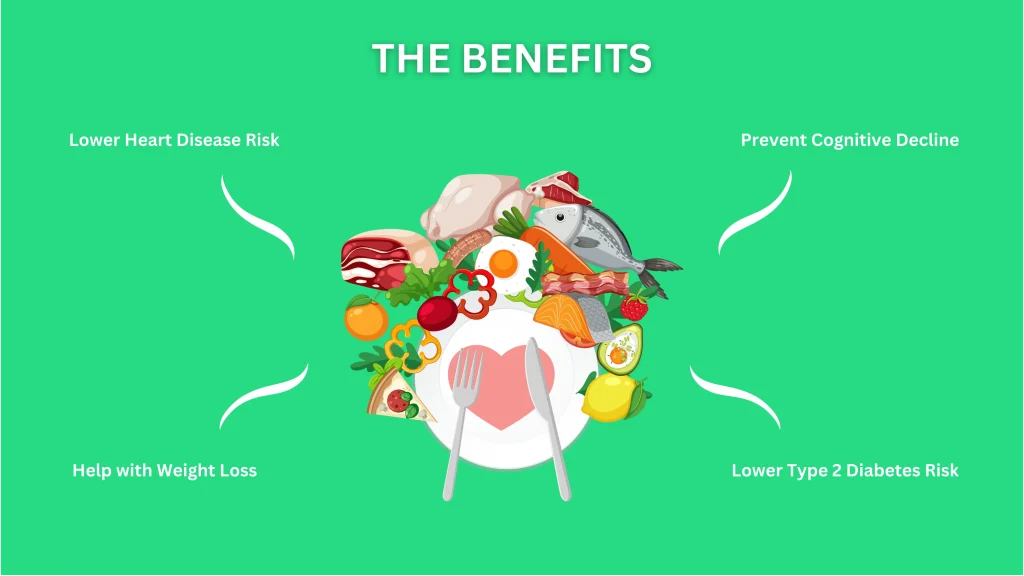
There are many backed-up benefits of the Mediterranean diet; below are some of the most recognised:
1. Better Sleep
A 2022 review [National Institutes of Health] looked at previous research to understand the effects of a Mediterranean diet on sleep duration and quality. The findings suggest that following a Mediterranean diet can improve the length and quality of sleep. This diet emphasizes the importance of whole foods, like fruits, vegetables, whole grains, and lean proteins like fish, while reducing processed foods and refined carbs. It is also high in omega-3 fatty acids, which are known to improve overall sleep.
2. Reduce Inflammation
In November 2022, a review [National Institutes of Health] of earlier studies showed that following the Mediterranean diet might help reduce inflammation, which can protect against illnesses such as heart disease. This diet might have these anti-inflammatory effects because it includes antioxidants and other helpful compounds found in plant-based foods, supports a healthy gut microbiome, and cuts down on unhealthy fats and added sugars that can lead to inflammation.
3. Increase Lifespan
A study [National Geographic] conducted over 36 years involving over 75,000 women and more than 44,000 men, released in January 2023, identified the Mediterranean diet as one of four diets that can lower the risk of death from all causes or specific reasons. This diet emphasizes fruits, vegetables, legumes, whole grains, and nuts packed with antioxidants, vitamins, minerals, and fiber. These foods are associated with less inflammation, better immune health, and a decreased chance of chronic illnesses.
4. Lower Risk Of Heart Disease In Women
A review of 16 studies [National Institutes of Health] showed that women who stuck closely to a Mediterranean diet had a lower chance of getting heart disease. Those who followed the diet more carefully were less likely to die from heart problems or get coronary heart disease. While there were fewer strokes among these women, the researchers noted that this finding wasn’t strong enough to be considered significant.
5. Reduces Dementia Risk
A study [BMC Medicine] released in March 2023 tracked over 60,000 people for about 9.1 years to look into the connection between diet and the risk of dementia. The findings showed that those who adhered more closely to the Mediterranean diet had a reduced risk of developing dementia. Eating a diet packed with fruits, veggies, whole grains, and fish, while keeping red meat and saturated fats to a minimum, can help safeguard the brain against cognitive decline.
6. Lowering the Odds of Prostate Cancer
A study [National Institutes of Health] from 2022 looked at 116 plasma samples from Caucasian men with late-onset prostate cancer and compared them to 132 matched controls. They focused on micronutrients in the samples. The results showed that the men with prostate cancer had notably lower levels of lycopene, lutein, α-carotene, and β-carotene in their blood compared to the control group. These nutrients are commonly found in foods associated with the Mediterranean diet. For instance, lycopene is present in watermelon and tomatoes, while selenium can be found in plant-based foods like nuts and grains.
7. Benefit Vision As You Age
A systematic review [National Institutes of Health] from 2022 that looked at 20 different studies showed that sticking to a Mediterranean diet can help reduce the chances of moving from early to late age-related macular degeneration. The research highlighted that individuals who consumed more b-carotene, lutein, zeaxanthin, copper, folate, magnesium, vitamin A, niacin, vitamin B6, vitamin C, and omega-3 fatty acids had a lower risk of this condition worsening.
8. Boost Mental Health
The Mediterranean diet might offer more than just health perks. In a 2022 study [Medical News Today] that lasted 12 weeks, researchers looked at 72 men aged 18 to 25 who were dealing with moderate to severe depression. They compared the effects of the Mediterranean diet with befriending therapy, which is all about connecting patients with others to boost their social support. Those who stuck to the Mediterranean diet reported a better quality of life than those who underwent befriending therapy.
There are several reasons why these results could happen:
- Eating fresh fruits and vegetables provides essential vitamins, minerals, and fiber that can enhance brain performance.
- Fiber helps control blood pressure, which might help lessen feelings of anxiety and depression.
- Omega-3 fatty acids can improve mood and reduce inflammation.
- Better gut health can also have a positive impact on overall mood.
Tips to Eat the Mediterranean Way
Looking to start the Mediterranean diet? Here are some helpful tips:
- Increase your intake of fruits and vegetables: Try to have 2 to 3 servings of fruit and at least four servings of vegetables daily. A serving of fruit can be a medium whole fruit or one cup of chopped fruit. For vegetables, one serving is two cups of leafy greens, one cup of raw veggies, or half a cup of cooked vegetables.
- Choose whole grains: Replace white bread, cereal, and pasta with whole-grain options. You can also explore other whole grains like bulgur, barley, and farro. If your daily intake is around 2,000 calories, aim for at least 3 ounces of whole grains. You can get 1 ounce from a slice of whole-grain bread, a cup of ready-to-eat cereal, or half a cup of cooked rice or pasta. Check the Nutrition Facts label to see the serving size for each product.
- Choose plant-based unsaturated fats: Swapping out saturated fats for unsaturated fats can reduce heart disease risk. For instance, use olive, canola, safflower, or sunflower oil instead of butter when cooking or serving. Instead of butter or margarine on bread, try nut or seed spreads on toast or apples.
- Up your seafood intake: Aim to eat fish or shellfish 2 to 3 times weekly. Pregnant or breastfeeding women and children should avoid certain fish due to their mercury content. A typical serving for adults is about 3 to 5 ounces, similar to a deck of cards. The U.S. Food and Drug Administration suggests smaller portions for children, about twice a week.
- Opt for fresh fish: Choose fresh or water-packed tuna, salmon, trout, mackerel, and herring as healthy options. Avoid deep-fried fish
- Go a little nuts: Try to eat four servings of raw, unsalted nuts each week, about a quarter of a cup.
- Enjoy some dairy products: Good options include skim or 1% milk, cottage cheese, and plain or low-fat Greek yogurt. Limit your cheese intake; a serving is roughly the size of four dice. Also, reduce your intake of higher-fat dairy, such as whole milk, 2% milk, butter, margarine, and ice cream.
- Cut back on red and processed meats: Instead, focus on eating more fish, chicken, or beans. If you do eat meat, choose lean cuts and keep portions small. Before cooking, try to trim off any visible fat.
- Add flavor with spices: Using herbs and spices can enhance the taste of your food and help you use less salt.
7-Day Mediterranean Diet Meal Plan
Below is an example of a 7-day meal plan including Mediterranean diet breakfasts, lunches, and dinners:
Mediterranean diet desserts you can add include:
- 2 cups of fruit salad of your choice
- Handful of strawberries and 2 tbsp low-fat cottage cheese
- Fresh fruit (your choice) and plain greek yogurt (add up to two cups)
- Pineapple nice cream
- Raspberry and mango smoothie
You can also add honey to these desserts for a sweeter quick as it is a popular healthy Mediterranean diet sweetener.
Conclusion: Is it Worth a Try?
The Mediterranean diet isn’t just one specific way of eating; it includes some general ideas. It encourages eating many healthy plant-based foods and a moderate amount of dairy, fish, or seafood. Mediterranean diet foods to avoid include highly processed foods like candy and processed meats. Following this diet can be good for your health. For example, it helps you maintain a healthy weight, steady your blood sugar, support your heart, and boost your brain power. One of the great things about the Mediterranean diet is that it offers a good mix of nutrients and is flexible, making it easier to follow.
FAQ’s:
How to start a Mediterranean diet?
To start a Mediterranean diet, focus on whole, unprocessed foods, incorporating plenty of fruits, vegetables, whole grains, and healthy fats while limiting red meat and processed foods.
What is the Mediterranean diet, and why is it so popular?
The Mediterranean diet focuses on healthy fats, lean meats, and many plant-based foods. This includes olive oil, fish, fruits, vegetables, and whole grains. People love this diet because it has many proven health benefits, like lowering the chances of heart disease, cancer, and other long-term health issues.
How do I start a Mediterranean diet as a beginner?
If you’re new to the Mediterranean diet, add more fruits, veggies, whole grains, beans, and healthy fats like olive oil and nuts to your meals. Instead of changing everything at once, mix these foods into what you already eat. Also, cut back on processed foods, red meat, and sugary carbs.
What are the key foods included in a Mediterranean diet?
The main idea of a Mediterranean diet is to eat many plant-based foods, such as fruits, vegetables, whole grains, beans, nuts, and seeds. It also includes olive oil as the primary type of fat and allows for some fish and chicken, but it suggests eating less red meat and sweets.
Can you use the Mediterranean diet for weight loss?
Following a Mediterranean diet can help you lose weight and become healthier. This diet emphasizes eating whole foods and healthy fats while cutting back on processed foods and added sugars.
What are some easy Mediterranean diet meal plans?
Below are easy Mediterranean diet meal plans to try:
> 7-Day Mediterranean Diet Meal Plan for Beginners
> Mediterranean Diet Meal Plan for Beginners
> 30-Day Mediterranean Diet Meal Plan Created by a Dietitian
> Mediterranean meal plan
Is the Mediterranean diet suitable for diabetics?
The Mediterranean diet is suitable for people with diabetes. Research shows it can help manage blood sugar levels and support weight loss.
What are the best easy Mediterranean diet recipes for picky eaters?
Suppose you’re a picky eater but want to try the Mediterranean diet. You might like Mediterranean diet dinner recipes like mini pita pizzas, yogurt fruit skewers, roasted veggies, and whole-grain pasta salad. These foods can help you discover tasty and healthy flavors!
What are the benefits of the Mediterranean diet?
The Mediterranean diet offers numerous health benefits, including reducing the risk of cardiovascular disease, supporting healthy blood sugar levels and blood pressure, and potentially aiding in weight management.
What does a Mediterranean diet shopping list look like?
A Mediterranean diet grocery list will often include foods such as:
> Whole grains: Brown rice, quinoa, whole wheat bread, and barley
> Vegetables: A variety of fresh and frozen veggies, especially leafy greens and cruciferous types
> Fruits: A selection of fresh seasonal fruits
> Legumes: Beans, lentils, and chickpeas
> Nuts and Seeds: Almonds, walnuts, pistachios, sunflower seeds, and flaxseeds
> Olive Oil: Extra virgin olive oil is essential in the Mediterranean diet
> Herbs and Spices: Fresh herbs like basil, oregano, thyme, rosemary, dill, and mint
> Fish and Seafood: Fatty fish such as salmon, tuna, and sardines, along with other seafood
> Dairy: Natural cheese, yogurt, and milk
> Eggs: A great source of protein.
