
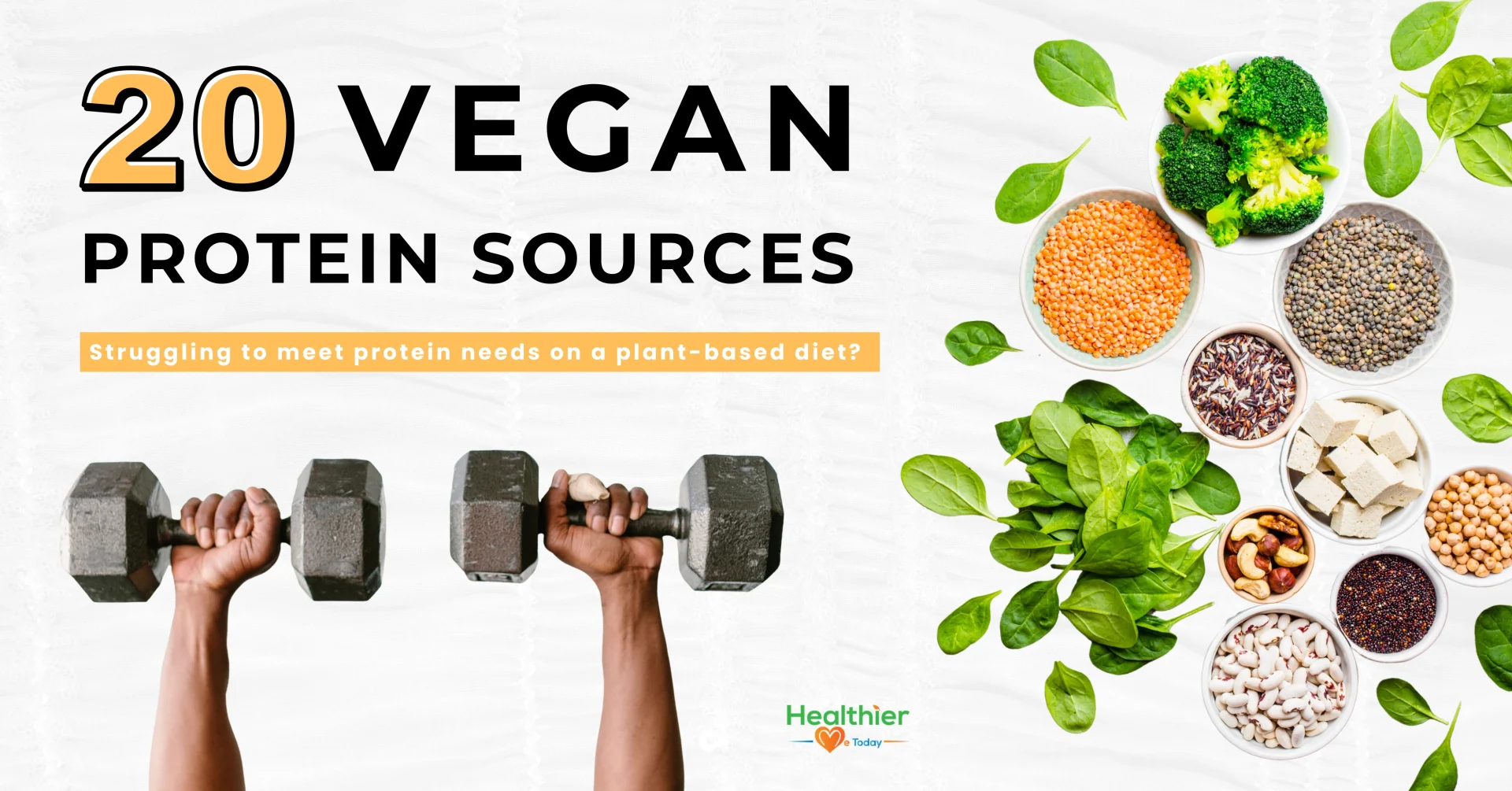
Struggling to meet protein needs on a plant-based diet? Vegan protein sources fuel energy, muscle growth, and overall health. This guide highlights 20 high protein vegan foods, from lentils to hemp seeds, to enrich vegetarian protein sources in daily meals.
Explore high-protein foods vegetarian options, protein-rich vegetarian foods, and high-protein meals for vegetarians. Whether building a high-protein plant-based diet or chasing plant-based protein for muscle gain, these foods and strategies deliver results.
Incorporate these best vegetarian protein sources, master sources of protein in vegetarian diet, and feel stronger, healthier, and more vibrant!
Why Protein Matters for Plant-Based Diets
Protein supports muscle repair, hormone balance, and immune health, built from amino acids, nine of which are essential and diet-derived. Vegan protein and vegetarian protein sources supply these, but plant-based diets often require combining foods to form complete proteins with all essential amino acids. How to get protein as a vegetarian involves pairing beans with grains or using complete proteins like quinoa.

Adults need 0.8g of protein per kg of body weight daily, but athletes or those on a high-protein plant-based diet may require 1.2-2.0g/kg of plant-based protein for muscle gain. High protein vegan foods like tofu and high-protein foods vegetarian options like Greek yogurt meet these needs. Low protein intake can lead to fatigue, muscle loss, or weakened immunity, making it essential to choose the best vegetarian protein sources for optimal energy and performance.
20 Vegan Protein Sources to Boost Your Diet
These 20 vegan protein sources offer nutrient-dense and versatile options for a high-protein, plant-based diet. Each offers high protein vegan foods to meet daily protein goals, organized by category for easy incorporation.
Legumes and Beans
Legumes and beans are affordable vegetarian protein sources rich in fiber and iron, but low in methionine; therefore, they pair well with grains to provide a complete protein.
- Lentils: 18g protein/cup cooked. Use red lentils in soups or brown lentils in salads; they are high in folate.
- Chickpeas: 15g protein/cup cooked. Roast for snacks or blend into hummus; a source of zinc.
- Black Beans: 15g protein/cup cooked. Add to tacos or bowls; packed with antioxidants.
- Kidney Beans: 13g protein/cup cooked. Ideal for chili or curries; rich in potassium.
Soy-Based Proteins
Soy products are complete proteins, ranking among the best protein for vegetarians for plant-based protein for muscle gain.
- Tofu: 20g protein/cup. Grill or stir-fry; provides calcium and iron.
- Tempeh: 31g protein/cup. Fermented soy, crumble into bowls or slice for sandwiches; high in probiotics.
- Edamame: 17g protein/cup cooked. Steam as a snack or toss in salads; rich in vitamin K.
- Soy Milk: 7g protein/cup. Use in smoothies or cereal; often fortified with B12.
Nuts and Seeds
Nuts and seeds are protein-rich vegetarian foods, offering healthy fats but are low in lysine, so combine with legumes.
- Hemp Seeds: 10g protein/3 tbsp. Sprinkle on oatmeal; complete protein with omega-3s.
- Chia Seeds: 5g protein/3 tbsp. Mix into puddings; high in fiber and calcium.
- Pumpkin Seeds: 10g protein/oz. Roast for snacks; rich in magnesium and zinc.
- Almonds: 7g protein/oz. Eat raw or use as a spread; a source of vitamin E.
Grains and Cereals
Grains enhance sources of protein in vegetarian diet, especially when paired with legumes for complete proteins.

- Quinoa: 14g protein/cup cooked. Complete protein for bowls or salads; high in manganese.
- Seitan: 25g protein/3 oz. Wheat gluten, grill for a meaty texture, rich in iron.
- Oats: 5g protein/cup cooked. Make porridge or bars; offer beta-glucans.
- Buckwheat: 6g protein/cup cooked. Use in soba noodles; gluten-free and rich in flavonoids.
Vegetables and Specialty Foods
Vegetables and unique foods add variety to high-protein foods vegetarian diets, boosting protein intake.
- Green Peas: 9g protein/cup cooked. Add to curries; they are high in vitamin C.
- Spirulina: 4g protein/tbsp. Blend into smoothies for a complete protein with antioxidants.
- Nutritional Yeast: 8g protein/2 tbsp. Sprinkle on pasta; fortified with B12.
- Mycoprotein: 15g protein/100g. Found in Quorn; use in stir-fries, high in fiber.
Combining Plant Proteins for Optimal Nutrition
Most vegan protein sources lack one or more essential amino acids, unlike animal proteins. Combining foods creates complete proteins, which are critical for achieving plant based protein for muscle gain, according to studies [National Institutes of Health]. For example, beans, which are low in methionine, pair with grains, such as rice, to balance the amino acids, as seen in dishes like rice and beans or hummus with pita.
Focus on variety throughout the day, rather than perfect pairings per meal. Complete proteins, such as quinoa or tempeh, simplify a high-protein plant-based diet. How to get protein as a vegetarian involves mixing sources of protein in vegetarian diet, such as lentils with quinoa or tofu with rice. Lacto-ovo-vegetarians can include eggs or dairy, which provide complete proteins that are among the best vegetarian protein sources. Diverse combinations ensure adequate protein for muscle growth, energy, and overall health.
High-Protein Vegetarian Meal Ideas
These high-protein meals for vegetarians feature protein-rich vegetarian foods to fuel breakfast, lunch, dinner, and snacks, supporting high-protein foods vegetarians goals. Each meal includes an approximate protein content for easy planning.

Breakfast Options
Kickstart the day with the best vegetarian protein sources for lasting energy:
- Tofu Scramble: Sauté 1 cup crumbled tofu with spinach, 2 tbsp nutritional yeast, and turmeric (20g protein). Serve with whole-grain toast (5g protein). Total: ~25g protein.
- Chia Pudding: Mix 3 tablespoons of chia seeds with 1 cup of soy milk, top with 2 tablespoons of hemp seeds and berries (15g protein). Chill overnight. Total: ~15g protein.
- Greek Yogurt Parfait: Layer 1 cup Greek yogurt with 1/4 cup oats, 1 tbsp pumpkin seeds, and fruit (20g protein). Total: ~20g protein.
Lunch and Dinner Recipes
These dishes combine vegan protein sources for nutrient-packed, satisfying meals:
- Lentil-Quinoa Bowl: Combine 1 cup cooked lentils, 1/2 cup quinoa, roasted chickpeas, and kale with tahini dressing (30g protein). Total: ~30g protein.
- Tempeh Stir-Fry: Stir-fry 1 cup tempeh with green peas, buckwheat noodles, and soy sauce (35g protein). Total: ~35g protein.
- Black Bean Tacos: Fill 2 corn tortillas with 1 cup black beans, avocado, and 2 tbsp nutritional yeast (20g protein). Total: ~20g protein.
Snack Ideas
Quick snacks boost high-protein plant-based diet intake between meals:
- Edamame Bowl: Steam 1 cup of edamame and sprinkle with sea salt (17g protein). Total: ~17g protein.
- Hummus and Veggies: Pair 1/4 cup chickpea hummus with carrots and 1 oz almonds (12g protein). Total: ~12g protein.
- Spirulina Smoothie: Blend 1 tbsp spirulina, 1 cup soy milk, and banana (11g protein). Total: ~11g protein.
Choosing Vegan Protein Powders for Convenience
Vegan protein powders complement high-protein meals for vegetarians, making them ideal for athletes, those with busy schedules, or those looking to boost their intake. The best types of protein powders offer high protein content, complete amino acid profiles, and easy digestion, according to Healthline.

Below are the top types and recommended USA brands:
Best Kinds of Vegan Protein Powders
- Pea Protein: High in lysine and leucine, 20-25g protein/serving, supports muscle growth, highly bioavailable. Ideal for plant-based protein for muscle gain.
- Hemp Protein: Complete protein, 15-20g protein/serving, rich in omega-3s and fiber, gentle on digestion. Suits sensitive stomachs.
- Brown Rice Protein: Hypoallergenic, with 15-20g of protein per serving, pairs well with pea protein to provide a complete amino acid profile. According to studies [Healthline], it is a budget-friendly option.
- Blended Protein: Combines pea, rice, hemp, or chia, providing 20-30g of protein per serving and ensuring a balanced amino acid profile. Most versatile for daily use.
Top USA Brands
- Orgain Organic Protein: A blend of pea, rice, and chia, 21g protein per serving, 0g added sugar, with a smooth texture.
- Garden of Life Raw Organic: Sprouted grains and seeds, 22g protein/serving, complete amino profile, probiotic-enhanced.
- Vega Sport Premium: Pea, pumpkin seed, and hemp, 30g protein per serving, NSF Certified, ideal for athletes.
Look for the best vegan protein powders available in the USA, featuring 20-25g of protein per serving, low sugar content (less than 5g), and no artificial additives. Mix with water, soy milk, or smoothies, using 1-2 scoops daily. Third-party testing (e.g., NSF Certified) ensures purity.
Tips for choosing the right protein powder:
- Select unsweetened or stevia-sweetened powders to avoid sugar spikes.
- Choose non-GMO, organic options for cleaner ingredients.
- Start with half a scoop to test your digestion, especially if you’re a new user.
- Store in a cool, dry place to preserve flavor and potency.
- Blend with fruits or nut butter for an enhanced taste and additional nutrients.
- Prioritize whole high protein vegan foods over powders for balanced nutrition.
Conclusion: Transform Your Diet with Plant-Based Protein
Feeling sluggish or stuck in your fitness journey? These 20 vegan protein sources elevate a high-protein plant-based diet, fueling strength and vitality. From high protein vegan foods like lentils to protein-rich vegetarian foods like Greek yogurt, these options support muscle, energy, and health.
High-protein meals for vegetarians, such as tempeh stir-fries or quinoa bowls, simplify protein goals, while the best vegan protein powders available in the USA add convenience. Whether mastering how to get protein as a vegetarian or pursuing plant-based protein for muscle gain, these best vegetarian protein sources deliver.
Start adding these sources of protein in vegetarian diet today to feel stronger, healthier, and more energized!
FAQ’s:
Can you build muscle on a vegetarian diet?
Yes, a high-protein plant-based diet with best vegetarian protein sources like tofu and lentils supports muscle growth. Pair with resistance training and 1.2-2.0g protein/kg body weight daily.
How much protein do vegetarians need for muscle gain?
Vegetarians require 1.2-2.0g of protein/kg body weight daily for plant-based protein for muscle gain, per BBC Good Food. For a 70kg person, that’s 84-140g, achievable with high-protein foods vegetarian like quinoa and beans.
Is plant-based protein as effective as animal protein for muscle growth?
Vegan protein sources are effective when consumed in sufficient amounts and combined to provide a complete amino acid profile. Plant proteins, such as pea protein, have slightly lower bioavailability but can support gains with proper planning, according to studies [National Institutes of Health].
Can I build muscle with only vegan protein?
Yes, high protein vegan foods like tempeh and protein powders build muscle with strength training and 1.2-2.0g protein/kg daily. Diverse sources ensure amino acid balance.
Which plant-based foods have complete protein?
Quinoa, soy (tofu, tempeh), hemp seeds, chia seeds, and buckwheat are complete proteins with all nine essential amino acids. These vegan protein sources make it easier to follow a high-protein, plant-based diet.
What are the best protein-rich meals for vegetarians?
High-protein meals for vegetarians include lentil-quinoa bowls (30g protein), tempeh stir-fries (35g protein), and tofu scrambles (25g protein), all utilizing protein-rich vegetarian foods. Add seeds for an extra protein boost.
Which vegetarian protein sources are low in carbs and high in protein?
Tofu (20g protein, 2g carbs/cup), tempeh (31g protein, 8g carbs/cup), and hemp seeds (10g protein, 1g carbs/3 tbsp) are low-carb best protein for vegetarians. Mycoprotein and nutritional yeast are also suitable options, according to studies [ScienceDirect].
Are eggs and dairy good protein sources for vegetarians?
Eggs (6g protein per egg) and dairy (Greek yogurt, 20g protein per cup) are complete proteins for lacto-ovo-vegetarians, enhancing vegetarian protein sources, according to BBC Good Food. They’re nutrient-dense but not vegan-friendly.
What are the best vegan protein powders available in the USA?
Orgain Organic (21g protein), Garden of Life Raw Organic (22g protein), and Vega Sport Premium (30g protein) are top best vegan protein powders available in the USA. Pea, hemp, or blended powders ensure complete amino profiles.
