

While the idea of donating blood may scare you, the procedure is actually simple. The best part of it all? It can save someone’s life. Sources suggest that a single donation can save up to three lives, and in the United States, every 2 seconds, someone needs blood. This is why days like World Blood Donor Day and blood donation day are so important—they highlight the ongoing need for donations.
But here’s the thing: there are more benefits of giving blood than you think. It can improve your heart health, prevent cancer, help maintain weight, and more. Want to know more about this incredibly selfless act that can provide you with just as many benefits as the receiver? This article discusses it all in detail. Whether you’re considering donating for the first time or are already a participant in blood donor day, the benefits may surprise you.
Why is Donating Blood Important?

Blood travels throughout the body to provide crucial nutrients and oxygen to the body’s cells, which are essential for survival. One of the benefits of giving blood is its role in supporting life-saving blood transfusions. These transfusions help restore blood lost during surgery or serious injuries, such as those sustained in car accidents. Similarly, donating blood can indirectly support cancer patients by providing the platelets they may not produce enough of on their own to form blood clots and stop bleeding.
Only 3% of those who meet blood donor day eligibility requirements donate blood annually, even though, as mentioned, someone in the United States needs blood every 2 seconds. Since blood and platelets can’t be produced or manufactured, there is no alternative source when a hospital’s supply runs out. This is why global initiatives like World Blood Donor Day serve as critical reminders of the importance of regular donations.
The Benefits of Giving Blood
Who knew that sitting for a blood donation and a cookie could mean actually increasing your own health? Let’s look at each of the benefits of donating blood below so you know what you can expect.
Better Heart Health
One of the most significant benefits of giving blood is improved cardiovascular health. Donating blood often can aid in maintaining the body’s proper iron levels. Although iron is essential for producing hemoglobin, an excess amount can cause oxidative damage to the cardiovascular system. Having too much iron causes blood to thicken, which raises the risk of strokes, clots, and heart attacks.
Regular blood donation helps lower iron levels in the body, lessening oxidative stress and potential cell damage. Evidence has suggested that frequent blood donation will help maintain balanced iron levels, although more research is needed to understand the relationship between the two better. This is another key message during World Blood Donor Day observances worldwide.
Can Help Prevent Cancer
Another one of the many benefits of blood donation is that it may reduce the risk of certain cancers. High iron levels are associated with increased risks of cancers like those of the liver, lungs, and esophagus. Iron helps produce free radicals, which damage cells and accelerate cancer growth.
Frequent blood donations, as encouraged during World Blood Donor Day, reduce iron levels, lessen oxidative stress, and may contribute to lower cancer risk.
Assist with Managing Weight
Blood donation can assist with weight management, as a single blood donation burns around 650 calories. This may not seem like much regarding weight loss, but one of the benefits of giving blood is its potential to support weight management for those who donate regularly. Combining blood donation with a healthy lifestyle, including exercise and a balanced diet, can enhance overall weight management efforts. Educational campaigns on blood donor day often emphasize these lesser-known benefits.
Enhances the Production of Red Blood Cells
Donating blood can promote the production of red blood cells. To help compensate for the blood lost during blood donation, your body regenerates new red blood cells in the bone marrow. This process helps maintain the blood system’s strength and functionality. Among the benefits of giving blood is its use as a therapeutic intervention for individuals with certain health problems like polycythemia vera, a condition where the body generates too many red blood cells. Regular donations help maintain normal red blood cell counts and improve overall health.
A Free Health Checkup

Whenever you donate blood, you’ll have a quick physical checkup. This includes taking your blood pressure, hemoglobin levels, pulse, and body temperature. Among the benefits of giving blood is the opportunity to gain valuable insights into your current health. For example, you may find out that you have high blood pressure or low hemoglobin levels. This can encourage you to seek additional medical opinions and take precautionary measures to help manage these health issues. This free health check is another key point raised during blood donation day initiatives.
Aid in Regulating Blood Pressure
Some studies [National Institutes of Health] have suggested that donating blood regularly can help regulate blood pressure. Giving blood can help the heart pump blood more efficiently throughout the body by reducing blood viscosity, potentially lowering blood pressure. Individuals who have hypertension may benefit the most from this because reducing blood pressure will lessen the risk of strokes and heart disease.
Promote a Healthier Lifestyle
Knowing you will donate blood can encourage you to adopt healthier habits. Blood donors are typically advised to follow a healthy diet, stay hydrated, and avoid unhealthy and risky habits to ensure that their blood is safe. This knowledge can lead to lifestyle choices that improve your overall health and well-being. Such healthy habit formation is promoted on World Blood Donor Day as a long-term benefit of regular giving.
What To Eat Before Donating Blood
Staying hydrated before and after donating blood is crucial. This is because water accounts for almost half of your blood. It is also strongly advised to increase your iron intake and other vitamin and minerals.
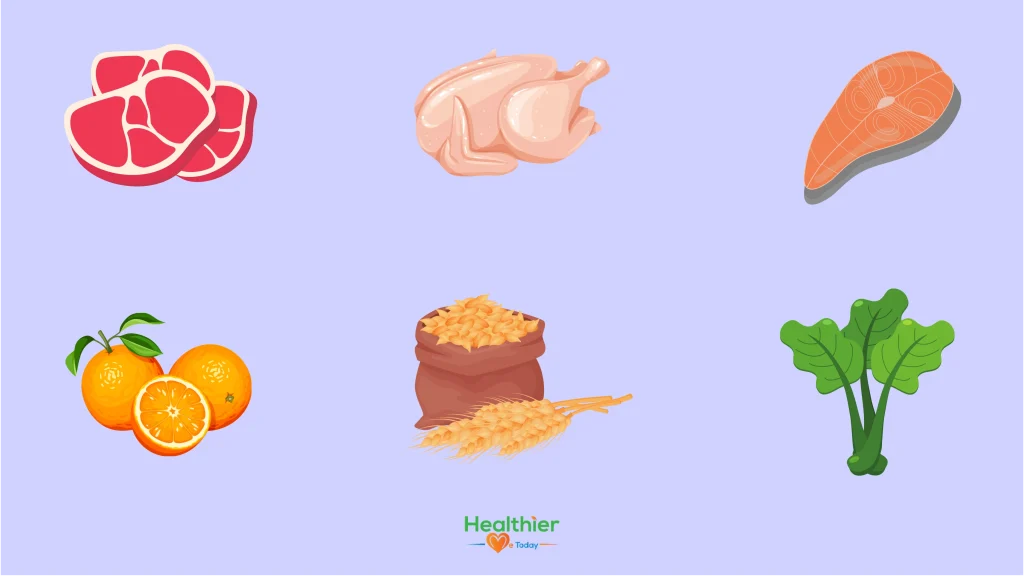
Here is a list of the best foods to eat before donating blood:
- Meat: lamb, beef, pork, veal, ham, and dried beef (jerky)
- Poultry: chicken and turkey
- Fish: haddock, mackerel, and tuna
- Shellfish: shrimp and clams
- Animal organs: liver
- Vegetables: spinach, broccoli, sweet potatoes, peas, beet greens, collard greens, kale, chard, and string beans
- Fruits: watermelon, strawberries, raisins, figs, prunes, dates, dried apricots and peaches
- Breads and cereals: enriched cereals, enriched white bread, enriched pasta, bran cereals, rye bread, enriched rice, and oats
- Vitamin C: kiwi fruit, papaya, mango, strawberries, cantaloupe, citrus fruits, blueberries, tomatoes and citrus juices
Conclusion: Everything Donating
The benefits of giving blood outweigh any fears you may have. It is a selfless act with long-term advantages for both the donor and the patient. By deciding to donate blood, you’re actively enhancing your own health while at the same time saving someone’s life. Before giving blood, it is important to know if you meet the requirements and, if so, that you keep your blood healthy and safe for yourself and recipients. You can do this by following a healthy diet and avoiding unhealthy habits. Participating in events like World Blood Donor Day or your local blood donation day can be the perfect time to start making a difference.
Keep these amazing benefits in mind next time you pass a blood drive!
FAQ’s:
What are the health benefits of donating blood regularly?
Some health benefits of giving blood include lowering blood pressure, improving red blood cell production, lowering the risk of cancer, helping with weight management, saving lives, improving cardiovascular health, and promoting a healthier lifestyle.
How often can I donate plasma or blood?
You can donate blood every 56 days and plasma every 28 days. However, it can vary depending on the facility.
Are there any risks or side effects of donating blood?
Some side side effects are dizziness, feeling faint, and bruising.
What should I eat or drink before donating blood or plasma?
You should drink plenty of water and citrus fruit juice. When it comes to food, make sure that you eat items rich in iron and vitamin C, such as red meat, poultry, eggs, spinach, tomatoes, collard greens, enriched bread and cereals, citrus fruits, etc.
What is National Blood Donor Month, and why is it significant?
National Blood Donor Month is held every January, and it’s about bringing awareness to such an incredibly important topic: donating blood. It helps remind people of how important it is, especially in the winter when the numbers typically begin to drop. This is due to busy schedules, illnesses, and bad weather. So, really, it’s about saving lives!
How does donating plasma help save lives compared to donating whole blood?
Plasma is a component of whole blood, and donating plasma alone can help treat conditions that negatively impact clotting antibodies and proteins. The benefits of donating plasma also include treating genetic bleeding disorders and rare and chronic illnesses.
