
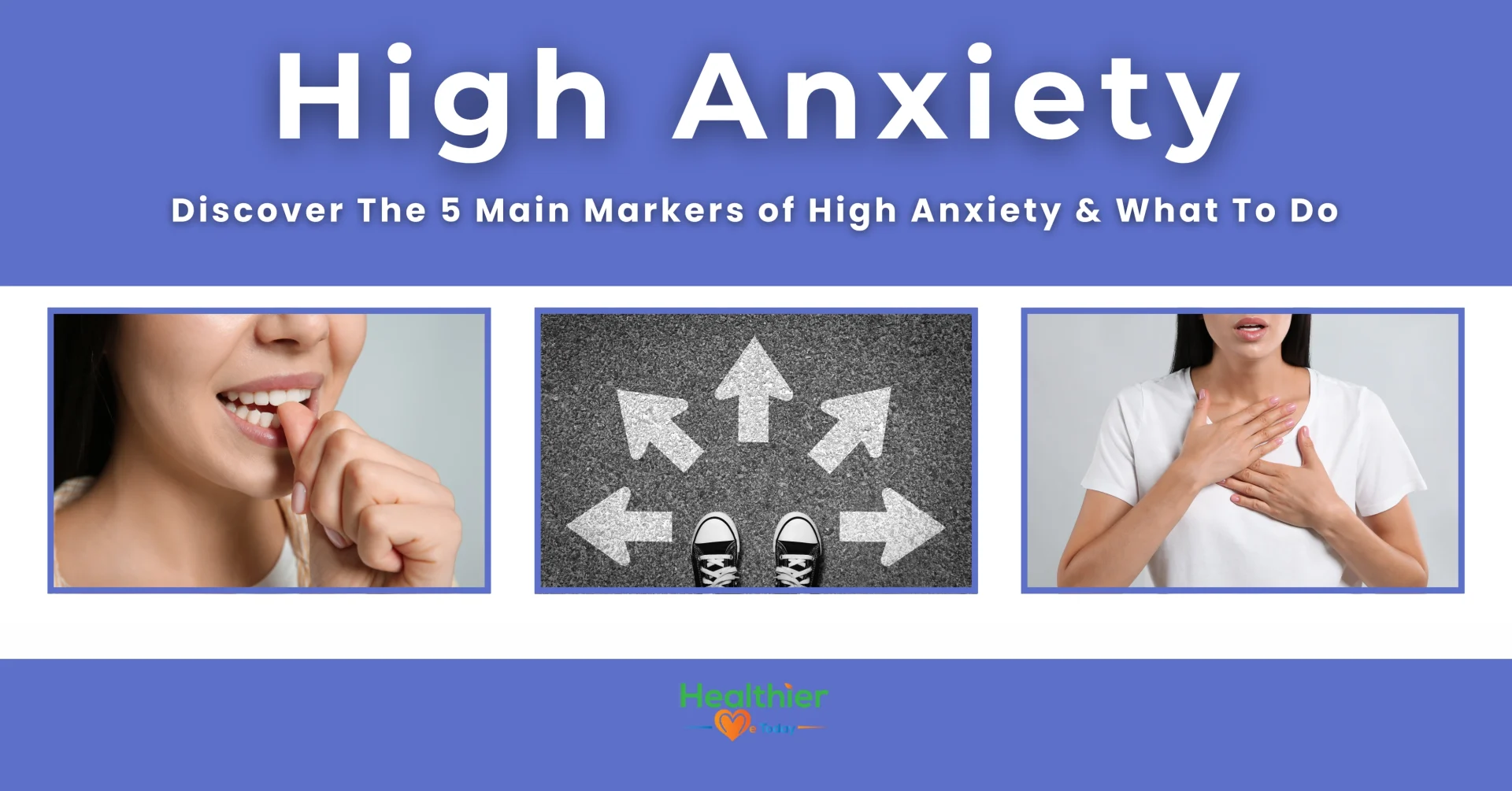
You check your phone for the third time. Your leg won’t stop bouncing. You replay a conversation from earlier (again). It might seem like harmless habits… but they could be signs of high anxiety.
Many people ask how to know if you have anxiety, especially when it doesn’t show up as full-blown panic. Sometimes, it hides in everyday behaviors you barely notice. And if you’ve ever wondered “What does anxiety feel like?” or “How do I know if I have anxiety?”, these subtle patterns might be your answer.
This article breaks down five common things people with anxiety do without realizing it, what those habits are really trying to tell you, plus what to do about it.
Let’s get into it.
What is High Anxiety?
Picture yourself at a coffee shop, feeling a tightness that won’t ease up. That’s high anxiety, a persistent worry that sticks around. So, what does anxiety feel like? It might be a racing heart, a tight chest, or thoughts that won’t slow down. About one in five adults deals with anxiety that shakes up their day, and women are twice as likely to feel it. Signs and symptoms of anxiety include trembling or racing thoughts, different from passing stress.

Maybe it’s general worry or unease at social events, your body thinks danger’s near, leaving you tense.
General and Moderate Anxiety Symptoms
Ever feel off but can’t pinpoint why? These signs might reveal signs and symptoms of anxiety. One in six people experiences moderate anxiety, with bad anxiety symptoms that weigh on them but don’t overwhelm. They’re like a low hum, noticeable but manageable.
Spotting them helps you find calm. You might notice:
- Feeling restless, like you can’t settle down after a long day.
- Worrying often, maybe about work or your kids’ schedules.
- Getting snappy over small things, like a misplaced phone.
- Struggling to unwind, even when you’re finally home.
- Feeling your heart race or muscles tighten during stress.
Sound familiar? If any of this hits close to home, there are things that can help you feel more grounded. Practical tips and calming strategies are covered later in this guide to support better peace of mind.
5 Subtle Behaviors of High Anxiety
Anxiety loves to hide in everyday habits you might not even notice. How to know if you have anxiety? From fidgeting during a meeting to breathing unevenly at the store, these behaviors show you’re feeling anxious. As a busy parent or worker, you might brush them off, but they’re clues.
Here are five habits that might help you know if you have high anxiety:
Constant Fidgeting
Ever catch your hands shaking during a Zoom call? Uncontrollable shaking or foot-tapping are nervousness physical symptoms [nhs.uk]. You could twirl your hair at dinner or bounce your knee while waiting for an appointment. Uncontrollable shaking lets out anxious energy, even in quiet moments. One in four adults does this. Bad anxiety symptoms like these can leave you restless. And there’s more…
Overthinking Small Decisions
Struggling to pick a dinner spot or outfit? Subconscious anxiety makes small choices feel huge. You might spend 20 minutes choosing a shirt, worrying about getting it wrong. This is a clue to how to tell you have anxiety. Subconscious anxiety can stall your day. Feeling stuck on simple decisions? Take a deep breath, pick one, and know you’re doing great.
Avoiding Eye Contact
Do you look down during chats with coworkers? You might feel judged, staring at your hands instead of connecting. This makes social moments, like a friend’s party, feel heavy and is one of the many physical symptoms. Signs of bad anxiety can make connecting tough. One in three anxious people struggles here. Try small glances to feel more at ease.
Irregular Breathing
Feeling lightheaded in a crowded grocery store? Can anxiety cause lightheadedness from shallow breaths? You might breathe fast during a presentation, prompting questions like, “Can anxiety cause dry mouth?” These can be bad anxiety symptoms that sneak up. Uneven breathing signals increased stress. Take slow, deep breaths, like when you’re stuck in traffic, to calm down.
Muscle Tension
Feel worn out after a regular day? Muscle tension or anxiety causing nausea can drain you [nhs.uk]. You might clench your jaw while driving or tense your shoulders at your desk, feeling achy. These are considered nervousness physical symptoms. Tension steals your energy. Try relaxing your shoulders during a break to lift your mood and feel more at ease.
Why These Behaviors Matter
You might be thinking, how to know whether you have anxiety or not? These habits are crucial markers and aren’t just quirks… they’re your body’s way of communicating [health.ucdavis.edu]. Ignoring subconscious anxiety can let symptoms grow, affecting your sleep or health. One in six people with untreated anxiety faces burnout or stress-related issues.

Left unchecked, anxiety can dim your joy, making work or family time harder. Recognizing how to know whether you have anxiety lets you take small steps now. You’re stronger than you think. Let’s see how anxiety affects your day and what you can do.
How Anxiety Affects Your Daily Life
Anxiety doesn’t just sit in your head. It can change how you tackle your day. Can anxiety cause tiredness? Yes, especially for busy individuals or parents juggling school runs or meeting deadlines. You might skip plans with friends or frequently lose focus, as you feel exhausted from your daily tasks. Studies show that one in three individuals with anxiety struggles at work or home [health.ucdavis.edu].
Let’s explore how this shows up:
Work and Anxiety
At work, anxiety can make simple tasks feel like climbing a mountain. You might reread emails, worrying about mistakes, or miss deadlines because of what anxiety does to your body. Racing thoughts steal your focus, like when you’re prepping for a big meeting. Studies show that one in five people with anxiety notice lower productivity [pmc.ncbi.nlm.nih.gov]. Try short breaks or jotting down tasks to clear the fog and feel more in control.
Social Life and Well-being
Socially, anxiety might make you pull back, even from close friends. Small talk at a barbecue can feel overwhelming, and you might skip it altogether. What anxiety does to your body can leave you cranky or drained. Try brief chats or sharing how you feel with a friend to rebuild those connections and boost your mood.
When to Seek Help
Feeling worried all the time might have you asking, how to know whether you have anxiety and what to do? If you experience physical symptoms like shaking or sleepless nights, it’s encouraged to seek help. If anxiety makes work, friendships, or daily tasks harder, a therapist or doctor can guide you. Online therapy is great for busy schedules, like when you’re balancing kids or work. Cognitive behavioral therapy can shift your thoughts, and you’re not alone in needing support. Track your symptoms to share with a professional.
Try these:
- Jot down daily triggers, like a stressful meeting.
- Note symptoms lasting weeks or months.
- Ask a friend if they’ve noticed changes.
- Rate your anxiety weekly to see patterns.
- Check if daily tasks feel too heavy.
- Consider consulting a therapist for a brief discussion.
- Join a support group to connect with others.
Noticing how to know whether you have anxiety is a brave first step. You’re ready for calmer days.
Practical Strategies and Support for Daily Calm
Small habits can make a big difference in easing anxiety [healthcentral.com]. Whether it’s a quick breathing exercise during your commute or a short walk to clear your head, these moments of calm add up.

Can anxiety make you feel dizzy? It can, but small lifestyle changes, like cutting back on caffeine, keeping a regular sleep schedule, or writing down your thoughts, may ease symptoms and help you feel more grounded.
Here’s how to manage your anxiety:
- Breathe deeply to slow racing thoughts.
- Walk daily to release built-up tension.
- Journal nightly to clear your mind.
- Meditate for five minutes to center yourself.
- Sleep at the same time each night.
- Share your feelings with a close friend.
- Use Headspace for guided meditation.
- Try relaxation tools to ease stress.
- Practice eye contact in safe conversations.
- Track triggers to spot what’s setting you off.
Conclusion: Start Noticing What Your Anxiety is Telling You
Do you often find yourself fidgeting, overthinking, or feeling on edge for no clear reason? These could be signs of anxiety, a signal from your body that it’s time to slow down and take care.
The good news? Simple steps, such as deep breathing, journaling, or talking to a therapist, can bring real relief. Start paying attention to the patterns. ShopHMT offers tools designed to support high-anxiety moments and help you feel more in control. You’ve got this! Just take one small step toward feeling better today.
FAQ’s:
How can you tell an anxiety attack from a panic attack?
Anxiety attacks tend to build gradually, often triggered by ongoing worry and mild physical symptoms like restlessness or tension. Panic attacks, on the other hand, come on suddenly and are marked by intense fear and more severe physical reactions, such as chest pain or shortness of breath [nhs.uk]. Understanding the difference can help you respond in the right way.
What physical signs might be mistaken for anxiety?
A racing heart or dry mouth can feel like an illness, but it often signals anxiety.
Do anxiety symptoms shift during the day?
Yes, bad anxiety symptoms can change throughout the day. Episodes of uncontrollable shaking and other physical signs often spike during high-stress periods and lessen when the body feels safe or relaxed [anxietycentre.com].
Is it normal to feel anxious without a reason?
Yes, subconscious anxiety can cause a sense of unease even when there’s no clear trigger. This type of anxiety often builds quietly in the background and may surface unexpectedly. It’s a normal but overlooked part of living with anxiety.
How does anxiety mess with sleep and focus?
Can anxiety cause tiredness? Yes, anxiety can drain energy both mentally and physically. Constant worry leads to racing thoughts at night and foggy thinking during the day, which disrupts sleep and makes it harder to concentrate or stay productive.
Can ignoring anxiety make it worse?
Yes. Ignoring signs of bad anxiety may seem harmless at first, but over time, it can build up and lead to burnout, chronic fatigue, or even more serious health issues. Addressing symptoms early helps prevent long-term effects.
What are the early signs of chronic anxiety?
Early symptoms may include ongoing worry, uncontrollable shaking, restlessness, or fatigue that doesn’t seem to go away. These subtle signs often build gradually and can become long-term if left unaddressed.
How is stress different from anxiety?
Stress usually fades once the situation passes, but nervousness physical symptoms tied to anxiety, can stick around even when there’s no immediate trigger. Anxiety tends to linger and impact daily routines more deeply than short-term stress.
Can anxiety cause dizziness or lightheadedness?
Can anxiety cause lightheadedness? Yes, anxiety can lead to shallow breathing, which reduces oxygen intake and causes dizziness or a sense of being unsteady [medicalnewstoday.com].
Can anxiety cause nausea or a dry mouth?
Yes, anxiety can trigger physical symptoms like nausea and dry mouth. In intense moments, stress may even lead to “anxiety throwing up”, especially when the body enters fight-or-flight mode.
