
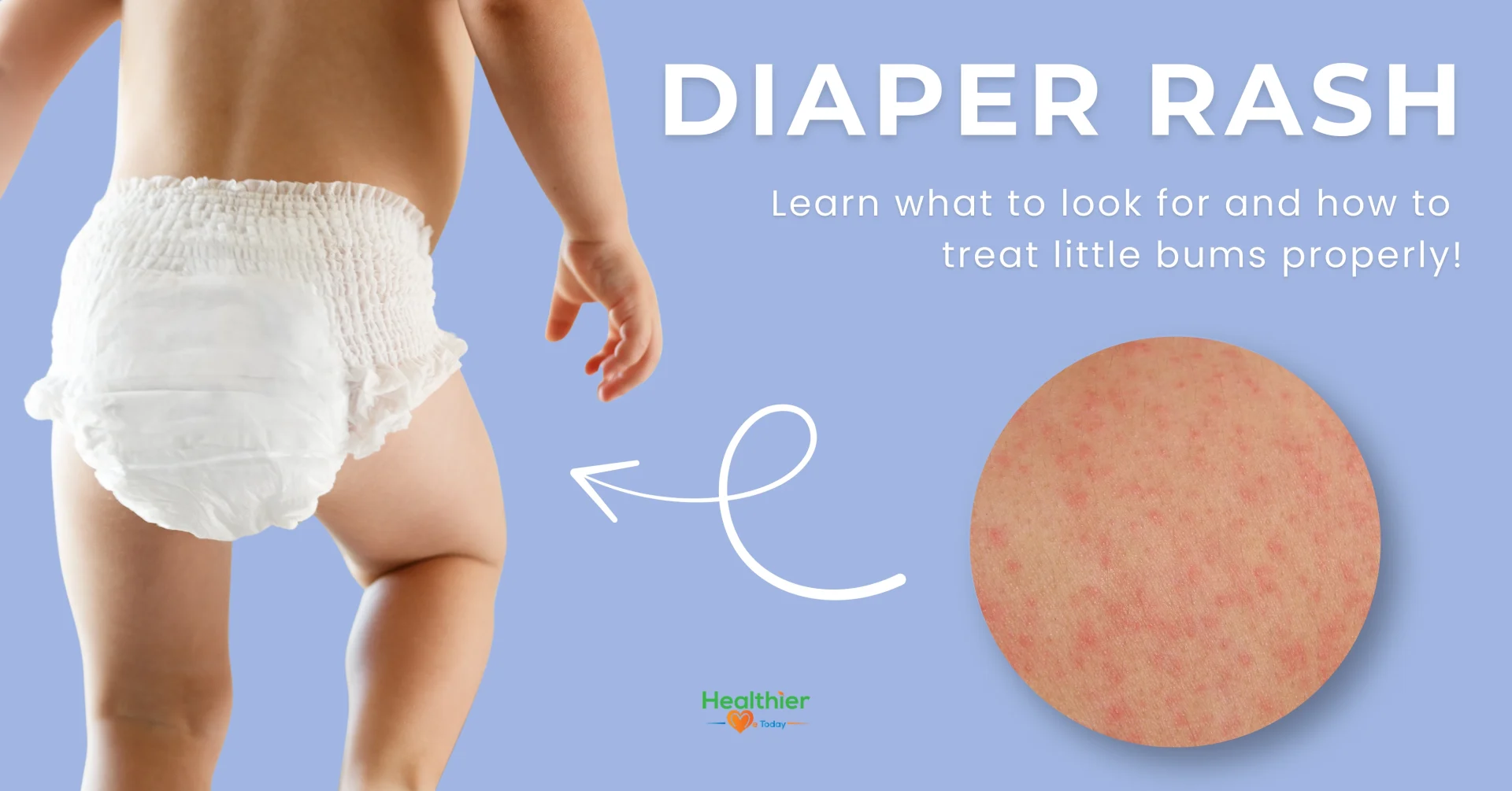
Seeing your baby wince because of a diaper rash is tough for any parent. Those red, sore patches can turn a happy moment into a fussy one, but quick action can make all the difference. This article explains what causes those irritating rashes, how to spot them, and simple ways to soothe your baby’s skin. With practical tips and creams, you’ll have your little one smiling again in no time.
What is Diaper Rash?
Diaper rash is a common skin irritation that appears as red, tender patches in the diaper area, often making babies irritable and uncomfortable. It occurs when moisture, friction, or other irritants become trapped under a diaper, irritating sensitive skin. Most babies, especially newborns, get it at some point, but mild cases usually clear up with home care. Knowing about newborn diaper area irritation helps parents act fast to ease discomfort.

Some rashes, such as yeast diaper rash, are more challenging and require specialized treatment. While mild rashes often subside within a few days, severe ones can persist longer if not correctly treated. Understanding diaper chafing treatment options allows you to choose the best way to soothe your baby’s skin and prevent rashes from recurring.
What Does Diaper Rash Look Like?
Knowing what does diaper dermatitis look like is the first step to helping your baby feel better. It typically appears as red, inflamed skin in the diaper area, but the appearance changes depending on the cause or severity of the condition.
Look out for:
- Mild Rash: Pink or red patches on the buttocks, thighs, or genitals, slightly warm to the touch.
- Severe Rash: Bright red, sore areas, sometimes with bumps or peeling skin.
- Yeast Rash: Red, raised patches with sharp edges, often with tiny pustules or scaly spots.
- Irritation Rash: Flat, shiny red areas, typically from wetness or chafing.
- Allergic Rash: Patchy redness, sometimes swollen, from reactions to diapers or wipes.
These signs guide you to the right approach for knowing how to heal diaper rash.
Causes of Diaper Rash
Several factors can trigger diaper chafing, and understanding the cause helps you treat and prevent it. Most cases stem from irritation or changes in the environment of the diaper area.
- Wetness: Wet or soiled diapers left on too long irritate delicate skin.
- Friction: Tight diapers or rough clothes rub and cause redness.
- Yeast: Candida yeast grows in warm, moist areas, leading to yeast diaper rash.
- Allergies: New diapers, wipes, or soaps can trigger allergic reactions on the skin.
- Diet Changes: New foods or breastfeeding shifts can alter stool, potentially irritating the skin.
Understanding these triggers helps you select the most effective diaper rash cream or treatment.
How to Treat Diaper Rash
Treating diaper rash means using gentle care to soothe your baby’s skin fast.


Here are four practical ways to help your little one feel better:
Change Diapers Frequently
Keeping the diaper area clean and dry is key to understanding how to treat diaper dermatitis. Change diapers every 2 to 3 hours, or immediately after a bowel movement. Clean gently with warm water and a soft cloth, avoiding harsh wipes. Pat the skin dry instead of rubbing to prevent more irritation. Frequent changes help reduce moisture and promote skin healing.
Use a Barrier Cream
A diaper dermatitis cream containing zinc oxide helps protect and soothe irritated skin [my.clevelandclinic.org]. Apply a thick layer during each diaper change, focusing on red areas, after cleaning and drying the skin. These creams form a shield against moisture and irritants. Caregivers often see mild rashes clear up in a few days with consistent use.
Give Diaper-Free Time
Letting your baby’s skin breathe is a simple way to ease diaper rash [chla.org]. Lay your baby on a soft towel for 10 to 15 minutes a few times a day after cleaning. Keep the area well-ventilated to reduce moisture. Ensure the space is warm and safe. This approach speeds healing by giving skin a break from diapers.
Treat Yeast Rash with Antifungal Cream
For yeast diaper dermatitis, an antifungal cream is essential [my.clevelandclinic.org]. These rashes look redder with distinct edges and may have pustules. Apply an over-the-counter antifungal cream, such as clotrimazole, as directed, after cleaning and drying the affected area. Pair it with a barrier cream for extra protection. This targets yeast and clears stubborn rashes faster.
How to Prevent Diaper Rash
Preventing diaper rash is easier with a few daily habits. These tips help keep your baby’s skin healthy and reduce the risk of irritation.
They are:
Keep the Area Dry
Dry skin stays rash-free. Change diapers often, especially after bowel movements, and clean with warm water and a soft cloth. Pat the skin dry gently. Use absorbent, breathable diapers to pull moisture away. Parents find that staying on top of changes helps prevent most mild rashes from developing.
Choose Gentle Products
Use diapers, wipes, and soaps designed for sensitive skin to avoid irritation. Opt for fragrance-free, hypoallergenic options [kidshealth.org]. Test new products on a small patch of skin first to check for reactions. Caregivers often notice fewer rashes when using gentle, baby-safe products that don’t bother the skin.
Apply Cream Regularly
Applying a diaper rash cream daily, even when there is no rash, can help prevent irritation. Use a thin layer of zinc oxide cream during changes to act as a barrier against wetness. This habit protects the skin, especially for babies prone to rashes, and helps prevent flare-ups.
When to See a Healthcare Provider
Most diaper rashes can be managed with home care, but some require professional attention. If diaper dermatitis treatment doesn’t work or the rash gets worse, it’s time to seek help.

Look for these signs:
- Rash doesn’t improve after three to four days of home care.
- Bright red areas with pustules, sores, or bleeding appear.
- Your baby seems in pain, cries during changes, or has a fever.
- The rash spreads beyond the diaper area or looks infected.
- Recurring rashes often suggest an underlying issue, such as allergies.
Seeing a healthcare provider ensures your baby gets proper care for severe or persistent rashes.
Conclusion: Can You Treat Diaper Rash?
Diaper rash might be a common challenge, but it doesn’t have to disrupt your baby’s comfort for long. With the right care, like frequent changes, soothing creams, and breathable diaper-free time, you can ease irritation and speed up healing. Spotting the signs early and knowing which treatments to use makes all the difference, especially when dealing with stubborn rashes like yeast infections. And while most cases clear up at home, don’t hesitate to reach out to a healthcare provider if the rash worsens or lingers. A little extra care today can bring big relief tomorrow for both you and your baby.

FAQ’s:
How do I treat diaper rash at home?
You can treat diaper rash at home by changing diapers often, cleaning with warm water, and patting dry. Apply a zinc oxide-based diaper rash cream to protect the skin. Give diaper-free time to let the area breathe. For yeast diaper rash, use an antifungal cream. These steps usually clear mild rashes in a few days.
What does diaper rash look like in newborns?
In newborns, what does diaper rash look like? It appears as pink or red patches on the buttocks, thighs, or genitals, often with a slightly warm appearance. Newborn diaper rash may be mild or have small bumps. Severe cases usually exhibit brighter red areas or peeling skin, particularly when caused by yeast or irritation.
How long does it take for a diaper rash to heal?
Most rashes heal in three to four days with proper care. Knowing how to heal diaper rash quickly involves frequent diaper changes, gentle cleaning, and the use of barrier creams. Yeast diaper rash may take a week or more with antifungal treatment. Persistent rashes need a healthcare provider’s attention.
Is yeast diaper rash different from regular diaper rash?
Yes, yeast diaper rash is caused by Candida yeast, unlike regular rashes from wetness or friction. It appears redder, with sharp edges, often accompanied by pustules or scaly spots. It needs antifungal cream, not just barrier cream, and may take longer to heal than typical irritation rashes.
Which cream works best for severe diaper rash?
For severe diaper rash, zinc oxide-based creams provide soothing and protective relief. For yeast diaper rash, combine with an antifungal cream, such as clotrimazole, and apply it after cleaning and thoroughly drying the area. A healthcare provider can suggest stronger options if the rash doesn’t improve with these creams.
