
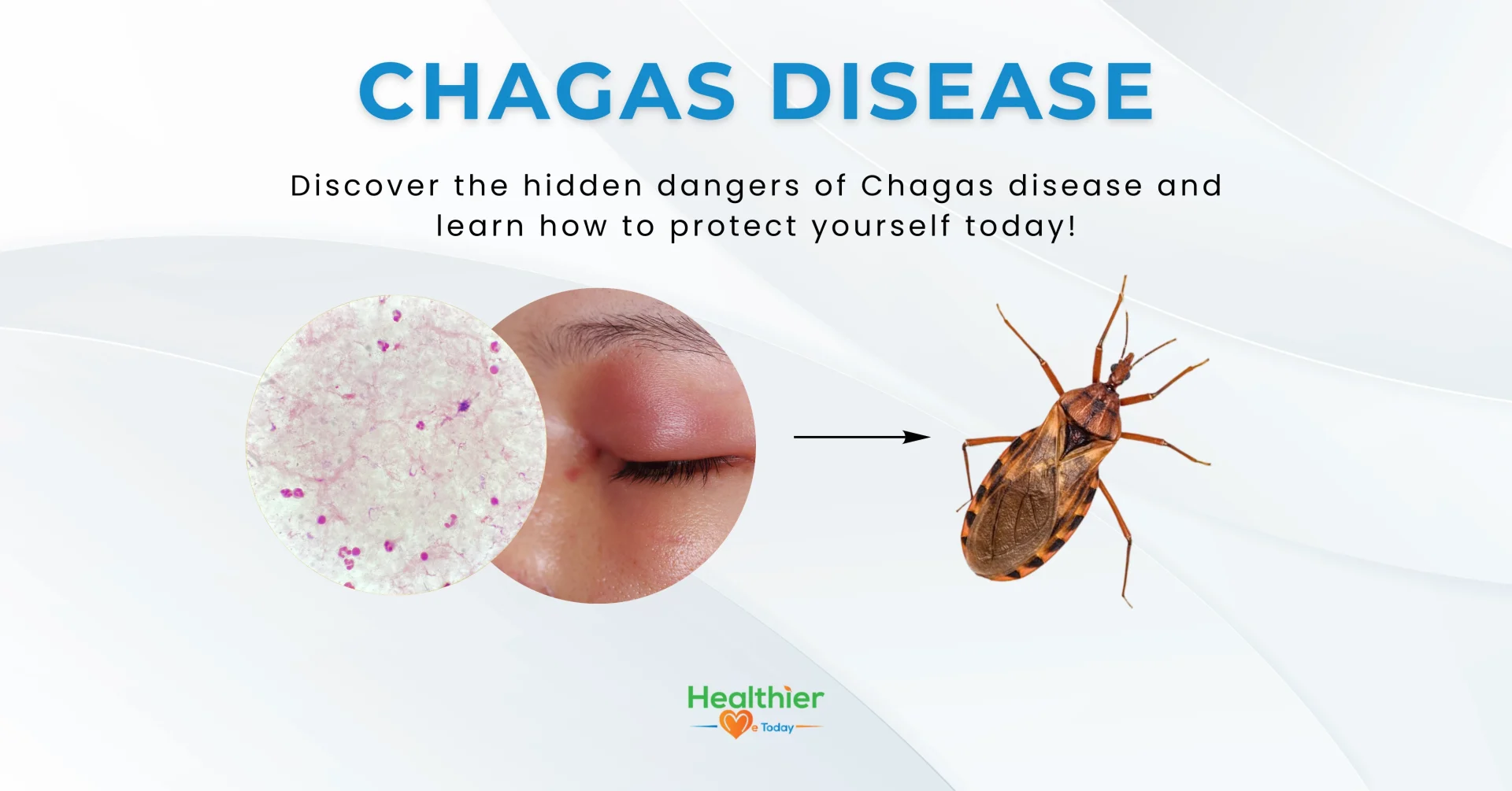
Chagas disease, a sneaky parasitic infection, affects 6-7 million people worldwide, often staying silent for years. A kissing bug bite in rural Latin America or southern U.S. states could catch you, your family, or your pets off guard. If you travel, live rurally, or own pets, this quiet threat might spark curiosity. This guide covers what Chagas disease is, its symptoms, spread, and easy ways to stay safe.
What Is Chagas Disease?
Chagas disease, also known as American trypanosomiasis, is caused by the Trypanosoma cruzi parasite, which is transmitted by a kissing bug in rural areas of Mexico, Central America, or South America. A bug bites you, leaving infected feces that can enter through your skin, eyes, or mouth. Approximately 30% of cases result in heart or digestive issues if left untreated.

Rural residents, travelers, or those in mud-walled homes face a higher risk. In the U.S., approximately 300,000 people may have it, often without being aware. Knowing the basics helps you stay cautious. Kissing bugs, sometimes called kissing beetles, spread Chagas disease by biting near your mouth or eyes at night, causing 60% of cases in rural Latin America. They hide in cracks of mud or adobe homes.
You can also get it from tainted food, blood transfusions, organ transplants, or mother-to-baby transmission (5% of cases). Rural areas, campers, or travelers in low-quality housing are most at risk. In the U.S., kissing bug bites are found in states such as Texas. Checking your sleeping area lowers risk.
Acute Symptoms of Chagas Disease
Early Chagas disease symptoms, lasting weeks to months, are mild, affecting 50% of people. You might think it’s a cold. Children under five or travelers new to rural Latin America tend to notice them more.
Watch for these signs:
- Swelling or redness at the bite
- Fever or chills
- Fatigue or aches
- Rash or itchy skin
- Swollen eyelids (Romaña’s sign)
- Slight liver or spleen enlargement.
Chronic Symptoms of Chagas Disease
Untreated, 20-30% of Chagas disease cases turn serious 10-20 years later. Heart issues affect 70% of chronic cases, while digestive problems occur in 20%. Adults over 40 or those with weaker immune systems are at risk, and symptoms can disrupt life [who.int].
Look for these:
- Irregular heartbeats
- Chest pain
- Trouble swallowing
- Severe constipation
- Dizziness or fainting
Diagnosis and Treatment of Chagas Disease
Diagnosing and treating Chagas disease involves specific tests and drugs. Chagas disease treatment and American trypanosomiasis treatment are most effective when initiated early, with 60-80% success rates in the acute phase; however, chronic cases are more challenging [who.int].

Here’s how it works:
Blood Test
A blood test checks for Trypanosoma cruzi antibodies to confirm the presence of the infection. It’s reliable, costing $50-$200 at most labs. You’ll need a clinic visit, but community health centers often have more affordable options.
PCR Test
A PCR test detects parasite DNA in blood, making it ideal for identifying early cases [pmc.ncbi.nlm.nih.gov]. It’s precise but less common, costing $100 to $300. If you’ve been in an endemic area, this test can help.
ECG/Imaging
ECG or imaging, such as echocardiograms, tracks heart damage in chronic cases, identifying irregular rhythms. Costing $100-$500, they need a clinic. They’re vital for long-term symptom management.
Benznidazole
Benznidazole kills the parasite in the acute phase, with a 60-80% cure rate. It costs $200-$500 and may cause nausea. You’ll need a prescription and check-ins.
Nifurtimox
Nifurtimox, another drug, works for early cases, matching benznidazole’s effectiveness. It costs $200-$500 and might cause dizziness [pmc.ncbi.nlm.nih.gov]. It’s an option if benznidazole isn’t right.
Supportive Care
Supportive care manages chronic heart or digestive issues, improving quality of life. Costs vary, from heart medications to diet changes. It’s key for advanced symptoms.
Prevention of Chagas Disease
Stopping Chagas disease spread is straightforward, with 70% of cases preventable through simple habits, especially for travelers or rural residents [cdc.gov].
Try these:
- Use insect repellent and treated bed nets in rural areas.
- Seal cracks in mud or adobe home walls.
- Avoid unpasteurized drinks or undercooked food in risky regions.
- Screen blood or organ donations in areas with endemic diseases.
- Keep pets indoors at night to prevent kissing bugs from entering your home.
- These steps help travelers or those in southern U.S. states stay safe.
What to Do If You’re Concerned About Chagas Disease

Worried about Chagas disease after a trip to Latin America or a possible kissing bug bite? Check for bite marks, swelling, or fever. Talk to a friend for support. Blood tests at community clinics, which cost $50-$100, can confirm an infection. Watch for lethargy in pets, as Chagas disease in dogs can occur. Using bed nets or inspecting your home can ease worries.
Conclusion: Worth The Attention?
Chagas disease may not be a topic that frequently comes up in daily conversations, but its impact on millions makes it a worthy subject of attention. A single kissing bug bite can lead to heart or digestive issues years later, but you don’t need to lose sleep over it. Knowing Chagas disease symptoms and risks empowers travelers, rural residents, and pet owners to act smartly. Simple tests, such as a $50 blood test, can catch it early, and preventive steps, like using bed nets or sealing home cracks, are easy to adopt.
Whether you’re planning a trip to Latin America or live in a southern U.S. state, small habits can keep you and your pets safe.
FAQ’s:
What is Chagas disease, and how do people get it?
Chagas disease is a parasitic infection caused by Trypanosoma cruzi, affecting 6-7 million people globally. You get it from a kissing bug bite, contaminated food, blood transfusions, organ transplants, or mother-to-baby transmission. Rural areas in Latin America, as well as poor housing, increase your risk.
What insect spreads Chagas disease?
The kissing bug, also known as a kissing beetle, spreads Chagas disease through bites, leaving infected feces near the skin. These bugs are common in rural areas of Latin America and southern U.S. states, such as Texas. Using bed nets and sealing home cracks can reduce exposure.
What are the early and late symptoms of Chagas disease?
Early Chagas disease symptoms include fever, fatigue, swelling at the bite, or swollen eyelids, often mild and flu-like. Late symptoms, appearing years later, include heart issues like irregular heartbeats or digestive problems like constipation. Early detection through blood tests is key to managing risks.
How dangerous is Chagas disease if untreated?
Untreated Chagas disease can be severe, with 20-30% of cases leading to chronic heart or digestive issues. Heart failure or severe constipation can disrupt life, especially in older adults. Early treatment with drugs like benznidazole can prevent these complications.
How is Chagas disease diagnosed and treated?
Chagas disease is diagnosed through blood tests for parasite antibodies or DNA, which typically cost between $50 and $300. Chagas disease treatment with benznidazole or nifurtimox is 60-80% effective in the acute phase but less so in chronic cases. Supportive care manages heart or digestive complications in later stages of the disease.
Can Chagas disease be prevented?
Yes, Chagas disease can be prevented by using insect repellent, bed nets, and sealing home cracks in rural areas. Avoiding contaminated food or unpasteurized drinks helps, as does screening blood or organ donations. These steps cut transmission risk by up to 70%.
Is Chagas disease spreading in the U.S.?
Chagas disease spread is limited in the U.S., with an estimated 300,000 cases, primarily in southern states. Kissing bugs are found in Texas, Arizona, and other warm areas, but human cases are rare. Increased travel and climate changes could raise risks, so vigilance is key.
Which states have reported Chagas cases?
Chagas disease cases are reported in southern U.S. states, including Texas, Arizona, California, and Louisiana, where kissing bugs are prevalent. About 300,000 people, often immigrants from Latin America, are affected. Local transmission is low but possible, especially in rural areas.
Can pets or wildlife carry Chagas disease?
Yes, Chagas disease can occur in dogs and wildlife, such as raccoons or opossums, as they can carry the Trypanosoma cruzi parasite. Infected pets may exhibit lethargy or cardiac issues, posing a minimal risk to humans. Keeping pets indoors at night reduces their exposure to potential hazards.
