
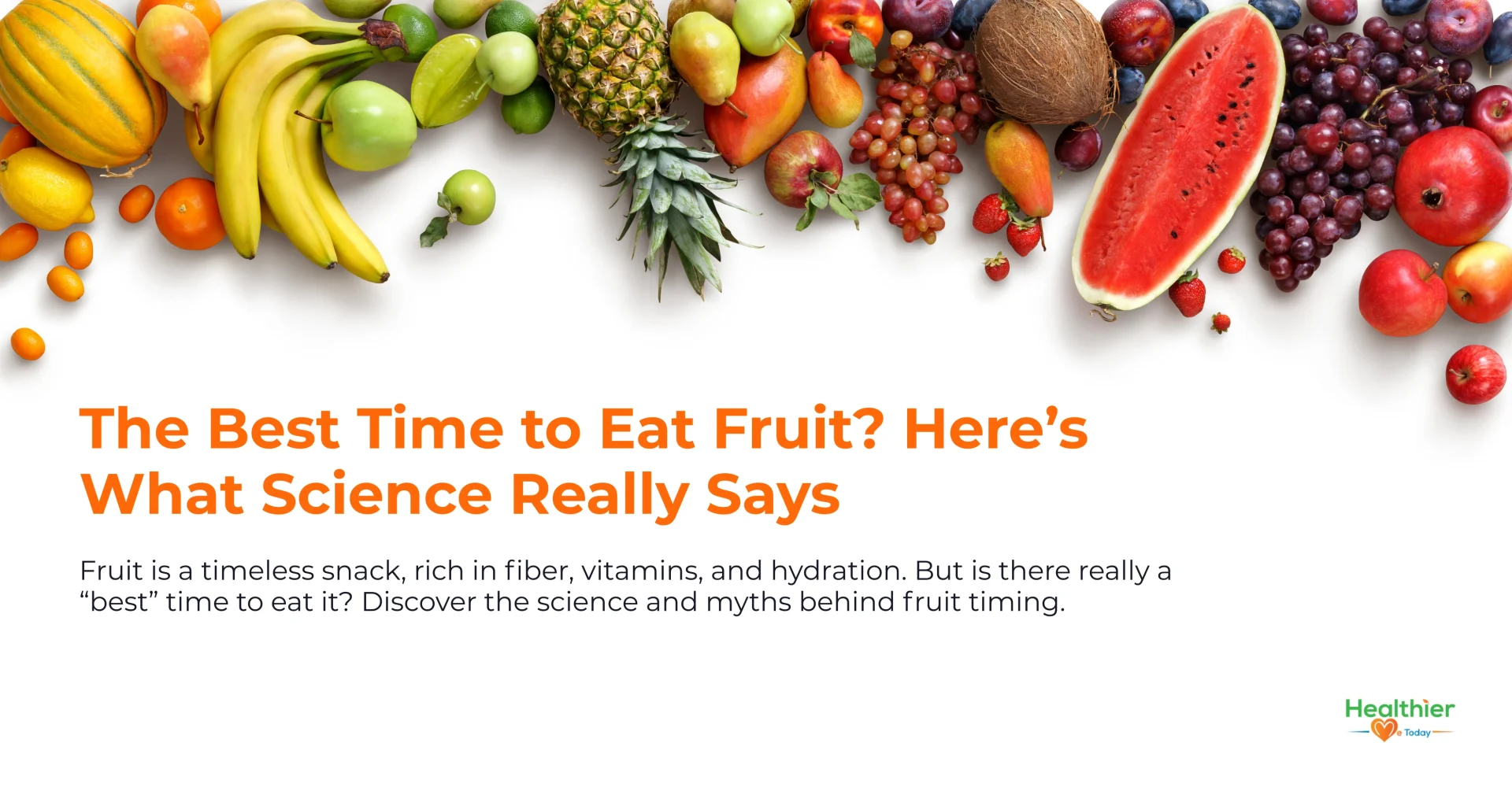
For thousands of years, people have enjoyed the natural sweetness and health benefits of fruit. Our bodies are designed to digest and use the nutrients fruit provides with ease. Yet, many still wonder if fruit timing really matters, should you eat fruit in the morning, before meals, or after eating? The answer isn’t as simple as it seems, and exploring the facts behind fruit timing might just change how you enjoy your favorite fruits.
Eating Fruit Before or After Meals?
Fruit is often considered one of the best ways to support beauty and health. It is low in calories and rich in vitamins and mineralswhich may help lower the risk of diabetes, heart disease, kidney stones, obesity, and high blood pressure.

So, should you eat fruit before or after a meal? It really comes down to what you like. Having fruit before a meal may help you feel full and avoid overeating. If you prefer, you can have fruit after your meal as a light, refreshing dessert, but some potential problems can arise from consuming fruit after meals.
Here’s a breakdown:
- Too Many Nutrients at Once: When eating fruit after a full meal, your body might get more nutrients than it can handle at once. This can be a problem for people with conditions like diabetes or high cholesterol, and it may lead to bloating or indigestion.
- Sugar Fermentation: Fruit naturally contains sugar. After a heavy meal, your digestive system slows down, making it harder for your body to absorb these sugars properly.
- Increased Fullness: Fruits are high in water-absorbing fibers. These fibers expand in the stomach, increasing the feeling of fullness and potentially causing bloating or discomfort if you’ve already eaten a lot.
- Weight Gain Concerns: If you are aiming to lose weight, eating fruit after a meal may not be beneficial. Increased food volume can stretch your stomach and, later, increase hunger, potentially leading to overeating.
There’s really no strict best time to eat fruit. Whether you eat fruit before or after meal, the key is moderation.
Fruit for Digestion and Gut Health
When it comes to fruit for digestion, fiber is the key player. Many people think that eating fruit after meal affects digestion. However, research shows this is not the case. Whether it’s before or after eating, fruit naturally supports healthy digestion. But if you have digestive issues, you may need to adjust how and when to eat fruit to improve nutrient absorption.

Here are some tips for healthy fruit consumption:
- Eat fresh, whole fruit instead of fruit juice to get more fiber and fewer added sugars.
- Avoid overeating fruit in one sitting; balance it with other foods for better digestion.
- Choose ripe fruit, as it’s easier to digest and gentle on the stomach.
- Drink enough water throughout the day to help fiber do its job.
Fruit Timing: Morning, Afternoon, or Night?
Is it bad to eat fruit at night? Not necessarily. What matters most is portion size and how your body reacts to it.
Some fruits are actually calming before bedtime. For example, the benefits of eating apple at night include stable blood sugar and better digestion. In contrast, the benefits of eating oranges at night include a vitamin C boost that supports your immune system, but can also have its drawbacks.

So, is it ok to eat fruit before bed? Yes, it’s perfectly fine to enjoy fruit at night, keep it light. While some fruits promote better sleep, such as bananas, apples, and berries, there are also certain fruits to avoid at night, as they can disrupt your sleep and cause discomfort. For a peaceful sleep, it’s usually best to stick to light, non-acidic fruits like kiwi, cherries, or small portions of bananas in the evening.
Fruits That Lower Blood Pressure
Eating fruit daily also supports heart health. Certain fruits that lower blood pressure include bananas, plums, and oranges. Rich in potassium, these fruits help maintain a healthy balance of sodium and support heart health.
Plums benefits extend beyond blood pressure! They are also high in antioxidants, which help reduce inflammation and protect cells. Including plums in your evening snack or breakfast can enhance overall heart health and support digestion.
Is Too Much Fruit Bad for You?
Generally, no. However, consuming large quantities of fruit at once can result in an excess of natural sugars that can affect blood sugar levels. If you have diabetes or insulin resistance, combining fruit with protein or healthy fats can slow sugar absorption.
Conclusion: What Really Matters
There’s no wrong time to enjoy fruit, your body benefits whenever you eat it, morning, afternoon, or night. If you’ve wondered, “Is eating fruit at night bad?”, the answer is no, it’s all about choosing the right fruits and portions. While some people prefer to eat fruit till noon, others enjoy fruits for dinner or as a light snack.
Whether you’re deciding should you eat fruit before or after a meal or avoiding the worst time to eat apple, the key is listening to your body and enjoying fruit in a way that fits your lifestyle. Fruit is flexible, nutritious, and always worth including in your day.
FAQ’s:
What is the best time to eat fruit during the day?
There’s no such thing as the best time to eat fruit. You can enjoy fruit at any time of day; it’s a healthy, nutritious snack you can have whenever you want.
Is it bad to eat fruit at night?
No, it’s not bad to eat fruit at night. That’s just a myth. Fruit won’t cause issues simply because it’s eaten later in the day. However, if certain fruits make you feel bloated, choose lighter options like berries or plums before bed.
Why shouldn’t you eat blueberries for breakfast?
Blueberries make a fantastic breakfast option. The belief that blueberries should not be consumed in the morning lacks scientific evidence.
Does eating fruit on an empty stomach help digestion?
Eating fruit on an empty stomach does not enhance digestion. While fruit is rich in fiber, which is excellent for gut health, your body can digest it easily at any time, whether before or after meals. There’s no scientific proof that fruit causes food to “rot” or ferment when eaten with other foods, so enjoy it whenever it suits you.
Can eating fruit at night cause weight gain?
No, eating fruit at night doesn’t cause weight gain. When you consume more calories than your body requires, you start gaining weight, not by eating fruit after 2 p.m.
Does fruit timing affect blood sugar levels?
For most people, fruit timing doesn’t make a big difference. For those with diabetes or insulin resistance, eating fruit with other foods or meals that are rich in protein, fat, or fiber may help slow the absorption of fruit sugar in the small intestine.
This could lead to a lesser increase in blood sugar levels than consuming fruit on its own.
What fruits are best to eat in the morning?
Fruits that give lasting energy and hydrate the body are great in the morning. Try apples, oranges, or bananas. An apple for breakfast supports digestion and helps you feel full, while citrus fruits are rich in vitamin C for a natural energy boost.
Why do experts say to eat fruit before meals?
Some people believe that eating fruit before meals improves digestion or nutrient absorption, but science doesn’t support this claim. The body absorbs nutrients just as well whether you eat fruit before, during, or after meals. The key is when to eat fruit that fits your routine and preferences.
Are there fruits you should avoid before bed?
It’s best to avoid fruits high in natural sugar or acid before bed, such as pineapple or oranges, especially if they cause heartburn or make you feel more awake. Choose calming nighttime options, such as bananas, kiwis, or blueberries before bed to support relaxation and improve sleep.
What does science say about fruit timing and nutrition absorption?
Research shows that the time of day does not affect how your body absorbs nutrients from fruit. Your small intestine absorbs vitamins, minerals, and fiber well, no matter when you eat fruit. This means there are no specific rules for when to eat fruit.
