
Anxiety is the body’s response to actual or perceived danger. It is a natural process that everyone experiences at some point. People frequently use the phrase “anxiety” to describe a general sense of worry, uneasiness, or unease. However, there is a distinction to be made between feeling worried and having an anxiety disorder, which encompasses a wide range of symptoms.
If you want to know more, this article dives deeper into anxiety, the signs and 12 amazing coping skills for anxiety to transform that stress you have been feeling into strength. Let’s start!
What Is Anxiety?
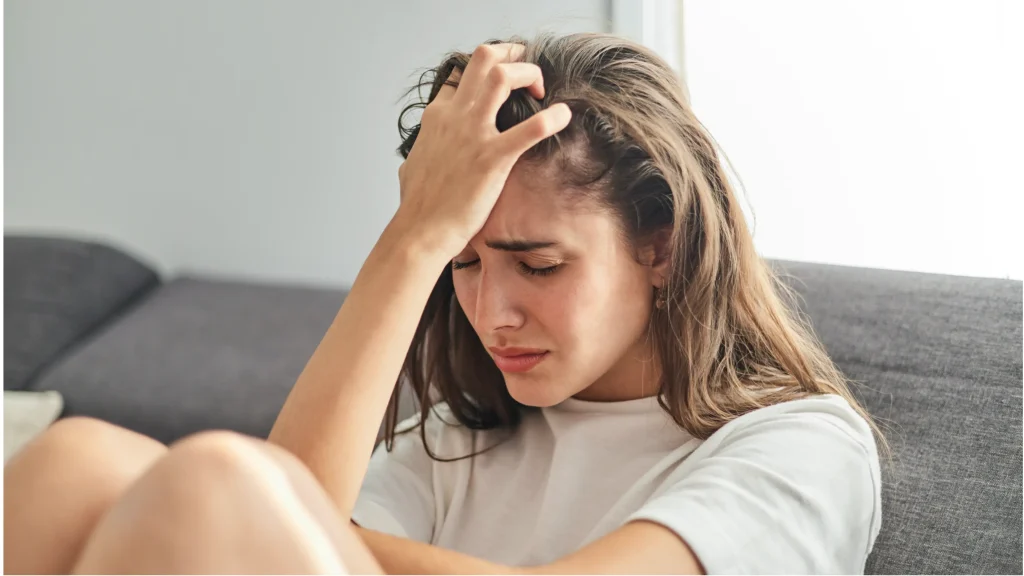
Occasional anxiety is a natural aspect of life. Many people are concerned about their health, financial situation, or family issues. However, anxiety disorders are more than just transitory worry or terror. People suffering from an anxiety disorder experience persistent anxiety that might worsen over time. The symptoms might disrupt daily activities like job performance, schoolwork, and relationships.
The Signs and Symptoms of Anxiety
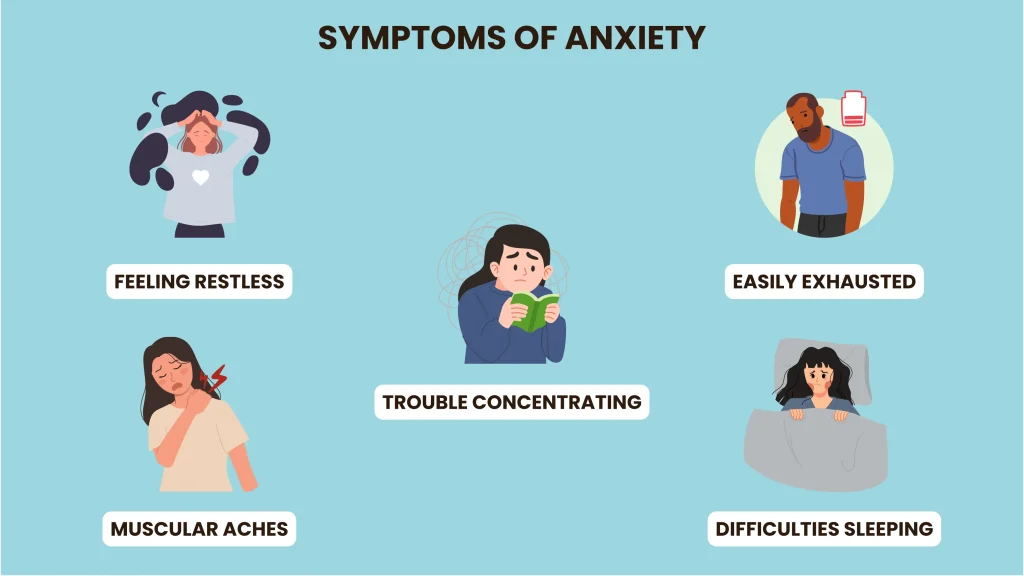
Generalized anxiety disorder (GAD) is characterized by a constant feeling of anxiety or dread that interferes with daily activities. It is not the same as worrying about things or feeling anxious in response to difficult life circumstances. People with GAD have recurrent anxiety for months, if not years.
Symptoms of GAD include:
- Feeling restless, agitated, or on edge
- Being easily exhausted
- Having trouble concentrating
- Being irritated
- Experiencing headaches, muscular aches, stomachaches, or inexplicable discomfort
- Difficulty controlling worry
- Having difficulties falling or staying asleep
Panic Disorder
Panic disorder sufferers experience frequent and unexpected panic attacks. Panic attacks are brief bouts of acute dread, discomfort, or a sense of losing control, even when there is no obvious risk or trigger. Not everyone who suffers a panic attack develops panic disorder.
During a panic attack, people may experience:
- Pounding or racing heart
- Sweating
- Trembling or tingling
- Chest discomfort
- Sense of imminent doom
- Feeling out of control
People with panic disorder frequently worry about when the next attack will occur and actively strive to avoid places, events, or behaviors associated with panic attacks. Panic episodes might occur multiple times per day or only a few times each year.
Social Anxiety Disorder
Social anxiety disorder is defined as a strong, persistent worry of being observed and judged by others. People suffering from social anxiety disorder may experience such severe fear of social events that they believe they have no control over them. This fear may prevent some people from going to work, attending school, or going about their daily lives.
Individuals with social anxiety disorder may experience:
- Blushing, sweating, or trembling
- Pounding or racing heart
- Stomachaches
- rigid body posture or speaking in an excessively quiet voice
- Difficulty making eye contact or being in the presence of strangers
- Feelings of self-consciousness or dread of being judged unfavorably
Coping Skills for Anxiety
Assume your anxiety is directed at a specific issue, such as worrying about an approaching event. In that situation, the symptoms are brief and typically resolve after the expected occurrence.
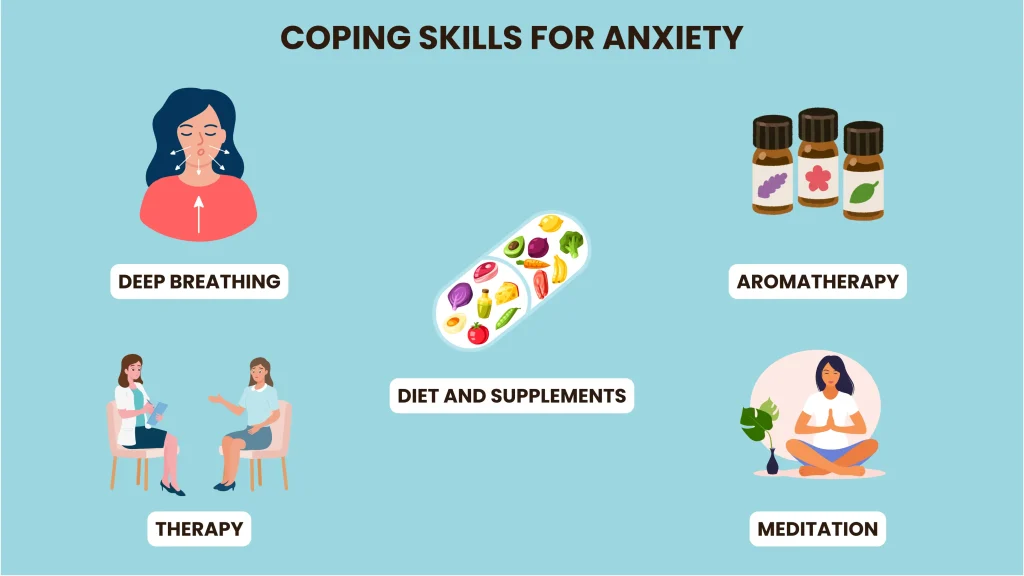
Here are 12 coping skills for anxiety to try:
1. Question Your Thought Pattern
Unhelpful thoughts might take root in your head, distorting the gravity of the issue. One approach is to confront your worries, ask if they are true, and determine where you may retake control.
2. Practice Focused, Deep Breathing
Measured breathing exercises may assist you in managing your current anxiousness. Breathe in for four counts and out for four counts for a total of five minutes. By evening out your breath, you will reduce your pulse rate, which should help you relax. More commonly used coping skills for anxiety are controlling breathing rhythms, such as the 4-7-8 technique and more.
3. Use Aromatherapy
Limited evidence suggests that aromatherapy can help lower anxiety in some situations. Aromatherapy practitioners and supporters frequently share numerous anecdotal benefits of the practice. Natural scents, such as lavender, chamomile, and sandalwood, may be quite calming, whether in the form of essential oils, incense, or candles.
4. Exercise
The greatest method to stop nervous thoughts is to get out of a situation and move. Focusing on your body rather than your thinking may help you feel less anxious. Walking, yoga, and tai chi are all low-impact workouts that can help people reduce stress and manage their anxiety symptoms. Quick exercise might improve your mood and relax your mind!
5. Grounding Techniques
Coping skills for anxiety can also involve techniques such as “grounding yourself”. Grounding strategies like journaling and the 333 rule can often assist in relieving immediate tension. The 333 rule requires you to name three visible things and three audible sounds and engage with three touchable objects. Writing out what is causing your anxiety gets it out of your thoughts and makes it less intimidating. Reading through your thoughts and feelings might help you access your emotions in the present time.
6. Coping Skills for Anxiety Triggers
Triggers can be identified either independently or with the help of a therapist. They can be visible at times, but not always.
Some of the most common anxiety triggers are:
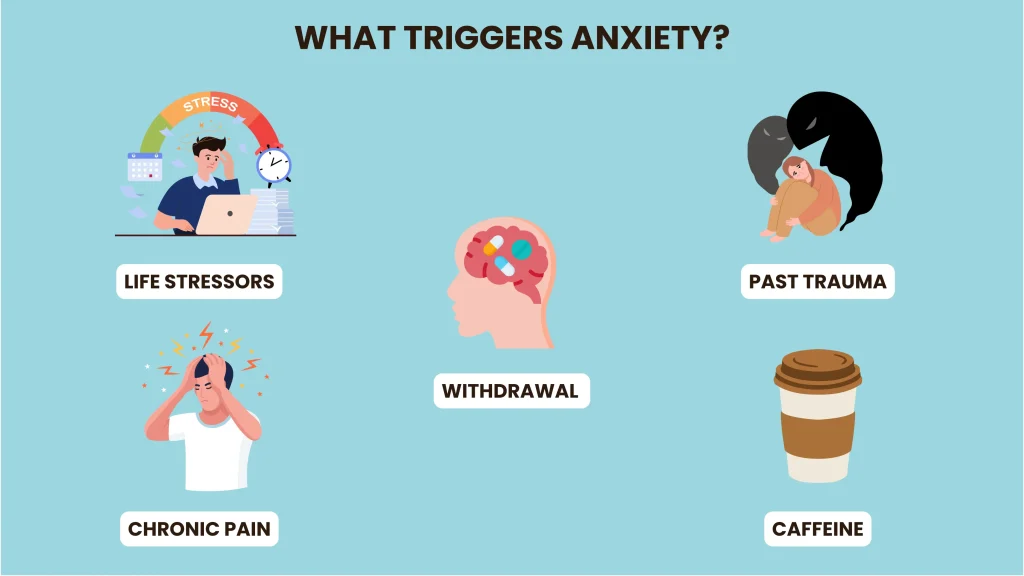
- Work, relationship, and other life stressors
- Withdrawal from narcotics or specific medications
- Side effects of some drugs
- Exacerbation of past trauma
- Chronic pain
- Caffeine
- Smoking
Each person has unique triggers, and identifying them is one of the most crucial steps in dealing with and controlling anxiety attacks.
7. Try Therapy
Various psychotherapies can assist you in better understanding your anxious feelings and developing coping skills for anxiety. Cognitive behavioral therapy (CBT), for example, teaches people how to think about and respond to anxiety-provoking circumstances in new ways. According to research, cognitive behavioral therapy (CBT) can effectively cure anxiety problems.
8. Ask Your Doctor About Medications
If your anxiety is severe enough that your mental health expert believes you could benefit from medication, there are numerous options available based on your symptoms. Talk to your doctor about your worries.
The most commonly prescribed anxiety medications are:
- Selective serotonin reuptake inhibitors
- Serotonin-Norepinephrine Reuptake Inhibitors
- Benzodiazepines
- Tricyclic antidepressants
9. Do A Daily Or Routine Meditation
While it takes some work to master, mindful meditation on a regular basis may eventually help teach your brain to regulate anxious thoughts as they come. If sitting still and concentrating is challenging, consider practicing yoga or walking meditation. There are many free guided meditation applications available to help you get started.
10. Keep A Journal
Coping skills for anxiety can look different but a helpful technique for many is to keep a journal. It can be beneficial to develop the practice of writing down your thoughts and emotions in a notebook every day.
For some people, simply writing down their thoughts can be comforting. Journaling can also have long-term advantages. According to studies, regular emotion-led journaling can help reduce anxiety, despair, and distress.
11. Socialize
Although everyone is different, and some people struggle with social anxiety, spending time with friends and family on a regular basis may help you manage your anxiety. Socialization can alleviate stress, promote laughter and togetherness, and reduce loneliness. Social connectedness can help you become more resilient to stress over time.
12. Diet And Supplements
Changing your diet and using supplements are long-term strategies. Research has explained that certain supplements and foods can be beneficial as part of overall coping skills for anxiety treatment plans.
These include:
If you are using any other medications, consult your doctor before using herbal treatments since they may cause unpleasant reactions.
Conclusion
Anxiety may always be there, but it should not take over your daily activities. There are numerous things you may take to control your acute and long-term anxiety symptoms. While home remedies and other coping skills for anxiety may be helpful, a mental health expert may help you identify your triggers and sustain long-term strategies through behavioral therapy, drugs, and other treatments.
FAQ’s :
What are effective coping skills for anxiety?
Deep breathing, exercise, relaxation techniques, mindfulness, grounding techniques, meditation, journaling, a healthy diet and medications are all effective coping skills for anxiety.
How do coping strategies differ for PTSD?
The coping skills used for anxiety are very similar, if not exactly the same, techniques used to help calm down after having a PTSD flare-up.
How can exercise serve as a coping mechanism for stress?
Exercise and other forms of physical activity release endorphins, which are substances in the brain that work as natural painkillers. They also enhance sleep quality, which reduces stress.
Where can I find mental health resources for stress in the USA?
> The Lifeline provides 24-hour, confidential support to anyone in suicidal crisis or emotional distress – Call or text 988 or chat online.
> FindTreatment.gov is a confidential and anonymous resource for persons seeking treatment for mental health and substance use disorders.
