
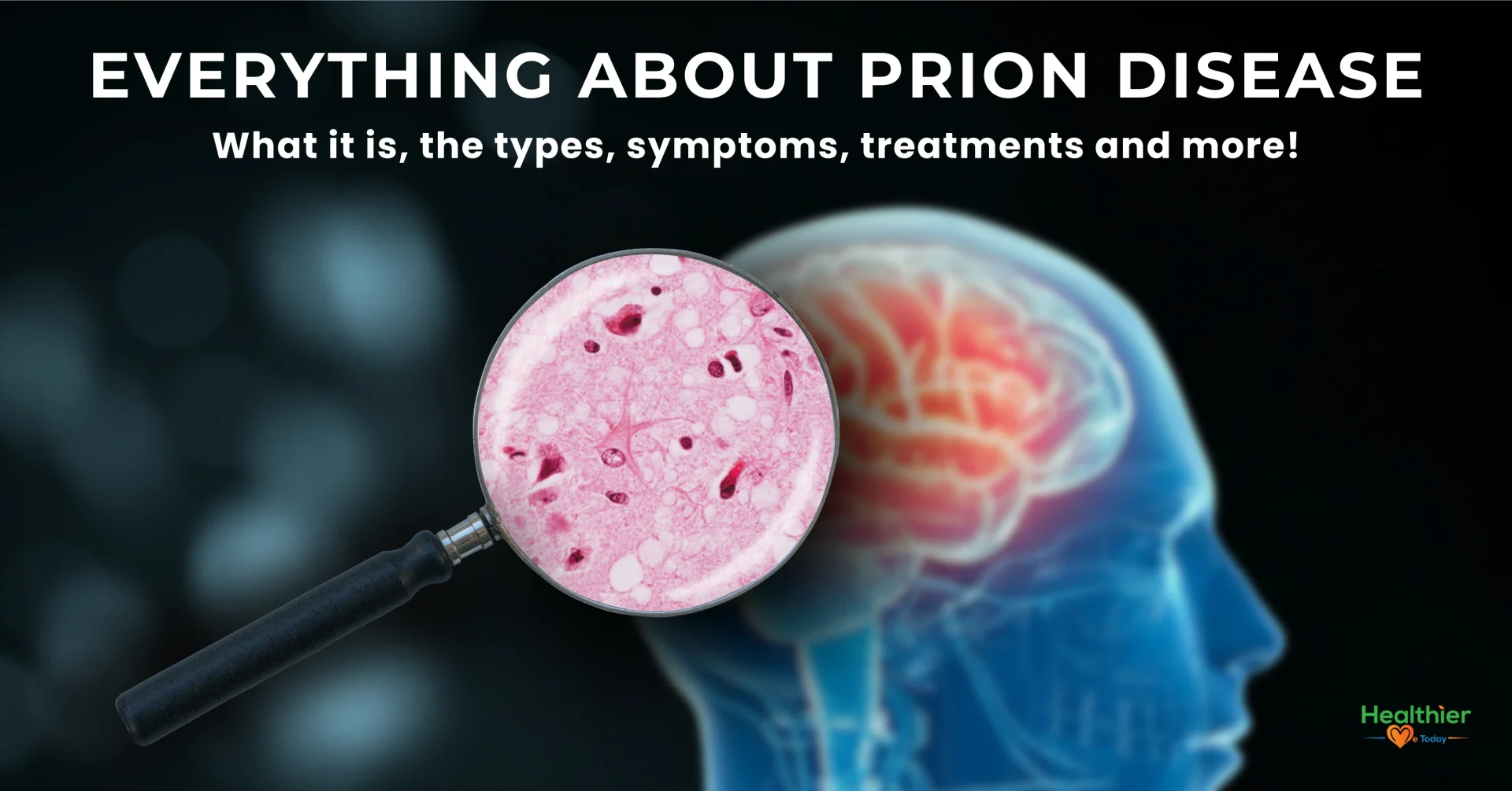
Have you ever stumbled across prion disease and felt both curious and uneasy? You’re not alone! These rare brain disorders, like mad cow disease, have sparked global intrigue since their discovery, blending fear and fascination with their unique protein-based attacks on the brain. This guide answers the question of what is a Brain-wasting disease, how it affects humans and animals, and what science has uncovered.
From spotting prion disease symptoms to practical steps for staying safe, these answers address concerns about Brain-wasting disease in humans.
Understanding Prion Diseases
So, what is a prion disease? It’s a rare group of brain disorders, known as transmissible spongiform encephalopathy, where proteins called prions misfold and cause healthy proteins to do the same, creating sponge-like holes in the brain. It can strike humans or animals, with mad cow disease as a notorious example. Brain-wasting disease in humans is sporadic, affecting approximately 1 in a million people each year.

Unlike viruses, prions lack DNA or RNA, making them nearly indestructible and hard to detect. How do prions cause disease? They form clumps in the brain, destroying neurons and disrupting memory, movement, and coordination. Identified in the 1980s by Stanley Prusiner, who won a Nobel Prize, prions reshaped science’s view of infectious agents. Global research, led by groups, now targets their resilience, though their unique biology poses ongoing challenges.
Types of Prion Diseases
The types of prion diseases vary in terms of cause, species, and progression. Each shares the misfolded prion problem but has distinct triggers, symptoms, and histories, shaped by biology and culture.
Here are the main ones you should know:
Creutzfeldt-Jakob Disease (CJD)
Creutzfeldt-Jakob disease (CJD) is the most common prion disease in humans, affecting ~350 Americans yearly, mostly over 60. Often spontaneous, it can be genetic or, rarely, spread via contaminated medical tools. Rapid dementia, ataxia, and myoclonus lead to death within a year, as seen in European cases.
Variant Creutzfeldt-Jakob Disease
Variant Creutzfeldt-Jakob disease arises from eating beef infected with mad cow disease. With ~230 global cases since the 1990s, mainly in the UK, it affects younger people, starting with mood changes and progressing to severe neurological decline, making it a rare but alarming prion disease.
Fatal Familial Insomnia (FFI)
Fatal familial insomnia (FFI), a genetic prion disease, affects fewer than 100 families worldwide, often in Italy and China. It causes relentless sleeplessness, exhaustion, and dementia, which can be fatal within months. Its unique sleep disruption [Healthier Me Today] makes it a devastating form of these conditions.
Gerstmann-Sträussler-Scheinker Syndrome (GSS)
Gerstmann-Sträussler-Scheinker syndrome (GSS), an inherited Brain-wasting disease, is ultra-rare, affecting 1 in 10 million. Starting with coordination issues, it evolves into dementia over the years. Myoclonus and speech loss are key prion disease symptoms, with cases in Germany and the U.S.
Kuru Disease
Kuru disease, once common in Papua New Guinea’s Fore tribe due to ritualistic cannibalism, peaked in the 1950s and is nearly extinct. It caused tremors, laughter fits, and immobility, illustrating how cultural practices contributed to prion disease transmission in a unique historical case.
Chronic Wasting Disease (CWD)
Chronic wasting disease (CWD) affects deer, elk, and moose, spreading across North America since the 1960s. It causes weight loss and neurological decline. While not confirmed in humans, hunters in Canada and the U.S. worry about infected meat, as it’s a transmissible spongiform encephalopathy.
How Prion Diseases Spread
Curious about Brain-wasting disease transmission? Is prion disease contagious? It’s not like catching a cold. Prion disease spreads through eating contaminated meat, inheriting faulty genes, or, rarely, medical errors like tainted surgical tools. Chronic wasting disease (CWD) in deer concerns many hunters, but human transmission hasn’t been proven. Only spontaneous cases [CIDRAP] have occurred, often in older adults.

Prions persist in soil, water, and tissues for years, resisting heat and disinfectants. High-risk tissues, such as the brain or spine, are particularly susceptible to increased exposure, and poor medical sanitation can further amplify these risks. Public health measures, such as the UK beef export bans in the 1990s, have reduced outbreaks. How do prions cause disease? Their resilience makes prion disease transmission a unique challenge, unlike typical infections.
Symptoms of Prion Diseases
Prion disease symptoms can be sneaky, often mistaken for Alzheimer’s or dementia, making early detection challenging. They start subtly but escalate, impacting thinking, movement, and mood, and have a profound effect on patients and their families.
Here’s what to watch for:
- Memory lapses, like forgetting appointments or names, can cause early frustration.
- Confusion, making tasks like shopping or organizing feel overwhelming for you.
- Mood swings, such as irritability or depression, are common in variant Creutzfeldt-Jakob disease.
- Ataxia: Unsteady walking or clumsiness, like spilling drinks, seen in gerstmann-Sträussler-Scheinker syndrome.
- Myoclonus: Sudden muscle jerks, like a twitching arm, startling during rest.
- Speech difficulties, starting with slurring and leading to complete speech loss.
- Vision problems [Healthier Me Today], such as blurriness or double vision, can disrupt daily activities.
- Insomnia, severe in fatal familial insomnia (FFI), drains energy and clarity.
- Tremors or shaking, as seen in kuru disease, can affect balance and daily tasks.
- Severe dementia, requiring constant care as the prion disease advances.
Impact on the Brain
Prion disease ravages the brain, leaving it spongy and dysfunctional. Misfolded prions clump, killing neurons and creating microscopic holes, disrupting signals for movement and thought. This drives prion disease symptoms, such as ataxia and myoclonus, as the motor and balance regions deteriorate. In Brain-wasting disease in humans, the cortex, which handles memory and reasoning, deteriorates, causing profound dementia.

Mad cow disease and chronic wasting disease (CWD) harm animal brains, threatening wildlife populations and ecosystems. Transmissible spongiform encephalopathy can cause seizures and halt vital functions like breathing, showing the relentless progression of prion disease across species.
Diagnosis and Treatment
Managing prion disease involves identifying it and alleviating discomfort, as there is currently no cure. Doctors use advanced tests and compassionate care to support patients and families.
Here’s how they approach it:
Diagnosis
Neurologists assess prion disease symptoms, such as memory loss or myoclonus, using MRI scans to detect brain changes and EEGs to identify abnormal brain waves. The 14-3-3 protein test in spinal fluid helps confirm Brain-wasting disease in humans, though it’s not always reliable. Genetic tests detect mutations for inherited types of prion diseases, and rare brain biopsies provide definitive proof. Misdiagnosis as dementia delays care, adding emotional strain.
Treatment
No cure exists for prion disease; however, treatments can help alleviate its symptoms. Anticonvulsants reduce myoclonus, sedatives ease anxiety, and physical therapy improves ataxia. Hospice care offers comfort, nutrition, and emotional support for individuals with late-stage Gerstmann-Sträussler-Scheinker syndrome (GSS) or variant Creutzfeldt-Jakob disease. Caregivers [ScienceDirect] get training on safe handling and emotional coping, ensuring dignity as symptoms worsen.
Prevention Strategies
Protecting yourself from prion disease requires careful steps. While not entirely preventable, you can lower risks with informed choices.
Here are the best ways to stay safe:
Choose Safe Meat Sources
Avoid beef from areas with mad cow disease to prevent variant Creutzfeldt-Jakob disease. EU bans on risky cattle parts ensure safer beef. Hunters should test venison for chronic wasting disease (CWD), using certified labs to reduce risks.
Follow Safe Food Practices
Cook meat thoroughly and skip organ meats like brain, which may carry prions from mad cow disease. Check government websites for food recalls to prevent prion disease transmission through contaminated products.
Support Strict Regulations
Push for laws banning risky animal byproducts in cattle feed, which spread mad cow disease. Policies like Canada’s feed bans reduce risks, ensuring safer food chains and fewer outbreaks worldwide.
Ensure Safe Medical Procedures
Hospitals use autoclaves to sterilize tools, thereby preventing prion diseases transmission. Blood and tissue donations are screened, minimizing iatrogenic risks during surgeries or transplants.
Consider Genetic Counseling
If fatal familial insomnia (FFI) or gerstmann-Sträussler-Scheinker syndrome (GSS) runs in your family, genetic counseling helps. Testing for prion gene mutations helps guide family planning, thereby reducing the risk of inherited diseases.
Stay Informed on Research
Consider studies on transmissible spongiform encephalopathy to be aware of the risks, such as chronic wasting disease (CWD), which can potentially be transmitted to humans. WHO [World Health Organization] or CDC [Centers for Disease Control] updates help you make wise choices to avoid exposure.
Conclusion: A Quick Summary
Prion disease, from mad cow disease to kuru disease, is a rare but devastating brain condition driven by misfolded prions. Understanding what is a prion disease, recognizing Brain-wasting disease symptoms, and knowing prion disease transmission risks empowers you to act. Though prion disease in humans lacks a cure, science is advancing. Make informed food choices, support research, and collaborate with doctors to address the challenges of prion diseases with hope, confidence, and proactive care.
FAQ’s:
What is a prion disease, and how does it affect humans?
What is a prion disease? It’s a rare brain disorder where misfolded prions damage tissue, causing prion disease symptoms, such as dementia. Prion disease in humans leads to memory loss and movement issues, progressing fatally.
Is prion disease contagious?
Is prion disease contagious? Unlike a cold, prion disease transmission can occur through contaminated meat (such as mad cow disease) or medical procedures. Most cases aren’t spread person-to-person.
What are the symptoms of prion disease?
Prion disease symptoms include memory loss, confusion, ataxia, and myoclonus. As prion disease worsens, dementia, speech loss, and immobility develop, varying by type, like variant Creutzfeldt-Jakob disease.
What causes prion diseases in humans and animals?
Prion disease stems from misfolded prions, triggered by genetics (fatal familial insomnia), contaminated food (mad cow disease), or spontaneous changes. Animals get chronic wasting disease (CWD) similarly.
Can you get prion disease from eating meat?
Yes, eating beef with mad cow disease can cause variant Creutzfeldt-Jakob disease. Chronic wasting disease (CWD) in deer is a concern, but human transmission hasn’t been confirmed. Choose safe meat sources.
How are prion diseases diagnosed?
Doctors use prion disease symptoms, MRI scans, EEGs, and the 14-3-3 protein test to diagnose prion disease. Genetic tests or biopsies confirm the types of prion diseases, such as Gerstmann-Sträussler-Scheinker syndrome (GSS).
What are the different types of prion diseases?
Types of prion diseases include Creutzfeldt-Jakob disease (CJD), variant Creutzfeldt-Jakob disease, fatal familial insomnia (FFI), Gerstmann-Sträussler-Scheinker syndrome (GSS), and kuru disease, each affecting the brain in distinct ways.
How is prion disease transmitted?
Prion disease transmission happens through contaminated food (mad cow disease), medical procedures, or inherited genes (fatal familial insomnia). Prion disease rarely spreads otherwise, unlike typical infections.
Are prion diseases treatable or curable?
No cure exists for prion disease. Treatments can alleviate symptoms of prion disease, such as myoclonus, through the use of medications or therapy. Supportive care enhances the quality of life for individuals with prion disease.
What’s the difference between CJD and mad cow disease?
Creutzfeldt-Jakob disease (CJD) is a spontaneous or genetic prion disease. In contrast, mad cow disease (bovine spongiform encephalopathy) primarily infects cattle, potentially causing variant Creutzfeldt-Jakob disease in humans through contaminated beef.
