
Learning how to improve eyesight is super important, especially since we spend so much time in front of screens nowadays. Following a few easy habits can help maintain your eye health for longer. When vision starts to decline, it can affect how people enjoy life. So, protecting your eyes and avoiding potential issues is an essential part of a healthy lifestyle you should never forget.
This article will examine the symptoms and causes of eye strain, what the 20 20 20 rule is and how to practice it, and practical tips on how to improve vision and eye health. Let’s get started!
Symptoms and Causes of Eye Strain
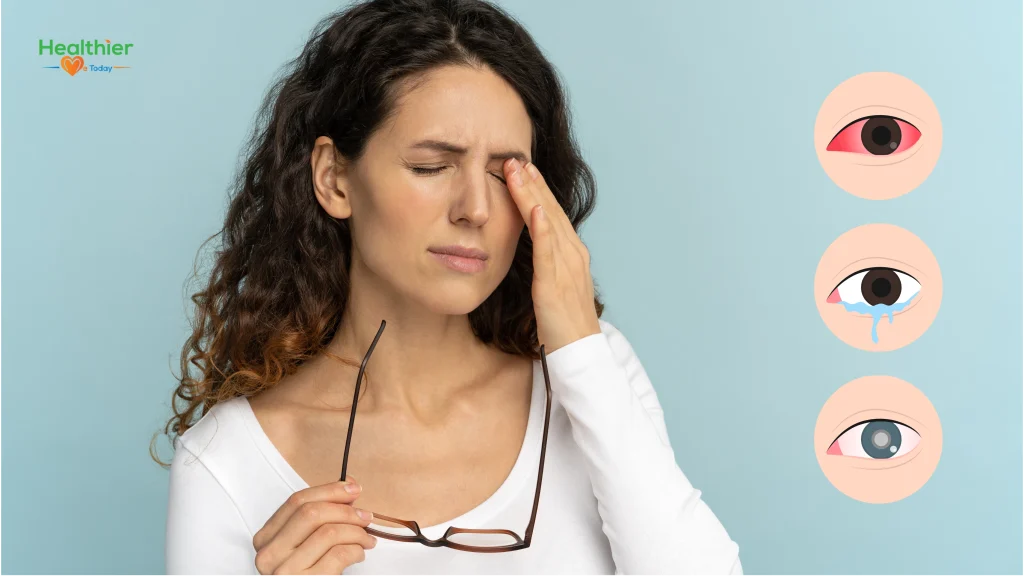
Eye strain is frequent when you use your eyes a lot, like reading, staring at screens, or driving for long periods. The symptoms can affect your eyes and other parts of your body.
For your eyes, symptoms of eye strain can include:
- Watery eyes
- Dry eyes
- Blurred vision
- Sensitivity to light
- Burning sensation in the eyes
- Itchy eyes
- Trouble keeping your eyes open
- Other symptoms that can affect your body include:
- Headaches
- Neck pain
- Shoulder pain
- Back pain
- Trouble focusing
Causes of Eye Strain
What leads to eye strain? It usually happens when you concentrate hard on something.
Some common causes are:
- Driving
- Reading
- Using computers and phones
- Playing video games
- Doing detailed tasks like writing, sewing, or crafting
- Not having enough light while working
- Not blinking often enough
People who already have eye problems, like uncorrected vision or issues with eye muscles, are more likely to experience eye strain.
What’s the 20 20 20 Rule?
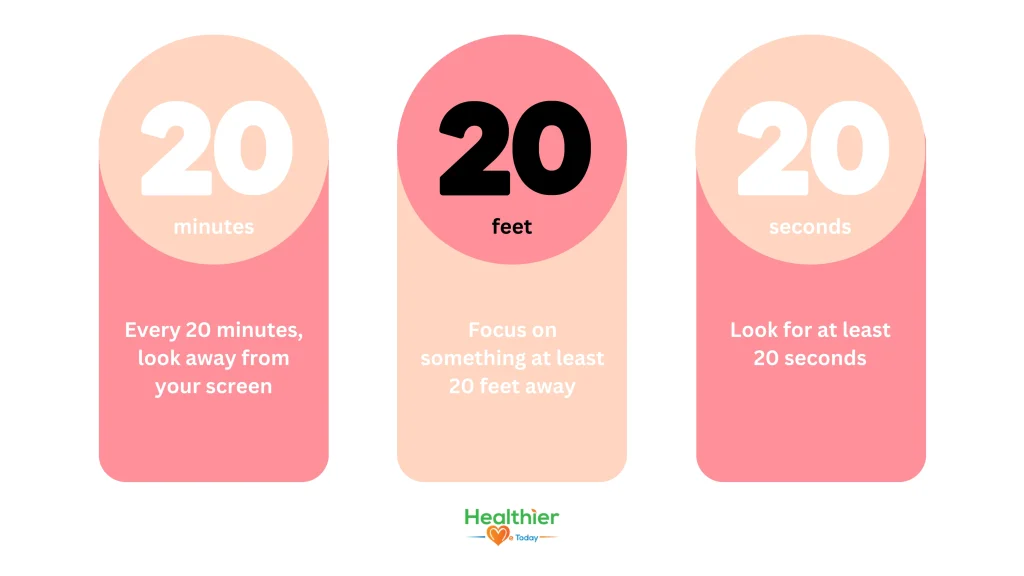
Applying the 20 20 20 rule is a smart way to avoid eye strain from screen time and improve eyesight. For every 20 minutes spent staring at a screen, you should focus on something 20 feet away for 20 seconds. This rule is a helpful reminder to take regular breaks, which can lessen the discomfort from prolonged screen use.
What Does The Research Say?
The American Academy of Ophthalmology states that using digital devices doesn’t necessarily harm your eyesight but can lead to eye strain and discomfort. Usually, people blink about 15 times a minute, but when focused on screens, that number drops to around half or even a third. This reduction can result in dry, irritated, and fatigued eyes. The eye strain from screen use is called computer vision syndrome (CVS).
A study published in the Nepalese Journal of Ophthalmology looked into how computer use affects the eyes of university students in Malaysia. The findings showed that nearly 90 percent of the 795 students experienced symptoms of CVS after just two hours of continuous computer use. During screen time, regular breaks to focus on distant objects helped reduce their eye strain symptoms. This supports the effectiveness of the 20 20 20 rule.
While many doctors recommend the 20 20 20 rule as a solid strategy, researchers note that any break from repetitive screen work can be helpful. They also point out that children may not recognize eye strain as easily as adults do, so it’s crucial for caregivers to keep an eye on children’s screen time.
Eat Well for Better Eye Health
Maintaining eye health begins with what you eat. Nutrients like omega-3 fatty acids, lutein, zinc, and vitamins C and E can help prevent vision problems that come with age, such as macular degeneration (which makes it difficult to see things directly in front of you) and cataracts (which cause cloudy areas on the lens of your eye).
Foods that improve your eyesight include:
- Green leafy vegetables like spinach, kale, romaine lettuce, and collards
- Broccoli and brussels sprouts
- Oily fish such as salmon, tuna, and sardines
- Colorful vegetables like sweet potatoes, carrots, and red peppers
- Eggs, nuts, beans, and other plant-based protein sources
- Citrus fruits like oranges, nectarines, grapefruit, and kiwi
- Foods high in zinc include chickpeas, oysters, and yogurt
Exercise to Keep Your Eyes Healthy
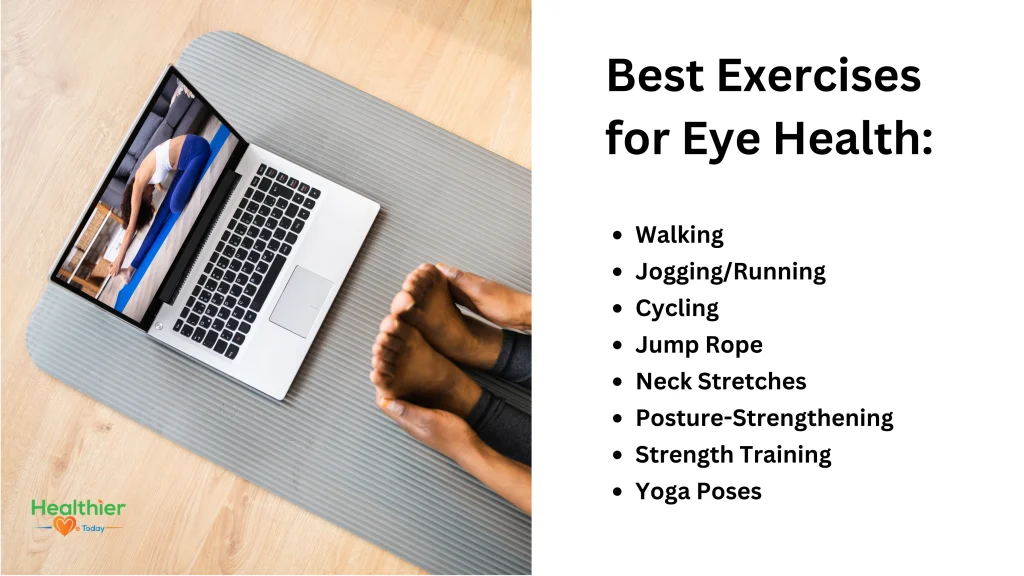
To maintain good health, aim for 150 minutes of exercise each week unless your doctor suggests otherwise. You don’t have to do it all in one go; breaking it down into 30-minute sessions five days a week usually fits better into most schedules. Any form of movement counts, whether it’s a cardio workout, a quick walk with a friend, or even yard work like raking leaves. So, how can we improve eyesight through exercise?
Regular physical activity boosts blood flow and nutrients to your body, including your eyes. Research indicates that consistent exercise can enhance tissue repair and lower oxidative stress, which happens when there are more toxins than antioxidants in your body. Staying active also helps you keep a healthy weight, which benefits your eyes.
Studies show that being overweight can lead to inflammation, causing eye problems like cataracts, macular degeneration, and glaucoma, which harms your optic nerve and disrupts the way your eyes send signals to your brain. Obesity increases the risk of type 2 diabetes, a significant cause of blindness in adults. Over time, high blood sugar can severely damage the tiny blood vessels in your eyes. If reaching 150 minutes of exercise each week feels overwhelming, just do what you can. Any physical activity is better than none at all.
Quit Smoking to Protect Your Vision
Tobacco use raises your chances of developing cataracts, damage to the optic nerve, macular degeneration, and a bunch of other health problems. If you’ve tried to quit before but ended up starting again, you know that kicking the habit can be challenging. This is mainly because nicotine, the key ingredient in tobacco, alters your brain’s chemistry. It tricks you into believing that you need more nicotine to feel normal.
After you stop using tobacco, it might take a few weeks for those cravings to fade away. During this period, you might experience irritability, trouble concentrating, and difficulty sleeping. Smoking or vaping might have also become a significant part of your daily life. To successfully quit, it can be helpful to adopt other healthy habits in place of tobacco.
For example, when you crave, try texting a friend, listening to your favorite music, or taking a quick walk. Don’t get discouraged if your first attempt to quit doesn’t succeed; that’s pretty normal. Consider reaching out to your doctor for assistance. Research indicates that even a few quick tips from them can significantly improve your chances of quitting for good.
Wear Sunglasses to Safeguard Eye Health
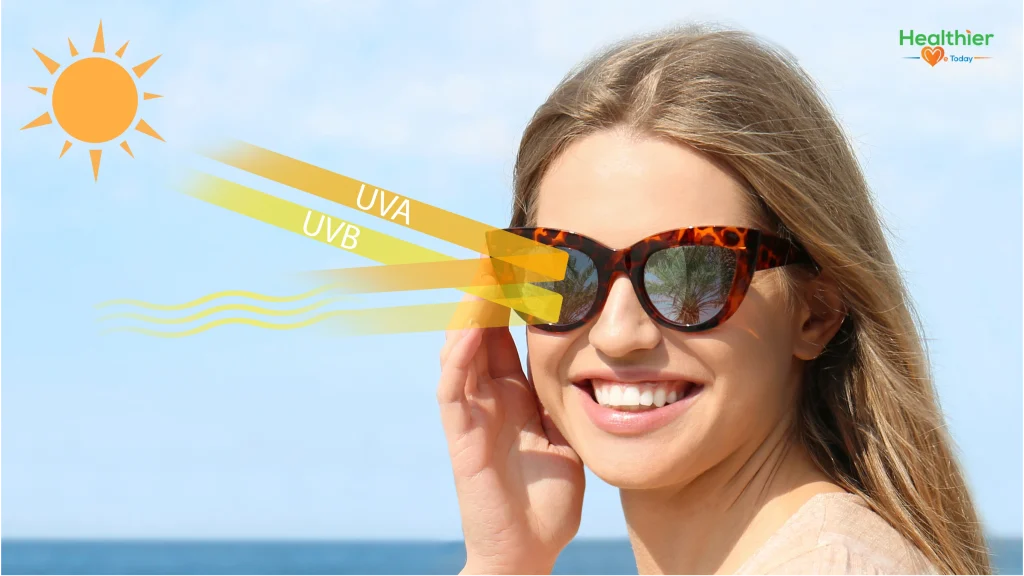
Wearing the right sunglasses is vital for shielding your eyes from the sun’s harmful ultraviolet (UV) rays. Excessive exposure can lead to serious eye issues like cataracts and macular degeneration. Even if it’s cloudy outside, your eyes can still be at risk since UV rays can penetrate the clouds.
When you’re looking for sunglasses, make sure they can do at least one of these things:
- Blocks 100% of UV rays
- Block both UV-A and UV-B rays
- Provides UV400 protection
Sunglasses with wraparound lenses offer extra protection from the sides. While polarized lenses help reduce glare from surfaces like water, snow, and sidewalks, they don’t block UV rays. Some have UV protection built in if you wear contact lenses, but it’s still wise to wear sunglasses for added safety.
Use Safety Eyewear
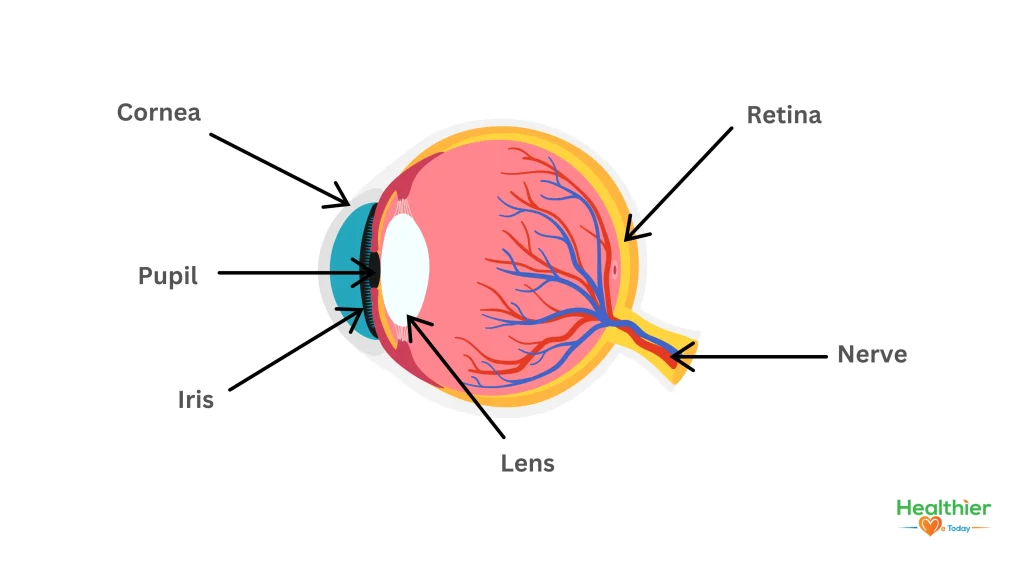
Every day, around 2,000 people hurt their eyes while working. This risk increases if you’re in jobs that involve dangerous materials that could get in your eyes or if there’s a chance of something hitting your eye by accident.
Some of these jobs include:
- Construction
- Plumbing
- Woodworking
- Mining
- Car repair
- Farming
- Landscaping
- Health care
It’s crucial to wear safety glasses or protective goggles. These lenses are made from strong materials that can keep your eyes safe and are less likely to break. Sports like ice hockey, racquetball, and lacrosse can cause eye injuries. Always wear a helmet with a face mask or sports goggles to protect your eyes. If you wear glasses, ask your doctor for prescription lenses for your sports goggles.
Conclusion: How to Improve the Vision?
How to keep your eyes healthy? You shouldn’t only start caring for your eyes until there’s an issue. You can improve eyesight by eating nutritious foods, keeping active with workouts, and having regular eye check-ups. Knowing how to get better eyesight and treating eye problems early can lead to better vision and eye health.
FAQ’s:
How to improve eyesight naturally?
How to get better vision naturally includes quitting or lessening smoking, eating a healthy diet, shielding your eyes by wearing protective eyewear, doing eye exercises, using the 20 20 20 rule, getting enough sleep, and going for regular eye exams.
What is the 20 20 20 rule, and does it work?
To give your eyes a break and improve eyesight, every 20 minutes of screen time, take a moment to focus on something 20 feet away for about 20 seconds. This simple practice helps your eyes reset and feel more relaxed.
What are the best vitamins for the eyes?
Vitamins A, C, E, and omega-3 fatty acids.
What are the best foods for eye health? foods
Egg yolks, dairy, liver, spinach, other dark leafy greens, carrots, broccoli, kale, peppers, and oranges are some foods that help improve eyesight.
Do carrots improve vision?
Carrots can support healthy eyesight but won’t enhance eyesight if your sight is relatively poor.
Is blue light bad for your eyesight?
Too much exposure to blue light, especially during the night, can lead to digital eye strain, interfere with your sleep patterns, and may raise the risk of age-related macular degeneration as time goes on.
What are the early warning signs of vision problems?
Vision problems can show up in different ways. Some early signs to look out for are things starting to look blurry, bright lights hurting your eyes, or if you see double. You might also notice eye pain, see little spots or floaters, and have trouble focusing.
How often should I get my eyes checked?
The frequency of eye exams you need depends on how old you are, any risks you might have, and your current eyesight:
> If you’re between 20 and 39 years old, you should get your eyes checked every 5 years.
> For those aged 40 to 54, having an eye exam every 2 to 4 years is a good idea.
> If you’re 55 to 64, aim for an eye check every 1 to 3 years.
> For people 65 and older, getting your eyes checked every 1 to 2 years is best.
What are the best supplements for eye health?
The top rated eye supplements include Vitamin A, Vitamin C, Vitamin E, Lutein and zeaxanthin, Zinc, Selenium, Omega-3 fatty acids, Copper, Vitamin B1 (or thiamine), and Evening primrose oil.
