
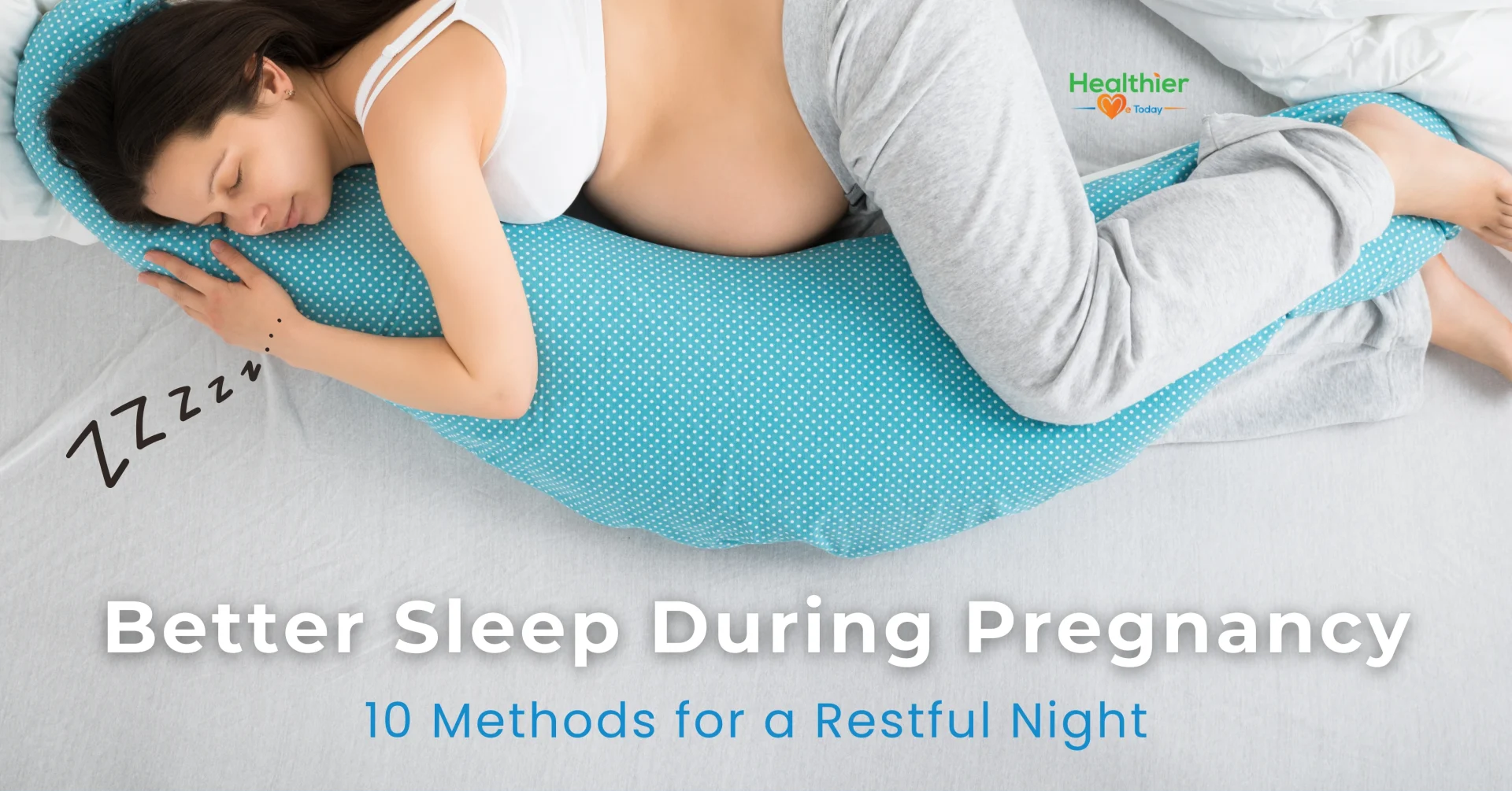
Tossing. Turning. Staring at the clock at 2 AM again. If you’re pregnant and exhausted but can’t seem to drift off, you’re far from alone. Nearly 8 out of 10 moms-to-be struggle to sleep soundly. From your growing belly to the nonstop swirl of thoughts about baby names, birth plans, and everything in between, it’s no wonder restful nights feel out of reach.
But what if a few simple tweaks could help you finally wake up feeling refreshed? In this guide, you’ll uncover why pregnancy wreaks havoc on your sleep and discover practical tips to ease discomfort, calm your mind, and reclaim your nights.
Why Is It So Hard to Sleep During Pregnancy?
You’re not sleeping because pregnancy throws a lot at your body all at once. Hormones like progesterone make you drowsy during the day but end up disrupting your natural sleep rhythm at night. Rising estrogen levels can bring on snoring and nasal congestion, waking you up throughout the night. Meanwhile, your growing belly puts pressure on your bladder, so you’re up making frequent bathroom trips. Add in heartburn and sudden leg cramps, and it’s no wonder restful sleep feels out of reach.

Sleep troubles often start early, affecting about one in four women in the first trimester, and by the third, nearly 80% are struggling. Discomfort piles on: your bump makes it hard to find a comfortable position, back pain flares up, and restless legs syndrome (which affects around 15% of pregnant women) keeps you moving when you just want to rest. On top of it all, worries about labor and motherhood can send your mind racing, with stress hormones like cortisol keeping you more alert than you’d like.
These challenges are common but draining. Understanding what’s behind your sleepless nights is the first step to finding relief, so you can get the rest your body needs to stay strong.
The Top 10 Secrets to Better Sleep
Getting good sleep during pregnancy can feel like a challenge, but the proper habits make it easier. These strategies are designed to help you rest well through all trimesters, easing discomfort and calming your mind. Whether it’s finding the correct position or creating a soothing bedtime routine, these methods support your body and help you wake up refreshed.
Below are 10 detailed ways to get a restful night:
1. Sleep on Your Left Side
Sleeping on your left side boosts blood flow to your baby and cuts leg swelling, affecting 50% of pregnant women. Place a pillow under your bump and between your knees to align your hips. This prevents dizziness from back sleeping after 28 weeks. Start early, as it gets harder with a bigger belly. A firm mattress keeps you comfortable. Many women report sleeping 1-2 hours longer in this position, feeling more rested.
2. The Ready Rocker
The Ready Rocker turns any chair or bed into a gentle rocker to help you sleep better. Place it under your seat or mattress and adjust to a slow, soothing pace. This motion helps alleviate back pain, which is common in most pregnancies, and soothes your mind, especially during the third trimester. Use it for 10-15 minutes before bed to relax. Its portable design fits small spaces, and women find it reduces restlessness.
3. Use a Pregnancy Pillow
A U-shaped or wedge pregnancy pillow supports your bump and eases hip pressure. Place a U-shaped pillow around your body or a wedge under your belly for targeted relief. This reduces back pain, reported by 70% of pregnant women. Select a pillow with a breathable cotton cover to stay cool. Using one nightly helps maintain side sleeping and reduces the number of wake-ups. Women say it’s a must-have for deeper sleep, especially in the second and third trimesters.
4. Cut Caffeine After Noon
Caffeine in coffee, tea, soda, or chocolate stimulates your nervous system, making you feel more awake than you should. Stop consuming it after noon to let your body wind down. Switch to caffeine-free chamomile tea, which is safe for most pregnant women, to help you relax [medicalnewstoday.com]. Keep a water bottle for hydration and avoid sugary drinks. A caffeine-free afternoon routine helps reduce restlessness and makes bedtime smoother, leading to better sleep.
5. Drink Less Before Bed
Limit fluids for two hours before bed, taking small sips if you feel thirsty. Drink most water before 6 p.m. to stay hydrated without overloading your bladder. This reduces nocturia, a top sleep disruptor.

Use a dim red-bulb nightlight for bathroom trips to avoid waking up fully. Women who cut evening fluids often sleep 1-2 hours longer, feeling more refreshed in the morning.
6. Try Relaxation Techniques
The 4-7-8 breathing technique calms your mind before bed. Inhale for 4 seconds, hold for 7, exhale for 8 through your mouth, repeating five times. This lowers stress, affecting 40% of pregnant women. A 10-minute warm bath with lavender-scented Epsom salts helps relax the muscles. Practice nightly to signal bedtime. Many women find that this helps reduce anxiety and enables them to fall asleep within 15 minutes, thereby improving sleep quality and morning energy.
7. Keep Your Room Cool and Dark
A bedroom at 65°F with blackout curtains creates a sleep-friendly space [miragenews.com]. Use breathable cotton sheets to prevent overheating, a common issue during hormonal shifts. A dim red-bulb nightlight guides bathroom trips without jarring you awake. Add a white noise machine to block street sounds. A cool, dark room reduces wake-ups and enables you to stay asleep longer, waking up refreshed.
8. Stick to a Sleep Schedule
Go to bed at 10 p.m. and wake at 6 a.m. daily, even on weekends, to train your body. A consistent schedule syncs your internal clock, helping 50% of women sleep better [sleepfoundation.org]. Spend 15 minutes reading a light book before bed to signal the start of your rest time. Avoid naps longer than 30 minutes to protect nighttime sleep. Following this routine helps women fall asleep faster and wake less often, feeling more energized.
9. Eat Small, Early Dinners
Heavy or spicy meals trigger heartburn, affecting 60% of pregnant women. Eat a small dinner, such as grilled chicken and steamed vegetables, by 6 p.m. to allow for proper digestion and absorption. Avoid tomatoes and citrus, as they can worsen reflux. Prop your head with two pillows to reduce nighttime burning. A small pre-bed snack, such as a banana, helps keep hunger at bay. This approach enables women to sleep without discomfort, reducing wake-ups and enhancing rest quality.
10. Exercise During the Day
Walk for 30 minutes in the morning or practice prenatal yoga to tire your body gently. Exercise reduces stress and leg cramps, which can disrupt sleep for up to 30% of pregnant women. Finish workouts by 3 p.m. to avoid evening energy spikes.

Join a prenatal class for guided stretches that ease back pain. Women who exercise daily often fall asleep 20 minutes faster. This habit boosts energy and supports deeper, uninterrupted sleep throughout pregnancy.
Conclusion: Is a Good Night’s Sleep Possible When Pregnant?
Getting quality sleep while pregnant isn’t just a dream… It’s key for keeping your energy up and supporting your baby’s development. Sure, restless nights are common, but small changes like using a pregnancy pillow or the Ready Rocker can make a world of difference. By understanding what’s disrupting your sleep and putting these simple strategies into action, you’ll be better equipped to rest well and enjoy a healthier, happier pregnancy.
FAQ’s:
Why am I so sleepless at night, pregnant?
You’re sleepless because of hormones, discomfort, and stress. Your growing bump, frequent bathroom trips, and worries about labor keep you up at night. Consider using a pregnancy pillow and relaxation techniques to improve your sleep quality.
Can pregnancy insomnia affect a baby?
Yes, poor sleep can affect your baby. It may raise risks like preterm birth or low birth weight. Getting enough rest supports healthy growth for your baby.
What pregnancy hormone causes insomnia?
Progesterone and estrogen disrupt sleep. Progesterone can cause sleepiness, but it can also disrupt nighttime rest. Estrogen can lead to snoring or discomfort, which can disturb your sleep and cause you to wake up.
